From a Buying Frenzy Fantasy to Empty Excitement: Will the U.S. Government No Longer Accumulate BTC?
TechFlow Selected TechFlow Selected
From a Buying Frenzy Fantasy to Empty Excitement: Will the U.S. Government No Longer Accumulate BTC?
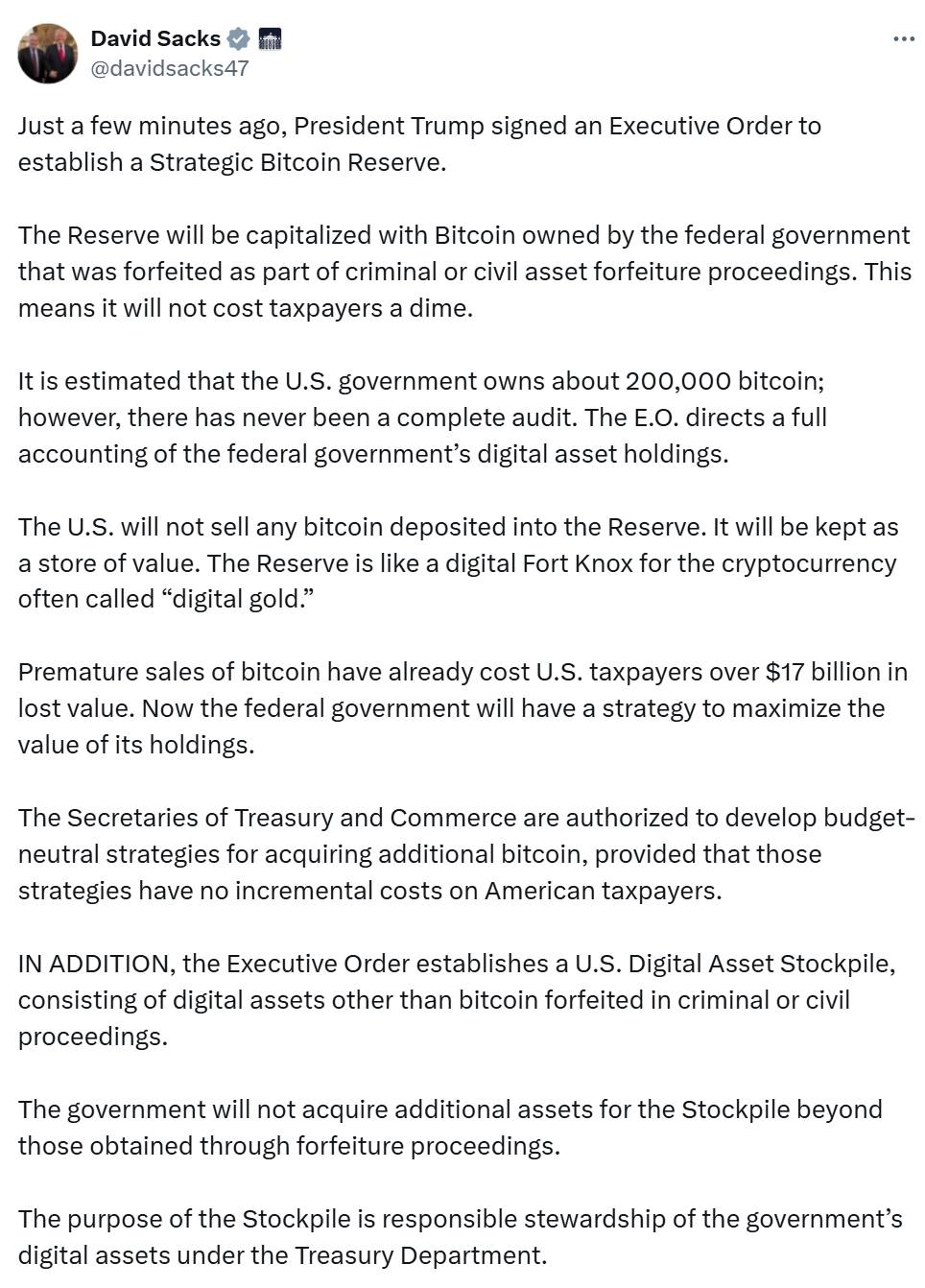
The reserve will be backed by existing seized assets, without involving taxpayer funds, positioned as a store of value, and explicitly will not be sold.
 Navigating Web3 tides with focused insights
By 1912212.eth, Foresight News
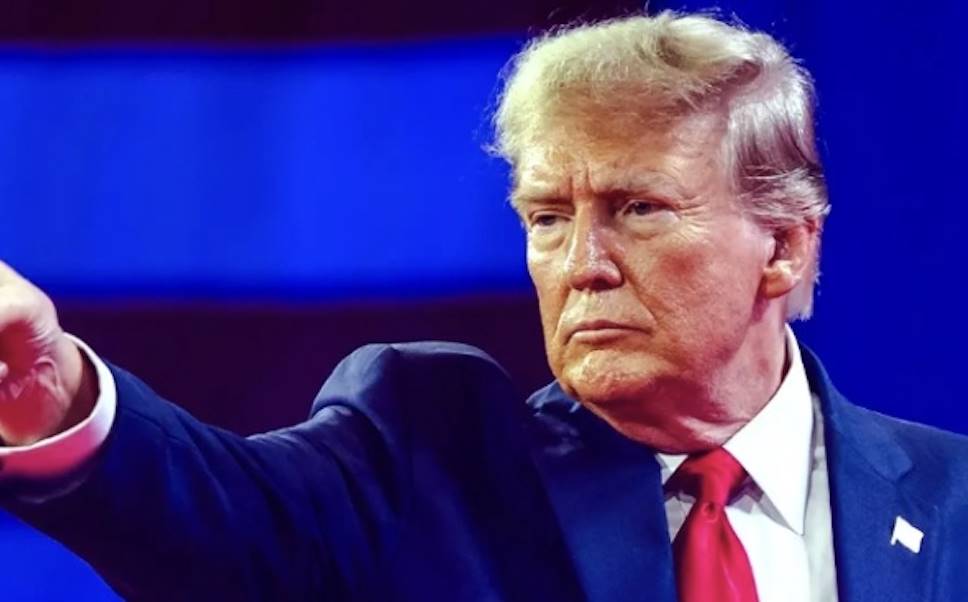
On March 7, Trump signed a highly anticipated executive order officially announcing the creation of a U.S. "Strategic Bitcoin Reserve" (SBR). This move fulfills part of his campaign promises, aiming to incorporate Bitcoin into national financial strategy. Additionally, the executive order establishes a U.S. digital asset repository, including non-Bitcoin digital assets seized through criminal or civil proceedings. The Treasury Secretary will determine responsible management strategies, including potential sales from the U.S. digital asset inventory. (Bitcoin can be purchased, provided such strategies do not impose additional costs on U.S. taxpayers.)
However, a subsequent statement by David Sacks, the White House lead for AI and crypto affairs, triggered intense market and public backlash: "Beyond Bitcoin acquired through criminal or civil asset forfeiture procedures, the government will not purchase additional assets for this inventory of alternative digital assets." Several days earlier, Farcaster co-founder Dan Romero had predicted this outcome, tweeting that the government would retain only seized assets and refrain from new purchases—now proven correct.
Following this announcement, market prices fluctuated sharply. BTC dropped from around $91,000 to approximately $84,000 at around 8 a.m., later recovering to about $87,000, with a one-hour volatility of 4.9%.
Is this a milestone in cryptocurrency history, or merely a diluted version of Trump’s pro-crypto presidency pledge?
From Campaign Promise to Policy Implementation
During his 2024 presidential campaign, Trump repeatedly expressed support for the crypto industry, vowing to make the United States the global hub for cryptocurrency. At the Nashville Bitcoin Conference, he pledged that if elected, he would preserve the government's existing Bitcoin holdings and establish a strategic reserve to counter potential dollar risks and promote financial innovation. At the time, the U.S. government had already seized roughly 200,000 BTC through combating illegal activities such as dark web transactions and Ponzi schemes—valued at over $20 billion at current prices. These confiscated assets formed the foundation of Trump’s envisioned reserve and were seen as a zero-cost starting point for policy implementation.
The signing of this executive order turns that vision into reality. However, the reserve will rely solely on existing seized assets without involving taxpayer funds, positioned purely as a store of value, and explicitly prohibited from selling. This stands in stark contrast to Trump’s earlier bold claim that “Bitcoin will surpass gold,” raising questions about the actual strength of his commitment.
Market Reaction
After the announcement, reactions were mixed—some expressed disappointment while others remained optimistic. Those disappointed argued that the executive order offered no tangible benefits. Nevertheless, overall market sentiment leaned more positive.
David Duong, Chief Analyst at Coinbase, commented: “For those upset that the U.S. government isn’t continuing to accumulate Bitcoin, they’re completely missing the point. This is actually very bullish in the long term. Future capital inflows will come from long-term institutional investors who gain greater confidence in Bitcoin as a global, supra-national critical asset.”
Matt Hougan, Chief Investment Officer at Bitwise, stated that the impact of the U.S. Strategic Bitcoin Reserve includes:
1) Significantly reducing the likelihood of the U.S. government banning Bitcoin in the future;
2) Greatly increasing the possibility of other countries establishing their own strategic Bitcoin reserves;
3) Accelerating other nations’ consideration of creating such reserves, as this creates a short-term window to act before any potential U.S. accumulation; and
4) Making it harder for institutions—from national wealth funds to quasi-governmental bodies like the IMF—to characterize Bitcoin as a risky or unsuitable asset.
Symbolically, this move marks a pivotal moment in Bitcoin’s evolution. As the first U.S. president to explicitly include Bitcoin in national strategy, Trump’s action could further advance cryptocurrency legalization and mainstream adoption.
As Sacks noted, this signifies Bitcoin’s transition from a fringe asset to a nationally recognized store of value—placing it alongside gold and foreign exchange reserves now seems within reach. Moreover, it may encourage more countries to follow suit—nations like Brazil and Poland have already proposed similar reserve plans.
Yet, the decision not to acquire additional assets also reveals policy limitations. In contrast, if the U.S. used fiscal funding to purchase more Bitcoin, it could directly boost prices and take an early lead in the global reserve race.
Now relying only on forfeited assets limits the reserve’s scale and prevents active investment influence on market dynamics. Analysts suggest this reflects a compromise by the Trump administration amid fiscal constraints and internal opposition. After all, a full-scale Bitcoin buying program would require congressional approval, and Republican views on cryptocurrency remain far from unified.
Outlook
Globally, Bitcoin reserves are becoming an emerging trend. Brazil intends to use them as an anti-inflation tool, while Poland sees them as a means of economic diversification. In comparison, although the U.S. initiative is groundbreaking, its “no new acquisitions” stance appears conservative.
Trump’s executive order on the Strategic Bitcoin Reserve represents both a symbolic step toward integrating cryptocurrency into national strategy and a controversial limitation due to the ban on additional purchases. In the short term, the Bitcoin market may face pressure from unmet expectations; in the long run, however, the symbolic weight of this reserve could reshape the global financial landscape. Whether its scale and influence will live up to Trump’s grand rhetoric remains to be seen. What comes next for the Strategic Bitcoin Reserve? Only time—and future policy details along with market feedback—will tell.
Join TechFlow official community to stay tuned
Telegram:https://t.me/TechFlowDaily
X (Twitter):https://x.com/TechFlowPost
X (Twitter) EN:https://x.com/BlockFlow_News
 Foresight News