








Copycat ETFs flood applications—Is a new hype wave coming?
TechFlow Selected TechFlow Selected
Copycat ETFs flood applications—Is a new hype wave coming?
Following the SEC's consecutive confirmations in February this year regarding applications by several major U.S. traditional giants for LTC, DOGE, SOL, and XRP ETFs, favorable policy developments and relaxed SEC regulation have led to frequent progress updates on altcoin ETFs this week.
 Navigating Web3 tides with focused insights
Author: Ashley
After Trump's high-profile announcement of a cryptocurrency strategic reserve, despite underwhelming market price performance, traditional financial institutions have swiftly taken action. Following the SEC’s consecutive approvals in February this year for major U.S. firms applying for ETFs tied to LTC, DOGE, SOL, and XRP, favorable policies and loosened SEC regulation have led to a flurry of recent developments for altcoin ETFs.
Latest Altcoins Applying for ETFs
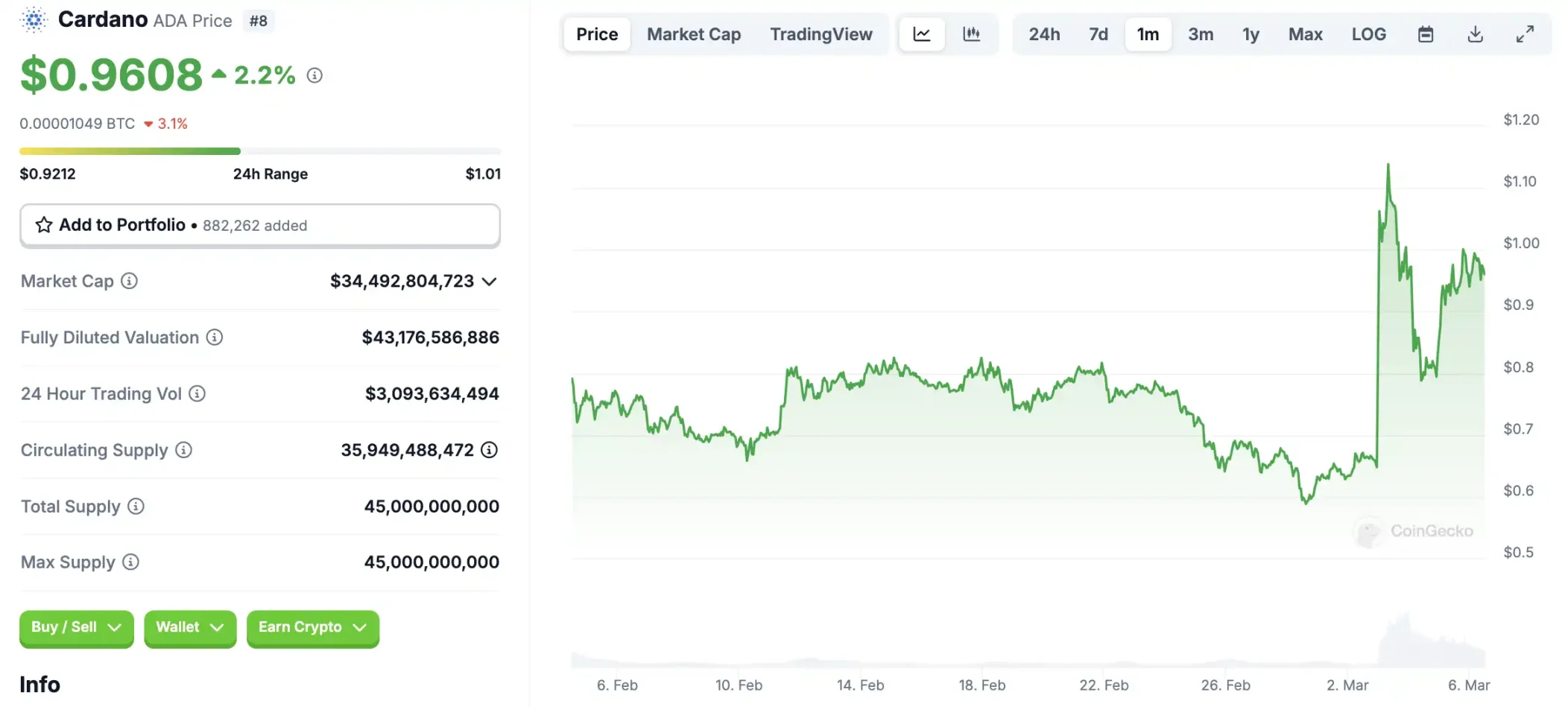
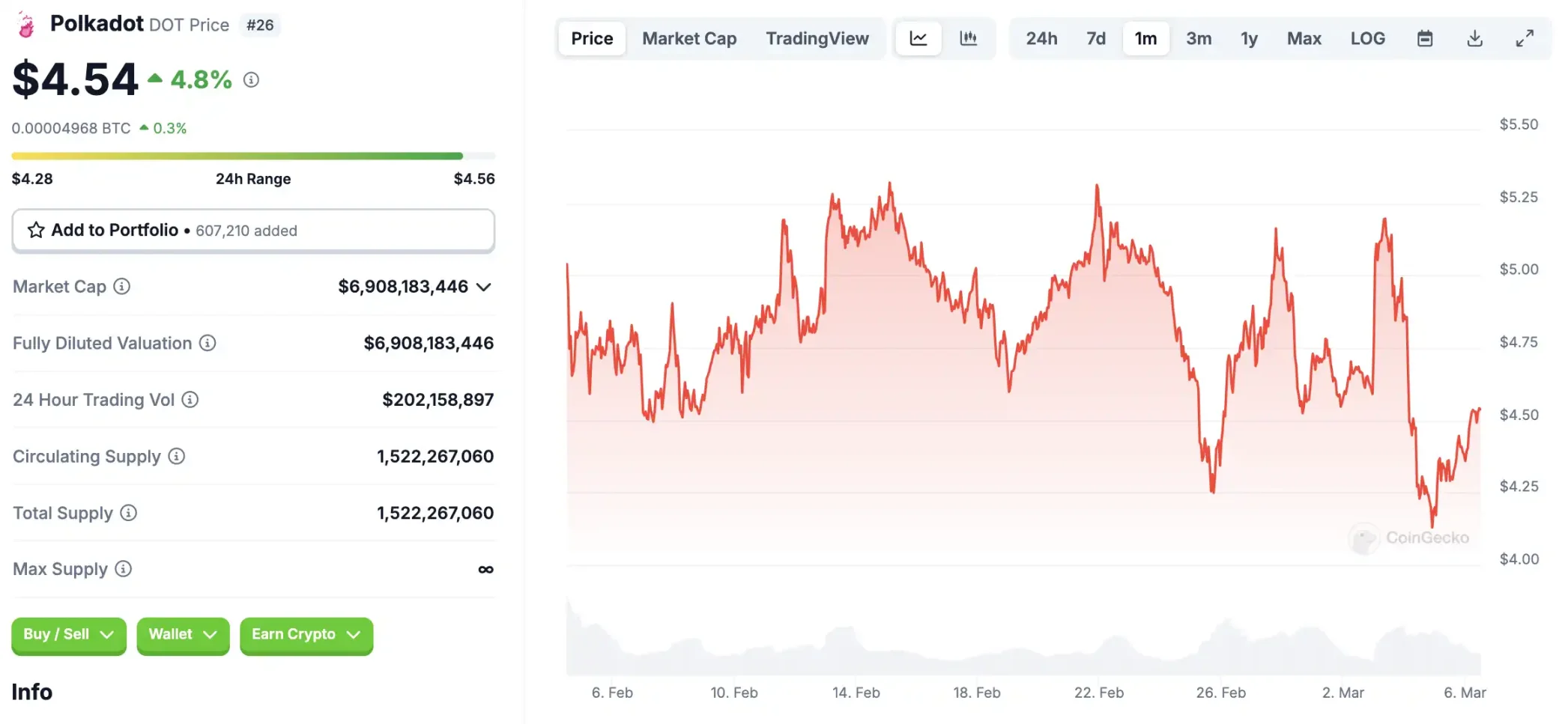
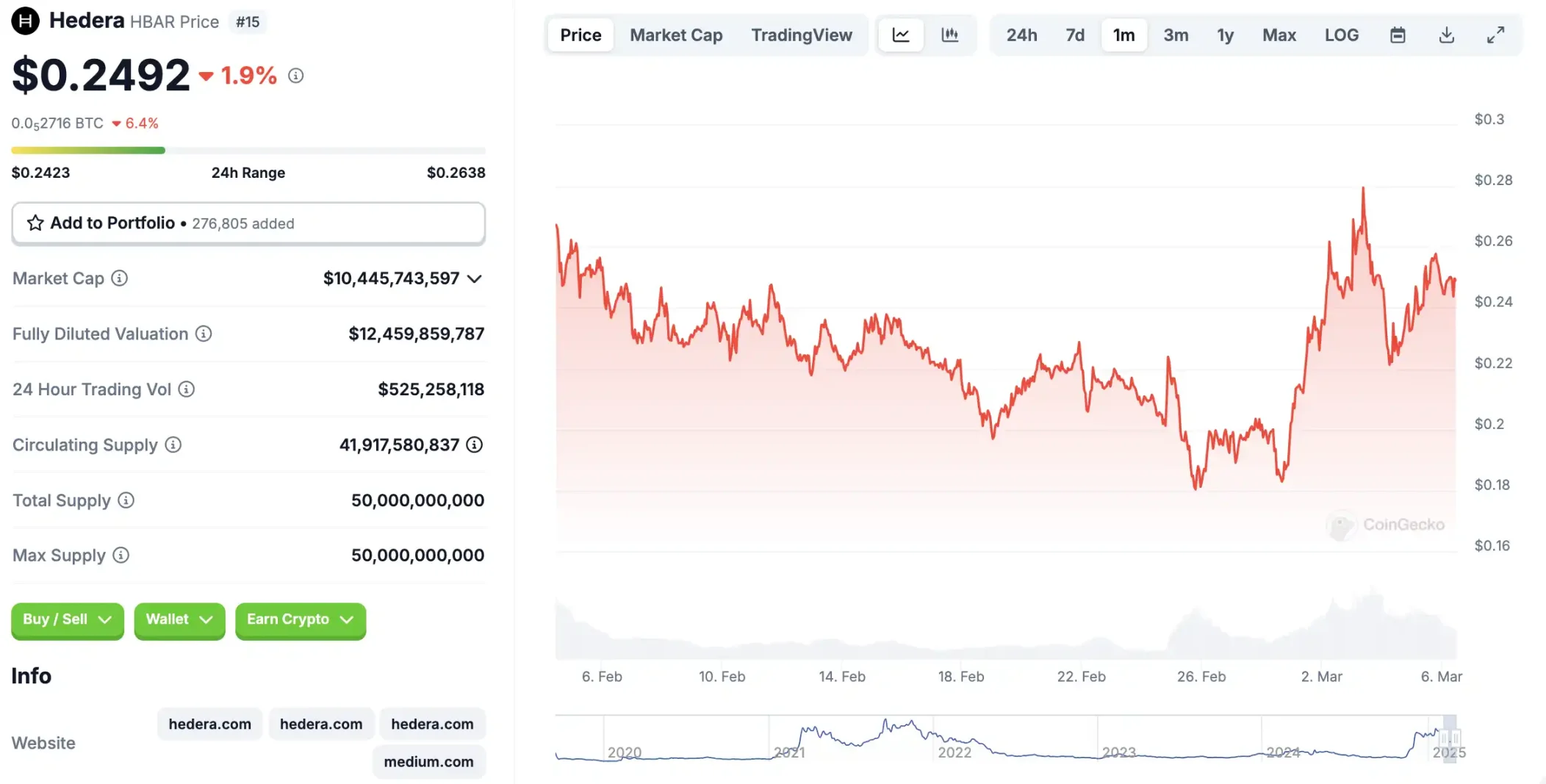
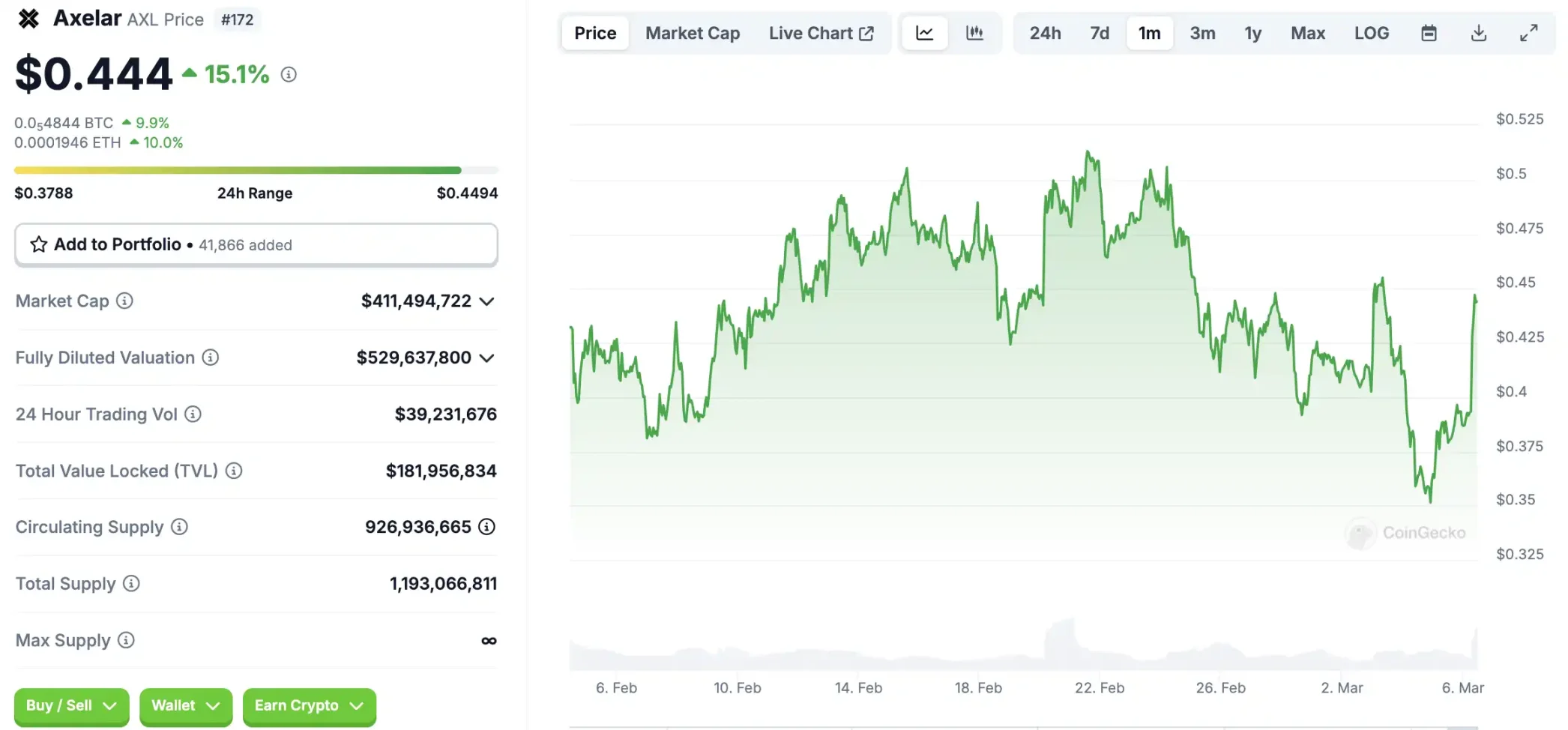
The U.S. ETF application process follows a sequence: first, the issuer files Form S-1/S-3; then the exchange submits Form 19b-4; this is followed by a public comment period, after which the SEC reviews and provides feedback before final approval. The entire process typically takes around 6–8 months, depending on the SEC’s review pace. Below are recently applied-for altcoins and their market performance over the past 30 days, listed chronologically by application date.
ADA (Cardano)
On February 25, the U.S. Securities and Exchange Commission (SEC) confirmed acceptance of NYSE Arca’s filing on behalf of Grayscale for a spot Cardano (ADA) ETF. Initially submitted on February 10, the fund will be custodied by Coinbase Custody Trust Company, with BNY Mellon providing asset services and administration.
On March 2, Trump posted on social media promoting ADA as part of a cryptocurrency strategic reserve, triggering a same-day surge of over 70% in ADA’s price.
DOT (Polkadot)
On February 25, Nasdaq filed a 19b-4 application for the Grayscale Polkadot Trust ETF.
HBAR (Hedera)
On February 24, Nasdaq filed a 19b-4 application for Canary Capital’s HBAR ETF. On March 4, Nasdaq also filed a 19b-4 for Grayscale’s Hedera ETF.
Hedera is often viewed as a dark horse in crypto. The most anticipated development is the potential launch of a spot HBAR ETF. Valour Funds has already submitted an application for a physical staking product to Euronext in Europe. Meanwhile, Canary Capital’s application for a domestic U.S. spot HBAR ETF has further heightened market expectations, with investors closely watching regulatory dynamics post-election.
AXL (Axelar)
On March 6, Canary filed an S-1 application for its AXL ETF.
In addition, Brian Brooks, former chief legal officer of Coinbase, joined Axelar’s new institutional advisory board, focusing on regulatory coordination and institutional adoption.
BlockBeats previously reported that Canary Capital launched the AXL (Axelar) trust fund—the Canary AXL Trust—which holds native tokens from the Axelar network, marking the first investment trust offering exposure to a universal blockchain interoperability protocol.
This trust will provide institutional investors access to blockchain interoperability technology, connecting Web3 ecosystems such as XRP Ledger, Hedera, Stellar, TON, Sui, Solana, and Bitcoin.
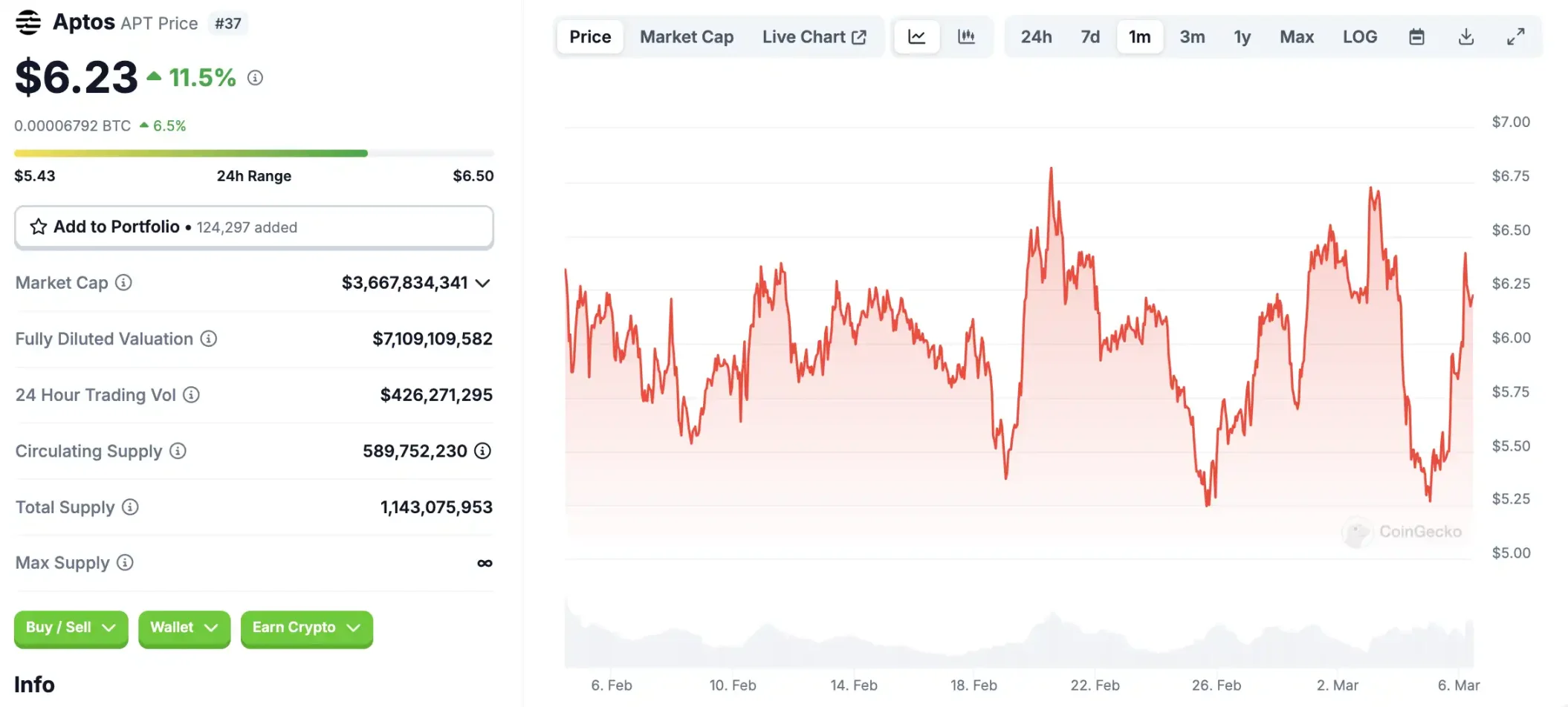
APT (Aptos)
On March 6, Bitwise officially submitted an S-1 registration form to the U.S. Securities and Exchange Commission, marking the first step toward a potential Aptos ETF in the U.S. market.
Aptos, collaborating with major asset management firms, is seeking to launch a U.S.-listed ETF, making it one of only a few global crypto protocols to reach this milestone.
Prior to this, Bitwise launched an Aptos Staking ETP on the Swiss Stock Exchange in November 2024, enabling staking of Aptos tokens.
How Has Ethereum Performed Since Its ETF Approval?
Ethereum ETFs officially entered the U.S. capital markets on July 23 last year, when ETH was trading around $3,200. Market data shows that net inflows into Ethereum ETFs over the subsequent six months reached $2.76 billion—equivalent to Wall Street purchasing nearly 1% of the total Ethereum supply. Yet, ETH has since declined to around $2,300.
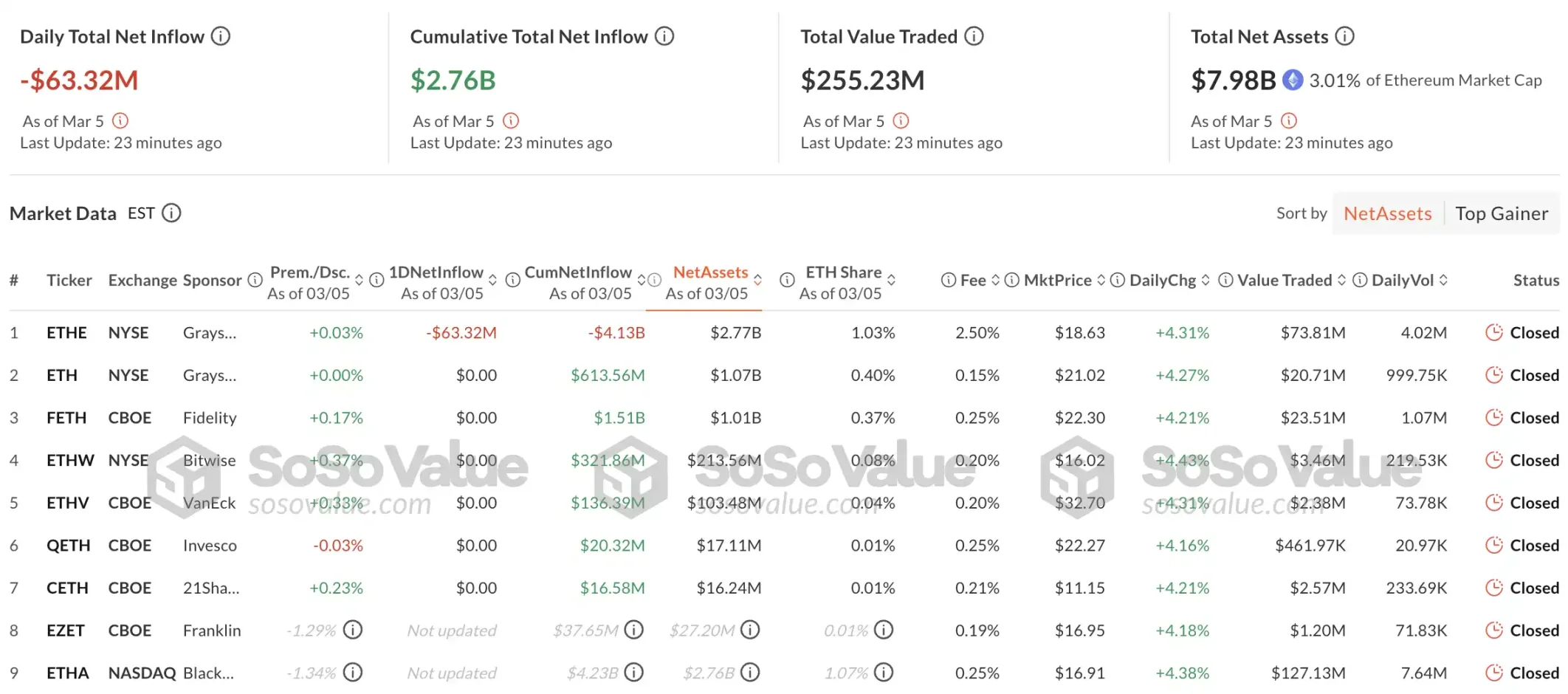
This is partly due to Grayscale continuously selling its Ethereum holdings, becoming the largest seller in the market and thus restraining price growth. Additionally, Ethereum is more vulnerable than Bitcoin to whale sell-offs, and the market is still absorbing potential large-scale dumping.
However, positive signs include ongoing accumulation of Ethereum by World Finance Liberty, an entity linked to Trump. Continued net inflows into ETFs and purchases by Trump-affiliated organizations reflect long-term investor sentiment amid an increasingly open regulatory environment.
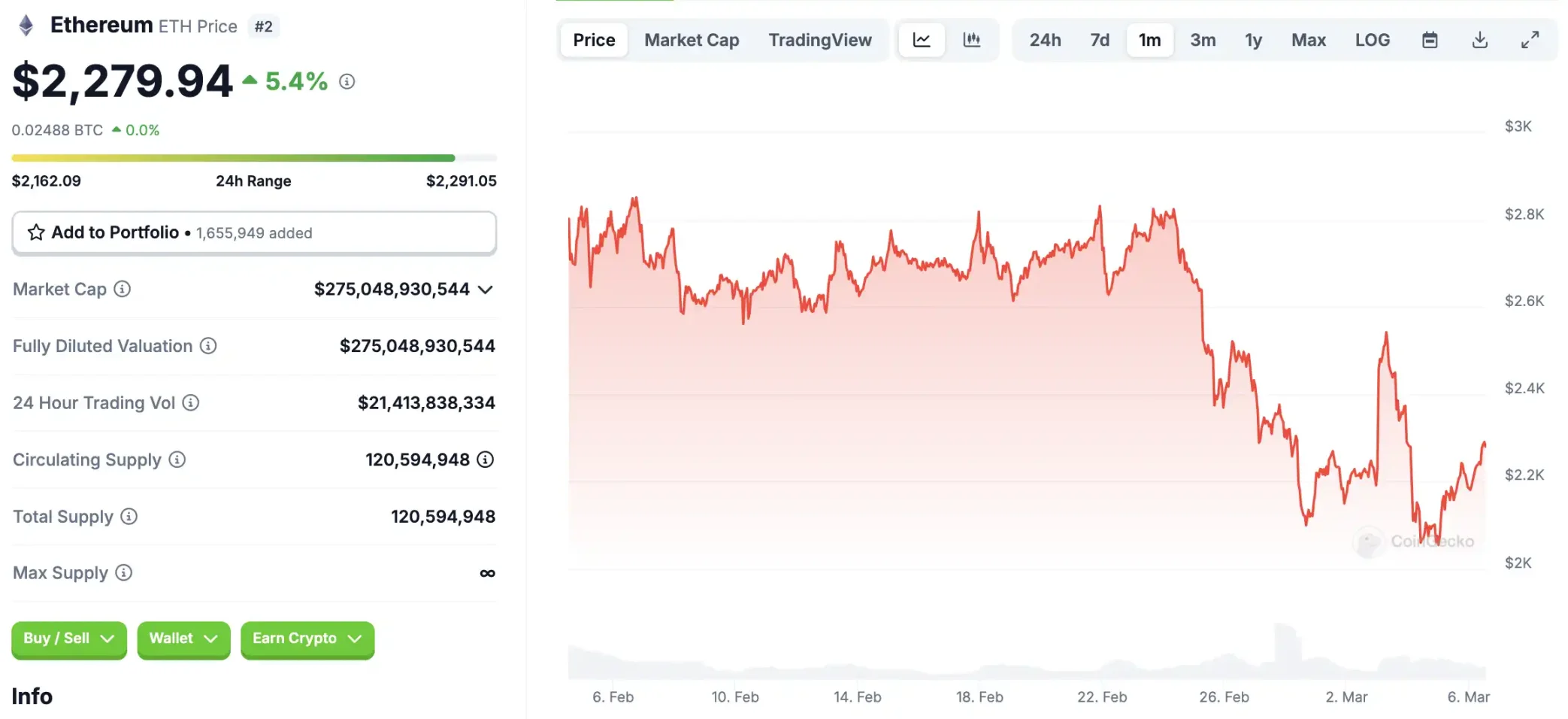
By extension, even if the aforementioned altcoin ETFs are approved in 2025, while they may serve as gateways for traditional capital inflows, this does not necessarily imply significant price increases for these tokens.
Trump-Era Crypto ETF 2.0
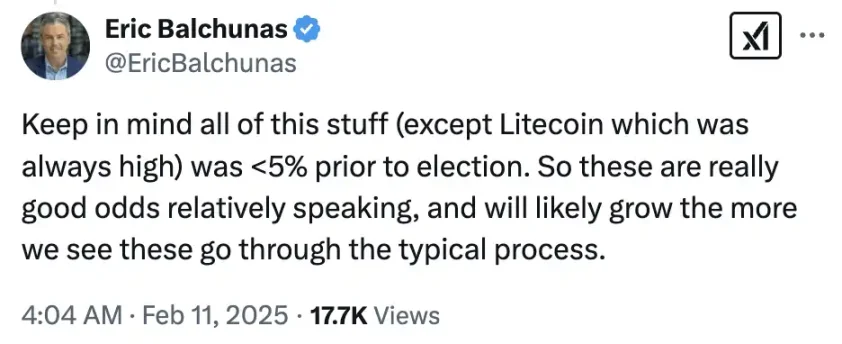
Reviewing the history of crypto ETF development, it's clear that Trump’s return to the White House this year has been a major catalyst for the market. Bloomberg analyst Eric Balchunas noted that prior to Trump winning the election, the approval probability for all assets except Litecoin remained below 5%. As applications progress through the pipeline and SEC decision deadlines approach, the likelihood of altcoin ETF approvals is expected to steadily rise.
What Impact Will This Have on the Crypto Market?
Bloomberg analysts expect the SEC to make decisions on proposed altcoin ETFs by October this year. If multiple altcoin ETFs are successively approved, the resulting tailwinds are likely to attract more conservative and institutional investors, reshaping the market’s investor base. Under such a policy environment, the crypto market could experience enhanced liquidity, price appreciation, and structural shifts. More ETF approvals would bring greater capital inflows and liquidity, potentially reducing price volatility.
Moreover, due to regulatory arbitrage, U.S.-launched ETFs may prompt imitation by other countries and regions. This emulation could accelerate global crypto adoption, especially in jurisdictions with lighter regulations, leading to faster growth in crypto usage. Global policy convergence could significantly reduce compliance costs for cross-border transactions and alleviate investor concerns about legal risks, encouraging broader participation from both institutions and individuals. This trend may accelerate the shift of cryptocurrencies from niche assets to mainstream financial instruments, elevating their role in the global economy.
With continued support for the crypto industry under the Trump administration, U.S. states are gradually introducing legislation for "strategic Bitcoin reserves." Coupled with Republican control of both congressional chambers, there may be opportunities to pass comprehensive crypto-related legislation. Once enacted, cryptocurrencies could potentially be recognized as a new asset class—distinct from both securities and commodities—a development that would be transformative for the crypto market.
Which Other Altcoins Might Apply for ETFs?
As the Trump administration continues to ease crypto regulations, 2025 could see a peak in altcoin ETF applications. Some institutions predict surging demand for crypto ETFs could propel their total assets in North America beyond those of precious metals ETFs, making them the third-largest asset class—after equities and bonds—in the rapidly growing $15 trillion ETF industry.
Altcoins with strong U.S. ties are particularly likely to gain favor. For example, ONDO (Ondo Finance), a representative of the real-world asset (RWA) sector backed by U.S. Treasuries and other traditional assets, could be among the first to receive approval for a tokenized treasury-linked ETF, possibly becoming a core holding for traditional institutions allocating to crypto. Should the FIT21 Act pass this year—establishing a “decentralized protocol exemption” from securities laws—mainstream U.S. DeFi tokens such as UNI (Uniswap), MKR (MakerDAO), and AAVE (Aave) could accelerate integration into traditional finance.
Join TechFlow official community to stay tuned
Telegram:https://t.me/TechFlowDaily
X (Twitter):https://x.com/TechFlowPost
X (Twitter) EN:https://x.com/BlockFlow_News
 BlockBeats






