Bitcoin price may decline further, but the seeds for the next bull market are being sown
TechFlow Selected TechFlow Selected
Bitcoin price may decline further, but the seeds for the next bull market are being sown
Bitcoin bulls were expecting a strategic Bitcoin reserve, but instead got "Trump" and "Melania" tokens.
 Navigating Web3 tides with focused insights
Written by: Stephen Alpher
Translated by: Centreless
Summary
-
The speculative bubble in the overall cryptocurrency market has burst, and Bitcoin is now caught in a frenzied sell-off.
-
Many Bitcoin bulls have turned bearish, at least in the short term.
-
Traditional markets are also stumbling, and the resulting decline in interest rates may be laying the groundwork for Bitcoin's next bull run.
"If it weren't for you, I wouldn't be in this mess. You've brought me nothing but trouble." — Ace Rothstein (played by Robert De Niro) to Nicky Santoro (played by Joe Pesci) in Martin Scorsese's *Casino*.
It's understandable that Bitcoin investors are blaming other parts of the crypto market for Bitcoin's price drop. Bitcoin has fallen over 20% from its all-time high above $109,000 reached five weeks ago, dipping as low as $87,000 earlier Tuesday.
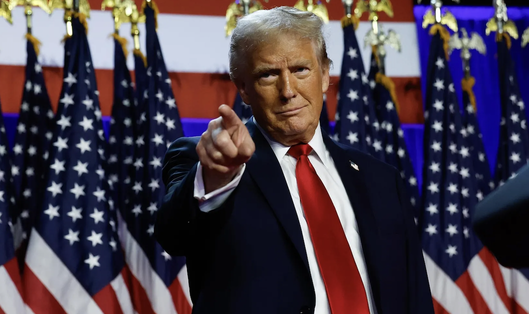
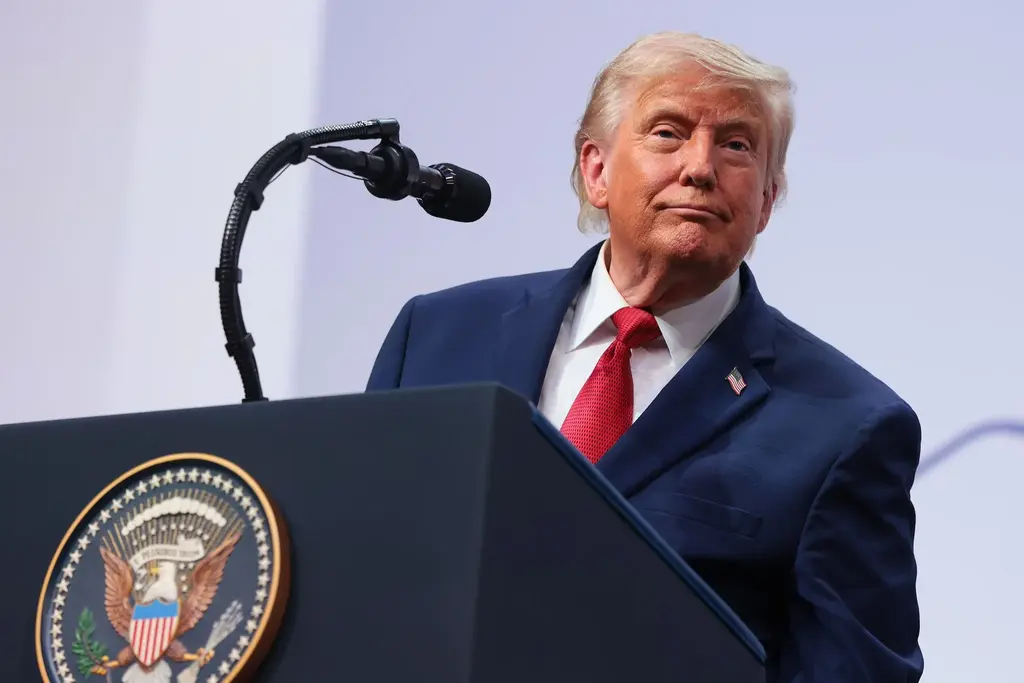
Bitcoin hit that peak the day before the presidential inauguration, just as speculation around various memecoins in the crypto market reached a fever pitch. The Trump team thought launching tokens linked to the incoming president and first lady was a good idea, but after an initial surge, these tokens quickly crashed—inflicting massive losses on nearly everyone except insiders.
Many memecoins were built on the Solana blockchain, whose native token SOL has since dropped over 50%, leading the plunge among major cryptocurrencies since that weekend in January.
Bulls had hoped for a strategic Bitcoin reserve, but instead got "Trump" and "Melania" tokens.
Bybit Hack Delivers Blow
Despite significant shrinkage in memecoins over the past few weeks and widespread turmoil across the crypto market, Bitcoin’s price had mostly held within a relatively narrow range near its all-time highs. Just 96 hours ago, the world’s largest cryptocurrency was rising and appeared poised to reclaim the $100,000 level.
Then the Bybit exchange hack happened.
Although Bitcoin investors were quick to point out that the vulnerability was unrelated to Bitcoin itself and instead highlighted inherent flaws in Ethereum’s technology, Ethereum’s price plunged (down 15% and still falling since), and the broader crypto market downturn spilled over into Bitcoin.
Bulls Turn Bearish
On February 25, StackHodler, who identifies as a permanent bull, wrote on X (formerly Twitter): "Our expectations for this cycle were far above $108,000, so we told ourselves the top couldn’t possibly be in. We’ll surely go much higher in 2025, right?" He continued, "The truth is, no one knows. We’ve just experienced a realization event at $92,000 for short-term holders... We may need to reconsider the 200-day moving average around $82,000."
Jeff Kendrick of Standard Chartered, who previously predicted Bitcoin would reach $200,000 by year-end, wrote: "Not time to buy the dip yet—price could fall to just above $80,000. I think we’ll see a single-day outflow of $1 billion from Bitcoin ETFs before buying the dip becomes attractive (the worst day so far saw outflows of $583 million)."
Seeds of the Next Bull Run Are Being Sown
While traditional markets have not been hit as hard as crypto, they too are faltering. Measured by the S&P 500, U.S. equities suffered their worst week since Trump’s inauguration. The tech-heavy Nasdaq, which peaked in December, is now down 5% from that high.
Pick any reason: tariffs, "DOGE" (not the cryptocurrency Dogecoin, but Musk-led government cost-cutting initiatives), or simply cooling sentiment after extreme optimism—but the rate markets have reacted.
The yield on the U.S. 10-year Treasury note has fallen from 4.80% before Trump’s inauguration to 4.32%. Market expectations for Federal Reserve monetary easing have surged. According to CME’s FedWatch Tool, the probability of a rate cut in May more than doubled over the past week to 30%, while the chance of two cuts by June tripled to 15%.
Kendrick concluded: "Declining U.S. Treasury yields are a major long-term positive for Bitcoin."
Join TechFlow official community to stay tuned
Telegram:https://t.me/TechFlowDaily
X (Twitter):https://x.com/TechFlowPost
X (Twitter) EN:https://x.com/BlockFlow_News
 Centreless