Delphi Digital Research Report: KGeN's "Proof of Player," Redefining Game Incentives and Player Growth
TechFlow Selected TechFlow Selected
Delphi Digital Research Report: KGeN's "Proof of Player," Redefining Game Incentives and Player Growth
KGeN's ability to verify user quality makes it a key competitive advantage for partners.
 Navigating Web3 tides with focused insights
Author: Delphi Digital
Translation: TechFlow
Here’s how @KGeN_IO is redefining user acquisition and engagement strategies for the Global South through innovative approaches.
1. Delphi Report Highlights
The full Delphi consulting report provides in-depth analysis on the following:
-
Key challenges in game distribution
-
KGeN's novel user acquisition model
-
KGeN's economic system and token model
-
Industry competitive landscape
-
Future growth and monetization strategies
2. Challenges in Game Distribution
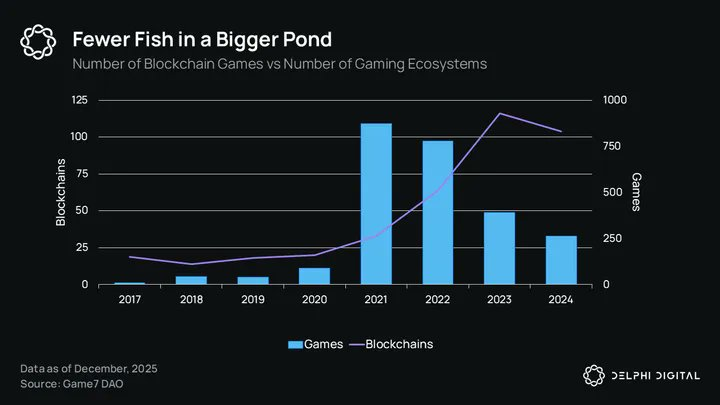
Compared to traditional games, Web3 games face additional distribution barriers such as platform restrictions, regional bans, and niche user bases, making distribution more complex.
Nonetheless, growth opportunities remain. The next wave of expansion will not be in North America or Europe, but in the Global South (e.g., Asia, Africa, and Latin America). This trend is driven by:
-
Significant increases in smartphone penetration;
-
Expanding internet infrastructure;
-
The rise of a generation of digital-native players with growing demand for online interaction and digital content.
3. KGeN: Redefining User Acquisition
KGeN has seized this market shift, redefining user acquisition (UA) through innovative incentive mechanisms.
It aligns incentives between publishers and players via reward-based tasks, while leveraging its "Proof of Gamer" (PoG) system—a decentralized reputation mechanism that helps game studios find high-quality users at lower costs.
Traditional UA models often require paying for low-quality installs, whereas KGeN’s effective customer acquisition cost (eCAC) model differs—publishers only pay when players reach specific engagement milestones.
For example:
-
In a campaign with Karate Combat, eCAC was reduced by 40%;
-
In a collaboration with Game7, 50,000 users were acquired at a cost 55% lower than competitors.
KGeN’s ability to verify user quality gives it a significant competitive edge among partners.
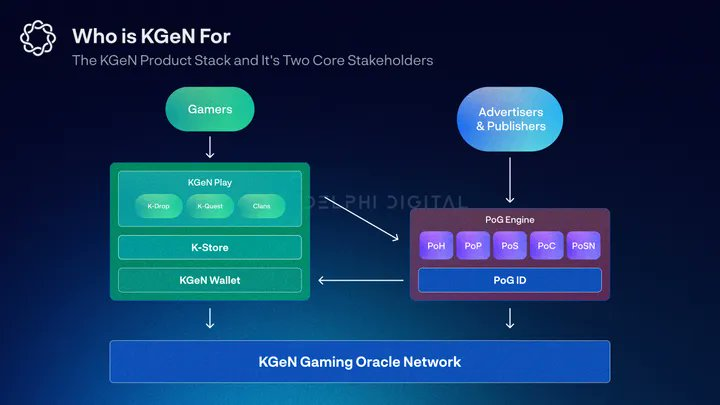
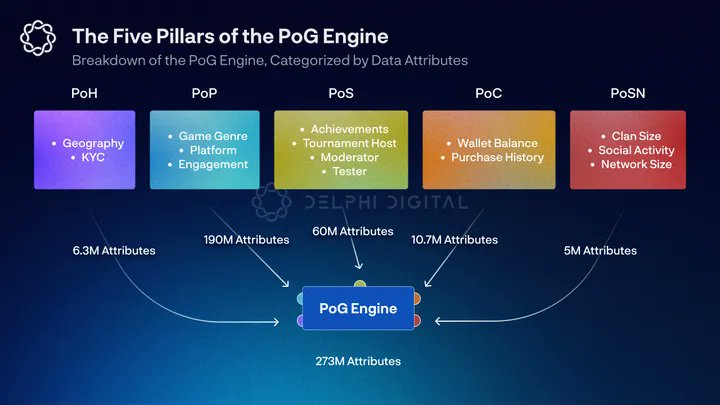
KGeN’s PoG engine enables precise targeting and reputation management across five core dimensions:
-
Proof of Human: Filters bots using KYC (identity verification) and social validation;
-
Proof of Play: Measures player engagement, retention, and activity patterns;
-
Proof of Skill: Tracks achievements, match performance, and progression;
-
Proof of Commerce: Analyzes spending behavior and on-chain transaction history;
-
Proof of Social Network: Evaluates social influence and guild participation.
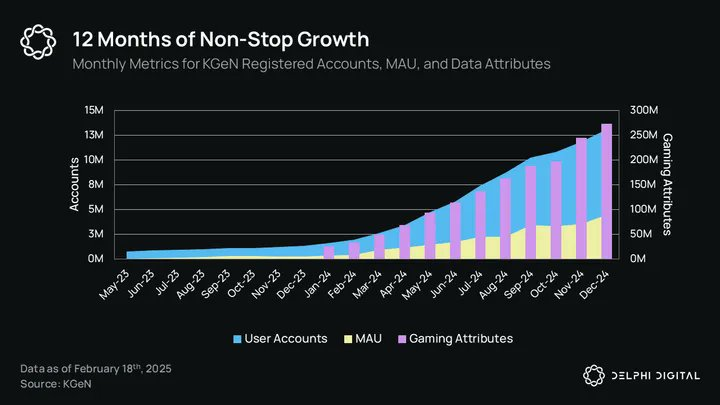
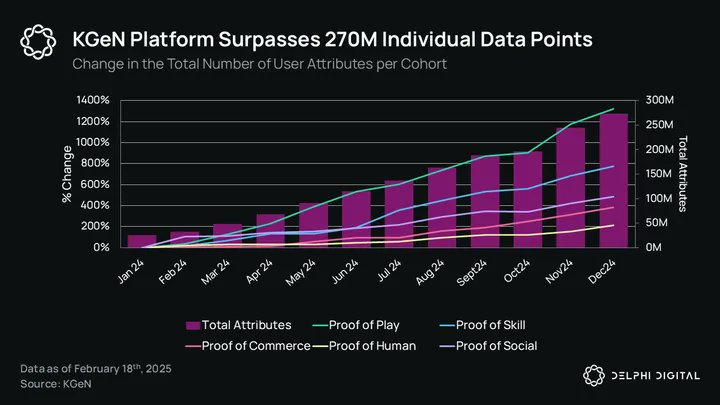
Since January 2024, KGeN’s data attributes have grown by 992%, further enhancing its precision targeting and reputation capabilities.
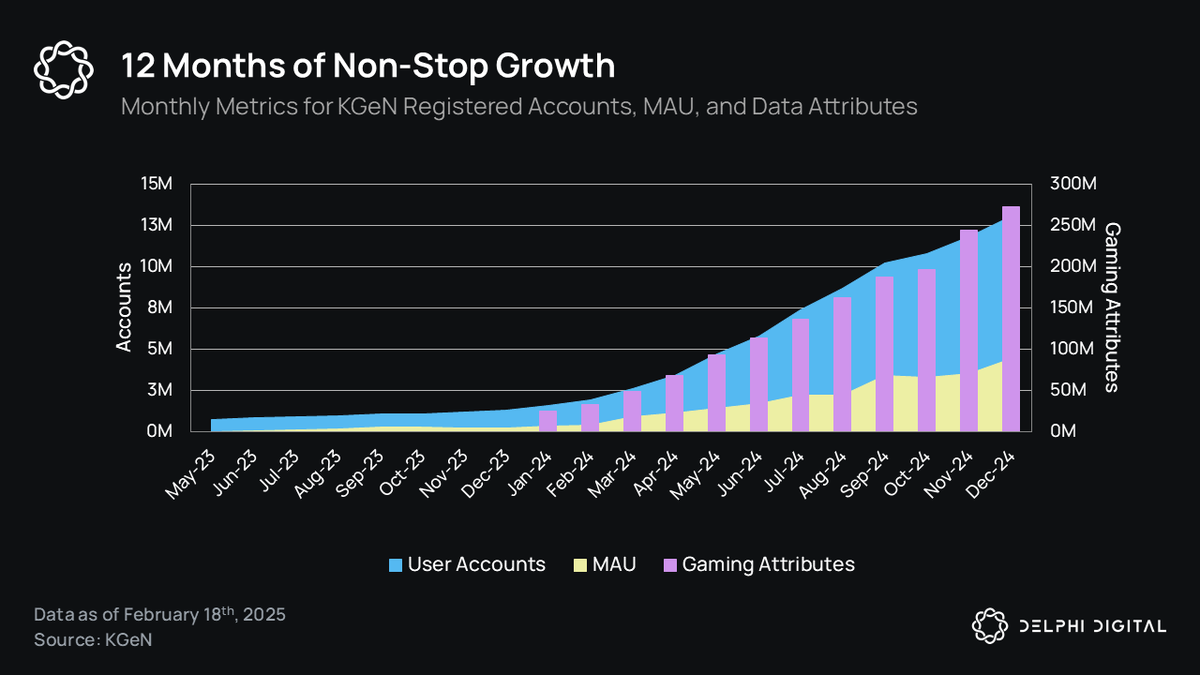
KGeN’s PoG engine is rapidly expanding, now encompassing over 270 million data attributes across 13 million accounts and 4.4 million monthly active users (MAU).
Metrics spanning engagement, spending, and social interactions all show strong growth, reinforcing KGeN’s position as a leader in Web3 gamer reputation systems.
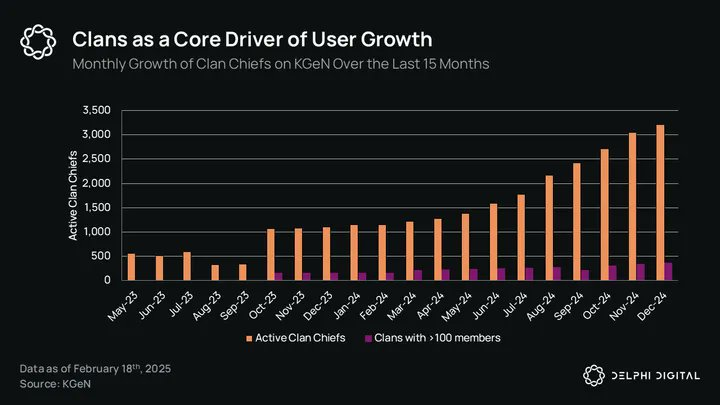
KGeN is more than just a quest platform—it is building a socially-driven gaming economy where “clans” play a central role. Clans are small player communities that grow through peer referrals. Currently, over 2,500 active clans are recruiting new members and maintaining community vitality.
Clan leaders are rewarded for attracting new players and sustaining engagement. This bottom-up growth model positions KGeN as a leading Web3 quest and reputation platform.
KGeN’s model creates a powerful flywheel effect: As more players join, the PoG dataset expands, attracting more game studios and publishers. This, in turn, strengthens the ecosystem’s reward mechanisms and drives further user growth.
This virtuous cycle makes KGeN one of the most active Web3 quest and reputation platforms today.
To support its economy, KGeN will launch a dual-token model: an on-chain incentive token—KGEN—and an off-chain reward currency—KCash.
Players can earn KGEN by completing tasks and redeem them in the KGeN store for in-game items, gift cards, VIP experiences, and more.
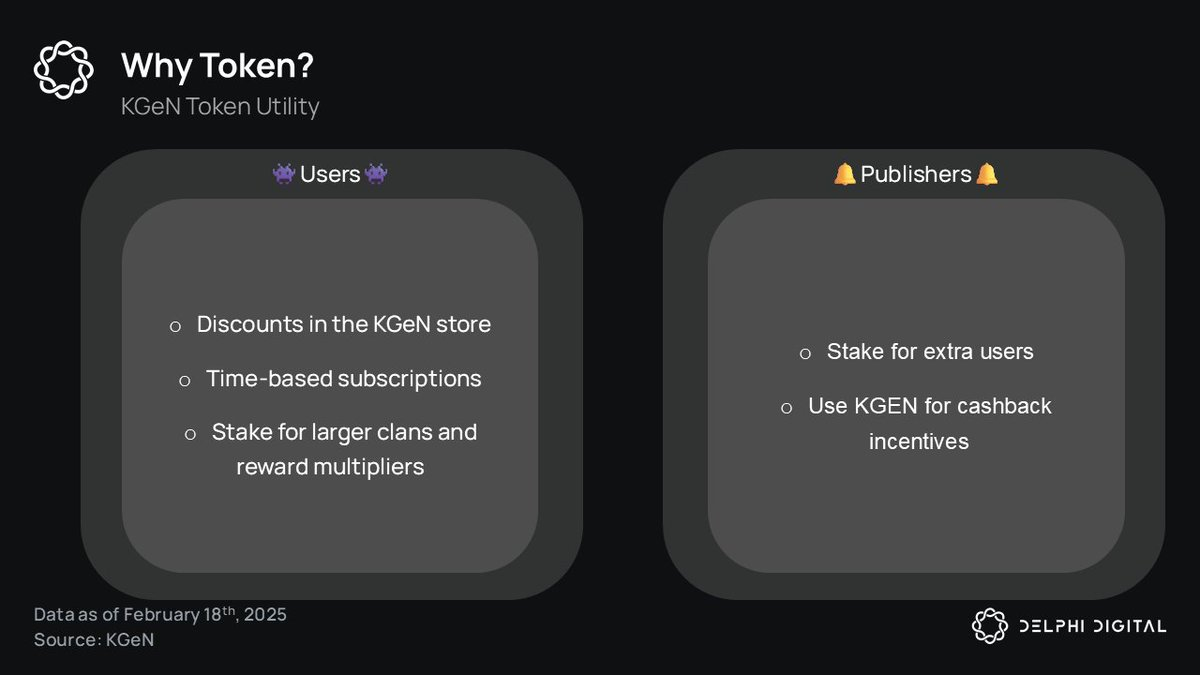
Initially, KGEN will primarily serve as an incentive token, but its utility will gradually expand. For instance, users may receive discounts in the KGeN store when using KGEN. Additionally, quests might introduce subscription thresholds to boost engagement.
KGeN’s staking mechanism offers non-inflationary rewards: clan leaders can stake KGEN to scale their membership, while publishers can stake for free user acquisition (UA).
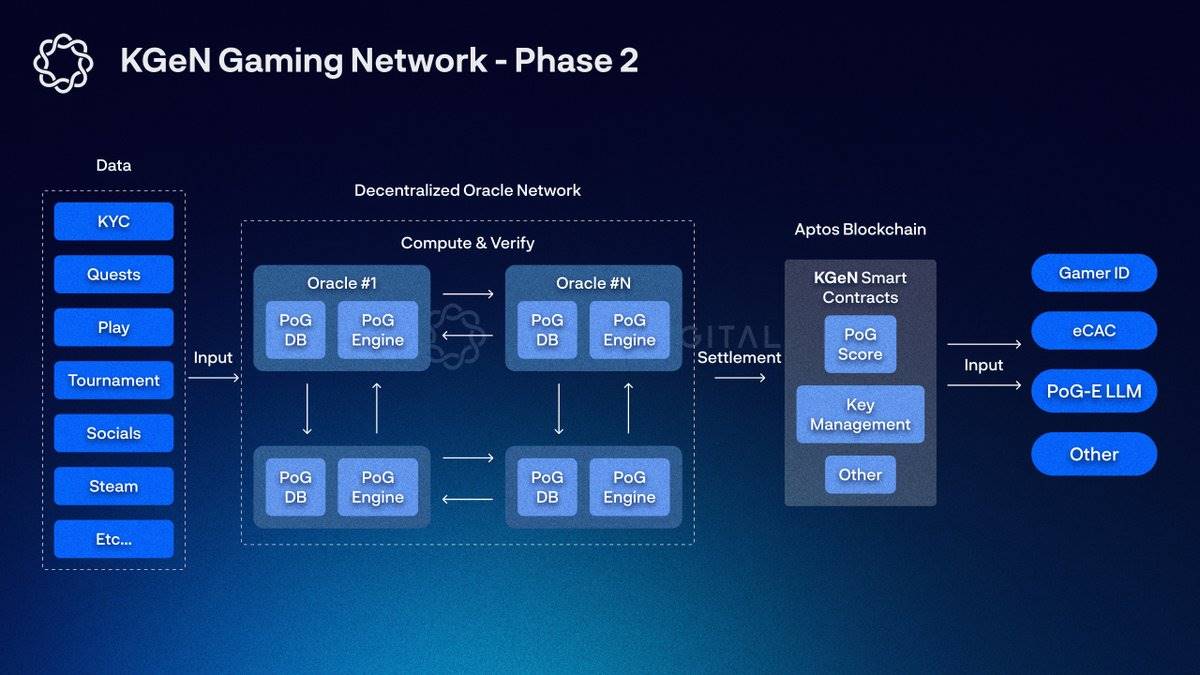
In phase one, KGeN is decentralizing its reputation system via a distributed oracle network. This move aims to safeguard the integrity of PoG data and provide greater transparency for players and publishers.
Within this framework, oracle operators earn rewards through staking and play a crucial role in verifying data authenticity and completeness.
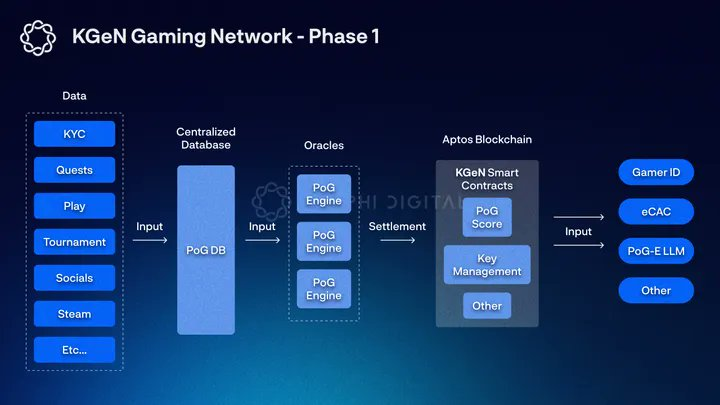
Oracle Key NFTs are integral to the KGeN ecosystem, with distribution tied to licensing fees. In phase one, these NFTs are locked in user accounts; in phase two, they become tradable assets and support delegation for staking rewards.
Rewards are allocated based on the number of staked NFTs, base emissions, and actual user performance. As the network scales, base emissions will also increase. This hybrid model combining nodes and delegated proof-of-stake enhances the PoG engine while effectively reducing centralization risks.
4. Competitive Landscape of Web3 User Acquisition
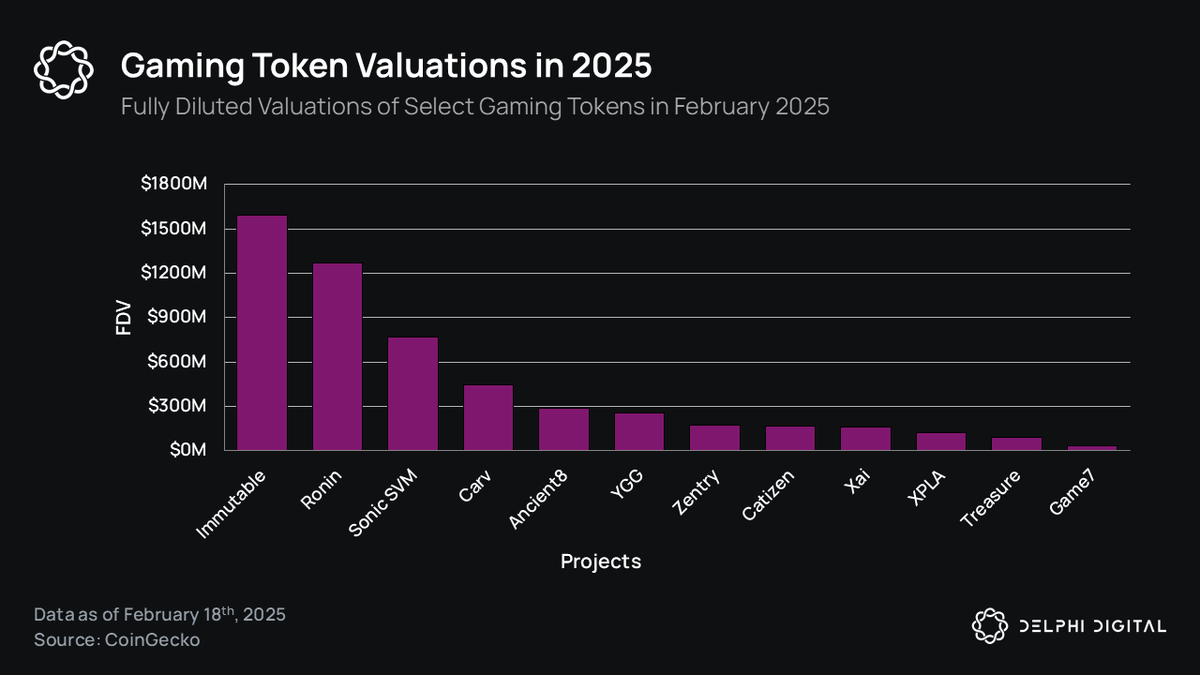
Currently, Web3 user acquisition (UA) models fall into two main categories: publisher ecosystems and quest platforms. Publisher ecosystems (such as Ronin, Immutable, and Xai) typically offer developers funding, infrastructure, and token subsidies to accelerate player acquisition.
However, these ecosystems have limitations:
-
Lack deep behavioral data analytics;
-
Focus more on developer fees than optimizing player acquisition outcomes.
5. KGeN’s Competitive Advantages
While many quest platforms adopt similar "quest-to-earn" models, their real competitiveness lies in scale and outcome-driven value.
Demand for high-quality user acquisition is higher than ever. Yet, in 2023 alone, bot traffic and low-quality users wasted approximately $84 billion in digital advertising budgets.
KGeN’s PoG engine has successfully built a competitive moat by introducing two key mechanisms: “Proof of Human” and “Proof of Play.” This ensures publishers spend only on genuine user engagement—not fake traffic.
However, filtering real users alone isn’t enough for long-term success. KGeN’s sustained growth depends on two additional factors:
-
Monetizing user behavior data (e.g., spending preferences);
-
Using PoC data to optimize precise targeting and UA strategies.
To achieve scalable growth, KGeN must demonstrate that Web3 players are not solely driven by incentives but also possess sustainable monetization potential.
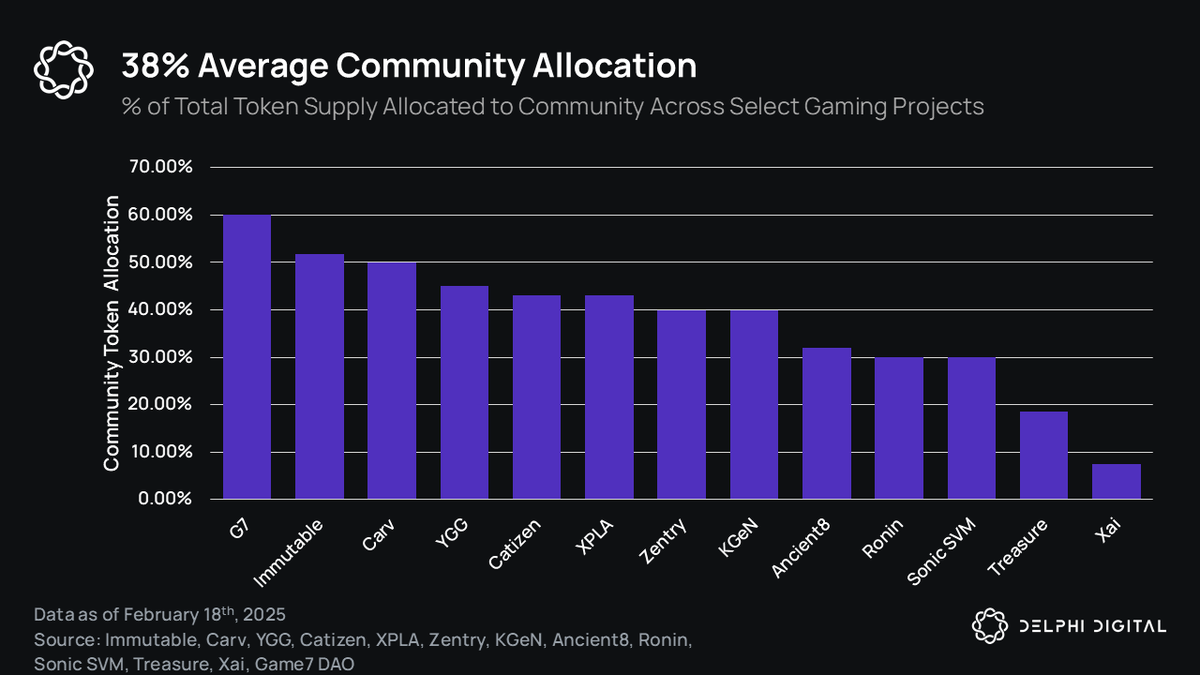
KGeN’s early growth relied heavily on financial incentives, but its long-term success requires a gradual shift toward intrinsic motivation.
By promoting on-chain transactions and linking user activities with spending behavior, KGeN gains a strategic advantage in data accumulation. As the PoG dataset grows and AI-powered targeting advances, KGeN will further improve user retention and establish a formidable barrier to entry in the Web3 gaming space.
Join TechFlow official community to stay tuned
Telegram:https://t.me/TechFlowDaily
X (Twitter):https://x.com/TechFlowPost
X (Twitter) EN:https://x.com/BlockFlow_News
 Delphi Digital