How could a $100 billion bid possibly succeed for OpenAI? But don't underestimate Musk
TechFlow Selected TechFlow Selected
How could a $100 billion bid possibly succeed for OpenAI? But don't underestimate Musk
The analysis suggests that Musk's move is not really aimed at directly acquiring OpenAI's non-profit entity, but rather targeting the for-profit assets that Altman must purchase in order to restructure the company.
 Navigating Web3 tides with focused insights
By Ye Zhen, Wall Street Insights
Elon Musk's "ridiculously low" bid for OpenAI has introduced significant uncertainty into Altman's carefully orchestrated company transformation plan.
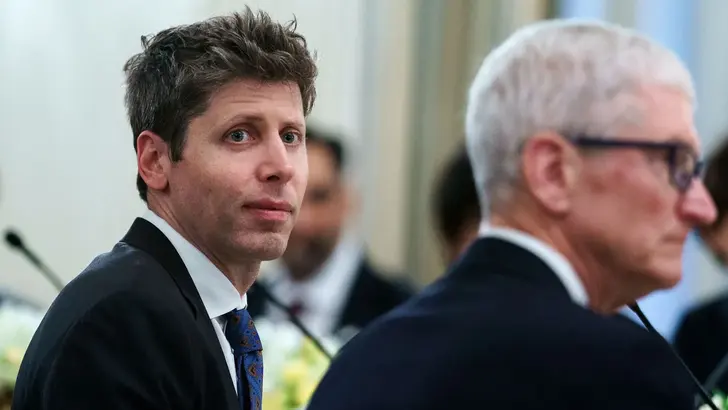
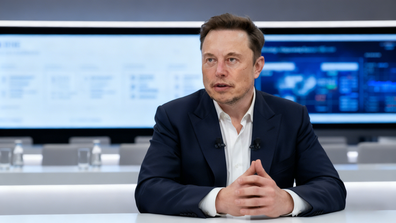
On Monday, according to the Wall Street Journal, a consortium led by Elon Musk submitted a $97.4 billion acquisition offer for OpenAI, aiming to merge it with his artificial intelligence company xAI.
In response to this sudden takeover bid, Altman quickly replied on social media platform X, rejecting it and joking: "No thanks, but if you'd like, we could buy Twitter for $9.74 billion instead." Musk immediately fired back: "Fraudster."
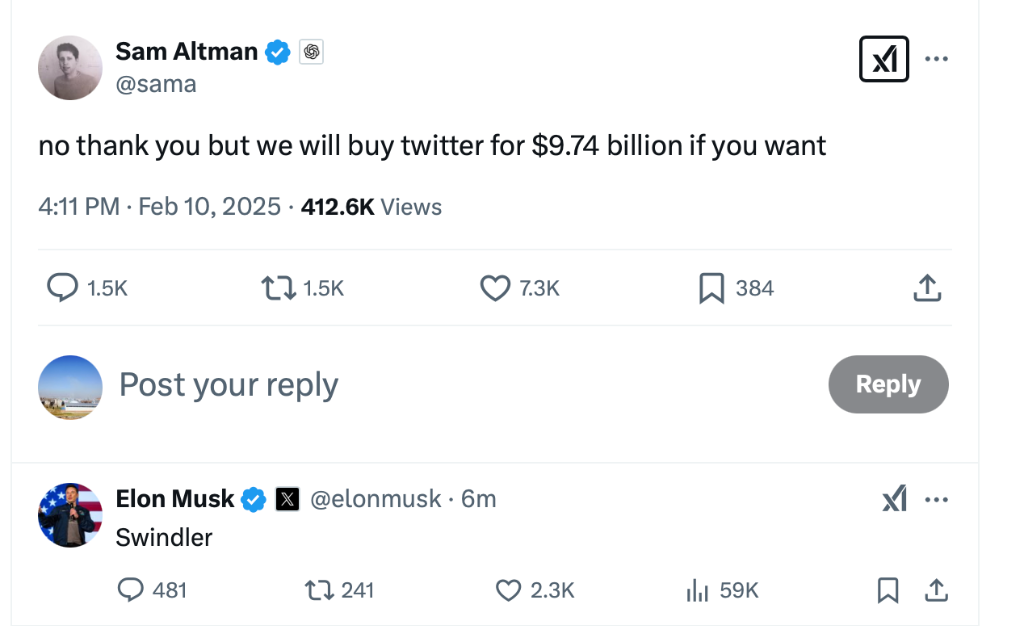
A $97.4 billion offer stands no chance of success for an OpenAI whose valuation may already be approaching $100 billion. So what exactly is Musk up to?
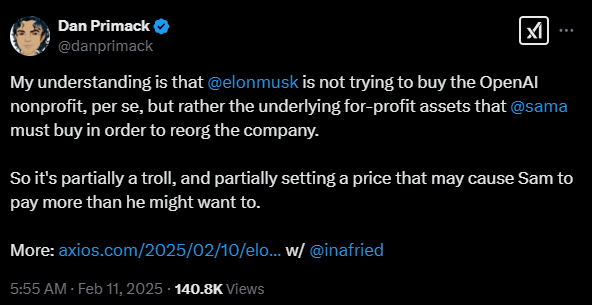
Dan Primack, financial editor at Axios, pointed out on social media that Musk isn't actually trying to acquire OpenAI's nonprofit entity directly, but rather targeting the for-profit assets that Altman must purchase as part of the company restructuring.
Primack believes this move serves two purposes: on one hand, it's an intentional provocation and disruption; on the other, it sets a price benchmark that could force Altman to pay more than expected to complete OpenAI's transformation.
A Roadblock on OpenAI's Transformation Path?
To understand the sophistication behind Musk's move, one must first grasp the complexity of OpenAI's ongoing transformation.
In 2015, Altman and Musk co-founded OpenAI as a nonprofit organization. In 2019, after Musk exited the company and Altman became CEO, OpenAI established a for-profit subsidiary to raise funds from investors such as Microsoft.
Now, Altman plans to convert this subsidiary into a traditional for-profit corporation and separate it from the original nonprofit. Under OpenAI's plan, its nonprofit division will continue focusing on health, education, and scientific philanthropy, while the for-profit arm will become a Delaware Public Benefit Corporation (PBC), pursuing commercial profits. After restructuring, the nonprofit division will hold shares in the newly formed PBC.
Prior media reports indicated OpenAI had discussed valuing its nonprofit arm at $30 billion.
On January 7, Musk's lawyer Marc Toberoff wrote to the attorneys general of California (where OpenAI is headquartered) and Delaware (where OpenAI is incorporated), demanding a public auction to determine the fair market value of its charitable entity. Musk and other critics argue OpenAI might be undervaluing the nonprofit during the spin-off process.
This is precisely where the crux lies. Marc Toberoff, Musk's lawyer, stated that Musk's investment consortium is prepared to match or exceed any higher bid. This means that if Altman insists on fully converting OpenAI into a for-profit enterprise, the nonprofit must receive fair compensation. And Musk's bid sets an extremely high benchmark for that "fair compensation."
Join TechFlow official community to stay tuned
Telegram:https://t.me/TechFlowDaily
X (Twitter):https://x.com/TechFlowPost
X (Twitter) EN:https://x.com/BlockFlow_News