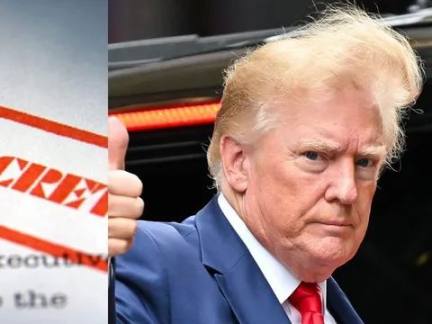
Will Trump's presidential election victory lead to a complete shift toward friendly cryptocurrency regulation in the United States?
TechFlow Selected TechFlow Selected
Will Trump's presidential election victory lead to a complete shift toward friendly cryptocurrency regulation in the United States?
This article aims to explore the potential changes in cryptocurrency regulation following Trump's re-election, and the profound impacts such changes may have on the cryptocurrency market and the global financial system.
 Navigating Web3 tides with focused insights
Authors: Mao Jiehao, Xu Jiayao
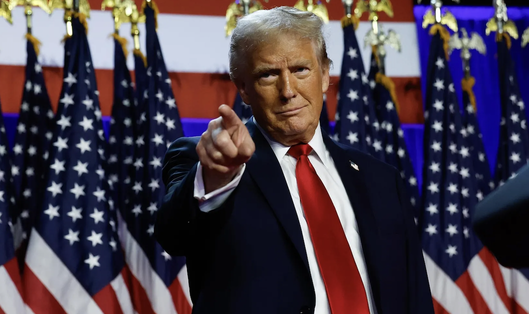
In November 2024, Donald Trump won re-election as U.S. President by a landslide, becoming the 47th President of the United States. This victory not only marks a significant milestone in his political career but also brings substantial potential shifts to the future of U.S. cryptocurrency policy.
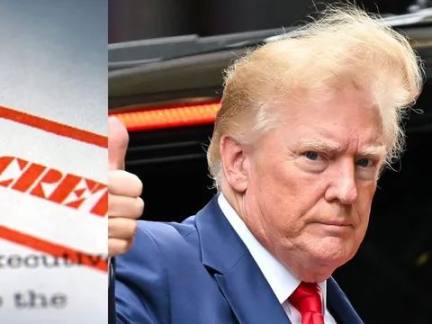
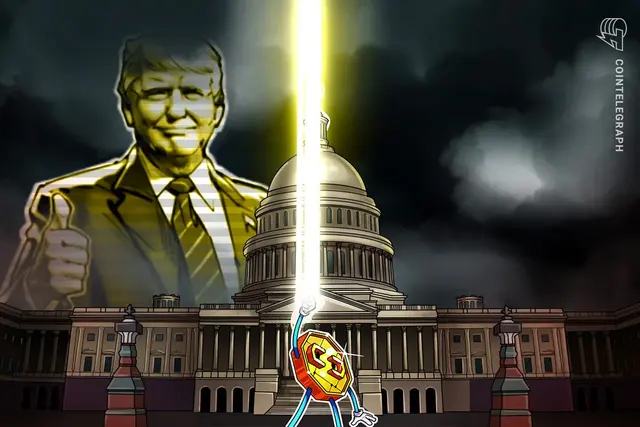
During his campaign, Trump demonstrated unprecedented support for cryptocurrencies. He pledged to make the United States the "global capital of cryptocurrency" and proposed a series of policy initiatives aimed at promoting the development of digital assets. These promises have brought new hope to the crypto industry and sparked widespread discussion.
With Trump’s return to power, how might U.S. cryptocurrency policy shift? Can his leadership truly create a more open and innovation-friendly regulatory environment for the crypto market? This article explores the potential changes in cryptocurrency regulation under a second Trump administration and examines their far-reaching implications for both the crypto market and the global financial system.
Trump's Historical Views and Policy Shifts on Cryptocurrency
1. Cryptocurrency Policy During Trump’s First Term
During his first term, Trump’s stance on cryptocurrency was notably conservative, even skeptical.
As early as 2019, he publicly criticized Bitcoin and other digital currencies, calling them “lacking intrinsic value” and warning that their extreme volatility could facilitate illegal activities. Trump specifically cautioned that virtual currencies might enable money laundering and fraud.
Under his administration, the U.S. government strengthened oversight of cryptocurrencies—particularly initial coin offerings (ICOs)—and regulatory bodies such as the Securities and Exchange Commission (SEC) and the Commodity Futures Trading Commission (CFTC) intensified scrutiny over digital assets.
2. Trump’s Cryptocurrency Promises in the 2024 Campaign
However, by 2024, Trump’s position had undergone a dramatic transformation. During his campaign, he openly expressed support for cryptocurrencies and laid out the following policy proposals:
-
Work to establish the U.S. as the “global capital of cryptocurrency” by reducing regulations and fostering technological innovation.
-
Encourage expansion of the cryptocurrency industry and promote the market value of digital currencies like Bitcoin.
-
Defend the right to mine Bitcoin, arguing it supports not only crypto development but also drives innovation and growth in the energy sector.
-
Firmly oppose the issuance of a central bank digital currency (CBDC), which he believes would lead to excessive surveillance of citizens’ financial activities and infringe on personal privacy.
-
Establish a dedicated cryptocurrency advisory committee to formulate and implement favorable policies.
-
Remove the current SEC Chair to increase support for the crypto industry.
-
Propose creating a “National Bitcoin Reserve,” holding Bitcoin as a strategic asset for the long term to leverage its appreciation potential.
-
......
Market Reactions to Cryptocurrency Policies
1. Initial Market Response
Data shows that the cryptocurrency industry raised over $245 million during the 2024 election cycle, primarily to support pro-crypto candidates. This influx of funding not only reflects the industry’s growing political influence but also contributed to new thinking within Trump’s camp regarding crypto policy. By embracing crypto as part of his campaign strategy, Trump aimed to attract younger voters and investor communities—a move that boosted his standing within the Republican Party and allowed him to strengthen his campaign with substantial political donations from the crypto sector.
Trump’s return to office triggered strong reactions in financial markets. There is broad sentiment that his administration will foster a more favorable regulatory climate for the cryptocurrency industry. This shift indicates strong investor confidence in Trump’s policy direction and suggests that this change could unlock new opportunities for sector growth.
2. Industry Perspectives
Industry insiders generally believe that Trump’s support for cryptocurrencies may further develop the U.S. crypto market and enhance America’s position in the global crypto race. Some experts note that policies aimed at reducing regulatory burdens and advancing technological innovation could provide a more enabling environment for sectors such as crypto mining and blockchain technology.
However, some analysts caution that Trump’s crypto agenda may face legal and regulatory hurdles, especially in balancing market innovation with financial stability. Despite winning the election, deep divisions remain across American society. The Trump administration may encounter strong opposition from Democrats and other interest groups, potentially slowing progress on crypto-related legislation. The interplay between government, traditional finance, and the crypto market will be a key issue in the coming years.
Potential Challenges and Controversies
Legal and Regulatory Hurdles to Policy Implementation
While Trump’s proposed cryptocurrency policies are promising, their implementation faces numerous legal and regulatory challenges.
First, the idea of a “National Bitcoin Reserve” could conflict with existing fiscal and financial systems. Whether the U.S. Treasury can purchase Bitcoin to build reserves would require approval from Congress.
Moreover, resistance from the Federal Reserve could pose a major obstacle. Fed Chair Jerome Powell has publicly stated that the central bank has no intention of participating in any government effort to accumulate Bitcoin—a position that could limit concrete actions by the Trump administration in the crypto space. Nevertheless, Trump might pursue alternative routes, such as issuing an executive order directing the Treasury to use the Exchange Stabilization Fund (ESF) to directly buy Bitcoin, thereby bypassing congressional approval.
In addition, while Trump plans to significantly expand the cryptocurrency industry and innovate in financial regulation, aligning these efforts within the current U.S. legal framework remains a formidable challenge. The competing interests of traditional financial institutions, regulators, and the crypto industry will complicate policy advancement.
Sustainability and Public Reaction to Trump’s Policies
Although Trump’s stance on cryptocurrency has gained support from certain market segments, it has also sparked broad public debate.
Many Democrats and regulatory officials argue that his policies could exacerbate financial market instability and increase systemic risks. Given the extreme price volatility of assets like Bitcoin, government accumulation of such assets raises concerns about financial security.
Critics suggest that Trump’s embrace of crypto may be more about courting influential industry figures than sound policymaking, questioning whether these proposals can be effectively implemented. Experts point out that while Trump’s vision is ambitious, ensuring market fairness, investor protection, and financial system stability in practice remains a critical concern.
Additionally, the Trump administration may face pressure from the international community, particularly amid increasingly stringent global financial regulations. Whether the U.S. can maintain innovation while strengthening oversight will remain a focal point for global financial markets.
Currently, multiple U.S. states are moving quickly to seize the initiative, sparking a wave of legislative activity around Bitcoin reserves. Pennsylvania became the first state to introduce a Strategic Bitcoin Reserve Act, pioneering the concept at the state level. On December 12, 2024, Texas introduced legislation proposing to build a strategic Bitcoin reserve by accepting taxes, fees, and donations in Bitcoin, committing to hold those assets for at least five years. Texas’s proposal could serve as a model for a future national strategic Bitcoin reserve. Other states are following suit: Oklahoma and others have passed laws protecting Bitcoin-related rights. Porter, one of the drafters of the Texas bill, noted that up to 10 U.S. states and four countries are now discussing similar legislation. Oklahoma, Louisiana, Montana, and Arkansas have already enacted laws safeguarding rights related to Bitcoin mining, self-custody, node operation, and peer-to-peer transactions.
Manquin Legal Summary
Trump’s re-election presents new opportunities for U.S. cryptocurrency policy—but also introduces significant uncertainty.
His policy commitments and the market response indicate that the crypto industry is poised for new growth opportunities in the coming years, particularly in regulatory reform and technological innovation. However, this path remains fraught with risks and challenges, including complex legal, regulatory, and international financial dynamics that could hinder implementation. Investors should proceed with caution, and the crypto industry must continue adapting its strategies in response to evolving policy landscapes.
Ultimately, whether Trump’s cryptocurrency agenda becomes reality will depend heavily on congressional legislation, the balance of competing interests, and shifts in the global economic environment. Regardless, the future of the cryptocurrency industry will undoubtedly be marked by volatility and opportunity—warranting our continued attention.
Join TechFlow official community to stay tuned
Telegram:https://t.me/TechFlowDaily
X (Twitter):https://x.com/TechFlowPost
X (Twitter) EN:https://x.com/BlockFlow_News