Data Chart Report: Stablecoins, TradFi, and RWA Are Leading Web3's Next Wave
TechFlow Selected TechFlow Selected
Data Chart Report: Stablecoins, TradFi, and RWA Are Leading Web3's Next Wave
The activity in this market cycle far exceeds that of the previous bull market.
 Navigating Web3 tides with focused insights
Author: Chainalysis
Translation: 1912212.eth, Foresight News
The cryptocurrency industry has entered a new stage of maturity, driven by increasing global adoption, continuous innovation, and deeper integration with traditional financial systems.
This year, BTC reached new all-time highs in March and December, reflecting strong demand. Meanwhile, DeFi continues to solidify its position within the global economy, with capital inflows approaching record levels. In addition, traditional finance (TradFi) has reemerged dynamically, with significant capital flowing into areas such as stablecoins and crypto exchange-traded products (ETPs), indicating that cryptocurrencies are quietly fulfilling their promise to reshape global financial infrastructure.
This is not just another market cycle—it marks a pivotal moment for cryptocurrency.
An Atypical Bull Market
In late 2023, BTC began its upward trajectory, signaling the start of a new bull run.
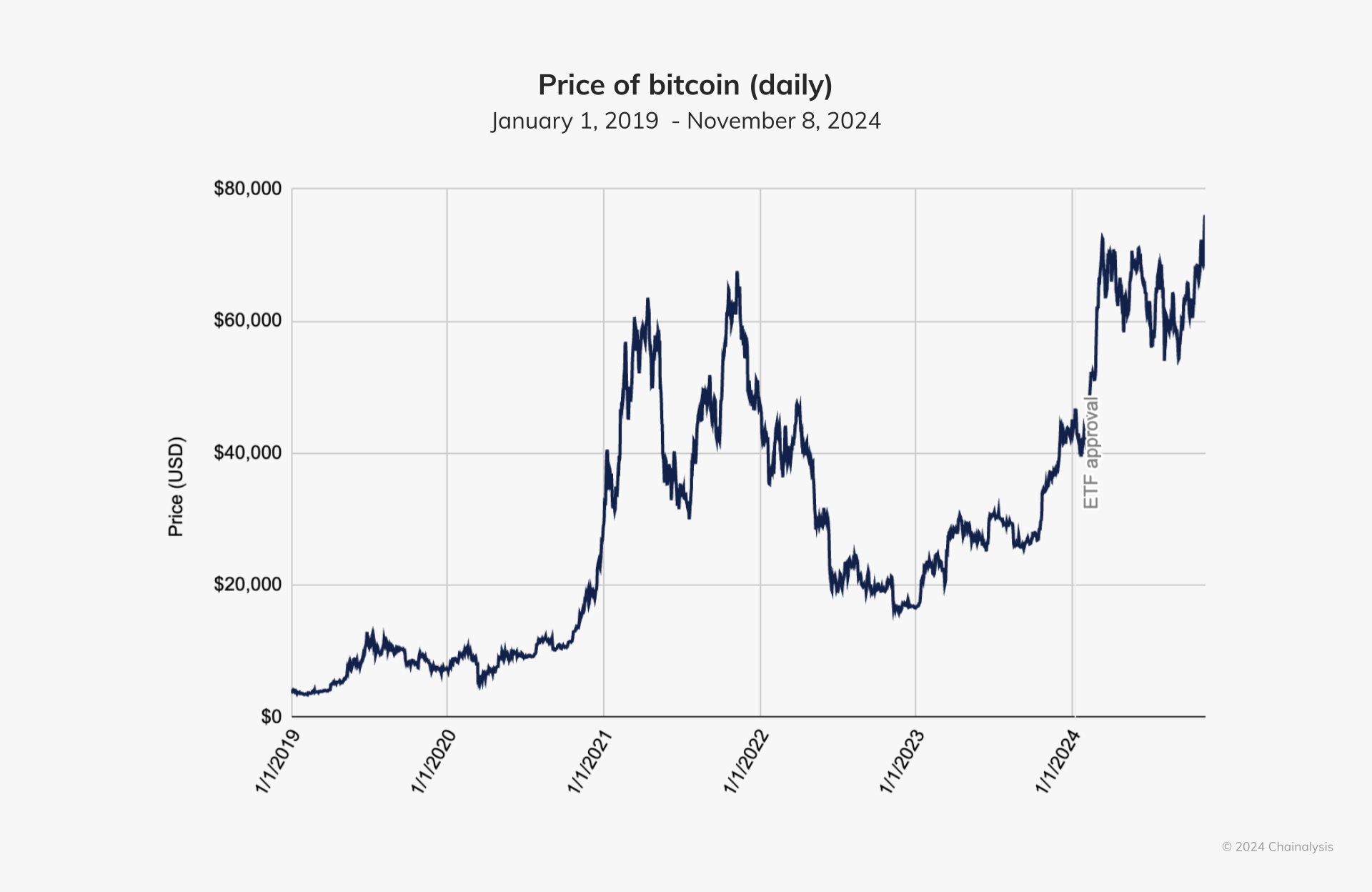
On March 5, 2024, BTC surpassed its previous all-time high, rising above $73,000; later in December of the same year, it broke through the $100,000 mark.
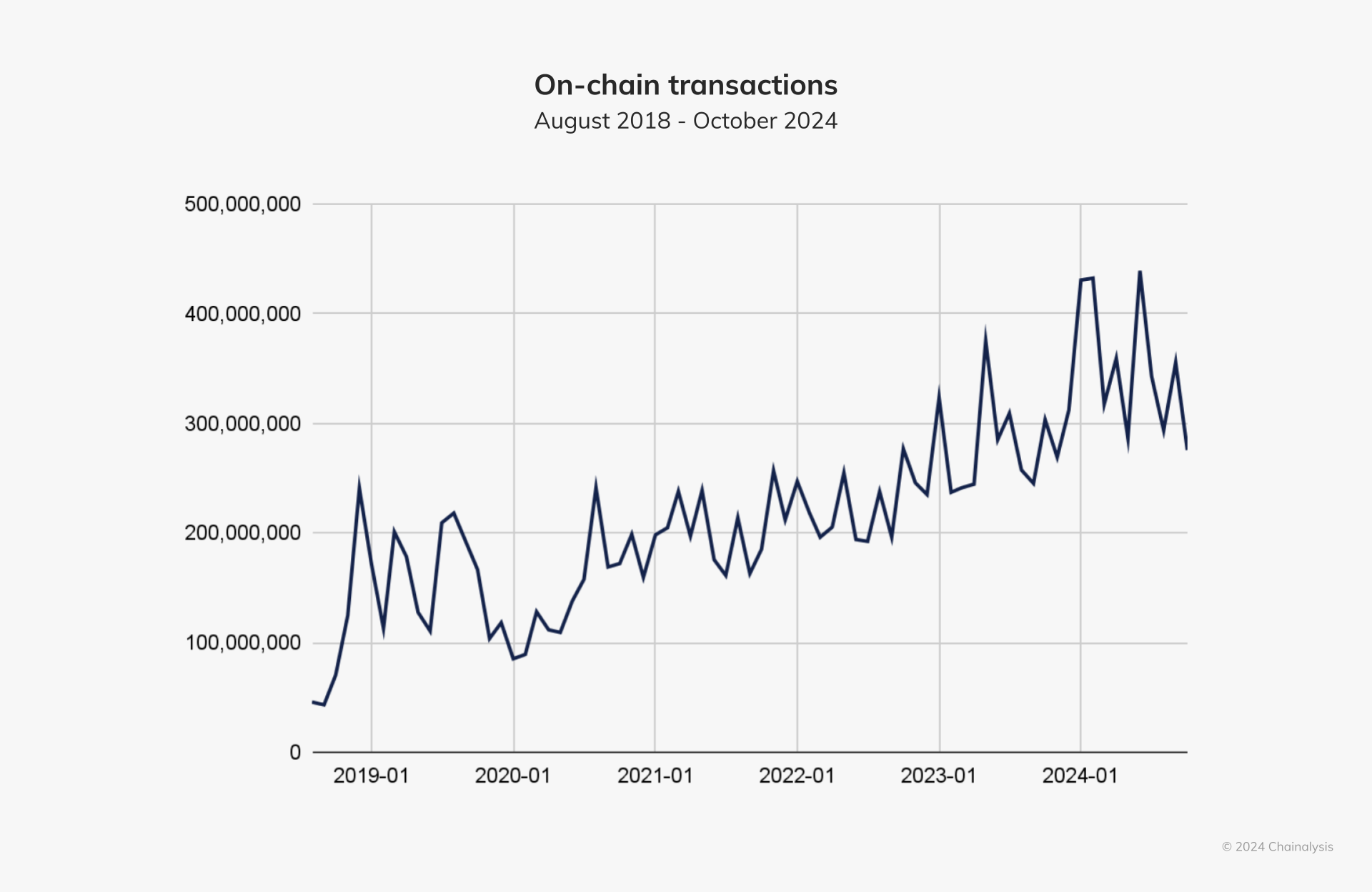
Moreover, transaction activity across all digital assets has exceeded the historical peaks seen at the end of 2020 and 2021, indicating that this market cycle is significantly more active than the last bull market.
From late 2023 to early 2024, signs of recovery emerged in DeFi, with its activity level reaching prior historical highs, as shown below.
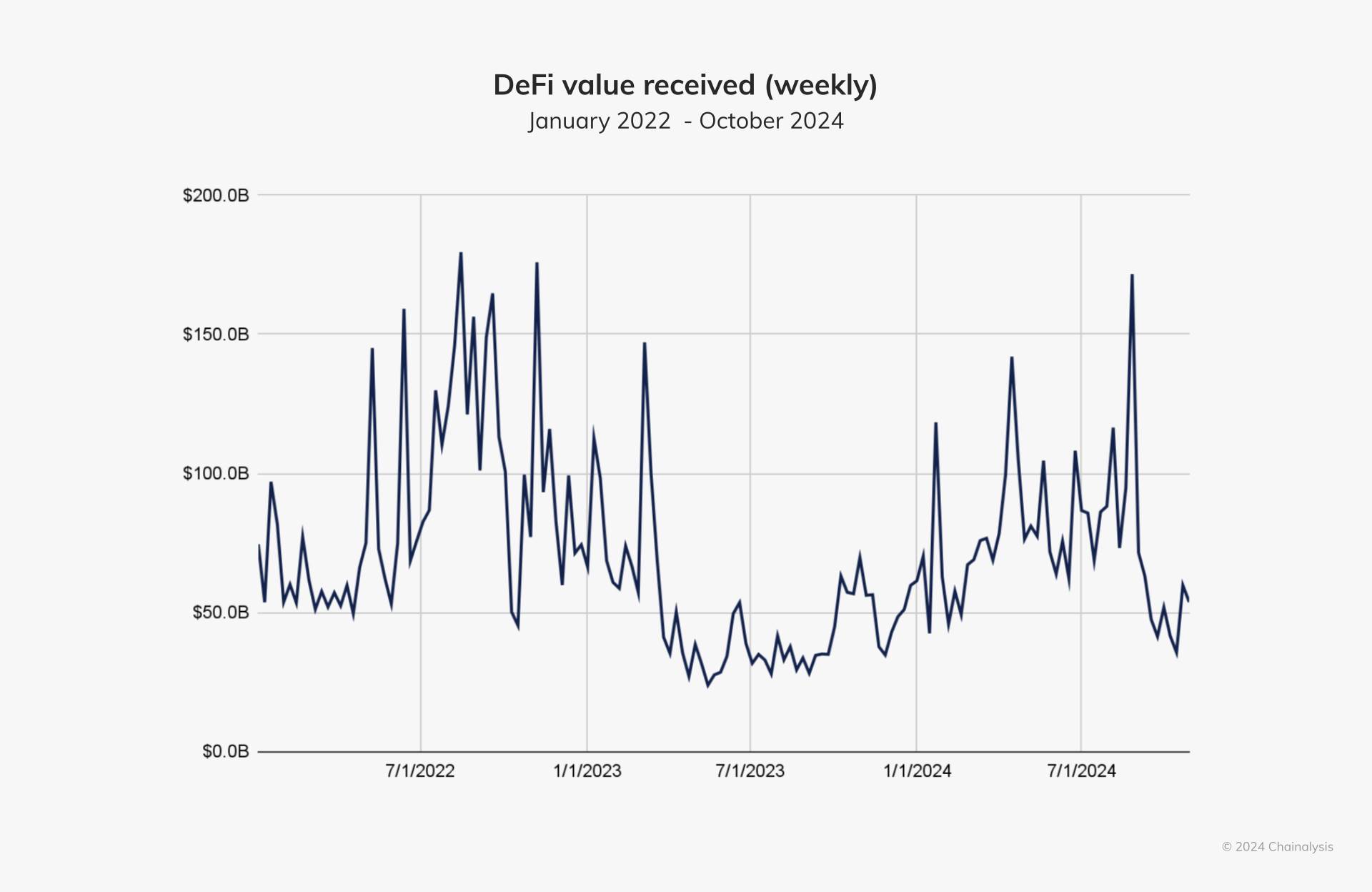
Current asset prices and DeFi activity are not the only indicators of market adaptability and resilience—global adoption of stablecoins, surging interest from traditional finance (TradFi), and the rise of services targeting new use cases such as tokenization (as discussed below) all point toward broader acceptance and integration of cryptocurrency into the global economy.
Global Utility Fuels the Rise of Stablecoins
Stablecoins, typically pegged 1:1 to the U.S. dollar or other fiat currencies, combine the efficiency, security, and transparency of cryptocurrencies while avoiding the volatility commonly seen in other crypto markets.
While major cryptocurrencies like BTC and ETH often dominate headlines and offer returns unattainable with stablecoins, stablecoins have surpassed other types of cryptocurrencies in terms of adoption. In recent months, stablecoin transaction volume on-chain has accounted for over half—and at times up to 75%—of total crypto transaction volume.
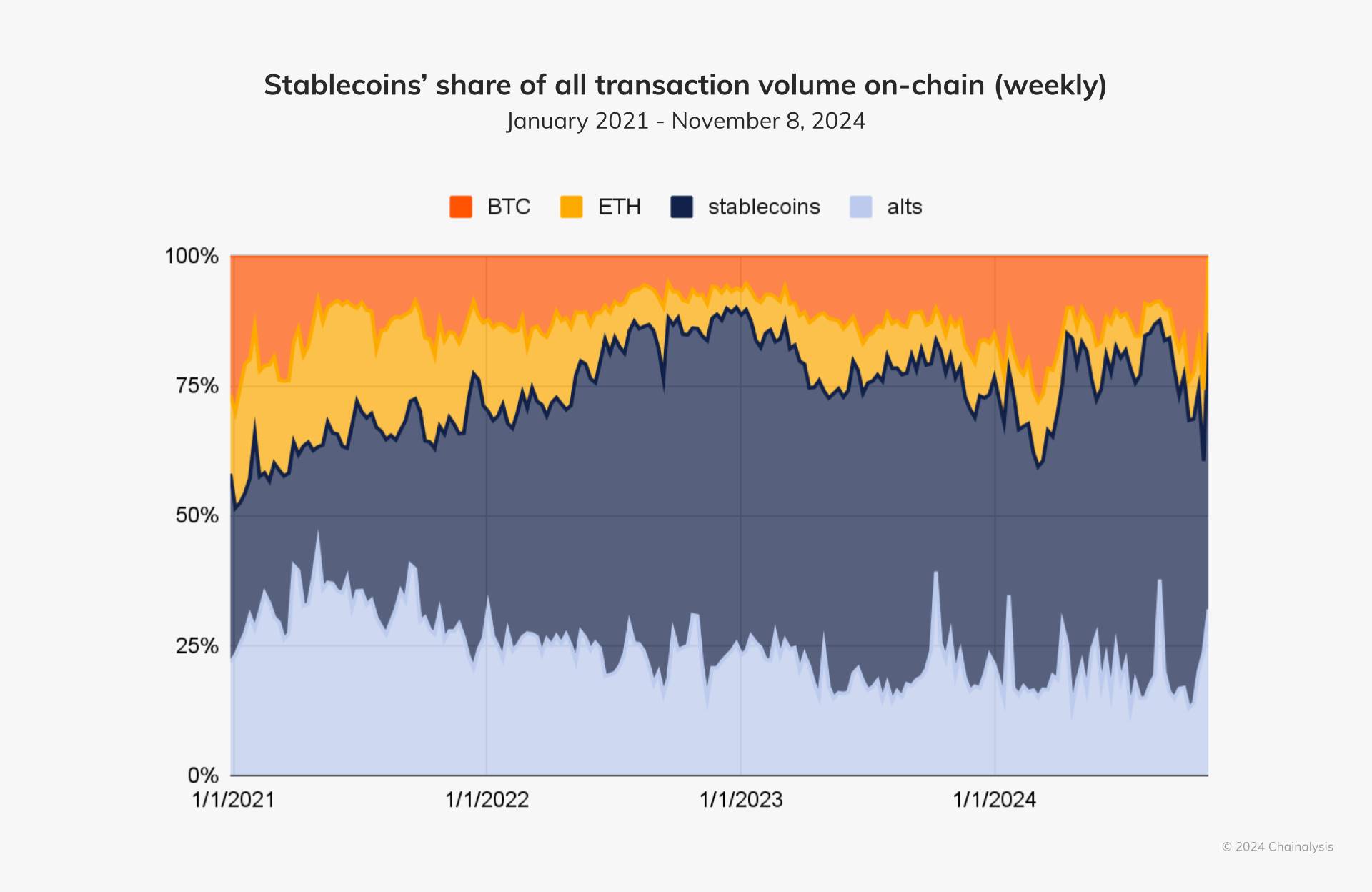
By providing anyone with internet access the stability of the U.S. dollar, stablecoins offer a critical solution for residents in countries facing currency volatility, serving both to protect savings and facilitate commercial transactions.
The growing prominence of stablecoins in overall transaction activity indicates that this asset class has achieved high practical utility among crypto users.
BTC and ETH ETPs Mark Historic Integration Between Crypto and Traditional Finance
Traditional finance (TradFi) reached a historic milestone in validating cryptocurrency in 2024, with the launch of spot Bitcoin exchange-traded products (ETPs) in the U.S. market further boosting institutional investor interest. Exchange-traded funds (ETFs)—the most popular form of ETP—have drawn significant attention from both retail and institutional investors.
The introduction of crypto ETFs sparked a market-wide rally, as these funds provide regulated, mainstream investment vehicles for accessing cryptocurrencies—typically appealing to investors who may be hesitant about the complexity and security concerns associated with directly using traditional crypto exchanges.
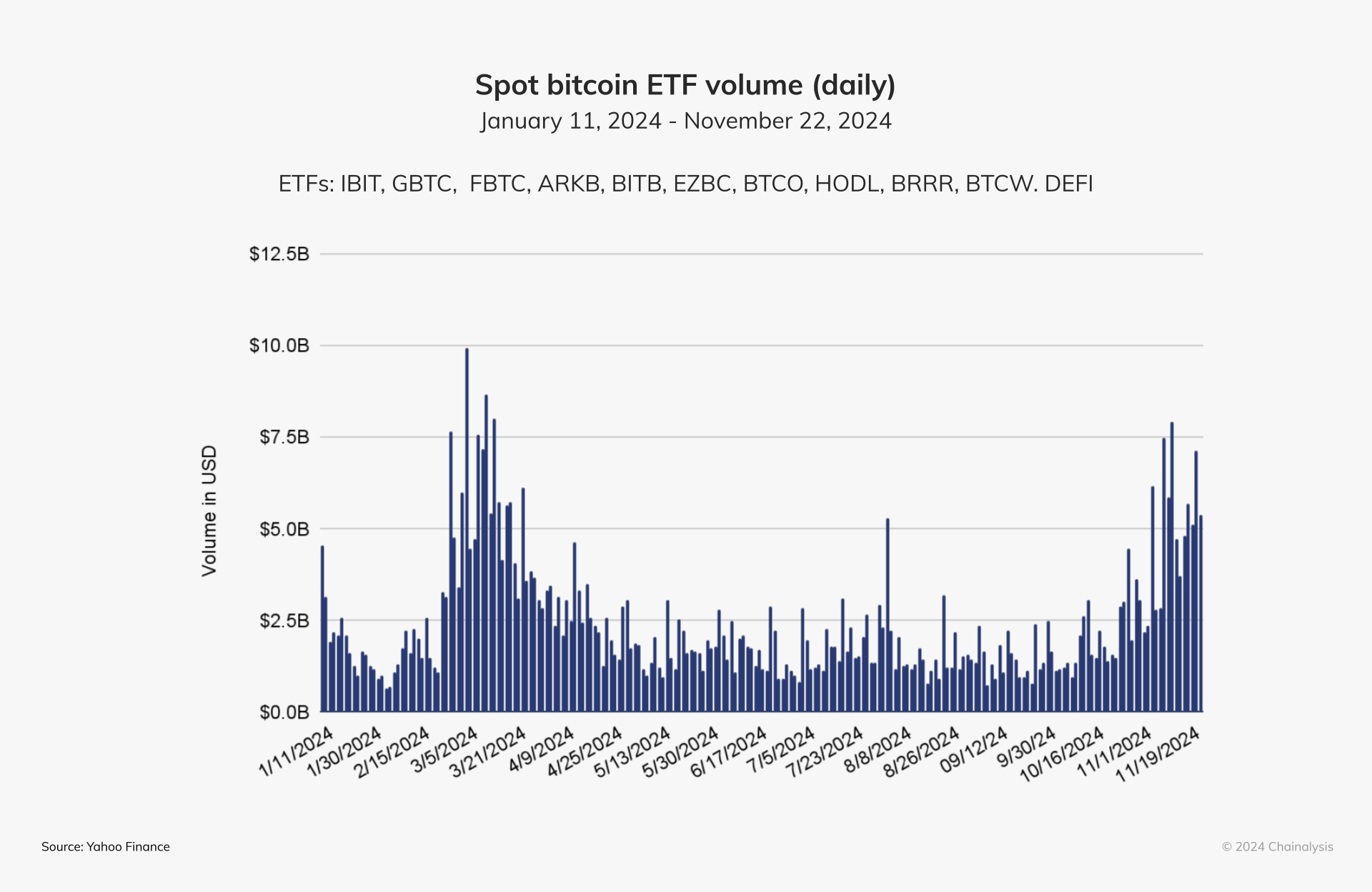
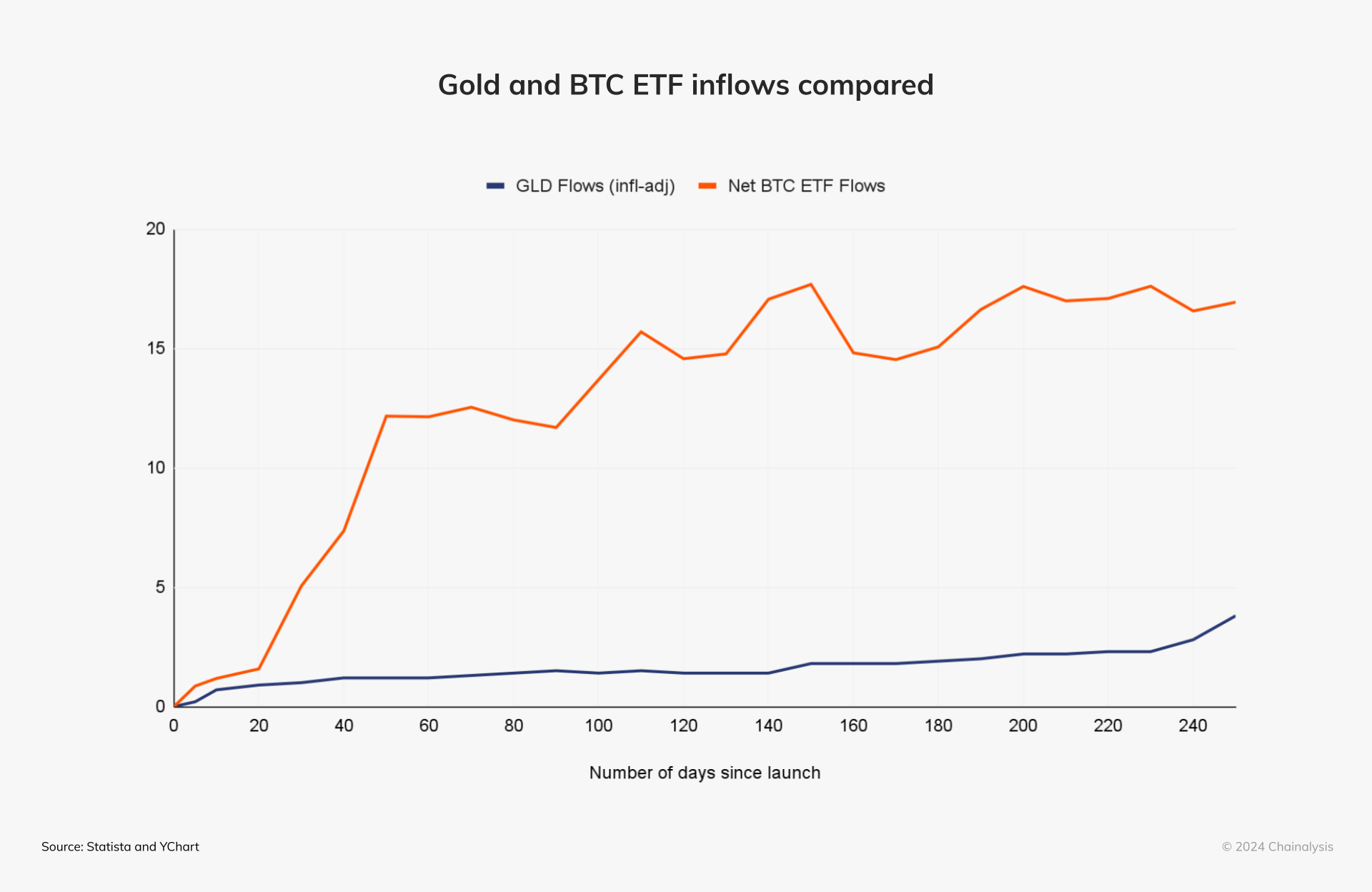
Daily trading volume for Bitcoin ETFs surged, nearing $10 billion per day in March. Inflows into Bitcoin ETFs also surpassed those of gold ETFs during their initial launch in 2005 (inflation-adjusted), making them the fastest-growing ETF in history, as illustrated below.
Following news of Bitcoin ETF approval on January 10, 2024, Bitcoin's price began a rapid ascent and soon after commenced trading.
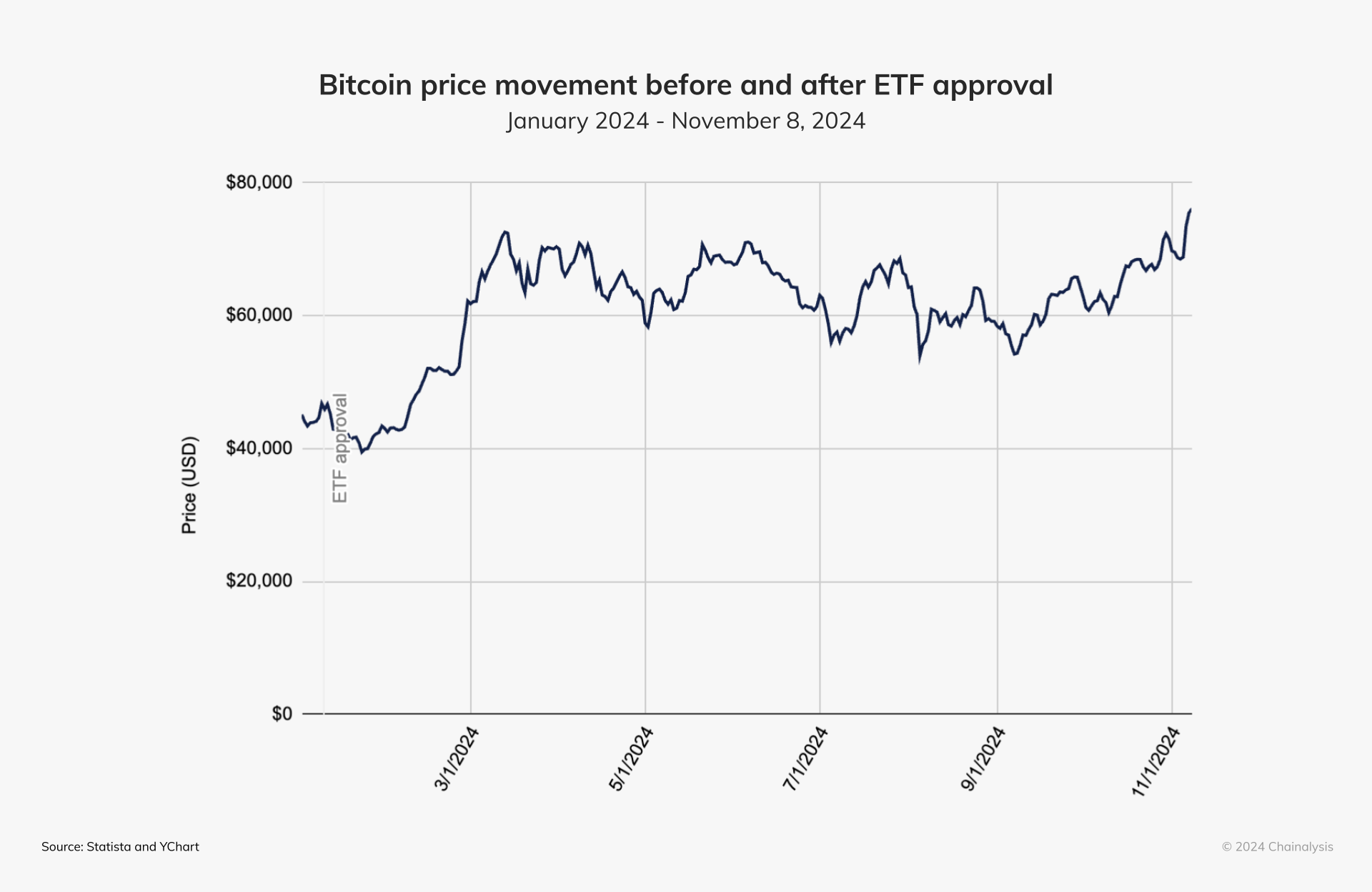
By offering easier access to cryptocurrency through traditional trading platforms, ETPs appear to be one of the key drivers behind the recent surge in Bitcoin (BTC) prices, unlocking new sources of demand for the underlying asset.
While it is difficult to precisely quantify the specific impact of the U.S. Bitcoin ETP launch, it is widely believed to have boosted market sentiment and expanded institutional exposure to Bitcoin. The surge in demand reflects the unique appeal of ETPs among retail and institutional investors, offering a regulated and familiar way to gain exposure to Bitcoin without the complexities of managing private key wallets.
Tokenization: Real-World Assets (RWA) Are Growing
Excitement around real-world assets (RWA) being brought on-chain through large-scale tokenization is quietly transforming the landscape of asset management and investment. Many traditional finance (TradFi) giants, such as Franklin Templeton, have already established a presence in this space. Goldman Sachs reportedly plans to launch a crypto trading platform focused on tokenization within the next 12 to 18 months.
RWAs refer to any valuable asset—tangible or intangible—whose value originates outside the blockchain. Through tokenization, rights to these assets—from real estate and art to intellectual property—are represented as tokens on a blockchain. This process not only simplifies the sale and trading of these assets but also enhances accessibility to a broader audience, creating a more efficient and liquid market. RWA also promises greater transparency in investment markets, as all transactions are recorded on-chain.
Currently, most RWA projects focus on tokenizing relatively simple and stable financial instruments such as U.S. Treasuries. Lending platforms like Goldfinch and Ondo Finance, which rely on tokenized RWA as their foundation, already dominate a significant share of the RWA market. According to data compiled by asset manager 21.co, the total market capitalization of tokenized projects has surpassed $100 billion.
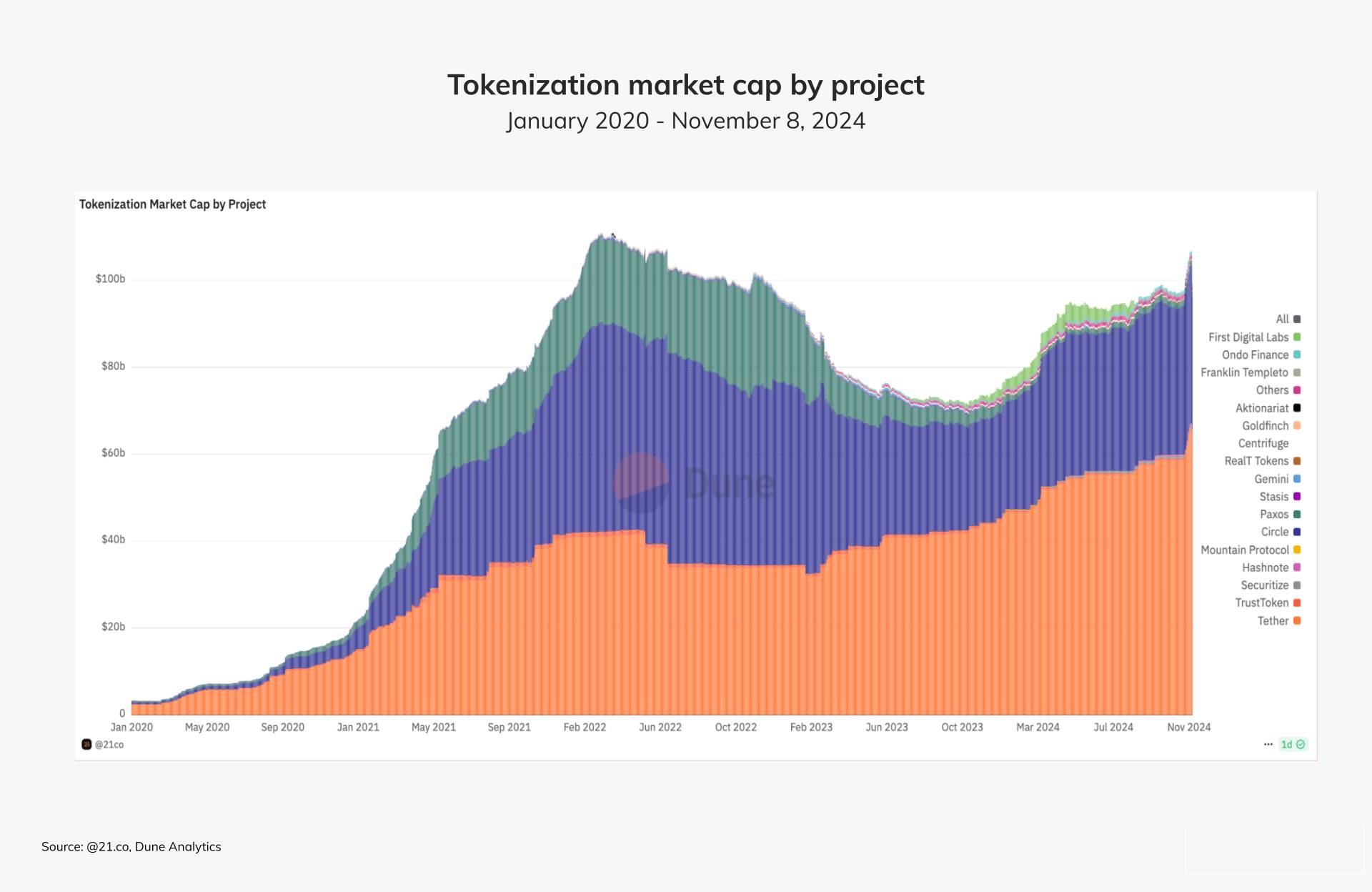
Although still in its early stages, the growing significance of RWA represents a crucial step toward a future where most value transfers occur on blockchains, enabling unified, open, and lower-friction global markets.
What Cryptocurrency Industry Maturity Could Mean for Organizations
As we examine the progress of the crypto ecosystem, it’s clear that we’re experiencing a profound shift in perception and usage. While the crypto market may continue to experience volatility and prolonged bear cycles, one trend remains consistent: wallets holding positive balances are growing linearly and continuously. Currently, over 400 million wallets hold cryptocurrency.
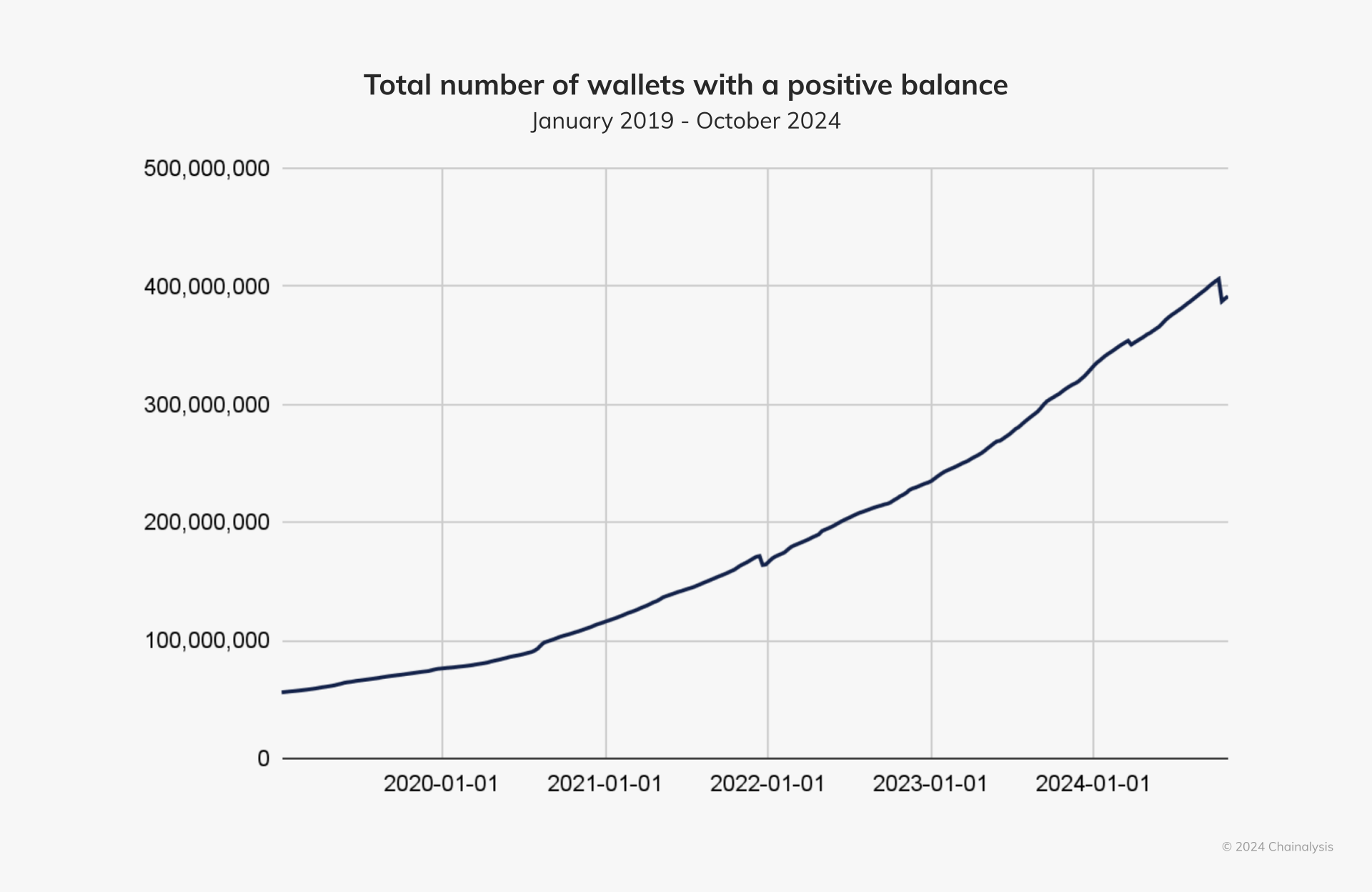
Although one wallet does not necessarily equate to one user—since institutions and individuals may manage multiple wallets—the sheer scale of growth indicates that cryptocurrency adoption is steadily increasing.
As the influence of cryptocurrency expands, defining success within this new paradigm becomes increasingly important. For organizations, adapting to the on-chain reality is not merely about keeping pace with technological advancement—it requires a fundamental reassessment of operational models to harness the unique opportunities brought by blockchain.
Join TechFlow official community to stay tuned
Telegram:https://t.me/TechFlowDaily
X (Twitter):https://x.com/TechFlowPost
X (Twitter) EN:https://x.com/BlockFlow_News
 Chainalysis