








2024 Crypto Turmoil: A Year in Review of the Cryptocurrency World
TechFlow Selected TechFlow Selected
2024 Crypto Turmoil: A Year in Review of the Cryptocurrency World
2024 not only witnessed the industry's rapid growth but also laid a clearer direction for the future.
 Navigating Web3 tides with focused insights
In 2024, the industry experienced unprecedented growth, controversies, and milestones. From Bitcoin's historic highs to transformative regulatory changes and high-profile legal disputes, the cryptocurrency space continued evolving at a remarkable pace. This year is destined to go down in history. Not only did 2024 witness rapid industry expansion, but it also laid a clearer foundation for future development. Below are the most representative events of 2024 and their implications for the future of crypto.
U.S. Bitcoin ETF: A Long-Awaited Milestone
In January 2024, the U.S. Securities and Exchange Commission (SEC) approved the first Bitcoin exchange-traded fund (ETF), marking a pivotal moment for cryptocurrencies. Bitcoin ETFs offer investors a secure and regulated way to gain exposure to Bitcoin without holding it directly. With asset management firms incorporating Bitcoin ETFs into their offerings, institutional participation surged, attracting a broader investor base. The approval was widely seen as a major step toward mainstream adoption, signaling growing recognition of digital assets by the U.S. government.
The launch of Bitcoin ETFs also spurred innovation in finance, leading to a wave of blockchain-based products designed to meet institutional needs. Analysts view this development as a sign of market maturation and an acceleration in the convergence between traditional finance and the crypto industry. These ETFs have also helped mitigate some risks associated with cryptocurrencies—such as custody and security—making Bitcoin more appealing to conservative investors.

Image Source: Medium
Samuel Bankman-Fried Sentenced: Justice Served
In March 2024, former FTX CEO Sam Bankman-Fried (SBF) was sentenced to 25 years in prison for fraud, following the collapse of his cryptocurrency exchange, FTX. Convicted on charges of fraud and gross mismanagement, the verdict sent a clear message about accountability in the crypto sector. The trial exposed systemic failures at FTX—one of the largest cryptocurrency exchanges—including misuse of customer funds and lack of internal controls.
This sentencing marked one of the most notorious scandals in cryptocurrency history and served as a cautionary tale for other industry players. The case not only revealed the risks inherent in the crypto space but also highlighted the dangers of insufficient regulation and compliance. SBF’s downfall became a catalyst for industry reform, prompting many platforms to reevaluate their governance and operations to better protect investor interests.
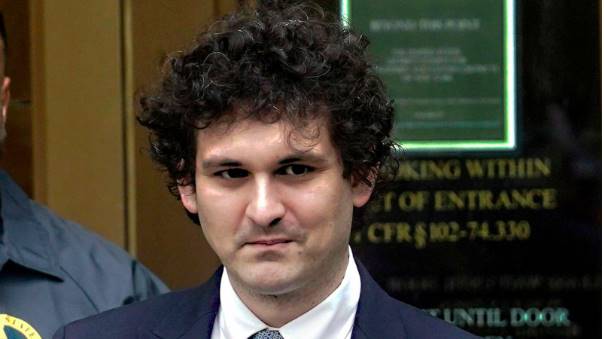
Image Source: ABC News
Hong Kong Launches First Bitcoin ETF: Rise of the Asian Market
In April 2024, Hong Kong launched Asia’s first spot Bitcoin and Ethereum ETFs, reinforcing its position as a global cryptocurrency hub. These ETFs provide regional investors with a regulated and secure avenue to invest in digital assets, boosting confidence in the crypto ecosystem. Hong Kong’s proactive regulatory approach offers a blueprint for other jurisdictions seeking to integrate blockchain technology into their financial markets.
By balancing innovation with regulation, Hong Kong has set an example for how to foster industry growth while safeguarding investor interests. This move not only strengthens Hong Kong’s status as an international financial center but also draws greater institutional attention to the potential of Asian markets. Analysts widely believe that Hong Kong’s success will have a profound influence on global crypto regulatory models.

Image Source: Millionero Magazine
Bitcoin: The Fourth Halving
In April 2024, Bitcoin underwent its fourth halving event, reducing miner rewards from 6.25 BTC per block to 3.125 BTC. This made Bitcoin mining more difficult than ever and further slowed the rate of new supply entering circulation. Historical data shows that each halving tends to trigger strong market expectations around scarcity, often leading to long-term price appreciation.
Although the market didn’t react immediately after the halving, institutional investors showed renewed interest, viewing Bitcoin as a scarce asset capable of hedging against inflation. The event reinforced Bitcoin’s status as “digital gold” and laid the groundwork for a potential bull run in the coming years.

Image Source: ZEROCAP
Post-Halving: Opportunities and Challenges Amid Volatility
Following the halving, Bitcoin prices experienced significant volatility, with sharp swings presenting both opportunities and risks for traders. Some market observers see this fluctuation as a sign of healthy market activity, while others warn of speculative bubbles. Regardless, this period reaffirmed Bitcoin’s unique nature as an asset class, exhibiting economic dynamics distinct from traditional commodities and securities. The halving not only underscored Bitcoin’s scarcity value but also solidified its special role within the global financial system.

Image Source: Crypto Head
Ethereum ETF Launch: Injecting New Momentum Into the Market
Following the successful rollout of Bitcoin ETFs, the U.S. SEC approved Ethereum ETFs in July 2024. This decision expanded investment options for institutions and elevated Ethereum’s standing as a leading blockchain platform. As the world’s second-largest cryptocurrency, Ethereum has long attracted investor interest due to its smart contract functionality and applications in decentralized finance (DeFi).
The introduction of Ethereum ETFs provides investors with a safer and more convenient way to access the asset, further broadening acceptance of blockchain technology. This development highlights that Ethereum is not just a digital currency, but a key driver behind the next generation of decentralized internet infrastructure.

Image Source: Yahoo Finance
CZ Released: A New Chapter Begins
In September 2024, Changpeng Zhao (CZ), founder of cryptocurrency exchange Binance, was released after serving a four-month prison sentence for anti-money laundering violations. The incident prompted major shifts in Binance’s operational direction. Upon release, CZ stated clearly that he would not return to Binance and plans to focus on other ventures.
Despite stepping away from Binance, CZ remains a powerful figure in the crypto industry. He revealed receiving multiple offers to sell his Binance shares but has yet to make a decision. His future moves will be closely watched across the industry and could potentially open new pathways for market innovation.

Image Source: Crypto News
Do Kwon Extradition Case: A Battle Across Borders
The extradition case of Do Kwon, co-founder of Terraform Labs, reached a stalemate in 2024. After Montenegro’s constitutional court suspended the extradition order, the United States filed its own request, entangling his fate in increasingly complex legal proceedings.
This case underscores the challenges of international judicial cooperation in the cryptocurrency realm. As blockchain technology becomes increasingly globalized, such cases highlight the difficulty of delivering justice in a decentralized world—an ongoing challenge the industry must confront.

Image Source: Vijesti
Fed Rate Cuts: Bitcoin Regains Favor
In 2024, the Federal Reserve cut interest rates twice—in September and November—to stimulate the economy. This policy shift reduced the appeal of traditional assets, while crypto assets like Bitcoin regained attention due to their inflation-resistant properties. As investors sought alternative investments, Bitcoin prices surged rapidly after the rate cuts, demonstrating strong market appeal.
This trend reaffirmed Bitcoin’s role as “digital gold” and highlighted the growing interconnection between crypto markets and macroeconomic conditions. Institutional interest in digital assets also rose significantly during this time, injecting greater confidence and vitality into the market.
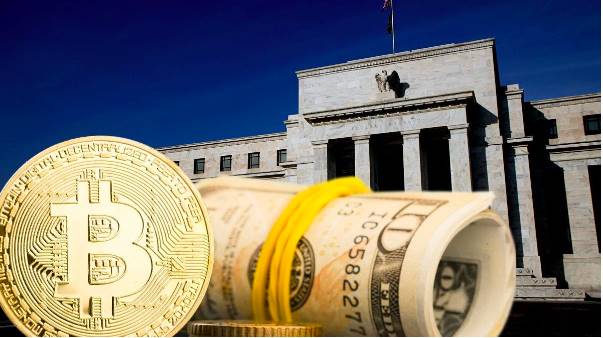
Image Source: Medium
FTX vs. Binance Legal Battle: Escalating Conflict
In November 2024, cryptocurrency exchange FTX filed a lawsuit against rival exchange Binance and its former CEO Changpeng Zhao, seeking $1.8 billion in damages. The case centers on Binance’s 2021 sale of its 20% stake in FTX for $1.76 billion. FTX alleges the payment was made using customer funds amid poor management at FTX and Alameda Research. The lawsuit accuses Binance of acting irresponsibly, claiming the transaction worsened FTX’s financial troubles.
FTX also claims Zhao’s public statements in November 2022 exacerbated its liquidity crisis, contributing to the exchange’s collapse. Binance denies all allegations, calling them baseless, and vows to defend itself in court. This legal battle is not only part of FTX’s post-collapse recovery efforts but also prompts the entire industry to reconsider competitive norms among crypto firms.

Image Source: CryptoSlate
Coinbase Stock Surpasses $300
In November 2024, shares of U.S. cryptocurrency exchange Coinbase crossed the $300 threshold, reigniting market confidence in the crypto industry. As a leader in the space, Coinbase successfully overcame multiple challenges and continued expanding its market influence.
This milestone underscores the growing recognition of crypto companies within traditional financial markets and highlights the importance of transparent operations and strong governance in building trust—a model for other firms in the industry.

Image Source: MSN
Bitcoin Hits All-Time High: Driven by the "Trump Effect"
In November 2024, Bitcoin surged to a record high of $93,450, sending shockwaves through the entire crypto market—an event widely dubbed the "Trump Pump." The rally was primarily fueled by optimistic market sentiment following Trump’s re-election as president. Trump pledged strong support for blockchain innovation and tax reductions for crypto companies, boosting investor confidence and directly propelling Bitcoin to new heights.
The "Trump Effect" extended beyond Bitcoin, lifting major altcoins such as Ethereum and Solana. This phenomenon reaffirmed Bitcoin’s central role in the crypto market and its significant influence over market sentiment and liquidity.

Image Source: Brave New Coin
Post-Election Rally: Bitcoin Races Toward $90,000
Bitcoin’s upward momentum didn’t end with the "Trump Effect"—it accelerated after the election. With active participation from institutional investors, Bitcoin quickly raced past the $90,000 mark. Many hedge funds and asset managers, anticipating a stable regulatory environment under the Trump administration, began heavily allocating Bitcoin into their portfolios.
This post-election rally also boosted the broader altcoin market, with Ethereum, Solana, and Cardano posting significant gains. This surge demonstrated not only market sensitivity to political stability but also how clear regulatory policies can effectively strengthen investor confidence and drive industry-wide progress.

Image Source: Morocco World News
Trump-Linked Media Group Considers Acquiring Crypto Exchange Bakkt
Reports indicate that Trump Media & Technology Group (TMTG) is moving into the cryptocurrency exchange space and may consider acquiring Bakkt. Following his re-election, President Trump is deepening his involvement in crypto through TMTG. According to the Financial Times, TMTG—the operator of Truth Social—is finalizing negotiations to acquire all shares of Bakkt, though valuation details remain undisclosed.
As Bitcoin prices soar to unprecedented levels—approaching $100,000—speculation about Trump’s support for digital assets has fueled market optimism. Following the news, Bakkt shares, backed by Intercontinental Exchange, surged, reflecting strong market enthusiasm. This move aligns with Trump’s public pro-crypto stance during his re-election campaign and marks a strategic integration into the crypto industry. Amid these developments, the broader crypto market saw notable gains, including Ethereum and DeFi tokens, highlighting widespread excitement and the potential impact of heightened presidential focus on digital assets.

Image Source: Fox Business
Bitcoin Breaks $100,000: Opportunities and Risks Ahead
On December 5, Bitcoin came close to breaking the $100,000 mark, driven largely by robust institutional backing and expectations of a more favorable U.S. regulatory climate. Increased purchases by major players like MicroStrategy further boosted market confidence. Experts predict that if Bitcoin’s market dominance drops below 58%, it could usher in an “altcoin season,” driving broad-based growth across the crypto market.
However, the market euphoria also carries potential risks. Analysts warn of a possible “top blow-off” scenario—where rapid price surges lead to sharp corrections. Additionally, the Federal Reserve’s cautious stance on further rate cuts has tempered market sentiment, with investors adopting a more prudent outlook amid concerns over potential economic slowdown. While Bitcoin has nearly reached $100,000, the road ahead remains uncertain, and volatility should not be underestimated.
Conclusion: A Year of Transformation
2024 was a year of seismic shifts for the cryptocurrency industry. From Bitcoin’s record highs and breakthrough ETF approvals to high-profile legal battles, these events reshaped the market landscape and charted a course for future development.
Looking ahead to 2025, with technological advancements, deeper institutional involvement, and gradually improving regulations, the crypto industry is poised for a new cycle of growth. The key events of 2024 provide valuable insights for the long-term evolution of crypto and open up fresh possibilities for the future of the global financial system.
Join TechFlow official community to stay tuned
Telegram:https://t.me/TechFlowDaily
X (Twitter):https://x.com/TechFlowPost
X (Twitter) EN:https://x.com/BlockFlow_News
 @XTexchange










