DeSci Gold Rush | Behind the Surge of RIF and URO: The Rise of Molecule's Three Key Engines?
TechFlow Selected TechFlow Selected
DeSci Gold Rush | Behind the Surge of RIF and URO: The Rise of Molecule's Three Key Engines?
Molecule is advancing in the DeSci field through three core engines: Catalyst, Bio Protocol, and pump.science.
 Navigating Web3 tides with focused insights
By KarenZ, Foresight News
In mid-November, RIF and URO surged nearly a thousandfold within just a few days, after which the DeSci market entered a consolidation phase. Notably, over the past weekend, URO made a strong rebound with an increase approaching 200%. We are now prompted to ask: what exactly is pump.science, the platform behind this surge? And what role does Molecule—the project developed by the same team as pump.science and Bio Protocol—play in this ecosystem?
What is Molecule?
Molecule aims to advance scientific research through democratized funding and intellectual property (IP) tokenization, transforming IP into liquid on-chain assets and aligning incentives between researchers and funders to cultivate a more collaborative and efficient scientific research ecosystem.
Molecule is building its ecosystem across three core modules: Catalyst, a fair launch platform for scientific projects; Bio Protocol, a grassroots financial layer for DeSci; and pump.science, a barrier-free platform connecting scientific experimentation and fundraising. These modules respectively focus on infrastructure, financial infrastructure, and bridging research initiatives with users.
Background: In June 2022, Molecule raised $13 million in seed funding led by Northpond Ventures, with participation from Backed VC, Shine Capital, Speedinvest, and Balaji Srinivasan, former CTO of Coinbase. In December 2023, Molecule received a $1 million investment from Sora Ventures. As mentioned in "Gold Rush in DeSci | VitaDAO: How Is It Leading Longevity Research?", Paul Kohlhaas, author of the VitaDAO whitepaper, is also the founder and CEO of DeSci projects Molecule and BIO Protocol, and formerly worked at Consensys. Tyler Golato is a co-founder of VitaDAO, Molecule, and BIO Protocol.
Catalyst — Fair Launch Platform for Scientific Projects
Catalyst is one of Molecule’s core platforms, enabling IP tokenization and issuance via IP-NFTs and IP Tokens (IPT). To understand Catalyst, it's essential to first grasp Molecule’s concept of IP-NFTs and IP Tokens (IPT). An IP-NFT bundles the potential intellectual property rights of a research project into a single NFT. The project can then tokenize this IP-NFT into IP Tokens—the governance tokens of the IP-NFT—decentralizing ownership of the IP directly to individuals (i.e., IP token holders) while raising funds. Holders gain partial governance rights over the IP.
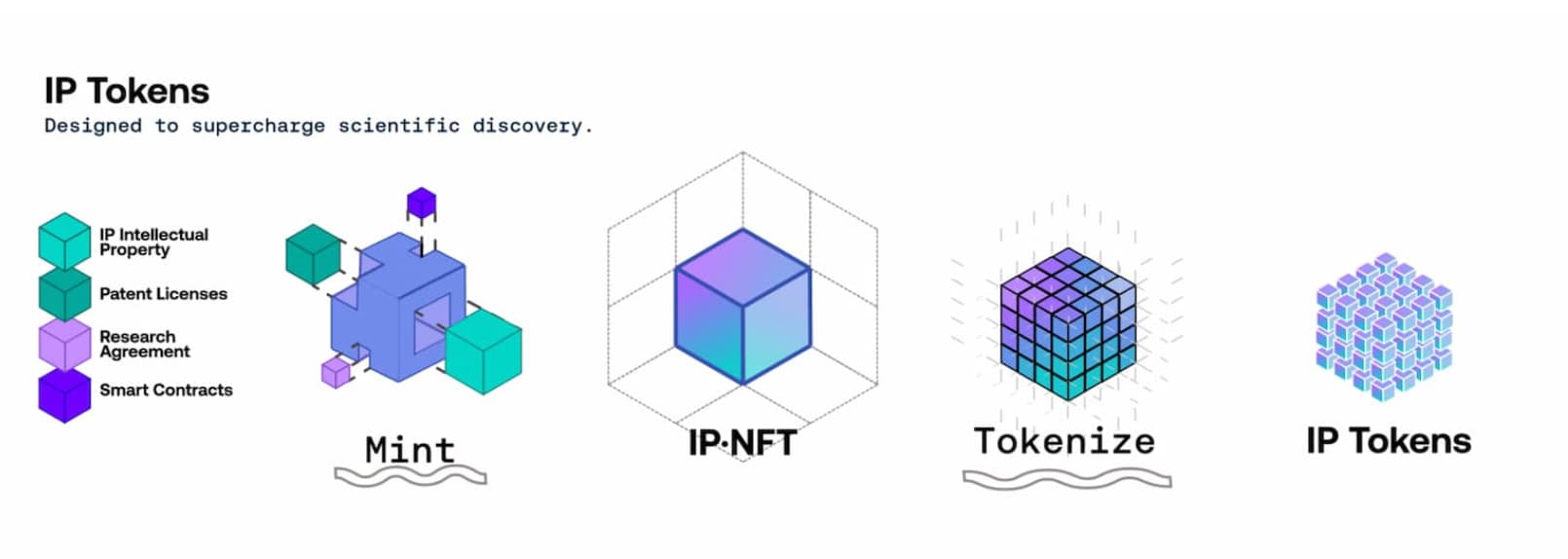
Specifically, an IP-NFT combines two legal agreements with a smart contract to register and manage IP and R&D data rights on-chain. IPT represents partial governance rights over the generated IP, granting holders rights such as voting power, updates on research progress, and access to detailed reports—but not guaranteed financial returns or revenue-sharing from commercialization of the assets.
Through Catalyst, funding is provided by depositing ETH into a project on Base, with pricing following a bonding curve. Once a project reaches its funding goal, a negotiation phase begins (lasting up to 12 weeks). During this time, funds are locked in the project’s wallet. Upon successful completion, the project’s IP-NFT is minted and IP Tokens are issued. Contributors receive proportional IPT allocations if crowdfunding succeeds. Notably, both purchased IP Tokens and excess contributed ETH are subject to vesting periods before full release.
If a project fails to meet its funding target by the deadline or negotiations fail, contributors receive a full refund of their ETH. However, withdrawing funds during the fundraising period incurs a 5% fee.
Current research projects undergoing token issuance on Molecule’s Catalyst platform are exploring areas such as Alzheimer’s antibody research, restoring brain function through transplantable tissues, engineered fibers, enamel erosion, and enzymes related to inflammation and aging.
BIO Protocol — Grassroots Financial Layer for DeSci
BIO Protocol serves as a governance and liquidity protocol in the DeSci space, aiming to accelerate biotechnology development by enabling global patients, scientists, and biotech professionals to collectively fund, build, and own tokenized biotech projects and IP.
In early November 2024, BIO Protocol secured investment from Binance Labs—the first time Binance Labs has entered the DeSci sector. Additionally, BIO Protocol recently completed its genesis-stage community fundraising round, raising a total of $33.06 million. Founder Paul Kohlhaas revealed that BIO’s Launchpad and token transferability will launch in early Q1 next year.
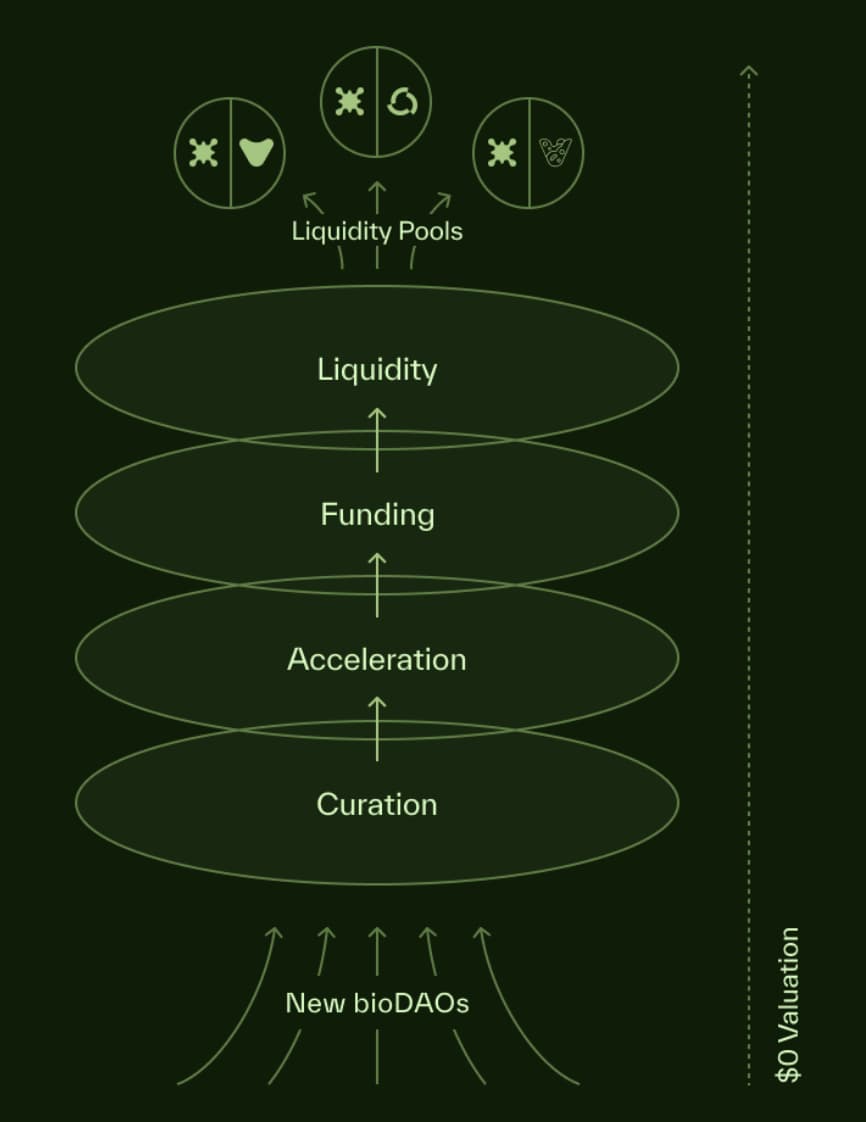
The five core components of BIO Protocol are curation, funding, liquidity, Bio/acc Rewards, and meta-governance. In the curation process, BIO holders stake locked vBIO tokens to vote for their preferred BioDAOs. Selected BioDAOs gain access to funding via the BIO Launchpad, along with community-driven liquidity support, incentives, and acceleration services. Voters whose supported DAO wins receive BIO token rewards and get early access to initial token sales rounds (via BIO Launchpad) and IP asset financing rounds (via Molecule). Furthermore, revenues earned by BioDAOs from IP and product sales can flow back into their treasury to fund and advance the next generation of R&D.
The Bio/acc Rewards program distributes BIO tokens as incentives for BioDAOs achieving key milestones such as initial token auctions via BIO Launchpad, launching IP-Tokens, releasing consumer products, and conducting decentralized clinical trials. According to BIOPSY-5, 4% of the total BIO supply (132.8 million tokens) is allocated to Bio/Acc rewards. For example, VitaDAO received 21 million BIO tokens through this program. Regarding meta-governance, the BIO Protocol holds various BioDAO tokens in its treasury, acting as a meta-governance layer that enables BIO holders to oversee a broad portfolio of BioDAOs and scientific IP assets.
How does BIO Protocol empower its native token, BIO? First, the BIO network provides incubated BioDAOs with a $100,000 grant in exchange for 6.9% of their token supply and may also receive allocations of scientific IP assets. The BIO treasury can earn fees and yields from providing liquidity. Additionally, BIO tokens serve multiple utilities, including curating BioDAOs, gaining priority access to BioDAO and IP token sales, receiving discounts on BioDAO health products/services, participating in meta-governance within BioDAOs, and casting governance votes.
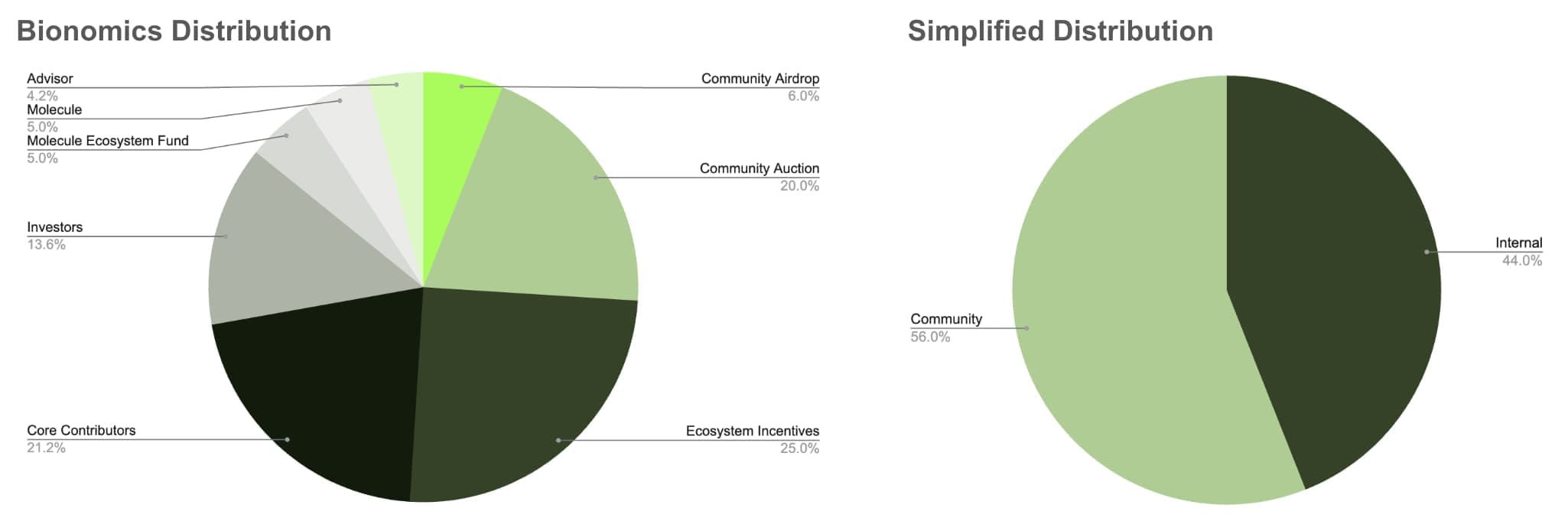
BIO has a total supply of 3.32 billion tokens, with no hard cap (subject to future governance decisions), currently non-transferable on Ethereum. Token distribution: 25% for ecosystem incentives, 20% for community auction, 5% for Molecule Ecosystem Fund, 6% for community airdrops, 13.6% for investors, 21.2% for core contributors, and 5% allocated to Molecule. Airdrop recipients include BioDAO token holders, early supporters of BIO from concept to launch, and core contributors from Molecule’s bio.xyz Cohort 1 BioDAOs.
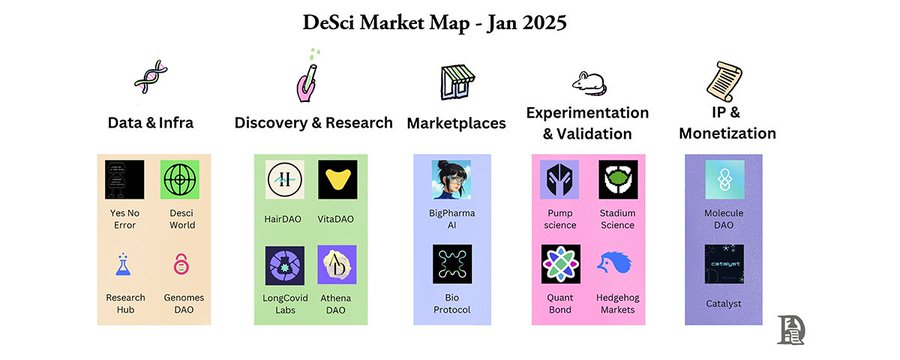
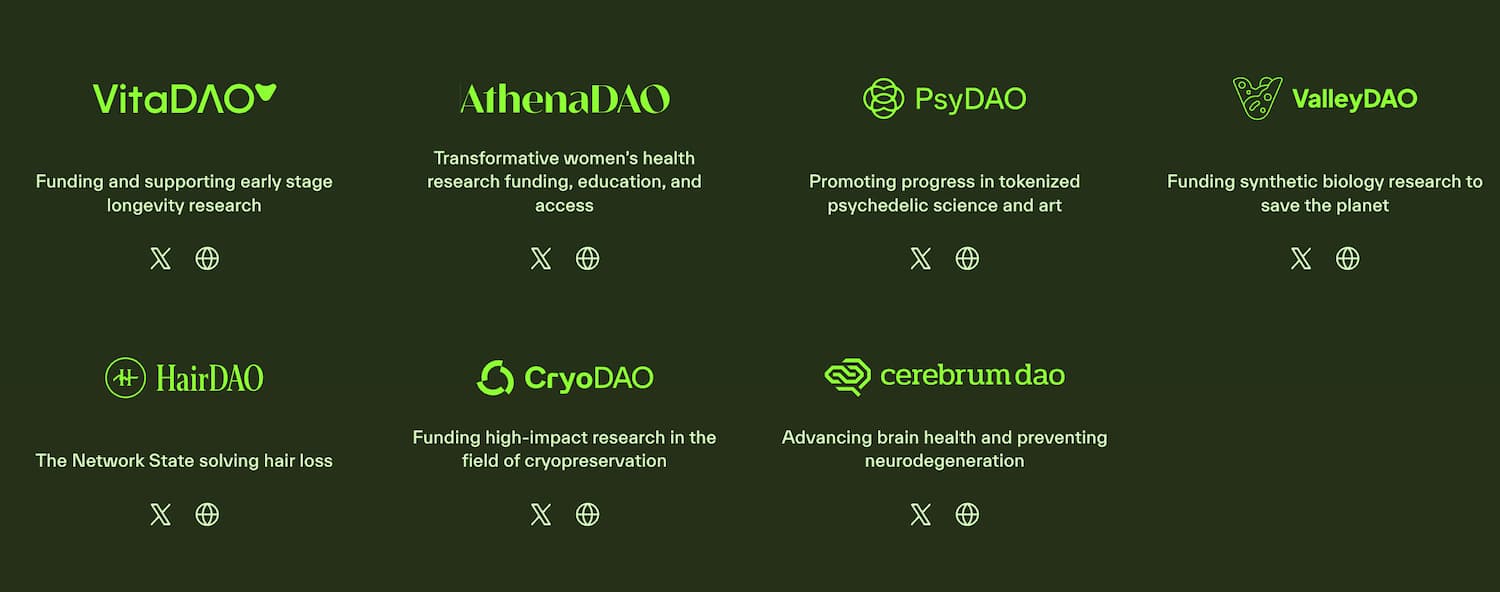
The BIO ecosystem consists of a network of multiple BioDAOs, each focused on developing research and products in specific scientific domains.
-
VitaDAO (token VITA, $130M market cap): See "Gold Rush in DeSci | VitaDAO: How Is It Leading Longevity Research?"
-
AthenaDAO (ATH, $9.7M market cap): Focuses on advancing women's health research, education, and funding, starting with female reproductive health.
-
PsyDAO (PSY, $4.7M market cap): Dedicated to psychedelic science research; completed its first PSY token sale in mid-November 2024, raising $2 million.
-
ValleyDAO (GROW, $9M market cap): Focused on synthetic biology, has raised over $2 million and collaborates with Imperial College London.
-
HairDAO (HAIR, $70M token market cap): Aims to address hair loss and has launched Follicool shampoo—a paraben- and sulfate-free product (includes SHAMPOO membership)—officially marketed as suitable for all hair and skin types, designed to cleanse and nourish hair follicles. Each bottle of FolliCool ($49.95) comes with 1 million POO tokens. POO governs future development of HairDAO’s shampoo product line, including all sales revenue. HairDAO advocates for greater use of human hair follicle organ culture (HFOC) models in preclinical research. However, HFOC research remains too costly for mainstream adoption, so HairDAO plans to scale HFOC over the next year, reducing per-study costs by 60x.
-
CryoDAO (CRYO, $16M market cap): Advances cryopreservation research.
-
CerebrumDAO (NEURON, $11M market cap): Promotes brain health and has raised over $1.5 million. CerebrumDAO has partnered with Fission Pharma to address mitochondrial dysfunction in neurodegenerative diseases.
The above seven BioDAOs represent the first cohort incubated by BIO. The following three are early-stage projects from BIO’s second cohort:
-
Long COVID Labs: Founded by serial healthcare entrepreneur Rohan Dixit, it incentivizes collaboration and data sharing among scientists, patients, and supporters. Its first candidate therapy is a combination of long-acting monoclonal antibodies and viral replication inhibitors.
-
Curetopia: Focuses on rare diseases with limited treatment options ("long-tail" rare diseases).
-
Quantum Biology DAO: Building quantum microscopes to observe real-time quantum phenomena, supporting research in quantum biology (the project has already launched a token auction on Bio). Founder and Chief Scientist is quantum engineer Clarice D. Aiello.
pump.science — Barrier-Free Scientific Experimentation & Fundraising Platform
In September this year, the Solana Foundation awarded a grant to Molecule to build pump.science, a Solana-native DeSci funding platform.
pump.science is built atop Pump.fun. Compared to Catalyst, pump.science is an almost barrier-free platform for experimental research and fundraising. On pump.science, anyone—including pharmaceutical developers and scientists—can submit longevity-related ideas or drug strategies and raise funds for testing them. Others can bet on which interventions will extend the lifespan of different model organisms being tested, backing the ideas they believe in.
To submit an intervention for testing on pump.science, drug developers and scientists must pay a certain amount of SOL as an experiment fee. These SOL funds are used to purchase the initial batch of tokens. Once the proposal reaches a certain market cap threshold, experiments begin on the Wormbot platform. Wormbot is a low-cost, rapid experimentation platform capable of testing numerous potential longevity therapies affordably.
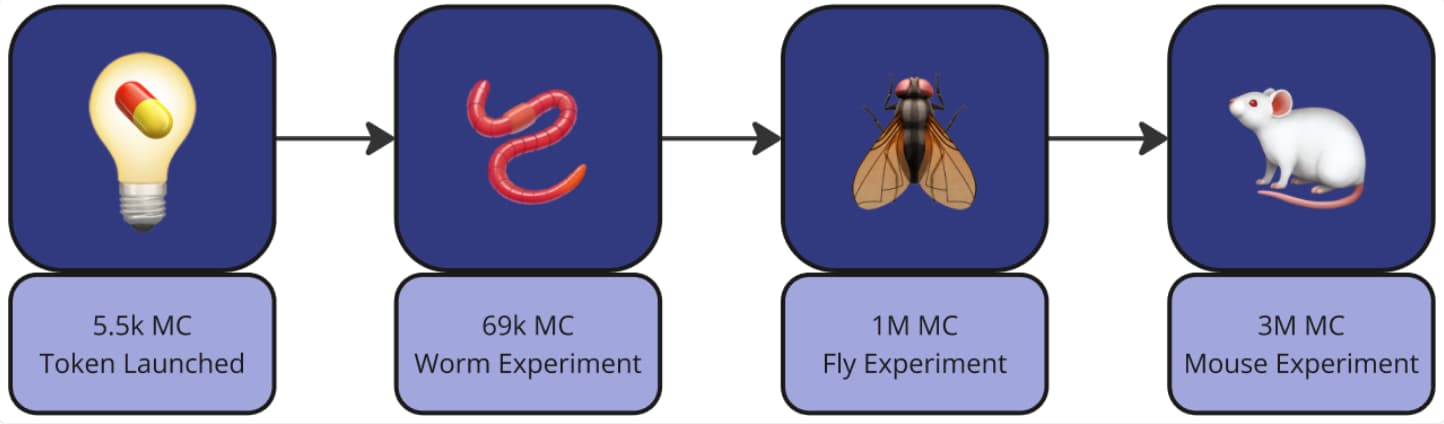
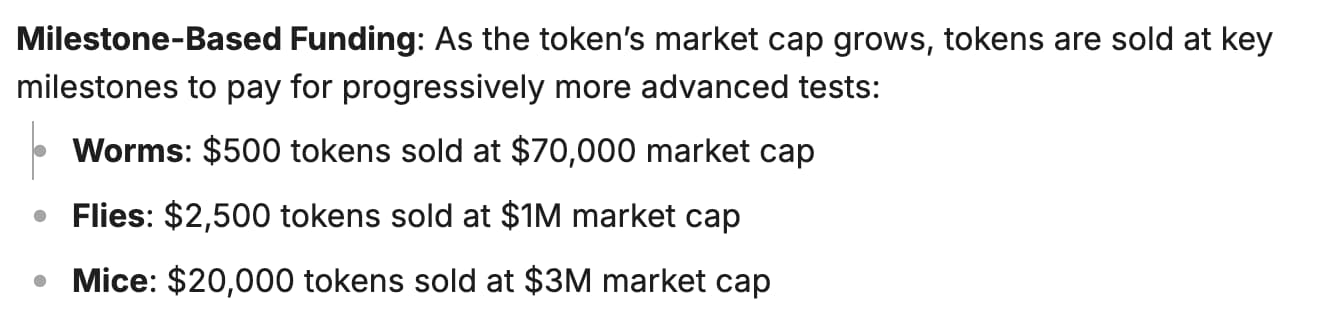
When the intervention is tested on live nematodes (worms), users can view real-time experimental data streams. Data is regularly transmitted to users for assessing the value of the intervention. Further down the line, tests will expand to fruit flies and mice, gathering more expensive and time-consuming but more human-relevant data. After licensing, relevant interventions can be sold as supplements or research chemicals. As token market caps grow, tokens are sold at key milestones ($70K, $1M, and $3M market cap) to fund progressively advanced testing phases.
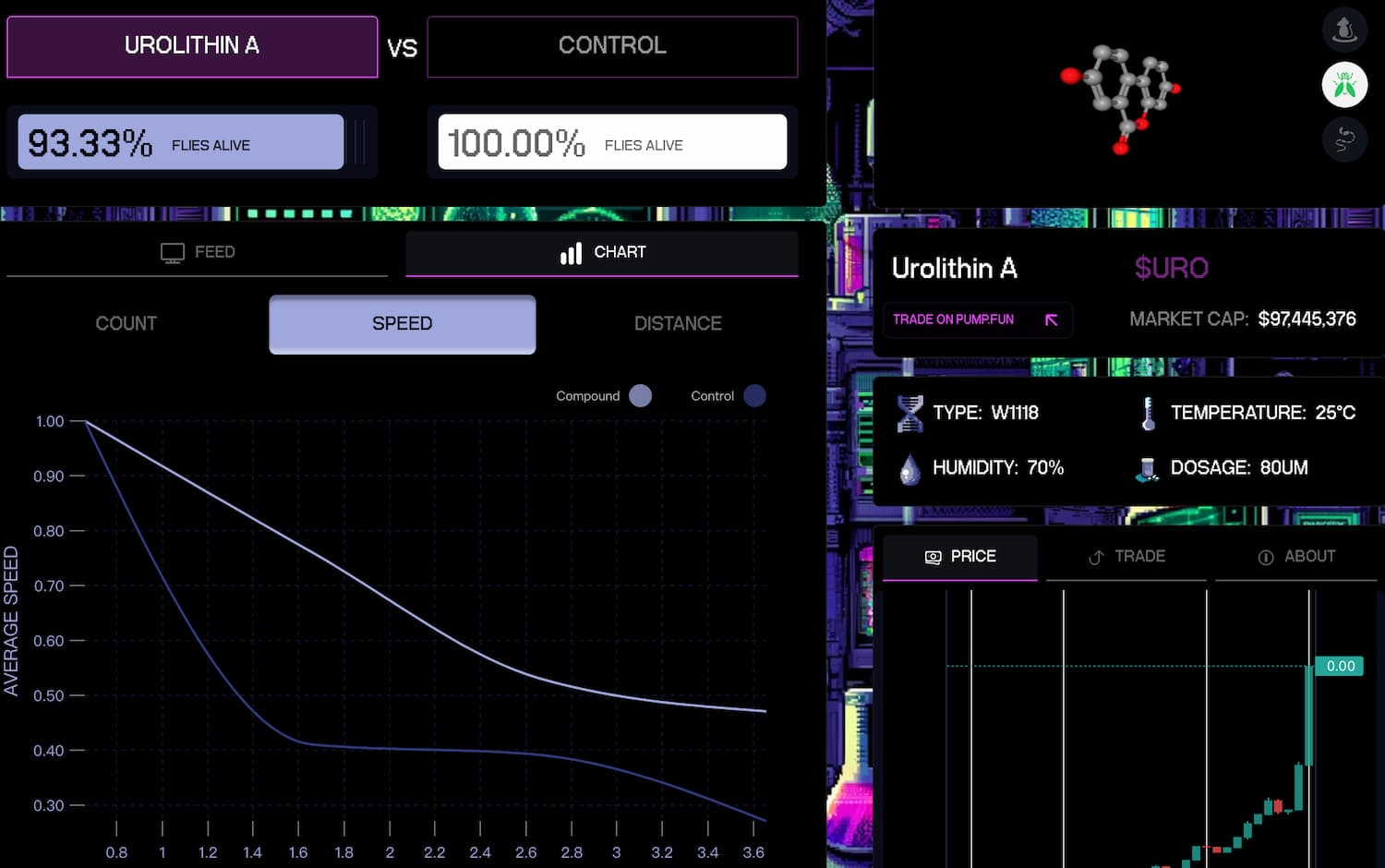
Currently, only two experiments are active on pump.science: Rifampicin (RIF) and Urolithin A (URO), both in the fruit fly testing stage, with respective market caps of $190 million and $97 million. Both experiments are 2.74% complete.
Rifampicin is an antibiotic used to treat various bacterial infections, including tuberculosis, Mycobacterium avium complex, leprosy, and Legionnaires’ disease (per Wikipedia). It has been shown to activate natural cellular defense mechanisms against stress and damage in small organisms like *C. elegans*.
Urolithin A is a compound produced by the body when consuming foods rich in ellagitannins, such as pomegranates. It helps drive mitophagy—the process of clearing out old, dysfunctional mitochondria—allowing new, healthy mitochondria to thrive. Human studies have shown promising results for Urolithin A in promoting muscle health and energy metabolism.
Both experiments on pump.science test longevity in fruit flies using control groups: one group receives the compound, the other a placebo without active ingredients. Each tube contains 15 fruit flies, and monitoring data is regularly uploaded to the platform for evaluation.
It is particularly important to note that nematodes (worms) live only 20–30 days under lab conditions, and such experiments cost approximately $300–$500. Fruit flies live about 3 months, with corresponding experiment costs around $2,000–$3,000. Mouse experiments range from $30,000 to $60,000 per study, with lifespans of 2–3 years. Therefore, uncertainty due to time costs increases significantly in later-stage testing.
According to pump.science’s roadmap: On January 25, 2025, mouse trials will begin using Rifampicin (RIF) and Urolithin A (URO); on February 25, 2025, a new compound will be launched in collaboration with VitaDAO; on March 25, supplement pre-orders and marketplace functions will open; and human trials are scheduled to begin in April.
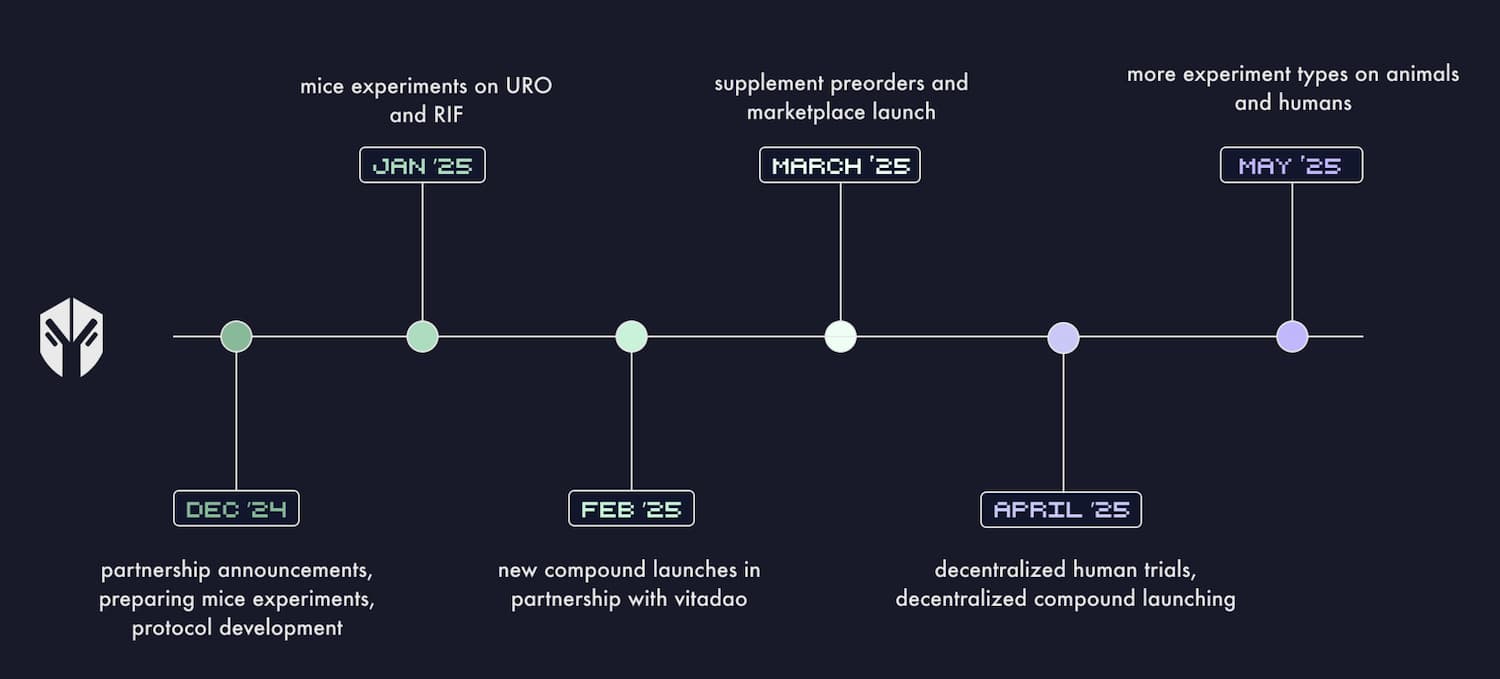
In early December, Molecule announced several upcoming initiatives: pump.science and Bio Protocol will collaborate to advance BioDAO research; in early 2025, VitaDAO will source longevity compounds from Pump Science’s The Longevity Prize and develop them into supplements; a DeSci Ecosystem Fund will launch, allocating half of Molecule’s BIO holdings (166 million BIO tokens) to drive breakthrough science; and Molecule will repurchase $100,000 worth each of RIF and URO tokens to reaffirm its commitment to supporting pump.science and PhDegen.
Currently, the DeSci sector remains in its very early stages but shows immense potential. This optimism stems from recognition of DeSci’s ability to address longstanding issues in traditional scientific research—such as lack of transparency, funding inefficiencies, and poor collaboration. Nevertheless, DeSci still faces challenges, including technology adoption, regulatory hurdles, and maintaining a balance between scientific rigor and openness.
Join TechFlow official community to stay tuned
Telegram:https://t.me/TechFlowDaily
X (Twitter):https://x.com/TechFlowPost
X (Twitter) EN:https://x.com/BlockFlow_News
 Foresight News