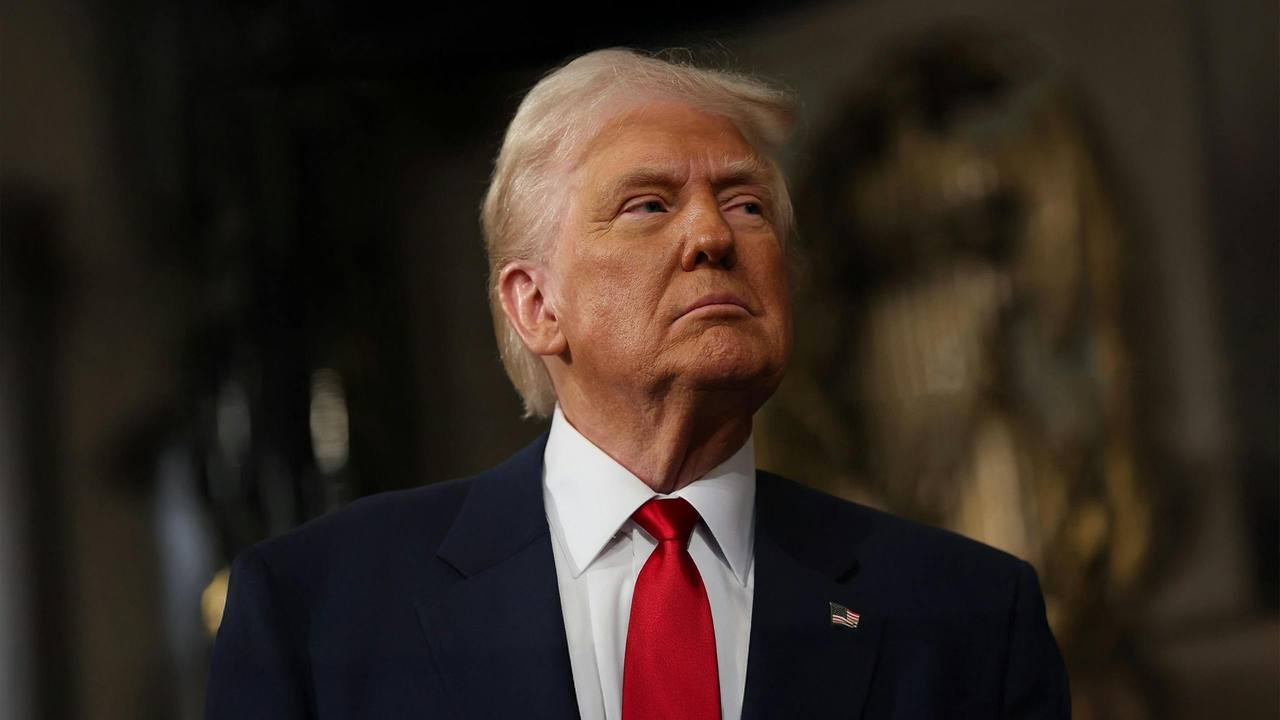
The Times Criticizes: Trump's Crypto Promises Are a "Paradox" That Could Hurt Everyone
TechFlow Selected TechFlow Selected
The Times Criticizes: Trump's Crypto Promises Are a "Paradox" That Could Hurt Everyone
There is a major paradox in the way Trump's world has embraced the cryptocurrency movement as a cause.
 Navigating Web3 tides with focused insights
By IAIN MARTIN
Translation: Bitpush News
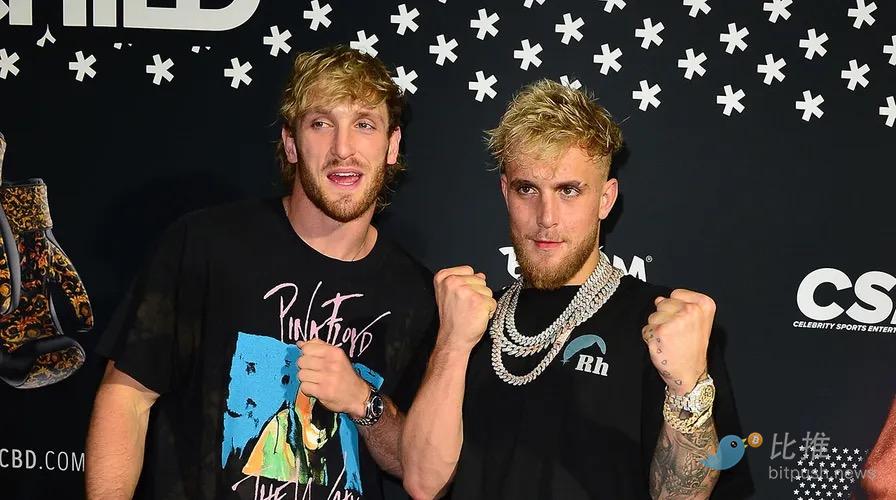
A week ago, I probably hadn’t heard of the Paul brothers just like most of you, but that’s all changed in recent days. I now know that Jake Paul is an American actor turned professional YouTuber and later a celebrity boxer, whose match against 31-years-older Mike Tyson was livestreamed by Netflix last week.
Unsurprisingly, the younger man won, but he's clearly a smart operator—reportedly earning $40 million in fees, double what the breathless Tyson received.

In the meantime, Jake’s brother Logan—a wrestler and wealthy internet personality—is under scrutiny over his cryptocurrency dealings, accused of promoting investments without disclosing his own financial gains. After reportedly agreeing to an interview with the BBC at his gym in Puerto Rico, he allegedly hired a Logan lookalike to take his place, while a group of supporters booed the BBC crew.
The two brothers epitomize an era where becoming an online influencer can earn you millions, but Logan’s role in the crypto craze is the more fascinating phenomenon.
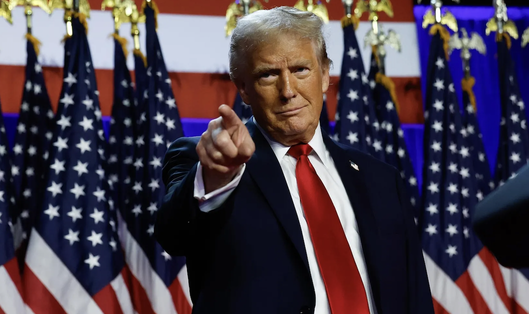
Right now, the crypto market is booming, with prices continuing to surge on the back of Donald Trump’s election victory.
Yesterday it emerged that Trump Media & Technology Group, founded by Trump three years ago, is close to finalizing a deal to acquire Bakkt, a cryptocurrency trading platform. Some of the defining trends of our time—populism, Trump, social media–amplified celebrity and billionaire lifestyles—appear to be converging around this crypto wave, which, whatever its ultimate fate, may well impact us all.
It’s okay to admit you don’t really understand Bitcoin or other cryptocurrencies. Most of us don’t. But we must start taking it more seriously because it’s having disruptive effects—even shaping the thinking of the incoming U.S. administration.
Cryptocurrencies are, at their core, alternatives to money issued or sanctioned by central banks or governments. Digital tokens can be exchanged or stored, and due to encryption, they cannot be copied or stolen. We’re told they’re completely secure and unhackable.
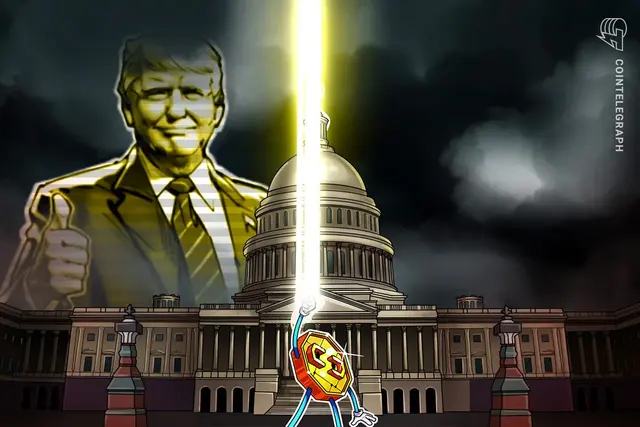
The Biden administration cracked down hard on the crypto Wild West, accusing parts of the industry of violating U.S. laws. In contrast, Trump has promised to become the “crypto president,” potentially establishing a crypto advisory council and even a U.S. strategic Bitcoin reserve. With Republicans sweeping Congress, the excited crypto industry is now lobbying to open up the banking system so banks can serve crypto companies.
Fueled by this enthusiasm, Bitcoin hit a record high of $94,000 this week—an increase of nearly $20,000 since Election Day.
In the wake of this BTC surge, thousands of smaller players hope to ride the wave to riches. Social media is flooded with talk of tokens, memes, and FOMO: “The meme coins you need for the next crypto bull run—buy them before they explode.”

This kind of content is especially popular among young people, particularly young men.
And it’s easy to see why, when they realize how unfriendly today’s economic fundamentals are for their generation.
When self-proclaimed overnight crypto millionaires dominate online spaces—claiming the existing financial system is rigged and that they’ve found an alternative guaranteed to make you rich—it’s no surprise young people get drawn in.
But there’s a major paradox in how the Trump world has embraced the cryptocurrency movement as a cause.
Trump cares about American power above all, and its primary expression is the dollar. Possessing the world’s reserve currency gives the U.S. the power to control the global financial system and sanction governments it deems “out of line”—this is real dollar Power.
Yet at the heart of the crypto movement—beyond all the hype—is the assumption that at some point, perhaps before the end of this century, the current system will collapse.
The argument goes that governments and central banks have printed too much money and accumulated massive debts—the U.S. national debt is nearing $36 trillion. Despite Trump’s talk about eliminating waste, his proposed cuts are dwarfed by massive spending on defense and interest payments on existing debt, meaning spending will rise under his administration.
Therefore, crypto advocates argue, put your money into cryptocurrency so the U.S. government can’t devalue it—or seize it.
Even those who lived through the terrible aftermaths of past financial bubbles and remain deeply skeptical of crypto can see that at some point, global investors might refuse to fund or buy America’s massive debt amid an unforeseen future crisis—triggering the mother of all financial collapses.
Will crypto believers, including Trump’s own company, dominate the new system? What happens to Americans holding traditional dollars but no Bitcoin? It’s hard to imagine how a dollar collapse aligns with the “America First” philosophy.
Trump’s budget-cutting plans include putting Elon Musk in charge of a Department of Government Efficiency, abbreviated as DOGE. That name also refers to a meme coin—Dogecoin—originally created as a joke, though it has since matured considerably.
Musk choosing “Doge” as the nickname for his role in reshaping America is the ultimate tech-world joke. Let’s hope we’re still laughing ten years from now.
Join TechFlow official community to stay tuned
Telegram:https://t.me/TechFlowDaily
X (Twitter):https://x.com/TechFlowPost
X (Twitter) EN:https://x.com/BlockFlow_News