Will the US election impact the crypto market? The future of digital assets should be one closely tied to "decentralization"
TechFlow Selected TechFlow Selected
Will the US election impact the crypto market? The future of digital assets should be one closely tied to "decentralization"
What the crypto market needs is not just support for "crypto," but to pursue and realize those deeper objectives.
 Navigating Web3 tides with focused insights
By Blu
As the U.S. presidential election draws near, the crypto asset industry watches with bated breath—crypto assets have become a major point of contention between former President Donald Trump and the outgoing Biden administration, and remain a fiercely debated topic throughout this year's U.S. presidential campaign.
Two Opposing Views
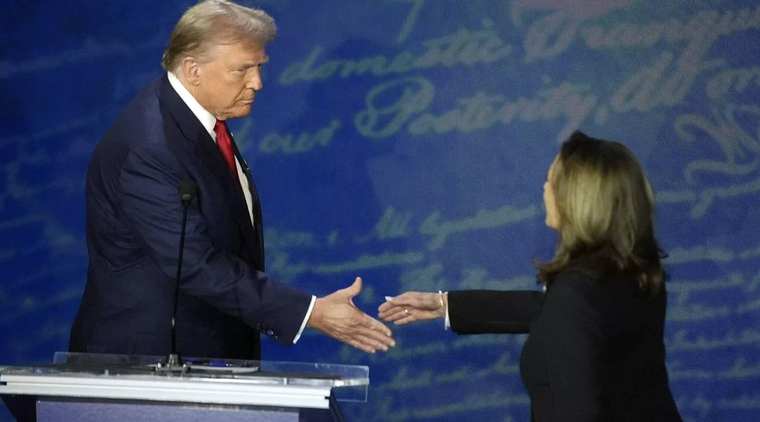
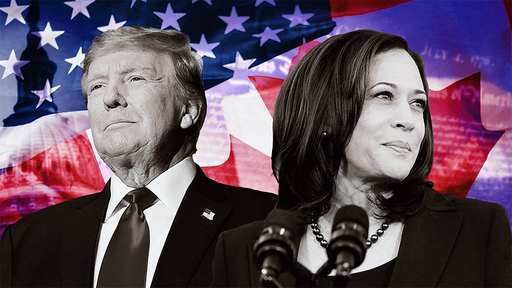
The two final contenders in this year’s U.S. presidential race hold starkly different views on digital assets. Trump has taken a clear stance, publicly declaring his support by attending the Bitcoin Conference in Nashville in July 2024. In contrast, Vice President Kamala Harris’ position on digital assets remains relatively ambiguous, though noticeably more moderate than the current Biden administration’s approach.
Throughout the campaign, Trump has proposed several notable policy initiatives regarding digital assets:
-
Establishing a National BTC Reserve: Trump stated that his administration would "retain all BTC currently held or acquired in the future by the U.S. government," forming the core of a "national strategic BTC reserve." As of October 2023, the U.S. government held over $5 billion worth of BTC, mostly seized through criminal cases.
-
Creating a Digital Assets Advisory Committee: Trump proposed establishing a "President’s Advisory Committee on Bitcoin and Cryptocurrencies," to be composed of individuals who support the industry rather than oppose it.
-
Blocking the Fed from Creating a Central Bank Digital Currency (CBDC): While central banks worldwide are moving toward CBDCs, the Federal Reserve has not yet decided whether to launch a fully digital dollar. Trump has repeatedly voiced public opposition to this idea. In May 2024, the U.S. House passed a bill banning the Fed from creating a digital dollar, though its final passage into law remains uncertain.
-
Launching a Crypto Platform Called World Liberty Financial: Aimed at promoting widespread adoption of stablecoins and decentralized finance. Public reports indicate the project’s early whitepaper mentioned launching a new digital token, $WLFI, intended for public sale.
Three years ago, Trump expressed skepticism about crypto assets, criticizing them on social media for facilitating illegal activities. However, since August 2024, he has repositioned himself as a staunch supporter of the crypto industry.
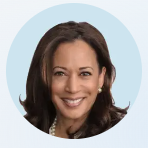
Harris, previously serving as Vice President under the Biden administration, inherits a government known for its aggressive regulatory stance toward the crypto industry.
To date, Harris has made few public statements on digital assets. On September 22, 2024, during a fundraising event in New York City, she first mentioned plans to “encourage innovative technologies such as artificial intelligence and digital assets.”
Media reports also suggest that during an event in Manhattan, Harris indicated she might adopt a more open posture toward the crypto industry compared to the current administration. However, she has not yet unveiled any concrete policy proposals.
Additionally, in an effort to attract potential voters, Democratic leaders backing Harris are actively working to improve relations with the crypto industry. A pro-crypto advocacy group called Crypto4Harris hosted a virtual town hall meeting, drawing participation from multiple Democratic figures.
Actions from the Crypto Market
According to media reports, crypto companies such as Coinbase and Ripple have emerged as dominant corporate donors in the 2024 U.S. presidential election, accounting for 48% of all corporate political contributions—nearly half.
Data from OpenSecrets, a nonprofit tracking campaign spending, shows that by August 2024, the digital asset industry had spent $119 million on political donations—surpassing contributions from every other industry sector.
In this election cycle, the crypto industry sees a strategic opportunity to influence the outcome and elect officials supportive of digital assets.
Since 2010, crypto firms have increasingly engaged in U.S. political campaigns. In terms of depth, breadth, and donation scale, only fossil fuel companies surpass them, making crypto the second most politically active industry in the United States.
A recent report titled Election 2024: The Role of Crypto published by Grayscale, an issuer of spot Ethereum ETFs, offers insights into the current state of the U.S. digital asset market:
-
53% of surveyed U.S. voters reported having some understanding of crypto assets—a rise compared to 2023.
-
Regulation still plays a crucial role in building investor confidence—80% of surveyed voters believe regulators should play a role in managing emerging technologies; 20% said they would be more likely to hold crypto assets if clearer regulations were in place.
-
40% of surveyed U.S. voters said they are paying more attention to candidates' positions on BTC or other crypto assets in this election compared to previous ones.
-
Two-thirds of surveyed voters said they would consider a candidate’s stance on digital assets before voting. Among them, 56% said they are more likely to vote for a candidate who demonstrates understanding and openness toward digital assets, rather than one who ignores the topic.
Voices of Opposition
Polymarket, a prediction market platform, showed in early October 2024 that Donald Trump and Kamala Harris were nearly tied in betting odds at around 50%. However, from late October onward, Trump’s odds surged, reaching 65.5% by October 31, making him the focal point of election discussions.
Election analysts suggest this shift may stem from enthusiasm among a small group of crypto speculators aiming to boost Trump’s chances.
While the crypto industry’s political influence appears to be growing, opposition within the U.S. has never ceased.
Gary Gensler, Chair of the U.S. Securities and Exchange Commission (SEC), stated in a media interview that the crypto industry is “rife with fraudsters and speculators.” He added: “Crypto assets represent only a small part of U.S. and global capital markets, but they could undermine ordinary investors’ trust… Global investors have lost too much money due to crypto firms failing to comply with regulatory requirements.”
Crypto-Friendliness Today Doesn’t Guarantee It Tomorrow
Fueled by hundreds of millions in election spending, digital assets have become a pivotal issue in the 2024 U.S. election, influencing both candidates and voters alike.
Trump actively courts crypto supporters with bold public promises, while Harris and the Democratic Party scramble to catch up, unwilling to forfeit the substantial campaign funding the industry can provide. Meanwhile, crypto advocates seek favorable regulatory outcomes by supporting sympathetic candidates.

Amid the noise, a blog post by Ethereum founder Vitalik Buterin remains profoundly relevant. He offered the following perspective on the relationship between crypto and politics:
If you see a politician being friendly toward crypto, one thing you should do is check what they thought about crypto five years ago.
You should also look into their past views on topics related to the crypto industry—especially those where “supporting freedom” diverges from “supporting corporations.”
If a politician supports crypto, the key question is: Are their reasons sound? Do they share your vision for technological, political, and economic development in the 21st century? Do they possess a positive, long-term vision beyond immediate tribal conflicts?
If so, great—you should support them, and clearly articulate that as your reason. If not, then either stay completely neutral, or seek better allies.
At the same time, Vitalik Buterin explicitly opposes choosing political allegiance solely based on who “supports crypto,” warning that this approach carries significant risks and may contradict the original values and motivations behind entering the crypto space.
As November 5, 2024—the U.S. presidential election day—approaches, the battle between the two parties intensifies. Regarding the future of digital assets, Vitalik Buterin’s consistent message stands clear: The future of digital assets should be one tied to decentralization. “Crypto” encompasses more than just digital tokens and blockchain—we need not just support for “crypto,” but support for deeper, more meaningful goals.
Join TechFlow official community to stay tuned
Telegram:https://t.me/TechFlowDaily
X (Twitter):https://x.com/TechFlowPost
X (Twitter) EN:https://x.com/BlockFlow_News
 @imTokenOfficial