I posted a meme—here’s what I learned from it
TechFlow Selected TechFlow Selected
I posted a meme—here’s what I learned from it
The best MEME wins the internet.
 Navigating Web3 tides with focused insights
Author: Aaron Elijah Mars
Translation: TechFlow
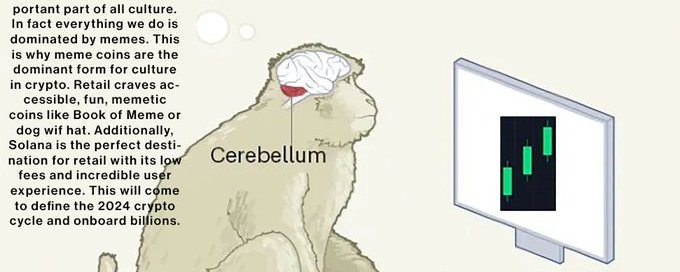
I've been in this industry for four years, invested in over 30 startups, and collaborated with some of the biggest Web2 and Web3 IPs. Yet, I’ve never launched my own token or NFT. It’s time to change that (no, I won’t be dropping any surprise at the end of this post).
One hot topic this year has been the debate between “meme coins” and “utility coins.” @MustStopMurad put it well: “Utility tokens are just upgraded meme coins.” That’s an interesting take—but is it true?
Are Meme Coins Fairer Than Venture Capital Tokens?
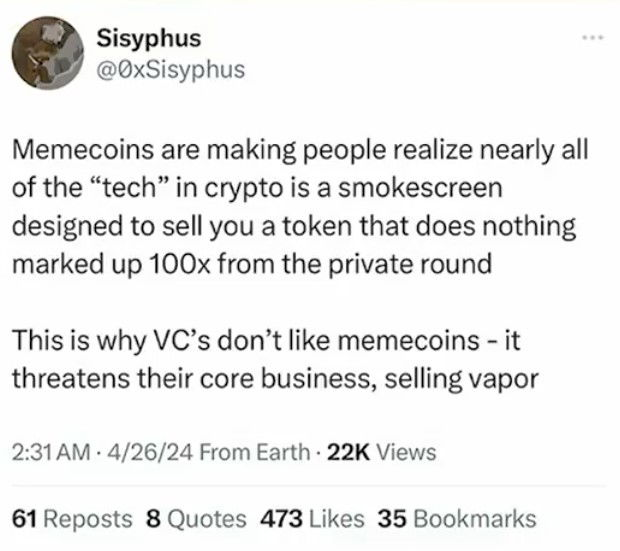
I’ve been involved in many meme coin projects, but most of the time, teams perform poorly. Why is that? What’s so hard about launching a token? Well, let me share what I’ve learned about this industry and the meme coin market.
To be honest, I haven’t launched my own token yet (at least not yet). My team—around 10 people—and I have been running a token revival project (CTO). I like the idea of CTO: reviving a forgotten token. You don’t carry as much responsibility, you can leverage existing brand recognition, and you don’t have to build from scratch. I think there’s huge potential here—many great but overlooked tokens out there.
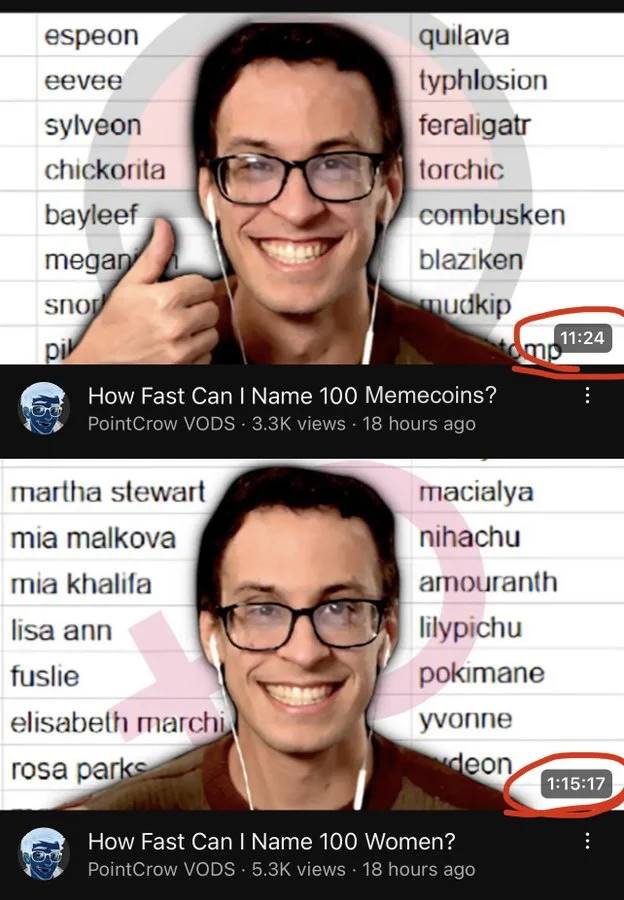
We accumulated a large amount of the CTO token, started creating content, developed a strategy to revive the community, and tried building a team.
It took off fast—up 100x in a single day. It was incredible.
We made many mistakes—I’ll admit that openly.
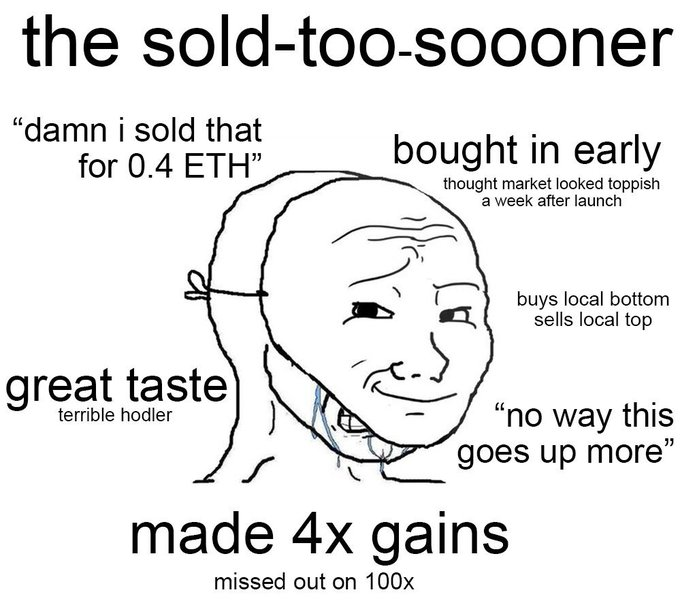
The first mistake was not taking profits. We had an idealistic vision: build a loyal community, aim long-term for a $10 million valuation. The problem is, if marketing is a money game, then meme coins are an extremely challenging one.
KOLs aren’t your friends, and they’re not reliable. They’ll call a token the “next paradigm,” then dump it within 30 minutes. This pump-and-dump game always ends the same way—with a crash.
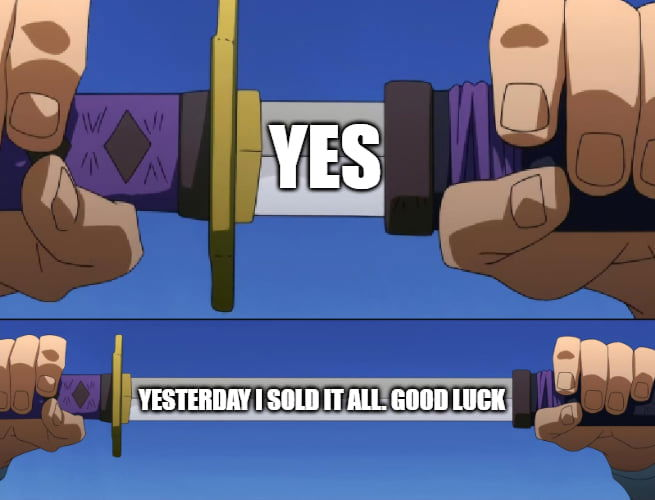
You quickly realize it’s very similar to traditional advertising—you get a customer acquisition cost (CAC) and return on investment (ROI). It’s a fiercely competitive game where you’re fighting both your ad networks and your users.
In this game, if you don’t take profits, someone else will surpass you. It’s a harsh way to describe the space, but it’s true. Either you do it, or they do.
When it comes to community building, it’s hard to create something sustainable in this market. Attention spans are short—if you don’t post something every day, people will sell off with 90% losses.
NFTs have many flaws, but they do enable real community building. For meme coins under $10 million, it’s extremely difficult.
Now, I see meme coins as a testing ground for building utility tokens (and overall skills). You can become the best at content creation (FWOG or using @merv_wtf), community building (Retardio), or KOL collaboration. But ultimately, if you succeed, you end up building a real product.
It’s also a great way to build top-tier teams—this environment is full of challenges and opportunities, along with massive pressure. I was shocked by how intense the pressure was, especially during price surges, and the frustration it can bring during downturns.
I’m amazed by meme and utility coin communities that keep building despite such volatility. Honestly, you have to experience it firsthand to truly understand.
We’ve also seen the limitations of Twitter for crypto projects, though I’m not sure Farcaster will solve it. Ultimately, the best meme coins are those backed by existing audiences who pool their influence and resources together.
This excites me about social decentralized exchanges and launch platforms that hold people accountable and reduce bad behavior.
I also believe there are many opportunities for innovation in this space:
-
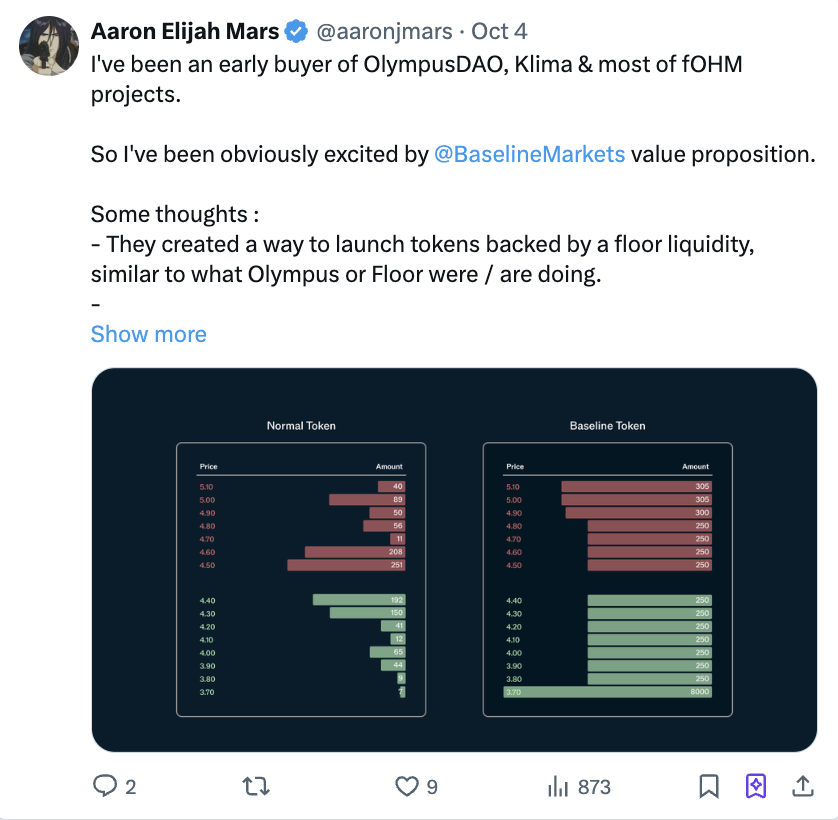
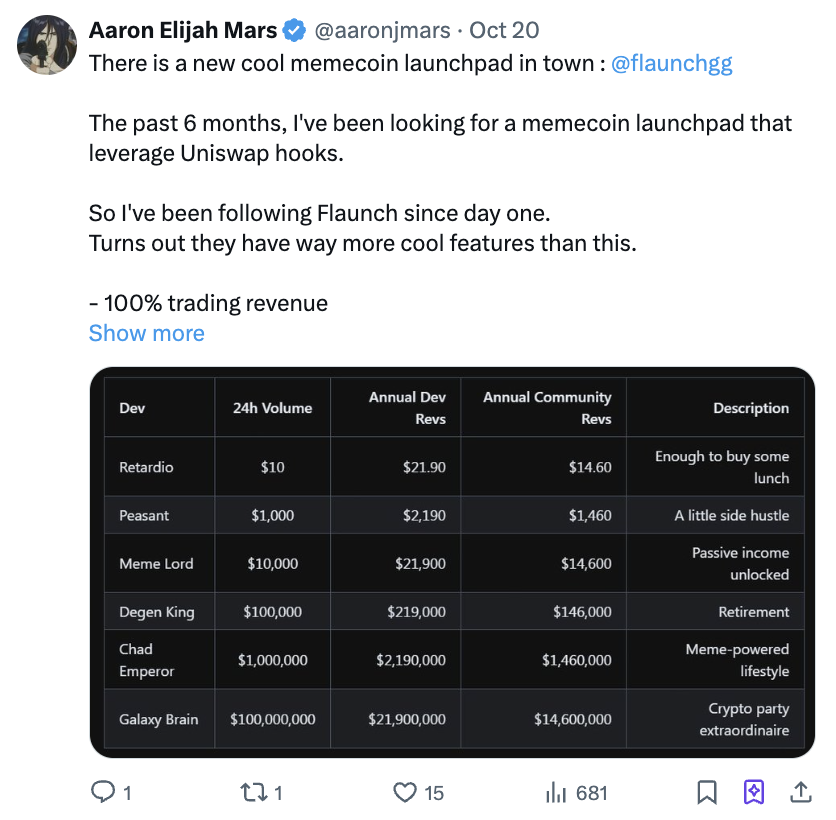
I’m excited about Flaunch / Baseline—earning yield by providing liquidity to projects while returning market volatility risk back to users.
-
Case studies and documentation simply don’t exist. Maybe I missed a few articles, but I couldn’t find a single good piece online about memes and how to properly launch and manage a community. We’re still far behind.
-
There’s room for new types of VCs, market makers, and products specialized in managing meme coins. It’s similar to startups—the pre-seed buyers take the most risk (but they aren’t locked in).
-
Pumping is truly a casino. If you’re a serious team, you don’t need pumps—but you lose significant revenue by avoiding them.
I don’t know if I’m being a jerk trying to regulate/beautify something that doesn’t need it, but I genuinely believe this space can be more interesting and responsible.
The debate between utility tokens and meme coins is pointless. I’d rather buy a token from 16z than bundle 10 wallets at $5,000. Until we reduce this risk, we won’t truly enjoy playing because it’s a zero-sum game.
I love the vision of memes—community building has never mattered more. I do believe they can succeed, but we need better tools. And the VC model isn’t all bad—I want early users to buy my token, but I don’t want them flipping it for a 10% profit the next day.
I also think venture funds have too much fluff—they’ll never make money or build lasting communities. So maybe we need a hybrid model.
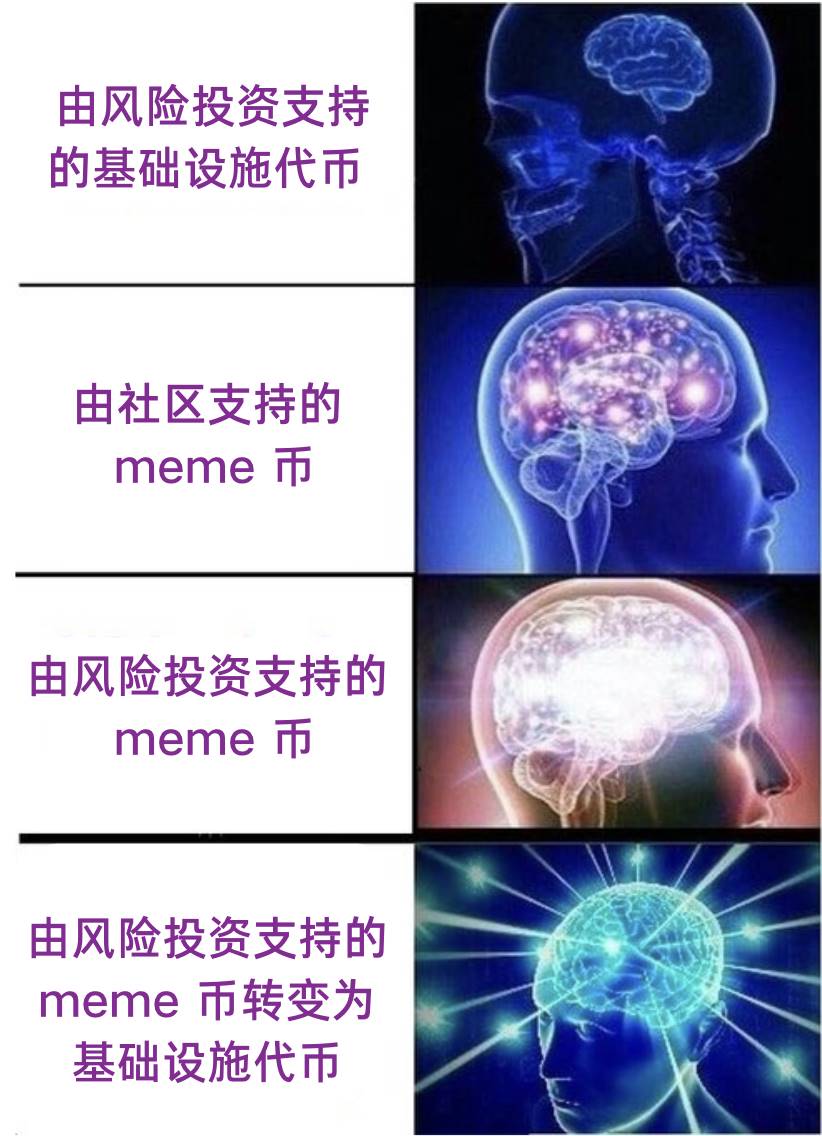
In the end, I think it’s all about community building, where meme coins serve as an attention mechanism—like Pudgy Penguins or Milady.
The best memes win the internet.
But I also wonder—how valuable is community building when meme creation can be automated: textually (@truth_terminal / @luna_virtuals) or visually (@merv_wtf / @luna_virtuals)? Is crypto just a framework to turn humans into AI agents through economic incentives?
Join TechFlow official community to stay tuned
Telegram:https://t.me/TechFlowDaily
X (Twitter):https://x.com/TechFlowPost
X (Twitter) EN:https://x.com/BlockFlow_News
 @aaronjmars