Forbes: How the Fed's interest rate cut impacts Bitcoin
TechFlow Selected TechFlow Selected
Forbes: How the Fed's interest rate cut impacts Bitcoin
Investors may face volatility in the short term, but those who firmly believe in Bitcoin as a decentralized, sound monetary system will view today's rate cut as another step validating its long-term value.
 Navigating Web3 tides with focused insights
By: Dave Birnbaum
Translation: Baicai Blockchain
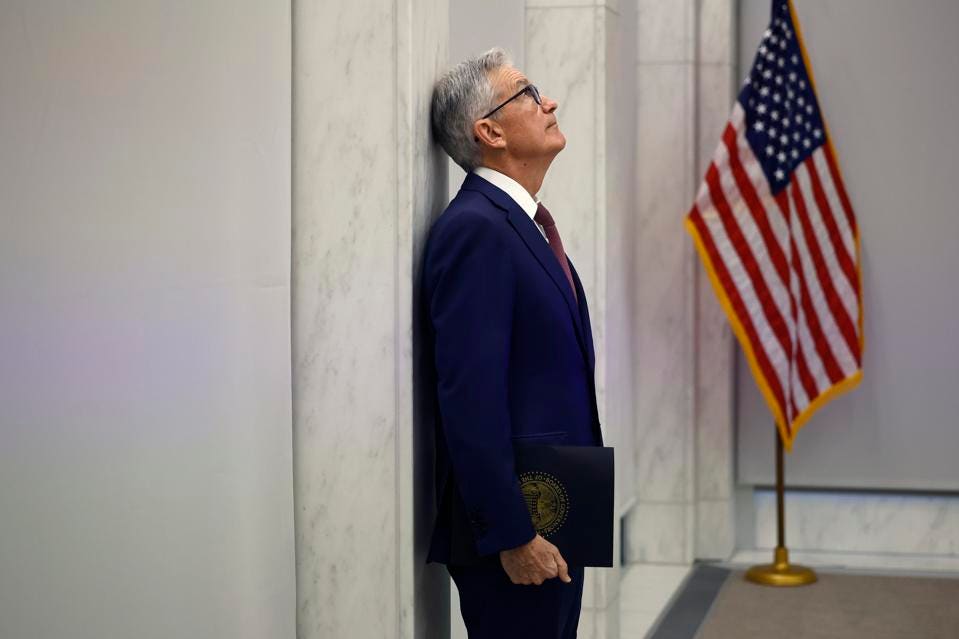
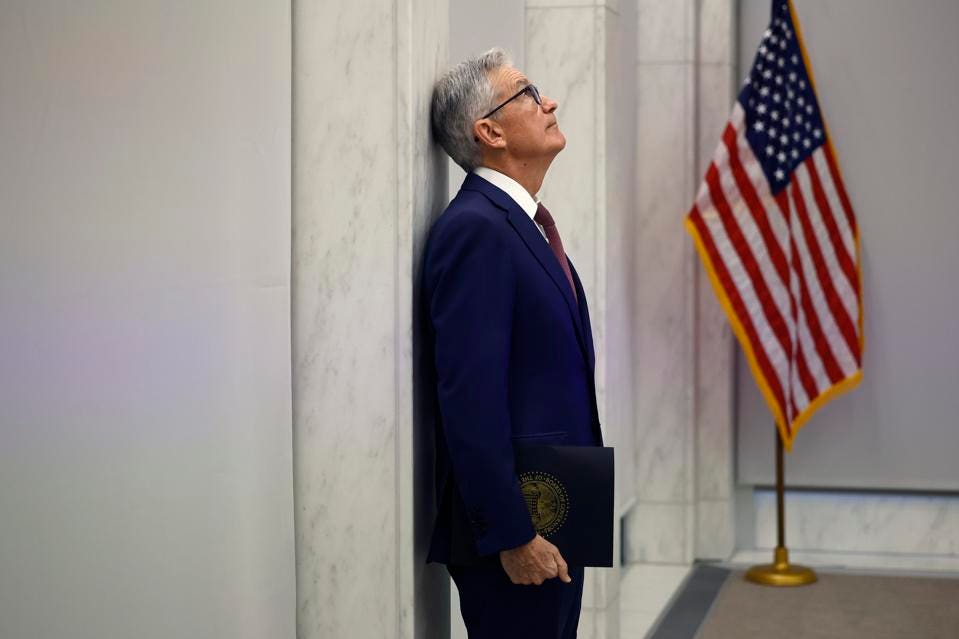
On September 18, 2024, the Federal Reserve cut interest rates by 50 basis points (bps), lowering the federal funds rate to a range of 4.75% to 5%. This move exceeded the expected 25 bps reduction, signaling growing concern within the Fed about the health of the U.S. economy. For Bitcoin—a unique asset viewed as a hedge against central bank mismanagement—this decision presents both opportunities and short-term risks.
01 A Signal of Economic Distress
The Fed’s 50-bps rate cut is more than just a monetary policy adjustment—it is a clear acknowledgment that the economy is in worse shape than policymakers have publicly admitted. After a year of aggressive tightening to combat inflation, this shift indicates the central bank is now in damage-control mode. It reflects heightened concerns over potential recessionary forces, stagnant job growth, and underlying structural weaknesses in the financial system.
Bitcoin has historically performed well during periods of economic uncertainty, positioned as a hedge against inflation and fiat currency devaluation. However, today’s rate cut presents a more complex scenario. While monetary easing typically weakens the dollar and benefits Bitcoin, the speed and magnitude of this cut may suggest the Fed sees a darker outlook ahead—one that could trigger greater volatility across all markets, including cryptocurrencies.
02 Volatility or Opportunity?
For Bitcoin, the 50-bps rate cut sends mixed signals. Historically, rate cuts have been favorable for hard assets like Bitcoin, as they often lead to inflation and drive capital toward stores of value. But this cut differs from traditional monetary loosening—it resembles more of an emergency response to worsening economic instability. If markets interpret the move as evidence that the U.S. economy is deteriorating faster than expected, Bitcoin could be caught in a broader risk-off selloff.
In recent weeks, Bitcoin has struggled to maintain the gains achieved earlier in the summer. After reaching a high of $65,000 in August, its price against the dollar dropped below $59,000, reflecting widespread uncertainty and anxiety over the Fed’s next steps. With today’s 50-bps cut, Bitcoin may face further volatility in the coming weeks as investors reassess the economic landscape.
03 Deeper Macroeconomic Challenges
Rising recession fears set the stage for today’s rate cut amid increasing macroeconomic instability. The U.S. labor market, once relatively resilient in 2022, is now showing signs of fatigue. Last week’s jobs report revealed fewer-than-expected new positions and a notable rise in unemployment to 7.1 million people. This weakness, combined with sluggish consumer spending and declining industrial output, paints a picture of an economy potentially sliding into recession.
The global economic outlook is equally concerning. Europe remains stagnant, with Eurozone GDP growing only 0.2% last quarter. In Japan, the central bank faces inflation pressures while attempting to unwind decades of ultra-loose monetary policy. Meanwhile, China continues to struggle, with factory output and consumption slowing and unemployment rising, threatening what was once a powerful growth engine.
As such, the Fed’s 50-bps cut is not merely a response to domestic economic risks but also a reaction to a broader global slowdown—one that could have far-reaching implications for all asset markets. For Bitcoin, this means navigating a highly volatile environment where macroeconomic forces make price movements difficult to predict.
04 Summary
Bitcoin's role amid shifting global financial dynamics—while today’s aggressive rate cut may trigger short-term volatility, Bitcoin’s long-term outlook remains strong. As central banks around the world respond to economic weakness, their collective strategy involves expanding the money supply. Whether through rate cuts, quantitative easing, or other forms of liquidity injection, financial systems are increasingly reliant on monetary expansion to sustain even modest growth. In this context, Bitcoin—as a global financial network independent of any single jurisdiction or central bank policy—will continue to gain recognition.
In the long run, this wave of monetary easing could enhance Bitcoin’s appeal to investors seeking to avoid fiat devaluation. However, in the short term, Bitcoin’s price may experience increased volatility as markets absorb the impact of today’s 50-bps cut.
Short-term volatility, long-term strength—the Fed’s decision to cut rates by 50 bps marks a significant moment in the ongoing evolution of global economic instability. For Bitcoin, the coming months may bring turbulence as markets react to the possibility of a deeper economic downturn. Yet, as central banks repeatedly resort to monetary intervention, Bitcoin’s fundamentals continue to strengthen.
In a world where fiat economies face growing pressures from mismanagement and politicization, Bitcoin remains an attractive alternative. Investors may endure short-term swings, but those who believe in Bitcoin as a decentralized, sound monetary system will see today’s rate cut as another step validating its long-term value.
Join TechFlow official community to stay tuned
Telegram:https://t.me/TechFlowDaily
X (Twitter):https://x.com/TechFlowPost
X (Twitter) EN:https://x.com/BlockFlow_News
 Forbes