Things You Need to Know About Fractal, Two Days After Launch
TechFlow Selected TechFlow Selected
Things You Need to Know About Fractal, Two Days After Launch
Circulation status, sky-high mining, and new opportunities.
 Navigating Web3 tides with focused insights
Author: c00k1e, BlockBeats
Special thanks to: xinyi
It's been two days since the Fractal mainnet officially launched. Before we review these past 48 hours and look ahead at potential opportunities, I've noticed a somewhat amusing issue—
Many people still don't know where to buy $FB...
This problem became immediately evident when, at 11 PM on September 9th, a so-called "new FT protocol" named FLUX suddenly appeared. Surprisingly, even Western users took notice of this familiar "inscription marketplace" popular among Chinese crypto communities—some foreigners were even asking where they could get $FB over-the-counter (OTC)...
So before diving deeper, let’s first clarify the available channels for trading $FB:
-
The only CEX currently supporting $FB trading and deposits/withdrawals is CoinEx, established in 2017. Previously, the "Epic Sats" mined during the halving event were auctioned off through a collaboration between CoinEx and ViaBTC—so its background is reliable.
-
DotSwap has launched a Bitcoin/$FB swap pair, enabling direct on-chain $FB trades or liquidity provision for the $FB pool.
Alright, now let’s take a look back at Fractal’s first two days.
$FB Circulation Status
How much $FB is currently in circulation?
Besides the 1 million $FB distributed via airdrop, other reserved portions outlined in the whitepaper include:
- 15% allocated to the Ecosystem Treasury—60,000 $FB have been transferred to six addresses, matching exactly with Fractal’s announced Season 0 Grant recipients. Only one of these six addresses has moved funds. Given the relatively small amount (60,000 total), we can treat this portion as effectively non-circulating.
- 10% for Community Incentives—1 million $FB transferred; this is the airdropped portion.
- 5% for Private Sale—locked for seven months, untouched.
- 5% for Advisors—up to 20% annually unlockable, no movement yet.
- 15% for Core Contributors—seven-month lock, no movement.
Therefore, the current circulating market cap is approximately (1 million airdropped + 25 $FB block rewards × 7,783 blocks mined) × $20 ≈ $24 million, while the FDV stands at $4.2 billion.
Mining—Brutally Competitive
The current network hashrate of Fractal is 243.442 EH/s.
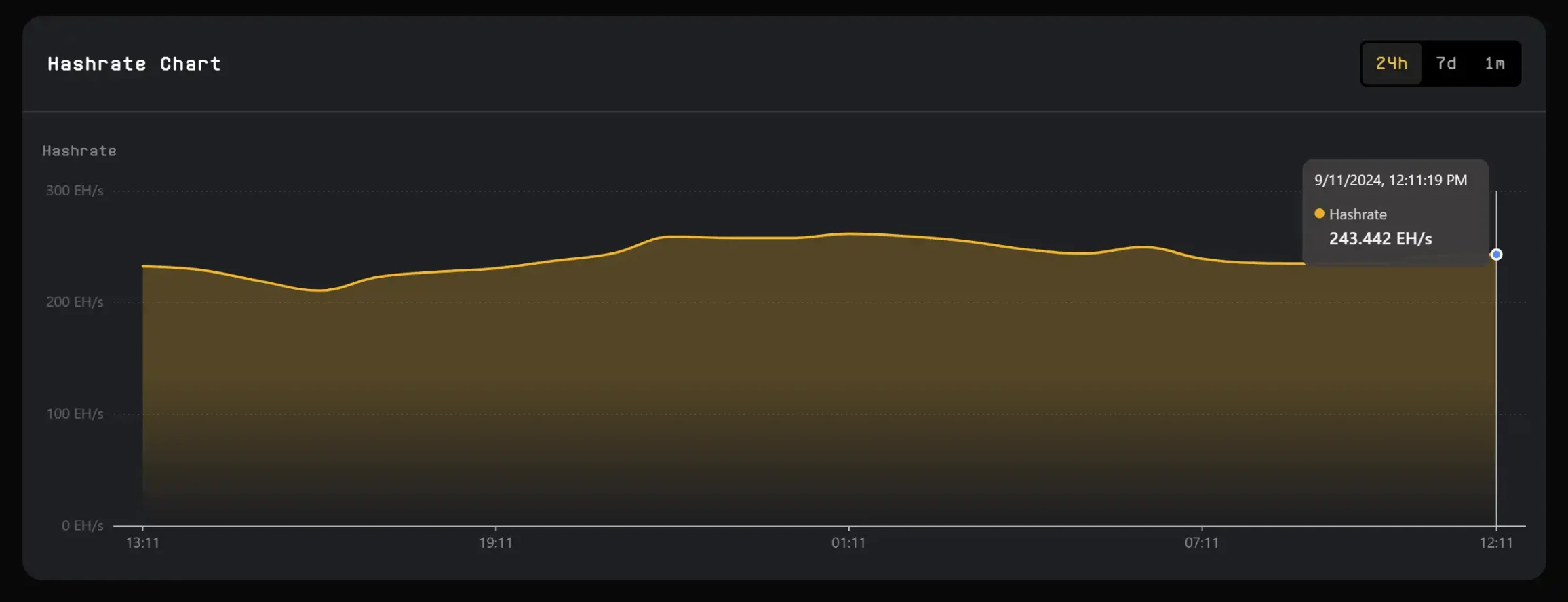
To put this into perspective: Bitcoin’s global hashrate is currently around 661 EH/s. That means Fractal already boasts roughly 37% of Bitcoin’s total computational power.
Let’s dig deeper with a rough calculation. An Antminer S21 delivers 200 TH/s and costs $5,400 according to the official website. The largest solo mining pool on Fractal right now is MaxiPool, which has mined 1,335 blocks (1,335 × 25 = 33,375 $FB), averaging 16,687.5 $FB per day. MaxiPool’s total hashrate is 3,703,010 TH/s. Assuming zero electricity costs and using the current $FB price of $20, it would take one Antminer S21 about 5,400 / (200 / 3,703,010 × 16,687.5 × 20) = 300 days to break even.
Small retail miners hoping to profit by leasing hashpower or holding NFT-based hashrate tokens are also suffering heavy losses. FSIC has mined only 259 $FB so far, averaging 0.068 $FB per NFT. Since FSIC only leases hashrate for one year, if performance remains consistent with the first two days, each NFT might earn just ~12.4 $FB over the full year.
No wonder the floor price of FSIC NFTs keeps dropping...
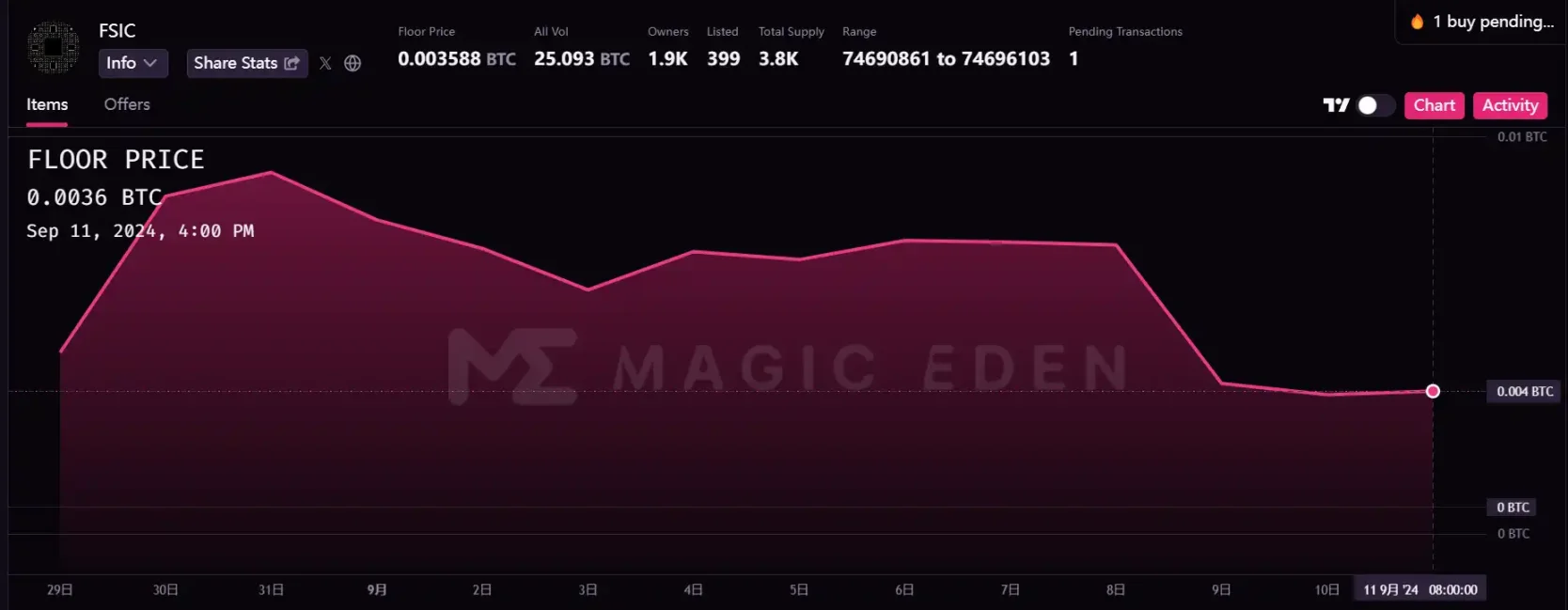
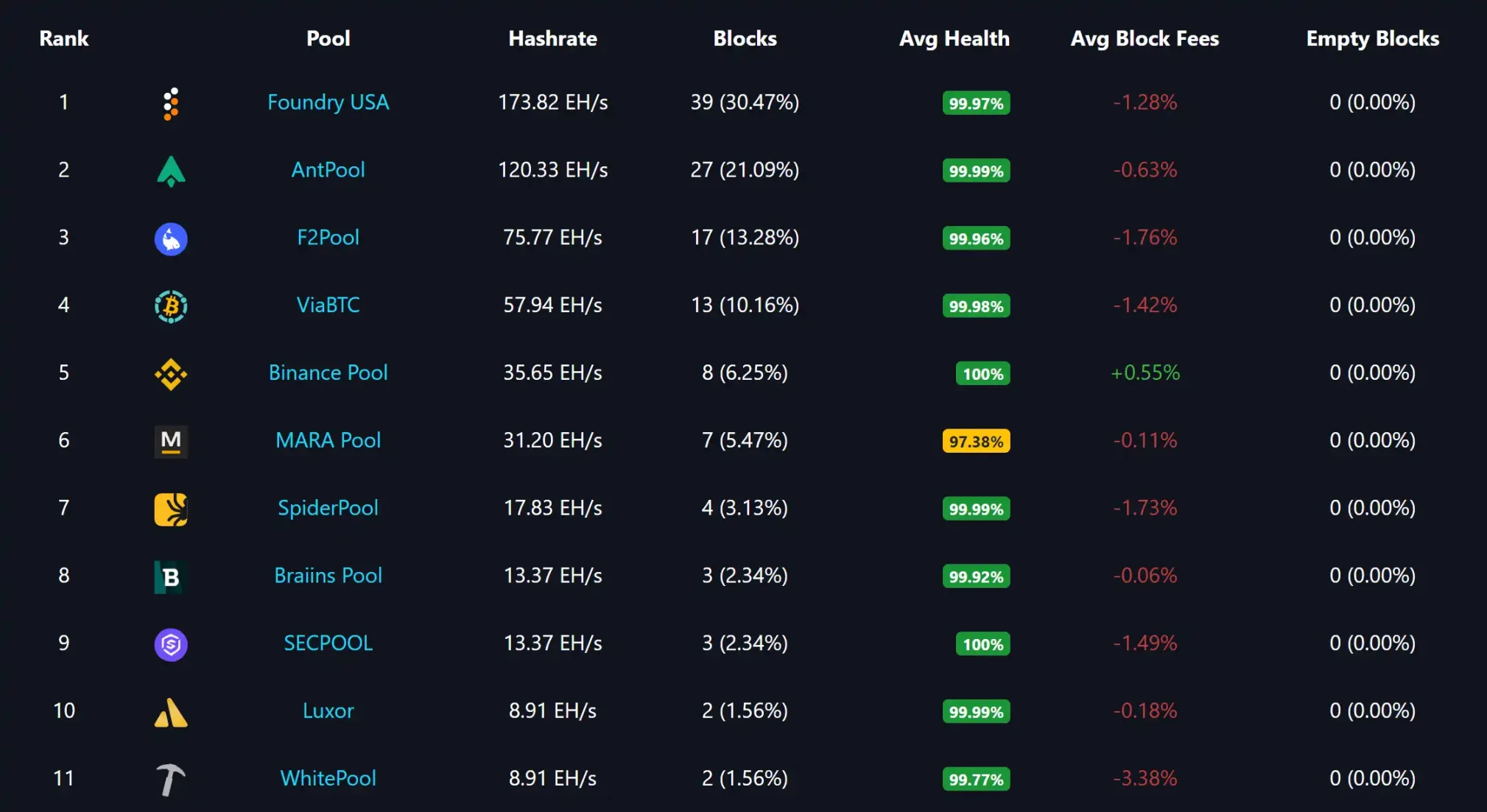
The primary reason for this intense competition is that major mining pools have entered Fractal to engage in merged mining—earning both BTC and $FB simultaneously. This has led to criticism that large pools are essentially “freeloading” on the network.
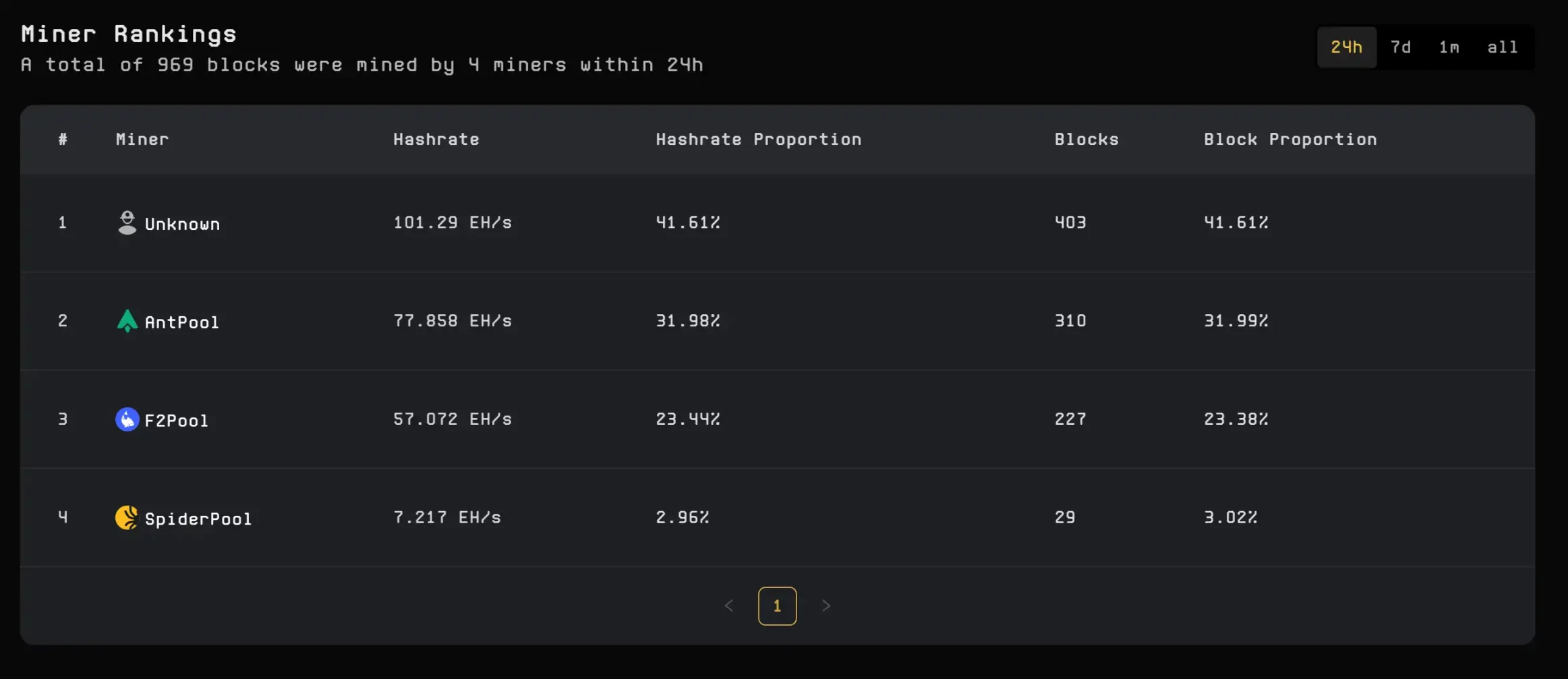
Now, who exactly is leading the rankings? A hashrate of 101 EH/s cannot possibly belong to a small miner—it must be a massive mining pool. Yet checking mempool.space, there doesn’t seem to be any known pool matching this scale. Could this top miner actually be a coalition of multiple pools acting together?
FLUX—The Familiar Inscription Game, Never Late
At around 11 PM on September 9th—the same day Fractal launched—FLUX emerged out of nowhere, clearly well-prepared. Minting one inscription costs 0.05 FB, with a total supply of 21,000, all minted within an hour.
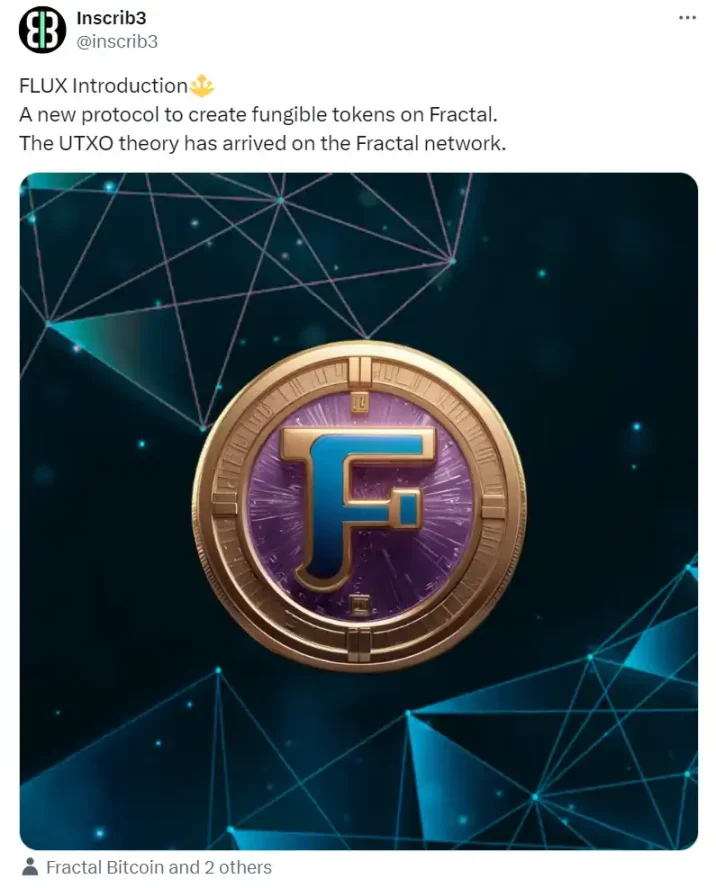
The team behind FLUX previously experimented in the Pipe ecosystem and Rune space. While there are controversies around FLUX’s fee structure and accusations that the protocol closely copies Pipe, I won’t dwell on that—especially since off-chain prices briefly reached 50 USDT. Also, although Fractal has stated it will not index inscriptions created before block height 21,000, FLUX operates as a UTXO-based FT protocol—similar to Runes, rather than being built atop the Ordinals protocol like BRC-20.
I just want to remind everyone: don’t be too “visionary.” Compare Pipe and FLUX’s GitHub descriptions—they’re nearly identical. That’s why I say FLUX came “well-prepared”: same product, different chain.
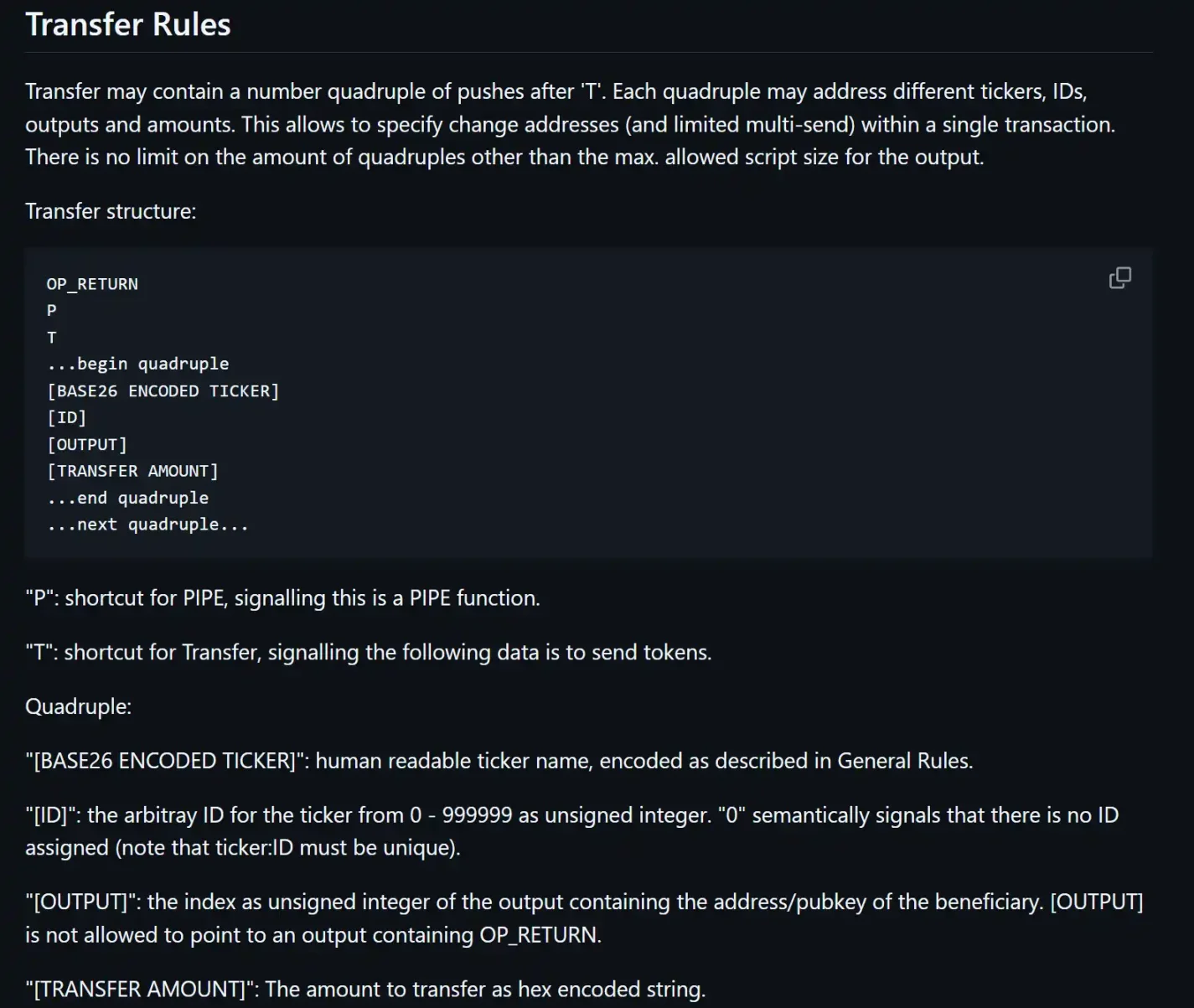
This is Pipe
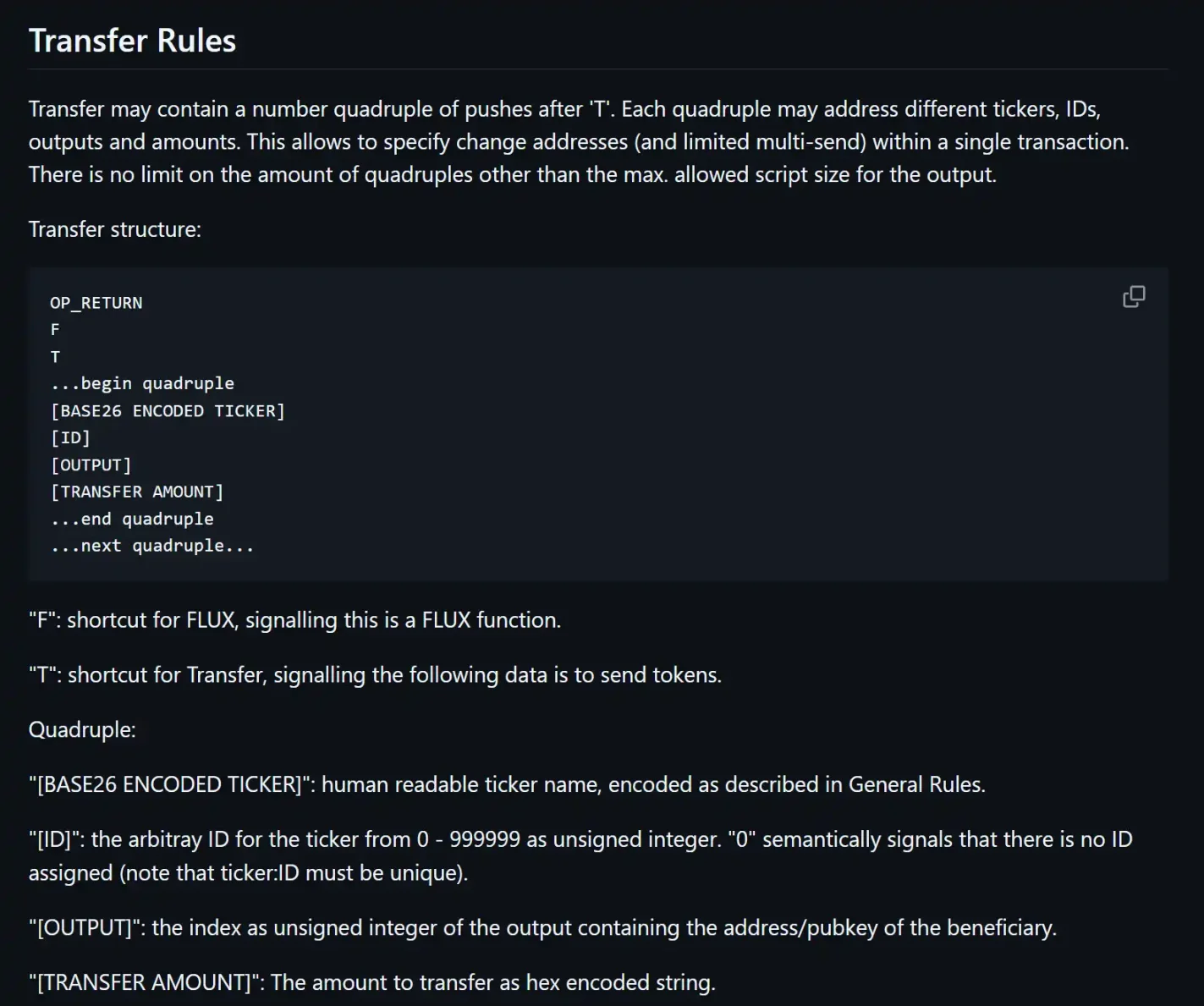
This is FLUX
Beyond FLUX, @gm7t2 has already developed an Ordinals explorer for the Fractal network. The current inscription count shown there has already reached XXXXX. Seeing replications of CryptoPunks, mfers, Moonbirds, etc., truly feels like going back to the early days of Ordinals.
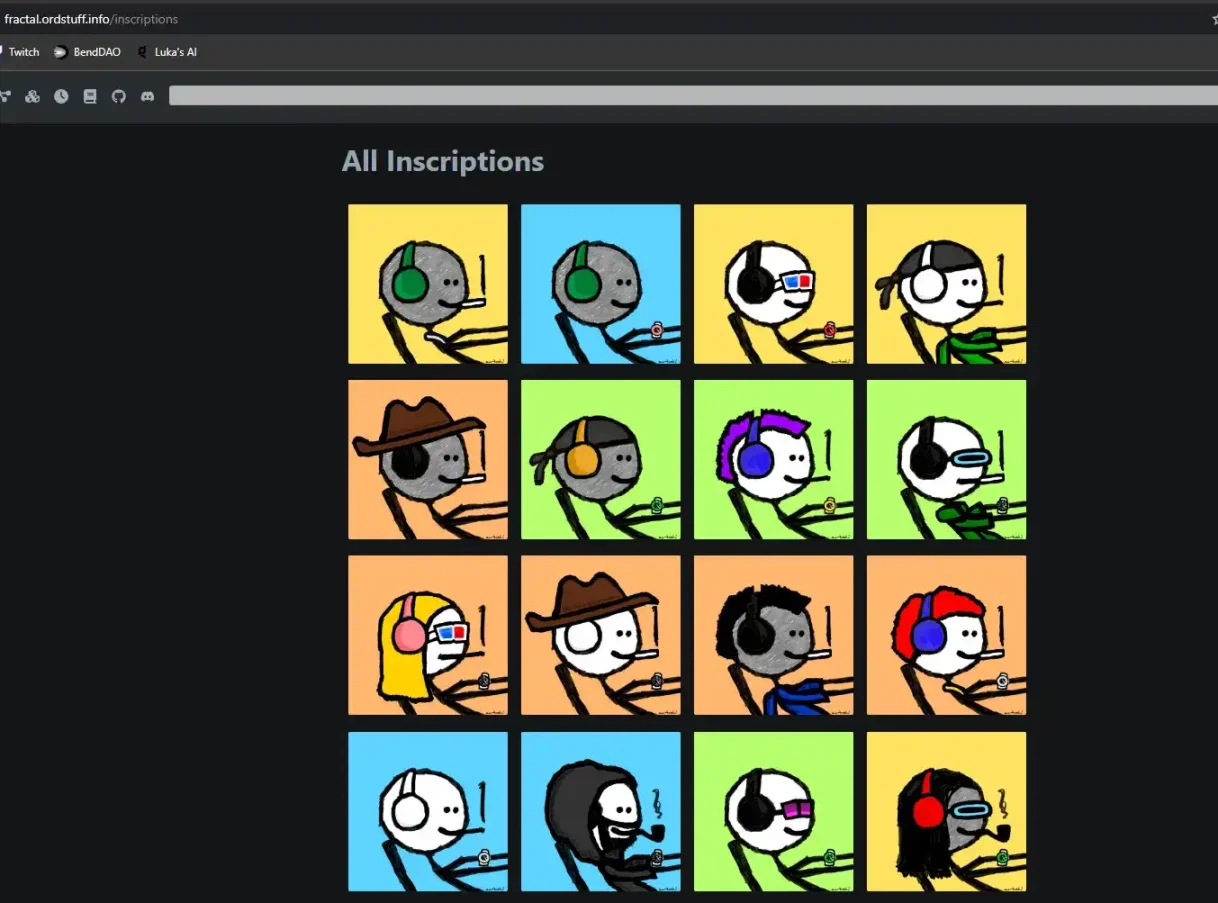
These inscriptions exist but won’t be indexed. I also doubt they’ll create speculative opportunities like the infamous “cursed inscriptions” did. For now, just enjoy the spectacle.
However, today saw the launch of Cat Protocol using OP_CAT—an actual innovation leveraging OP_CAT. Those interested should check their official documentation.
What Opportunities Are Worth Watching?
I see two phases.
First, before the Ordinals protocol activates at block height 21,000, I wouldn’t be surprised if someone simply ports over something like Pipe—either rebranding Atomicals or bringing them unchanged to Fractal. Whether such attempts gain traction remains uncertain. FLUX succeeded partly because few had time to analyze whether it brought real innovation. How prices evolve once scrutiny increases remains to be seen.
Otherwise, there may not be many exciting developments before block 21,000—though I sincerely hope otherwise.
Afterward, however, things get more interesting. Key opportunities to watch include:
- The emergence of meme token “god-tier projects” on Fractal similar to those seen on ETH/Solana/Base. Already, three platforms—Satspumpfun, satx.fun, and BVM—are positioning themselves as “Fractal’s pump.fun.” All are familiar names: Satspumpfun has Jack Liu on its advisory team; satx.fun appears linked to the Moto ecosystem; BVM is just BVM. Success here likely hinges on two factors: which platform invests most aggressively to create breakout hits, and which attracts the best meme token creators. We’ll also need to see whether network performance stays smooth once activity picks up.
- Notable NFT projects include honzomomo and “Fractal Goose.” The former has been actively promoting its Twitter account since July and has gained decent momentum, though I’m unclear how they plan to guarantee being the “first image series” on Fractal. The latter refers to Goosinals—a collection already popular on Bitcoin. Reasons to believe in “Fractal Goose”: the team has consistently promoted the idea since August 11th, promising a free public mint and emphasizing “First is First” for its 10K series. Unlike other image-based projects, Goosinals originated organically from Dmitri Chernia’s pixel goose generator used for MoMA postcards, with geese inscribed across multiple chains. Thus, it lacks strong “home chain” sentiment or value dependency. Lastly, Chinese-speaking users form a core part of the Goosinals community, and given high interest among Chinese participants in Fractal, this provides solid support.
Here’s what you can do now to prepare:
- Purchase some $FB and distribute it across multiple addresses. When new projects launch, use multiple addresses simultaneously to avoid falling behind due to UTXO constraints on single addresses.
- For “Fractal Goose,” generate your preferred goose image in advance using the pixel goose generator, then mint immediately after block 21,000 (this seems likely, but stay tuned to official announcements). Tools like UniSat will almost certainly support minting at that time.
Join TechFlow official community to stay tuned
Telegram:https://t.me/TechFlowDaily
X (Twitter):https://x.com/TechFlowPost
X (Twitter) EN:https://x.com/BlockFlow_News
 BlockBeats