








"Everyone's gone crazy": The 2024 U.S. election sparks infighting within the crypto industry
TechFlow Selected TechFlow Selected
"Everyone's gone crazy": The 2024 U.S. election sparks infighting within the crypto industry
The largest political campaign donors in cryptocurrency are becoming increasingly outspoken about their personal views.
 Navigating Web3 tides with focused insights
Authors: Eleanor Mueller, Declan Harty, Jasper Goodman
Translation: Mary Liu, BitpushNews
The cryptocurrency industry’s influence on U.S. politics is greater than ever.
Behind the scenes, however, divisions are emerging between factions of the industry over which party should win the presidency and control Congress next year.
Democratic crypto lobbyists, executives, and investors warn that the industry risks becoming overly skewed to the right as its leaders rally behind Republican presidential candidate Donald Trump, who has pledged policies favorable to digital asset firms.
Their Republican counterparts argue that engaging with Democratic candidate Kamala Harris or supporting down-ballot Democrats could alienate long-standing Republican allies—with little chance of success. The Biden administration has been skeptical toward crypto trading, and it remains unclear how Harris would approach the sector.
These internal rifts are coming into sharper focus as nearly $170 million in crypto-backed super PAC spending begins flowing into key races across the country—and as some advocates seek outreach to Harris.
Democratic mega-donor Ron Conway said he would cut ties with the crypto super PAC Fairshake after it announced plans to spend millions to defeat Ohio Senator Sherrod Brown.
A person familiar with the matter, speaking anonymously about private conversations, said Republican lawmakers—including Montana’s GOP Senator Steve Daines—have expressed frustration to crypto executives after Fairshake decided to support Democratic Representatives Ruben Gallego of Arizona and Elissa Slotkin of Michigan in their Senate campaigns in battleground states.
"Emotions are really high right now," said Kristin Smith, CEO of the Blockchain Association. "There's an industry strategy and there are personal strategies—and sometimes those don’t fully align."
In interviews, nearly a dozen crypto advocates familiar with the conflict said the escalating tensions pose new hurdles for the industry as it tries to advance regulatory reforms in Congress—already a long shot due to the election-year political climate and limited legislative bandwidth.
"It’s been a mess since the Ohio super PAC announcement," said one congressional aide candidly. "Democrats are furious, Republicans are furious—everyone’s furious."
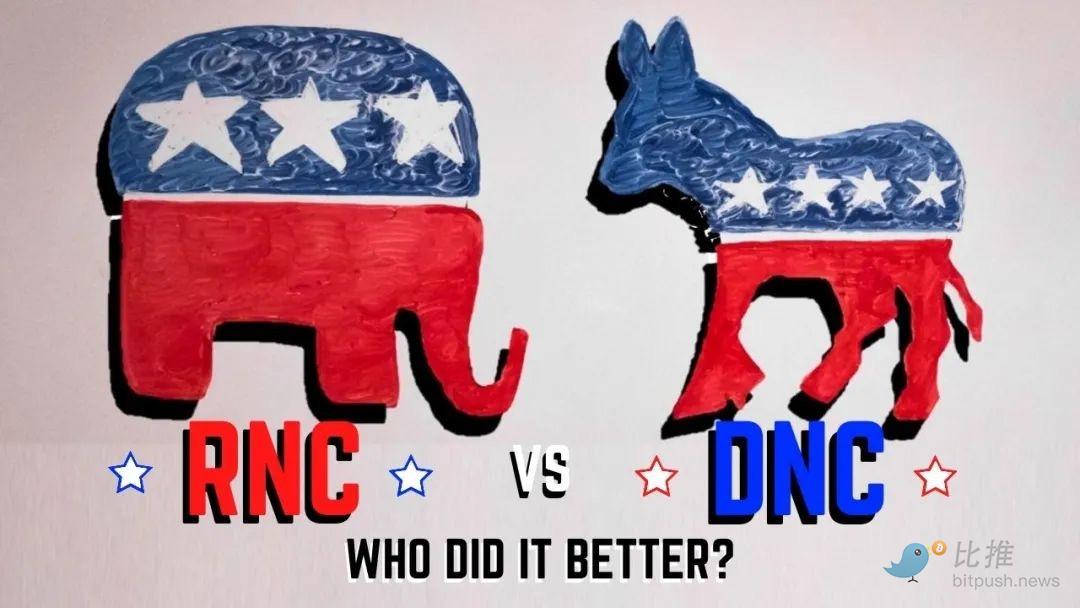
Election-year dynamics undermining bipartisan momentum isn't unusual, but such deep internal divisions within an industry over how to move forward are notable. Even the now-collapsed crypto giant FTX funneled large sums to both parties.
"We’ve got roughly equal numbers of Republicans, Democrats, and independents," said one crypto lobbyist, speaking anonymously. "It’s just a unique industry—and that’s creating friction."
Crypto’s biggest political donors are growing increasingly vocal about their personal views.
Marc Andreessen, co-founder of venture firm Andreessen Horowitz—a major backer of crypto—recently declared Trump the “right choice” for “the future of our business.” Gemini co-founders Cameron Winklevoss and Tyler Winklevoss said they each plan to donate $1 million to Trump’s campaign.
"Sharp criticism from well-known center-right CEOs and investors has caused significant alarm among those on the left," said Jonathan Padilla, a crypto entrepreneur who helped launch Crypto4Harris, an effort aimed at rallying support for Vice President Harris as the Democratic nominee.
Tensions are spilling onto Capitol Hill, threatening to undermine bipartisan legislative support this year for pro-crypto regulation—a fragile consensus already complicated by partisanship since May, when 71 Democrats joined 208 Republicans in passing a crypto reform bill.
Just weeks before becoming Trump’s running mate, Ohio Senator JD Vance promoted a crypto regulatory proposal unlikely to gain cross-party backing. After failing to secure Republican support, Senator Debbie Stabenow (D-MI), chair of the Senate Agriculture Committee, canceled a committee vote on her own crypto bill.
Some in the crypto community now suggest the industry should hold off on pushing legislation until after the election—if Trump wins and Republicans gain seats in the Senate.
While top Democrats like Majority Leader Chuck Schumer have expressed openness to crypto industry concerns, many believe Republicans will be more reliable allies.
"If you think Donald Trump is going to win—and especially if you think the Senate might flip to Republican control—why negotiate against yourself?" said one crypto lobbyist discussing the idea.
Democratic crypto lobbyists and lawmakers warn that full-throated support for Republicans is short-sighted. They’re working to make progress with Harris’ campaign and still hope she’d pursue more supportive policies than Biden, whose regulators have remained adversarial toward digital asset firms.
"Crypto advocates engaging with Harris don’t believe in putting all their eggs in one basket—or one party’s basket," said Sheila Warren, CEO of the Crypto Council for Innovation. "I think that’s seen as either brave or pointless. It’s a sad state of affairs, but that’s where we are."
Fears of a rupture with the left intensified after the crypto super PAC announced plans to spend $12 million supporting Bernie Moreno, Brown’s Republican challenger, in Ohio’s U.S. Senate race. If reelected, Brown would likely become chair of the Senate Banking Committee next year, giving him significant influence over the future of crypto regulation—making this a risky bet.
"Anyone who cares about crypto’s future should want this issue to remain within a bipartisan dialogue," said North Carolina Democratic Representative Wiley Nickel, who is trying to connect Harris’ campaign with participants in the crypto industry. "Anything less will poison crypto for the next decade."
Pro-crypto Republicans say hoping for Democratic support is naive. The party includes some of the industry’s fiercest opponents, including SEC Chair Gary Gensler and Massachusetts Senator Elizabeth Warren, who has warned that crypto trading poses dangers to consumers and the financial system. Harris has no clear record on the issue.
"I’m deeply concerned that many candidates are shifting their stance on this issue for political gain," said Wyoming Republican Senator Cynthia Lummis, a prominent crypto supporter, adding she is "deeply skeptical of Harris’s supposed change of heart."
Fairshake has poured substantial funds into both Republican and Democratic races in an effort to build alliances and quiet critics. But that doesn’t mean either side is satisfied. The group says it has spent about $75 million of the $169 million it has raised and declined to comment further.
Some Democratic donors, including tech billionaire Ron Conway, have warned the group’s spending is broadly aimed at securing a Republican majority in Congress.
Likewise, Republicans are unhappy with the super PAC’s support for Democrats, with some viewing it as a betrayal after years of alignment. Montana Senator Daines, who leads the GOP push to regain the Senate, is among them.
"You’re alienating the very people who’ve advanced this industry, because this party [the Democrats] is at best skeptical," said one Republican strategist privately. "There’s been talk among Republican members: Before meeting with someone from the crypto industry, do you now need to think twice?"
Join TechFlow official community to stay tuned
Telegram:https://t.me/TechFlowDaily
X (Twitter):https://x.com/TechFlowPost
X (Twitter) EN:https://x.com/BlockFlow_News
 比推 BitpushNews









