Strategy Test 02 | OKX and AICoin Research Institute: Grid Strategy
TechFlow Selected TechFlow Selected
Strategy Test 02 | OKX and AICoin Research Institute: Grid Strategy
Explaining classic strategies in the simplest way.
 Navigating Web3 tides with focused insights
OKX, in collaboration with the premium data platform AICoin, has launched a series of classic strategy research initiatives aimed at helping users better understand and learn different trading strategies through core analytical dimensions such as real-world data testing and strategy characteristics—minimizing blind usage.
Grid trading is a systematic trading strategy whose core principle involves dividing a predefined price range into multiple grids and executing counter-trend operations—buying when prices fall and selling when they rise. By maintaining balanced long and short positions and automating trade execution, this strategy reduces emotional interference and accumulates profits through frequent small trades. It emphasizes flexible parameter adjustments to adapt to market changes, prioritizes risk control and capital management, and is particularly suitable for prolonged operation in ranging markets. While it performs well in sideways markets, it may miss out on significant moves during trending markets. Successful implementation of grid trading requires flexible application of these principles based on specific assets and market conditions, along with cautious risk management and avoidance of excessive leverage.
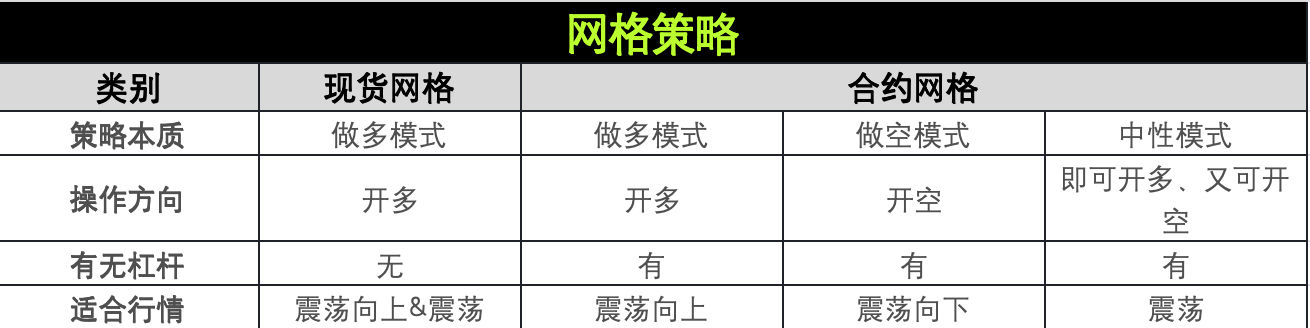
In general, grid strategies are divided into two types: spot grid and futures grid. Futures grid strategies are further categorized into three modes: long, short, and neutral (Note: The neutral futures grid mode will be referred to simply as "neutral futures grid" throughout this article).
Issue 02 introduces the grid strategy and conducts real-world testing of [Neutral Futures Grid & Spot Grid] using three major data models:
Model 1: Neutral futures grid vs. spot grid under a 1-hour sideways oscillation cycle
Model 2: Neutral futures grid vs. spot grid under a 4-hour downward oscillation cycle
Model 3: Neutral futures grid vs. spot grid under a 1-day upward oscillation cycle
In this round of data testing, the operational standard for the neutral futures grid is defined as follows: Using the market price of the trading pair at the time the strategy is activated as the center point, upper and lower grid limits are established. Orders are placed both above and below the current market price. Whenever the price rises past a grid level, a sell-to-open short position is executed; whenever the price drops below a grid level, a buy-to-close short position is executed—thus capturing profits from downward price movements.
A one-sentence summary of the neutral futures grid and spot grid strategies: Focused on range-bound trading, offering a rational approach to trading under careful risk management and optimized parameters.
Pros and Cons Comparison
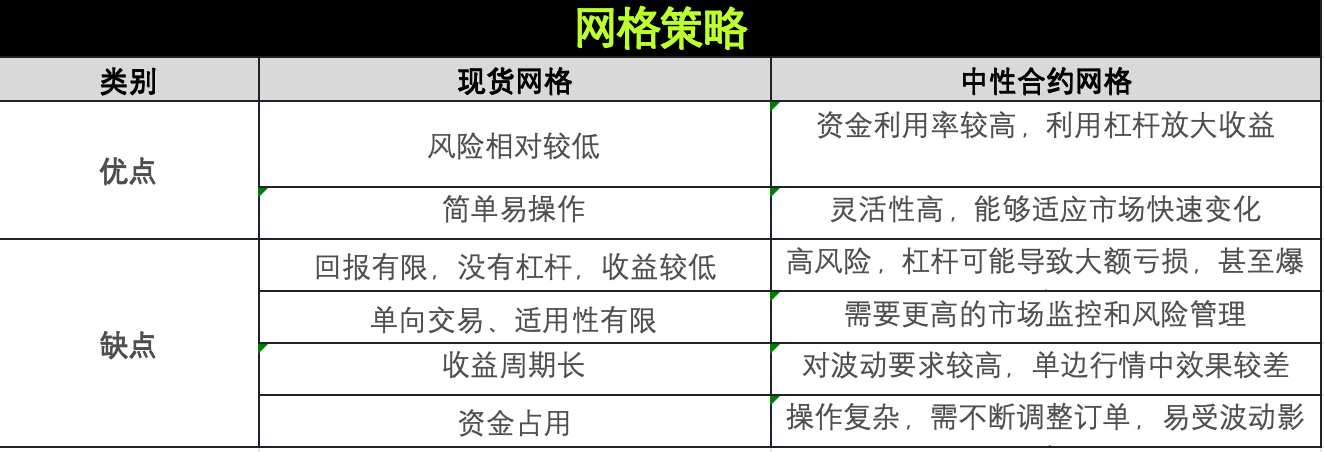
Overall, in sideways markets, trend-related risks are reduced, allowing both strategies to focus more effectively on range trading. However, users should remain vigilant about the possibility of price breaking out of the current range, which might require adjusting grid parameters. Users can optimize grid spacing based on observed price volatility ranges and consider dynamically adjusting grids to accommodate potential shifts in volatility.
Furthermore, there are clear differences between the two in terms of operation and risk management. The neutral futures grid is suited for two-way trading in leveraged futures markets, emphasizing capturing opportunities amid volatility while bearing higher risk. In contrast, the spot grid is designed for one-way trading in relatively stable spot markets, fitting more conservative trading approaches. Although their core concepts are similar, practical application requires traders to choose based on their individual risk tolerance and prevailing market conditions.
The neutral futures grid strategy combines the advantages of grid trading and market-neutral strategies, offering multiple benefits. It reduces systemic risk through long-short hedging, profits from high-frequency small trades and market fluctuations, and minimizes directional risk. This strategy is highly flexible and adaptable, supports automated execution across various assets, provides liquidity to the market, but is more complex to implement.
Model One
This model tests: Neutral futures grid vs. spot grid under a 1-hour sideways oscillation cycle
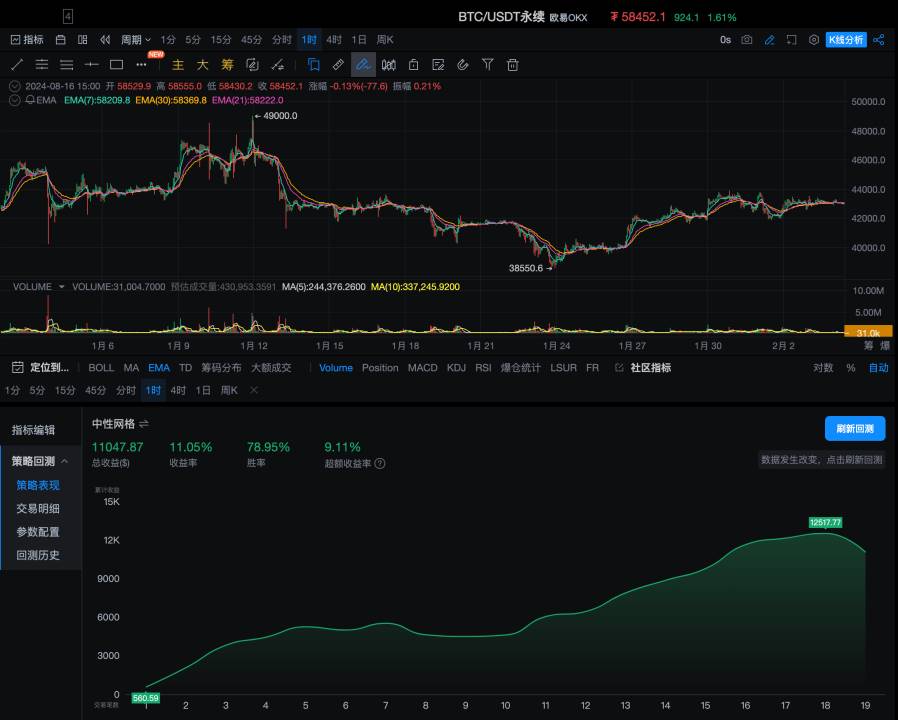
Figure 1: Neutral futures grid under 1-hour sideways oscillation; Source: AICoin
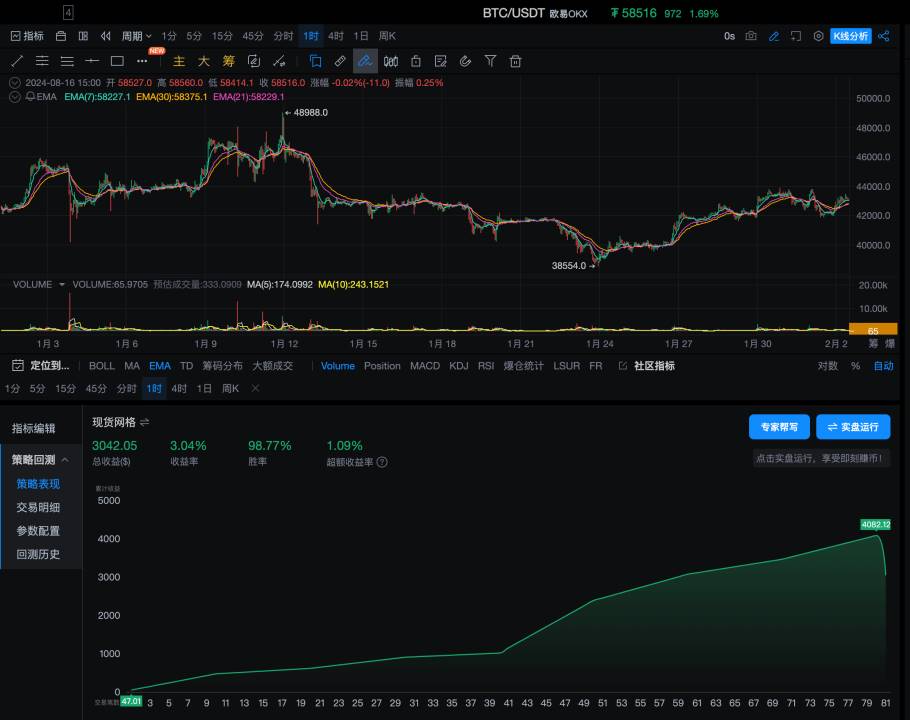
Figure 2: Spot grid under 1-hour sideways oscillation; Source: AICoin

Model Two
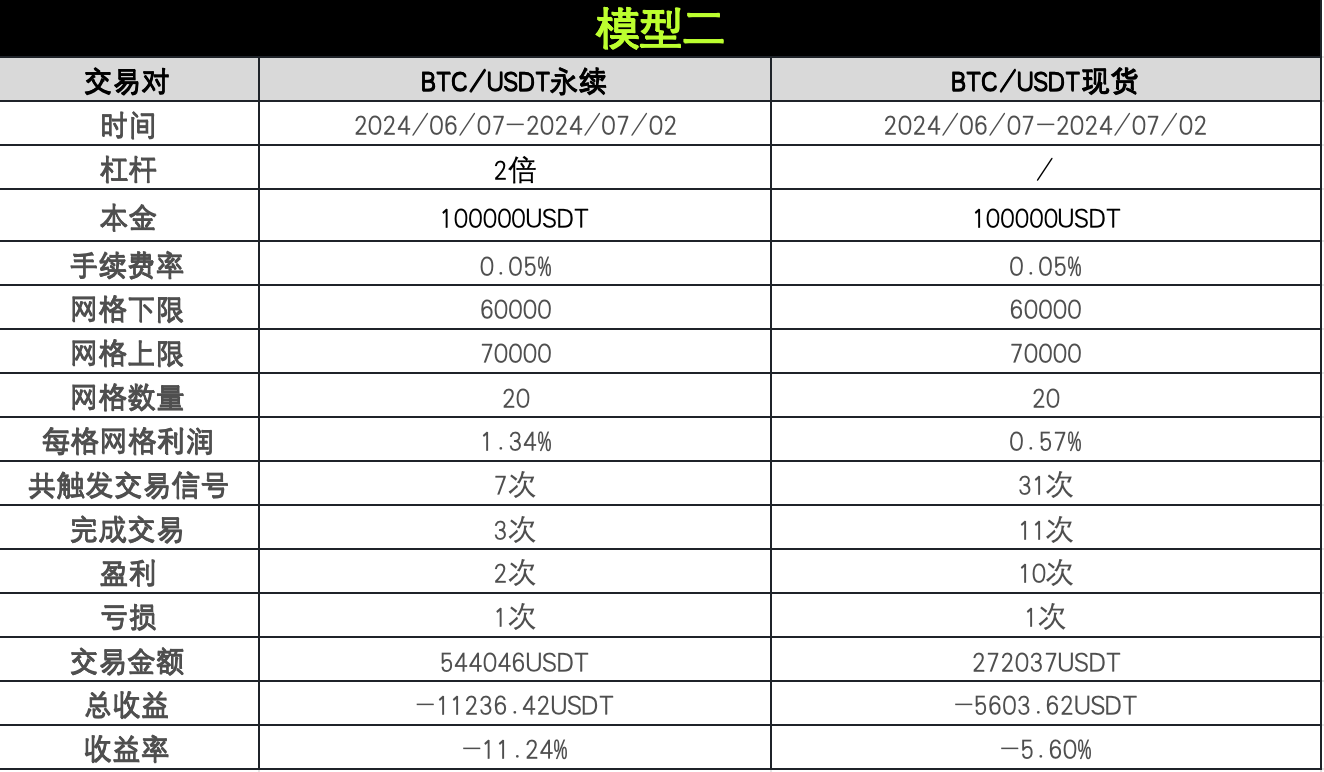
This model tests: Neutral futures grid vs. spot grid under a 4-hour downward oscillation cycle
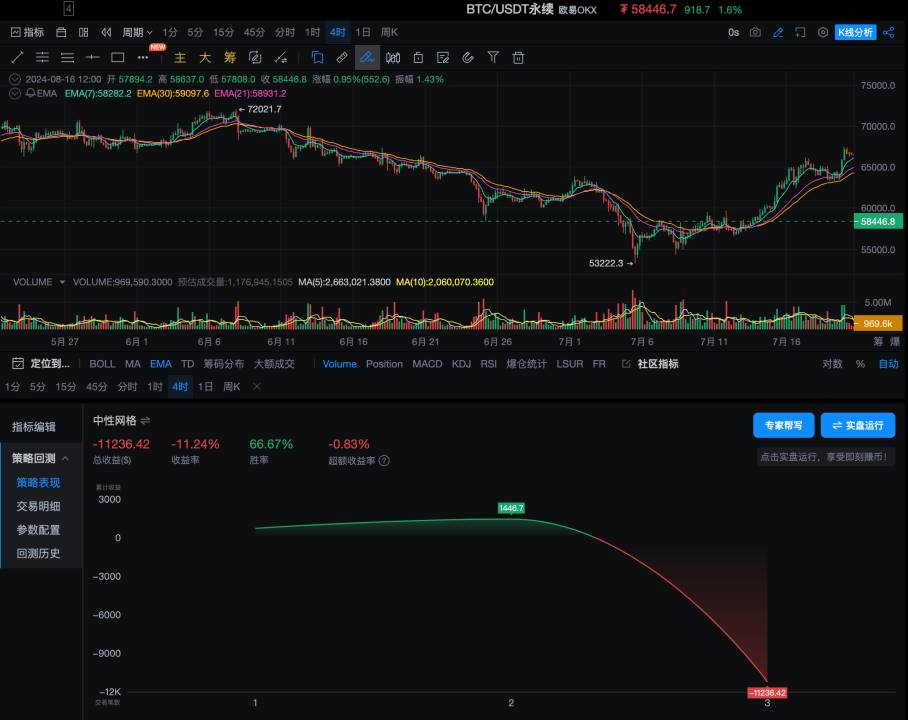
Figure 3: Neutral futures grid under 4-hour downward oscillation; Source: AICoin
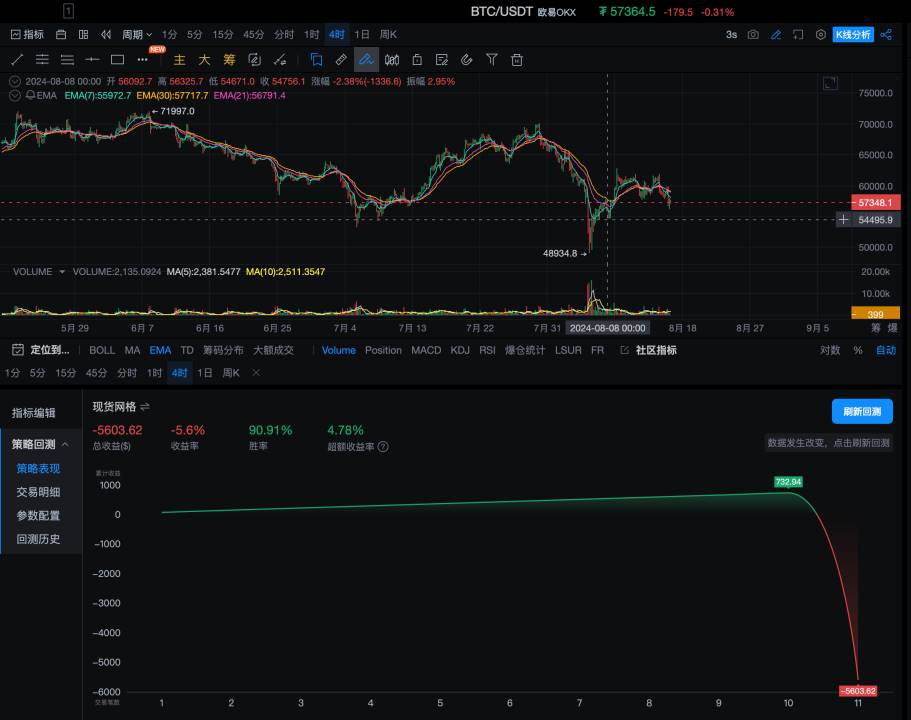
Figure 4: Spot grid under 4-hour downward oscillation; Source: AICoin
Model Three
This model tests: Neutral futures grid vs. spot grid under a 1-day upward oscillation cycle
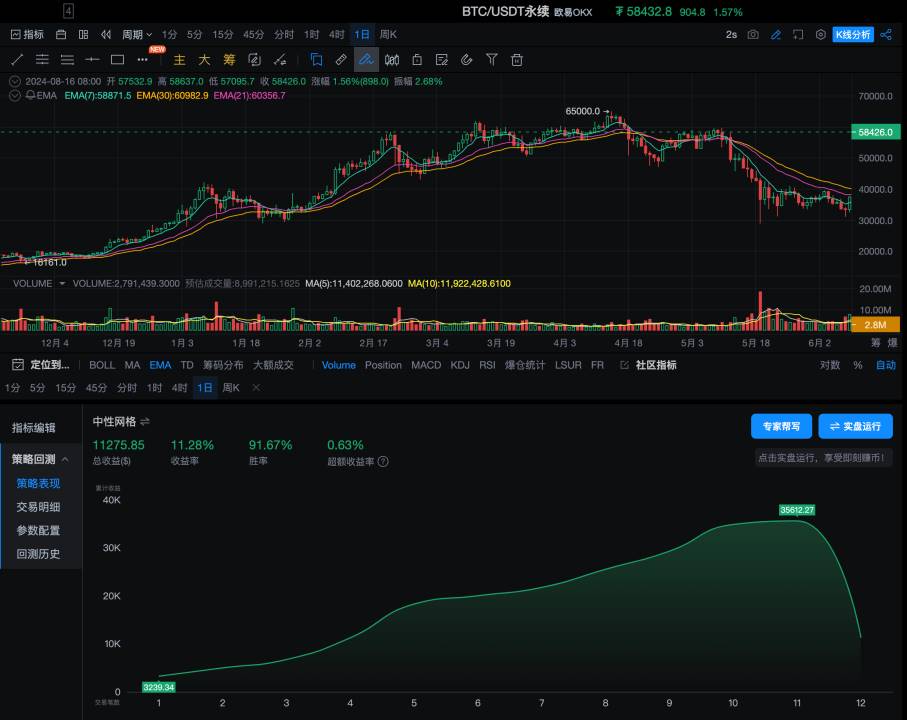
Figure 5: Neutral futures grid under 1-day upward oscillation; Source: AICoin
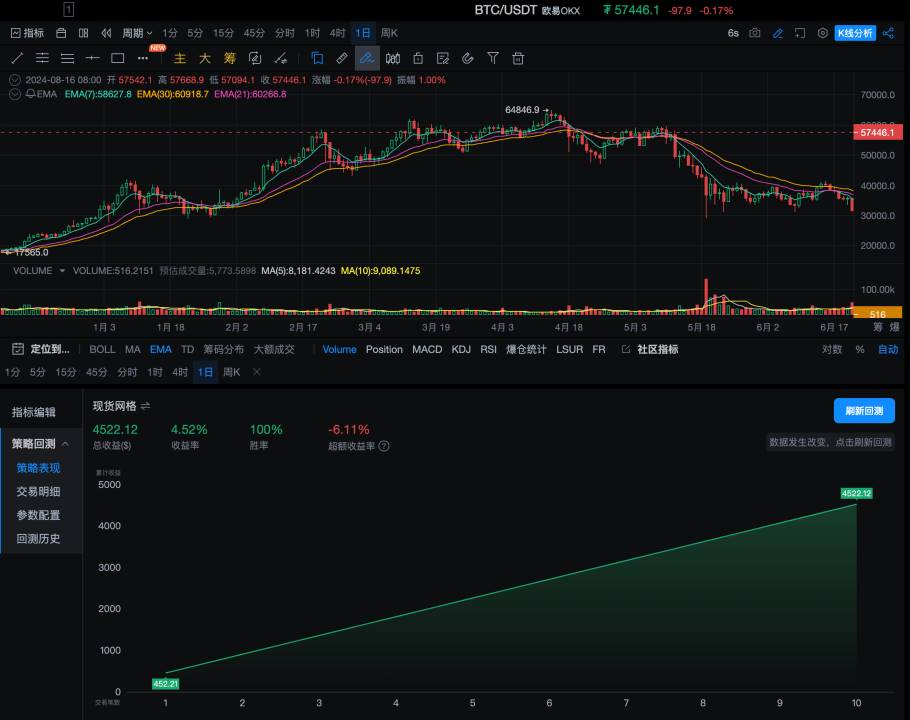
Figure 6: Spot grid under 1-day upward oscillation; Source: AICoin
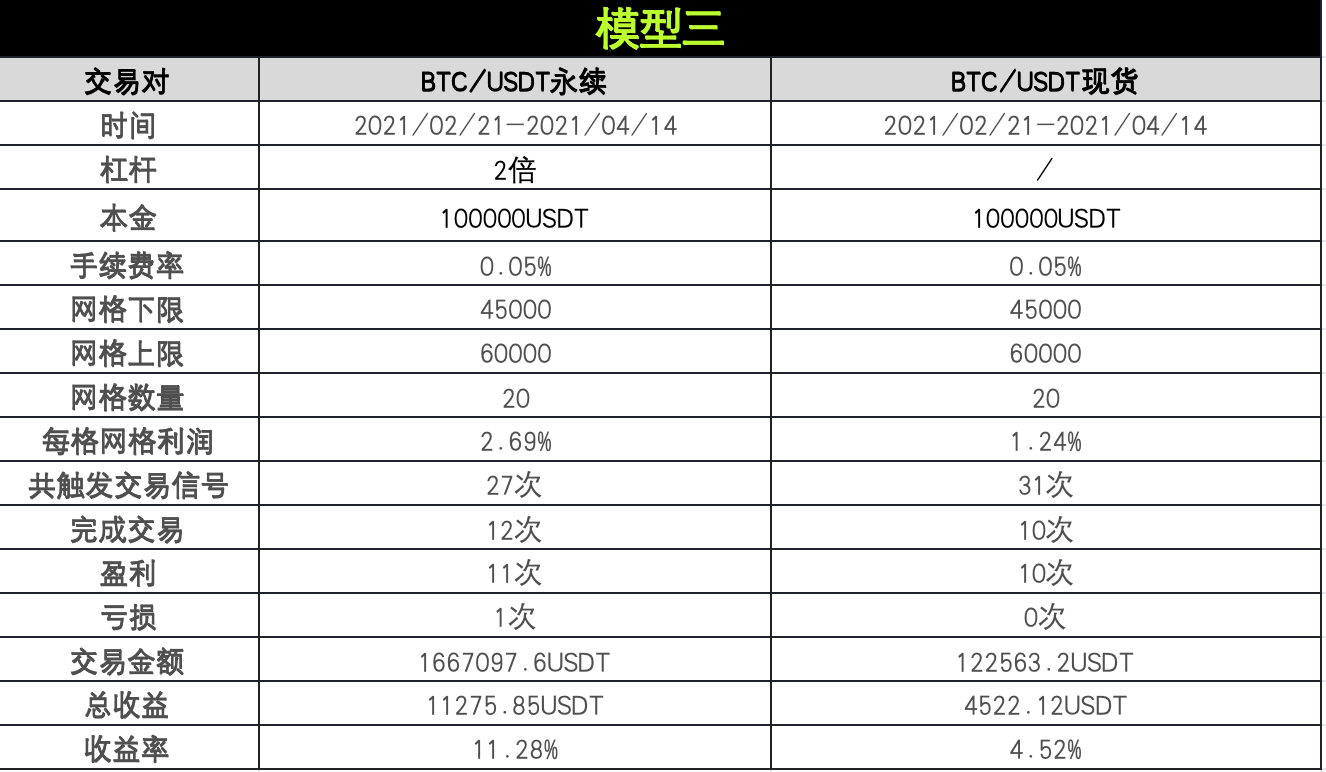
Analysis and Summary
Grid strategies perform differently under varying market conditions, requiring traders to select appropriate strategies based on market trends while balancing risk and return. In Model 1 and Model 3, the neutral futures grid significantly outperformed the spot grid in terms of returns. Notably, in Model 3’s upward oscillating environment, the neutral futures grid achieved a return as high as 11.28%. However, in the downward oscillating market of Model 2, both the neutral futures grid and the spot grid incurred losses, indicating poor performance for both strategies in declining markets.
Observing the performance of the spot grid across Models 1, 2, and 3 reveals that its win rate fluctuates significantly under different market conditions, making its performance relatively unstable. While the neutral futures grid delivers higher returns, it also entails greater risk due to leverage—for example, in Model 2's downward trend, leverage amplified losses. In comparison, spot trading is relatively stable but may still result in losses under adverse market conditions.
Specifically:
1. Strategy Performance
Futures grid strategies generally exhibit higher profit potential across different market environments but may face greater risk.
Spot grid strategies perform well in sideways and upward oscillating markets but incur losses in downward oscillating markets.
2. Risk and Return
The neutral futures grid strategy achieves higher absolute returns through leverage but assumes higher risk. Although the spot grid strategy yields lower absolute returns, its risk-adjusted returns may be more attractive in certain cases given the absence of leverage.
3. Market Adaptability
The neutral futures grid strategy demonstrates relatively stable performance across different market environments. The spot grid strategy performs well in rising or sideways markets but is prone to losses in falling markets.
4. Trading Activity
The neutral futures grid strategy typically features higher trading frequency and volume, potentially capturing more market opportunities—but possibly incurring higher transaction costs.
5. Suitable Investors
The neutral futures grid strategy may better suit investors with high risk tolerance and deep market understanding. The spot grid strategy may be more appropriate for conservative investors seeking stable returns.
6. Risk Management
When using the neutral futures grid strategy, stricter risk management is required, including setting stop-losses and monitoring leverage levels.
In conclusion, both strategies have their strengths: The neutral futures grid offers higher potential returns and better market adaptability, albeit with higher risk. The spot grid, while yielding relatively lower returns, carries lower risk and can still deliver steady gains in certain market conditions. Investors should choose the appropriate strategy based on their own risk tolerance, investment goals, and market outlook.
OKX & AICoin Grid Strategies
Currently, OKX Strategy Trading offers convenient and diverse strategy options. Its grid strategies primarily include: spot grid, futures grid, and infinite grid. Whether it's the OKX spot grid strategy or the OKX futures grid strategy, the essence is an automated low-buy-high-sell approach within a specific price range. Users only need to set the upper and lower bounds of the range and determine the number of subdivisions (grids) to start the strategy. If desired, users can also predefine trigger conditions so the strategy automatically activates once market conditions are met. The system calculates buy and sell prices for each sub-grid, automatically places orders, and continuously captures profits from market fluctuations through systematic buying low and selling high.
However, there are three key differences between OKX's futures grid strategy and spot grid strategy:
1) Futures grid strategies operate in the futures market, while spot grid strategies operate in the spot market.
2) Futures grid strategies support leverage; spot grid strategies do not.
3) Futures grid strategies support three trading modes: long, short, and neutral; spot grid strategies support only one-way (long) trading.
Currently, OKX grid strategies support two creation methods:
1) Manual creation: Set parameters and trigger conditions based on your own assessment of ranging market conditions. Currently, OKX supports two trigger types for both spot and futures grid strategies: price triggers and RSI technical indicator triggers.
2) Smart creation: Use system-recommended smart grid strategy parameters directly.
How to access more strategy trading options on OKX? Users can navigate to the "Trading" section via the OKX app or official website, enter "Strategy Trading," then click on "Strategy Square" or "Create Strategy" to begin. Besides creating custom strategies, the Strategy Square currently offers "Premium Strategies" and "Top Performer Strategies," allowing users to copy or follow strategies directly.
OKX Strategy Trading offers multiple core advantages including ease of use, low fees, and robust security. In terms of usability, OKX provides intelligent parameter recommendations to help users set trading parameters more scientifically, along with visual guides and video tutorials for quick onboarding and mastery. Regarding fees, OKX has comprehensively upgraded its fee structure, significantly reducing trading costs. For security, OKX boasts a world-class security team providing bank-grade protection.
Additionally, AICoin offers a variety of strategy trading tools, enabling users to quickly and intuitively understand current market dynamics. Users can find the "Strategy" option in the left sidebar of the AICoin product, then click on "Strategy Square." Under "Featured Strategies" at the bottom of this interface, grid trading strategies are available.
Meanwhile, AICoin supports both manual creation and AI-powered grid strategies. Navigate to the "Market" tab in the left sidebar and select "AI Grid" at the bottom. This page displays AI-recommended grid strategies for the selected trading pair along with a manual creation option. Beyond grid trading, this series will also cover other strategies such as the all-coin DCA strategy. All these trading strategies can be found in the "Strategy Square" within the left sidebar.
Disclaimer
This article is for informational purposes only and reflects the author's views, not necessarily those of OKX. This article does not constitute (i) trading advice or recommendation; (ii) an offer or solicitation to buy, sell, or hold digital assets; or (iii) financial, accounting, legal, or tax advice. We do not guarantee the accuracy, completeness, or usefulness of the information provided. Holding digital assets (including stablecoins and NFTs) involves high risk and may experience significant price volatility. You should carefully consider whether trading or holding digital assets is suitable for you based on your financial situation. For advice regarding your specific circumstances, please consult your legal/tax/trading professionals. You are solely responsible for understanding and complying with applicable local laws and regulations.
Join TechFlow official community to stay tuned
Telegram:https://t.me/TechFlowDaily
X (Twitter):https://x.com/TechFlowPost
X (Twitter) EN:https://x.com/BlockFlow_News
 OKX
OKX