Loaded history: YC's new project dominates Product Hunt, taking viral marketing to new heights
TechFlow Selected TechFlow Selected
Loaded history: YC's new project dominates Product Hunt, taking viral marketing to new heights
The all-time #1 spot on Product Hunt's AI product leaderboard is about to be refreshed.
 Navigating Web3 tides with focused insights
The historical #1 spot on Product Hunt's AI product leaderboard is about to be rewritten.
Wordware, a project enabling users to build AI applications through natural language, has already received over 6,800 upvotes. It currently leads the annual leaderboard by more than 2,000 votes ahead of second place. Looking back, the only product with higher upvotes was Notion 2.0 in 2018.
Is this a product as disruptive as Notion?
At launch, the PH CEO even suspected cheating and sent a warning email:
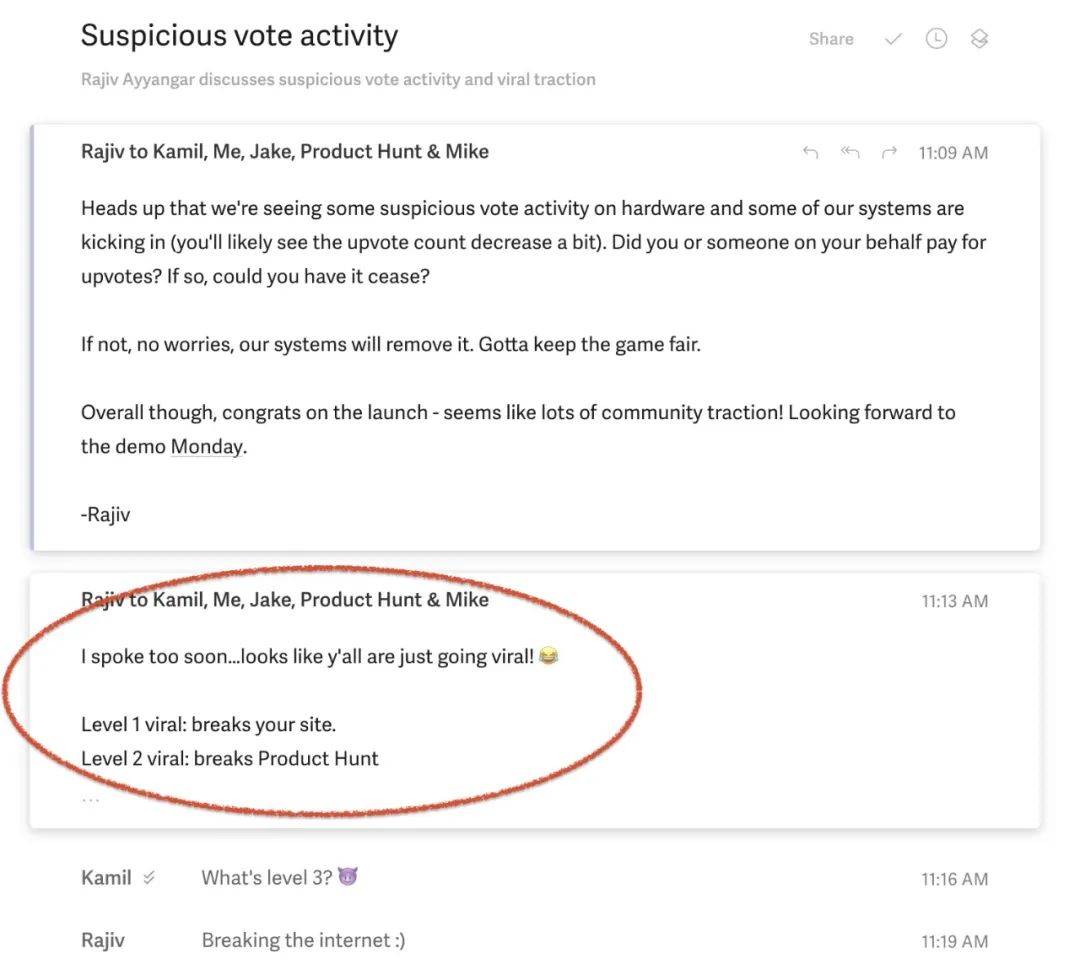
First email:
Heads up, we're seeing some suspicious voting activity on hardware—some of our systems are kicking in (you might see a slight dip in upvotes). Did you or someone representing you purchase upvotes? If so, could you please stop it?
If not, no worries—our systems will remove them. Gotta keep the game fair.
Overall, congrats on your launch—looks like there’s massive community interest! Looking forward to the demo on Monday.
Four minutes later, a second email:
I spoke too soon… Looks like you’re spreading fast! 😂
Tier 1 viral spread: crashes your website.
Tier 2 viral spread: crashes Product Hunt.
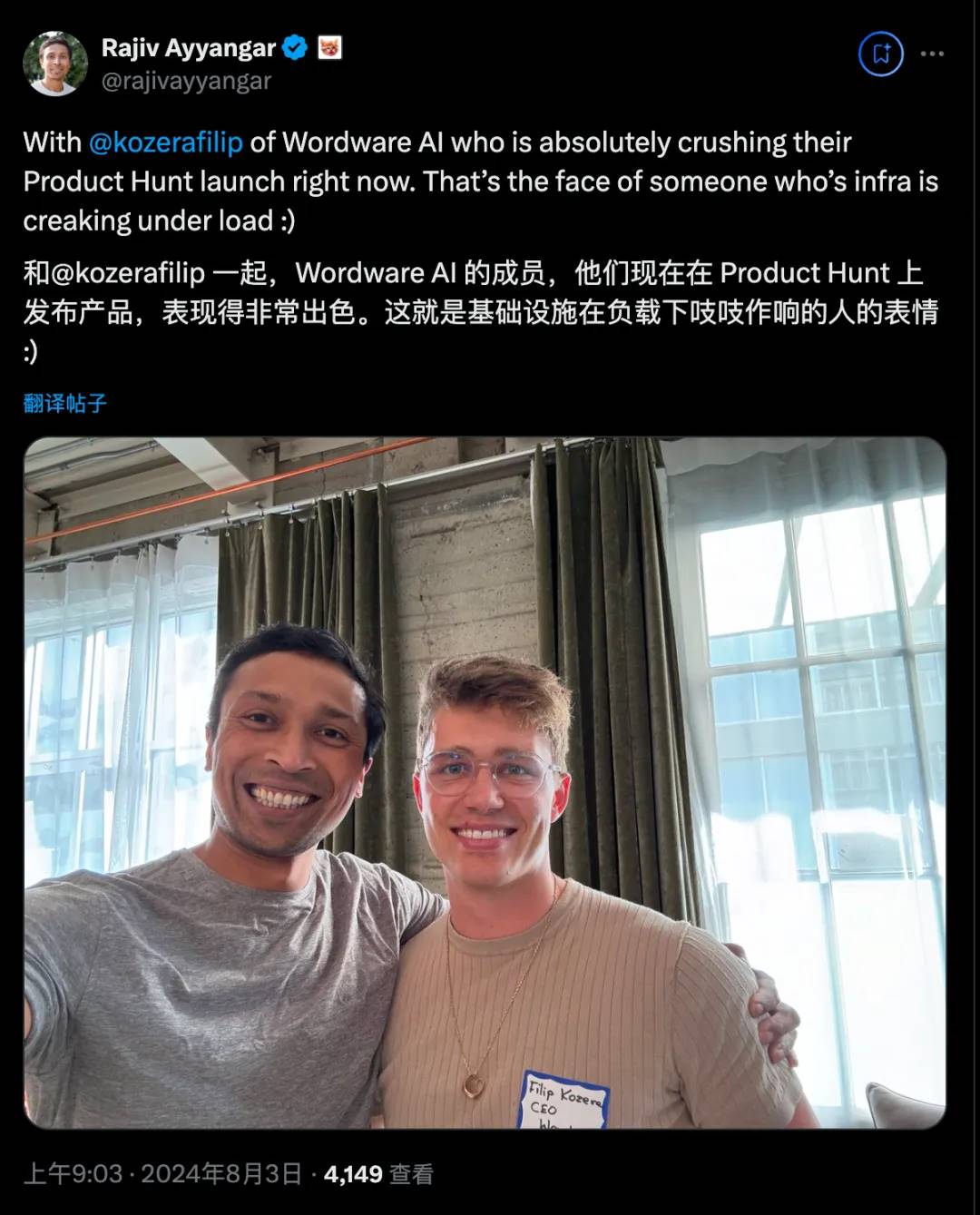
Soon after, the PH CEO warmly embraced Wordware’s founder:
No violations of PH rules, no long-term presence in the PH community—how did they do it?
01 Viral Product Brings 4 Million Users
An AI Agent that analyzes Twitter (X) account personalities based on content has recently gone viral on Twitter due to its sharp, witty commentary.
Launched just eight days ago, it has already attracted 4.26 million users.
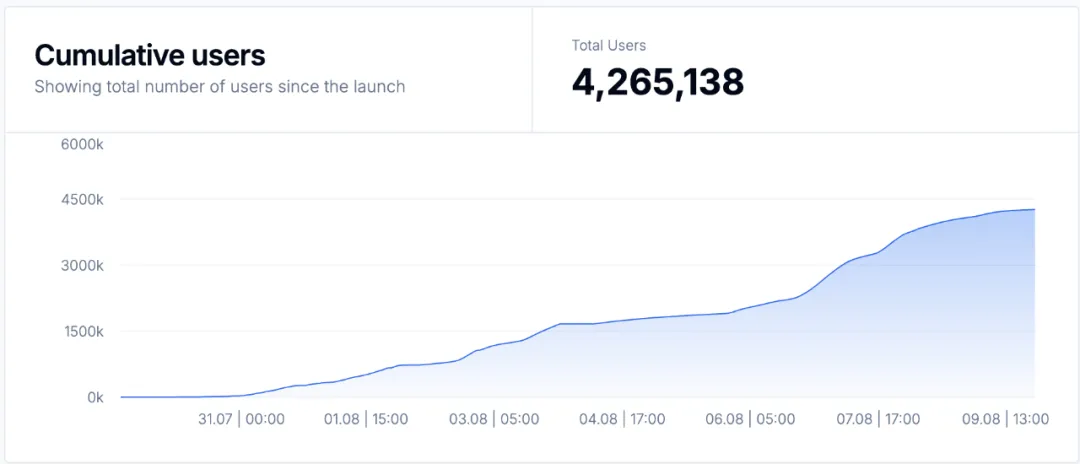
This Twitter Agent even boosted Wordware, the platform used to build it. Initially launched on Product Hunt with modest reception, Wordware gained momentum when the Twitter Agent went viral on Twitter, which in turn boosted its PH performance. It now has over 6,800 upvotes on Product Hunt, making it the week’s hottest product.
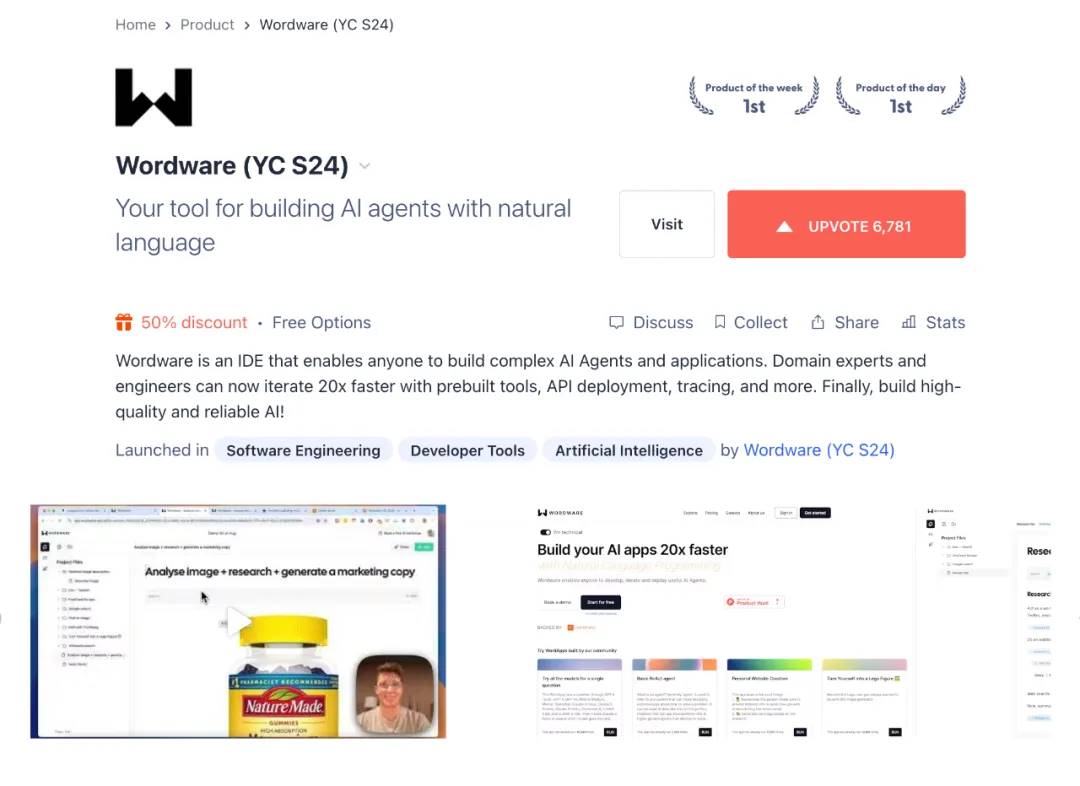
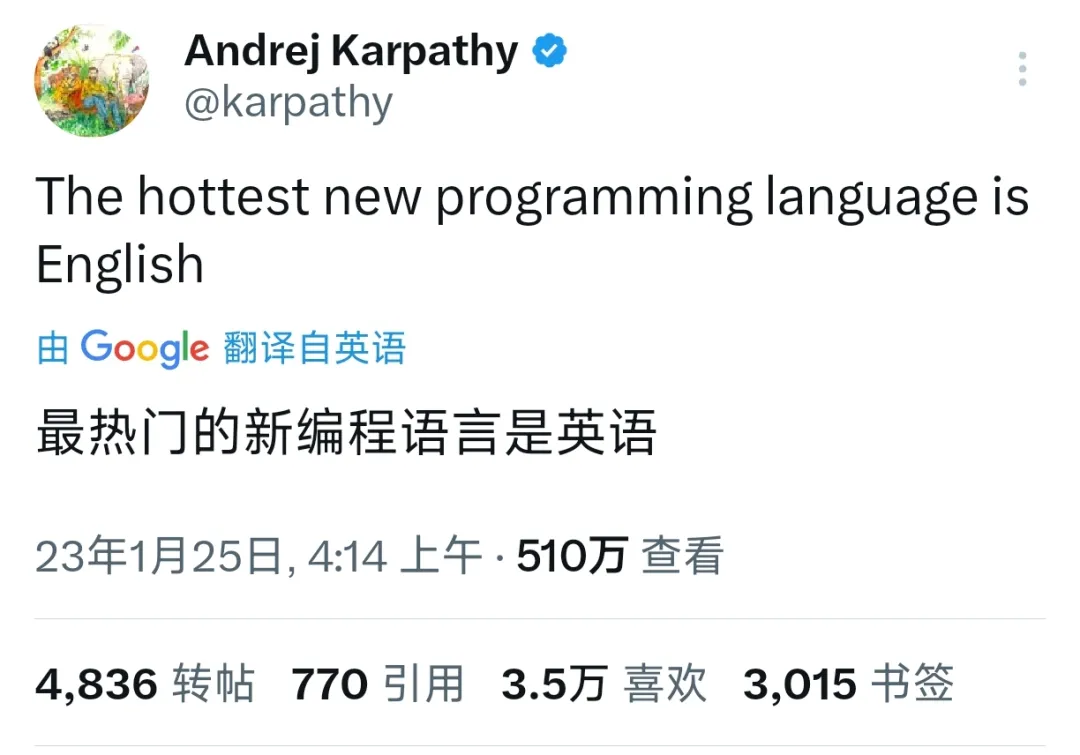
Wordware is an application-building platform and integrated development environment (IDE) that allows anyone to create complex AI Agents and applications using natural language programming. As AI expert Andrej Karpathy once said, “the hottest programming language is English”—and Wordware is the perfect embodiment of that idea. By writing text, anyone can build their own AI Agent and become an AI developer.
02 The Twitter AI Agent That Went Viral Through Roasting
This Twitter AI Agent was actually a side project built by Wordware developers using their own platform. Users simply submit their Twitter handle, and the AI Agent reads all their tweets, uses large language models like ChatGPT to analyze their personality, and generates a personalized webpage with insights.
The analysis covers many aspects: strengths, weaknesses, attitudes toward life and money, health status, favorite people, biggest goals, preferred animals, career situation, and more.
For example, Elon Musk’s analysis:
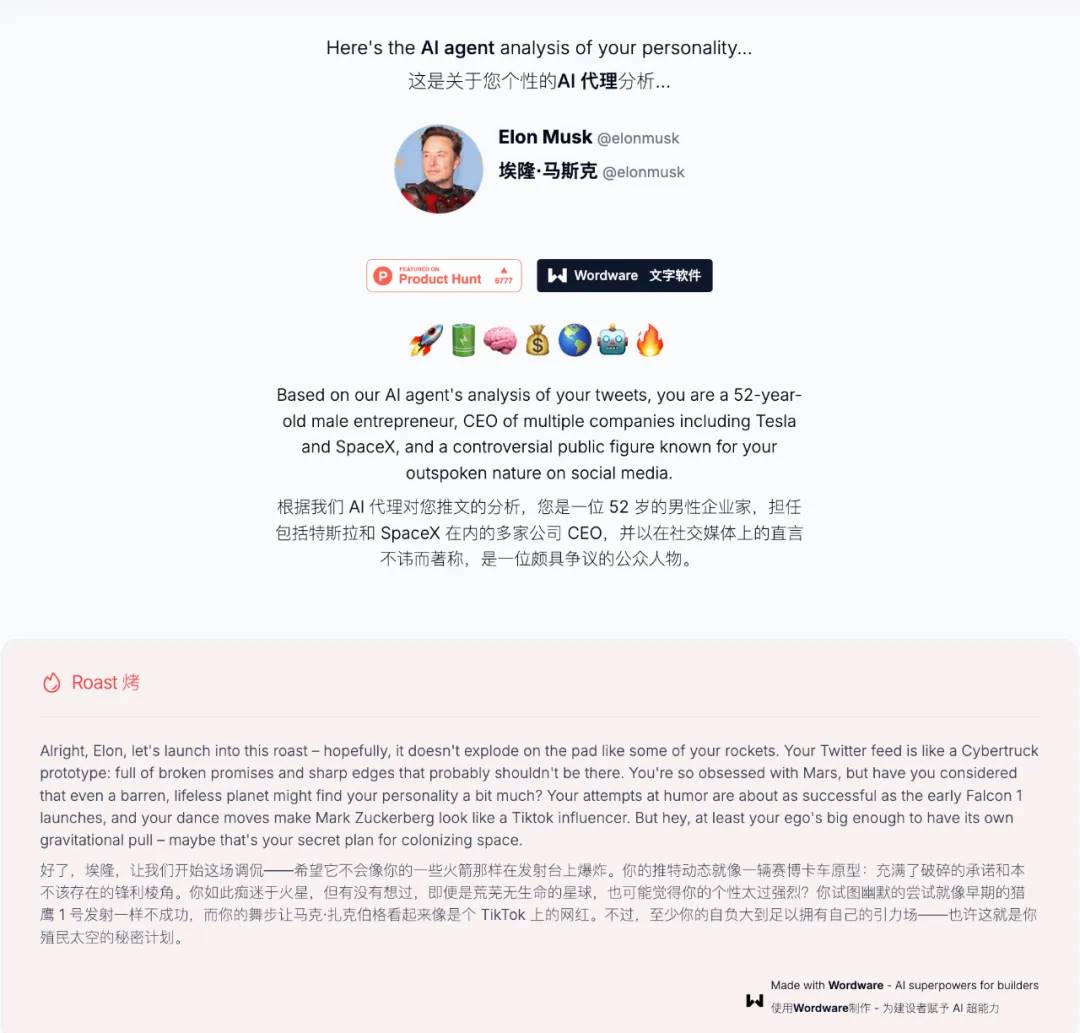
The analysis language matches the user’s content; Chinese in the image is from browser translation.
52 years old, male entrepreneur, rockets, Tesla, Mars, controversy, outspoken, internet celebrity—these words fit perfectly.
Sam Altman’s analysis:
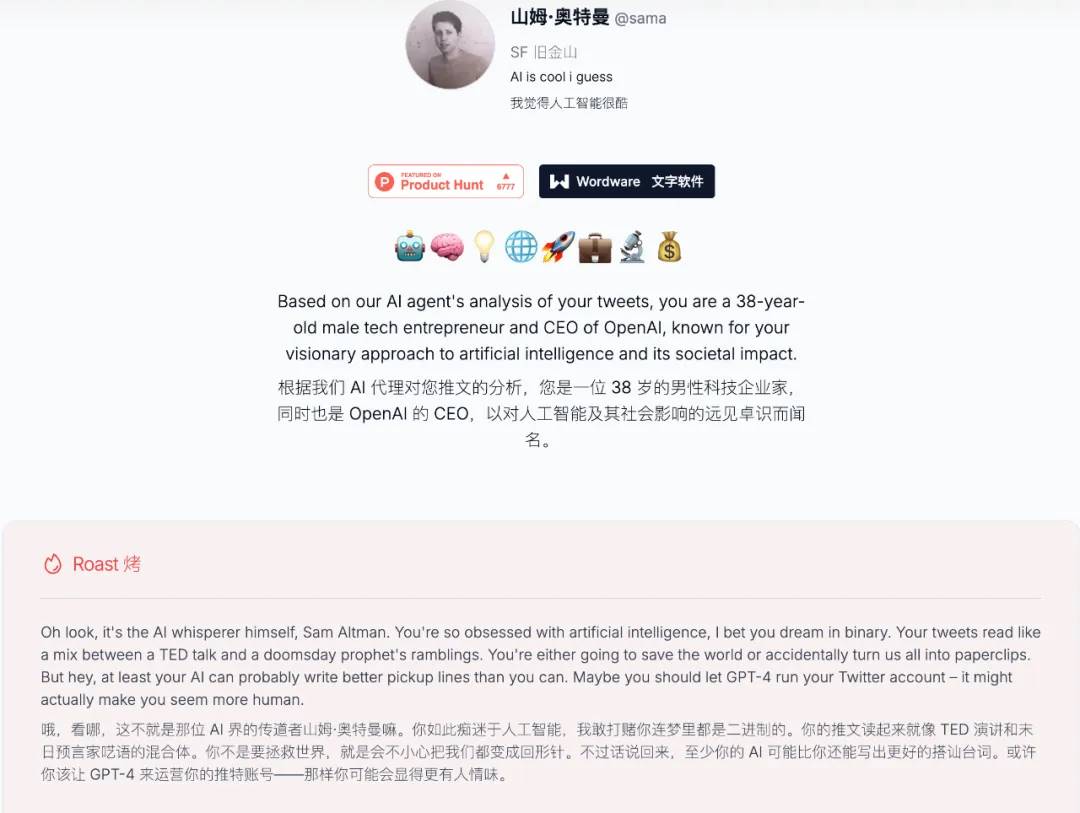
The evangelist of AI, savior of the world, prophet—well, it really feels spot-on.
We tested a well-known Chinese Twitter account, @Lanxi, and the Agent automatically generated results in Chinese:
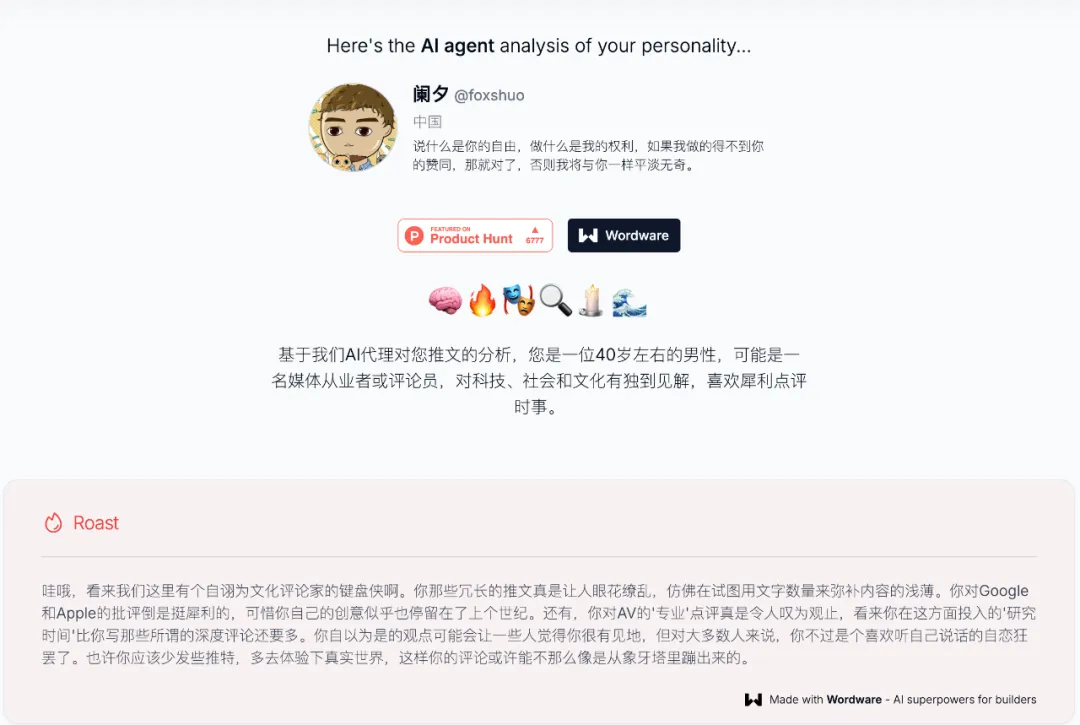
However, to view the full analysis, users must pay an additional $2.99 to unlock it.
The core logic of this Agent is simple: prompts + Twitter API + AI. With sharp roasts and quirky humor, it hits the sweet spot for the largest Twitter demographic: 18-29 year olds.
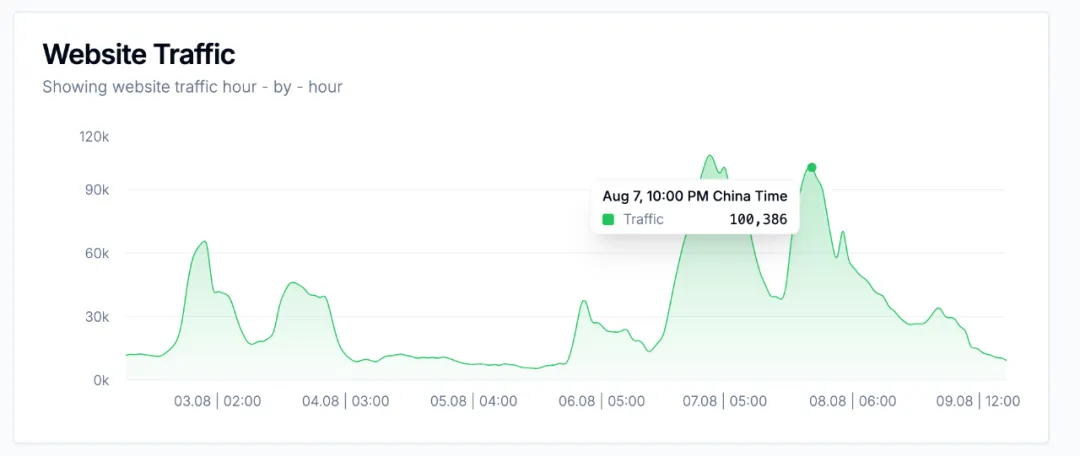
The site exploded on August 7th, with over one million visits that day. The founders shared that the surge came from changing just one prompt on the Wordware platform: “Respond in the language that most tweets are written in.”
Founder Filip believes that although the Twitter AI Agent is a side project, it has created immense value in SEO, brand awareness, qualified sales leads, and revenue.
And precisely because of this viral success, Wordware itself has gained widespread recognition, becoming the top trending product on PH this week.
03 Enabling Non-Coders to Build Their Own AI Applications
What kind of product is Wordware?
As described by the public account “Zi Fei AI”:
Imagine being able to build powerful AI Agents simply by describing your needs clearly in plain language, just like writing a Notion document. These agents can automate complex tasks, boost productivity, and even create new business models. This is the future that Wordware brings.
Co-founder Filip puts it this way:
Imagine if every employee could implement their best AI ideas for the company—what potential that would unlock. With Wordware, you can test hundreds of AI tools per quarter, driving innovation and efficiency.
Filip Kozera and Robert met at Cambridge and became friends over a shared passion for machine learning and large language models, both fascinated by how AI could transform industries.

They started experimenting early with models like BERT and GPT-2. Robert was an early engineer at FiveAI, later acquired by Bosch, and his previous startup raised over $10 million in funding.
They believe AI will seamlessly integrate into daily business operations, boosting efficiency, improvement, and growth. Their mission is to equip businesses with the tools and insights needed to fully harness AI’s potential. A key belief is involving domain experts in AI application development, while maintaining human-in-the-loop principles.
Applications built on Wordware are called “WordApps,” created using natural language. Their core belief is that domain experts—not engineers—are best equipped to recognize high-quality LLM outputs. For example, a lawyer building legal SaaS should be deeply involved, rather than relying solely on coding work or repeated communication with engineers.
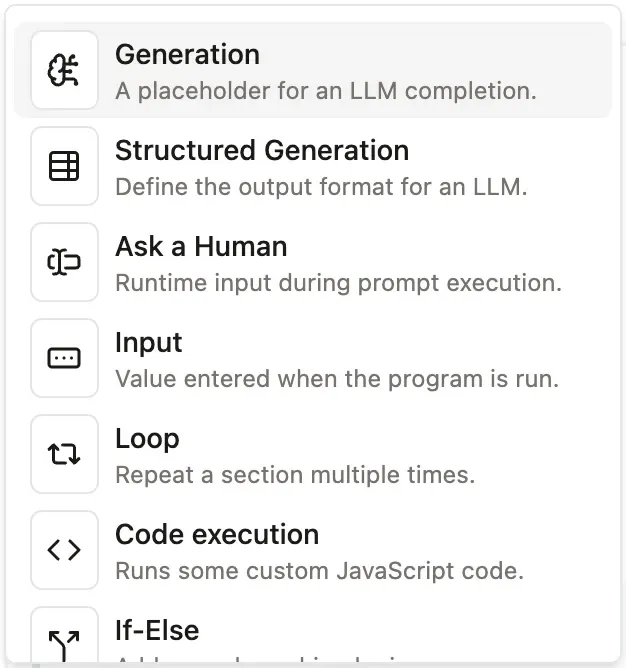
Build interface
Beyond the Twitter Agent, Wordware offers various agent templates that users can leverage to quickly build their own applications.
For users wanting to develop AI applications or agents, Wordware stands out in several ways:
-
Notion-like intuitive interface: Drag-and-drop workflow design—no coding experience required
-
Advanced technical capabilities: Supports loops, conditionals, structured generation, and custom code
-
Integration with multiple LLMs: Supports GPT, Claude, Llama, Gemini, and more
-
Built-in multimodality: Seamlessly combines text, images, audio, and video within agents—making text-to-video or text-to-image easier
-
One-click deployment: Easily deploy your agents to the cloud with a single click
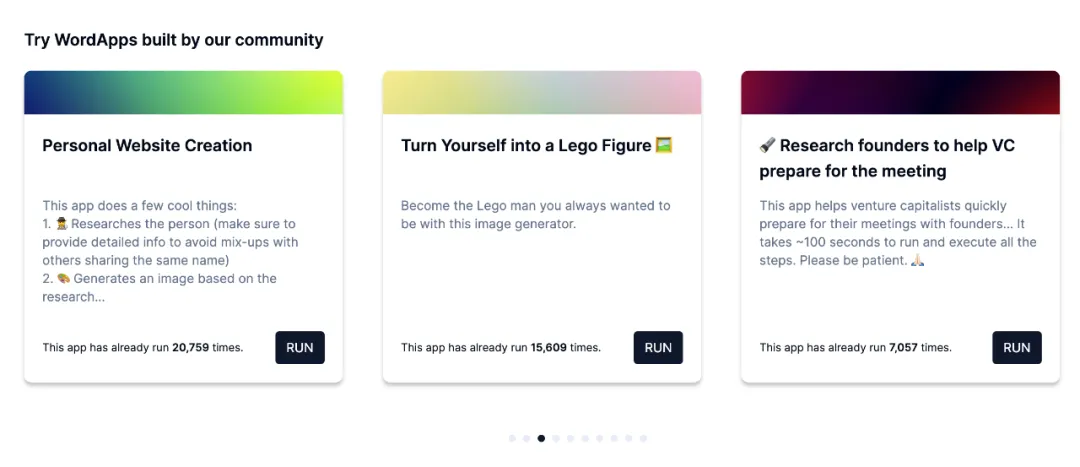
Some user-built WordApps showcased on the official website
At its core, Wordware lowers the barrier to application development, empowering non-technical individuals to build custom apps based on their own needs.
After all, everyone has a dream of creating their own product.
Website: https://www.wordware.ai/
04 The Great AI App Explosion Hasn’t Happened Yet—But Don’t Worry
In 2024, it seems everyone is waiting for the AI super-app or killer app, and many developers are already feeling pessimistic.
For instance, a developer on Twitter expressed despair:
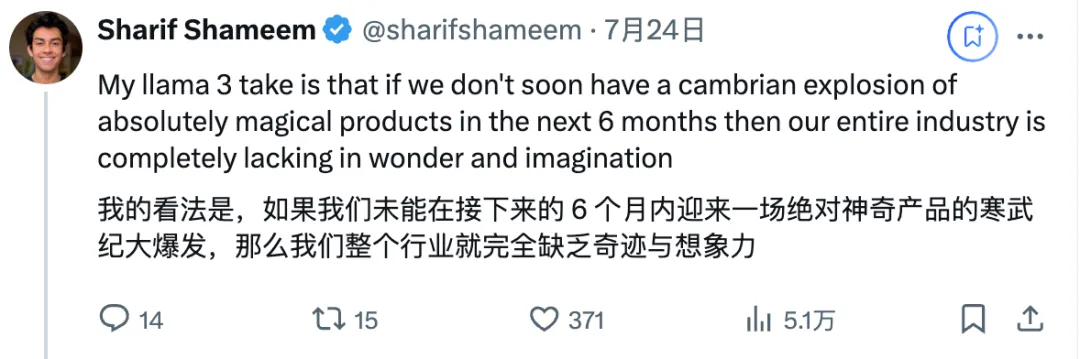
Everyone is waiting for the WeChat, TikTok, or Toutiao of the AI era—even Didi. Many expect them to emerge this year.
People feel current apps like chatbots, AI companions, tarot readers, etc., are just too simplistic!
But AI legend Andrej Karpathy disagrees. He believes today’s AI app ecosystem resembles the early days of iOS:
My perspective shifted recently during a Sequoia event where they compared it to iOS. The first three years of the App Store were filled with flashy apps. I think for any new technology, people need time to digest, understand what’s essential versus superficial, and eventually package it into real products.
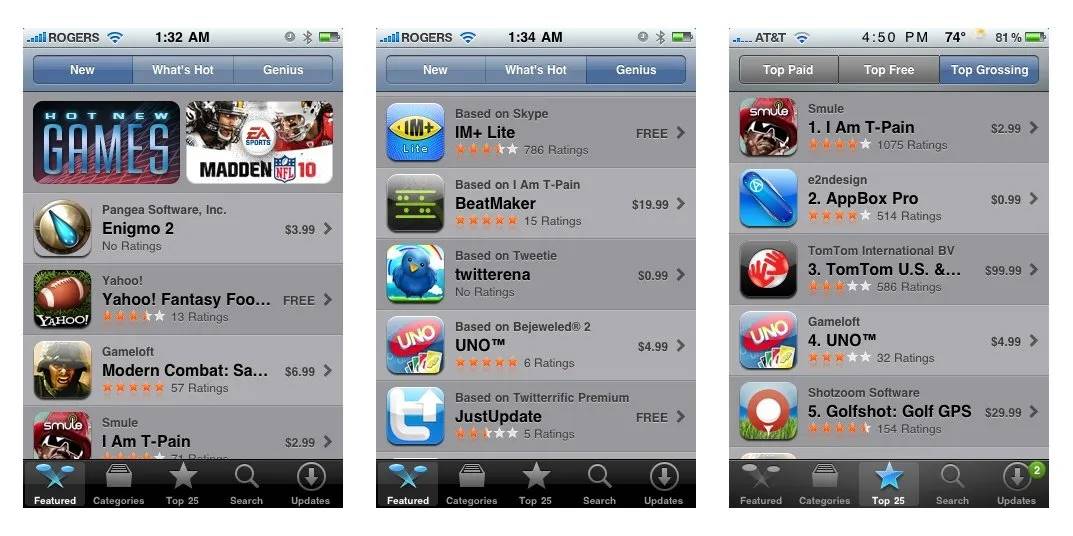
Over a year after launch, the App Store was flooded with dazzling apps—many of which are long gone.
In 2007, the first iPhone was born.
In 2008, the App Store launched.
In 2009, with iPhone OS 3.0, the App Store had been live for eight months, hosting 25,000 apps with 800 million total downloads.
In 2010, WeChat didn’t exist yet, Alipay wasn’t widely adopted, and apps like Pinduoduo and Meituan hadn’t emerged.
From 2010–2013, top-ranking apps were phone cleaners, video players, and Wi-Fi assistants—features now built into operating systems. They addressed temporary needs but also paved the way for a richer app ecosystem.
By analogy, with ChatGPT emerging in 2022, we’re still in the era of flashlights, phone cleaners, lock screen helpers, and Tamagotchis.
And that’s exactly why platforms like Wordware matter—they enable everyday people to build AI apps without barriers.
In other words, perhaps as Karpathy said, the future’s “hottest programming language is English.”
The era where everyone can build their own apps is coming. The great AI app explosion will arrive sooner or later.
Join TechFlow official community to stay tuned
Telegram:https://t.me/TechFlowDaily
X (Twitter):https://x.com/TechFlowPost
X (Twitter) EN:https://x.com/BlockFlow_News