








What Will Happen to Bitcoin If Trump Becomes President?
TechFlow Selected TechFlow Selected
What Will Happen to Bitcoin If Trump Becomes President?
Trump must first deliver on his promises and foster greater innovation in the blockchain space before he can truly be seen as the "crypto" president.
 Navigating Web3 tides with focused insights
Author: Lincoln Murr, Bitpush News
The politicization of cryptocurrency is intensifying as the U.S. presidential election approaches. Former President Donald Trump has taken the lead in voicing strong support for digital assets, forcing Democrats to scramble for the votes of tens of millions of crypto holders across America. While Trump has pledged to become the "crypto president," many questions remain unanswered about his actual impact on the future of blockchain and cryptocurrency.
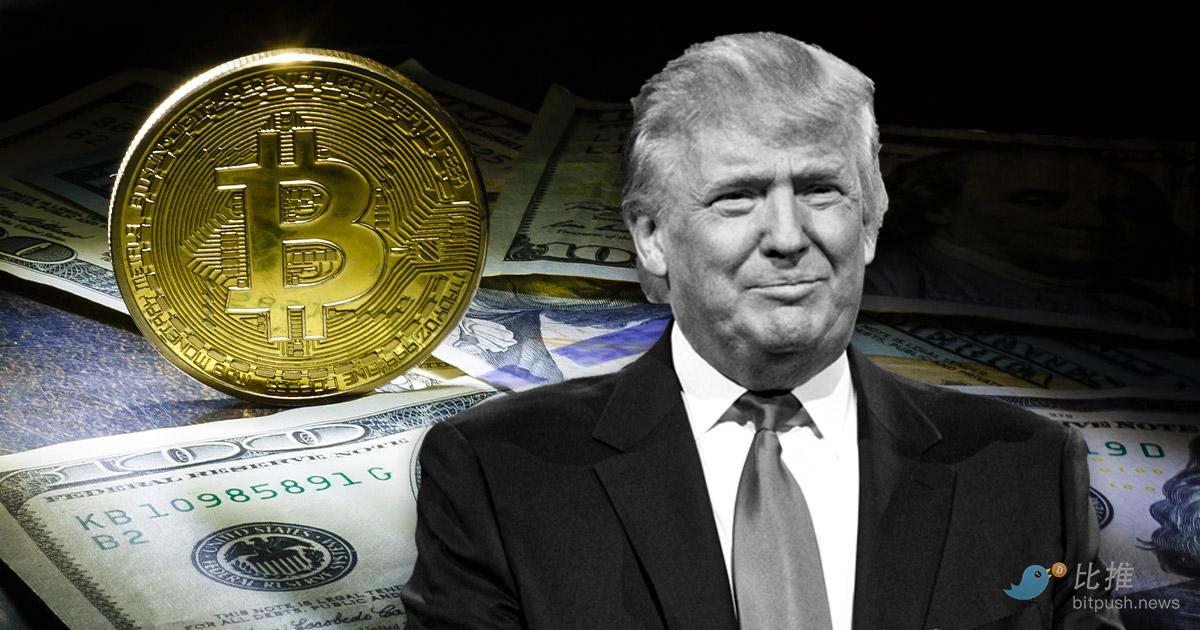
In this election cycle, Trump is actively courting a broad base of single-issue voters—crypto enthusiasts, Silicon Valley tech professionals, and everyday Americans who believe in the mission and values of Bitcoin. In speeches and through the Republican Party’s official platform, he has promised to never allow the creation of a central bank digital currency (CBDC), preserve the right to self-custody assets, and protect the rights of Bitcoin miners.
Trump recently announced Ohio Senator J.D. Vance as his vice-presidential running mate—a notable development given that Vance holds between $100,000 and $250,000 worth of Bitcoin. This marks the first presidential ticket in history composed entirely of Bitcoin holders. Trump also claimed that Jamie Dimon, CEO of JPMorgan Chase and a long-time critic of Bitcoin, has “changed his mind a little.” This would represent a dramatic shift, considering Dimon has spent years calling Bitcoin a fraud and a Ponzi scheme. However, only time will tell whether this reflects a genuine change of heart or merely an effort to align with a potential Trump administration that might appoint him as U.S. Treasury Secretary.
Trump’s pro-crypto stance will reach a peak on July 27, when he takes the stage at the Bitcoin 2024 conference in Nashville, addressing thousands of industry leaders and enthusiasts. There are rumors he may announce the creation of a U.S. Strategic Bitcoin Reserve during his appearance, though this remains unconfirmed.
Four years ago, it was headline news whenever a presidential candidate mentioned Bitcoin or cryptocurrency. Now, such mentions occur almost weekly, signaling that crypto has become a serious political issue. This shift itself carries significant weight for the crypto market and reflects growing public and legislative acceptance of digital assets.
While Trump’s promises and pro-crypto positions appear favorable for the industry, the reality is far more complex. Trump has a track record of making bold promises without following through. In the worst-case scenario, all his statements could amount to nothing. Billionaire investor Mark Cuban argues that the benefit of a Trump presidency for Bitcoin lies not in his bullish rhetoric, but in the broader geopolitical instability, lower taxes, and reduced tariffs that a Trump administration might bring—factors that could increase demand for and drive up the price of Bitcoin.
Another important consideration is the consequence of Trump actually fulfilling his promises. While rights to self-custody, mining, and the absence of a CBDC are undoubtedly positive developments, these are rights that people already possess today. Trump hasn’t promised any new innovation in crypto—he’s merely pledged to preserve existing freedoms enjoyed by American crypto holders.
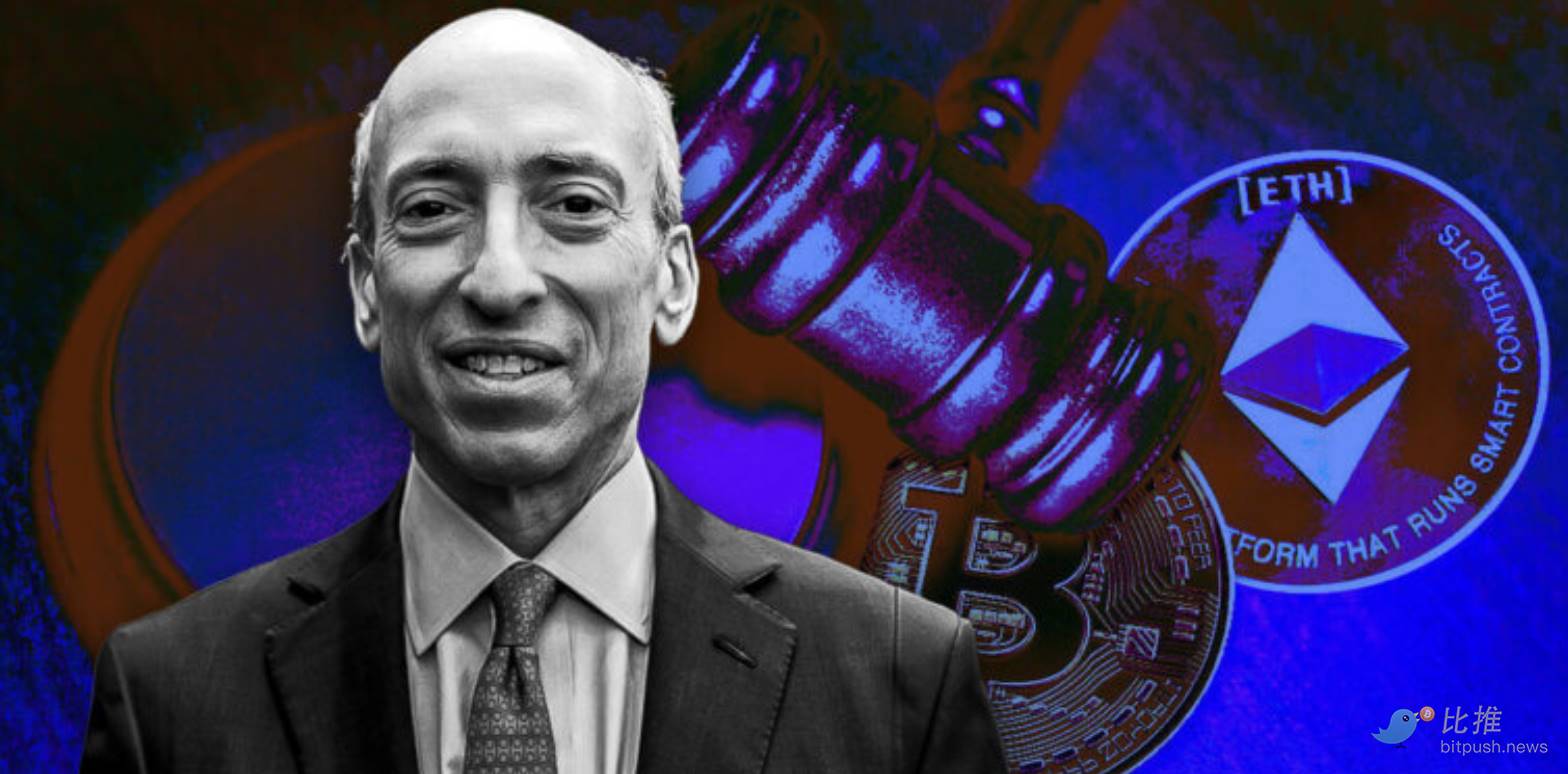
Although there are hints that a Trump-led administration might take fewer legal actions against crypto companies and allow them to innovate in peace, it’s too early to draw definitive conclusions. Particularly because Gary Gensler, the SEC chairman widely seen as crypto’s top adversary, has a term that extends until 2026. While Trump could replace him at any time, pleasing the crypto industry ranks far below dozens of other priorities.
What the industry truly needs is a commitment to sensible and clear cryptocurrency regulation. Beyond preserving the rights of miners and custodians, we need well-defined rules—such as clarity on what constitutes a security, how tokens and protocols can share governance and revenue with token holders, and how traditional institutions and financial entities can begin using and interacting with blockchain applications. These commitments are far more complex, but they are essential for the long-term success of cryptocurrency in the United States and globally.
While a potential Trump presidency may be bullish for Bitcoin—with some speculating that a victory could push Bitcoin to $100,000 by the end of 2024—the long-term outlook for the crypto industry remains largely unchanged. For Trump to truly earn the title of “crypto president,” he must first deliver on his promises and foster greater innovation within the blockchain space.
Join TechFlow official community to stay tuned
Telegram:https://t.me/TechFlowDaily
X (Twitter):https://x.com/TechFlowPost
X (Twitter) EN:https://x.com/BlockFlow_News
 比推 BitpushNews











