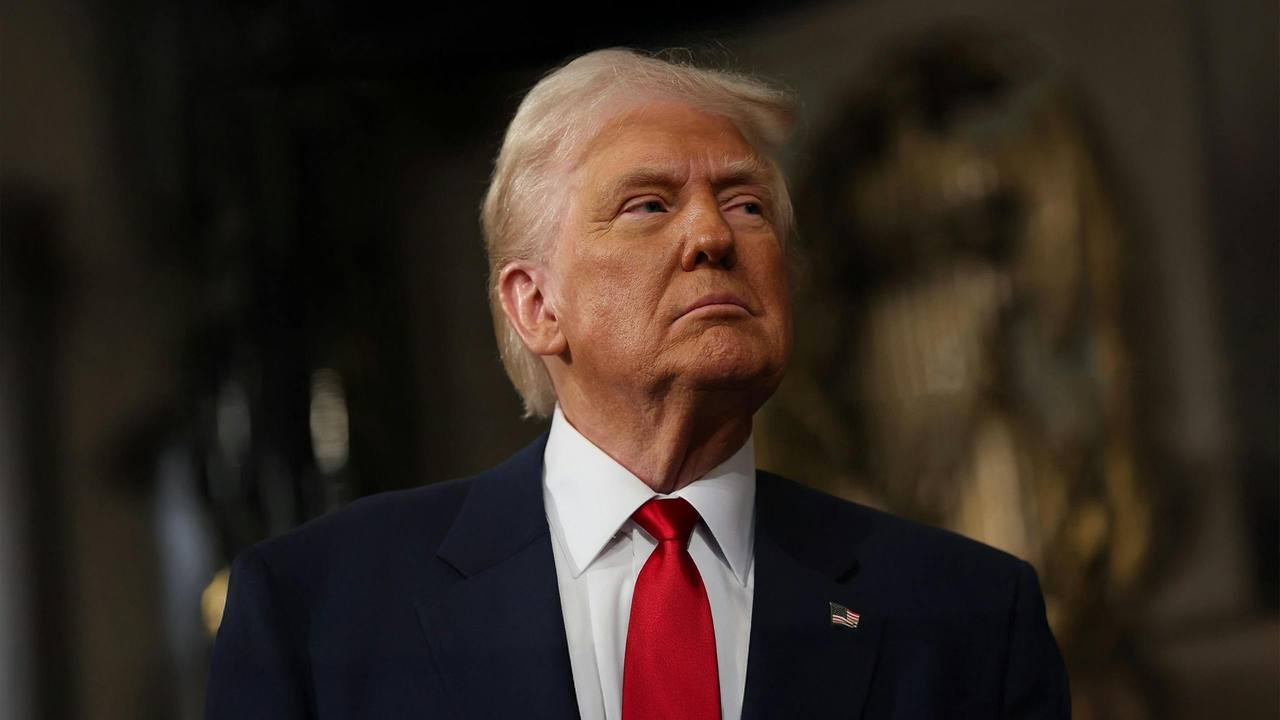
Trump's speech at the Bitcoin conference will mark a pivotal moment for cryptocurrency
TechFlow Selected TechFlow Selected
Trump's speech at the Bitcoin conference will mark a pivotal moment for cryptocurrency
Trump's personal attendance at the Bitcoin conference in Tennessee after being injured may have brought even greater impact.
 Navigating Web3 tides with focused insights
By: George Kaloudis
Translation: Baishuo Blockchain
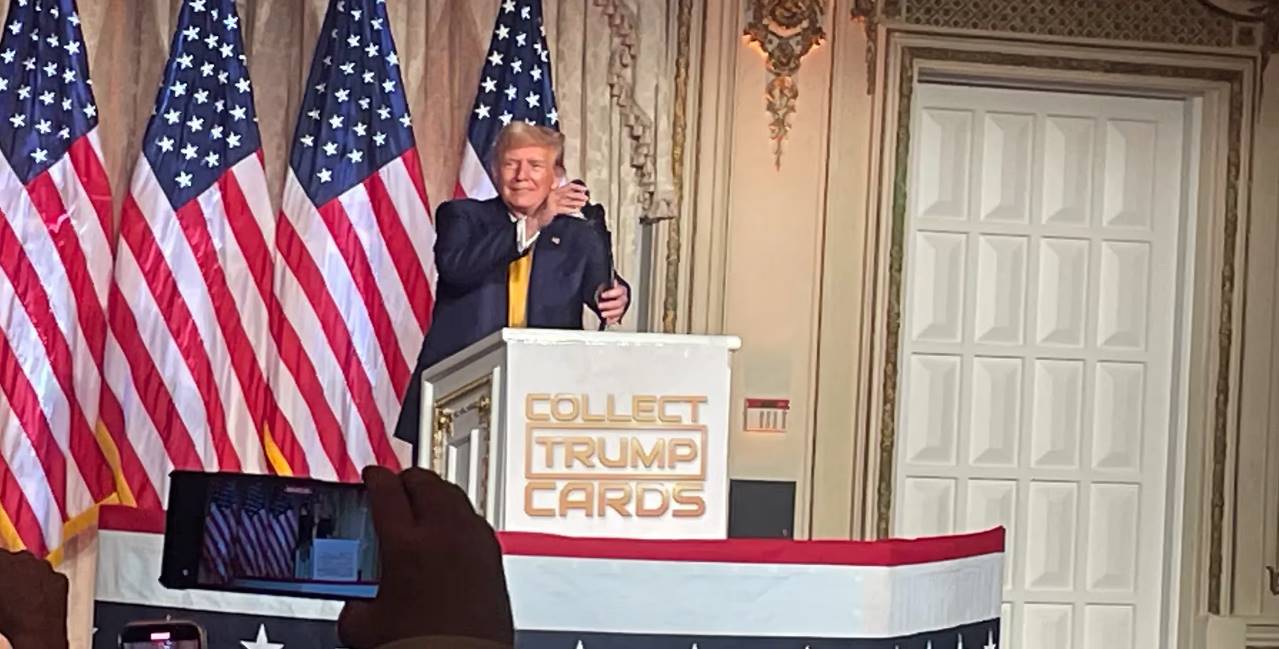
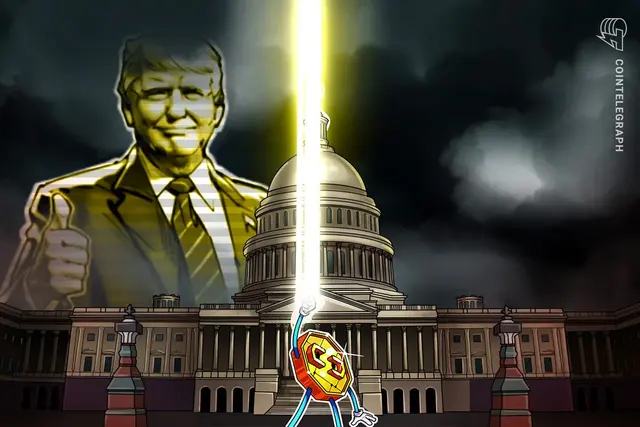
Former President Donald Trump still plans to personally deliver a speech at a Bitcoin conference in Nashville later this month, despite being injured in an attempted assassination last Saturday. For the crypto industry, this marks a significant moment. Cryptocurrency has now officially entered the political campaign stage—not merely as a casual mention aimed at appeasing a particular voting bloc or fundraising PAC on a given day, but as a concrete symbol of legitimacy the industry has long sought, embodied in a gathering centered around an orange coin.
I'm not a political strategist, but I’ve always found it odd that presidential candidates campaign in states they have no chance of losing. Trump—or any Republican candidate—simply cannot lose Tennessee in the 2024 presidential election (let’s be honest, folks: Joe Biden isn’t Bill Clinton). Yet, amid such a busy campaign season, Trump chose to stop by Tennessee for a Bitcoin conference just as candidates might give rallies in airplane hangars to appeal to military voters or stand in front of factories to win over American blue-collar workers.
Despite polls and data showing that most Americans don't use or hold cryptocurrency—7% of U.S. adults had used or held crypto in 2023 according to the Federal Reserve; 28% of Republicans have held or previously purchased crypto per Paradigm, an crypto investment firm; and Coinbase reports that 52 million Americans own crypto—cryptocurrency remains part of Trump’s re-election strategy. The Republican Party even lists crypto under "Support Innovation" in its official platform materials (in the unedited, downloadable PDF version), placing it above both "Artificial Intelligence" and "Expanding Freedom, Prosperity, and Space Security."
Republicans have been actively competing to become America's pro-crypto party. For example, Florida Governor Ron DeSantis and others have issued official statements opposing central bank digital currencies (possibly to appear anti-China and pro-capitalism). Another example is the House effort to overturn President Biden’s veto of a pro-crypto resolution, which resulted in nearly strictly partisan voting (with only one Republican opposed and cross-party support from 21 Democrats).
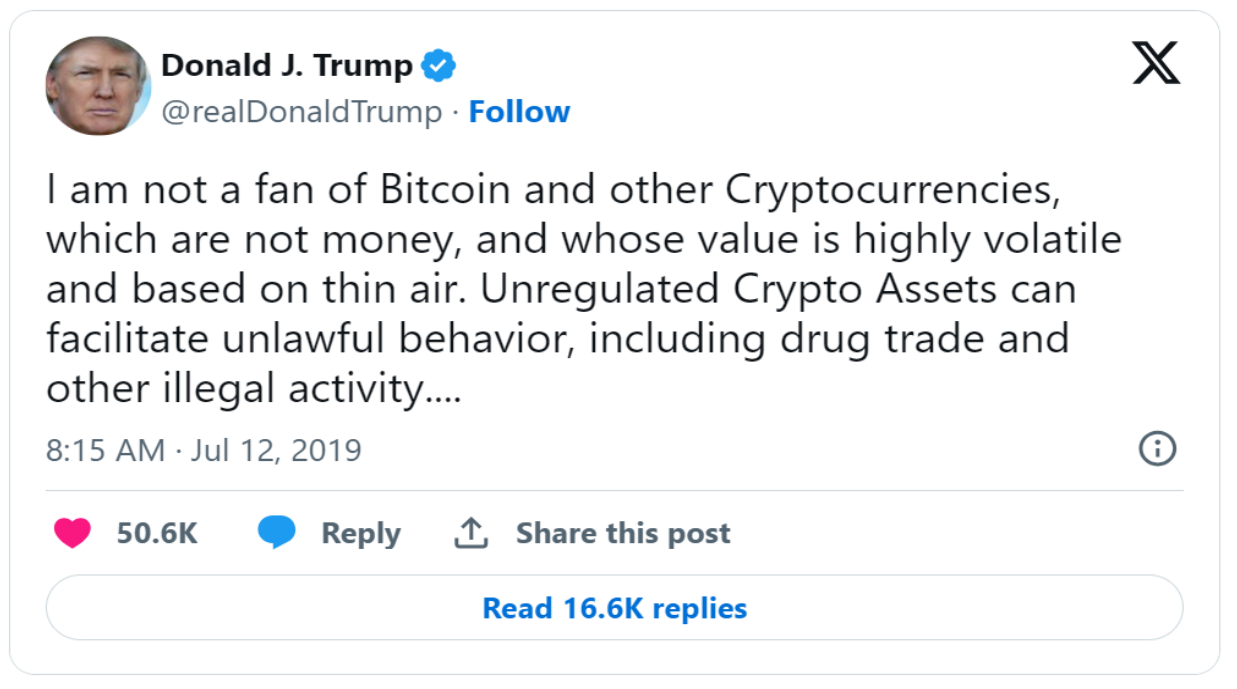
To me, in this election cycle, cryptocurrency has become one of the key issues embraced by Republican voters as a symbol of personal freedom, so much so that Trump has completely reversed his previous stance against crypto. In 2019, Trump tweeted: “I am not a fan of Bitcoin and other cryptocurrencies, which are not money and whose value is highly volatile and based on air. Unregulated crypto assets can facilitate illegal behavior, including drug trafficking and other illicit activities…” In 2021, during an interview with Fox Business, he called Bitcoin a scam against the U.S. dollar.
Yet earlier this year, at a dinner at Mar-a-Lago, he expressed support, saying: “…if you’re in favor of cryptocurrency, you’d better vote for Trump.”
Clearly, there are votes to be won—and Trump wants them.
Fifty million voters, one hundred thousand votes: things are about to get strange
We need a realistic and rational analysis. Suppose there are fifty million people who hold cryptocurrency, as Coinbase claims. Are they all single-issue voters? Of course not. Last year, Ryan Selkis, founder of crypto research firm Messari and an active social media figure, declared “war” on SEC Chair Gary Gensler and Senator Elizabeth Warren during an interview with CoinDesk’s Marc Hochstein over their anti-crypto positions. But he also acknowledged that not every crypto holder will vote for a pro-crypto candidate.
But candidates don’t need everyone to support crypto. As Selkis noted: “The outcome in certain states hinges on just tens of thousands of votes. So you don’t need all fifty million to be single-issue voters. You just need a few hundred thousand voting in the right places.” He’s absolutely right. I believe the 2024 U.S. presidential election will ultimately be decided by around one hundred thousand votes (of course, not total votes—I mean the net margin in pivotal swing states). Therefore, if a candidate wants to win, they must maximize votes in these critical areas.
Since President Biden appears uninterested in addressing or courting the crypto vote (in my view, a notable misstep, because supporting crypto, if done correctly, doesn’t alienate other voters), each single-issue crypto voter may end up voting for Trump and trying to influence those around them to do the same. Thus, it’s entirely reasonable for the Republican Party to see engagement with crypto issues as a valuable way to capture these decisive votes.
Moreover, this conference draws people from across the country to Tennessee. Trump won’t be speaking to Tennessee locals alone, but to a diverse national audience (dare I say, a symbol of decentralization? If we can get Bitcoin holders to vote…). The logic is sound. Cryptocurrency has clearly become mainstream. Even if crypto feels strange, American politics has always been strange. And the strangeness will continue: Secret Service agents patrolling a Bitcoin conference will feel odd; mainstream media outlets (not just their finance or tech reporters) covering the event will feel odd; when Trump again says he wants all remaining Bitcoin to be made in America, that will feel odd too.
I suppose when things get strange, the strange ones become professional.
Join TechFlow official community to stay tuned
Telegram:https://t.me/TechFlowDaily
X (Twitter):https://x.com/TechFlowPost
X (Twitter) EN:https://x.com/BlockFlow_News
 CoinDesk