Compliance considerations triggered by Trump's NFT project
TechFlow Selected TechFlow Selected
Compliance considerations triggered by Trump's NFT project
This article will examine compliance issues related to Trump-affiliated cryptocurrency projects and analyze case studies of KOLs and celebrities promoting cryptocurrency projects.
 Navigating Web3 tides with focused insights
Author: Aiying Aiying
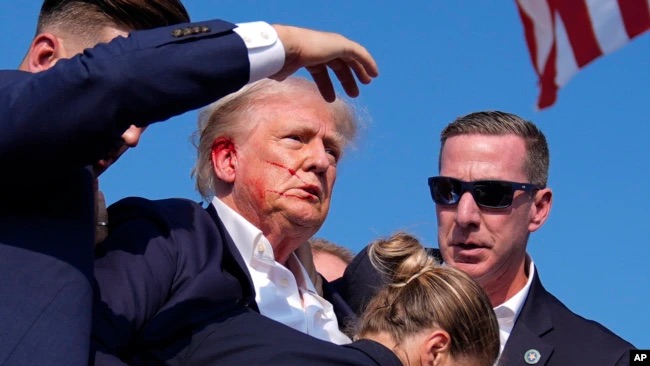
With the possibility of Donald Trump being re-elected as U.S. President, the future development of cryptocurrency and NFT markets has drawn widespread attention. During his first term, Trump left a strong impression with policies supporting financial market liberalization and business growth. His potential return could bring new changes and challenges to the crypto market. For details, see Aiying Aiying’s article from yesterday titled: “Gunshot Heard, Turning Point Begins”: Revisiting Trump's Love-Hate Relationship With Cryptocurrency, U.S. Crypto Regulation May Accelerate.
In recent days, following news of Trump's likely election win, the cryptocurrency market experienced a rally, with Bitcoin and other major cryptocurrencies climbing in price—reflecting market expectations and reactions to potential policy shifts. This article will examine compliance issues surrounding Trump-related crypto projects and analyze precedents involving KOLs and celebrities promoting crypto assets.
According to information gathered by Aiying Aiying, the SEC has been cracking down in recent years on undisclosed celebrity promotions. Influencers can rapidly disseminate information via social media, helping projects attract more investment. In March, Monad Labs completed a massive funding round at a $3 billion valuation, with venture firms like Paradigm participating. Some KOLs were able to invest at prices 20% below that valuation and could sell within months—unlike traditional equity investments that require multi-year lockups. This form of fast-track monetization appears highly attractive but has also attracted scrutiny from the SEC.
Key Regulatory Pain Points for KOLs Promoting Crypto Projects:
1. SEC regulations primarily focus on the Securities Act and the Investment Advisers Act, which require celebrities or influencers promoting securities to disclose any form of compensation. This ensures investors receive transparent information and aims to prevent misleading claims and potential fraud.
Such compensation may include, but is not limited to, the following forms:
1. Cash payments
The most direct form of compensation, referring to cash rewards received directly by the influencer.
2. Tokens or cryptocurrencies
Influencers may receive payment in the form of tokens or other cryptocurrencies. These tokens could be digital assets issued by the project or other types of digital currency.
3. Equity
Influencers might receive shares or equity in a company or project as compensation. This form is common during early-stage fundraising for startups and blockchain projects.
4. Other forms of financial benefit
Beyond direct cash or tokens, compensation may include any form of financial gain—for example, free products or services, future revenue sharing, or other economic benefits.
5. Contracts and agreements
Any compensation specified in written contracts or agreements—including one-time payments, recurring payments, performance bonuses, etc.—must be disclosed.
This rule requires anyone publicly promoting a security to disclose if they have received compensation, whether directly or indirectly. The goal is to protect investors and ensure market transparency and fairness.
However, Aiying Aiying notes: In cases where no compensation is received, if an influencer hasn’t accepted any form of payment and is simply promoting a project based on personal investment, interest, or belief, they generally are not required to disclose a financial relationship. In such cases, their promotion is largely seen as personal opinion or recommendation. (This is partly why Trump and Musk-related projects haven't yet come under regulatory scrutiny—more on this later.)
2. Market Manipulation
1. Under the Securities Act and the Commodity Exchange Act, market manipulation is illegal:
-
Securities Law: If a cryptocurrency is deemed a security, the SEC has jurisdiction. If it isn’t classified as a security, the SEC may struggle to act directly against market manipulation.
-
Commodity Law: Even if not considered a security, cryptocurrencies may still be treated as commodities, allowing the CFTC to investigate market manipulation under the Commodity Exchange Act.
2. Whether an action constitutes market manipulation depends on several factors:
-
Intent: If actions by Musk or Trump are seen as deliberately using misleading information or manipulative tactics to influence prices for personal profit, they could be deemed market manipulation.
-
Actual financial gain: If it can be proven that Musk or Trump profited economically from these actions, regulators may launch further investigations.
Overview of Crypto Projects Related to Trump and Other KOLs
1. Trump-Related Projects
1. TrumpCoin
This cryptocurrency was created to support Trump and his agenda but has never been officially endorsed by Trump or his team. Launched in 2016 to back Trump’s policies and initiatives, TrumpCoin has even prompted public statements from the Trump family denying any affiliation and threatening legal action.
2. Trump NFT Launch and Promotion
Trump has indeed participated in the issuance and promotion of NFTs (non-fungible tokens). Key points include:
-
Trump Digital Trading Cards: Since December 2022, Trump has released multiple NFT series leveraging his name and image, including a “Mugshot Edition” that sold out shortly after launch.
-
Revenue and Financial Disclosure: According to financial disclosure filings from the U.S. Office of Government Ethics, Trump earned significant income—from $100,000 to $1 million—from these NFT sales through the CIC Digital project. This level of disclosure complies with requirements under the Securities Act and Investment Advisers Act, shielding him from SEC scrutiny.
2. Precedents Involving Other KOLs:
In recent years, the SEC has taken multiple enforcement actions against celebrities who promoted cryptocurrencies without disclosing paid arrangements, resulting in several rulings and settlements. Below are key cases compiled by Aiying Aiying:
1. Kim Kardashian
Kim Kardashian was charged by the SEC for promoting EthereumMax (EMAX) tokens without disclosing she had been paid, violating Section 17(b) of the Securities Act. She agreed to pay $1.26 million in penalties and disgorgement and pledged not to promote any crypto asset securities for three years.
2. Floyd Mayweather and DJ Khaled
In 2018, Floyd Mayweather and DJ Khaled were charged by the SEC for failing to disclose compensation received for promoting ICOs. Mayweather was fined over $600,000, while DJ Khaled paid over $150,000.
3. Paul Pierce
Former NBA player Paul Pierce was charged by the SEC for promoting EMAX tokens on Twitter without disclosing compensation. He was fined $1.4 million and agreed not to promote any crypto asset securities for three years.
4. Justin Sun and Eight Celebrities
In 2023, the SEC sued Tron founder Justin Sun, his companies, and eight celebrities—including Lindsay Lohan, Jake Paul, Soulja Boy, and Akon—for failing to disclose compensation received for promoting Tronix (TRX) and BitTorrent (BTT) tokens. Most of the celebrities agreed to settle, collectively paying over $400,000 in fines.
Aiying Aiying’s Takeaway: The SEC has taken strict enforcement actions against celebrities who fail to disclose paid crypto promotions. Public figures and influencers must openly declare their financial relationships when endorsing crypto assets to avoid legal risks.
Join TechFlow official community to stay tuned
Telegram:https://t.me/TechFlowDaily
X (Twitter):https://x.com/TechFlowPost
X (Twitter) EN:https://x.com/BlockFlow_News
 Aiying Compliance