Arthur Hayes Podcast Transcript: On Dogecoin, Aptos, the Federal Reserve, and the Biggest Risks in This Market Cycle
TechFlow Selected TechFlow Selected
Arthur Hayes Podcast Transcript: On Dogecoin, Aptos, the Federal Reserve, and the Biggest Risks in This Market Cycle
Arthur emphasized the strategy of holding Bitcoin and altcoins, and shared his family office's successful experience with the Ethena project and the liquid staking token ecosystem.
 Navigating Web3 tides with focused insights
Compiled by: Wu Talk Blockchain
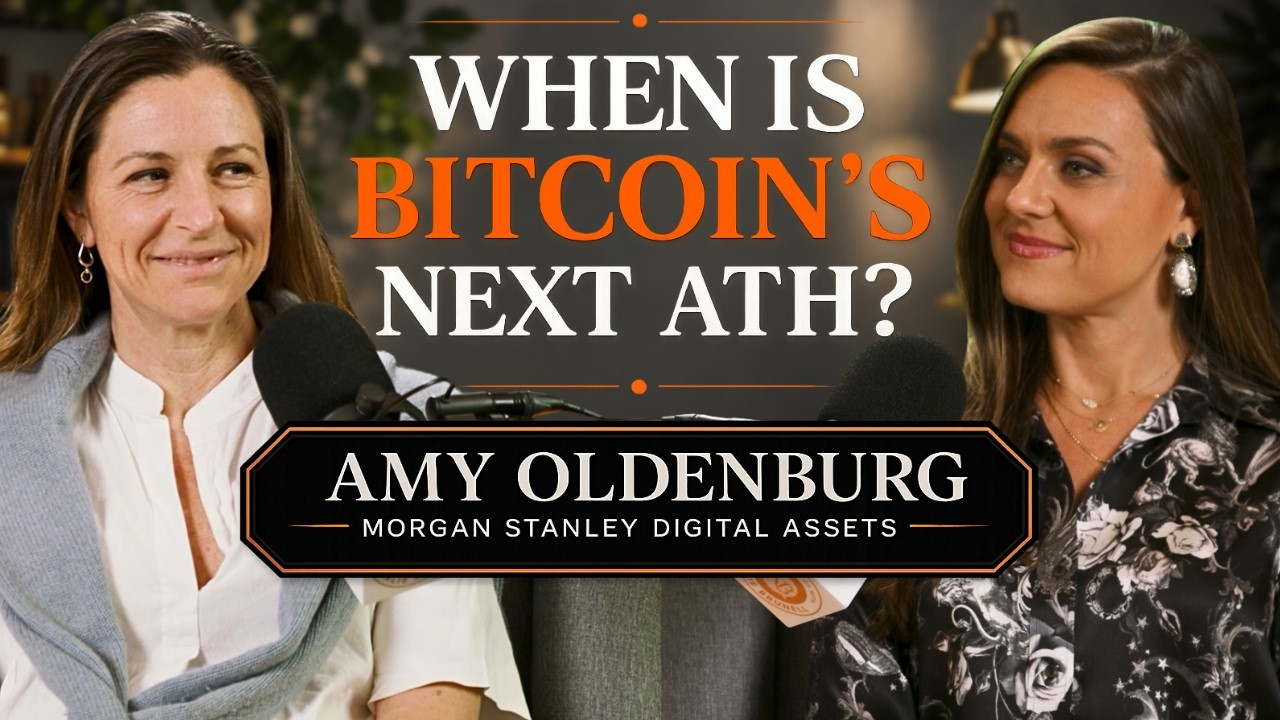
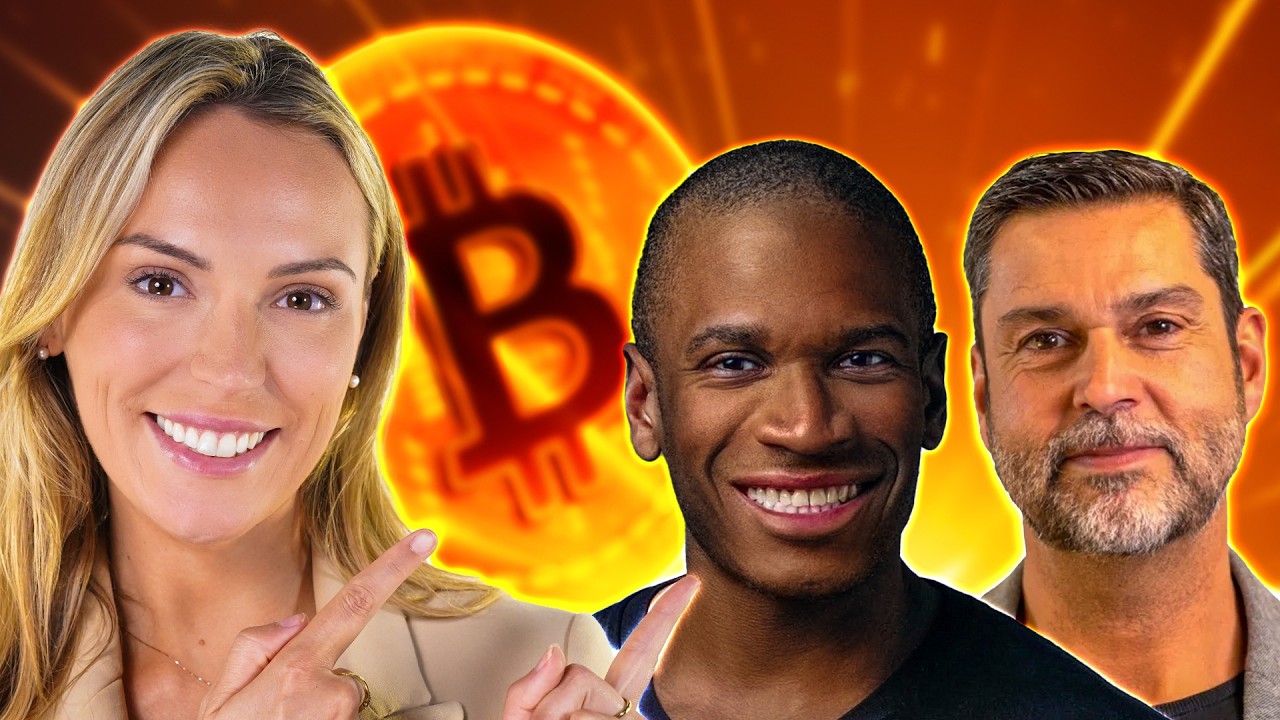
Recently, Coin Bureau hosted a deep conversation between Arthur Hayes and Raoul Pal, discussing market risks, aggressive investment strategies, and annual predictions. Arthur emphasized holding Bitcoin and altcoins, sharing his family office’s success in the Ethena project and liquid staking token ecosystem. Raoul shared his investments in Solana and high-end NFTs, noting that doing nothing might be the best strategy this year. They also explored memecoins’ cultural value and market potential, predicted Dogecoin could receive an ETF, discussed the impact of the U.S. election on markets, and examined future risks.
Note: The views expressed by Arthur below are highly subjective and do not represent Wu Talk's opinions. Readers should invest cautiously and strictly comply with local laws and regulations.
Investment Strategy Insights: Hold Firmly, Don’t Panic; Inaction Is the Best Action
Arthur: My investment strategy is simple—hold, don’t sell, don’t get scared, and avoid excessive leverage. Everyone knows what they should do, but we usually don’t do it because YOLO (You Only Live Once) is fun. But ultimately, it’s straightforward. If you believe central banks and governments are deeply indebted, will continue borrowing, printing money, and distributing welfare to buy votes or public support, then cryptocurrency is the answer. Clearly, Bitcoin is the pioneer—I hold a large amount. Then, when you move along the risk curve seeking higher potential returns, you enter the altcoin space.
For our family office, the standout performer has been Ethena—their team excels at creating synthetic dollars aiming to replace Tether and USDC. Ethena now has around $3 billion in circulation, making it the fourth-largest dollar-pegged stablecoin. I believe this is our top move this cycle, and we’re only just beginning. The impact of Ethena on the ecosystem is only starting to unfold. Second would be Ethereum and the entire liquid staking token ecosystem. EigenLayer is clearly launching later this year. We have many other investments in that vertical. So these two are the key highlights in our portfolio for this cycle.
Raoul: Inaction is the best action. About 90% of my holdings are in Solana—it’s been the best-performing asset this cycle. The only meaningful action I took this year was selling part of my position when Solana rose from $150 to $200, then started buying high-end NFTs. I bought nearly every Beeple piece available, then all the X Copy works I could afford, building a long-term portfolio. These were cheap at the time. My view is that the market cap in this space will grow from today’s $2.5–3 trillion to $10–15 trillion by the end of this cycle, reaching $100 trillion by 2032. That means $97 trillion in wealth creation from now—that’s the fastest wealth accumulation in history. Even if I’m wrong, it’s still $50 trillion in wealth creation—equivalent to the entire historical market cap of the S&P 500. Massive wealth will be generated here and will circulate within the ecosystem.
People will buy luxury real estate, but many won’t leave the space—this wealth will circulate internally, whether through venture capital or application-layer opportunities. But fundamentally, people chase symbolic assets. That’s why I’ve been buying as many symbolic assets as possible—I believe this is the last chance to acquire them at these prices.
What Is the “Banana Zone”? How Does It Affect Cryptocurrency?
Raoul: We’re entering the “Banana Zone”—a concept Arthur and I often discuss. This is a highly cyclical phase when liquidity floods the market and central banks need to refinance all debt by appeasing the public with “candy.” During this period, cryptocurrencies typically surge vertically. Driven by macroeconomic forces behind debt refinancing cycles, all asset prices rise—but crypto performs especially well. The simplest approach? Don’t mess it up. Maintain a core portfolio, allocating most assets to major cryptocurrencies. If you get the rest right, you can earn substantial returns from the 10–20% of your portfolio allocated to higher-risk, higher-reward assets.
Looking back at the classic “Banana Zone” in the last cycle, Solana, Avalanche, Luna, and Matic all performed exceptionally. Within one year, these four tokens delivered astonishing returns. We’ll see a repeat. Who will it be this time? I don’t know yet. But that’s part of the game—and the fun. You can take bold risks and feel like you’ve truly captured opportunity, while most of the time, you're simply waiting patiently.
Why Are Memecoins So Popular? What Value Do They Have?
Arthur: I believe memecoins are here to stay and will become even wilder as more money gets printed. I spend a lot of time in Singapore—a small, socially homogeneous place. Whenever I walk through shopping districts like Orchard Road, I always see locals queuing outside Chanel, LV, and Gucci stores. These mainstream luxury brands have constant lines—people wait hours to buy items priced at several thousand Singapore dollars, repeatedly. So if people are willing to queue for leather goods with LV logos, they’ll certainly sit in front of computers trading any hot memecoin.
You don’t need to understand crypto—just like you don’t need to understand fashion. People like it, I like it—it’s very human. So I think memecoins will remain, especially since they’re the easiest thing for newcomers to grasp. Oh, it’s a cool picture, a funny joke I understand, everyone’s in on the joke, and I can profit from its spread—okay, I’ll buy this memecoin.
I don’t need to understand blockchain, AI, cryptography—none of the underlying tech. I just need to recognize whether it’s a cool cultural trend. I already do the same in real life—when I queue for hours to put a brand logo on my chest by buying expensive products. So observing human behavior, why do the world’s richest people own luxury brands? Memecoins are the luxury brands of crypto. They’re easy to access—you don’t need to wait in line. You just buy online, assuming Solana’s system works. Anyway, you can quickly purchase them on decentralized exchanges. So I believe memecoins are crypto’s luxury brands—and that won’t change.
Raoul: Yesterday I had coffee with Jupiter’s Miao—we talked about this. The interesting thing about memecoins is their utility is either zero or minimal. Bonk has some utility, Shiba Inu has some too, but their real cultural value lies in attention. Attention is upstream of everything—it’s easy to understand. You don’t need to value them, just determine whether they capture attention, whether that attention lasts, and whether owning them gives you a certain feeling or status. It’s the same as LVMH’s Louis Vuitton bags, fine wines, or internet memes you share. These are all forms of concentrated attention.
Sharing This Year’s Market Strategies and Future Predictions
Raoul: I haven’t done much—I simply don’t have time. Most aggressive moves are based on attention, and I don’t have enough attention to allocate because I’m too busy. So I keep things relatively simple. I hold Bonk and Doge because I still think Elon might do something with Doge—that’s it. I watch the space, everyone reads Ansem’s tweets trying to figure out what’s happening, but I just don’t have the bandwidth to focus on these things. So you actually need some knowledge to trade them effectively.
Arthur: My leisure activities include running around tennis courts or skiing down slopes. So I don’t have attention to spare figuring out which dog coin is hottest. I do hold some Dogecoin, and I believe Dogecoin will get an ETF before this cycle ends. It’s the original memecoin and trades on Robinhood. For institutions considering crypto exposure, they’ll apply ETFs to anything with high market cap and longevity—and Dogecoin is one of the earliest memecoins.
How Likely Is a Dogecoin ETF?
Raoul: Last week I spoke with VanEck’s Yan—I told him he must apply for a Dogecoin ETF. He said he wants to make sure he doesn’t go to prison first. I said, you’re fine—Dogecoin has existed for so long, and it outperforms Bitcoin in every cycle, which is remarkable. So I’m pushing hard behind the scenes, but I haven’t convinced Yan yet. Still, I’ll keep trying. Either Hunter Horsley or Yan will cross that line. It probably won’t be BlackRock, but we’ll try.
Which Memecoins Might Succeed?
Arthur: Regarding memecoin narratives, I think many are too specific. Political memecoins may be amusing briefly but lack lasting cultural value. When you talk about a meme like dogwifhat, whether you’re Korean, Chinese, American, or Argentinean, it’s universally funny. But if you bring up U.S. politics, you might offend half of Americans, and 95% of the rest of the world won’t care. So I believe many memes are too narrow to resonate globally. Anyone who creates a global memecoin—one that’s inclusive, non-offensive, and entertaining—will succeed.
Raoul: Singapore is actually a great testbed for narratives because it has a culturally diverse Asian audience. Asians love gambling and memecoins. They’re big buyers of Dogecoin and other dog-themed coins. You just need to see if a narrative resonates here—they don’t care about Trump or U.S. politics. They want something that transcends cultural boundaries.
How Might the U.S. Election Impact Markets? How to Protect Yourself and Leverage Volatility?
Raoul: In my view, it won’t have much impact.
Arthur: The candidates are essentially the same—both backed by interest groups. After the election, money printing continues regardless. So whether it’s large-cap tech stocks or crypto, performance will remain strong. There might be some volatility—especially around Trump’s legal rulings—but ultimately, whoever wins will print money. So I don’t think it matters much. They’ll both vote for war budgets. The U.S. economy exists for war. So it’s all the same—the only difference is which candidate you prefer. I don’t care about their slogans. I know they’ll both print money, so any investment strategy working now will keep working after the election.
Raoul: Any volatility might come from a candidate dropping out or violent incidents. But the end result is money printing. So U.S. election years and the following year are typically very positive for risk assets because everyone’s buying votes.
Arthur: The Fed isn’t independent anymore. It’s a myth. In reality, the Treasury controls the Fed—Janet Yellen holds the real power. She can do whatever she wants, while Jerome Powell is essentially powerless. The Treasury is in charge, pulling strings behind the scenes. If you read some Fed research papers—like the Atlanta Fed’s recent one on central bank swaps—they’ve been consistently supporting international dollar borrowers. That paper details every instance where the Fed printed money and handed it to foreign institutions.
Raoul: Following Arthur’s point, there’s indeed a global shortage of dollars. We’ve lost major U.S. banks and Switzerland’s giant banks—the dollar shortage is worsening. Yellen visited China twice—her mission was to sell bonds. China is willing to buy, but lacks dollars, so we must find solutions. G20 or G7 meetings will likely arrange mechanisms to ensure sufficient dollar liquidity globally. Since 2008, central bank independence has been largely illusory. Central banks worldwide lack real autonomy—Japan’s central bank and treasury ceased being independent in the 1990s.
What Are the Main Risks in the Current Financial System vs. the Crypto System?
Raoul: To me, there’s a risk that isn’t obvious. The biggest risk is a ridiculous bubble forming within the next three years—something like the 1999 dot-com bubble. It could cause massive overvaluation followed by a sharp correction. That’s the greatest danger.
Arthur: In the last cycle, the biggest risk was credit issues with centralized counterparties. Usually, we in crypto love decentralization, but to make money, we engage in centralized activities—and those centralized entities eventually blow up because their business models aren’t compatible with decentralized assets. This keeps happening. So how might this cycle evolve? What centralized entities do we currently trust and rely on to drive the market? ETFs, fund managers—what do they do? Custody assets, mostly through Coinbase and a few banks. If new regulations pass, we could see hundreds of billions—or even trillions—of dollars in crypto assets held by fewer than 20 companies, possibly custodied by less than five institutions.
If you’ve worked in banking, you know the lowest-paid people often have the most critical jobs—handling forex reconciliation or ensuring stock settlements in the back office. Now consider traditional financial institutions moving into crypto custody. They want in because they see Coinbase earning huge fees from BlackRock and others, and regulations require third-party custody. Regulators might force you to use big players like BNY Mellon. So now vast amounts of crypto sit with these firms, managed possibly by someone earning $50,000–$60,000 annually—overworked, undervalued, and clueless about cybersecurity. It’s not their money. If I were to hack crypto, I’d target these U.S. custodial banks—cybersecurity is an afterthought. They have no idea what they’re doing because they’ve never held such assets before. If they lose funds, they can’t turn to the Treasury or Fed for bailouts. In crypto, no one can create new Bitcoin or Ethereum to cover losses. So if I assess risk, this is a 2–3 year threat: a major crypto custodian gets hacked, losing $50–100 billion in crypto—that could end the cycle.
Raoul: It probably wouldn’t be Coinbase—they understand the game. But newer entrants may not grasp the complexity of these assets. Another risk for me is the derivatives market—the entire crypto options market is almost entirely concentrated on one derivatives exchange. This poses danger as many users rely on this single centralized platform. If it fails, we face serious problems. We need more options exchanges and platforms to diversify risk, especially as derivatives usage grows. We don’t know who’ll ultimately bear the risk when the market explodes.
Arthur: On options, there’s an interesting trend—zero-day options are extremely popular. Strangely, the CBOE (Chicago Board Options Exchange) resisted launching zero-day options for years because they couldn’t implement real-time margining. When you sell zero-day options, you’re exposed to virtually unlimited upside risk. Despite broker demands—because these products are highly profitable for retail—the CBOE held off. Imagine if they launched Bitcoin or Ethereum zero-day options and Bitcoin surged 50% in a day. All market makers would face intraday margin calls, and the CBOE would be completely unprepared. That could trigger a market collapse.
Raoul: These aren’t predictions—just clarity. These are potential risk points we see, not claims that any specific company will fail. At the end of every cycle, someone blows up—we just don’t know who. If you leveraged a 70% volatility asset, you will blow up—it’s guaranteed.
What Undiscovered Investment Opportunities Exist? Which Projects Are Promising?
Raoul: I try to do nothing. One thing I watch closely is the Bitcoin-to-Ethereum exchange rate. If it starts rising, it may signal the start of an altseason. So my focus is the “Banana Zone,” where you make the big gains. Even if you do nothing, you don’t want to lose your tokens during this phase.
Arthur: I believe Aptos could become the second-largest Layer 1 and surpass Solana within this cycle. This prediction spans 1–3 years—I’ll share more details in September this year.
Raoul: I have a different view—I work with the Sui Foundation, and I believe the Move protocol is a major narrative. We can discuss this further. I’m also very interested in upcoming primary Layer 1 projects because trading them during the “Banana Zone” is highly profitable. In past cycles, such trades generated massive returns—and this time will be no different. Most of these tokens have already rebounded from lows. They launched at suboptimal times in the previous cycle, but current market conditions favor some of them. I’m not sure exactly which ones, but consider projects like Celestia, Monad, and others.
Join TechFlow official community to stay tuned
Telegram:https://t.me/TechFlowDaily
X (Twitter):https://x.com/TechFlowPost
X (Twitter) EN:https://x.com/BlockFlow_News
 @coinbureau