








Coinbase Summit Attendee Notes: Why Are Institutional Investors Confident in Cryptocurrencies?
TechFlow Selected TechFlow Selected
Coinbase Summit Attendee Notes: Why Are Institutional Investors Confident in Cryptocurrencies?
If you don't buy cryptocurrency, it's equivalent to shorting the market.
 Navigating Web3 tides with focused insights
Author: Yano
Translation: TechFlow
Spent the day at Coinbase's State of Crypto summit.
Many pension funds, endowments, brokerages, asset managers, banks, and others attended—and left feeling very optimistic.
Jotted down quick notes from several sessions—here’s what stood out:
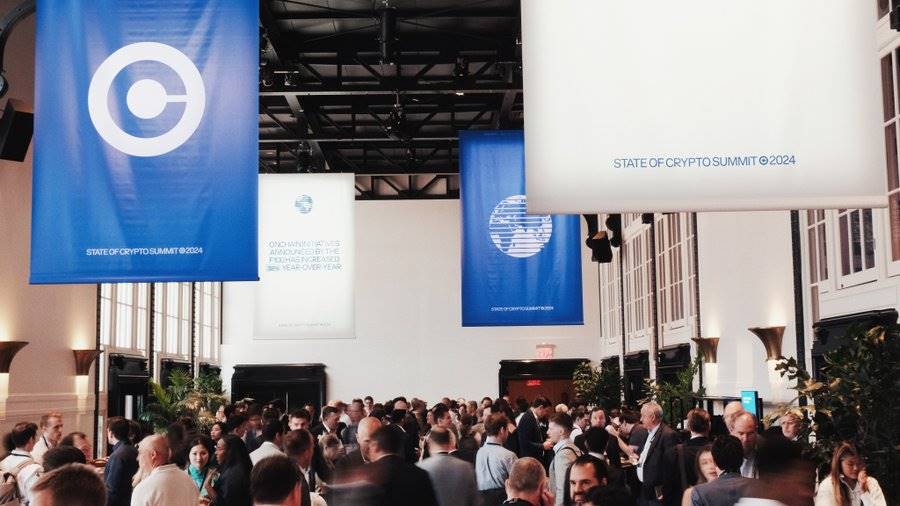
Brett Tejpaul (Head of Institutional) opened the event.
-
There is a generational wealth transfer of $70 trillion from older to younger generations. 90% of younger generations are disillusioned with the financial system.
-
One-third of the world’s top 100 hedge funds have already joined Coinbase.
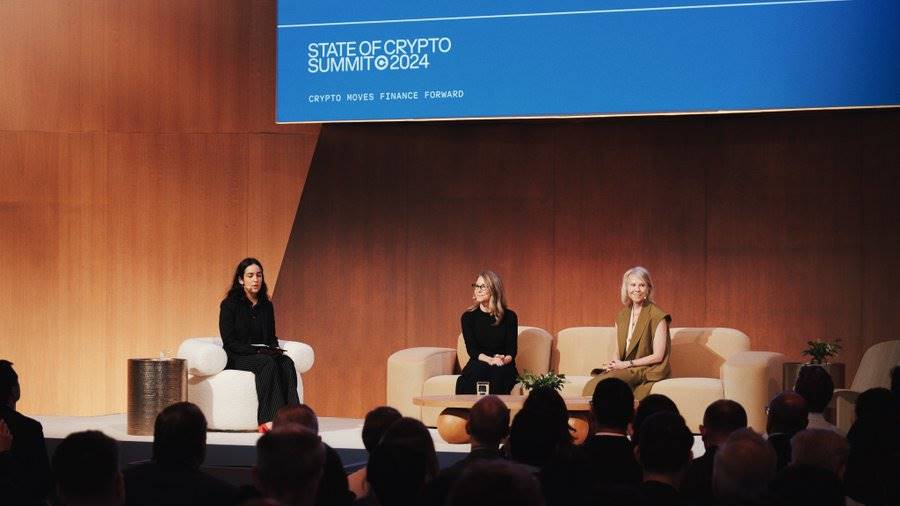
First panel with Alesia Haas (CFO of Coinbase) and B (Chief Information Officer for ETF/Index Investing at BlackRock)
An excellent panel—possibly my favorite.
Samara:
-
Five years ago, someone suggested launching a Bitcoin ETF—it was dismissed as unnecessary. Now institutional demand has forced them to do it.
-
Today, 80% of their Bitcoin ETF purchases come from self-directed investors through their own brokers. The wave of institutional capital remains massive.
-
Financial advisors remain cautious—but that’s their job.
-
Can’t comment on Ethereum ETFs as filings are still active.
-
Excited about tokenization. Native crypto asset management firms are seeing growing demand for tokenized funds (e.g., tokenized money market funds).
-
We’ve seen digitization of every asset. Now we’ll see tokenization of every asset.
-
Tokenized Treasuries shouldn’t compete with stablecoins. Stablecoins are for payments. Money market funds are liquidity investment strategies.
-
A few years ago, we thought private permissioned blockchains would lead. Now we realize public blockchains are better—we don’t want fragmented liquidity.
-
Crypto has a branding problem. The term “RWA” means something entirely different in banking circles. It also implies crypto isn’t real-world assets. We need to stop using “RWA.”
Alesia:
-
40% of institutional clients adopted 3+ products in Q1.
-
$12 billion net inflow in 3 months—the fastest growth rate in history.
-
Both Coinbase and BlackRock have many clients waiting for regulatory clarity.
-
Does Coinbase support Trump? We support the 52 million Americans who hold crypto—they can vote however they choose.
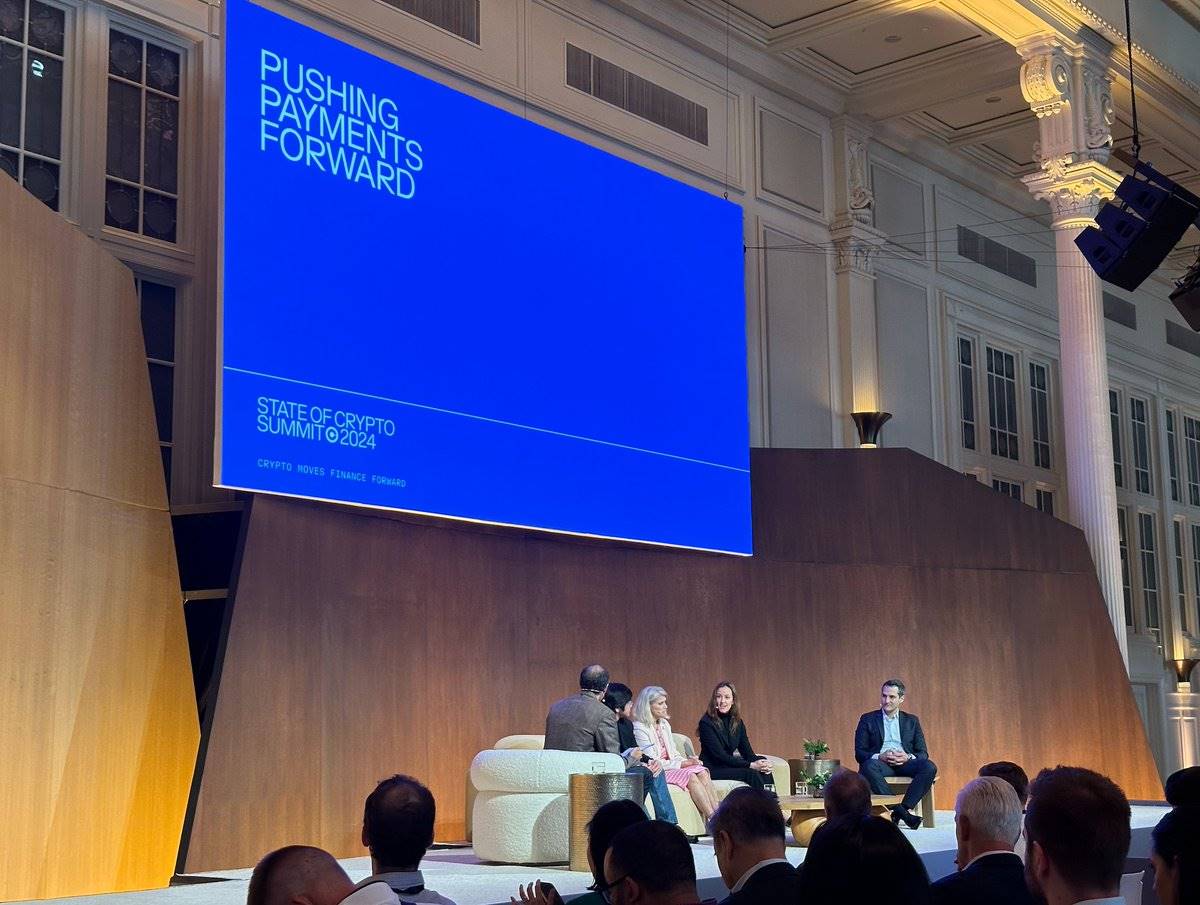
Payments Panel with St. Jude, PayPal, EY, Google, and OpenAI
Google takes crypto seriously—they think everyone else is “asleep,” and many aren’t paying enough attention.
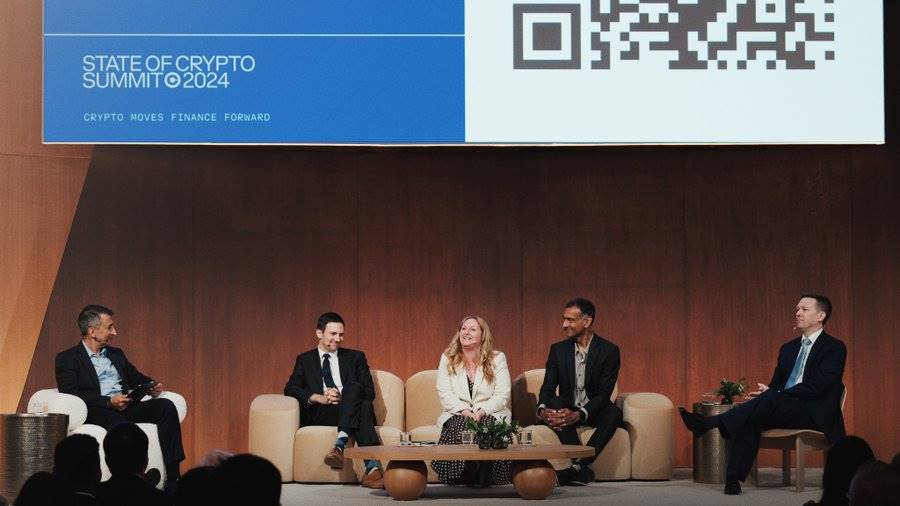
Regulatory Panel
-
Much of Coinbase’s progress has been driven by litigation—finally seeing momentum in Congress today.
Simon O'Brien, ADGM
-
Abu Dhabi. In 2018/2019, we leaned in. We thought if we got it wrong, our investor community would be upset. After publishing rules, we made minimal changes. For regulators, consistency matters more than frequent revisions—always improve, but don’t flip-flop.
-
Risk exists when regulators issue rules and then change them every 12 months.
-
The only way to build good regulation is through industry engagement.
-
Regulators fail when they set rules but lack strong operational teams or sufficient funding.
-
Entering an election season with 4B people.
-
Crypto is front and center on the agenda—and will stay there.
-
There’s renewed recognition that crypto will be part of the global economy.
Lisa Cameron
-
Crypto helps those left behind by the financial system—and is now more important than ever to politicians.
Engaging conversation with @brian_armstrong (Coinbase CEO) and @CathieDWood (Cathie Wood)
-
This is the biggest economic revolution of my lifetime. As significant as AI—and crypto and AI will likely converge.
-
Economic freedom is the foundation of global progress. We aim to increase economic freedom worldwide.
-
Our biggest obstacle is regulatory clarity.
-
Brian just returned from Washington—Senators are excited about advancing crypto legislation.
-
There’s a turf war between the U.S. Commodity Futures Trading Commission and SEC. We believe investment contracts are securities, tokens are commodities. Congress needs to step in and act.
-
Retail led this industry—but institutions are now arriving.
-
56% of Fortune 500 companies are developing on-chain products.
-
Regulatory clarity will raise institutional adoption from 1–2% to 5–10%.
-
Cathie noted ETF flows are mostly retail-driven because platforms aren’t yet approved (interestingly, same as BlackRock).
-
We haven’t seen real ETF demand yet—firms like Morgan Stanley and UBS haven’t started pushing.
-
Brian said the most exciting thing for the company right now is Base.
-
Also exciting: derivatives and our smart wallet (making onboarding easier).
-
Crypto started as an asset class but is shifting toward real-world utility.
-
Centralized exchanges will do well for a while—but it’s only a matter of time. Everything will be peer-to-peer, no middlemen, all on-chain.
-
Coinbase will move our products on-chain.
-
Payments flow like water—toward least resistance.
-
We aim for adjusted EBITDA to be positive in any market. That means shifting from transaction fees to subscription and service fees—which are more predictable.
-
Driving innovation while drastically cutting costs.
-
The final big piece is international expansion. Currently 17% of revenue. We’ve selected 10 markets to go deep on.
-
In Q1, international grew faster than U.S. business.
-
With self-custody wallets, we now have a “wide moat” strategy.
-
A generation growing up today will never have a bank account—their phone is their wallet.
-
While Coinbase as a company won’t disrupt giants like Visa—we’re building and participating in protocols that can.
CIO Perspectives
Sebastian (Coinbase Asset Management)
-
Coinbase: This is the first true institutional cycle.
-
As an industry, we’ve poured $50B into venture capital—next comes hedge fund participation.
-
Due to lack of regulatory standards, there’s still no uniform valuation framework—inefficient markets make valuation discussions difficult.
-
RWA is a poor term.
-
Eventually, all assets will run on crypto rails—fully exposed to crypto assets.
-
Every pension fund has a Digital Assets Working Group (DAWG). First attempts failed—but second chance is here. Adoption expected by 2025.
Matt Halstead (Teacher Retirement System of Texas)
-
Crypto is simply a new form and standard for moving things.
-
Crypto merges communication networks and financial networks.
-
Allocating capital to emerging tech is uncontroversial—but branding issues make people hesitant to say “crypto.”
-
Discussing crypto going to zero is misplaced—focus instead on liquidity and velocity. Crypto offers 10x upside with 25–50% downside risk—an extremely rare opportunity globally. Institutions will recognize this.
-
Conflating tokens with crypto and Bitcoin harms brand perception.
-
Biggest challenge for institutional investment: outdated advisors and portfolio structures.
-
Expect 5% adoption within five years, 100% long-term.
Blue Macellari (T. Rowe Price)
-
Bitcoin is the first money people encounter—but also the hardest to understand. We started with the hardest.
-
ETFs brought crypto into mainstream conversation.
-
Not buying crypto is equivalent to shorting the market.
-
Conversation has shifted from “why” to “how.”
-
1% allocation is inadequate—should be higher, perhaps 3% or more. Requires psychological adaptation—a paradigm shift.
-
If someone says blockchain is great but tokens are scams—that’s cognitive dissonance.
-
Internally, some still say it’s a Ponzi scheme or only for illicit activity. Others find it interesting but exclude it due to lack of cash flows in traditional models.
-
When Soros shorted the pound and broke it, we didn’t call it the end of the pound.
-
Institutional investors are overallocated to venture—now focus is shifting to liquid assets.
-
Most institutions are effectively short crypto—they have the capacity to buy but aren’t.
-
On valuing Bitcoin: Bitcoin provides a store of value without reliance on governments or existing institutions—no different from services offered by any company. Higher demand = higher value.
-
We hold 20,000 meetings annually. The slide saying “crypto isn’t blockchain” used to be most common—haven’t used it in years. That’s progress.
-
We used to talk about 1% allocations. Now we discuss 3–5%.
-
Many start with venture due to career risk or not knowing how to research tokens. Illiquid and liquid returns will begin to diverge.
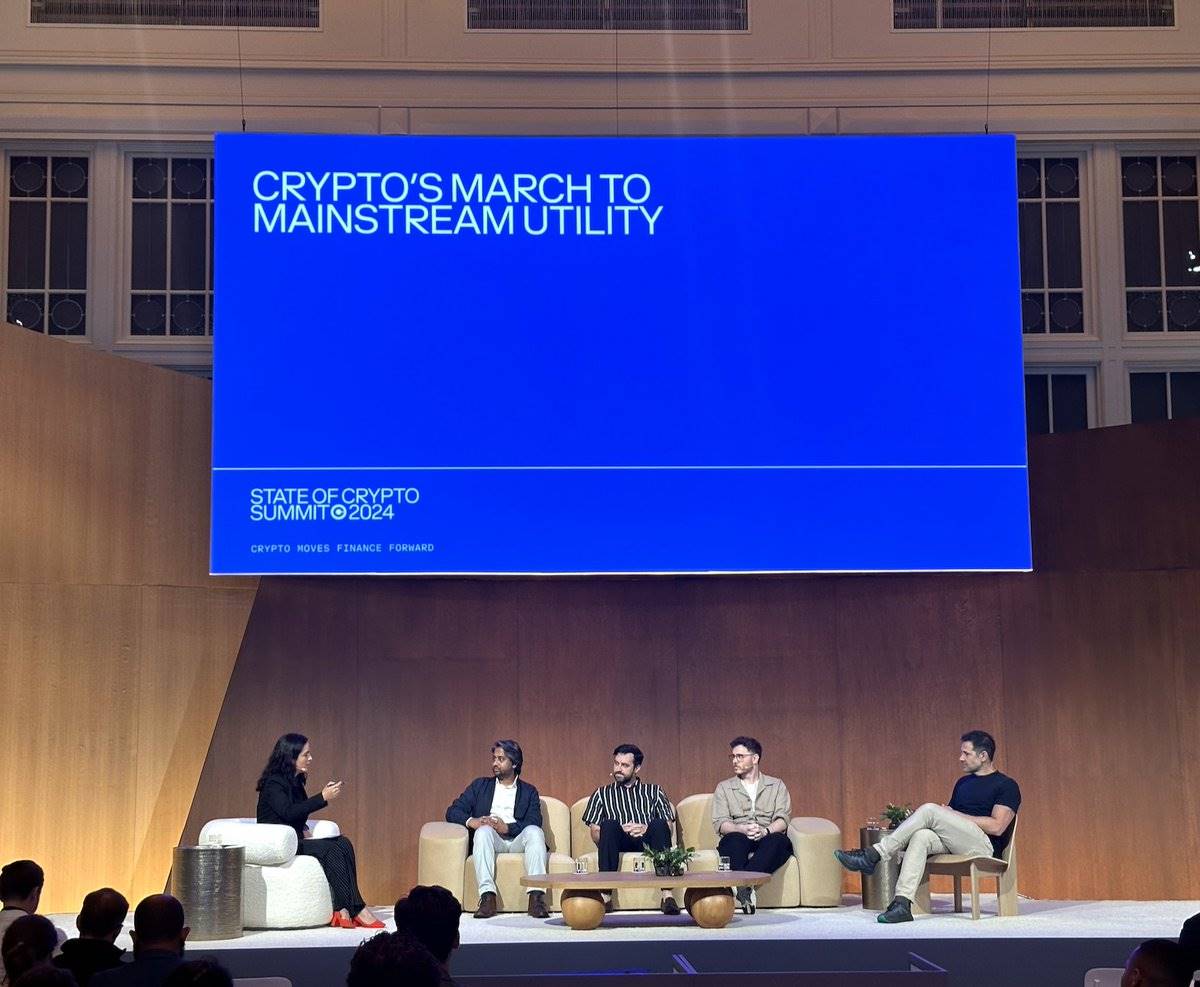
Consumer Panel
@benleventhal + @sid_coelho + @js_horne + @lay2000lbs
Special Guest Mr. Mark
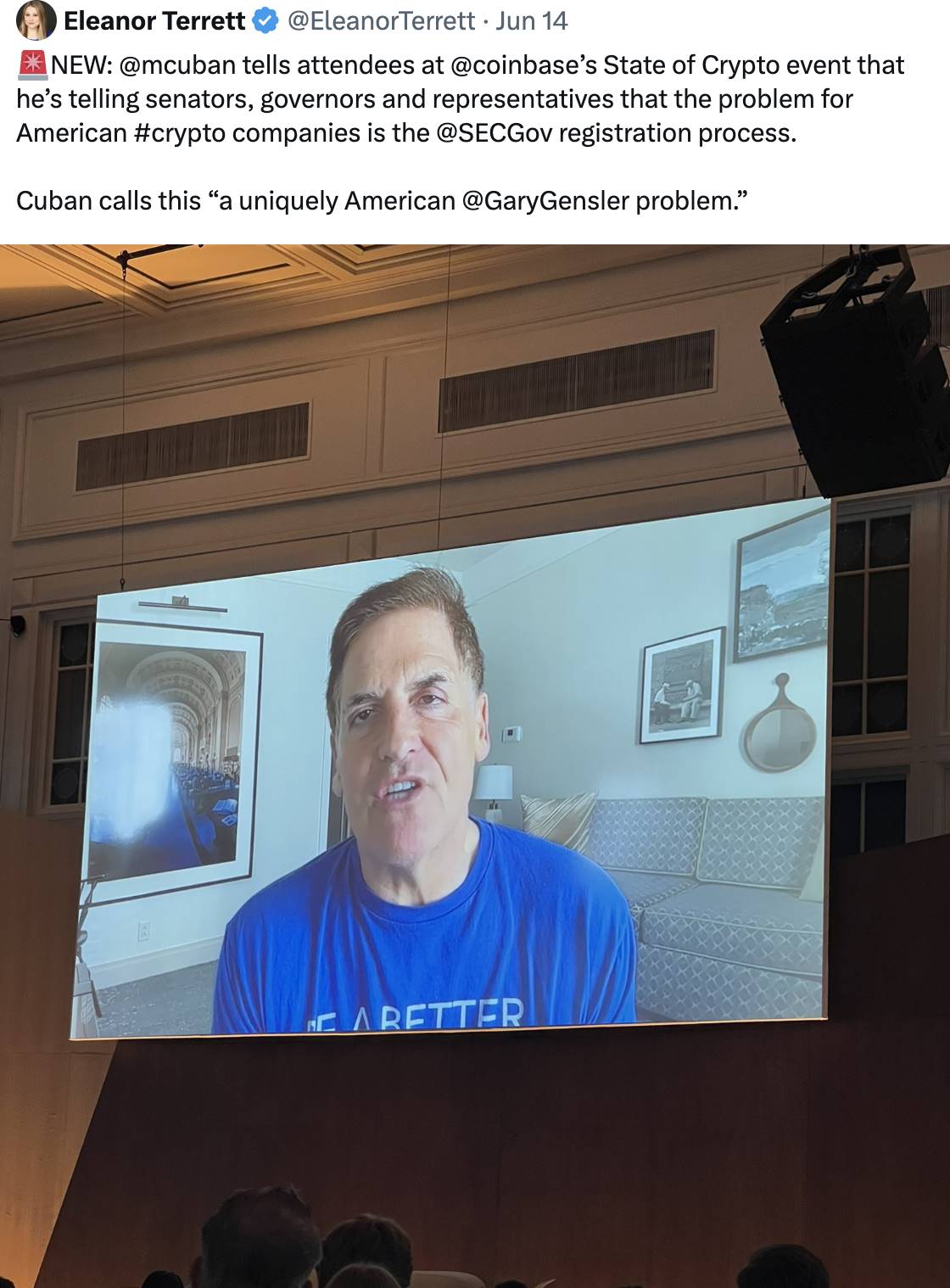
(See tweet)
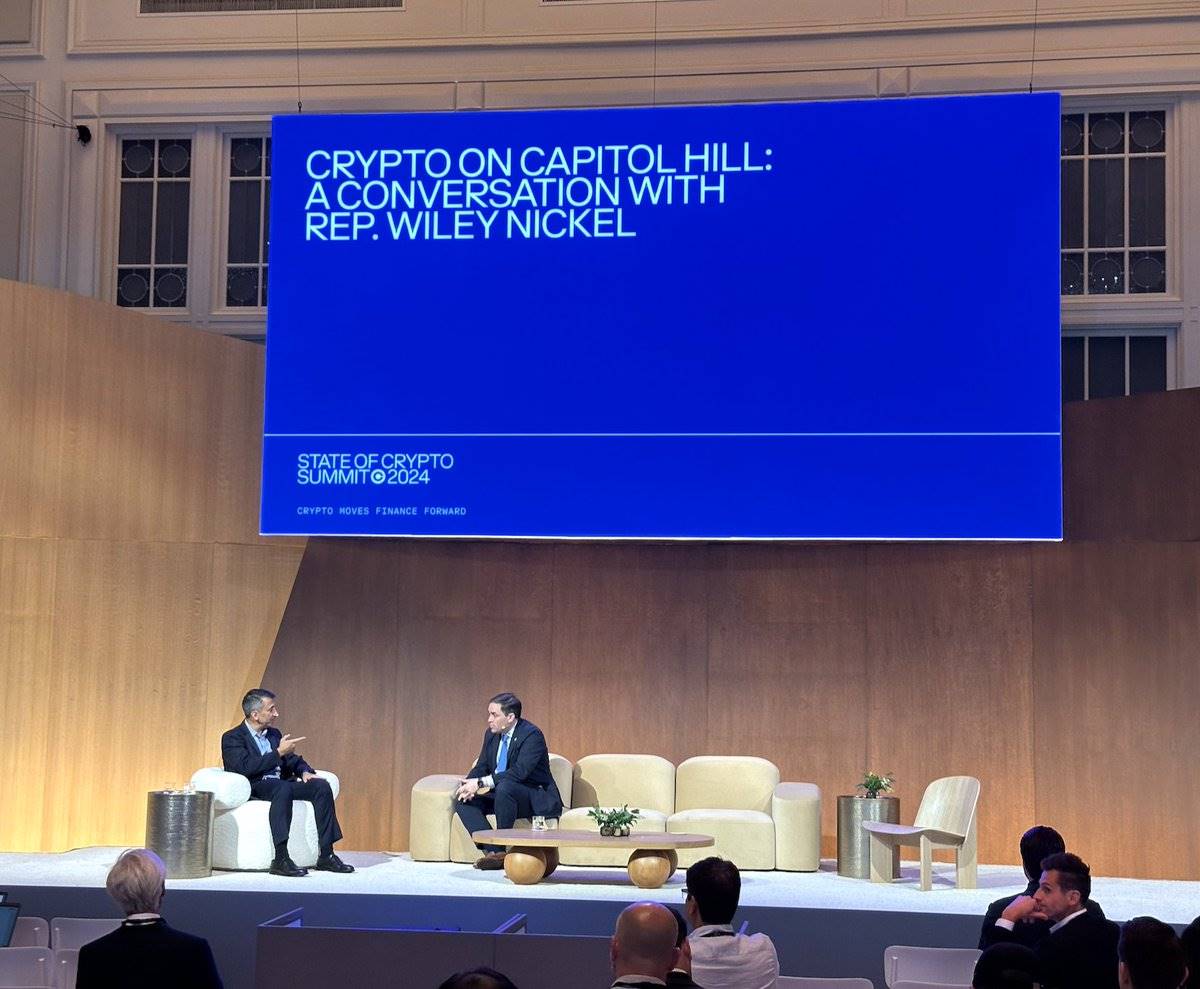
Final panel of the day
Featuring @WileyNickel and @faryarshirzad
Despite bearish sentiment, reality isn’t so bleak. Those attending recent events realize this is a great time to buy quality tokens cheaply—the third phase is coming.
Join TechFlow official community to stay tuned
Telegram:https://t.me/TechFlowDaily
X (Twitter):https://x.com/TechFlowPost
X (Twitter) EN:https://x.com/BlockFlow_News
 @JasonYanowitz











