








Delphi Discusses Shared Provers: New Territory in Modular Design
TechFlow Selected TechFlow Selected
Delphi Discusses Shared Provers: New Territory in Modular Design
Proof sharing can reduce the proof cost of zk applications and improve proof efficiency.
 Navigating Web3 tides with focused insights
Written by: Delphi Digital
Translated by: Luffy, Foresight News
Modular theory is commonly understood to consist of four layers: DA (data availability), consensus, execution, and settlement. However, a new layer—shared provers—may soon be integrated into modular architecture.
Could it become the missing piece for efficient, scalable verification? Shared provers, proof aggregation, and prover markets are reshaping the zero-knowledge proof landscape. Learn everything you need to know in our latest report.
Below is a summary of the key takeaways from the report 👇
A Brief Recap of zk Rollups
zk Rollup solutions scale Ethereum's transaction throughput by moving transactions off-chain for faster processing, while achieving finality on Ethereum and verifying operations via zk proofs (zero-knowledge proofs).
zk Proofs: Fast Verification, Slow Generation
Although powerful for privacy and scalability, generating zk proofs on Ethereum can be costly and slow.
High proving costs limit zk applications. New approaches like proof aggregation and prover markets aim to overcome these limitations.
The Prover Supply Chain
Shared sequencers provide high throughput for cross-blockchain transactions. However, they do not actually generate proofs. In the future, they may integrate with shared prover networks to delegate this task.
Currently, rollups face the challenge of expensive, individual zero-knowledge proof submissions.
Prover networks offer a solution: a unified market where various zk applications can outsource proof generation to specialized prover service providers, improving cost-efficiency and performance.
Shared provers can greatly benefit applications that require zk proof support but lack internal zkVM or circuit development resources.
Currently, rollups submit individual zk proofs, leading to high gas costs during peak times.
Prover networks now aim to outsource proof generation to specialized hardware providers to enhance efficiency.
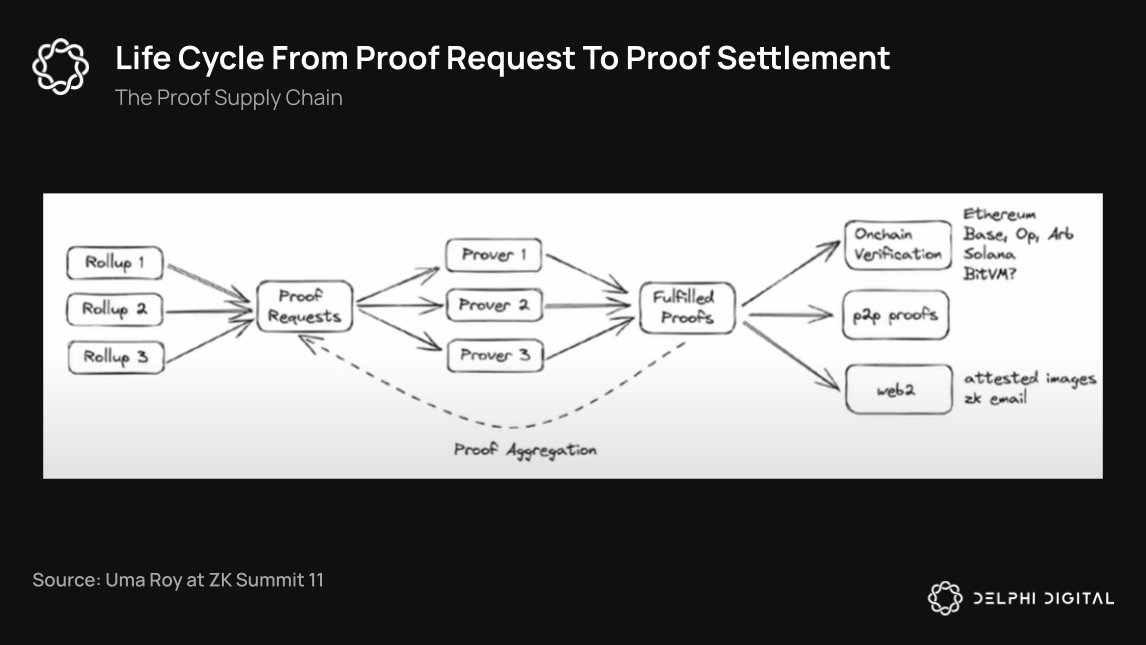
In a network with multiple rollups connected to a prover network, the transaction lifecycle works as follows:
-
Rollups submit proof requests.
-
A matching mechanism selects a prover.
-
The prover fulfills the request.
-
Proofs are aggregated.
-
The prover submits the final proof to L1 for verification.
Sharing Verification Costs
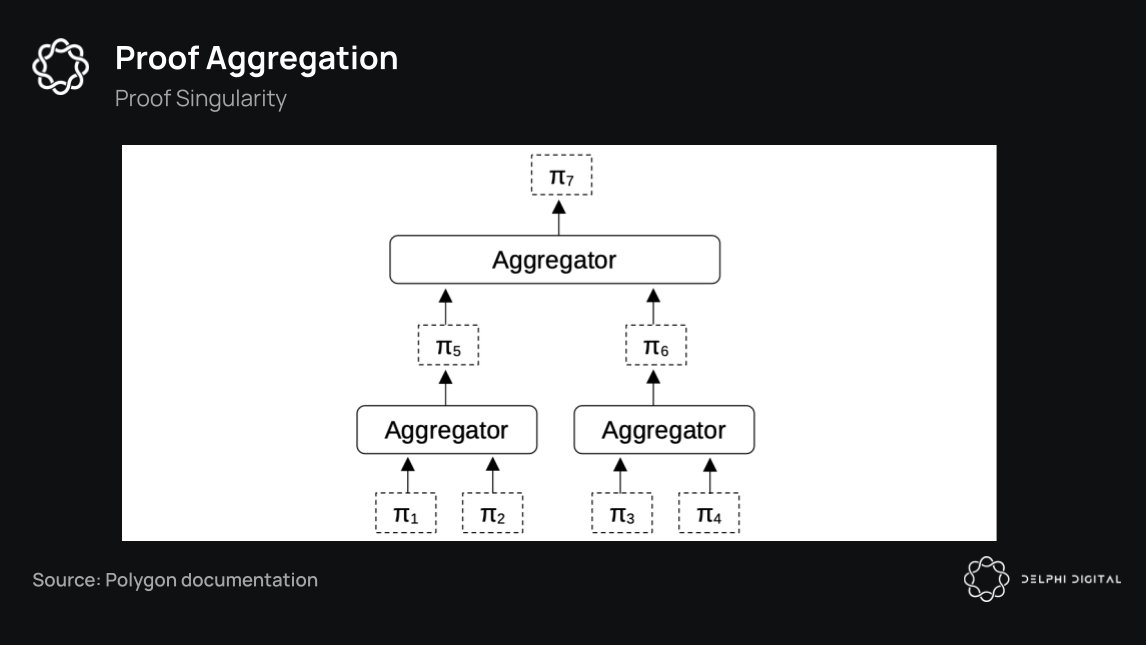
Proof Singularity refers to a range of technologies aimed at reducing the on-chain cost of verifying proofs.
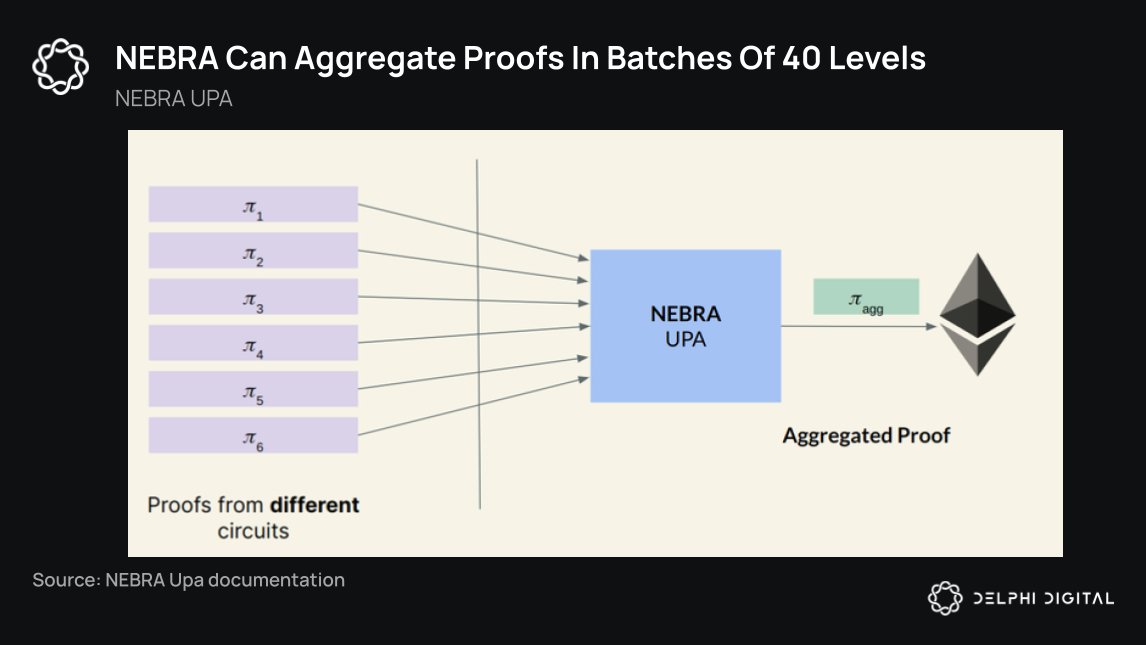
Proof aggregation is one such technique, compressing multiple valid proofs into a single proof that verifies all of them.
Compared to verifying each proof individually, this "batch validation" reduces gas costs.
Proving Costs for zk Apps
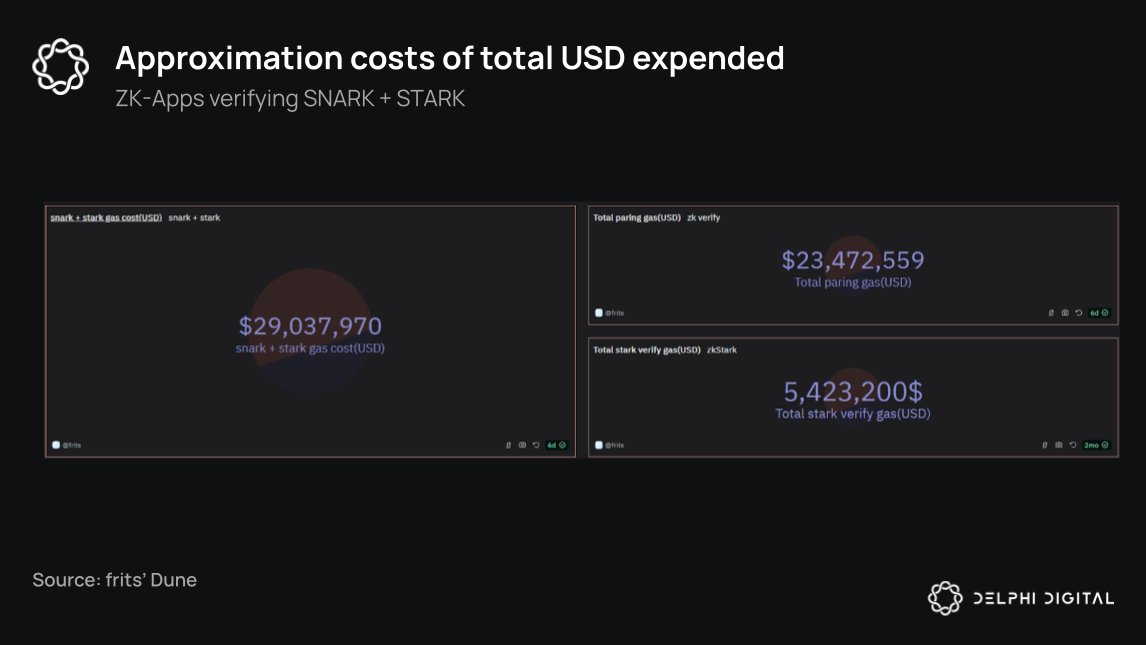
High verification and proving time costs for zk applications are ultimately passed on to users.
Over the past few years, zk applications—primarily rollups—have spent nearly $30 million in gas fees to validate and publish proofs on-chain.
Overview of Proof Aggregation Protocols
Nebra UPA
Nebra UPA allows zk apps to bundle multiple proofs to reduce verification costs. They claim support for approximately 10 proofs per second on testnet. Their provers are currently centralized but plan to transition to permissionless proving in the future.
They feature a forced inclusion mechanism similar to existing L2 escape hatches. If provers censor or delay proofs, zk applications can bypass them and force proof settlement directly on L1.
Aligned Layer
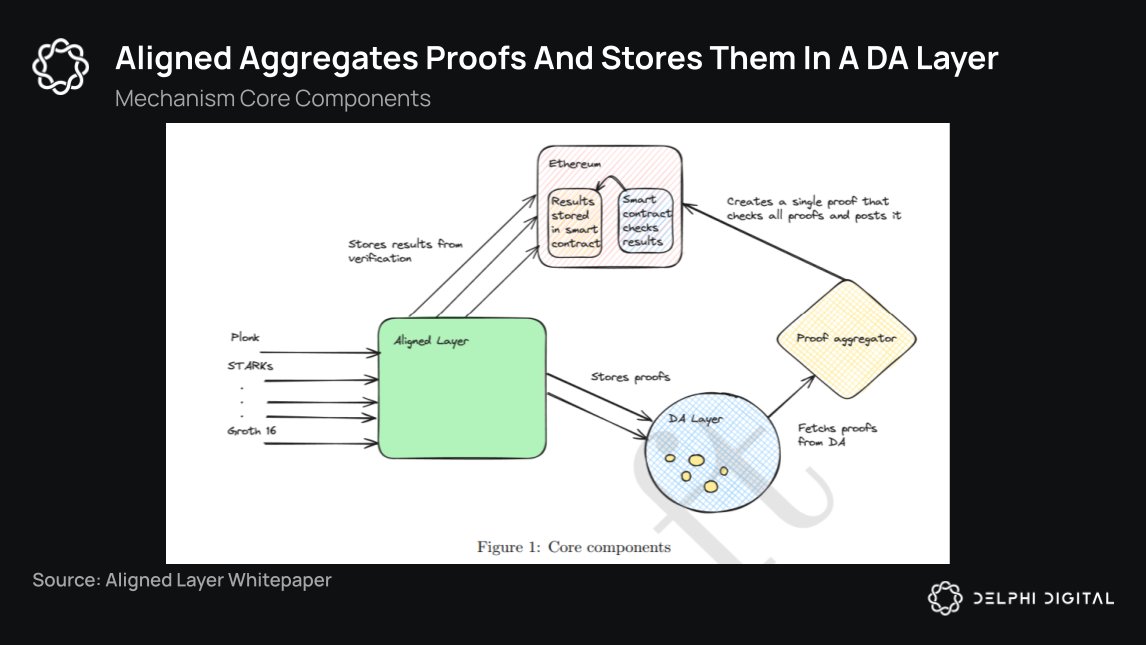
Aligned Layer is an Ethereum-based general-purpose zk verification layer secured by EigenLayer AVS. Restakers provide users with soft finality through proof aggregation and a single Ethereum submission. The default DA is EigenDA, but other DA layers like Celestia or Avail can also be selected.
AggLayer
Polygon’s AggLayer is neutral infrastructure designed for secure cross-chain interactions. It aims to unify independent blockchain networks under a single interoperability bridge, enabling seamless communication without compromising blockchain sovereignty.
The system aggregates proofs from all connected rollups and submits a single proof containing a Merkle tree of each individual submitted proof.
-
It does not require a specific virtual machine or execution environment
-
Blockchains are free to choose their own gas token
-
It does not require adherence to common governance.
Underlying this integration is the LxLy cross-chain bridge, which standardizes a universal cross-chain messaging protocol, enabling rollups to communicate with each other and with Ethereum while preserving sovereignty.
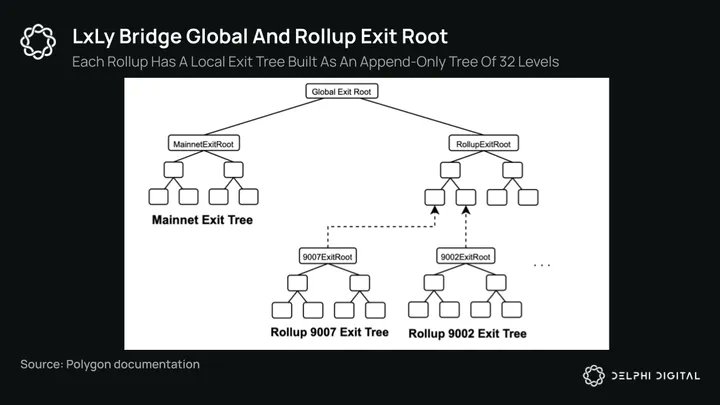
A brief explanation of how LxLy works👇
-
Each chain tracks withdrawal transfers in a Merkle tree (exit tree)
-
All exit trees are merged into a single global exit tree shared across chains
-
Updating local and global trees enables verification and net withdrawal calculations.
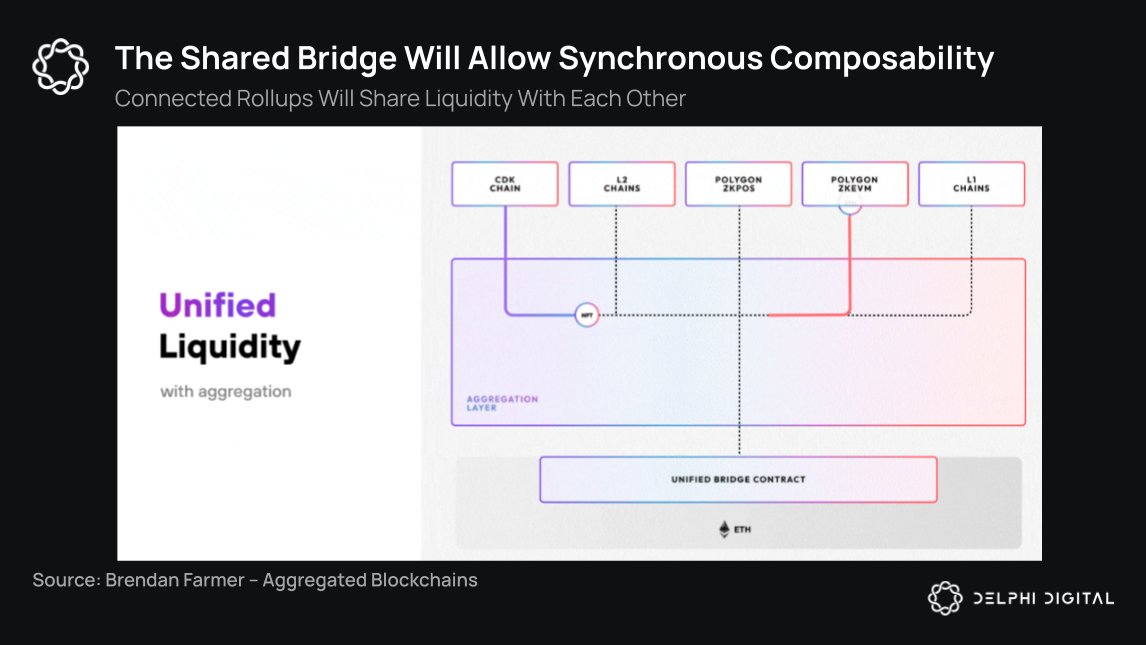
Additionally, AggLayer features a shared cross-chain bridge between connected rollups, simplifying asset flows between L1 and L2. Assets are deposited into a single L1 contract without requiring wrapping or lock-and-mint mechanisms.
Traditionally, frameworks rely on a single internal prover, posing risks of censorship and liveness issues. Prover networks may start centralized and gradually decentralize over time.
Decentralization of prover markets remains an open question, but several approaches are being explored:
-
Proof races: The fastest prover wins, improving efficiency but wasting computation (costs passed to users).
-
Proof mining: Similar to PoW mining, using randomness to prevent winner-takes-all dynamics (computation waste still exists). Hardware acceleration via SNARK ASICs holds promise for cost reduction.
Join TechFlow official community to stay tuned
Telegram:https://t.me/TechFlowDaily
X (Twitter):https://x.com/TechFlowPost
X (Twitter) EN:https://x.com/BlockFlow_News
 Delphi Digital










