








MIIX Capital: Japan Crypto Market Research Report
TechFlow Selected TechFlow Selected
MIIX Capital: Japan Crypto Market Research Report
As the world's third-largest economy and an early adopter of cryptocurrency with established regulatory frameworks, Japan possesses unique advantages and market characteristics.
 Navigating Web3 tides with focused insights
Author: MIIX Capital
Introduction
In the crypto market, Japan is often perceived as closed and isolated—a region with low visibility that tends to be overlooked. Compared to other Asian markets such as Singapore, Hong Kong, and South Korea, Japan receives far less attention and discussion.
However, as the world's third-largest economy and one of the earliest jurisdictions to recognize cryptocurrencies and establish a regulatory framework, Japan possesses unique advantages and distinct market characteristics. With strong government support for crypto adoption and industry development, new changes and opportunities are gradually emerging.
1. Macroeconomic Indicators and Current Status
Japan has a robust and sophisticated financial system that provides a solid foundation for the development of blockchain and Web3 technologies. In discussions about Japan’s cryptocurrency market, regulation becomes a key focus.
The country maintains strict regulations aimed at ensuring investor stability, market security, and overall integrity. While these measures are designed to protect the industry, they may also present barriers to entry and expansion for smaller crypto enterprises due to compliance complexities and high tax burdens associated with crypto-related gains. Additionally, prolonged token listing approval processes can create a perception of reduced market activity.
1.1 Geography and Population Size
Japan is an island nation in East Asia, located in the northwest Pacific Ocean and part of the Ring of Fire. It spans an archipelago of 14,125 islands, including five main ones—Hokkaido, Honshu ("the mainland"), Shikoku, Kyushu, and Okinawa—along with nearly 4,000 smaller islands. Japan borders Siberia in Russia, while South Korea and China lie further south. Tokyo is the capital and largest city, followed by Yokohama, Osaka, Nagoya, Sapporo, Fukuoka, Kobe, and Kyoto.
According to United Nations data, Japan has a population of nearly 125 million, of which approximately 122 million are Japanese nationals (estimated in 2022), accounting for 98.1% of the total population. The remainder consists of foreign residents, including indigenous Ainu and Ryukyuan people, Koreans, Chinese, Filipinos, Brazilians of largely Japanese descent, and Peruvians of largely Japanese descent.
Japan is the world’s fastest-aging country, with the highest proportion of elderly citizens—constituting one-third of its total population. This trend comes alongside increasing life expectancy and declining birth rates. Japan’s total fertility rate stands at 1.4, below the replacement level of 2.1 and among the lowest globally. Its median age is 48.4 years—the highest in the world. The Japanese government projects that by 2060, each working-age person will support one elderly individual. Immigration and incentives to boost fertility are sometimes proposed as solutions to supply younger workers and support the aging population.
1.2 Economic Structure and Characteristics
Japan is the fourth-largest economy in the world, behind the United States, China, and Germany (Germany surpassed Japan in 2023 to become the third-largest). Its economy is primarily driven by services, manufacturing, and international trade. Japan’s economic structure reflects high levels of industrialization, heavy external dependence, and unique organizational forms:
-
The service sector accounts for about 70% of GDP, known for wholesale and retail trade, real estate services, and professional, scientific, and technical activities;
-
Highly industrialized and leading globally in electronics and technology; agriculture plays a minor role;
-
Relies on processing trade—importing raw materials and fuel while exporting finished products to global markets—making it the fifth-largest exporter and fourth-largest importer in the world;
-
Industries are concentrated along the narrow coastal belts of the Pacific Ocean and Seto Inland Sea, facilitating import of raw materials and export of goods;
-
Strong corporate alliances exist between manufacturers, suppliers, and distributors, characterized by close collaboration;
-
Seniority-based career advancement and lifetime employment are defining features, making it difficult for foreign or new companies to enter the market;
Additionally, demographic shifts significantly impact the economy. Japan faces challenges such as a shrinking labor force, aging population, and declining birth rates. These factors lead to decreased housing demand, suppressed capital accumulation, lower investment returns, and ultimately affect economic activity and innovation.
1.3 GDP Ranking Overtaken by Germany

According to a report from Kyodo News on February 15, Japan’s nominal GDP in 2023 was $4.2106 trillion, lower than Germany’s $4.4561 trillion, dropping Japan to fourth place globally. Losing its status as the "third-largest economy" was not accidental but rather the inevitable result of long-term sluggish growth momentum. In October 2023, the International Monetary Fund (IMF) had already predicted that Germany would overtake Japan in nominal GDP that year. As such, when the official figures were released, there was little public outcry or backlash—Japanese society seemed to accept the outcome calmly.
The underlying reason Japan’s nominal GDP was overtaken by Germany in 2023 lies in its prolonged lack of stable growth drivers. Finding sustainable engines for economic development has now become a top priority for the Japanese government. If the economy remains weak over the next three to five years, this issue will become increasingly pressing for Japanese society.
1.4 Inflation Rate Data

In March 2024, Japan’s annual inflation rate declined to 2.7%, down from a three-month high of 2.8% in February, aligning with market expectations. Price increases slowed across transportation (2.9% vs 3.0%), clothing (2.0% vs 2.6%), furniture and household goods (3.2% vs 5.1%), healthcare (1.5% vs 1.8%), communications (0.2% vs 1.4%), and culture and entertainment (7.2% vs 7.3%). Meanwhile, inflation remained stable for food (4.8%), housing (0.6%), education (1.3%), and other categories (1.1%). Fuel and lighting prices saw the smallest year-on-year decline (-1.7% vs -3.0%), with electricity (-1.0% vs -2.5%) and gas (-7.1% vs -9.4%) also slowing in their rate of decrease.
Last month, the Bank of Japan ended its negative interest rate policy, marking its exit from a decade-long ultra-loose monetary stance. Markets are now watching for signs of when the central bank might raise rates again. The BOJ emphasized that achieving a sustained and stable 2% inflation target alongside strong wage growth is crucial for policy normalization.
The central bank is closely monitoring whether service prices will rebound in tandem with rising wages. This year’s wage hikes were the largest in 33 years, yet real wages—adjusted for inflation—have continued to fall over the past two years. A Japanese Ministry of Internal Affairs official noted on Friday that the recent wage increases have not yet been reflected in service pricing.
1.5 Japan’s Legal Tender

The yen (Japanese: 円, romanized: en; English: Yen) is Japan’s legal currency, with banknotes issued by the Bank of Japan known as Japanese banknotes. The yen is frequently used as a reserve currency after the U.S. dollar and euro. Established on May 1, 1871, circulating banknotes include denominations of 1,000, 2,000, 5,000, and 10,000 yen, while coins come in six denominations: 1, 5, 10, 50, 100, and 500 yen.
Notably, paper yen is issued by the Bank of Japan (“Bank of Japan – Bank of Japan Note”), whereas coins are issued by the Japanese government (“State of Japan”). Additionally, yen coins do not have unlimited legal tender status. In principle, the maximum number of same-denomination coins allowed in a single transaction is 20 (i.e., maximum payment capacity per transaction: 1×20 + 5×20 + 10×20 + 50×20 + 100×20 + 500×20 = 13,320 yen), and merchants have the right to legally refuse amounts exceeding this limit.

While the Federal Reserve and other central banks aggressively raised interest rates in 2022 and 2023 to combat inflation, the Bank of Japan kept rates near zero and continued printing large quantities of fiat money. In 2023, Japan’s core inflation rose by 3.1%, the highest increase since 1982.
Inflation erodes the purchasing power of fiat currency and drives investors toward alternative assets like Bitcoin and gold that offer store-of-value appeal. Unless the Bank of Japan accelerates its planned exit from ultra-loose monetary policy, the U.S. dollar will continue to appreciate against the yen, making dollar-denominated assets relatively more attractive.
2. Cryptocurrency Market Overview and Characteristics
Japan has actively cultivated its Web3 industry, releasing a Web3 white paper, reforming taxation policies, and attracting investments. The government announced a five-year startup development strategy aiming to increase the number of startups in Japan to 100,000 within five years and invest approximately 10 trillion yen to create 100 unicorn companies.
2.1 Strong Government Support for Blockchain Development
On April 6, 2023, the ruling party’s Web3 project team released a white paper positioning Web3 as a national strategic initiative. To advance this goal, the Japanese government has allocated significant resources to research and application of blockchain technology. For example, the Cabinet Office has established several special funds to support innovation and practical applications in blockchain. Moreover, Japan is actively promoting international cooperation, engaging with other countries on standard-setting and regulatory frameworks for blockchain technology.
Blockchain applications in Japan span multiple sectors, including real estate registration, identity verification, interbank clearing, Bitcoin insurance, and supply chain finance. Key examples include:
-
Real Estate Registration: The Japanese government plans to consolidate around 230 million land plots and 50 million buildings into a single blockchain ledger nationwide to enhance data visibility, accuracy, and security. The project is currently in testing and expected to be completed within five years.
-
Identity Verification: The Financial Services Agency (FSA) developed a blockchain platform enabling customers to share personal information across multiple banks and financial institutions using a shared ID for account opening. Additionally, SoftBank Group partnered with TBCASoft to launch a blockchain-based identity authentication and verification project leveraging zero-knowledge proofs and distributed ledger technology to protect personal data from theft.
-
Interbank Clearing: Fujitsu collaborated with Mizuho Financial Group, Sumitomo Mitsui Financial Group, and Mitsubishi UFJ Financial Group to develop a peer-to-peer remittance service using blockchain, improving efficiency and security in fund transfers.
-
Bitcoin Insurance: Due to frequent hacker attacks on Bitcoin exchanges resulting in customer asset losses, Sumitomo Mitsui Insurance partnered with bitFlyer to launch a Bitcoin insurance product offering compensation for customer assets, covering internal incidents and employee misconduct.
-
Supply Chain Finance: Mizuho Bank and IBM Japan jointly developed a blockchain trade finance platform enabling secure digital exchange of transaction documents and supply chain data, enhancing transparency and trust among parties involved.
2.2 Web2 Giants Entering the Crypto Industry
Investment in Japan’s crypto industry is typically led by existing Web2 giants such as securities firms, telecom companies, and distributors—not venture capitalists (VCs). There are few domestic VC firms specializing in Web3 investments. One notable example is SBI Group, a major Japanese Web2 conglomerate that participates in the crypto space through joint ventures and subsidiaries:
-
SBI Digital Asset Holdings: Security Token Services
-
SBI VC Trade: Cryptocurrency Trading Services
-
SBINFT: NFT Business
Other companies establishing or expanding subsidiaries and joint ventures focused on the crypto industry include:
-
NTT Docomo (Japan’s largest telecom company): NTT Digital
-
Sony (leader in electronics and entertainment): Sony Network Communications
-
SoftBank and LINE: Z Venture Capital
2.3 High Enthusiasm and Potential in GameFi and NFTs
Due to policy restrictions, direct investment in tokens and launching token issuance projects are prohibited in Japan, limiting the development of DeFi domestically. As a result, NFTs and blockchain gaming are widely regarded as the primary drivers of Japan’s cryptocurrency market.
Japan boasts a globally influential gaming industry and ranks among the highest in per capita gaming profits worldwide. With a rich and long-standing history in game development, Japan provides a solid foundation for the growth of blockchain games. Japanese gamers are known for their willingness to pay for high-quality experiences, demonstrating deep passion for gaming—factors that give Japan’s blockchain gaming market immense profit potential.
Beyond its extensive video game heritage, Japan owns more intellectual property (IP) than any other country, including anime, manga, and video games—cultural assets that have achieved global recognition. Because of this, Japan’s NFT community exhibits unique aesthetic preferences distinct from those elsewhere. Furthermore, trends in Japan sometimes lag behind global movements, showing delayed synchronization. For instance, after NFT booms in China and the U.S. subsided, Japan experienced a surge in various NFT projects.
2.4 A Market That Is Easy to Defend But Hard to Penetrate, With Strong Localization Sentiment
Japan’s market is relatively independent and closed. Language barriers (Japanese users’ psychological hesitation toward English) and cautious attitudes among local KOLs make marketing crypto projects in Japan challenging. Overall, it is a market that is easy to defend but hard to penetrate. Local sentiment among Japanese crypto users is very strong. However, due to malicious exploitation by some domestic projects, public sentiment toward local initiatives has grown complex—while users still tend to support homegrown projects, confidence is clearly waning.
Compared to local projects, overseas initiatives receive less enthusiasm from Japanese users. Foreign projects must adapt their products and services to local regulations, translate content into Japanese, collaborate with local KOLs and media, and host localized events. Engaging directly with the local audience helps projects gain greater visibility and user adoption.
Notably, Japanese users often empathize with project teams and businesses—such as wondering how a merchant can break even when prices are set too low. If a crypto project demonstrates genuine effort, Japanese users tend to show more tolerance and understanding compared to users in other markets, fostering a healthier community environment.
3. Cryptocurrency User Profile
According to estimates by TripleA, over 5 million people—approximately 4.0% of Japan’s total population—currently own cryptocurrency. This figure is supported by data from licensed exchanges. Additionally, a May 2023 KuCoin report showed that about 3.8 million Japanese crypto investors owned or invested in digital assets in the previous six months, representing roughly 5% of Japan’s adult population. While BTC and ETH remain the most popular crypto assets among Japanese investors, there is growing interest in diversifying into areas such as NFTs, metaverse, stablecoins, public chains, DeFi, and meme coins.
Male Investors Significantly Outnumber Female Investors
Profile and Investment Experience of Japanese Crypto Investors

Across various regional markets, men generally show higher interest in cryptocurrency investment. However, this trend is most pronounced in Japan, where 80% of investors are male and only 20% are female.
Unlike several other markets, the majority of Japanese crypto investors are over 30 years old, accounting for 77%. Conversely, young investors aged 18–30 represent only 23% of the investor base.
Cryptocurrency adoption in Japan is relatively mature. Among surveyed investors, 27% have invested in crypto for over three years, 33% for one to two years, and only 9% are newcomers to digital assets.
Crypto investment is also more common among lower-income households, with 44% of investors earning under 5 million JPY annually. Only 21% of Japanese crypto investors earn over 10 million JPY per year.
Younger Generations Have Greater Faith in Crypto Innovation
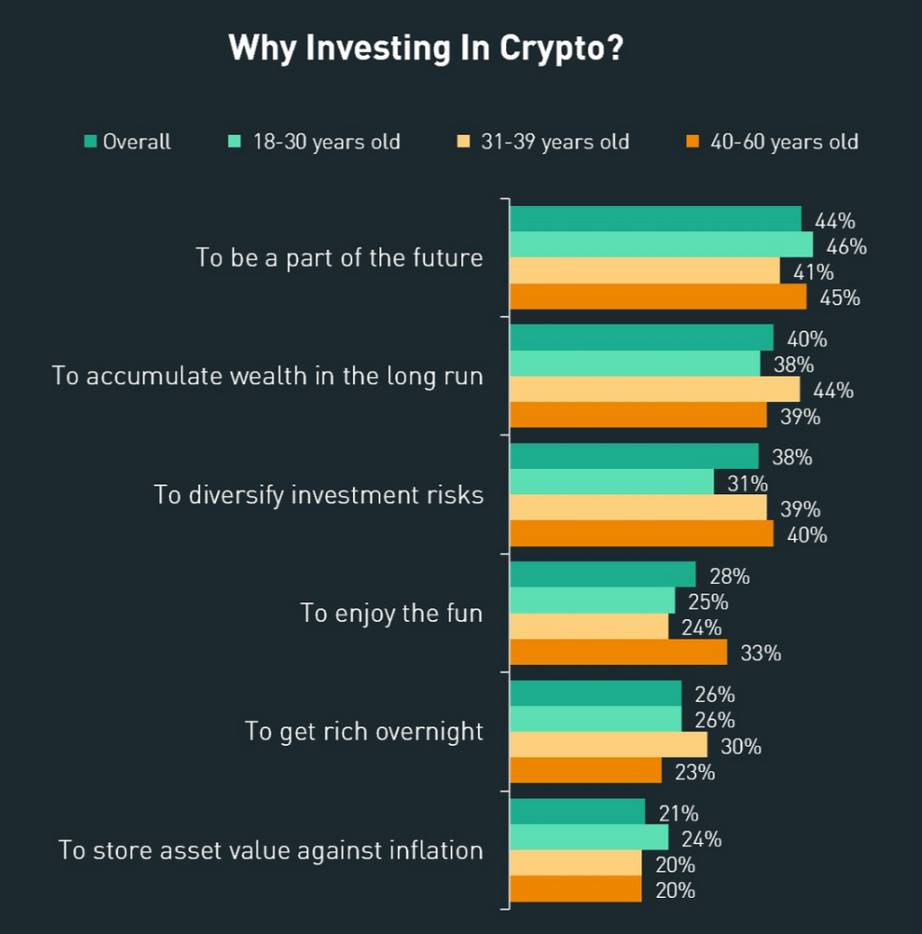
Other major reasons Japanese investors turn to cryptocurrency include long-term wealth accumulation (40%) and portfolio diversification for risk management (38%). While 28% participate because they find it interesting and 26% believe it offers a chance for quick riches, only 21% view crypto assets as a hedge against inflation.
Among them, 44% believe investing in crypto allows them to seize the future—the largest group being investors aged 18–30 who are drawn to its cutting-edge technology and potential for financial innovation.
Low Overall Trading Frequency, Especially Among Investors Over 40

Trading frequency correlates strongly with age. Young investors aged 18–30 are the most active, trading weekly. Users aged 40–60 trade on average once per month. Those aged 31–39 show no clear pattern, with distributions across weekly, multiple times per week, and monthly trades.
Investors Over 40 Prefer BTC and ETH
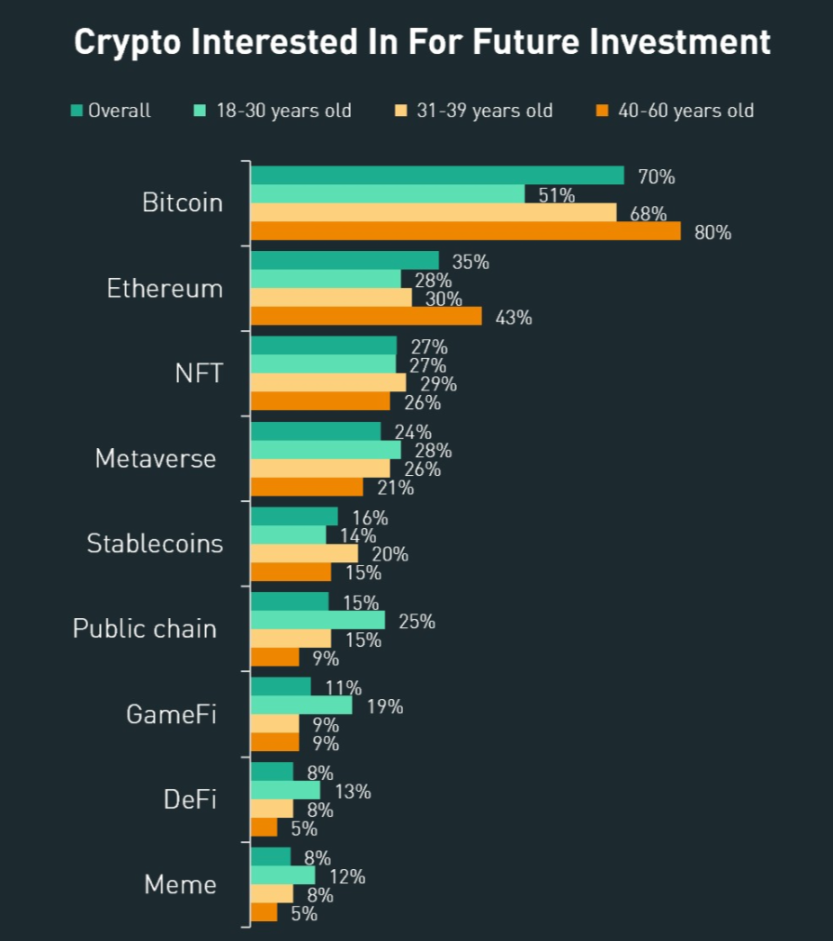
As in other regional markets, BTC and ETH dominate Japanese investors’ portfolios across all age groups. Interest is particularly high among investors aged 40–60, with 80% expressing interest in Bitcoin and 43% in Ethereum.
Other popular categories among Japanese investors include: NFTs (27%), Metaverse (24%), Stablecoins (16%), and Public Chain Projects (15%);
In addition, GameFi (11%), DeFi (8%), and Meme Coins (8%) are gradually becoming part of Japanese crypto investment choices;
Social Media Is the Primary Channel for Learning About Crypto

Most Japanese investors learn about cryptocurrency through social media and KOLs—a trend most prominent among younger users, with 41% of investors aged 18–30 relying on influencers for crypto investment insights.
Trusted and widely used social platforms include: YouTube (32%), Twitter (23%), Line (15%), Instagram (13%), and TikTok (9%). Data shows that technically oriented platforms such as Discord, Telegram, and Reddit are not widely trusted by Japanese users, who perceive them as riskier.
4. Japan’s CEX Landscape
Under local regulatory requirements, cryptocurrency exchanges must obtain a license from Japan’s Financial Services Agency (JFSA). Most licensed crypto exchanges are registered in Tokyo or Osaka.
Binance Japan Known for Diverse Token Offerings
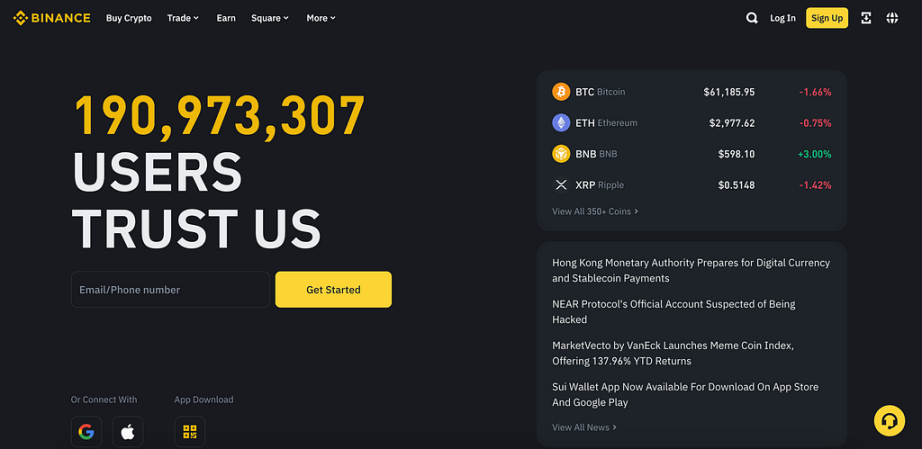
Launched in August 2023, Binance Japan was rebranded from Sakura Exchange Bitcoin, which Binance acquired in November 2022. This move marks Binance’s return to the Japanese market after the country’s financial regulator warned in 2021 against unlicensed operations. Binance Japan is now recognized for its wide variety of listed tokens and enjoys popularity among users.
Bybit Meets Japanese Investor Preferences

Bybit operates a secure platform hosting over 1,000 cryptocurrencies and complies with Japan’s strict regulations, enabling seamless access to crypto trading. It offers direct local yen deposit options via bank transfers, JCB cards, and Line Pay, simplifying the investment process.
Bybit’s competitive advantages include low trading fees (market makers start at 0.01%, takers at 0.06%), strong liquidity, over $30 billion in daily trading volume, and a vibrant community of over 20 million users—solidifying its market leadership.
Coincheck Offers User-Friendly Interface and Zero Fees
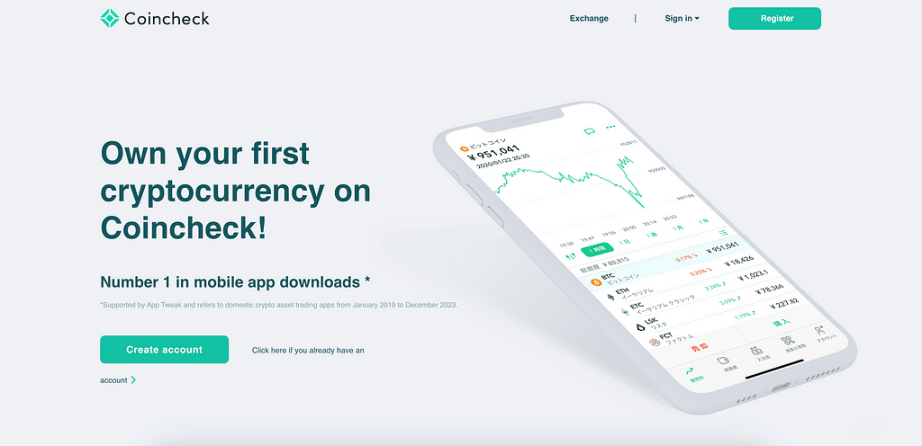
Founded in 2014, Coincheck is Japan’s largest cryptocurrency exchange, serving over 2.5 million users. In 2018, it was acquired by Monex Group, a Japanese financial services firm established in 1999 offering online brokerage, asset management, and crypto services.
Coincheck offers diversified crypto trading services, attracting both domestic and international users. With its user-friendly interface and zero transaction fees, it has become one of Japan’s most popular trading platforms.
Bitflyer’s Advanced Trading Tools Are Highly Popular
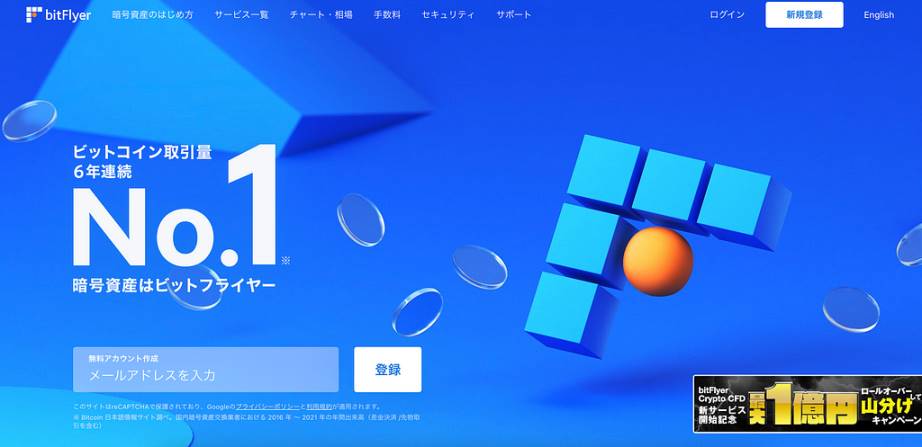
Bitflyer is renowned for its advanced trading tools and leads the nation in Bitcoin trading volume. It skillfully caters to diverse user needs—from beginners to experienced traders—offering two tailored experiences: the intuitive bitFlyer Exchange for novices and the advanced BitFlyer Lightning for sophisticated strategies.
BitFlyer expands its appeal through innovative features such as a unique crypto credit card, opportunities to earn BTC, and a Bitcoin T-Point exchange. These initiatives reinforce bitFlyer’s reputation as Japan’s third-ranked crypto trading platform, balancing accessibility with depth for a broad investor base.
Bitbank Has the Highest App Store Rating
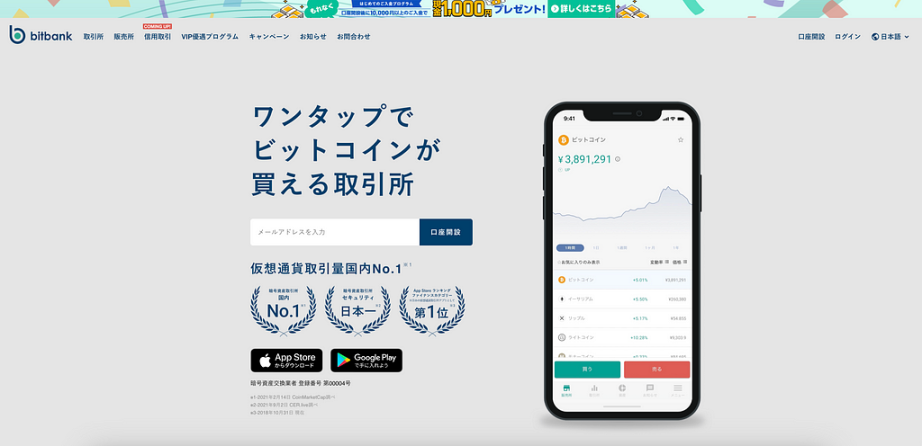
Bitbank is the highest-rated cryptocurrency trading app on Japan’s Apple App Store and one of the few digital asset exchanges offering instant account verification, typically completed within minutes.
Beyond trading, Bitbank offers lending services allowing users to lease assets to Bitbank for yields up to 3%. Third-party evaluations have highly praised Bitbank’s security, which uses offline cold wallets and multisig technology to protect users’ assets from hackers.
Zaif Known for Privacy and Security
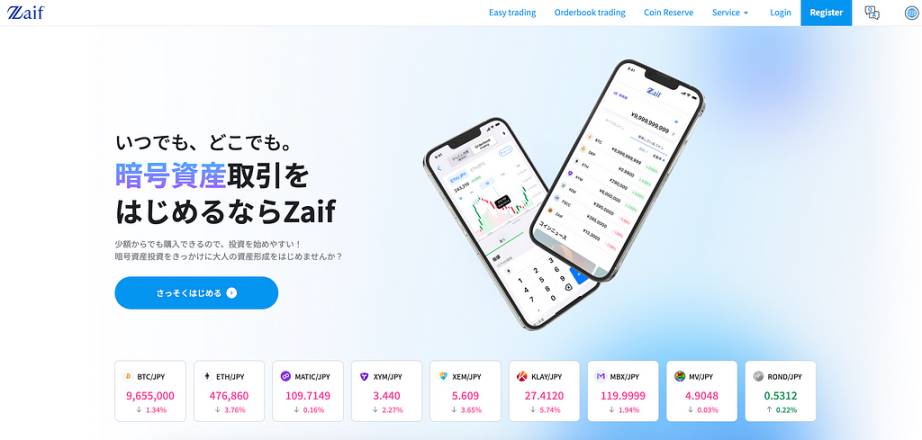
Zaif serves over 500,000 users. Founded in 2014, the platform supports trading of Bitcoin, Ethereum, and other cryptocurrencies. Known for prioritizing privacy and security, Zaif attracts traders who value these attributes.
It enables users to buy and sell various cryptocurrencies with yen and supports margin trading, making it suitable for beginners and fast traders alike. Since inception, Zaif has continuously evolved, adding new features such as trading, payment services, and reserve currencies.
5. Japan’s Web3 Projects
Project diversity in Japan’s crypto market is relatively limited. Although public chains and DeFi projects exist, the ecosystem is primarily centered on non-fungible tokens (NFTs) and gaming projects, many of which emphasize localization and long-term community building.
Japan Open Chain
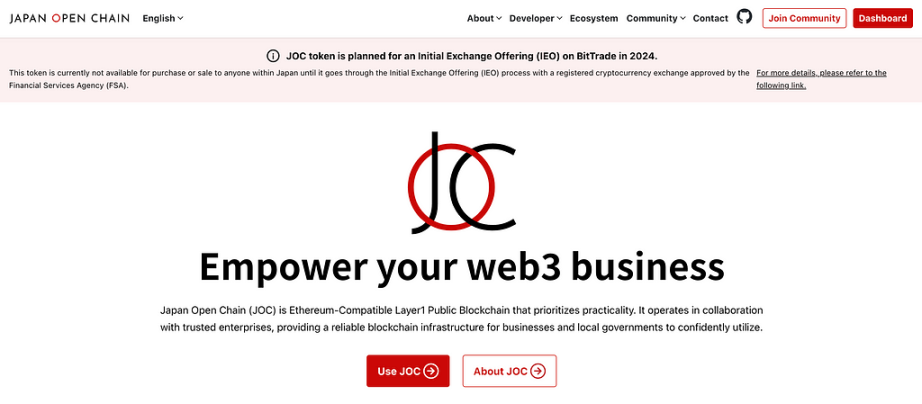
Japan Open Chain (JOC) is an Ethereum-compatible Layer 1 public chain focused on utility. It partners with trusted enterprises to provide reliable blockchain infrastructure for businesses and local governments. Operated by Japanese companies and compliant with Japanese law, JOC offers a secure environment for developing Web3 businesses.
INTMAX
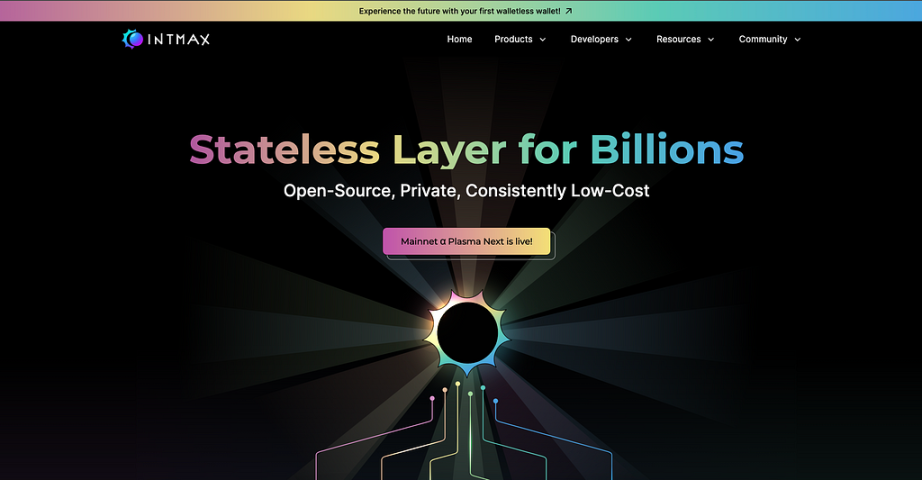
INTMAX is a novel zkRollup operating as an Ethereum L2 network suitable for various Web services and financial applications. It aims to enable all internet citizens to participate in the economy through payment infrastructure and native internet ownership via NFTs and community governance tokens. INTMAX achieves significant innovation in ZK implementation, making it a unique Layer 2 rollup network with low cost, high security, adjustable privacy, and especially strong scalability.
HashPalette

Palette is a blockchain network for issuing, managing, and distributing digital items. Users can freely transfer ownership of digital items and use them across applications. Palette allows digital items to be processed as NFTs on its dedicated blockchain, Palette Chain—an infrastructure specifically designed for the issuance and distribution of digital items in the entertainment sector, optimized for business models. Additionally, Palette Chain connects to multiple blockchains including Ethereum, functioning as a cross-chain hub for NFT issuance and distribution.
Hashport

HashPort is a cross-chain interoperability layer enabling fast, secure transfer of digital assets across networks. Developed and operated by HashPort Co., Ltd.—founded in 2018 with a vision for asset digitization—the company provides blockchain consulting and solutions to clients.
KEKKAI

KEKKAI is a Web3.0 security plugin that detects risks through transaction simulation, aiming to eliminate fraud in the rapidly growing Web3 space. When users engage in transactions, KEKKAI provides risk assessment information—if anomalies are detected, a warning is displayed directly on the page.
Murakami Flowers

Takashi Murakami is a world-renowned Japanese artist celebrated for his colorful works and distinctive artistic style. His Murakami.Flowers project (shortened as M.F) is a comprehensive initiative spanning art, design, and digital creation. Centered on the number “108” (comprising 108 backgrounds and 108 small flowers), the project references the Buddhist concept of worldly afflictions or temptations, symbolizing the artist’s attempt to transcend mundane constraints through digital art.
Crypto Ninja Partners
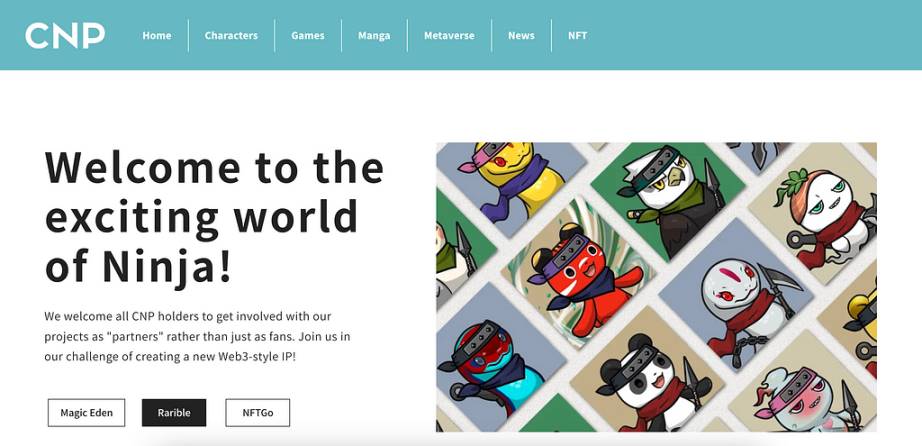
Crypto Ninja Partners (CNP) is a Japan-themed NFT collection originally stemming from a community called NinjaDAO. Though not strictly a DAO, NinjaDAO brought together numerous crypto enthusiasts from Japan. Two core figures—Ikehaya (a Japanese NFT KOL and web marketer) and Road (another key contributor)—jointly drove CNP’s development.
MetaSamurai

The project’s vision is to build a digital fashion brand and empower creators. Its core philosophy—“I GOT YOUR BACK”—symbolizes MetaSamurai’s commitment to supporting its NFT holders. This phrase originates from a story of two warriors fighting back-to-back, protecting each other; the samurai spirit of unwavering loyalty to one’s lord; and Hachiko, the loyal dog who waited over a decade for his deceased master. These narratives serve as inspiration for MetaSamurai’s creations.
6. Japanese Crypto Venture Capital
Skyland Ventures
Skyland Ventures (SV) is a venture capital (VC) fund headquartered in Shibuya, Tokyo, focusing on seed-stage startups. By 2022, it had invested in over 120 startups, primarily based in Japan. Starting in 2022, the fund began allocating capital to Web3 startups (crypto, NFTs, and blockchain), investing between $50,000 and $500,000 in pre-seed rounds and $100,000 to $1 million in seed and later stages. Founders include Max Kinoshita, Yonkuro Masanori Ikeda, and Yuan Xiaohang.
It collaborates with Hash Global, OKX Ventures, Foresight Ventures, MH Ventures, and Generative Ventures.
Investment History:
-
Raised a $4 million VC fund in 2012 for seed-stage startups.
-
Invested in 16 companies.
-
Translimit (developer of BrainWars brain battle game, 13 million global app installs, backed by LINE and BrainDots, totaling 23 million downloads)
-
Hachimenroppi (fresh produce marketplace supported by Recruit and Yahoo! Japan)
-
Kaumo.jp / CuRAZAY.com (targeting Japan’s trending websites, achieving 4–5 million unique visitors)
Gumi Cryptos

This venture firm is a boutique early-stage VC based in Silicon Valley, investing across IT, financial services, gaming, insurance, infrastructure, cryptocurrency, cybersecurity, blockchain, and fintech. It operates across the U.S., Canada, Europe, Israel, East Asia, South Asia, and Southeast Asia—including Japan. Co-founder is Zirui Zhang, with managing partners from Japan and China.
Key investments include OpenSea, 1inch, and Lit.
CGV Fund

CGV is an Asia-based fund management company focused on investing in crypto funds and crypto studios. CGV FoF is composed of family offices from Japan, South Korea, mainland China, and Taiwan, headquartered in Japan with branches in Singapore and Canada. Founders are Steve Chiu and Kevin Ren.
Partners include Waterdrip Capital, LK Venture, ZC Capital, Satoshi Lab, and Blockchain Founders Fund.
Portfolio projects include AlchemyPay, Bitkeep, Metis, TheGraph, Avalon, Celestia, and recent Bitcoin ecosystem projects—Bitcoin wallet infrastructure UniSat, bitSmiley, and Bitcoin L2 network ZULU.
BDASH Ventures

BDASH Ventures is a Tokyo-based venture capital firm investing in seed, early, and late-stage startups poised to become next-generation tech leaders. CEO is Hiroyuki Watanabe.
B Dash Ventures hosts B Dash Camp—a biannual summit bringing together senior tech executives and startup founders. It has become one of Japan’s largest invitation-only tech events, attracting over 700 guests from within and outside Japan.
GMO AI&Web3

This crypto venture fund is part of GMO Internet Group Inc., a publicly traded company on the Tokyo Stock Exchange. The group also includes GMO Coin, a licensed Japanese crypto exchange listing 28 cryptocurrencies.
MZ Web3 Fund
Founded by Yusaku Maezawa—often dubbed “Japan’s Musk”—the MZ Web3 Fund focuses on Web3 project investments and is one of Japan’s most active crypto funds. The MZ Web3 Fund has invested in 24 startups including decentralized storage project SINSO, payment tools Slash and Transak, developer community WEB3DEV, gaming blockchain Oasys, and Web3 user growth platform Aki Network. The fund provides portfolio projects with access to MZ Club and MZ DAO communities to accelerate expansion in the Japanese market.
7. Japan’s Cryptocurrency Regulation
Globally, Japan stands out as a unique crypto market with significant potential in finance and investment. However, due to frequent early-stage hacks, the Japanese government has maintained a conservative and cautious regulatory approach toward the crypto industry. On the other hand, Japan’s strong sense of crisis has prompted authorities to leverage emerging technologies like blockchain to preserve its position as the world’s third-largest economy. As a result, Japan’s blockchain regulatory policies appear mature and stable, fostering a favorable entrepreneurial climate.
7.1 Legal Status of Cryptocurrencies
In 2016, Japan’s Cabinet passed an amendment to the Payment Services Act, which took effect in April 2017 and legally defined cryptocurrencies, recognizing their legitimacy. Under the Payment Services Act, an asset qualifies as a digital currency if it meets all the following criteria:
-
Represents monetary value recorded electronically or on other devices;
-
Can be transferred via electronic information processing systems;
-
Is not denominated in domestic or foreign fiat currencies;
-
Can be used by unspecified persons to purchase goods, rent items, or receive services;
-
Can be bought and sold by unspecified persons;
In other words, Japan recognizes cryptocurrencies as legitimate payment methods. The Payment Services Act was the first global legislation to bring digital currencies under formal legal regulation, marking a milestone for the digital currency market.
7.2 Tax Policies on Cryptocurrencies
In January 2022, Japan’s ruling Liberal Democratic Party established the Digital Society Promotion Headquarters, launching its “National Strategy.” Since then, its Web3 task force has submitted legislative and regulatory reform proposals directly to the ruling party. Many reforms have been adopted, while others remain pending.
On the corporate tax front, to foster a “token-friendly financing environment,” Japan’s Web3 policy team proposed two reforms. First, exempting “tokens held long-term by issuing companies” from year-end fair-market-value corporate income tax. Second, exempting “tokens issued by other companies and held by third parties without short-term trading intent.” The first reform took effect in June 2023. The second was recently proposed by the FSA and approved by the Ministry of Economy, Trade and Industry (METI) for inclusion in the 2024 legislative agenda. Implementing both measures could alleviate the disadvantage Japanese corporate investors face compared to overseas counterparts benefiting from more favorable tax regimes.
For individuals, income from crypto transactions is taxed as “miscellaneous income.” When combined with income tax and resident tax, the effective rate reaches a minimum of 55%. Notably, this tax applies not only when crypto assets are converted into fiat currency but also when exchanged for other cryptocurrencies—leading to significant taxpayer outflows and discouraging tax reporting. The Web3 policy team proposed four reforms: (1) a flat 20% tax on all crypto transactions; (2) taxing gains and losses only upon conversion to fiat, exempting crypto-to-crypto swaps; (3) allowing loss carryforwards for up to three years; and (4) applying the same tax rate to crypto derivatives trading. However, these reforms were excluded from the 2023 agenda, and it remains unclear whether they will be included in 2024.
7.3 Exchange Licensing and Self-Regulatory Organizations
Under the amended Payment Services Act, entities engaged in cryptocurrency trading must apply for a license from Japan’s Financial Services Agency (FSA) and submit to its oversight. To operate a digital currency exchange in Japan, operators generally need to meet the following four conditions:
-
Entity: Must be a stock corporation or a foreign digital currency exchange with a physical presence and representative in Japan;
-
Capital: Minimum paid-in capital of 10 million JPY and positive net assets;
-
Corporate Governance: Adequate internal controls to ensure proper operations, including segregation of user and company assets, robust risk management systems, and safeguards against hacking, system failures, money laundering, and terrorist financing;
-
Compliance: Adherence to relevant laws and regulations, protection of user privacy, fulfillment of anti-money laundering obligations, and cooperation with FSA inspections and investigations;
All tokens listed on regulated Japanese exchanges must be approved by the Japan Virtual Currency Exchange Association (JVCEA), a process taking at least six months to a year—contributing to perceptions of low market dynamism.
Beyond FSA oversight, to enhance industry credibility and transparency, protect investors, and promote healthy market development, Japan established the Japan Virtual Currency Exchange Association (JVCEA) in April 2018. Initiated by 16 licensed exchanges and authorized by the FSA, JVCEA serves as a self-regulatory body. It has formulated a series of rules and guidelines, including:
-
Classification and management of cryptocurrencies offered by exchanges based on security, liquidity, transparency, and other factors determining listing eligibility;
-
Risk assessments of exchanges, setting limits on leverage ratios, margin requirements, and forced liquidation mechanisms;
-
Disclosure requirements mandating exchanges to publish trading rules, fee structures, and customer complaint procedures;
-
Consumer education initiatives to improve public awareness and risk understanding of digital currencies;
7.4 Rules for Cryptocurrency Issuance and Fundraising
In September 2019, JVCEA introduced the “Rules on New Coin Offerings” and accompanying guidelines, permitting public token sales for fundraising (IEOs and ICOs). This marked Japan’s first clear regulatory framework for crypto issuance. To conduct compliant token issuance and sales in Japan, issuers must primarily meet the following conditions:
-
The issuer or underwriter must be a licensed exchange and report relevant details to the FSA and JVCEA;
-
Tokens must meet JVCEA standards for security, liquidity, and transparency and pass association review;
-
Tokens must have a reasonable pricing mechanism and full disclosure of material information to consumers;
-
All tokens must be fully sold within a specified period, with sales results reported to JVCEA;
Currently, ICO/IEO activity under the “Rules on New Coin Offerings” remains low. On September 26, 2023, JVCEA released an initial proposal outlining reform directions for IEOs to improve the situation.
In summary, Japan is a country open and proactive toward blockchain technology and digital currencies. It has established relatively comprehensive and clear regulations in legal, tax, licensing, and self-regulatory domains, continuously innovating to adapt to rapid technological advancements and diverse application
Join TechFlow official community to stay tuned
Telegram:https://t.me/TechFlowDaily
X (Twitter):https://x.com/TechFlowPost
X (Twitter) EN:https://x.com/BlockFlow_News
 @MIIXCapital_CN











