








Understanding Lumoz: A Rising Star in ZK Modularization
TechFlow Selected TechFlow Selected
Understanding Lumoz: A Rising Star in ZK Modularization
Lumoz's forward-looking assessment of the pain points and demands facing ZK-Rollups has positioned it as a pioneer and leader in this field.
 Navigating Web3 tides with focused insights
Author: Wilson Lee, Core Contributor of Biteye
Editor: Crush, Core Contributor of Biteye
Community: @BiteyeCN
*Approx. 6,000 words, estimated reading time: 10 minutes
01 Introduction
With the rapid penetration of modular blockchains into L2, the maturity of various RaaS tools, and the implementation of the Cancun upgrade, the barrier to building L2s has been significantly lowered—technology is no longer the primary obstacle to Rollup development.
Moreover, emerging Rollups such as Base, Manta Pacific, and Blast have rapidly risen by leveraging existing tools to build Rollups at low cost while focusing their efforts on ecosystem growth—setting a benchmark model for the market. The transformation of traditional applications into L2s and the explosion of lightweight L2s now appear to be an irreversible trend.
Regarding Rollup technical approaches, the long-standing debate between OP and ZK persists. Vitalik has repeatedly expressed the view of "short-term OP, long-term ZK," as ZK-Rollup still faces many unresolved technical challenges.
As technology advances, the infrastructure supporting ZK-Rollup is maturing rapidly. Rollups adopting ZK solutions are highly likely to capture a significant share of the future L2 boom. As a leading ZK-focused RaaS platform, Lumoz holds immense potential to succeed in the near future.
02 Bottlenecks of ZK-Rollup
2.1 Rollup from a Modular Perspective
Readers may already be familiar with the basic principles of OP-Rollup and ZK-Rollup. Here, we revisit Rollup from a modular perspective.
Rollup essentially achieves optimal resource allocation through modular division of labor, allowing different participants to focus on specific tasks, thereby improving overall efficiency.
Ethereum’s modular architecture can be simply broken down into: Data Availability (DA) layer, Consensus layer, Settlement layer, and Execution layer.
Execution Layer
Provides the execution environment to compute transactions, transform old states into new ones, submit new states to the settlement layer, and generate fraud or validity proofs.
The execution layer can be further divided into Sequencer and Prover. The Sequencer handles state transition computations, while the Prover generates proofs (especially critical for ZK-Rollup, as proof generation demands specific hardware capabilities).
Settlement Layer
Verifies the correctness of state transitions computed by the execution layer. Typically implemented as smart contracts deployed on Layer 1, responsible for verifying execution results; once validated, the Rollup block's state hash is recorded on-chain, granting the block finality.
For ZK-Rollup, this contract includes verification logic for specific ZK proofs. After execution, the ZK-Rollup submits its state hash and ZKP to trigger a verification transaction. Upon successful validation, the state hash is proven valid, and the block achieves finality.
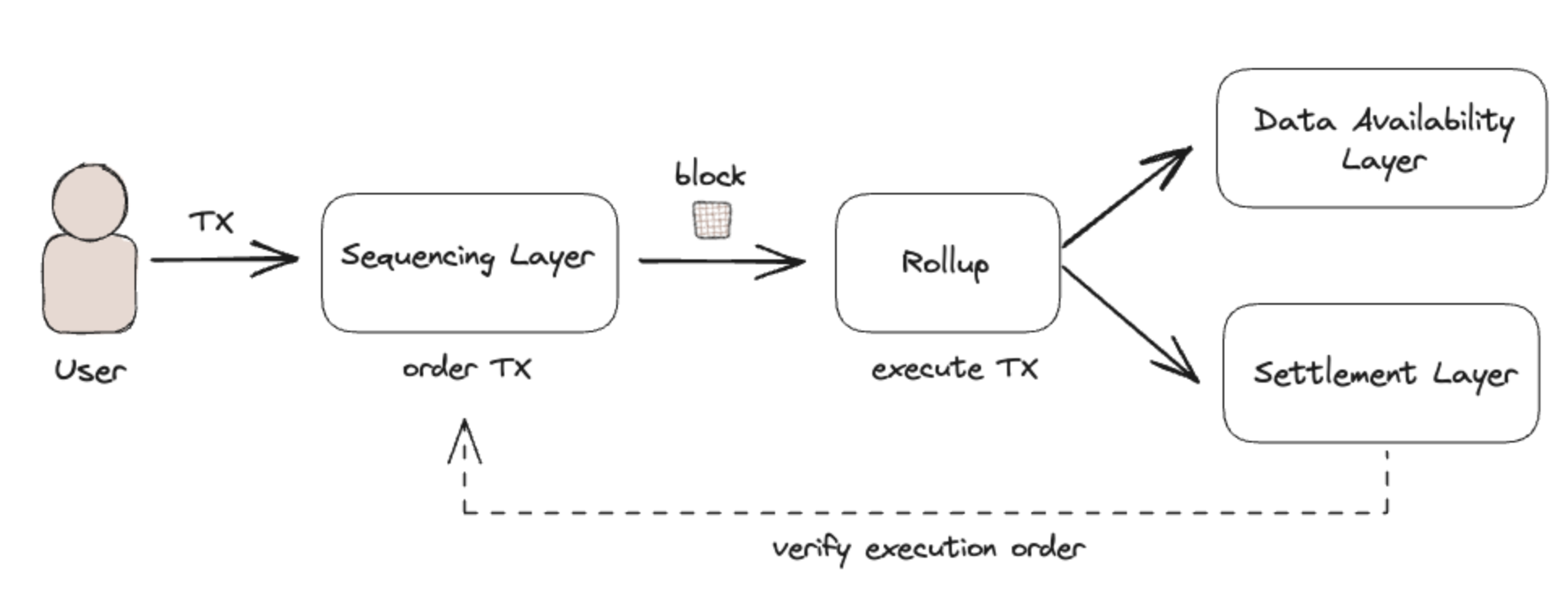
Consensus Layer
In most cases, consensus is provided by Layer 1. State hashes verified by the consensus layer are recorded on-chain, ensuring that Rollup transaction blocks benefit from Layer 1 security.
Data Availability (DA) Layer
Stores transaction data within Rollup blocks and makes it available to anyone so they can reconstruct Rollup transactions at any time. The DA layer can be Layer 1 itself, dedicated DA layers like Celestia or EigenDA, or even more centralized data availability committees.
2.2 Challenges Hindering ZK-Rollup Adoption
Despite its numerous advantages and being viewed by Vitalik as Ethereum’s long-term scaling solution, ZK-Rollup faces several technical hurdles that currently limit widespread adoption.
These include prohibitively high ZKP computation costs, excessive complexity of zkEVM, and hardware requirements for ZKP computation that could lead to centralization.
High Cost of ZKP Computation
ZKP computation is extremely intensive. Take the popular zk-SNARKs algorithm: generating a ZKP involves converting a program’s execution process into a verifiable proposition.
This proposition is abstracted into a system of polynomial equations. To prove the correctness of program execution (i.e., existence of polynomial solutions), pairing operations must be performed on elliptic curves.
Generating polynomials and performing elliptic curve pairings are highly computation-intensive due to the vast number of algebraic operations involved.
In terms of hardware requirements and execution time, this computational complexity leads to high hardware demands. Ordinary hardware may struggle to complete these computations within reasonable timeframes, especially when processing large volumes of transactions.
The time required to generate a zk-SNARK proof far exceeds the time needed to execute the original program (excluding proof generation). Depending on implementation and transaction complexity, proof generation can take hundreds to thousands of times longer than the original computation.
Hardware Demands of ZKP May Lead to Centralization
Due to the high computational cost and hardware requirements of ZKP, small-scale Rollup operators may find it difficult to afford the necessary investment to become Provers.
This results in only a few participants with access to high-performance computing resources being able to efficiently generate proofs, leading to centralization trends within ZK-Rollup. Such centralization contradicts the decentralized ethos of blockchain and may introduce single points of failure and censorship risks.
zkEVM Is Too Complex
From a design compatibility standpoint, EVM was not originally built with zero-knowledge proofs in mind. The EVM is a stack-based virtual machine supporting a range of opcodes for executing smart contracts.
To enable any program executed by EVM to generate valid zk-SNARK proofs, each EVM opcode must be mathematically modeled with corresponding proof logic. This requires complex cryptographic transformations and poses challenges for backward compatibility with existing smart contracts.
Implementing zkEVM requires extensive mathematical modeling of EVM opcodes, transforming program execution into forms provable via zk-SNARKs.
This includes simulating EVM state transitions, memory operations, and contract calls. Given the flexibility and complexity of EVM, this task is extremely challenging. Additionally, maintaining zkEVM efficiency and security while ensuring it produces compact, verifiable proofs remains a major hurdle.
03 How Lumoz Solves ZK-Rollup Adoption Bottlenecks
Lumoz is a decentralized ZK-RaaS (ZK-Rollup as a Service) platform and also a Proof-of-Work (PoW) network designed to support ZKP (Zero-Knowledge Proof) mining.
To address the series of challenges facing ZK-Rollup, Lumoz introduces the concept of ZK-RaaS—a service enabling developers to launch their zkEVM chains within one minute without needing deep expertise in ZK or node operations.
Lumoz also introduces the concept of ZK-PoW, inviting miners to participate in maintaining zkEVM and computing ZKPs. Lumoz aims to simplify the use of ZK-Rollup and promote broader adoption, facilitating large-scale deployment of zkEVM-based appchains.
Developers can deploy their ZK-Rollup (zkEVM) across multiple chains with a single click. For miners, Lumoz acts as a multi-chain PoW protocol, supporting ZK mining across various public chains and generating zero-knowledge proofs for ZK-Rollups.
3.1 ZK-PoW Cloud: Addressing ZK Compute Power and Centralization
The core issue behind ZK compute power and centralization is the high computational demand of ZKP generation, which raises hardware barriers and consequently fosters centralization.
Lumoz leverages the ZK-PoW mechanism to incentivize miners to provide ZKP computation capacity, offering comprehensive hardware infrastructure for ZK-Rollup—one of Lumoz’s core philosophies.
All participants—including users, developers, and miners—can benefit from Lumoz’s economic model, accelerating the large-scale adoption of ZK-Rollup.
Lumoz’s utilization of existing hardware resources
After Ethereum’s transition from PoW to PoS, many Ethereum mining rigs lost their use case. These rigs represent approximately $12 billion in capital value, much of which currently sits idle. With the large-scale rollout of ZK-Rollup, there will be massive demand for hardware such as CPUs, GPUs, and FPGAs to generate ZKPs.
Optimized ZKP algorithms from Lumoz lower the entry barrier for miners and improve scalability efficiency
-
Introducing a two-step ZKP submission mechanism to lower miner participation threshold
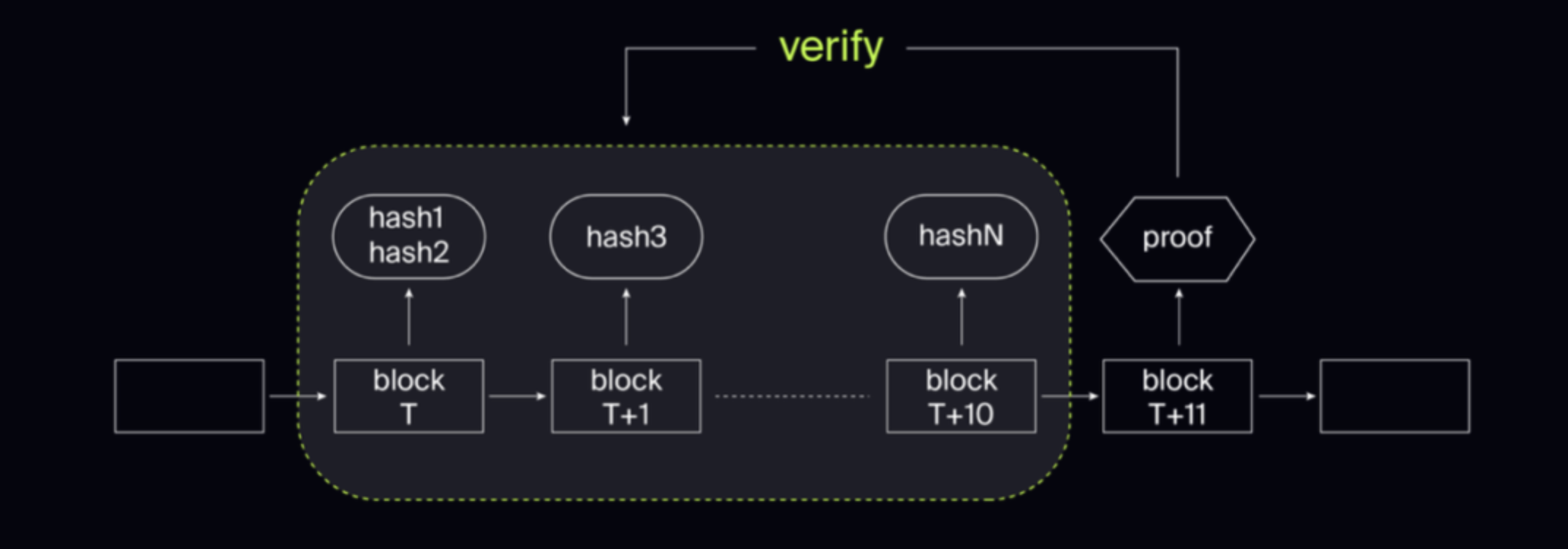
To encourage broader miner participation in ZKP computation tasks, Lumoz proposes a two-step ZKP submission mechanism.
Submit proofhash: Within a defined time window, multiple miners can participate in ZKP computation rather than rewarding only the first miner who completes the proof. This design enables wider participation beyond just the most powerful miners. After completing ZKP computation, miners do not immediately submit the raw proof. Instead, they hash the proof along with their own address (proof/address) to generate a “proofhash,” which is submitted to a designated smart contract on-chain. This step does not reveal the actual proof content, ensuring both security and efficiency, while allowing more miners to join the computation process.
Submit ZKP: After the time window ends, miners submit the original proof, which is matched against the previously submitted proofhash for verification. This ensures the submitted proof corresponds to the earlier declared one, preventing cheating. Miners passing this verification receive PoW rewards, distributed based on stake—not solely awarded to the fastest miner.
-
Optimizing ZKP generation algorithms to improve proof efficiency
When Rollup smart contracts verify ZKPs, submitting raw proofs directly may expose vulnerabilities to on-chain attacks. To avoid such risks, ZK-Rollups often perform additional operations to obfuscate proof data. Lumoz’s innovative two-step submission algorithm uses a “submit first, verify later” approach, eliminating unnecessary aggregation computations on proofs and addresses.
In some open-source zkEVM implementations, ZKP computation and submission occur sequentially. When ZK-Rollups submit large batches, this becomes a bottleneck since miners cannot compute multiple ZKPs in parallel. Lumoz’s two-step algorithm enables parallel ZKP computation and sequential submission, allowing miners to handle multiple proof-generation tasks simultaneously—significantly boosting ZKP generation efficiency.
The Lumoz team has also improved the recursive aggregation algorithm for ZKPs, significantly enhancing machine resource utilization within clusters and further accelerating ZKP computation. Stress tests in real-world environments show that using a cluster of 20 machines (each equipped with a 128-core CPU and 1TB RAM), the system can sustain a throughput of 27.8 transactions per second. Under similar conditions, Lumoz successfully reduced average transaction confirmation time from about 5–6 minutes to around 3 minutes—improving ZKP generation efficiency by approximately 80%.
As more ZK-Rollups and miners join, the scale of supply and demand in the ZKP computation market will continue to grow, making the efficiency gains offered by Lumoz’s PoW algorithm increasingly significant.
3.2 ZK-RaaS: Lowering Development Barriers
One-Click ZK-Rollup Generation
Lumoz’s ZK-RaaS (ZK-Rollup as a Service) offers all users a one-click ZK-Rollup generation service.
Lumoz provides a universal ZK-Rollup launchpad, enabling developers to easily deploy various types of ZK-Rollups onto different base chains.
Supported base chains include Ethereum, Lumoz Chain, BNB Chain, Polygon PoS, and other public chains.
Supported ZK-Rollup (zkEVM) types include zkSync, Polygon zkEVM, Scroll, StarkNet, and other zkEVM variants, as well as various ZK-Rollups.
Easy Management of ZK-Rollup
Lumoz deploys a Rollup System Contract (RSC) on each base chain to manage the lifecycle of Rollups on that chain—including registration, pausing, and revocation.
By leasing a Rollup slot with a certain amount of MOZ (Lumoz’s native token), developers gain ownership of a ZK-Rollup.
The concept of a Rollup slot is similar to Polkadot’s parachain slots or Cosmos application chains. However, Cosmos appchains require maintaining their own consensus and cross-chain bridges, posing significant security risks. In contrast, ZK-Rollups leverage ZK technology to mathematically ensure shared consensus and data availability with the base chain—offering greater security, decentralization, and lower maintenance costs.
Once a Rollup slot is leased, developers obtain an independent execution environment—an exclusive ZK-Rollup chain. They gain full control over the chain and can customize its economic model, including selecting the GAS token. They can freely adjust GAS fees—even setting them to zero—for completely free user experiences.
Low Cost
Developers bear no hardware costs. All hardware resources—including data availability, sequencers, and ZKP computation—are provided and decentralized via the Lumoz ZK-PoW cloud.
Interoperability
Native cross-Rollup communication is enabled between different ZK-Rollups on different base chains. This message-passing mechanism allows addresses on one Rollup to directly interact with contracts on another. This feature greatly alleviates asset fragmentation issues and enhances interoperability among applications.
3.3 Lumoz Chain: Further Optimization for ZK-Rollups Built on Lumoz
Lumoz Chain is one of the base chains supported by Lumoz, utilizing a hybrid PoS/PoW consensus model. It not only supports the Lumoz ZK-PoW cloud but also delivers further optimizations for ZK-Rollups.
Performance Optimization for ZK-Rollup
Optimizations include using precompiled contracts to accelerate ZKP verification, data sharding support, and ETH 2.0-based PoS consensus. Future upgrades will support EIP-4844, DankSharding, and other full-sharding solutions—potentially reducing Rollup GAS costs to nearly zero.
A Decentralized Sequencer Solution
Block proposers on Lumoz Chain also propose blocks for the Rollup layer, effectively separating the roles of builders and proposers.
Builders are supported by a permissionless P2P network, while proposers rely on Lumoz Chain’s block proposers. This approach eliminates single-node availability risks while maintaining resistance to Miner Extractable Value (MEV) and censorship.
Lumoz Chain provides a standardized decentralized sequencing mechanism where block proposers also propose Rollup-layer blocks. Through this design, ZK-Rollups inherit not only higher-layer security but also its degree of decentralization.
On Lumoz Chain: Anyone holding Lumoz tokens can become a validator and earn block rewards and gas fees from the chain.
On the Rollup layer:
PoS (Sequencer): Validators propose blocks on both the Lumoz Chain and the Rollup layer (data batches), acting as sequencers on the Rollup layer and earning GAS fees from transactions.
PoW (Prover): Any individual with sufficient computational power for ZKP generation can serve as a prover on the Rollup layer. According to PoW rules, provers generate zk proofs from Rollup-layer blocks submitted by sequencers.
A ZK-Rollup resembles a computer, where the hard drive represents PoS-provided data availability, and the CPU reflects PoW-granted computational power.
Lumoz Chain’s role is to balance PoS and PoW, enabling all participants to maximize contributions and benefits—thereby enhancing performance and user experience across large-scale ZK-Rollup networks.
04 Market Landscape and Lumoz’s Unique Positioning
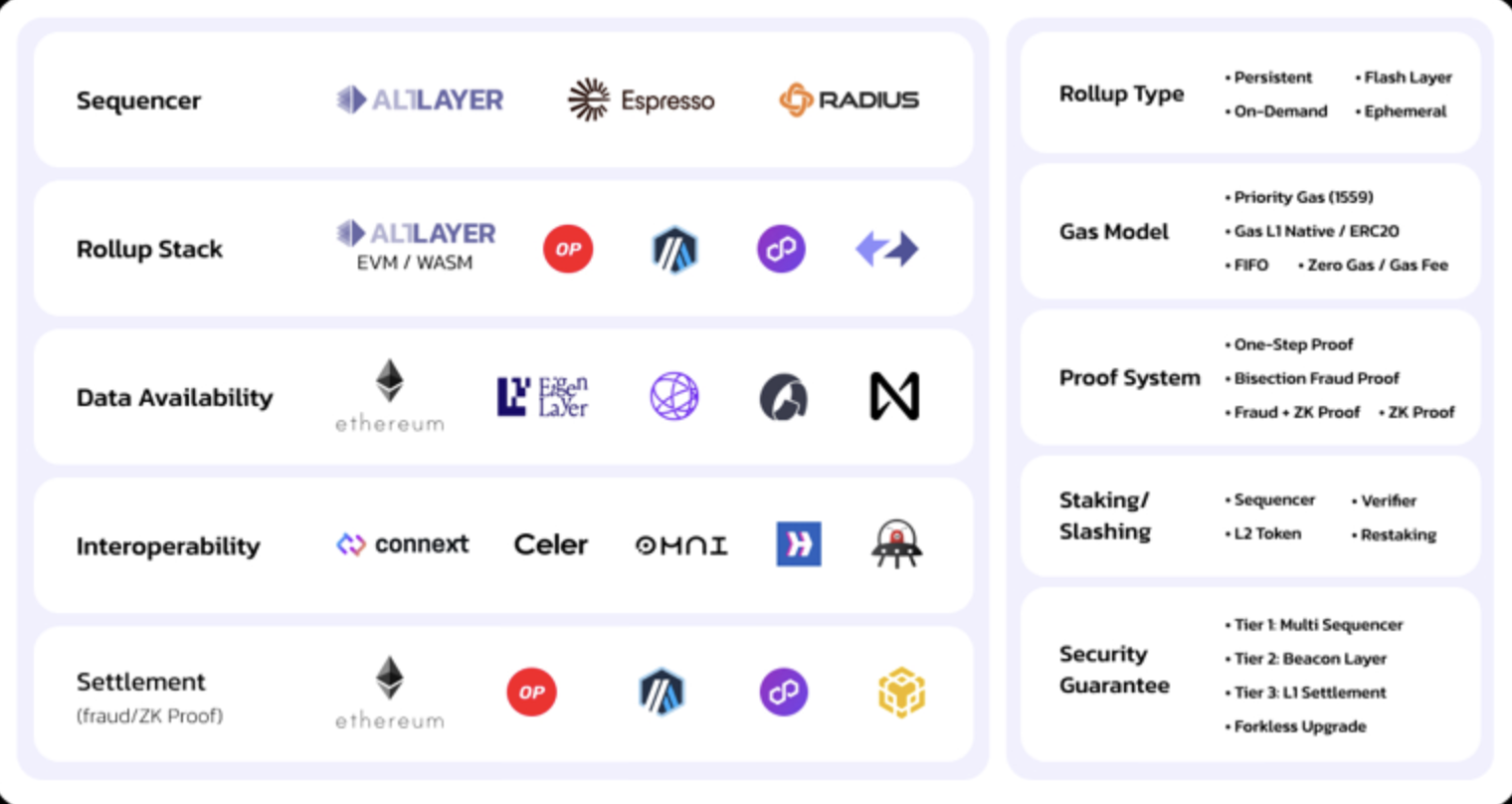
Looking at the RaaS and modular blockchain landscape, competition has intensified. The settlement layer is already dominated by major players like ETH, Optimism, and Arbitrum;
Interoperability is served by asset bridges like Mini Bridge, Orbiter, Connext, and cross-chain messaging projects like LayerZero and Chainlink CCIP;
The DA layer is firmly occupied by projects like Celestia and EigenDA; at the Rollup stack level, most Rollup projects—and even RaaS providers—heavily depend on dev kits from established L2s like Optimism, Arbitrum, Polygon, and zkSync, resulting in homogenization among pure RaaS tooling projects;
In the decentralized sequencer space, emerging projects like AltLayer and Espresso have already gained early-mover advantages.
Homogenization and oligopolization are clear characteristics of the RaaS and modular赛道. For new entrants to break through, unique positioning and forward-looking strategy are essential.
Lumoz’s integrated approach combining compute modules and RaaS services comprehensively addresses a series of ZK-Rollup pain points, accelerating their widespread adoption.
Currently, within the niche field of ZK-Rollup RaaS, Lumoz stands as a leading “integrated” platform. As ZK-Rollup adoption grows, Lumoz has strong potential to emerge as the standout player in this specialized segment.
In terms of comparable projects, likening Lumoz to the “AltLayer of the ZK space” is reasonable. Like AltLayer, Lumoz is not merely a RaaS provider—it enhances RaaS offerings through a distinctive feature, delivering more comprehensive services and securing a competitive market position.
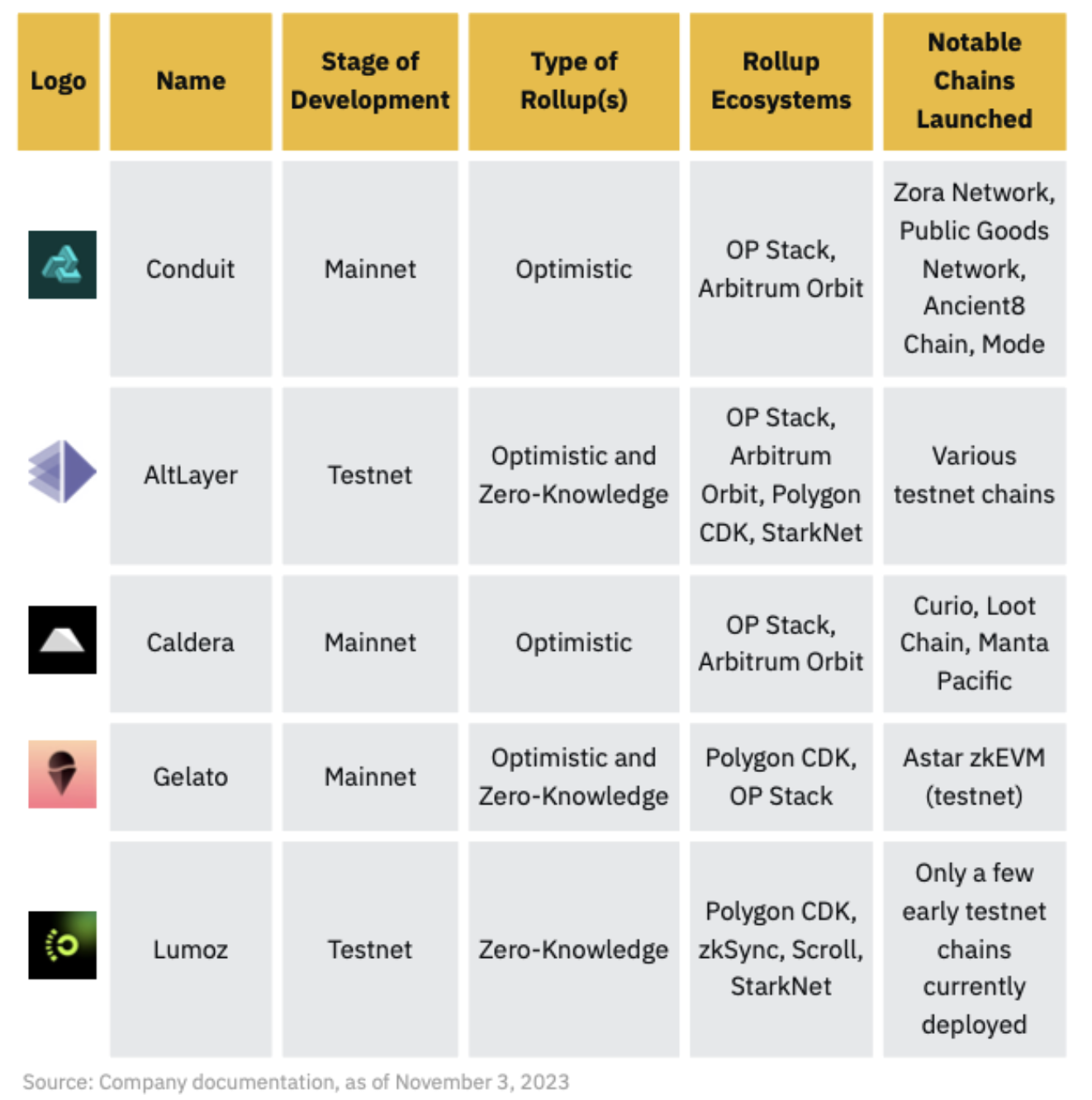
AltLayer leverages EigenLayer’s restaking-based sequencer to enhance its RaaS offering, achieving notable market traction. Lumoz, in contrast, focuses on shared ZK compute power, helping ZK-Rollup projects overcome post-launch computational challenges.
AltLayer currently boasts a market cap of $670 million and an FDV exceeding $5.3 billion. Its market performance highlights the high value capture potential in the RaaS sector. Similarly, as a leading player in the ZK RaaS space, Lumoz—through its integration of ZK compute power and RaaS services—is well-positioned to achieve strong market performance when ZK-Rollups experience broad adoption.
05 Project Background
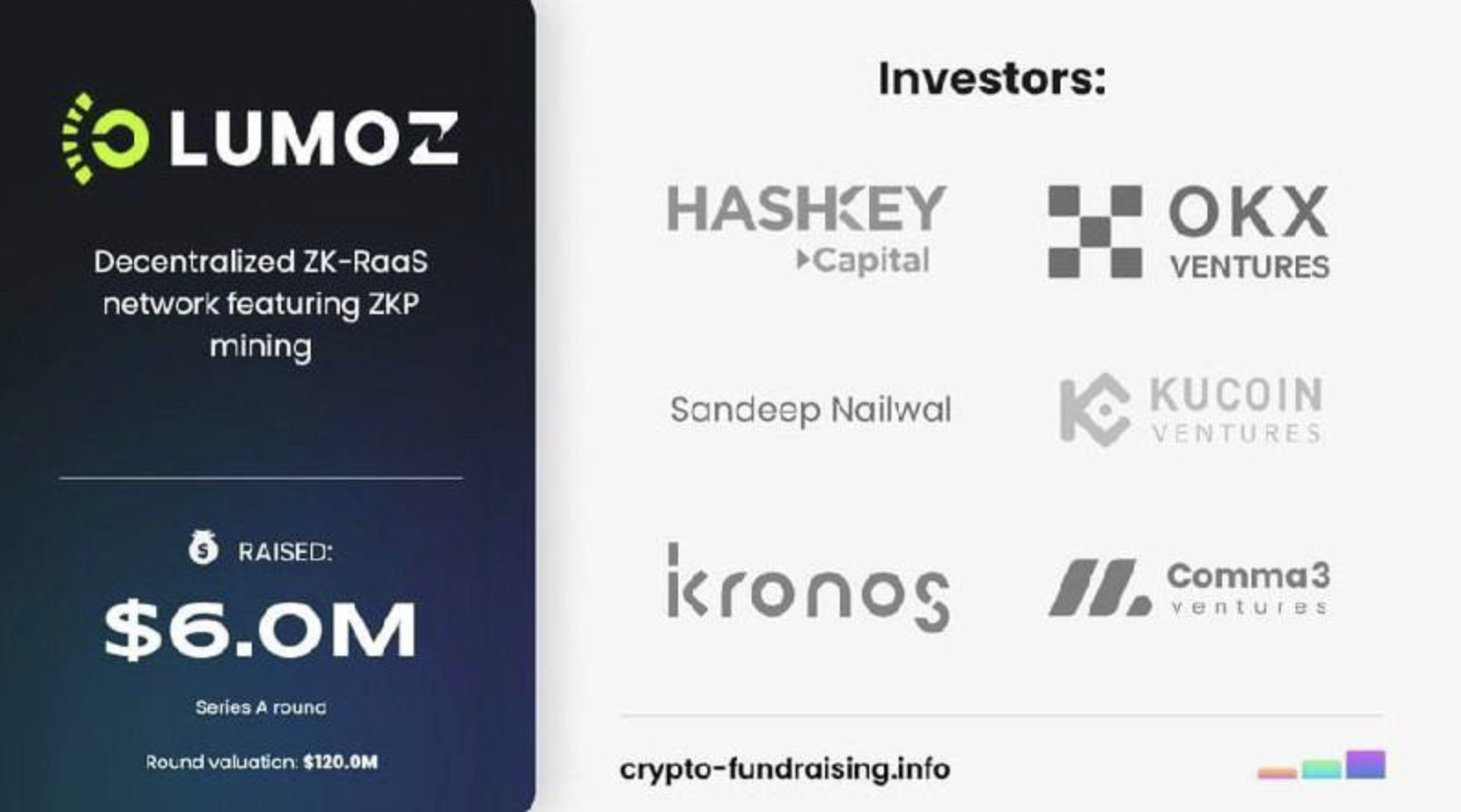
Lumoz was formerly known as Opside, which operated as a ZK-RaaS platform. On April 8 this year, Lumoz announced it had raised funding at a $120 million valuation, with participation from OKX Ventures, HashKey Capital, KuCoin Ventures, and others.
To date, Lumoz has raised $10 million. A third round of fundraising has already commenced, with several institutions confirmed to participate.
Lumoz’s rapid leadership in ZK compute modules and strong institutional backing stem from its deep technical expertise in ZK and abundant PoW mining resources.
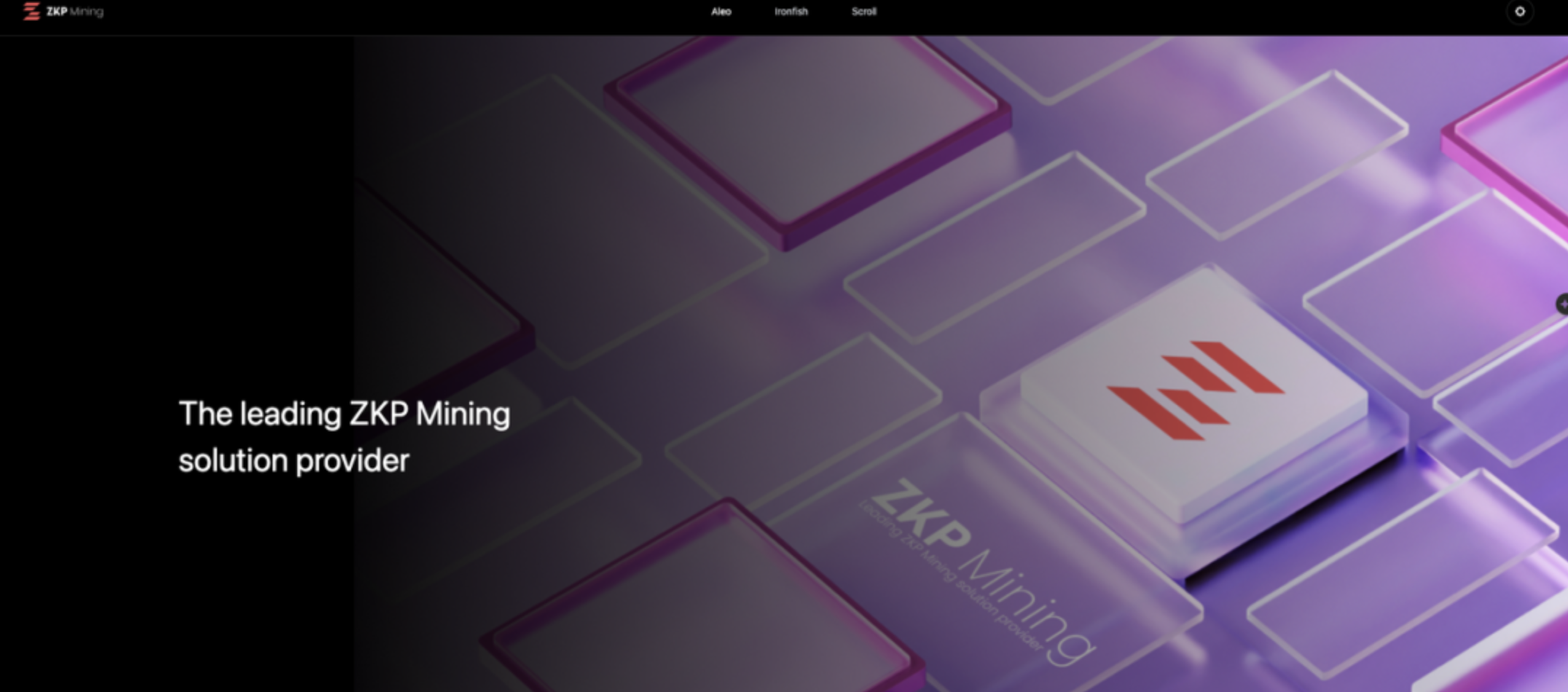
Prior to launching Lumoz, the team participated in two ZK mining projects—6block and zk.Work—demonstrating its pioneering role in ZK mining.

06 Progress and Roadmap
Backed by strong technology and resources, Lumoz has already enabled the emergence of several innovative ETH L2s and BTC L2s, such as ZKFair and Merlin Chain.
ZKFair: https://zkfair.io/
Merlin Chain: https://merlinchain.io/
The rapid rise of these projects indicates that Lumoz’s robust technical capabilities have already gained market recognition.
Currently, Lumoz’s core component—the Lumoz Chain—is in Alpha Testnet phase, with mainnet launch planned for July and token generation expected in August.
Lumoz places great emphasis on ecosystem development and early user incentives. Starting last August, Lumoz launched a four-month-long incentive testnet campaign called Gala Event, achieving outstanding results.
The Gala Event attracted nearly 700,000 community users, 25,000 PoS nodes participating in network validation, and 145 mining entities contributing hash power to Lumoz. Additionally, 15 zkEVM projects have been running stably on Lumoz Chain.
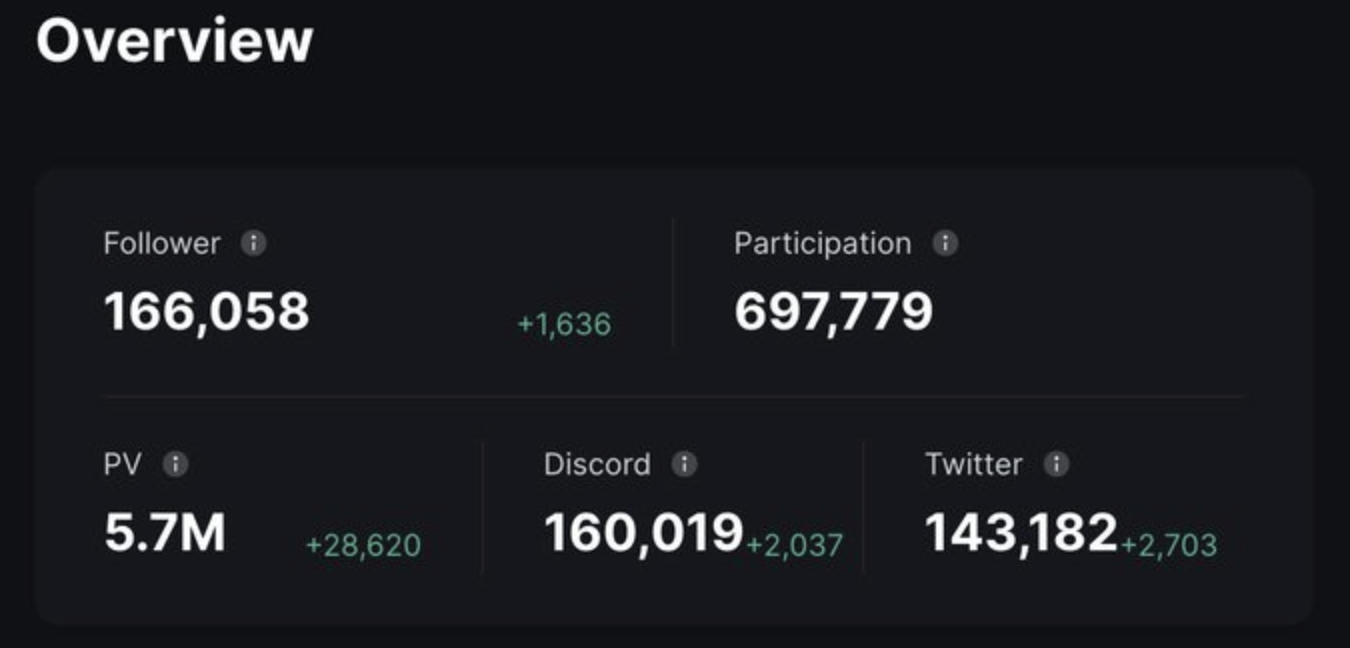
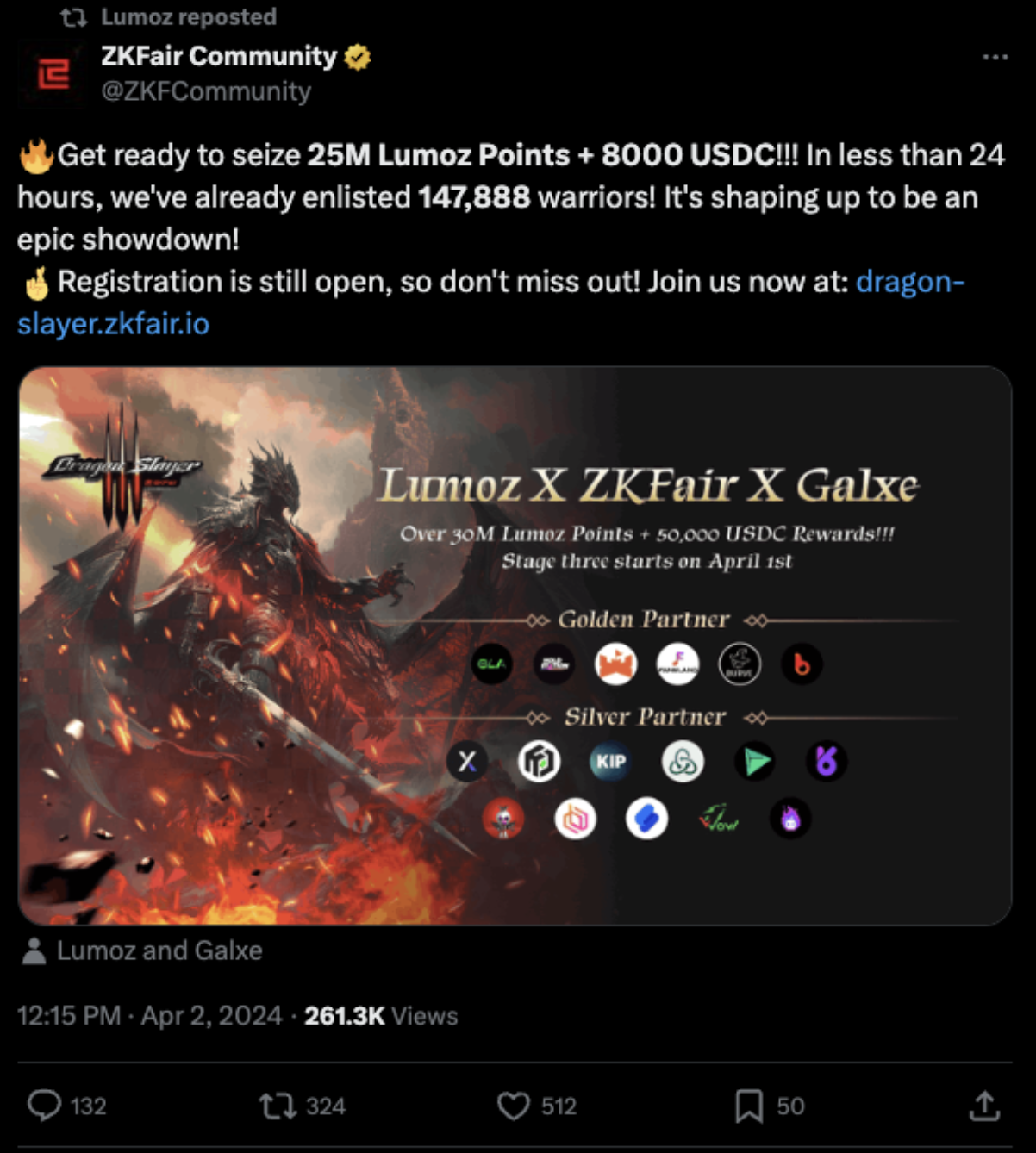
Currently, Lumoz continues to run the Dragon Slayer campaign with ZKFair and Glaxe to incentivize user participation. The campaign is now in its third phase, distributing 25 million Lumoz points and over 8,000 USDC in rewards.
Within 24 hours of the third phase launch, over 147,000 users had already participated—highlighting the campaign’s popularity and strong user confidence in Lumoz.
Lumoz expects mainnet launch in Q3. Users can currently engage early via the Dragon Slayer campaign.
Event link:
https://dragon-slayer.zkfair.io/
07 Conclusion and Outlook
As ZK-related technologies mature, ZK-Rollup is poised to capture a significant share of the future Ethereum scaling market.
Lumoz’s foresight into the pain points and needs of ZK-Rollup has positioned it as a pioneer and leader in this domain. Judging from the enthusiasm surrounding its campaigns, it is clear that users have already shown strong recognition and support for Lumoz.
With the Lumoz team’s market foresight and deep resource foundation, we believe Lumoz is well on its way to becoming the leading force in the ZK-RaaS space, driving the large-scale adoption of ZK-Rollup. Let us look forward to Lumoz’s future achievements.
Join TechFlow official community to stay tuned
Telegram:https://t.me/TechFlowDaily
X (Twitter):https://x.com/TechFlowPost
X (Twitter) EN:https://x.com/BlockFlow_News
 @BiteyeCN






