Hack.Summit() 2024 Blockchain Developer Conference Day 1 Highlights
TechFlow Selected TechFlow Selected
Hack.Summit() 2024 Blockchain Developer Conference Day 1 Highlights
The event is hosted by renowned venture capital firm Hack VC, co-organized by industry leaders AltLayer, Berachain, and RockTree Capital, and managed by Hong Kong-based Web3 media outlet Techub News.
 Navigating Web3 tides with focused insights
As technology continues to advance, blockchain has emerged as a focal point of global attention. As an annual highlight in the blockchain industry, Hack.summit() 2024 Blockchain Developer Conference was successfully held on April 9, attracting numerous industry elites, technical experts, and media representatives. Over the two-day event from April 9 to 10, participants explored the latest developments, application prospects, and challenges facing blockchain technology. This article provides a detailed review of the key sessions and themes of the conference, enabling those who did not attend to gain deep insights into this major event.
The conference was organized by renowned venture capital firm Hack VC, co-organized by industry leaders AltLayer, Berachain, and RockTree Capital, and hosted by Hong Kong-based Web3 media outlet Techub News. We were also honored to receive valuable collaboration support from leading industry players including Solana Foundation, Chainlink Labs, Cyberport, 0G, Manta Network, MANTLE, HUAWEI, Vertex, Google Cloud, AUROS, J17, SNZ, JDI, Blockchain, ScalingX, BeL2, Chakra Chain, Web3MQ, dappOS, Axiomesh, Jasper Vault, CUSTONOMY, and zk.Link.
1. Conference Background and Theme
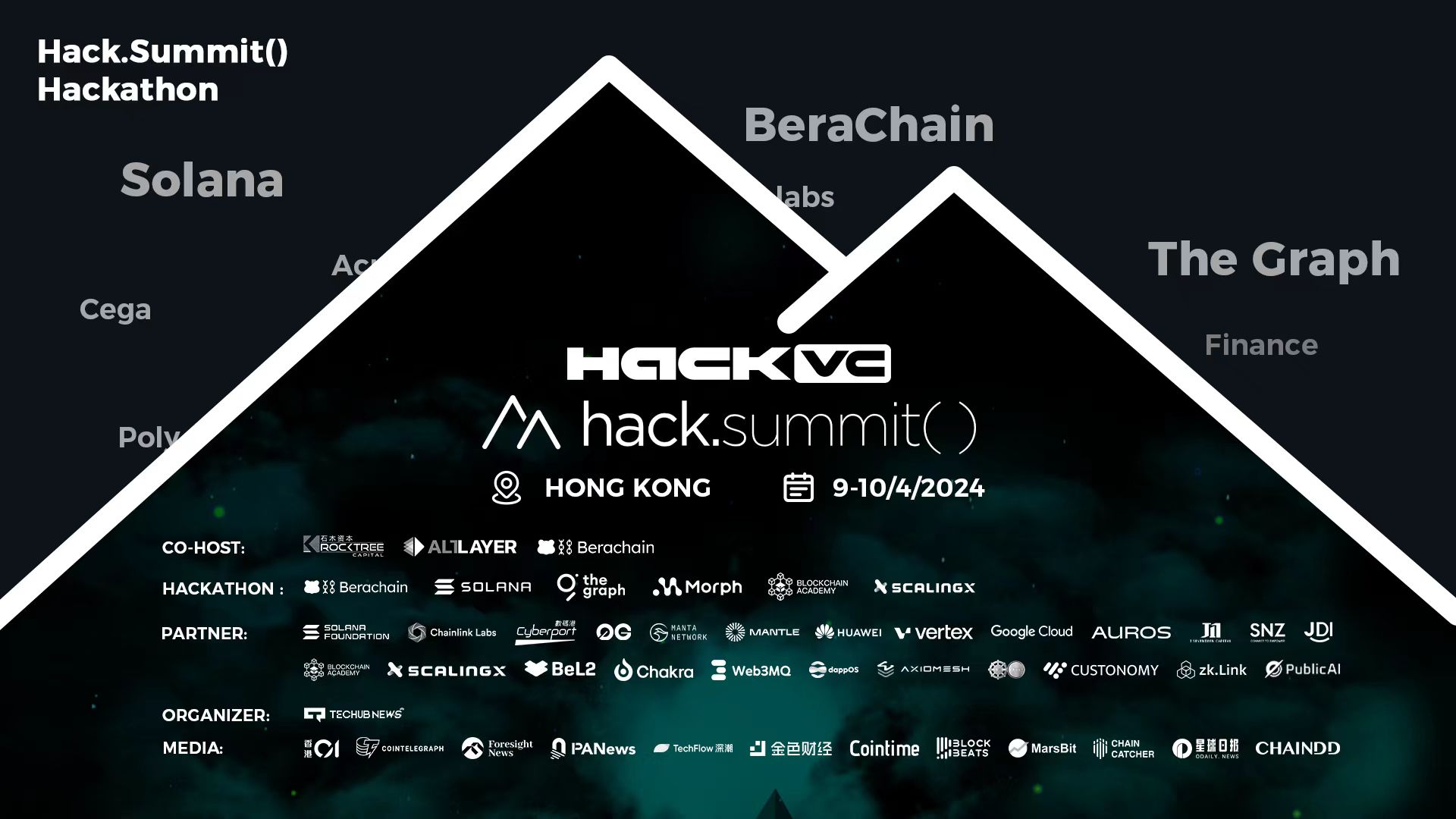
Hack.summit() 2024 Blockchain Developer Conference aimed to bring together top talent from the global blockchain community to explore innovation and development in blockchain technology. Under the theme “Building the Future, Creating Value Together,” the event focused on the latest applications, industry trends, and future directions of blockchain technology. With multiple sub-forums and panel discussions, the conference provided a platform for participants to exchange ideas and share experiences.
2. Conference Session Overview
Ed Roman [Founder of Hack.summit() & Founding Partner at Hack VC] Opening Remarks
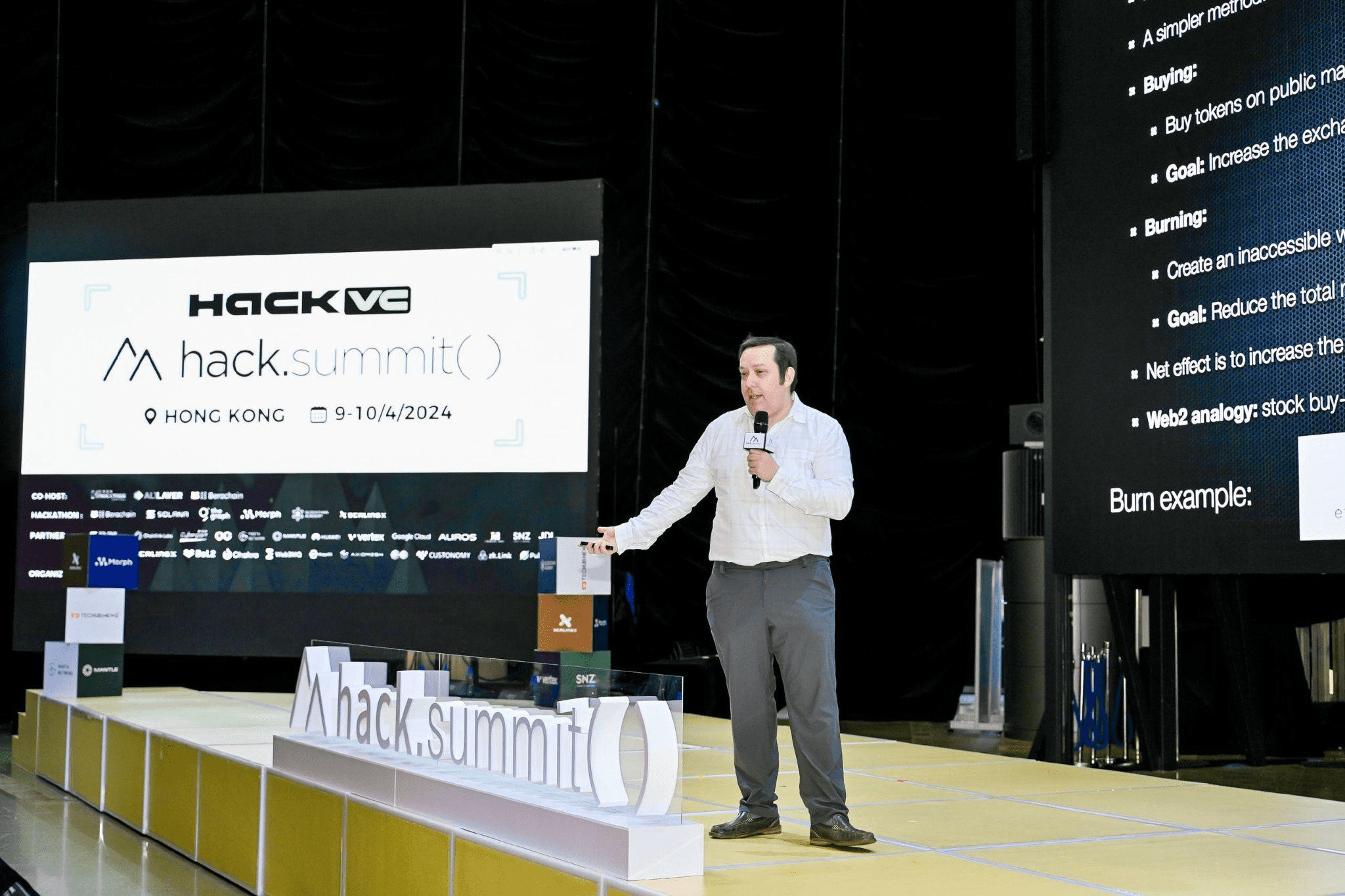
The conference kicked off with a grand opening ceremony, bringing together attendees to witness the launch of this significant event. During the opening of Hack.summit() 2024 Blockchain Developer Conference, founder Ed Roman warmly welcomed all participants and expressed his anticipation for two days of intensive technical exchange. He emphasized that this is an event dedicated to enhancing developer skills, shared the nine-year journey and charitable background of Hack Summit, and reaffirmed his strong commitment to blockchain and Web3. As the first edition held in Asia, he expressed great enthusiasm about choosing Hong Kong as the host city.
Finally, ED Roman, founding partner of Hack VC, stated: "Monetizing open-source software through cryptocurrency is a more elegant business model. By freely providing all open-source code—fully decentralized—and reserving a certain proportion of tokens for the team as a revenue mechanism, it represents a more 'elegant' approach. Software developers around the world, including those in Hong Kong, are using this model to build their businesses, significantly reducing entrepreneurial challenges. It's an incredible innovation."
Mr. Ronald Chan, JP (Deputy Secretary for Financial Services and the Treasury, HKSAR Government)
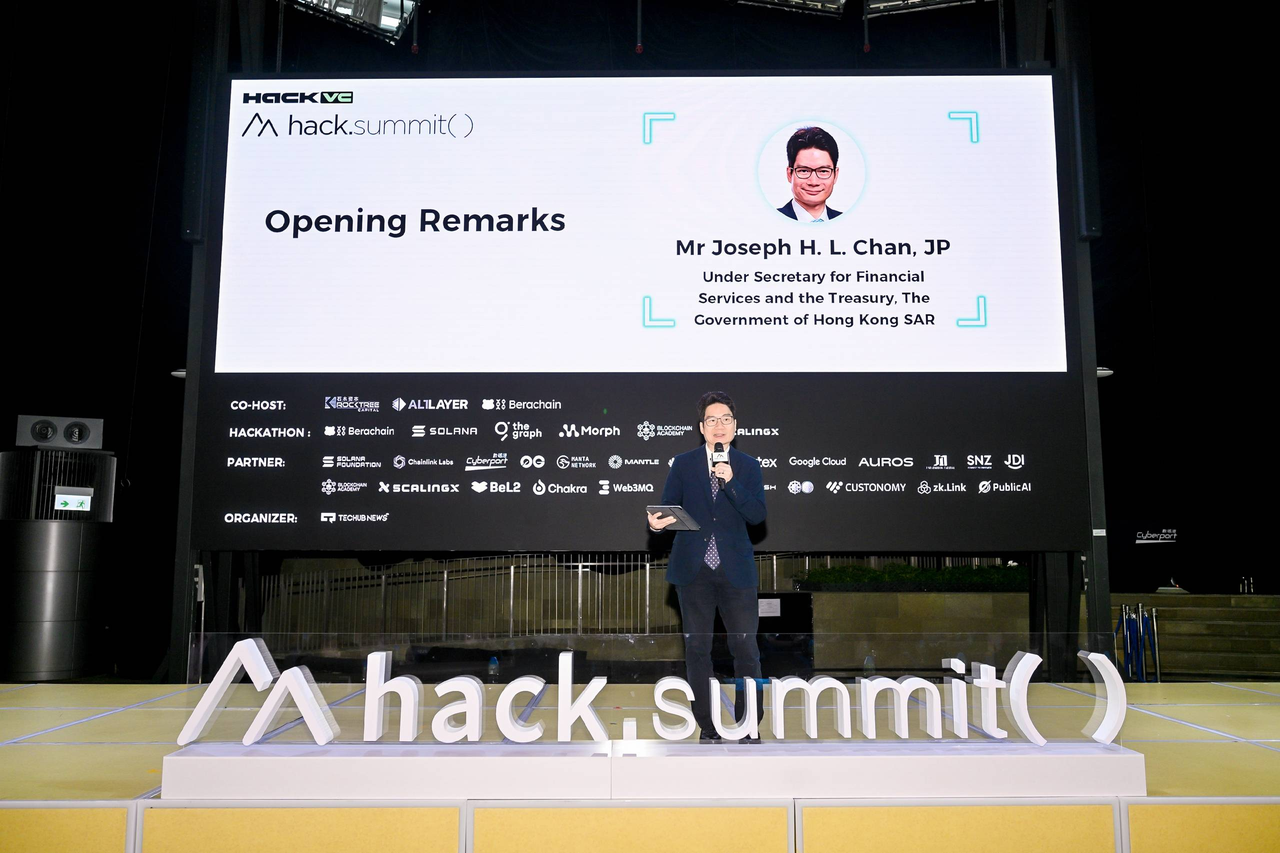
In his speech at Hack.summit() 2024 Blockchain Developer Conference, Mr. Ronald Chan highlighted Hong Kong’s status as an international financial center and its leadership in fintech and blockchain. He noted that Hong Kong ranks among the top in Asia and globally in areas such as cross-border wealth management, capital markets, risk management, insurance density, and offshore RMB business. These achievements reflect the robustness of Hong Kong’s financial ecosystem and provide a solid foundation for the growth of fintech and Web3. Numerous financial institutions have established their Asia headquarters or largest regional offices in Hong Kong, offering fintech and blockchain companies access to a vast pool of potential investors, clients, and partners. Mr. Chan emphasized that Hong Kong is actively promoting fintech and Web3 development, creating an ideal environment for global innovators.
Smokey (Co-founder of Berachain) Keynote Speech
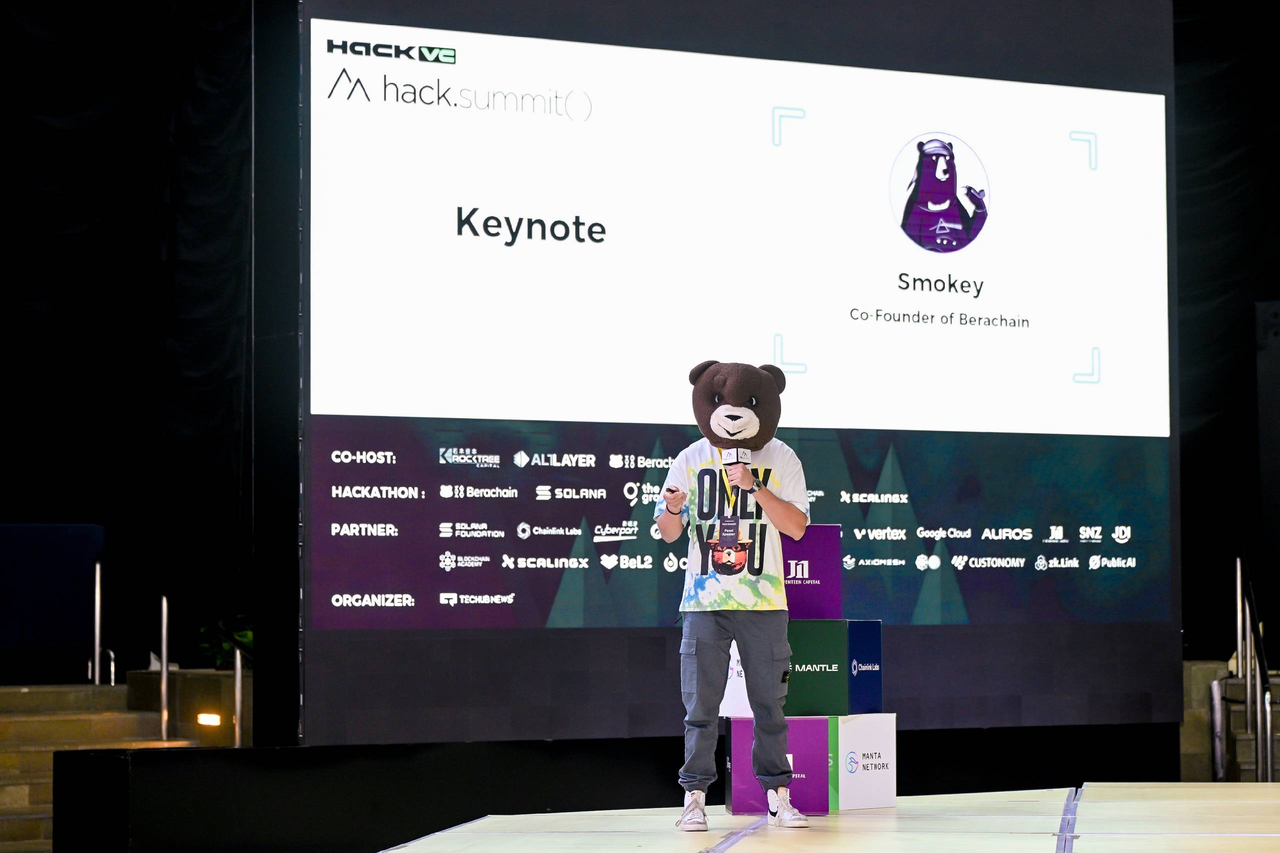
During his keynote address at Hack.summit() 2024 Blockchain Developer Conference, Berachain co-founder Smokey introduced the background story, vision, and economic model of the "Berachain" project.
He emphasized that Bearchain is an EVM-compatible Layer 1 built on the Cosmos SDK, allowing developers to seamlessly deploy Solidity code. However, its unique feature lies in adopting a consensus mechanism called "Proof of Liquidity Consensus," a variant of Proof of Stake. Smokey also revealed that the team is exploring a narrative involving many NFT bears, although specific details are still under development. They have already launched the RTO testnet and look forward to seeing developers build exciting applications on this platform.
Smokey added that currently there are dozens of so-called "ghost chains" with billions in TVL, yet very little actual interaction occurs on them. These chains haven't truly driven application development. A real blockchain ecosystem should be application-driven. When blocks are produced, rewards shouldn't remain solely with the validator set.
Rushi Manche (Co-founder of Movement Labs) Keynote Speech
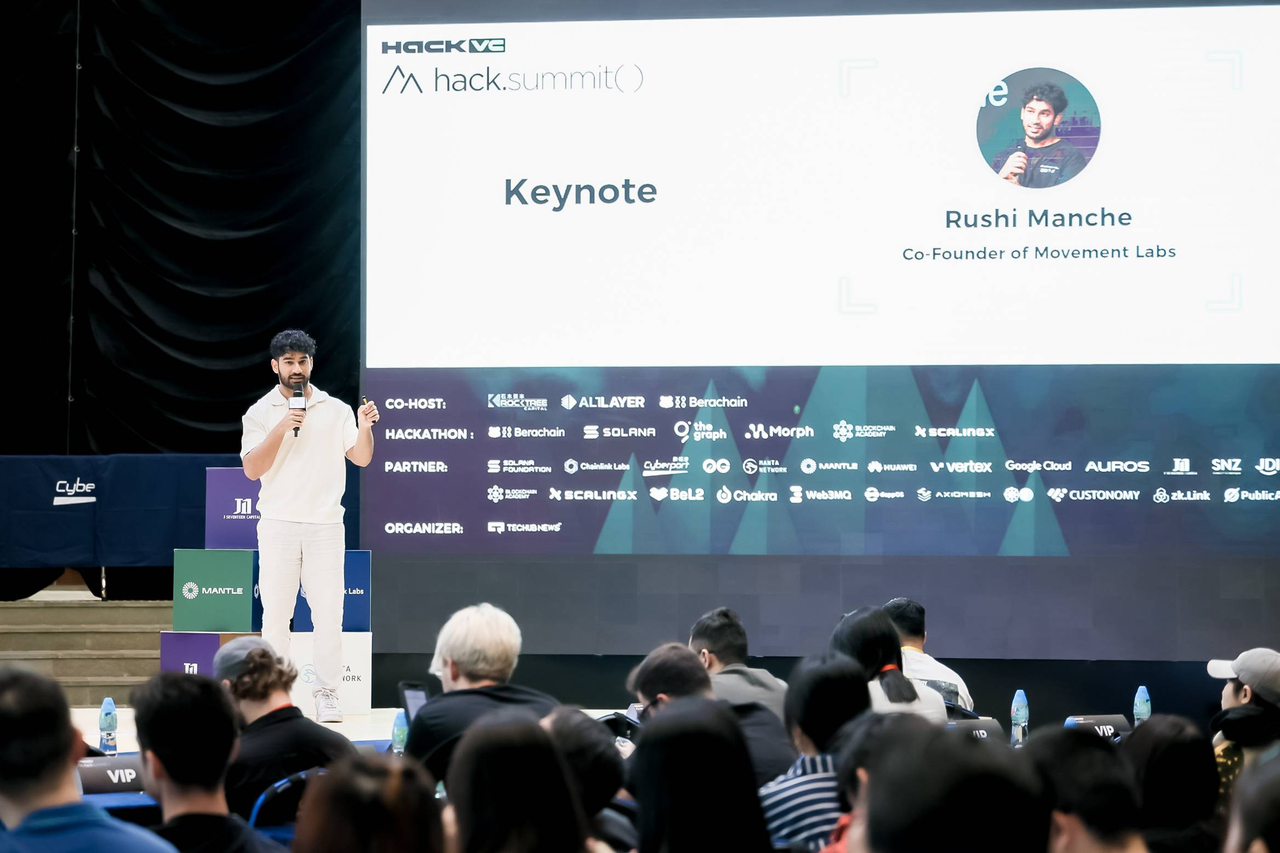
Rushi Manche shared insights on building the first application on Aptos and delved into the appeal of the Move programming language. He discussed the problem context, proposed solutions, and the architecture they are developing. He specifically mentioned M1 as their decentralized sequencer network and explained how the Move VM executes smart contracts. Rushi emphasized that with the widespread use of smart contracts on blockchains, security concerns have become increasingly prominent. Last year, over $8 billion was lost due to smart contract vulnerabilities, with $4.5 billion primarily stemming from issues like reentrancy attacks and integer overflows. Therefore, they are committed to addressing these problems through the Move language and other technologies to enhance blockchain security.
Akersh Srivastava (VP of Product & Head of Developer Relations at Chainlink) Keynote Speech
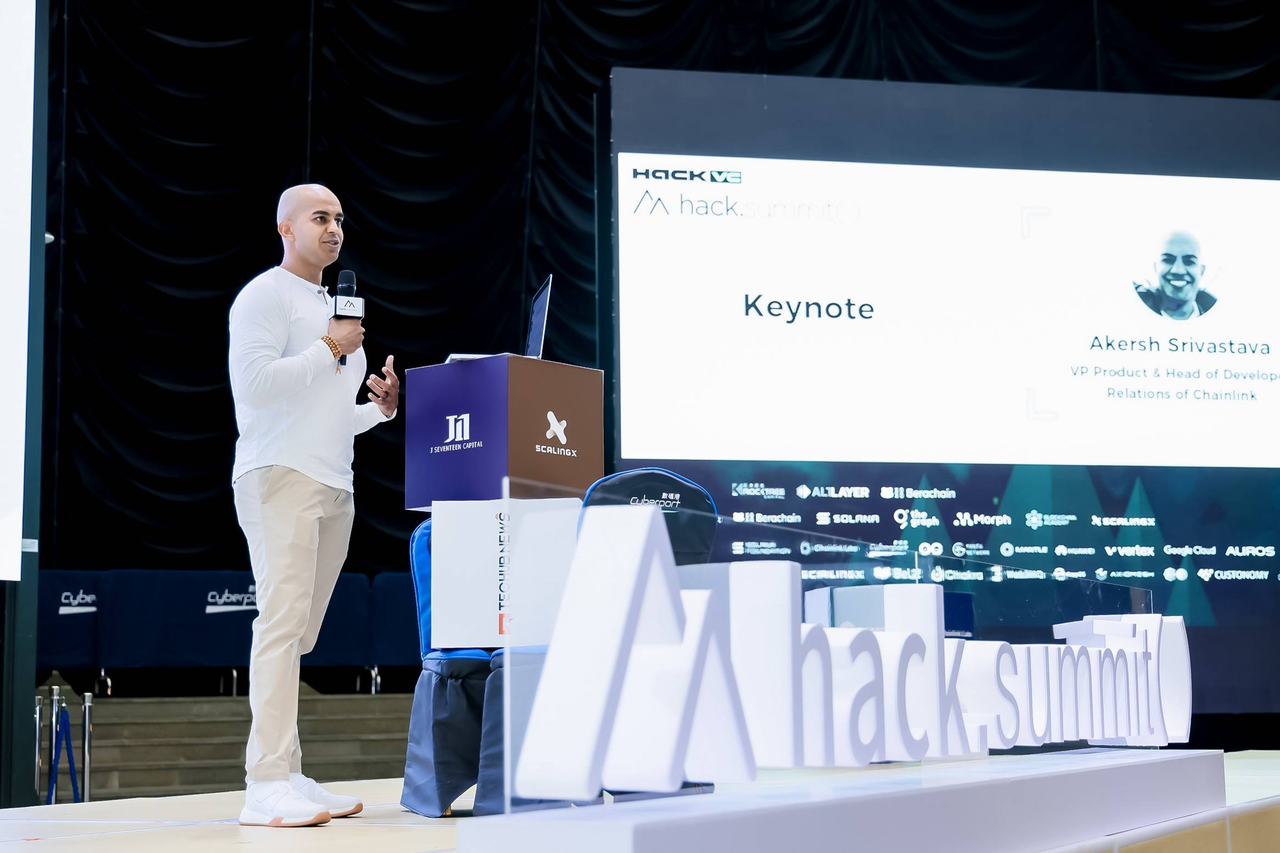
Akersh Srivastava opened his talk with lighthearted humor, using stage props to demonstrate Chainlink’s flexibility and engage the audience. He highlighted the importance of technological ecosystems in the Web3 era and gauged audience familiarity with Chainlink to introduce the core topics of discussion.
The core of the presentation revolved around the transition from Web 1.0 and Web 2.0 to Web 3.0, and Chainlink’s role in advancing decentralized technology ecosystems. Srivastava pointed out that as the internet evolves, we are moving from the static, highly centralized Web 1.0 era toward a more interactive and decentralized Web 3.0 era. In this transformation, technologies like Chainlink play a pivotal role in democratizing data and applications, driving innovations in social media, file sharing, and peer-to-peer networks.
Sandeep Nailwal (Co-founder of Polygon) Keynote Speech
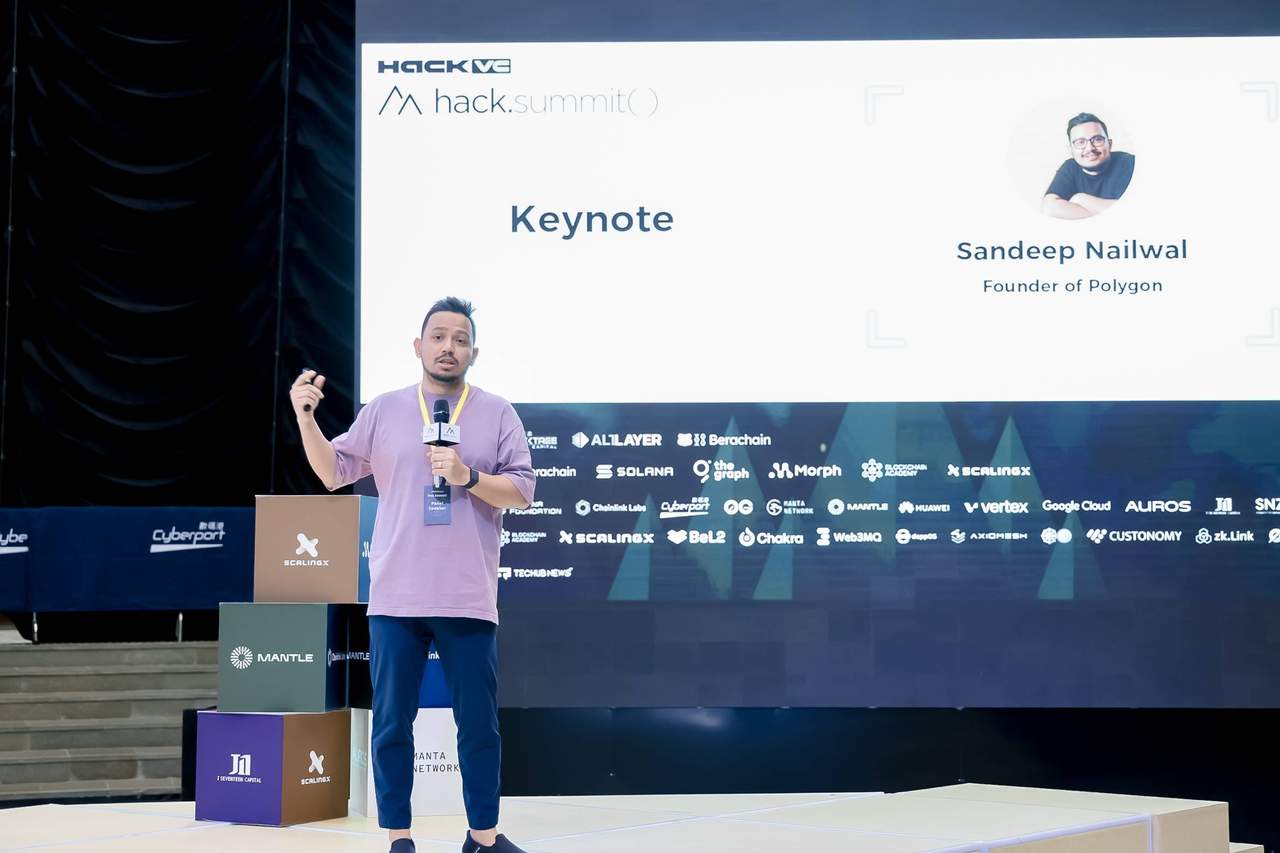
In his speech, Sandeep Nailwal began by reviewing the evolution of blockchain—from early monolithic blockchains (such as Solana, Ethereum, and Polygon PoS) to today’s modular blockchain architectures. Monolithic blockchains offer high composability and interoperability between smart contracts since all contracts are deployed on a single chain, but they face scalability limitations. Modular blockchains, on the other hand, achieve near-infinite scalability by enabling hundreds of chains to exist simultaneously.
However, modular blockchains also introduce fragmentation challenges. With 100 to 200 existing blockchains, users must bridge assets across different chains—each involving complex security assumptions. This issue of fragmentation has become a central topic of industry discussion.
Therefore, the next phase for modular blockchains is solving this fragmentation problem. Sandeep hinted that Polygon might address this through some form of aggregation, though he did not disclose specifics. Overall, the talk outlined the future direction of blockchain technology and highlighted the key challenges ahead.
Panel Discussion: Building the Next-Generation Decentralized Ecosystem
Moderator: Gokhan Er (Managing Director, IOSG Ventures)
Guests: Philip Forte (Founder, Elixir), Hilmar Orth (Founder, Gelato), Anuray Arjun (Avail)
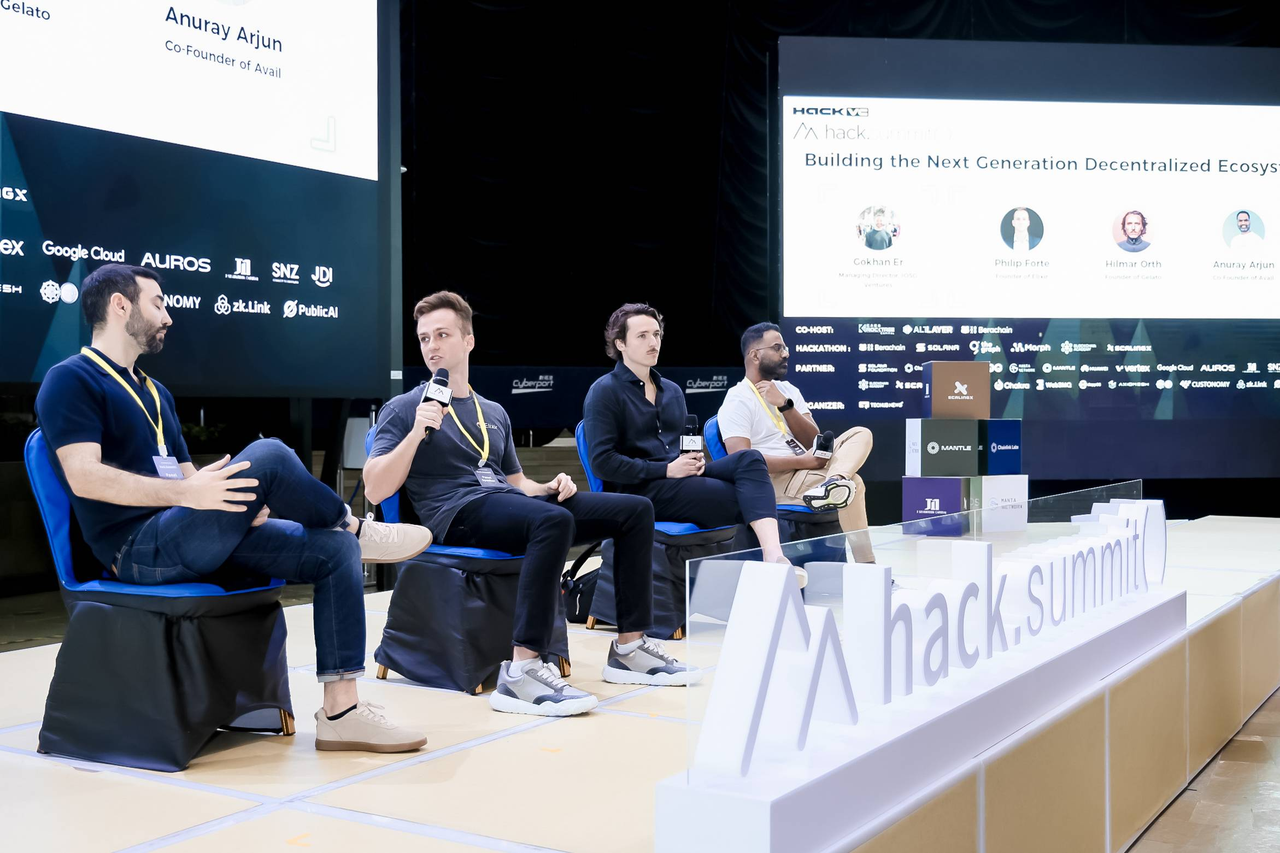 In today’s panel discussion, three guests—Phil Forte of Elixir, Hilmar Orth of Gelato, and Anuray Arjun of Avail—discussed the theme of building the next-generation decentralized ecosystem. Phil Forte emphasized the importance of modular stacks in blockchain technology and shared his extensive experience in the crypto space. Hilmar Orth introduced how Gelato helps projects build Rollup L2s and L3s while offering microservices to enhance functionality. Anuray Arjun shared Avail’s vision of providing data availability for scaling rollups and building an interoperability layer through proof aggregation. The speakers collectively demonstrated their passion for blockchain technology and optimism for the future. While modular stacks hold promise as a foundation for next-gen decentralized applications, addressing fragmentation remains critical to achieving seamless cross-chain interoperability.
Panel Discussion: Securing the Digital Frontier
Moderator: Ken Zhang (Security Lead, Greater China, Google Cloud)
Guests: Robert Chen (Founder, OtterSec), Alex Rawitz (Co-founder, Dimo), Ranvir Rana (Co-founder, Witness Chain)
During the “Securing the Digital Frontier” panel, guests shared their perspectives on digital asset security, offering valuable insights to attendees. First, Robert Chen, founder of OtterSec, emphasized the central role of security audits in protecting digital assets. He stated that thorough security audits can identify potential vulnerabilities and enable proactive mitigation. He believes that critical areas such as on-chain protocols and L1 exchanges should undergo rigorous auditing to ensure infrastructure security.
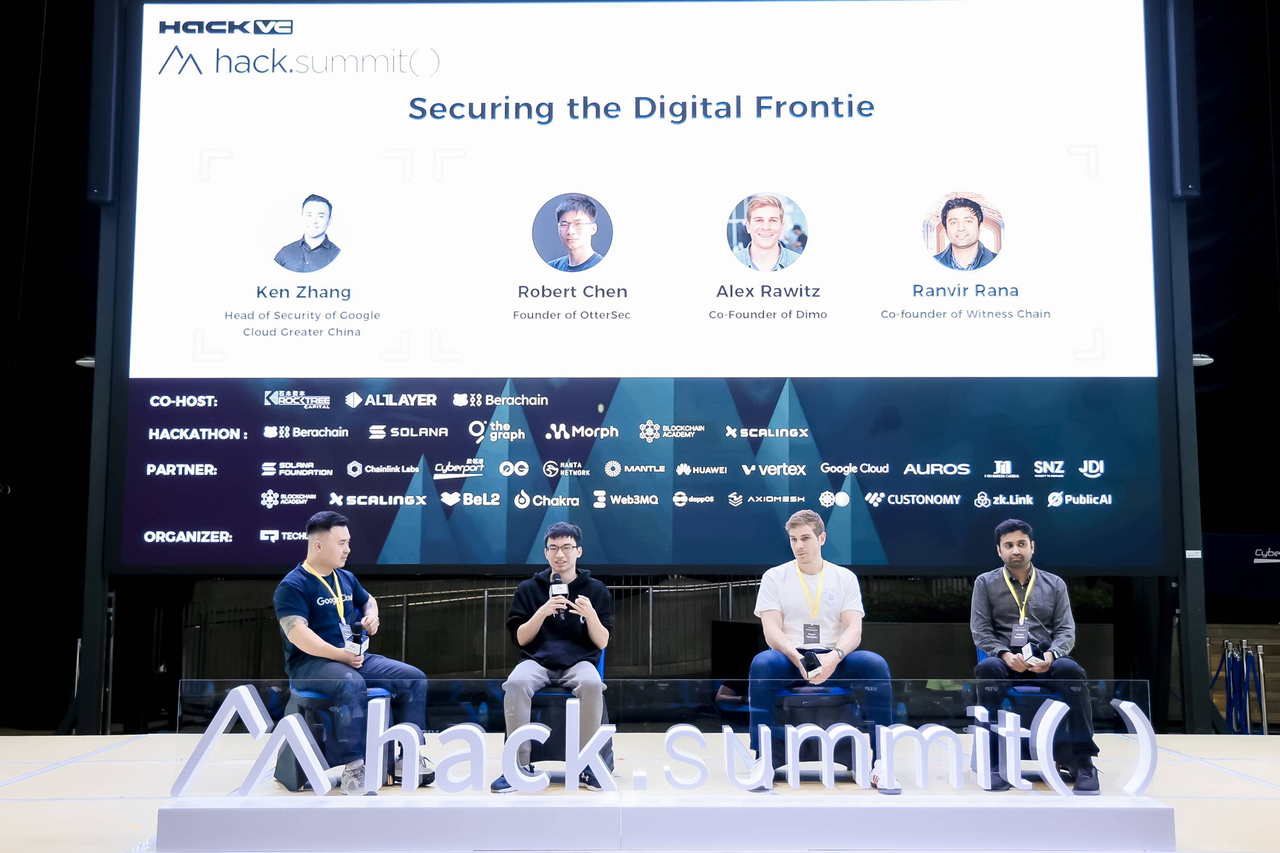
Next, Dimo co-founder Alex Rawitz addressed digital asset security from another angle. He argued that beyond technical safeguards, compliance and legal protections are equally important. In the digital asset space, regulatory compliance is essential for stable business operations. Therefore, he advised companies to strengthen both technical defenses and stay vigilant about evolving laws and regulations to ensure compliant growth.
Lastly, Witness Chain co-founder Witness Chen discussed securing digital assets from the perspective of decentralized ecosystems. He noted that while decentralization reduces single points of failure, it also introduces new security challenges. To address this, he proposed a comprehensive security framework encompassing identity verification, access control, encryption, and other aspects to ensure secure digital asset flows within the ecosystem.
David Tse (Co-founder of Babylon) Keynote Speech
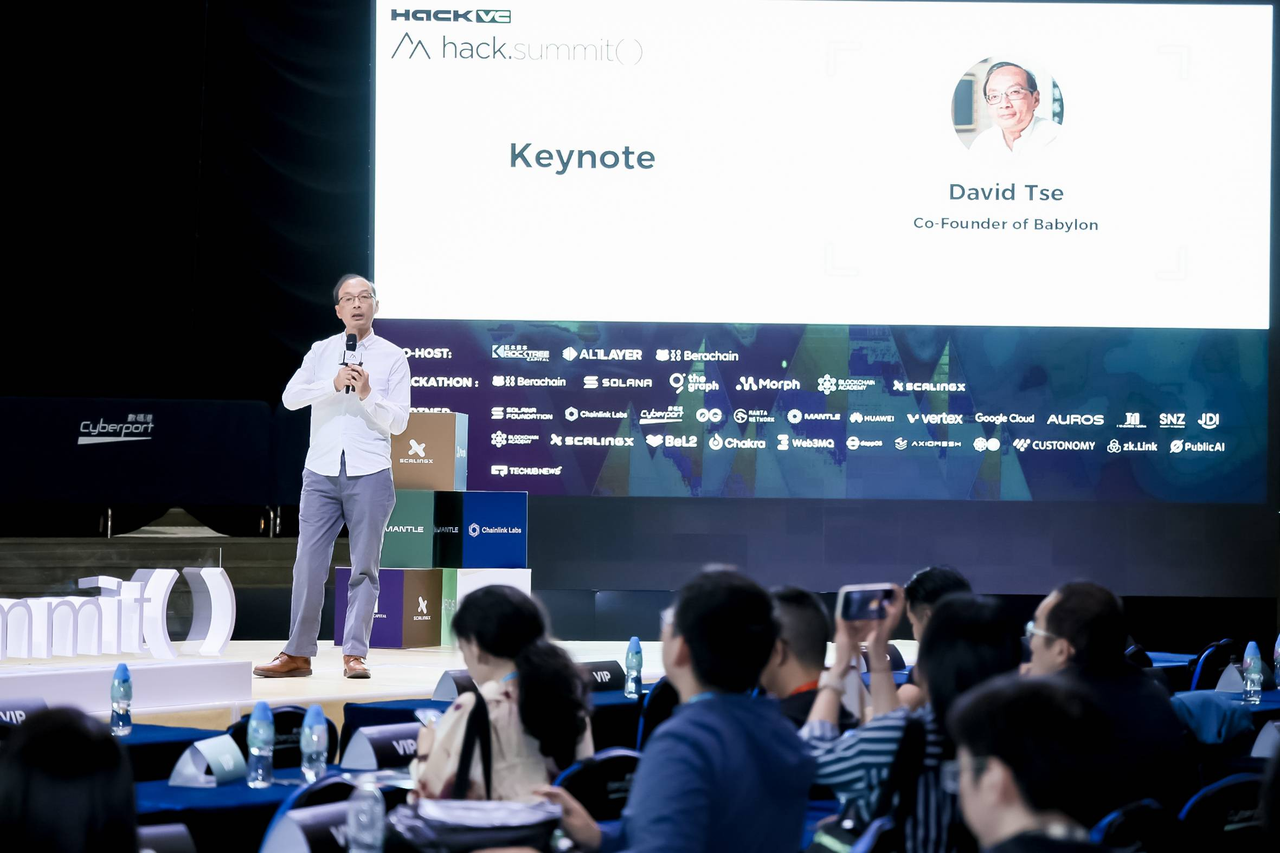
In his speech, David Tse highlighted Bitcoin’s role as a driving force in the current bull market and its rapidly rising price trend. He described Bitcoin as digital gold with immense intrinsic value. Over recent months, Bitcoin’s price has surged continuously, drawing increasing attention and investment. Mr. Tse expressed strong enthusiasm for ongoing projects related to Bitcoin and reaffirmed his commitment to advancing innovation in this space.
Feng Han (Co-Founder of BeL2) Keynote Speech
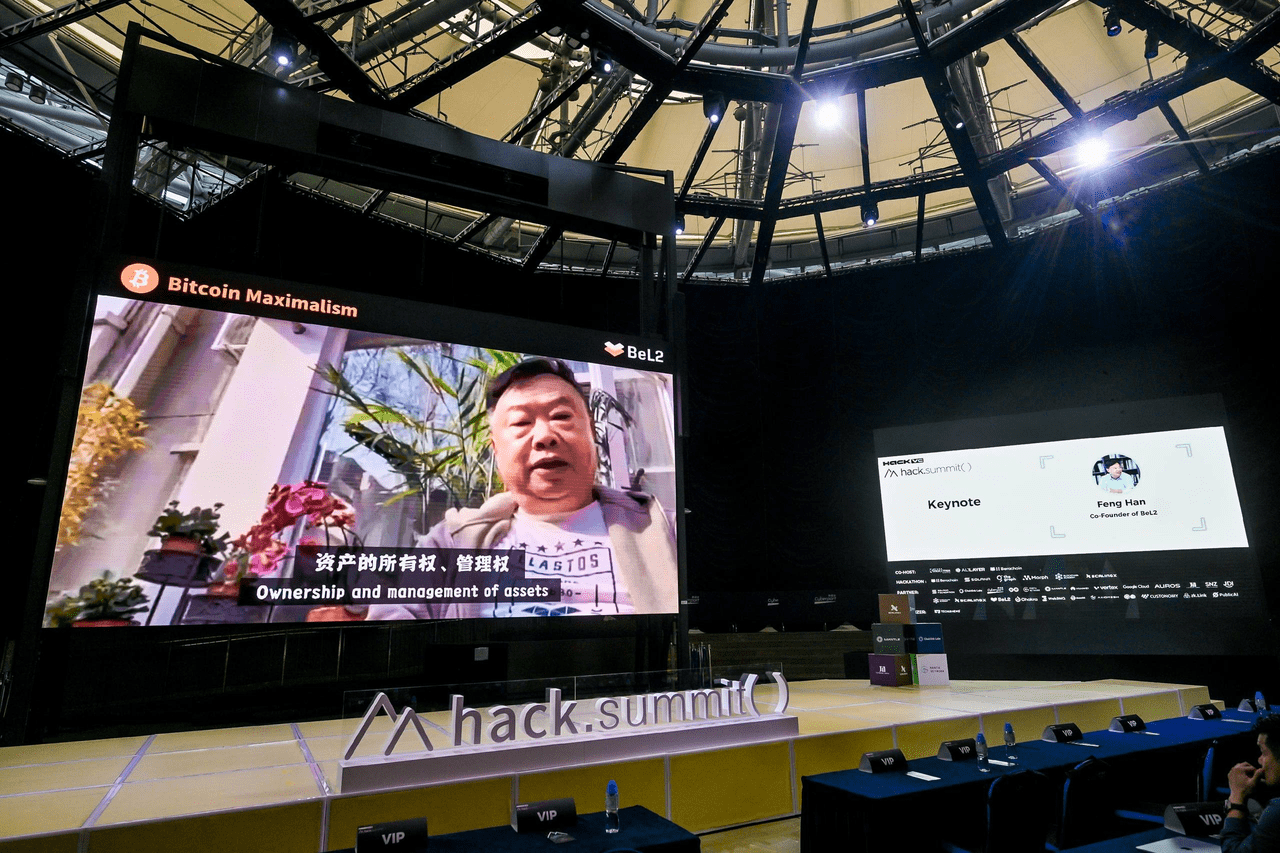
BeL2 co-founder Feng Han introduced BeL2 as infrastructure adhering to Bitcoin maximalism, leveraging Elastos and merged mining with BTC, harnessing over half of Bitcoin’s total hash power. BeL2 supports customizable smart contracts and enables BTC to operate outside the mainnet via BTC Oracle and zero-knowledge proofs, while safeguarding BTC holders’ ownership and asset management rights. He announced the upcoming launch of BTC Swap and EBTC lending, allowing BTC holders to participate in smart contracts and lending activities on other chains without leaving the Bitcoin mainnet. He believes this scenario unlocks uncollateralized lending opportunities for BTC holders and predicts it will become a major trend. Finally, he stressed the importance of upholding Bitcoin maximalism, noting that the BTC network offers superior security and transparency and aligns closely with the principle of computational democracy. Against the backdrop of a global debt crisis, he called for BTC to play a role similar to gold in the last century.
Panel Discussion: Zero-Knowledge Proofs and Restaking
Moderator: Nicole Sun, Zuzalu Core
Guests: Federico Carrone (Co-founder, Aligned Layer), Vyas Krishnan (Strategy Officer, EigenLayer)
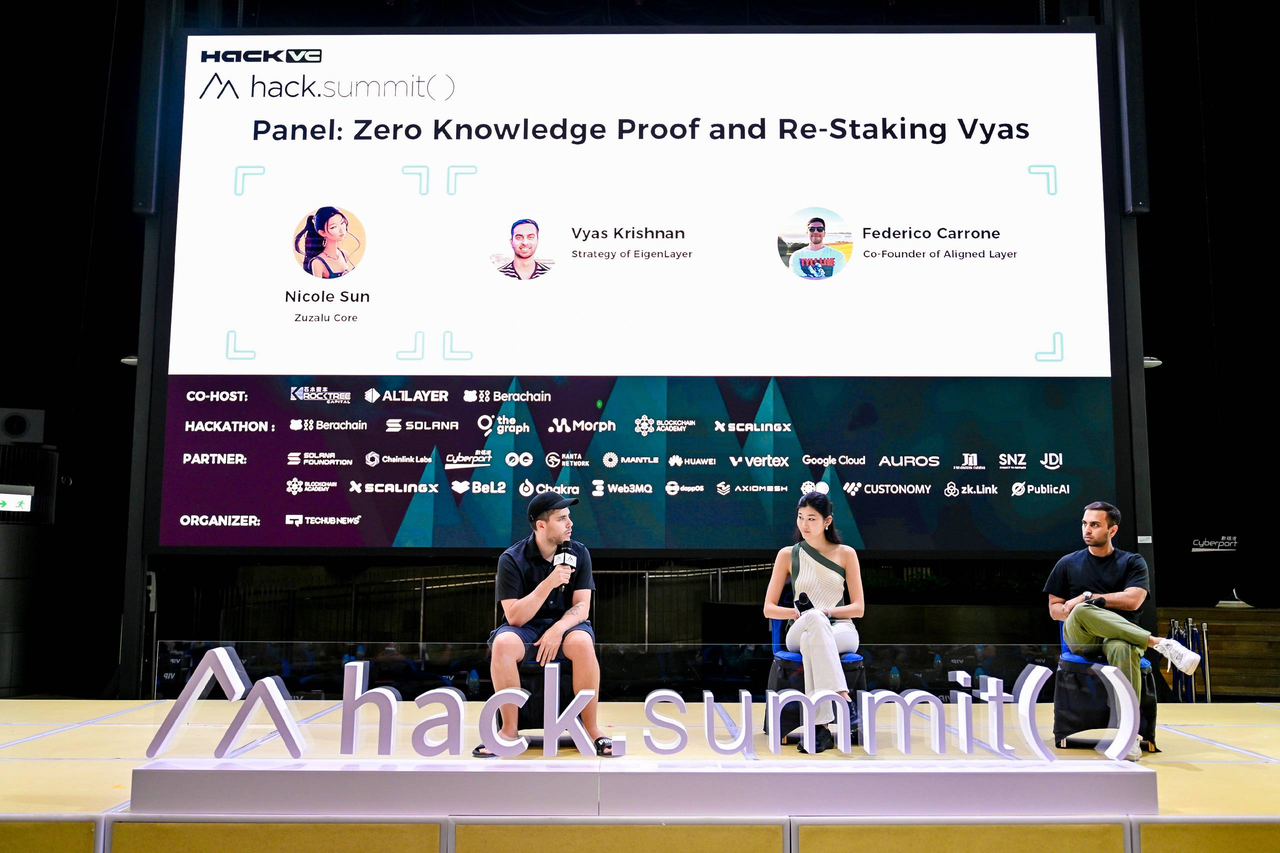
During this session, guests Federica Corona, Nicole Sun, and Vyas Krishnan engaged in an in-depth discussion on zero-knowledge proofs and restaking, while also sharing perspectives on the diversity and complexity of the cryptocurrency field, the significance of decentralized technology and programmable trust, and the potential and challenges of cryptocurrencies in emerging markets. The panelists also looked ahead to the future of the crypto space, discussing changes in technological innovation, market expansion, and regulatory policies. Their insights provided attendees with a comprehensive understanding of the current state and future trajectory of the industry, offering valuable guidance for further development.
Panel Discussion: Creating Exponential Value Through Data and Infrastructure
Moderator: Pavel Burylichev, Engineering Director at GGx;
Guests: Omer Ozden, Chairman of RockTree Capital; Hakan Sezikli, CMO of BEVM; Shawn Lim, Head of APAC at Axelar; Balal Khan, CMO of BEVM; Ganesh Swami, Co-founder and CEO of Covalent.
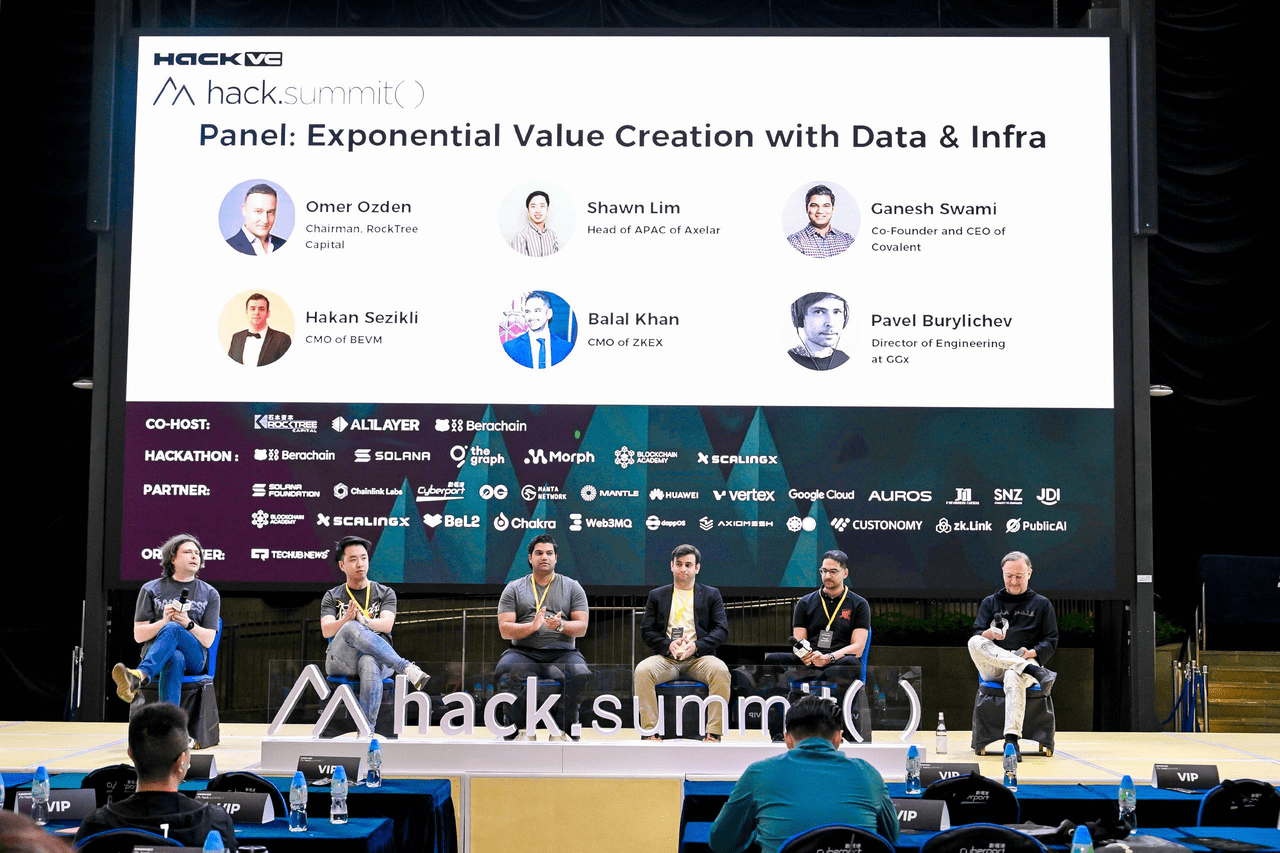
In the panel discussion titled “Creating Exponential Value Through Data and Infrastructure,” participants emphasized the central role of data and infrastructure in generating exponential value. They agreed that data serves not only as the foundation for training AI models and driving DEXs and NFT markets but also as a critical component for meeting tax and audit requirements. Meanwhile, cross-chain infrastructure—key to solving blockchain interoperability—presents both challenges and opportunities. Optimizing these infrastructures can improve transaction efficiency and security, attract more users and use cases, and further accelerate growth and innovation in the Web3 space. Thus, by fully leveraging data and infrastructure resources, stakeholders can meet current demands and anticipate new opportunities in the future of Web3.
Panel Discussion: Smart Money Trends and Predictions
Moderator: Yolanda Chung (Partner, PANONY & PANews)
Guests: Omer Ozden (Chairman, StoneTree Capital), BMAN (ABCDE), Gavin Wang (CIO, SNZ), Yi Wang (Managing Director, Southern East Asset Management), Yiming Wang (Chairman, JDI)
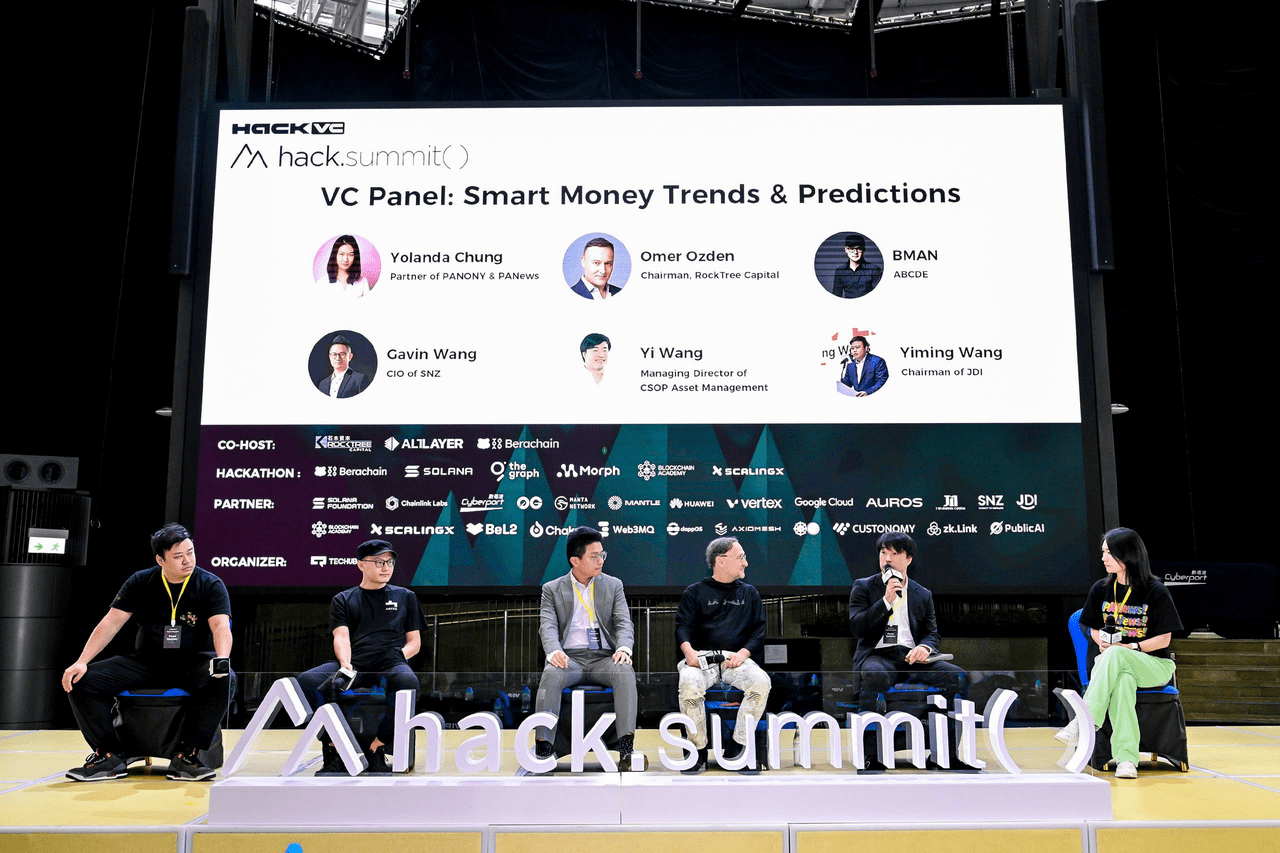
In the “Smart Money Trends and Predictions” panel, guests engaged in an in-depth discussion on the development trends and outlook for smart money. Although each guest came from different companies and backgrounds, they all shared a positive view of smart money’s future.
First, the panelists generally agreed that smart money, as a key application of blockchain technology, is gradually permeating sectors such as finance, social networking, and entertainment. As the technology matures, the scope of smart money applications will continue to expand.
Second, they discussed investment trends in smart money. Compared to traditional cryptocurrencies like Bitcoin, smart money offers greater utility and scalability, giving it higher investment potential. Its application prospects are particularly promising in areas like decentralized finance (DeFi) and non-fungible tokens (NFTs).
Additionally, the panelists touched on the challenges and opportunities facing smart money. They noted that as its applications grow, ensuring security and stability will become increasingly critical. Yet, this also opens doors for innovation in areas like cross-chain technology and privacy protection.
Finally, the guests made predictions about the future of smart money. They believe that with continuous technological advancement and expanding use cases, smart money will become a vital component of the digital economy. It will also drive further development of blockchain technology, bringing new opportunities and challenges to the entire industry.
Justin Drake (Ethereum Foundation) Keynote Speech
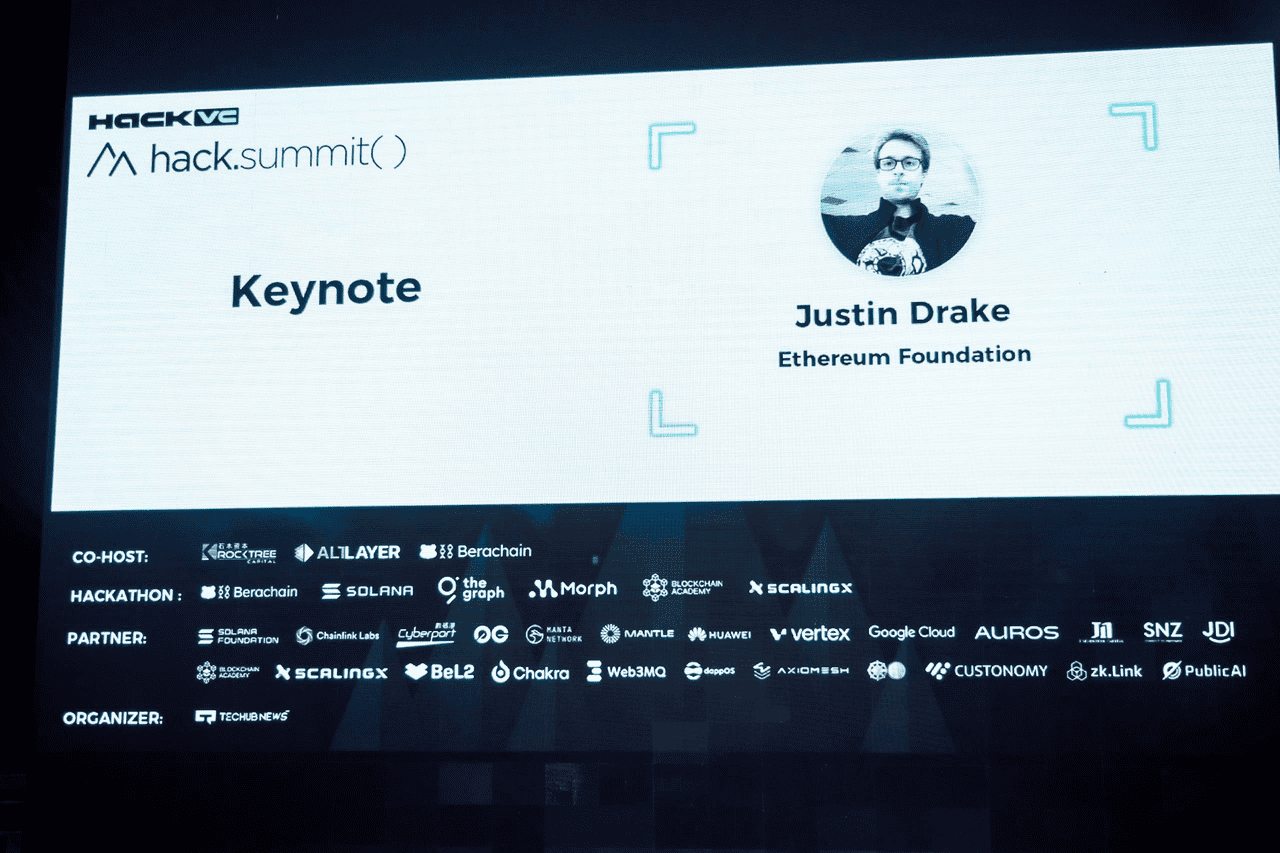
Justin Drake’s talk centered on the concept of “Firm Preconfirmations.” He emphasized the importance of preconfirmations as infrastructure located near the consensus layer but not directly part of the consensus mechanism. Preconfirmations allow blockchains to simulate extremely short block times—faster than even Solana’s 400 milliseconds in some cases—greatly improving transaction speed and user experience.
His presentation was divided into two parts. The first explored how to implement preconfirmations in a decentralized manner. He noted that most current preconfirmations rely on centralized entities, which contradicts blockchain’s decentralized principles. Therefore, he introduced the idea of decentralized preconfirmations—using the blockchain’s own state to prove that certain transactions will be included in future blocks, eliminating reliance on centralized intermediaries.
The second part detailed a specific type of decentralized preconfirmation—Base Preconfirmations. Justin explained that Base Preconfirmations represent a concrete method for achieving decentralized preconfirmations, using blockchain state to guarantee transaction inclusion. This approach ensures both security and speed, offering a new solution for blockchain scalability.
Finally, Justin emphasized the significance of preconfirmation technology for Ethereum’s evolution. As blockchain applications grow in demand, preconfirmations will be crucial for enhancing Ethereum’s performance and scalability. He called on the Ethereum community to collaborate in advancing this technology and contributing to the future of blockchain innovation.
Rock Lau (Chief Community Officer at Axiomesh) Keynote Speech
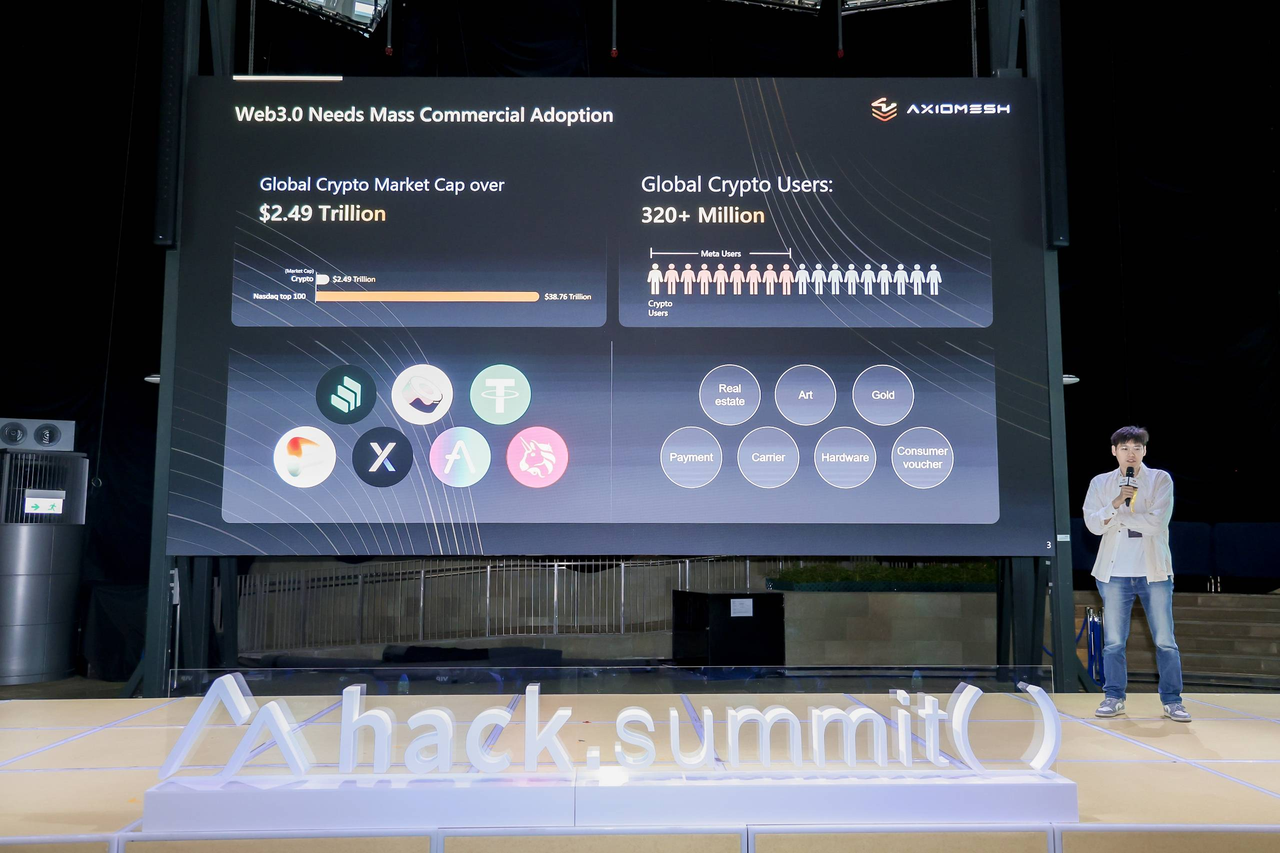
Rock Lau, Chief Community Officer at Axiomesh, introduced their blockchain product Axionmesh during today’s keynote, highlighting its innovative TIMC protocol. Combining years of blockchain development experience with collaborations with government agencies, the protocol aims to enhance user-friendliness, data privacy, public chain performance, cross-chain asset security, and Rollup compatibility—enabling large-scale commercial adoption of blockchain technology. He began by comparing Web2 and Web3, noting that while the total market cap of the crypto market stands at $2.409 trillion, it remains small compared to the $38 trillion market cap of the top 100 Nasdaq-listed stocks. Additionally, according to Triple A, the crypto market reaches only 4% of the global population, whereas platforms like Matter boast over 2 billion users.
Rock believes that for crypto and blockchain to achieve explosive growth and become the next-generation internet, Web3 must become deeply integrated into daily life—covering food, clothing, housing, transportation, and extending into industries like manufacturing and energy.
To prepare for large-scale commercial adoption of blockchain, we must overcome key barriers such as high entry thresholds. Users often need to download wallets, remember complex seed phrases, and understand elusive private keys—all obstacles that hinder adoption. Rock stressed that to drive widespread usage, blockchain must become easier to use and more accessible.
Steven Wong (Co-founder of PublicAI) Keynote Speech
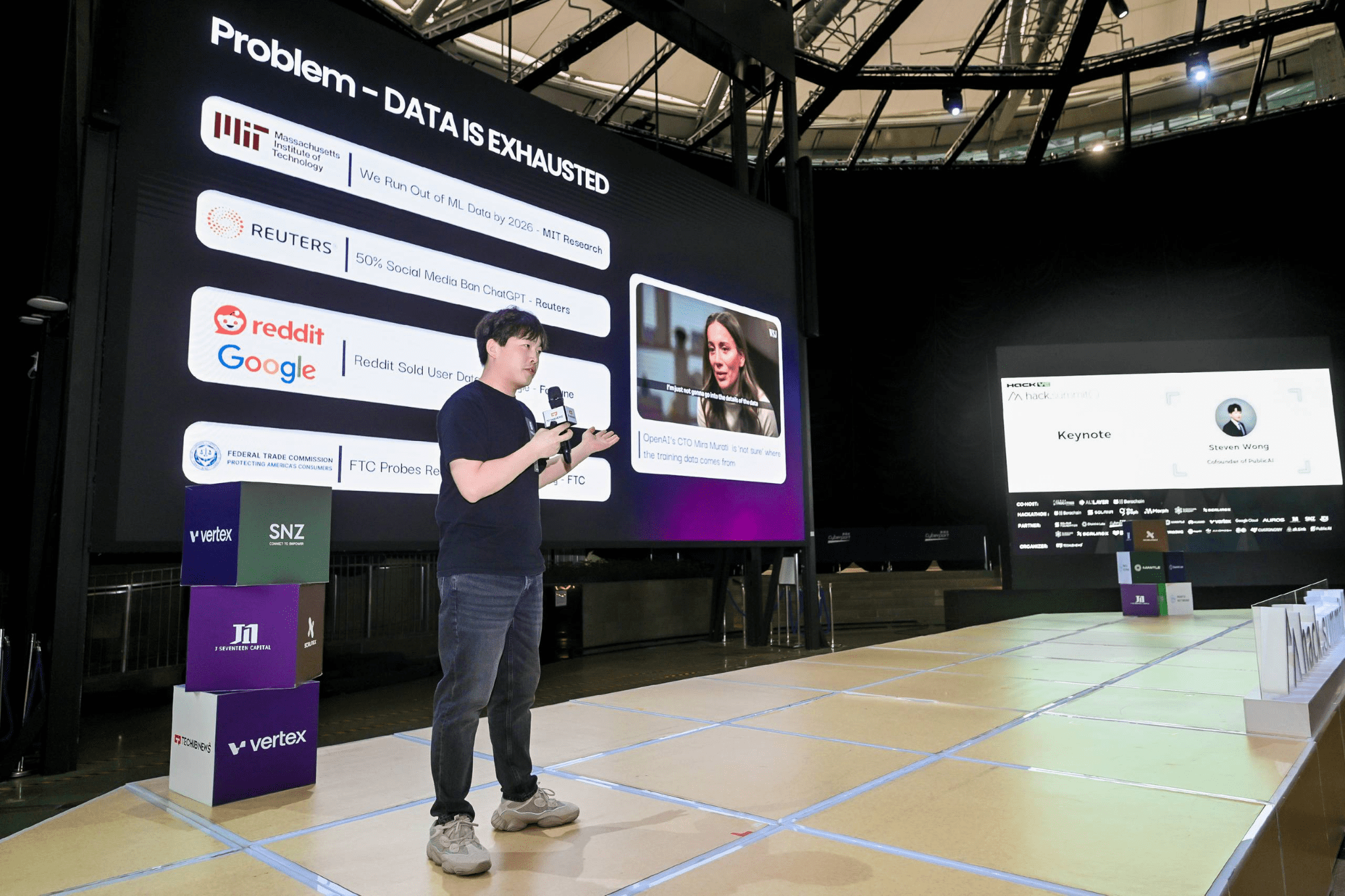
Daksh Joshi, Product Partner at PublicAI, emphasized in his keynote that true open AI should be open to humanity—enabling people to participate in and benefit from AI’s development. He noted that the next major leap in AI will depend on “air training data,” with humans becoming the primary data producers for AI in the future. Using references from movies like *The Matrix* and *The Last Days*, he vividly illustrated the role of humans as data generators. He also cited MIT research indicating that training data may be exhausted in the coming years, underscoring the urgency of finding new data sources. Finally, he emphasized that Public AI’s goal is to build a platform where humans can actively contribute to AI, shaping its future development.
Panel Discussion: Hackathon Panel
Moderator: Herbie Fu (Partner, Hack VC)
Guests: Nezha (APAC BD, Berachain), Anthony Zhang (APAC Community & Ecosystem Lead, The Graph), Daniel McM (Head, Solana Foundation)
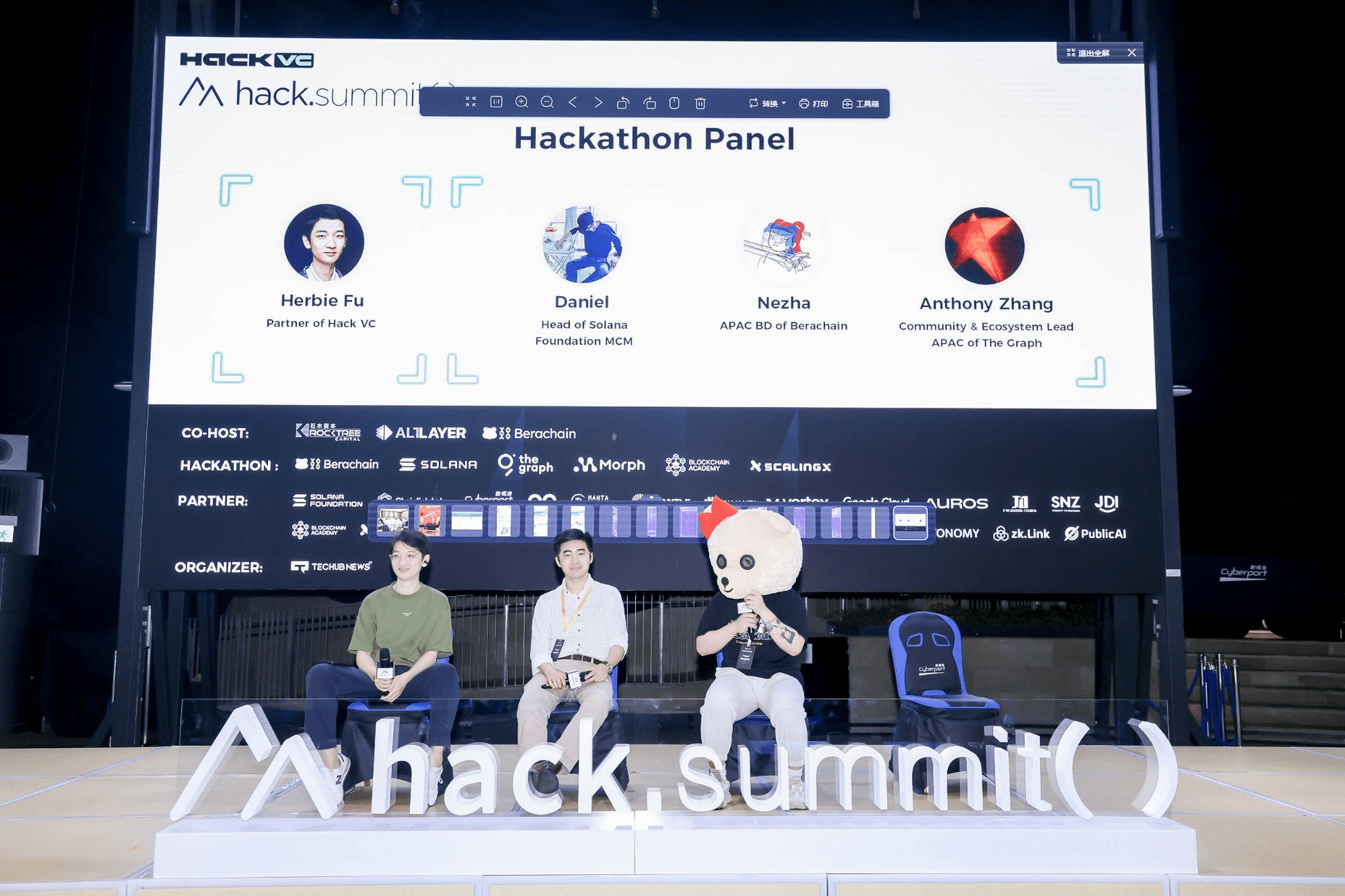
In the “Hackathon Panel” discussion, participants explored the significance, impact, and global vibrancy of hackathon events. Moderator Herbie Fu guided guests Daniel McM (Head of Solana Foundation) and Nezha (APAC BD at Berachain) in sharing their views and experiences. Daniel emphasized that hackathons are not just technical competitions but also platforms for cultural exchange, showcasing the charm of Asian cultures, especially Chinese culture. Nezha introduced Bariton as a high-performance modular project closely tied to hackathon activities and expressed strong confidence in Hong Kong’s future, believing that the integration of culture and technology holds tremendous growth potential. Toward the end, Nezha posed a thought-provoking question: Which projects or winners from previous hackathons left the deepest impression on them? Throughout the discussion, participants showed great enthusiasm and anticipation for hackathon events.
3. Conclusion
Through this retrospective of Hack.summit() 2024 Blockchain Developer Conference, we can see the vast application potential and innovative value of blockchain technology across diverse fields. The enthusiastic participation and in-depth discussions of attendees have injected fresh energy and momentum into industry development. Looking ahead, as technology continues to evolve and application scenarios expand, blockchain will play an increasingly important role in more domains, making greater contributions to societal progress and development.
At the same time, we look forward to more blockchain developer conferences in the future, providing the industry with a platform to exchange ideas and share experiences. With the collective efforts of the global blockchain community, the future of blockchain technology will surely be brighter!
The above is a detailed recap and thematic analysis of the two-day Hack.summit() 2024 Blockchain Developer Conference. We hope this article allows those who couldn’t attend to deeply understand this major event and appreciate the charm and value of blockchain technology.
Join TechFlow official community to stay tuned
Telegram:https://t.me/TechFlowDaily
X (Twitter):https://x.com/TechFlowPost
X (Twitter) EN:https://x.com/BlockFlow_News
 @hack_summit