TRON's second venture: Justin Sun makes a high-profile move into BTC L2
TechFlow Selected TechFlow Selected
TRON's second venture: Justin Sun makes a high-profile move into BTC L2
If USDT is TRON's present, then BTC L2 is TRON's future.
 Navigating Web3 tides with focused insights
Author: TechFlow
The Q2 2024 Kanazawa upgrade was the most subdued in recent years. While ETH continues to rise, everyone can sense this bull market is different—Bitcoin is increasingly becoming an asset launchpad, and Solana has managed to ignite wave after wave of meme mania.
The crypto market always brims with relentless fighting spirit. Before 2024, after EOS fell from grace, no one expected the public chain wars to continue—but Solana actually challenged Ethereum, and TRON aimed to become a Bitcoin L2.
Things are changing.
In this year when high-performance blockchains like TRON and Solana battle Ethereum’s Layer 2 Rollup ecosystem, restaking, various Layer 2s and DA赛道 (data availability), along with Meme and DePIN trends outside Ethereum, all unfold across multiple public chains.
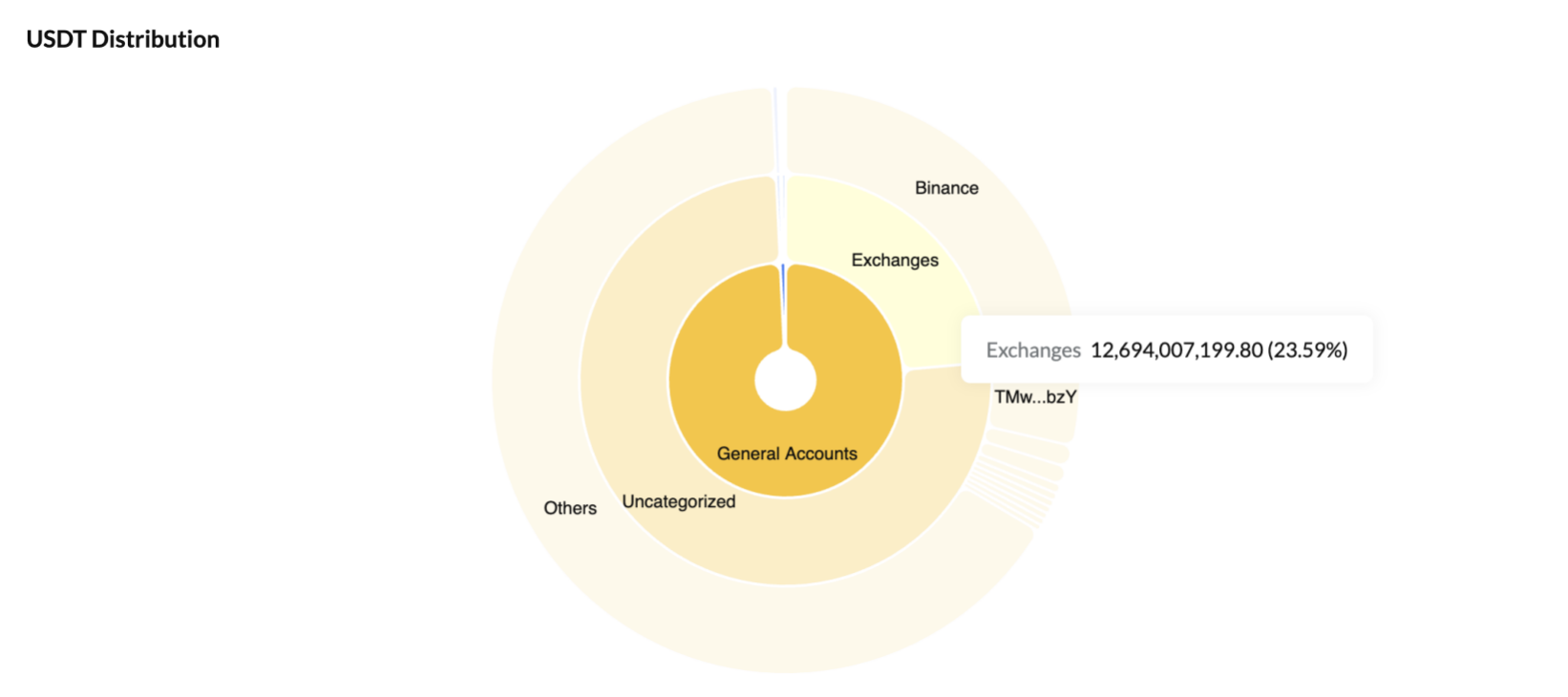
The clearest signal comes from the stablecoin market—USDT even attempted issuance on Bitcoin’s RGB layer, while Sun Yuchen’s TRON chain has quietly surpassed $53 billion in issuance, exceeding Ethereum mainnet in share.
In the exchange market, as USDC falters, TRC-20 USDT has pulled far ahead, effectively becoming synonymous with USDT and stablecoins overall. As such, TRON has become a de facto value network—its transfers and transactions now form part of the real-world global financial system, not just Web3 self-entertainment.
Stay vigilant and look ahead.
If we view TRON merely as a TRC-20 issuance and transfer network, transaction fees alone could already underpin TRX's value. But amid such turbulent shifts in crypto, TRON at least aims to make strategic moves in 2024 to prepare for future challenges.
If USDT represents TRON’s present, then BTC L2 is its future.
On February 15, 2024, Sun Yuchen announced TRON’s launch of a Bitcoin Layer 2 solution and development roadmap (α, β, and γ phases), connecting TRON and Bitcoin networks to facilitate over $50 billion in stablecoin and Bitcoin interactions.
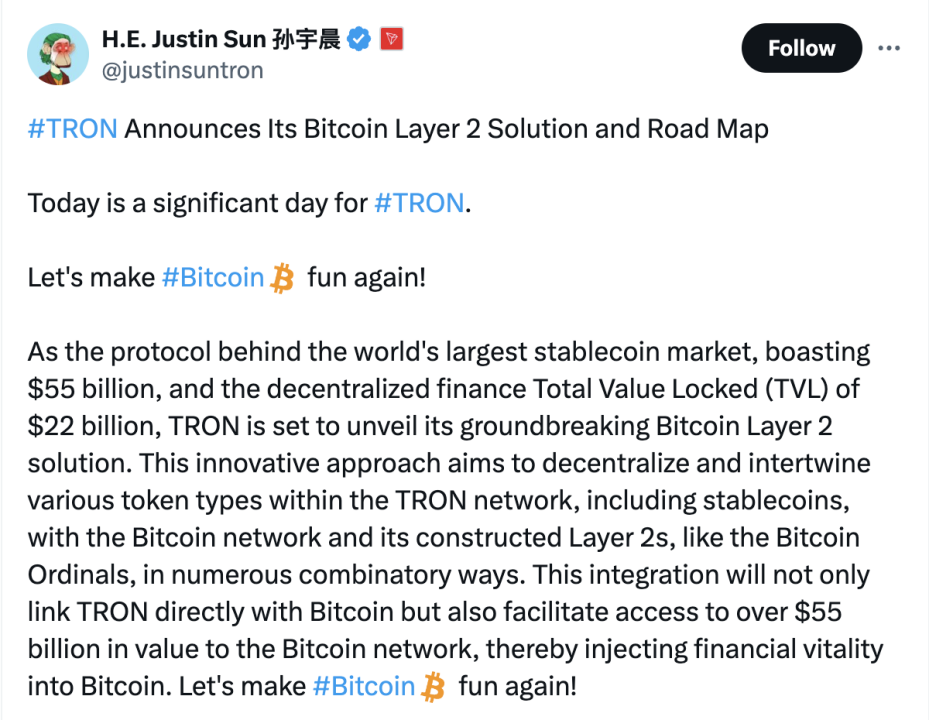
The roadmap includes phased cross-chain integration of TRON into the Bitcoin network, with plans to invest in user-friendly wallet tools supporting both BTC and TRON tokens. Furthermore, TRON leverages BTC L2 by combining its own PoS efficiency with Bitcoin’s PoW security, aiming to integrate TRON, Bitcoin, and other L2 solutions to achieve higher speed and lower fees while maintaining robust security—ultimately enhancing blockchain interoperability and practicality.
Bitcoin outperforms all, public chains broadly recover
With spot Bitcoin ETFs approved and the halving approaching, Bitcoin will become this year’s most active capital magnet. In this heated market environment, Bitcoin benefits first, followed by the TRON network—most on-chain and exchange transactions still rely on stablecoins, with TRON-based options remaining the cheapest.
But that’s not enough. The most direct path forward is bridging TRON-based assets with Bitcoin. Only when TRX and USDT seamlessly connect with Bitcoin can they better serve users.
Currently, within crypto’s $2 trillion market cap, Bitcoin commands over 50%. Unlike past cycles, this dominance isn’t due to market stagnation—it’s because Bitcoin is now the absolute center of the bull run. After more than a decade since its inception, Bitcoin has reemerged at the core in a new form.
Beyond Bitcoin, another defining feature of this cycle is the revival of the public chain sector. Solana and Polygon are locked in debates over high-performance chains versus ETH L2 futures; Sui has pulled ahead of Aptos, showing signs of leading the Move-based chain race. Meanwhile, ETH L2 and BTC L2 have become undeniable focal points.
Public chain tokens are synonymous with their chains—cross-border integration is the ultimate value amplifier.
At a time when the crypto space is numb to narratives, tapping into cross-industry resources—especially aligning with mainstream tech trends—has become a shared strategy among public chains. Among them, Bitcoin stands as the intersection of all narratives.
Crypto moves fast—one day here equals a year elsewhere. Chains evolve rapidly, seeking new ways to enhance token utility and value. After ten years of development, public chains now use broad BD strategies to strengthen networks, create synergies, and directly boost token market value—the most pragmatic approach today.
Recently, Near announced several impactful partnerships. Having achieved sharding earlier than Ethereum—solving scalability at a fundamental level—Near also recently partnered with NVIDIA in AI.
Another move: through collaboration with Map Protocol, Near indirectly connects to the Bitcoin network. This enables Near to provide AI capabilities to Bitcoin—expanding Near’s ecosystem use cases while introducing new technological paradigms to Bitcoin.
Ultimately, all positive developments reflected in NEAR’s price—$NEAR doubled within a week, reaching its highest level since May 2022’s Luna-UST collapse.
As top players converge, TRON naturally chose the Bitcoin network and is planning how to build true synergy—mutually boosting TRON and Bitcoin ecosystems.
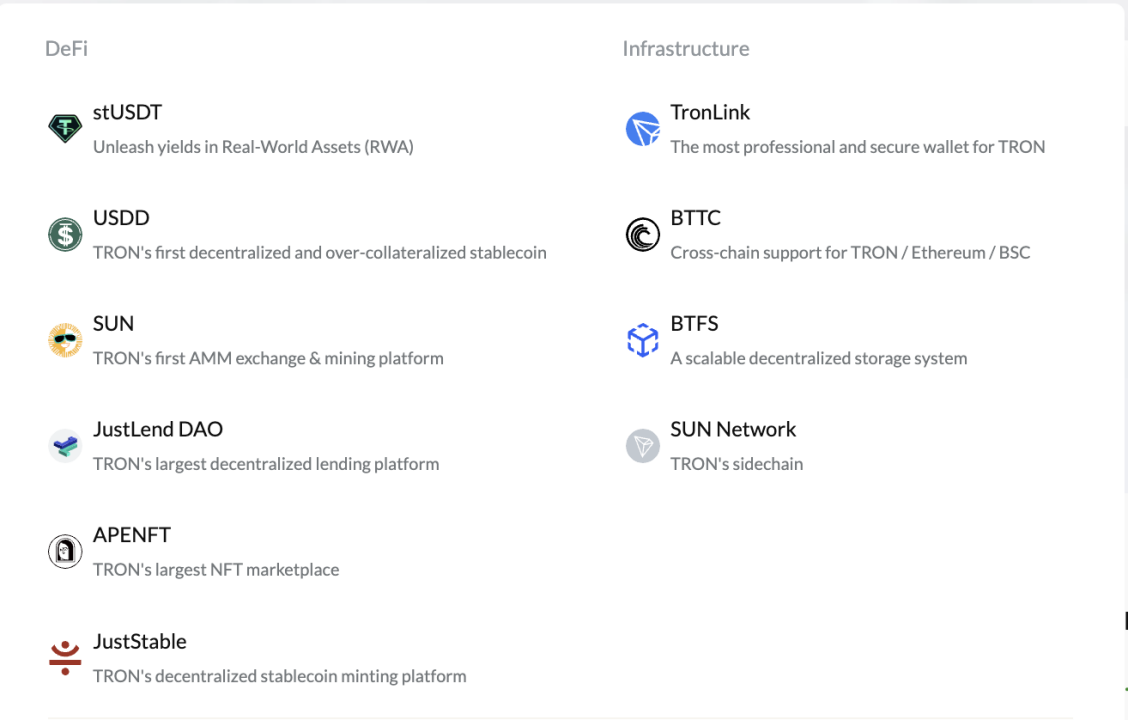
Contrary to common perception, TRON is not only a network issuing over $50 billion in USDT but also hosts around $20 billion in DeFi TVL. More importantly, TRON’s native token $TRX serves as gas fee for USDT transactions on TRON—each burn confirms its real-world usage and demand.
Burned TRX is the pulse of the market.
As the industry’s dominant choice, TRON now has over 218 million accounts, more than 7.3 billion cumulative transactions, daily TRC-20 trading volume near $180 billion, and consistently over 300 active projects. USDT undoubtedly plays a central role—and once fully connected to Bitcoin, TRON is poised for further explosive growth.
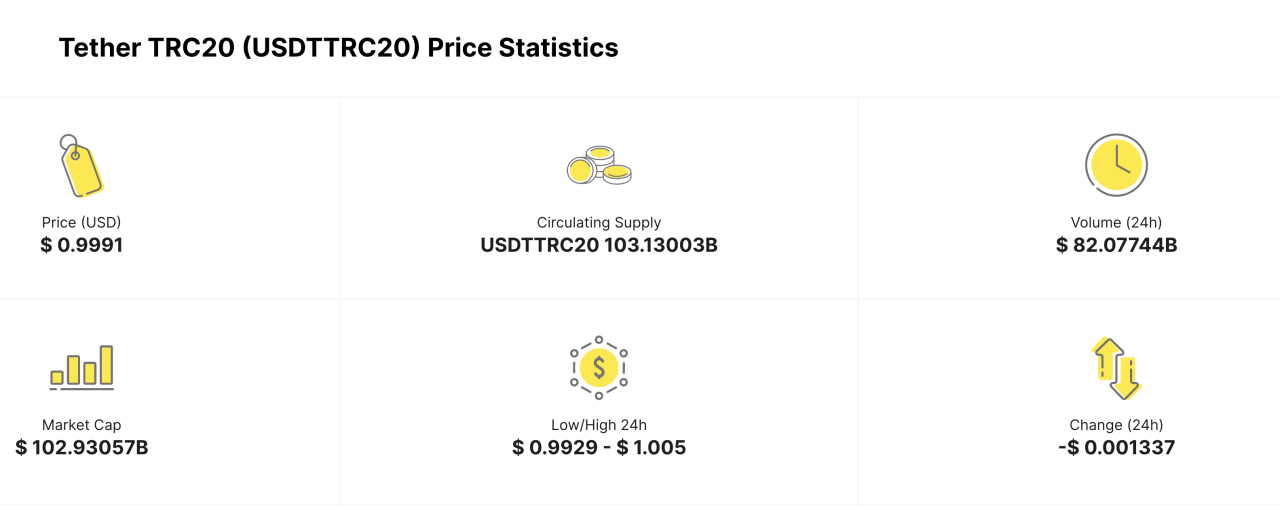
By integrating with the Bitcoin network, TRON not only opens a crucial channel for asset flow but also brings its massive user base into the Bitcoin ecosystem. This strategic move boosts adoption of Bitcoin as peer-to-peer electronic cash and amplifies cryptocurrency’s influence within the global financial system.
Public chain ecosystems have become the ultimate moat for token value—TRON links exchanges, stablecoins, and Bitcoin, building a trillion-dollar value network.
From TRON’s case, it’s clear that empowering native tokens through cross-sector collaboration and ecosystem expansion has become an effective strategy for increasing market value. This continuous innovation and pursuit of new partnerships ensures long-term vitality and proves ongoing development potential to hodlers and users alike.
Looking ahead, we can expect more innovations from TRON—leveraging cutting-edge technology, strong partnerships, and ecosystem co-building—to unlock greater token value.
New-era public chain: TRON’s second startup
Let’s be honest—TRON and Sun Yuchen are tightly linked. Under Sun’s leadership, USDT, Tron, HTX, and Bitcoin will form a three-dimensional, drum-like defense system. On this foundation, TRON—the “veteran” public chain—is embarking on its second entrepreneurial journey, paving a new path toward financial freedom.
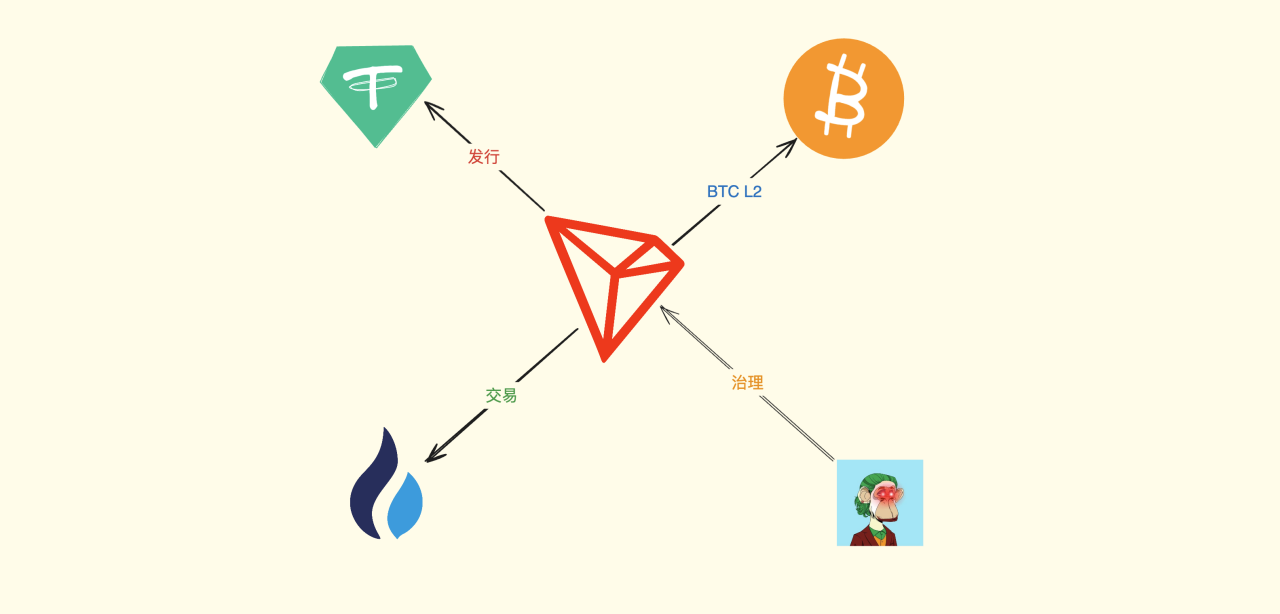
Sun Yuchen acts like Hayek’s invisible hand—market rules and autonomy will determine whether TRON’s second startup succeeds. Based on this, TRON’s advantages can be summarized in three points.
Advantage One: Sun Yuchen brings built-in traffic
In crypto, CMO roles are now standard across exchanges, projects, and institutions. Behind this lies the relentless pursuit of narrative control and market timing—especially in a bull market, staying on pace, catching waves, or even leading industry trends is critical yet challenging.
Sun Yuchen’s timing mastery ranks among the best. You may dislike him, but you can’t deny his unmatched ability to identify, chase, and even become the trend itself.
Back in the Public Chain 1.0 era, every chain benchmarked against Ethereum—only TRON carved its own path, focusing on real-world application value. Its partnership with USDT ultimately proved mutually beneficial.
In fact, USDT was first issued on Bitcoin’s OmniLayer, not TRON. But Bitcoin’s high gas fees and nearly non-existent UX made the initial attempt fail. That’s when TRC-20 USDT emerged, eventually expanding into exchanges and everyday transfers.
Entering the DeFi 2.0 era, TRON experimented with NFTfi, RWA, and restaking, eventually forming a complete exchange + public chain system with HTX. Now joining BTC L2 is a natural progression.
Looking back, Sun Yuchen never missed a single market trend or tech wave. Whether or not he captures maximum gains, his willingness to try is valuable in itself—conservative mindset preserves wealth, but radical action shapes the future.
Advantage Two: TRC-20 is mass-market ready
Under Sun Yuchen’s leadership, TRON didn’t just launch TRC-20 USDT—it created a suite of successful tokens including BitTorrent Token (BTT), Huobi Token (HTX), and TRON’s native TRX, forming a comprehensive “token family.”
These tokens serve diverse applications across decentralized storage, exchange governance, and gas fees.
Additionally, through bold marketing and investment strategies, Sun skillfully tied the TRON chain to USDT. Through collaborations and market operations, he secured TRON’s success in the stablecoin space—a status inseparable from USDT’s dominance and Sun’s market tactics.
USDT’s widespread use in crypto makes it one of the most important tokens on the TRON TRC-20 standard. Through strategic maneuvers, Sun ensured USDT’s dominant position on TRON, deepening user reliance on the TRON chain.
This indirectly cemented the market positions of both USDT and TRON, creating a mass-market crypto application second only to Bitcoin.
Advantage Three: Cross-L1/L2, TRON is almost an all-rounder
Analyzing the current landscape, Bitcoin and Ethereum are the two engines, with fierce competition across L1 and L2 layers. Yet amid this chaos, TRON stands out with unique strategic and technical advantages, revealing itself as an all-around contender.
-
Ethereum L2s concentrate within EVM ecosystems, with virtually no breakout applications
-
L1 chains face intense internal competition—TVL wars don’t translate to real usage
-
TRON spans both L1 and BTC L2 tracks—untapped potential remains in a single chain
In the early days of public chains, L1s sprouted like mushrooms after rain. Ethereum, as the first smart contract platform, quickly amassed a large ecosystem and user base. However, limitations soon surfaced—high gas fees and poor scalability hindered broader adoption. Hence, L2 solutions emerged to improve scalability and reduce costs.
Yet L2s face their own hurdles. The Ethereum-led L2 ecosystem remains highly focused on EVM compatibility, lacking the breakout appeal of Bitcoin—for instance, approval odds for Ethereum spot ETFs remain low, limiting its reach in mainstream finance.
In contrast, TRON’s development strategy stands out. It functions not only as an efficient L1 chain but also plays a mass-market role in off-chain payments.
TRON delivers fast, low-cost off-chain payment solutions meeting market demands, while enabling Bitcoin’s use in real-world payments—giving TRON a unique edge in BTC L2 solutions.
Conclusion
Sun enters—market top signal or bull market engine?
Though Sun often announces entry at a sector’s peak, his high-profile move into BTC L2 raises similar concerns.
But there’s no need for panic. For one, Bitcoin’s trillion-dollar market cap isn’t fragile. Secondly, where there’s a trend, Sun will follow—and TRON’s full potential remains untapped. The hundreds-of-billions scale of the USDT network is proof enough.
Let us move beyond preconceptions. TRON is more than just a TRC-20 network. A new wave of competition is coming to public chains, with TRON as the catalyst. 2024 will undoubtedly be extraordinary—for all of us.
Join TechFlow official community to stay tuned
Telegram:https://t.me/TechFlowDaily
X (Twitter):https://x.com/TechFlowPost
X (Twitter) EN:https://x.com/BlockFlow_News
 深潮TechFlow