Macroeconomic Outlook 2024: Markets Should Continue Rising Ahead of Rate Cuts in June
TechFlow Selected TechFlow Selected
Macroeconomic Outlook 2024: Markets Should Continue Rising Ahead of Rate Cuts in June
The current Bitcoin pullback is seen as a normal price adjustment within market dynamics, laying the foundation for a potential rise to the $100,000 mark in the second quarter of 2024.
 Navigating Web3 tides with focused insights
Written by: @MacroFang, PSE Trading Trader
Macro Outlook 2024: Market Adjustment Ahead of Q2 2024 Rebound
This week has been pivotal for markets and various economic data, highlighting the complexities involved in interpreting employment reports and other economic indicators.
BTC: Bull Market Correction Underway
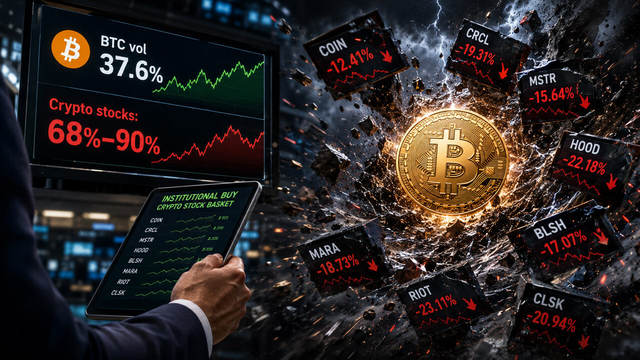
Bitcoin's recent spike in volatility has been driven by increased leverage in the crypto market, a stark contrast to the anticipated reduction in volatility from ETF launches, which aim to broaden investor access and improve price discovery. However, current conditions show rising leverage, evidenced by elevated perpetual futures funding rates and surging open interest—partly due to basis trades from leveraged funds. While ETFs hold potential to stabilize markets, the path toward lower volatility may be bumpy given present high leverage levels, especially when leveraged exposure is amplified by events such as the Bitcoin halving.
Against a backdrop of rising volatility and leverage in the crypto ecosystem, Bitcoin has corrected from $73,000 to $63,000. This pullback is seen as a normal price adjustment within market dynamics, laying the groundwork for a potential move toward $100,000 in Q2 2024. Such adjustments are common in digital asset trajectories and often represent consolidation phases preceding major moves.
ETH: Should Rebound One Month After Upgrade
Ethereum has evolved significantly through major upgrades—for example, the Beacon Chain in 2020, "The Merge" in 2022, and the Shanghai upgrade in 2023—all aimed at enhancing sustainability and security. The recently implemented Dencun upgrade targets scalability improvements and reduced L2 gas fees, addressing a critical challenge that drives ETH’s own development and strengthens its position amid competitive pressures. These advancements underscore Ethereum’s commitment to infrastructure enhancement.
Ethereum prices typically experience pre-upgrade rallies, followed by a lull in the first 30 days post-upgrade, then significant gains. However, factors such as the Bitcoin ETF, potential approval of an Ethereum ETF, and broader market leverage may introduce greater volatility into ETH’s price action following the Dencun upgrade, indicating more complex market dynamics ahead.
ETH ETF Expectations
Positive sentiment around the Ethereum Dencun upgrade, along with anticipated regulatory developments such as a spot Ethereum ETF, is boosting investor optimism. Combined with ongoing improvements in scalability and efficiency, these factors lay the foundation for favorable ETH price appreciation post-upgrade. The prospect of technological advancement coupled with growing mainstream adoption could significantly enhance Ethereum’s appeal to both retail and institutional investors, supporting stronger and more sustained growth in its market value.
U.S. Employment Report Analysis
One month ago, January’s jobs report was unusual, showing strong job creation alongside declining work hours—a combination typically associated with recessionary conditions. This caused confusion about its implications. However, the anomalies observed in the January report were substantially revised in Friday’s release.
The latest employment data this month came in positive, despite a slight rise in unemployment from 3.7% to 3.9%. This minor increase led headlines to claim a two-year high in unemployment, although it should be noted that such levels have occurred before and were later revised. Nonetheless, the economy continues to demonstrate low unemployment and overall resilience.
A key point to watch is whether the unemployment rate crosses the 4.0% threshold in the coming months, which could influence monetary policy decisions. Additionally, the broader U-6 unemployment rate has reached a two-year high, suggesting challenges for those re-entering the labor force in finding immediate employment.
Wage Growth: Strong Productivity, Stable Inflation
Wage growth came in line with expectations, reinforcing the view that 4% wage increases do not automatically lead to inflation if accompanied by strong productivity—which is precisely the current situation. This dynamic alleviates concerns about inflationary pressure in the economy.
Powell: Hawkish Tone, But Still Open to Rate Cuts
Powell’s recent comments appear dovish, suggesting the Federal Reserve may be nearing a decision to cut rates, contingent on upcoming CPI and PPI data. However, economic strength could prompt the Fed to adopt a hawkish tone during the dot plot presentation, potentially disrupting markets temporarily.
FOMC Meeting Preview: June Rate Cut Still Expected
We expect the upcoming FOMC meeting on Wednesday at 2 PM to yield a dovish outcome, with Fed officials likely confirming their readiness to lower rates this year. Although a potentially hawkish signal from the "dot plot" showing future rate projections may cause concern, the consensus is that these projections will remain stable, reflecting an expected 75 basis point cut in 2024. Under Powell’s leadership, the Fed is said to be gaining “greater confidence” in the economic outlook.
However, Powell remains prepared to cut rates as early as May, emphasizing that a decline in core PCE inflation below 3.0% is a key factor. An “in-depth” discussion on balance sheet policy could lead to halving the cap on Treasury redemptions starting in June, reducing it to $30 billion per month, setting the stage for a rate cut in the same month.
CPI: Better Than Expected
Tuesday’s Consumer Price Index (CPI) report was highly anticipated, as January’s data contained some anomalies that could affect inflation readings. The Bureau of Labor Statistics’ (BLS) selective data release also drew attention, underscoring the importance of the upcoming CPI report.
Initial Jobless Claims: In Line With Expectations
Last week’s initial jobless claims fell within expected ranges, signaling healthy employment growth. Meanwhile, assets such as gold and Bitcoin hit new highs, reflecting broader momentum investing trends. The tech sector, exemplified by companies like Nvidia, is receiving close scrutiny for its valuation and growth potential, reminiscent of past market cycles.
Markets: We Are Not in a Bubble
Current market conditions are markedly different from the speculative bubble observed around 1999–2000. Today’s valuations are more reasonable, with earnings and industry growth prospects better balanced.
BOJ: End of YCC
On March 19, 2024, the Bank of Japan (BoJ) announced a shift in monetary policy, ending its negative interest rate policy (NIRP) and introducing a new policy rate target range of 0bp–10bp effective March 21. This move was largely anticipated by markets and viewed as a subtle tightening, while maintaining substantial support through continued large-scale purchases of Japanese Government Bonds (JGBs) from April to June.
The BoJ’s decision to maintain its purchase pace is particularly beneficial for the short-to-medium term segment amid declining JGB issuance, signaling a dovish stance on rate hikes. Furthermore, the removal of the 10-year JGB yield target under Yield Curve Control (YCC), along with adjustments to other asset purchases and loan rates, highlights a gradual shift in the policy framework. However, the BoJ did not provide clear guidance on future policy actions, leaving investors awaiting further insights from Governor Ueda’s press conference. Outlooks suggest slightly bullish JGB yields depending on yen and dollar movements, with the 10-year JGB yield likely approaching just 1%, factoring in more tangible rate hikes.
Join TechFlow official community to stay tuned
Telegram:https://t.me/TechFlowDaily
X (Twitter):https://x.com/TechFlowPost
X (Twitter) EN:https://x.com/BlockFlow_News
 @PSETrading