









DePIN Chronicles: WANG, JDI, and Helium $mobile
TechFlow Selected TechFlow Selected
DePIN Chronicles: WANG, JDI, and Helium $mobile
History may define this path as DePIN, and the figure who could become its representative is Wang Yiming, long unknown to the public.
 Navigating Web3 tides with focused insights
Author: Zuo Ye
Winds rise from calm waters; towering structures grow from humble foundations. DePIN is the light in the crack.
After China's mining ban in September 2021, Chinese miners largely lost their dominant position in the Bitcoin mining ecosystem. On September 15, 2022, Ethereum completed "The Merge," ending PoW mechanisms for major cryptocurrencies beyond Bitcoin. From then on, ETH issuance came under control of overseas exchanges and staking networks such as Lido.
Chinese miners once made outstanding contributions to the histories of both Bitcoin and Ethereum. With the mining ban and Ethereum’s upgrade, they stepped off the global stage. Beyond centralized exchanges, Chinese participants have since lost influence in the crypto world—exchanges themselves now diluted by Western narratives like DeFi, and pressured simultaneously by regulation and technological shifts.
Within this historical shift, Chengdu and Shenzhen were the two hardest-hit hubs. The old model was clear: hardware shipped from Shenzhen, deployed in Chengdu, mining commenced—repeat the cycle.
Now, it feels like being thrown back to square one overnight—but there remains a path forward. Looking back, history may define that path as DePIN. And the figure who might represent it is WANG, a Chinese millennial based in the U.S., long active within overseas DePIN communities.
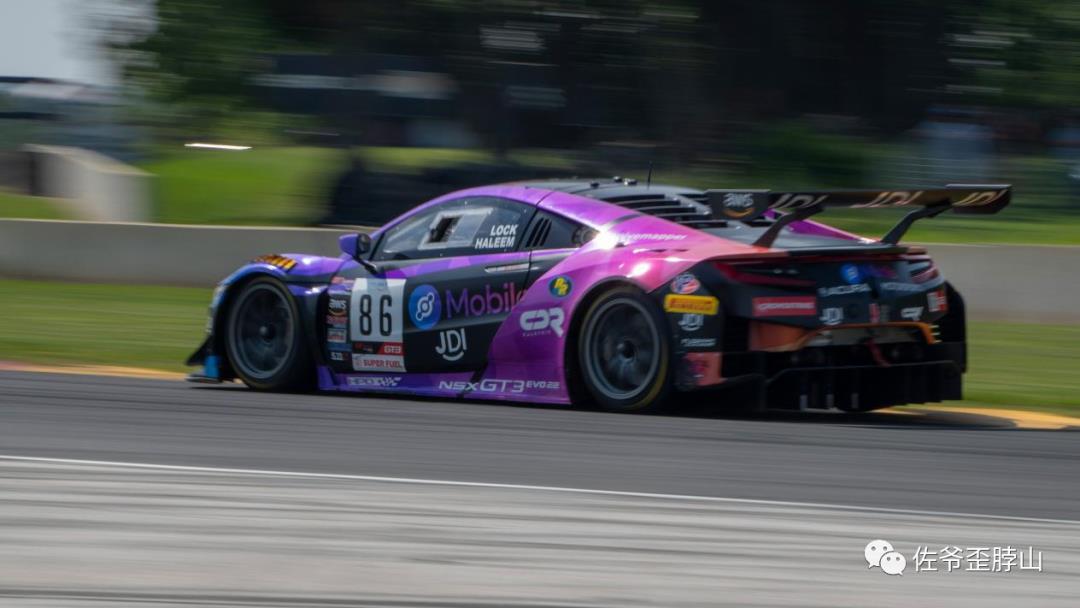
Timing, Location, and People: From San Francisco to Chengdu to Vietnam
For the past decade, Chengdu has been the capital of mining.
If you've visited Chengdu, its high cost of living paired with relatively low wages would strike you immediately. Within this context, the crypto industry stands as one of the few high-income sectors. At its peak, the Bitcoin mining community based in Chengdu controlled the majority of global Bitcoin output.
Abundant small hydropower resources and relatively lenient regulatory policies created the most glorious era in Bitcoin’s history. This way of life lasted over ten years—until the collapse came.
The 2021 mining ban fundamentally reshaped the mining landscape. Most Chinese miners cashed out and exited; a few moved operations overseas; an even smaller number turned toward DePIN.
DePIN—or more specifically, Helium, which pushed the LoRa IoT narrative in 2021—briefly surged before falling into prolonged decline.
Helium hit rock bottom in 2022, but WANG and his team never gave up. Over the past two years, they’ve built an entire constellation of DePIN icons: JDI Venture, JDIlab, the Bobber community, leading miner brands for top-tier DePIN projects like Helium and DIMO, the depinL2terminal protocol, and more. To exaggerate slightly, WANG either built or participated in nearly every visible part of today’s DePIN ecosystem.
Meanwhile, WANG’s team relocated manufacturing operations to Vietnam, launching a new chapter from there.
In 2021, Bobber was Helium’s largest miner supplier. It was WANG who identified the opportunity in San Francisco and committed to solving real-world deployment challenges. After Bobber’s success, dozens of competitors rushed in. Today, over 30 manufacturers supply Helium miners—the supply chain is no longer a bottleneck. To this day, bobber.com remains the largest miner community and brand in the Helium ecosystem.
Under WANG, JDIGROUP has become the most active investment and manufacturing force in DePIN, bridging Asian supply chains with American DePIN narratives—effectively building a bridge between East and West.
This low-profile powerhouse only began operating his Twitter (X) account six years after entering the space. Before that, most people only recognized names like CZ and Justin Sun. From discovering Helium in 2019, to relocating operations abroad, enduring Helium’s darkest downturn, WANG and his team never wavered—executing a masterclass in industry dedication,深耕 DePIN until the edifice stood complete.
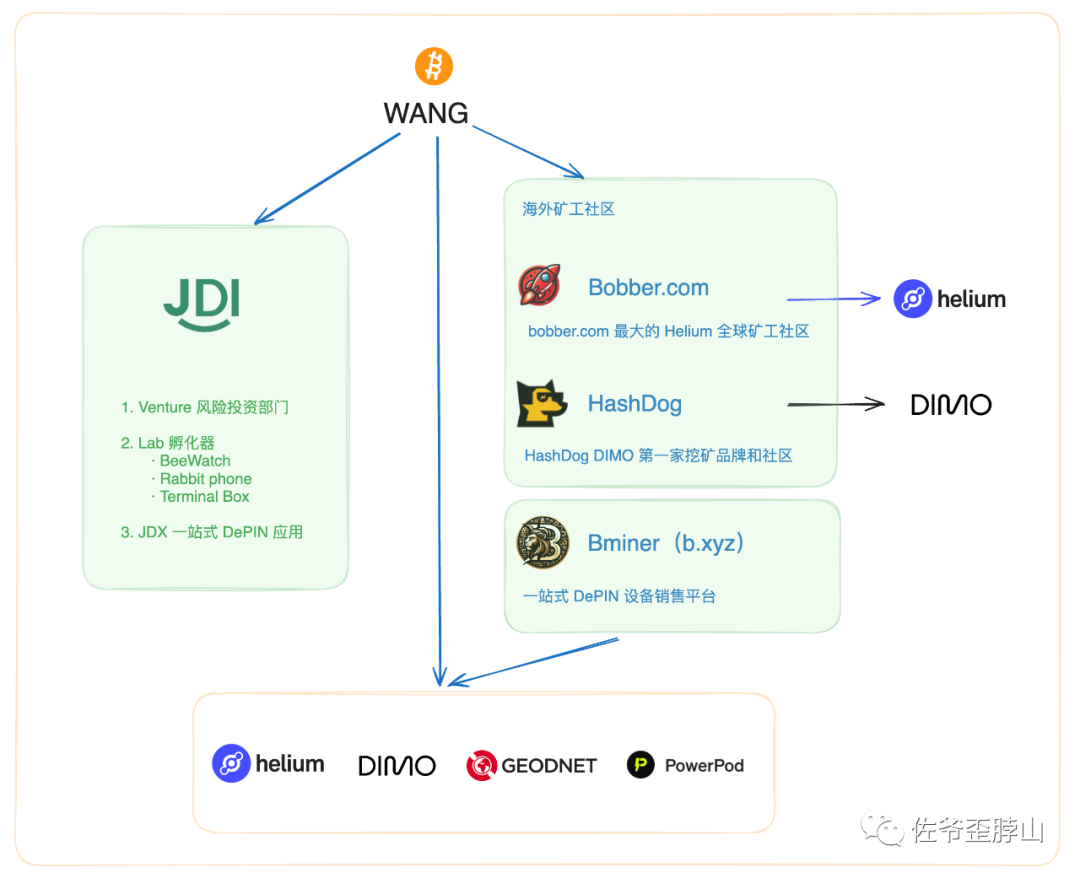
DePIN Chronicles: WANG, JDI, and Helium
WANG is extremely low-key. Were it not for the introduction by Twitter influencer Mark (@shuaibaobaommd), most would still know nothing about him—yet he is truly the man behind the global DePIN movement.
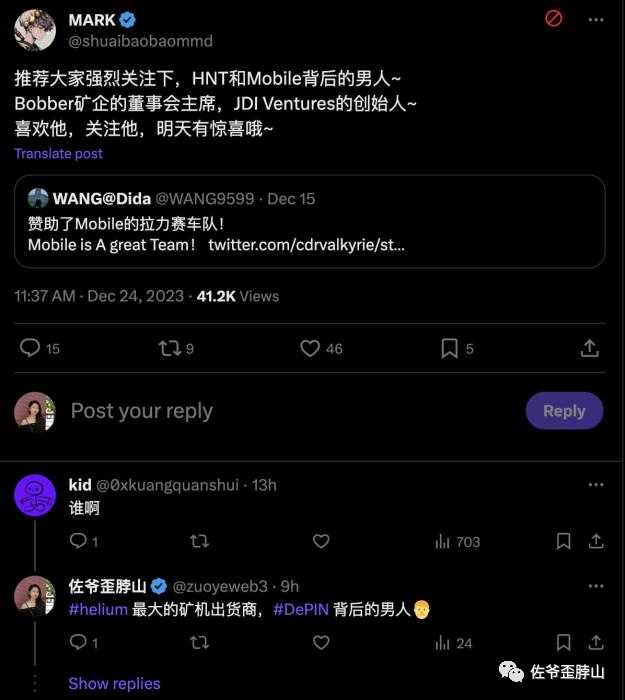
Everyone gets fifteen minutes of fame, but WANG has spent years supporting DePIN development from behind the scenes. JDI has invested in nearly every major DePIN project. If you’re uncertain where to focus, just follow their portfolio. If you're a miner, Bobber hotspots and HashDog vehicle-based mining are unavoidable. Notably, the one-stop DePIN hardware sales platform bminer (b.xyz) has now launched.
A quick background: WANG, male, alumnus of OKX founder Xu Mingxing at Renmin University, first entered the crypto space through Du Jun’s Nodes Capital. Around 2019, while in San Francisco, he began engaging with DePIN concepts. Helium became his first large-scale global project. Beyond that, he’s involved with DIMO, VPP (virtual power plants), satellite hardware, and more—covering the full spectrum of DePIN. If Chinese entrepreneurs dominate centralized exchanges, then WANG is the quintessential representative of Chinese involvement in DePIN.
Unfortunately, this isn’t a promotional piece or a publicity stunt—it’s the story of how the elephant in the room learned to stay hidden.
JDI, Bminer (b.xyz), and bobber.com together form a comprehensive layout across DePIN investments and hardware. To track the direction of DePIN’s evolution, watching these two entities is most effective.
Beyond that, WANG personally favors media and exchange ventures, having invested in both. In the crypto world, traffic comes first—only by attracting attention can one capture wealth opportunities. His affinity for exchanges stems from a passion for trading. During Hong Kong’s rise as a financial hub for crypto, WANG once believed in its potential. But according to insiders, he suffered a Waterloo there, losing tens of millions of dollars.
Earlier this year, during the peak of Hong Kong hype, WANG—who usually stays behind the curtain—previewed the importance of Helium and DIMO at Mars Finance’s POW’ER Conference. One wonders how many fortunate souls caught those clues.
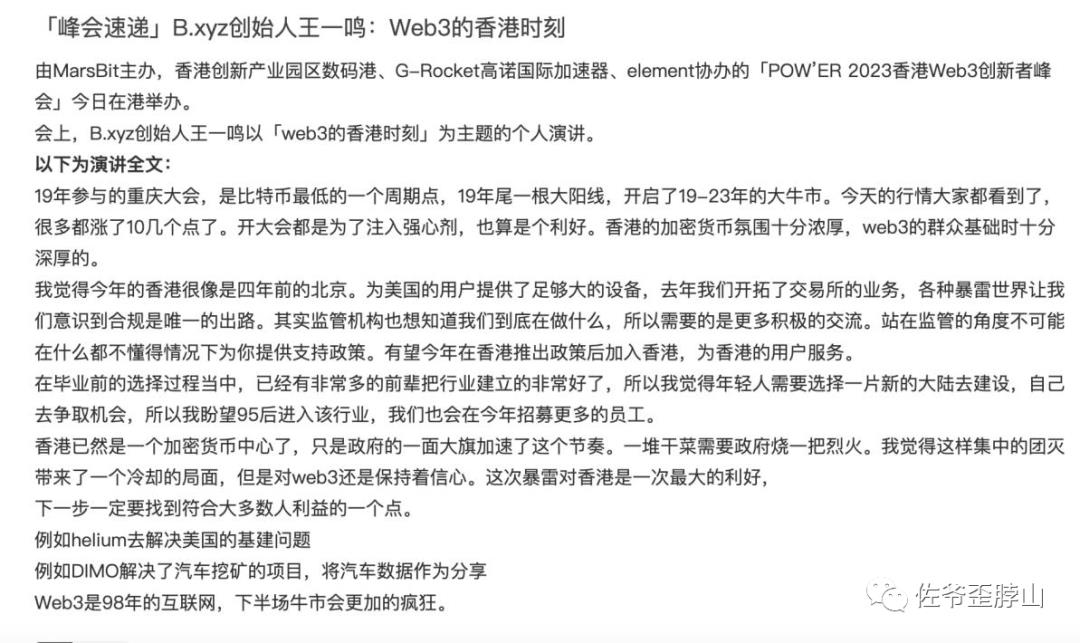
Life is short—go all-in! In DePIN, Chinese entrepreneurs have the best chance to lead the narrative.
WANG’s approach is always all-in—whether investing or building hardware.
For years, DePIN has been seen as the preserve of American capital and institutions. Helium, for instance, imposes strict restrictions on mainland nodes. Against this backdrop, WANG and his organizations have rapidly globalized, carving a crack in the white-dominated DePIN narrative.
Chinese entrepreneurs hold innate advantages in the DePIN space. We look forward to seeing more emerge. After initial subsidies, Helium Mobile’s earnings will inevitably decline. I truly hope WANG stays active on Twitter—we’d all love to see what innovative moves DePIN will make next.
As the man behind HNT hardware, winning isn’t optional—it’s the creed.
Join TechFlow official community to stay tuned
Telegram:https://t.me/TechFlowDaily
X (Twitter):https://x.com/TechFlowPost
X (Twitter) EN:https://x.com/BlockFlow_News
 @zuoyeweb3










