








Ethereum NFTs decline, Bitcoin NFTs rise
TechFlow Selected TechFlow Selected
Ethereum NFTs decline, Bitcoin NFTs rise
Who Will Lead NFTs into the Bright Future: Ethereum or Bitcoin?
 Navigating Web3 tides with focused insights
Authors: Peng Yong, Block Unicorn
In 2021, within the Web3 industry, NFTs were often referred to as a digital asset renaissance, launching a wave combining digital art with cryptographic technology. This attracted both digital artists and traditional artists into the innovative tide of Web3, bringing new possibilities to the field of NFT art.
That year saw an explosive narrative around NFTs. From February 25 to March 11 marked an epic beginning: the most famous NFT artwork in history was auctioned at Christie’s—Beeple's piece titled "Everydays: The First 5000 Days," which ultimately sold for 42,329 ETH (worth $69.34 million at the time).
The price stunned everyone—a single image selling for $69.34 million sparked profound global reflection on the digital art market. Since then, news of this NFT auction has spread across every corner of the world, generating widespread interest in NFTs and making people eager to own one themselves.
NFTs Take Root on Ethereum
On the fertile ground of Ethereum, NFTs took root and flourished, becoming a shining gem in the blockchain space. Ethereum’s smart contract functionality provided a solid technical foundation for NFT development, enabling digital assets to exist uniquely and irreplaceably on the blockchain.
Launched in May 2017, CryptoPunks—one of the pioneers of NFTs—offered historically significant, distinctive pixelated punk avatars. Initially, users with Ethereum addresses could claim them for free. These pixelated figures are not only representatives of NFT art but also trailblazers for the future of NFTs. The success of CryptoPunks injected new vitality into the NFT market, attracting celebrities such as rapper Jay-Z (Shawn Carter), football player Odell Beckham Jr., and FaZe Banks, co-founder of the esports empire, sparking the first wave of celebrity-driven fascination with NFTs.
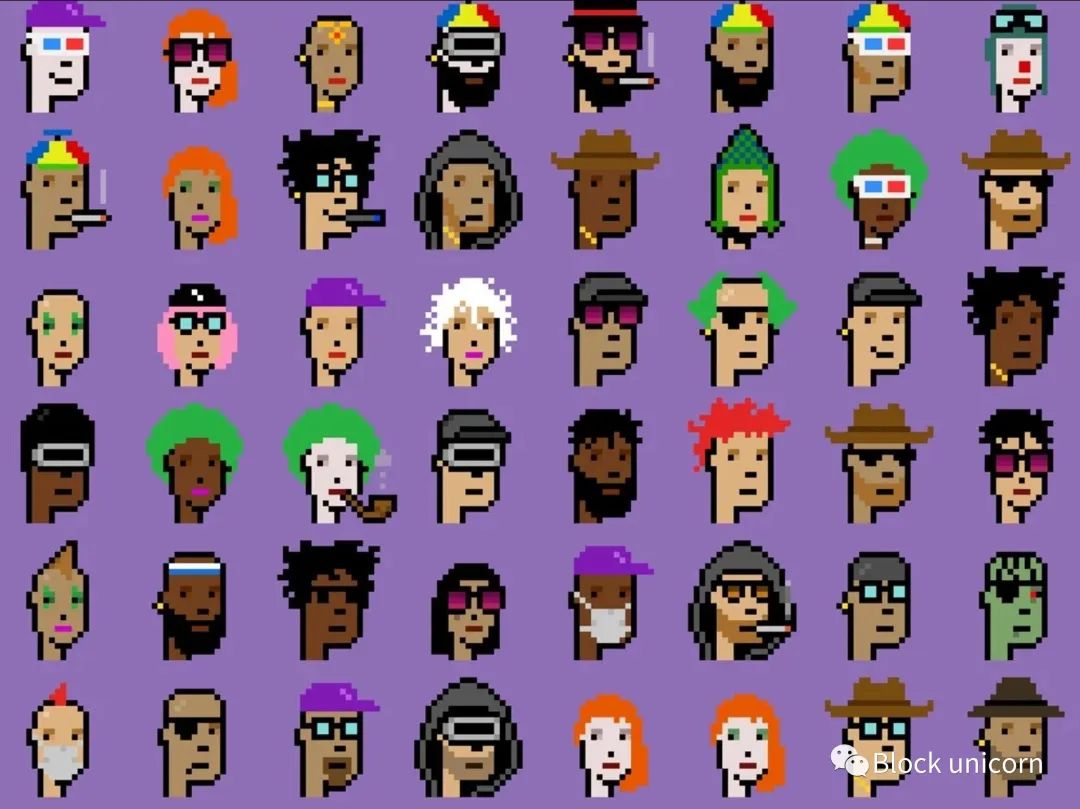
Ethereum’s NFT market began expanding from CryptoPunks into areas including crypto art, virtual real estate, identity credentials, tickets, and more. Artists used NFTs on Ethereum to showcase and sell their work, while digital collectors acquired unique assets through this platform. The emergence of this ecosystem laid the groundwork for NFT prosperity on Ethereum.
As the NFT market continues evolving, Ethereum—as its primary supporting network—will continue witnessing the rise of emerging NFT projects and crypto artworks, fueling greater anticipation for future exploration and innovation in the NFT space.
The Rise and Fall of Ethereum NFTs
After CryptoPunks, we indeed witnessed more radical NFT projects that further expanded Ethereum’s influence—most notably Bored Ape Yacht Club (BAYC), Azuki, Doodles, DeGods, and others.
Rise
When discussing the true rise of Ethereum NFTs, we must mention BAYC, which played the most pivotal role in advancing NFT development. The latecomer success of Bored Ape Yacht Club (BAYC) marked a peak in the Ethereum NFT landscape. Revered as the “King of NFTs,” BAYC is more than just a collection of unique NFTs—it symbolizes an artistic revolution in the NFT world.
BAYC’s success lies not only in its artistry but also in its clever social media marketing strategy. Discussions and shares about BAYC exploded overnight on social platforms, capturing global attention. Celebrities such as Justin Bieber, Neymar Jr., Snoop Dogg, Madonna, Shaquille O’Neal, Eminem, and Jimmy Fallon, along with numerous business leaders, all own Bored Ape NFTs. Sports stars, entertainers, and corporate titans brought massive visibility to NFTs and BAYC, creating vast expansion opportunities for the BAYC empire.
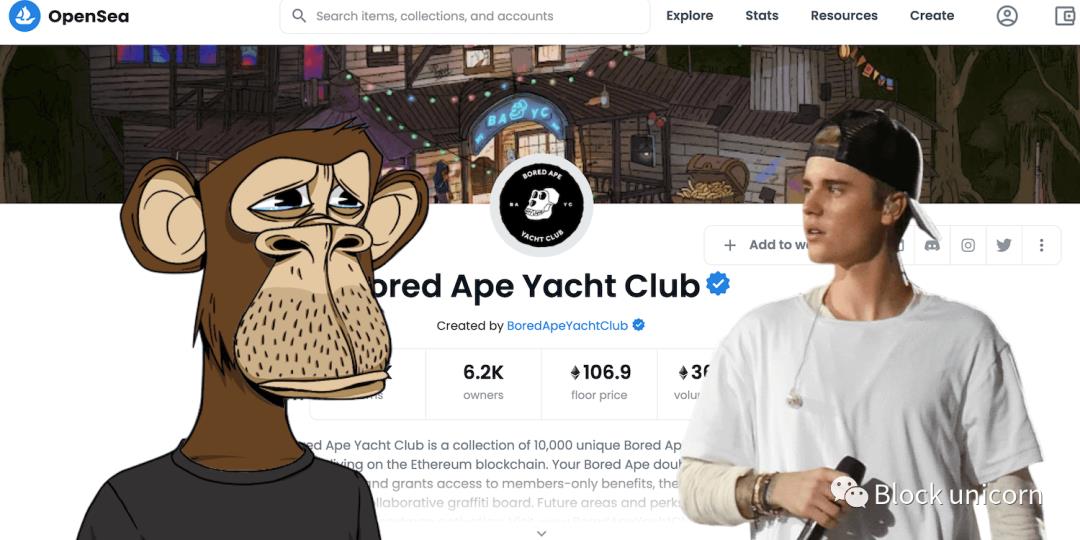
After reaching the pinnacle as the “King of NFTs,” on March 24, 2022, Yuga Labs—the parent company of BAYC—announced a $450 million funding round at a $4 billion valuation, marking the largest financing event in NFT history. Top-tier venture capital firms participated, led by a16z, with follow-on investments from Animoca Brands, Google Ventures, Tiger Global, Coinbase Ventures, Adidas Ventures, and others.
Following the funding, Yuga Labs aggressively acquired NFT pioneer CryptoPunks, transforming BAYC into a dominant superpower in the NFT industry.
BAYC set even grander ambitions. CEO Nicole Muniz declared plans to build a “Disney on-chain” on their new project Otherside, where anyone could create rides and attractions within this on-chain metaverse and own these community-based virtual assets. Using ApeCoin on Otherside would grant certain privileges.
Fall
When these grand visions failed to materialize, BAYC’s NFTs, token (APE), Otherside land, and game user counts sharply declined, revealing fragility and prompting public skepticism.
The floor price of Bored Apes (BAYC) dropped from a high of 153.7 ETH to the current 27.79 ETH—a decline of 82% from its peak. BAYC’s native token APE also fell from a high of 28 USDT to 1.7 USDT, down 93% from its all-time high.
Although BAYC’s downturn hasn’t diminished long-term expectations for Ethereum NFTs, cracks have begun forming between other NFT projects and their communities.
Doodles
This rift started with Doodles. On March 26 this year, Doodles founder Jordan Castro announced in the official Discord that Doodles would evolve from an “NFT project” into a leading media franchise. He stated that focusing too much on speculation hinders long-term vision and that no resources would be spent appeasing economically motivated NFT holders—he would instead focus on loyal supporters.

NFT projects typically advocate decentralization principles and are built collectively via DAOs. However, Doodles’ founder unilaterally decided to transform a decentralized NFT project into a centralized media franchise—a move contradicting core decentralization values.
By transitioning into a franchised company, Doodles can now exclude community members entirely from economic benefits and ignore incentives for NFT holders. This strategic shift was made without community discussion or governance procedures—decided solely by the founder, disregarding voices of NFT holders. As a result, the project effectively became founder-owned rather than community-owned, leading many Doodles NFT holders to sell off their assets. Since then, Doodles has been mired in crisis.
Azuki
After BAYC, Azuki emerged as a creative and vibrant NFT community, growing rapidly. Across crypto Twitter, Azuki profile pictures became ubiquitous, rivaling even BAYC and CryptoPunks. This momentum stemmed from its experienced founder, zagabond, who had previously launched three NFT projects—all of which ended in exit scams—giving him extensive operational experience in the NFT space.
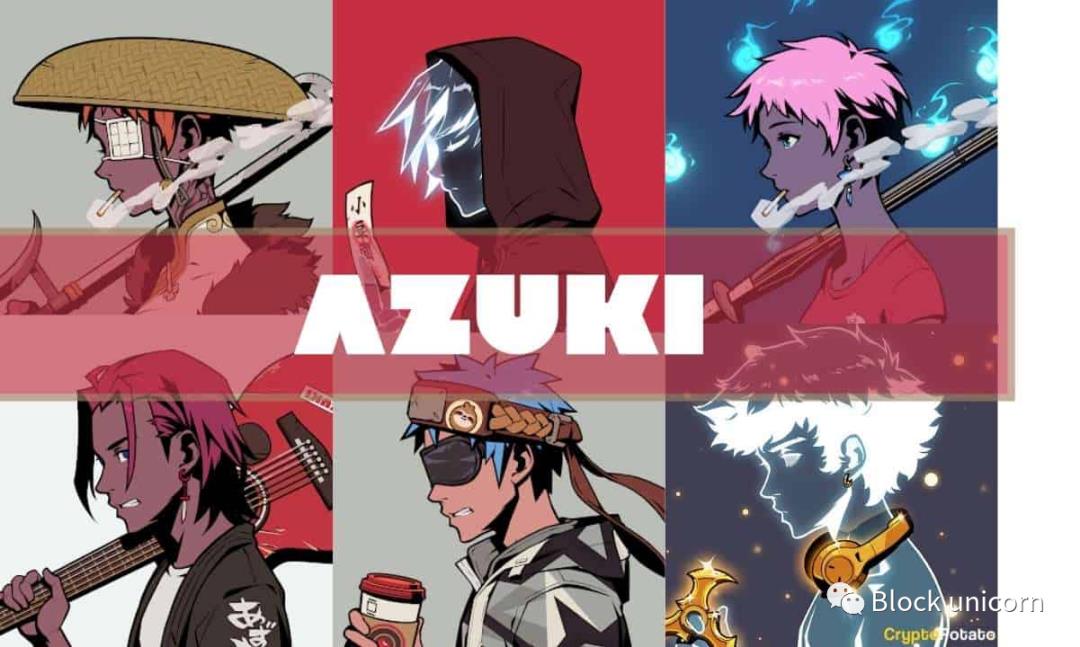
When he launched Azuki, everything seemed under control. The floor price soared against the odds, earning Azuki recognition as a beacon of hope during bear markets. On June 27 this year, the team launched a new series called Elementals—10,000 new NFT avatars sold via Dutch auction. Azuki and BEANZ holders paid a 2 ETH deposit, with refunds issued based on the difference between the final auction price and their bid. All 10,000 NFTs sold out in just 15 minutes, generating 20,000 ETH ($38 million at the time).
With this windfall, the Azuki team withdrew 20,000 ETH from the NFT market. However, buyers soon discovered that the new NFT images were low-quality, nearly identical to existing Azuki NFTs yet priced at only 2 ETH—sparking outrage and backlash from the community.
The team’s actions deeply disappointed the community—repackaging uninspired, subpar NFTs and reselling them to loyal members shattered trust in Ethereum NFTs. This disillusionment accelerated price declines across top-tier NFT projects and even spilled over to NFTs on other blockchains.
Community members began recalling the past: the Azuki founder had previously run three NFT projects that all ended in exit scams.
DeGods
DeGods originated as an NFT project on Solana before migrating to Ethereum’s Polygon network. After Azuki’s disappointing release, DeGods briefly restored some confidence amid the broader NFT downturn—its floor price surged to 9 ETH, earning it the title of blue-chip NFT on Solana.
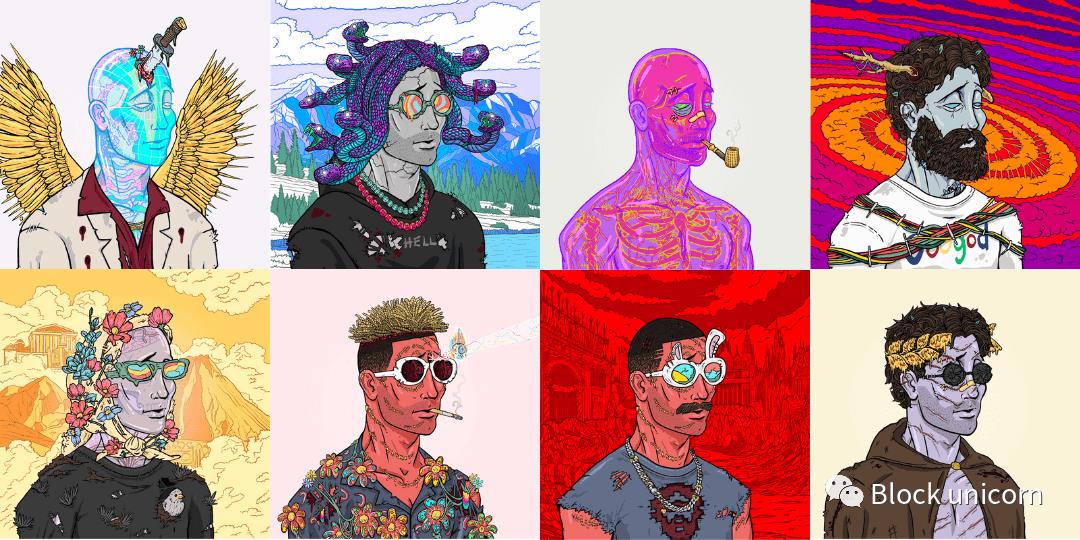
Yet, the once-popular DeGods eventually followed Azuki’s path. In August this year, they released a new NFT series using uninspired, hastily modified designs and resold them to the NFT community.
Summary: These projects led Ethereum NFTs from inception to prominence, introducing innovative applications, but ultimately dragged the space into decline. During periods of market slump, cries of “NFT is dead” echoed loudly, drawing significant industry attention. This prompts deeper reflection: Can Ethereum-style NFTs truly lead the way forward?
Once glorious, Ethereum NFTs now face a downward spiral—while Bitcoin NFTs are emerging, poised for takeoff.
The Rise of Bitcoin NFTs
In the NFT market, Bitcoin NFT flagship project Bitcoin Frogs demonstrated strong market momentum in November 2021. Its trading volume repeatedly surpassed that of the renowned Bored Ape Yacht Club (BAYC), reaching a single-day high of $4.7 million—compared to BAYC’s peak of $2.6 million.
While BAYC’s trendline remained flat, appearing lifeless, Bitcoin Frogs showed aggressive performance, frequently outpacing BAYC in trading volume. This trend highlights growing investor interest in Bitcoin NFTs and suggests Bitcoin Frogs may surpass BAYC to become the new favorite in the Bitcoin NFT space.
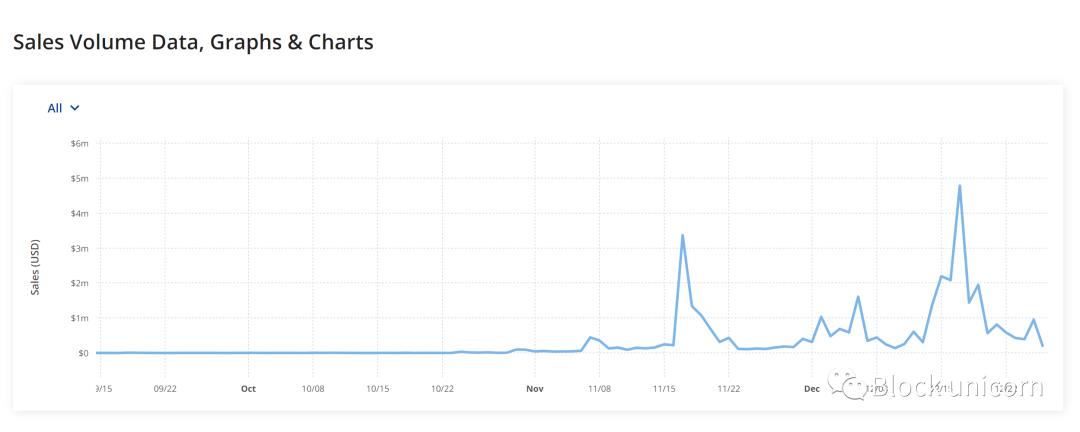
Data source: cryptoslam, Bitcoin Frogs
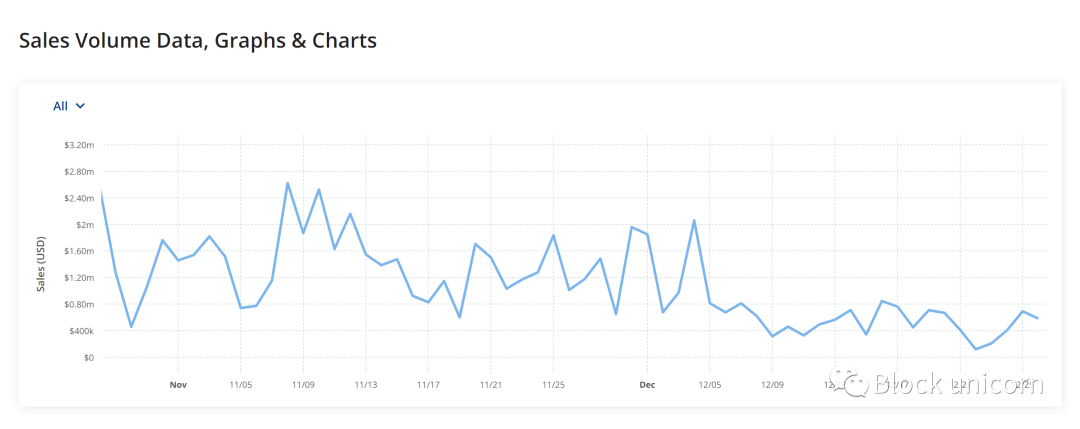
Data source: cryptoslam, Bored Ape Yacht Club (BAYC)
Background of Ordinals
Everything about Bitcoin NFTs begins with the Ordinals protocol. Invented in December 2022 by Casey Rodarmor, the protocol enables the creation of NFT art on Bitcoin by inscribing all NFT data onto individual satoshis (the smallest unit of Bitcoin). The birth of the Ordinals protocol inspired domo—the creator of BRC20—to develop the BRC20 token standard (inscriptions), unlocking infinite potential for the Bitcoin network.
Initially, few noticed Ordinals. But in February this year, an NFT project called BitcoinShrooms used its Discord community to attract investors bidding on the Bitcoin auction platform Scarce.City. The auction price was driven up to 2.5 BTC (then worth $60,000), though it was later canceled for unknown reasons and eventually listed at Sotheby’s.
Perhaps due to this February auction event, people began experimenting with the Ordinals protocol to build NFTs on the Bitcoin network.
Then in April, Unisat launched a wallet and marketplace natively supporting the minting and trading of Bitcoin Ordinals NFTs and BRC20 tokens, reigniting excitement and accelerating the breakout of Bitcoin Ordinals NFTs.
After a brief lull following the April–May boom, Bitcoin NFTs regained momentum thanks to OKX Wallet’s smooth user experience and strong support for Bitcoin NFTs. This resurgence suggests Bitcoin NFTs may have an even brighter future than Ethereum NFTs, for three key reasons:
1. Fair Distribution, No Reserved Allocations
Bitcoin NFTs offer a distribution mechanism that holds greater appeal compared to traditional Ethereum NFT models. For example, OG NFTs on Bitcoin like Bitcoin Frogs were launched at the end of February this year, allowing everyone fair access to minting. With a total supply of 10,000 and no reserved allocations, participation required only gas fees—no additional purchase costs.
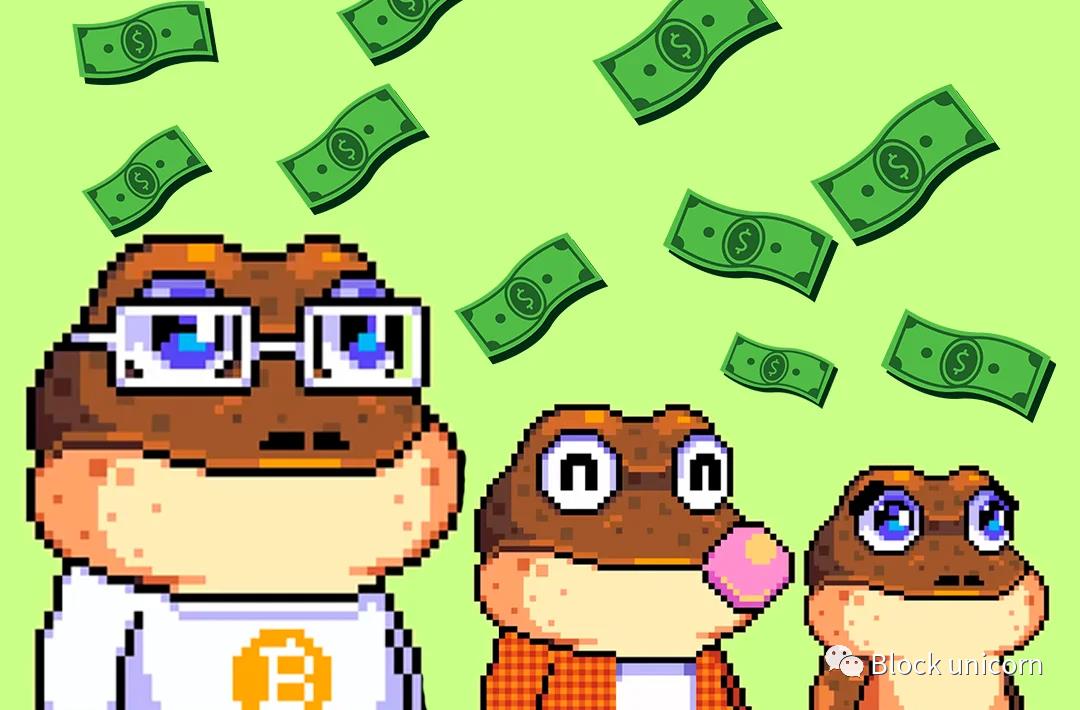
This fair distribution eliminates entry barriers inherent in traditional NFTs, enabling broader user participation in minting and creation. Low-barrier access helps build a more inclusive and diverse NFT community on Bitcoin.
In contrast, Ethereum NFTs follow the old ERC-20 token issuance model, where issuers define the initial NFT price rather than letting the market or holders determine it.
2. Fully Community-Driven IP
Ethereum NFT projects are typically led by companies with clear visions and commercial goals. These entities define roadmaps, steer project direction, and hold intellectual property rights. They play critical roles in design, launch, and promotion, retaining full control over IP.
Classic examples include CryptoPunks, BAYC, Azuki, and Doodles—all of whose IP rights are held by centralized companies. Each resale generates royalty income for the company, with no benefit to NFT holders. Only NFT owners may have limited or unlimited commercial rights. Simply put, while many Ethereum NFTs appear decentralized, actual decisions rest entirely with companies. As seen with Doodles, founders wield absolute power to pivot into a media franchise; teams like Azuki and Doodles can issue new, low-quality NFTs without community governance or voting.
In contrast, Bitcoin NFT issuance is more transparent and equitable. There are no whitelists, privileges, or team reserves—everyone mints fairly. These traits strengthen decentralization and community governance in Bitcoin NFTs. Issuers impose no IP restrictions or royalties, fully sharing intellectual property with everyone. This fosters unlimited creative freedom and grassroots promotion, truly enabling broad participation.
The business models of Ethereum vs. Bitcoin NFTs represent two distinct governance philosophies: Ethereum leans toward corporate control, while Bitcoin emphasizes decentralized governance. This fundamental difference shapes project trajectories, community engagement, and openness in decision-making.
3. Bitcoin NFTs Are Fully On-Chain
Bitcoin NFTs store all information directly on-chain, ensuring data isn’t controlled by any centralized server, thereby enhancing security. Centralized servers risk attacks, shutdowns, or policy changes. By adopting fully on-chain storage, Bitcoin NFT projects reduce reliance on centralized services and mitigate associated risks.
With fully on-chain storage, anyone can access, verify authenticity, and inspect metadata of Bitcoin NFTs. This transparency reduces trust costs and encourages active community involvement in project development and governance.
Blockchain technology provides open data structures—anyone can view, verify, and audit Bitcoin NFT data. This transparency builds trust and motivates stronger community participation in governance and growth.
Conclusion
Despite enduring multiple chaotic market cycles and losing its former vibrancy, the massive Ethereum NFT ecosystem remains dominant in the NFT space today.
Today, the Bitcoin ecosystem is injecting fresh energy and opportunity into the NFT market. The thriving activity on the Bitcoin network feels almost dreamlike. Even without smart contracts, the Bitcoin network now captivates every user and builder, igniting unparalleled excitement and passion.
Join TechFlow official community to stay tuned
Telegram:https://t.me/TechFlowDaily
X (Twitter):https://x.com/TechFlowPost
X (Twitter) EN:https://x.com/BlockFlow_News
 @BlockUnicorn







