








The New York Times: Amid Regulatory Shakeup, the Crypto Industry Quietly Prepares for a Battle for Dominance
TechFlow Selected TechFlow Selected
The New York Times: Amid Regulatory Shakeup, the Crypto Industry Quietly Prepares for a Battle for Dominance
"Coinbase is now the last one standing."
 Navigating Web3 tides with focused insights
Source: The New York Times
Translation: BitpushNews Mary Liu
A year ago, Sam Bankman-Fried (SBF) and Changpeng Zhao ran the two largest cryptocurrency companies. As they grapple with legal troubles, other players are racing to lead a new chapter for the industry.
This year, bitcoin’s price has surged again. Mainstream financial firms have shown renewed interest in digital currencies, and crypto enthusiasts are celebrating the end of the bear market and the downturn in crypto businesses.
But this sudden burst of optimism comes amid turmoil in the crypto industry.
During the last crypto bull run, the industry's most influential figures were SBF and CZ—billionaire rivals whose words and actions seemed capable of moving markets. Now both have fallen from grace and may face prison time.
Last month, a federal jury found SBF guilty on fraud and conspiracy charges stemming from the collapse of FTX. Three weeks later, CZ pleaded guilty to money laundering charges and agreed to relinquish control of Binance.

With these two out of the picture, cryptocurrency entrepreneurs, Wall Street executives, and government regulators are scrambling to shape the next phase of the industry. Their battle for influence could determine whether crypto can survive in the United States, where regulatory crackdowns are making operations increasingly difficult.
Some executives believe the crypto world needs to move past figures like CZ and SBF—aggressive entrepreneurs who prioritized growth over compliance—in order to win favor with regulators and the public.
After CZ’s guilty plea, Brian Armstrong, CEO of U.S.-based cryptocurrency exchange Coinbase, hailed the case as a turning point for the industry.
He wrote on social media: “We now have an opportunity to turn the page and build this industry in the U.S., compliantly, under U.S. law.”
Yet the crypto industry remains filled with companies engaging in high-risk business practices and offering little transparency about their emerging products.
Hilary Allen, a financial regulation expert at American University, said: “There is no intrinsic value here. The only hope is that more money flows in, attracting more people willing to buy it and creating demand.”
The cryptocurrency space has always had influential leaders. Bitcoin, the original and most valuable digital currency, was first envisioned by the anonymous figure known as Satoshi Nakamoto—whose mysterious identity helped make bitcoin a “brand.”
As the crypto industry expanded, new centers of power and influence emerged. Changpeng Zhao founded Binance in 2017 and built it into the world’s largest marketplace for trading tokens. The exchange’s scale and reach made Zhao a major influencer on Twitter (now called X), where he amassed more than 8 million followers and routinely dismissed government lawsuits and allegations of illegal activity as misinformation spread by anti-crypto “bad actors.”
Zhao’s main rival was SBF, who frequently appeared on billboards and magazine covers, cultivating an image of a responsible adult helping the nascent industry work with regulators.
Ultimately, both men fell from power. SBF will be sentenced in March and faces decades in prison. Zhao is likely to receive a lighter sentence, with prosecutors expected to seek around 18 months.
Jeremy Allaire, CEO of cryptocurrency firm Circle, said: “It’s actually a good thing that these characters are no longer part of the industry’s development. I’ve always focused on: How do we make this useful to the world?”
A new generation of executives has risen to become top spokespeople for the crypto industry.
Paolo Ardoino, a vocal crypto enthusiast with a large online following, recently became CEO of Tether, the company behind one of the most widely used digital currencies. At Binance, CZ has been replaced by Richard Teng, a top executive at the exchange.
On the surface, Teng represents a different kind of industry experience. While CZ long held a confrontational stance toward regulators, Teng is a veteran of Singapore’s central bank, the Monetary Authority of Singapore.
Binance’s future remains uncertain. As part of a settlement reached last month, the company agreed to pay $4.5 billion in penalties to multiple government agencies and allow U.S. regulators to oversee its operations for the next three years.
“My general sense is that we really need to ‘wait and see,’” Allaire said. “I don’t think anyone knows the details of what this oversight will mean.”
A spokesperson for Binance did not respond to requests for comment.
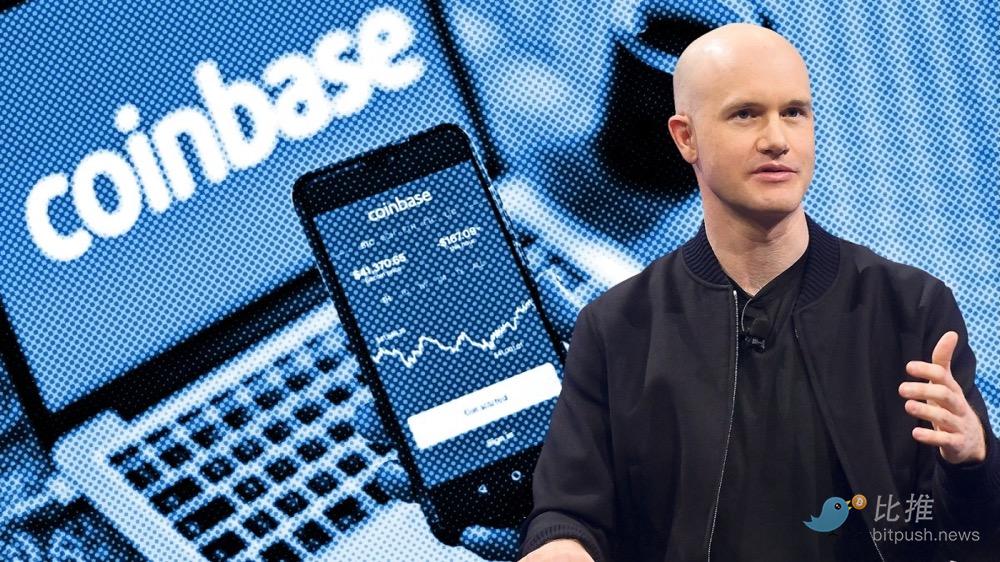
Perhaps the biggest beneficiary of the current shake-up in crypto is Coinbase’s Armstrong, who declared this month that bitcoin “might be key to extending Western civilization.” Despite being sued by the U.S. Securities and Exchange Commission as part of the agency’s broader crackdown on the industry, Coinbase’s stock price has nearly tripled over the past six months.
“Coinbase is now the last one standing,” said John Todaro, an analyst at Needham who covers the cryptocurrency industry. “There’s less competition there.”
Coinbase has also positioned itself to benefit from potentially massive developments in the crypto world—the possible approval of exchange-traded funds (ETFs) tracking the price of bitcoin.
In recent days, bitcoin’s price has soared above $43,000—the highest level since a wave of bankruptcies plunged the industry into crisis last year. Growing confidence that the SEC is preparing to approve bitcoin ETFs for trading on traditional securities exchanges has greatly boosted enthusiasm, as such approvals could bring significant new capital into the sector.
Coinbase has agreed to custody the bitcoin that would back an ETF offered by BlackRock, one of the world’s largest asset managers. BlackRock is the biggest among several major financial firms, including Fidelity, that have applied to offer this investment product.
Wall Street, once seen as an adversary to the rebellious crypto industry, is now viewed by crypto supporters as a potential savior through partnerships like the one between Coinbase and BlackRock—especially after 18 months of bankruptcies and regulatory crackdowns.
Professor Allen of American University commented: “Crypto isn’t disrupting Wall Street—it’s merging with it. And the reason is pretty obvious—they see a decent chance to make money here.”
Join TechFlow official community to stay tuned
Telegram:https://t.me/TechFlowDaily
X (Twitter):https://x.com/TechFlowPost
X (Twitter) EN:https://x.com/BlockFlow_News
 比推 BitpushNews










