








Examining NFTs: 2023 Market Dynamics Summary and Outlook
TechFlow Selected TechFlow Selected
Examining NFTs: 2023 Market Dynamics Summary and Outlook
This article explores the current state of the NFT market and looks ahead to the factors that could drive new narratives for NFTs in the future.
 Navigating Web3 tides with focused insights
Author: FRANCESCO
Translation: TechFlow
In the world of digital assets, non-fungible tokens (NFTs) have been a topic of intense debate. Once hailed as the next big revolution in art and collectibles markets, public sentiment toward NFTs has shifted dramatically.
This article dives into the current state of NFTs and analyzes prevailing market trends.
While the crypto market appears to be rebounding recently—mainly due to expectations around Bitcoin ETFs and the Bitcoin halving—the NFT market seems to lack strong momentum, as there are currently no powerful catalysts driving it forward.
This article explores the current condition of the NFT market and looks ahead at potential factors that could drive new narratives for NFTs.
The NFT Market Downturn
NFT trading volume declined sharply in 2022, but claiming that NFTs are dead might be an exaggeration.
By definition, NFTs exist on-chain and therefore persist forever—so they cannot truly die.
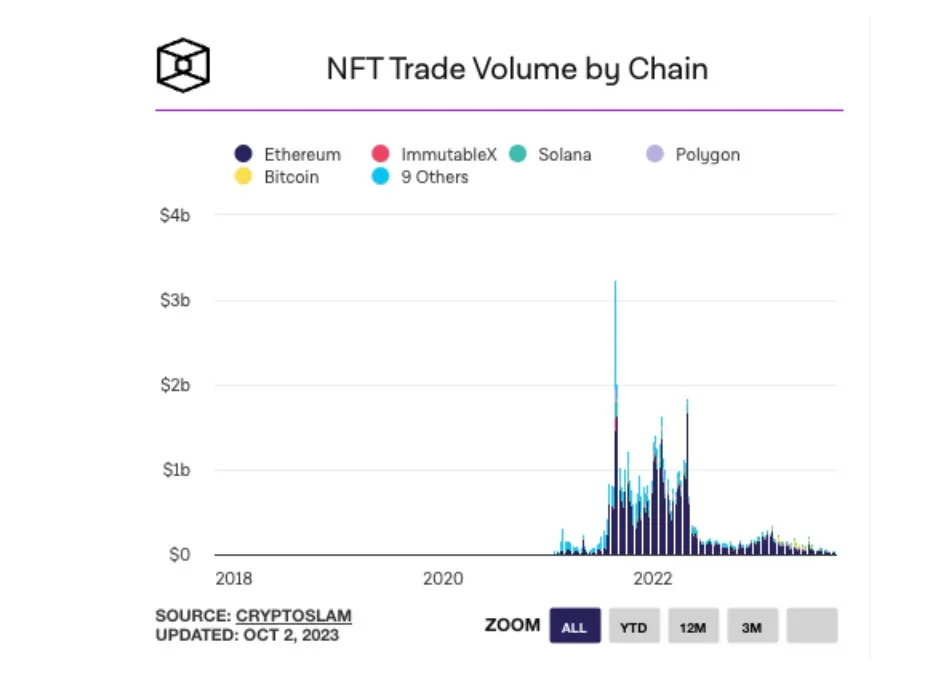
However, we must acknowledge that we are far removed from the peak days of NFT mania and admit the significant drop in sales and public interest over the past year.
The decline of NFTs is undeniable: during this period, NFT sales have dwindled, and market saturation—due to countless new NFT projects launching—has led to consumer fatigue.
What Are the Main Problems with NFTs?
Two core issues underlie the NFT market slump:
-
Hype around new projects: 99% of newly deployed projects aim to ride the NFT wave. Much like the “shitcoin” boom of 2018, many NFT projects are built purely on hype, lacking substance or long-term vision, leading inevitably to their downfall.
-
Blue-chip projects struggling to rebrand as global brands: After initial success, several blue-chip collections are now struggling to reinvent themselves and deliver ongoing value to holders.
Comparing NFTs to the 2018 “shitcoin craze” isn’t baseless. Many NFT projects lack clear use cases or utility, functioning more like speculative assets than sustainable digital goods.
This has resulted in an NFT bubble; when it burst, many investors were left holding worthless assets.
The NFT Community Is Not the Same as the Crypto Community
Although the lines blur, the NFT crowd differs from traditional crypto enthusiasts. They have different mindsets and motivations for joining the space.
Typically, NFT participants are less involved in the ideological aspects of the industry and focus more on artistic and economic dimensions.
Moreover, many scammers recognized NFTs as a trending topic and jumped in.
This was confirmed by numerous influencers who began promoting scams (or creating their own) solely for quick profits—figures like Kim Kardashian, Floyd Mayweather, and Paul Logan.
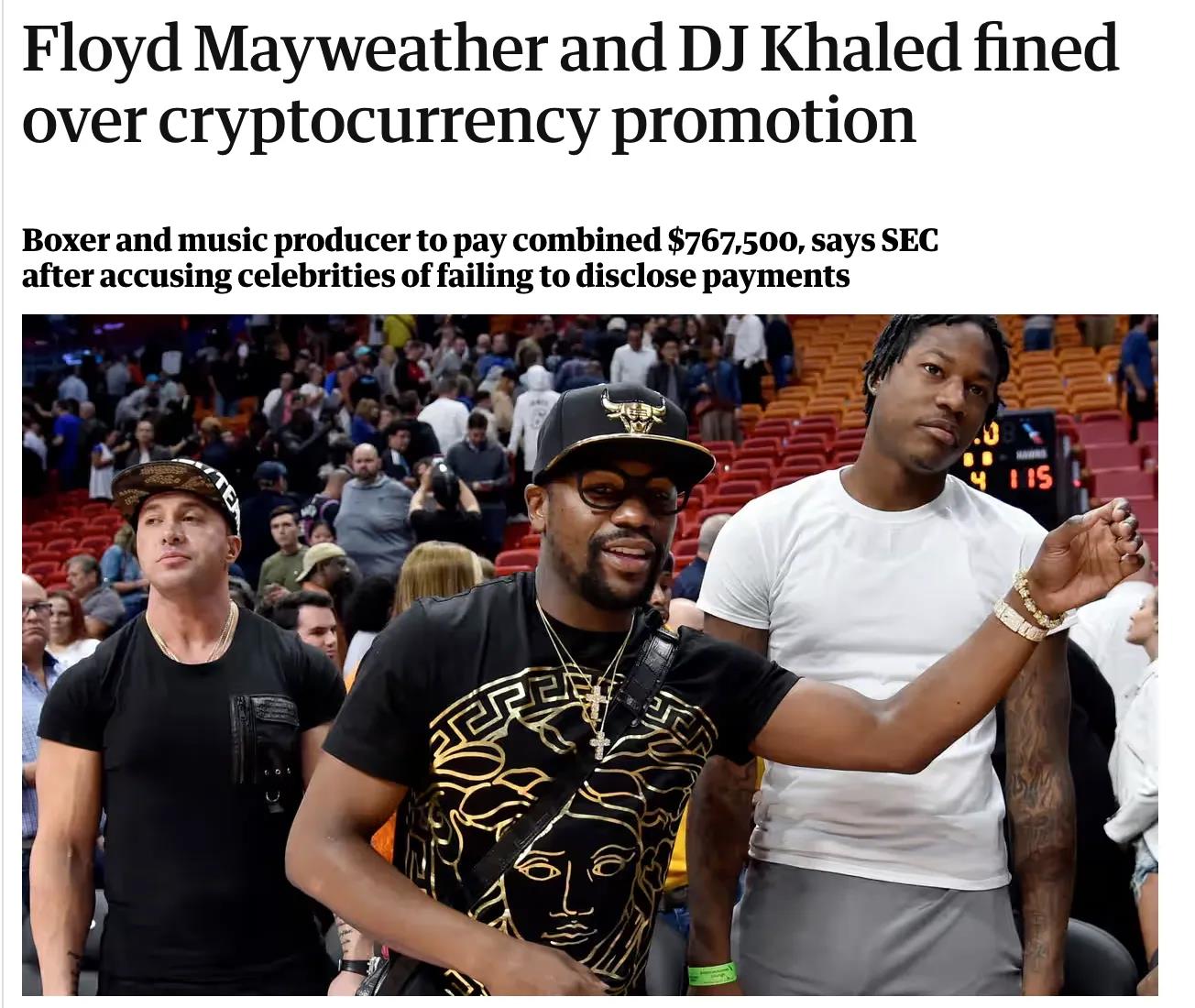
Thus, our stance is that the NFT crowd should not be considered part of the broader crypto community but rather an external subset with different reasons for entering the industry.
Nevertheless, we must also acknowledge that NFTs have genuinely empowered global artists—a positive development.
Challenges Facing Blue-Chip Projects
Even so-called “blue-chip” NFT projects are currently struggling. Once at the forefront of the NFT boom, these projects now face uncertain futures.
Their challenges are multifaceted:
-
Uncharted territory: Many projects operate in uncharted waters—an evolving market with unpredictable outcomes.
-
Development hurdles: Transitioning from a simple NFT project to something more substantial—such as integrating games or other utilities—has proven extremely difficult. Where should their focus lie?
-
Complexity and waning interest: Some projects, such as Otherside and DeGods, have become overly complex, causing public interest to fade.
We can illustrate this dilemma using Bored Ape Yacht Club (BAYC) and DeGods as examples.
Bored Ape NFT (BAYC)
No introduction needed—alongside Cryptopunks, BAYC is one of the most iconic and representative NFT collections.
BAYC began as a collection of 10,000 bored apes.
Then, the project airdropped Mutant Apes (MAYC) and companion dogs to BAYC holders—effectively distributing thousands of dollars in value via airdrops.
However, airdrop strategies aren't sustainable indefinitely. In fact, by launching new collections, you dilute the total supply of the original collection.
Originally consisting of only 10,000 NFTs, BAYC now includes 10,000 dogs and 20,000 MAYCs. Additionally, each holder received an Otherside land plot (total supply exceeding 100,000), and each plot now generates fragments. Not to mention the HV-MTL series (30,000 units).
This NFT series has become overly complicated!
Post-NFT direction for BAYC centers on two main verticals:
-
Gaming
-
Lifestyle (as a global lifestyle brand, e.g., BAPE, Supreme)
Yet, with this expansion comes increased demands on holders’ time and attention to keep up.
For example, users are expected to engage daily to develop their Otherside plots—I personally gave up as a holder and stopped following it altogether.
BAYC started as a simple community but is evolving into an increasingly complex and fragmented ecosystem.
Furthermore, BAYC’s gaming competitions raise questions: If winning requires hiring professional players, is it truly community-centric? What about ordinary people who don’t achieve success through NFTs and live regular lives? Will they be permanently excluded from victory?
It feels like the project is drifting from its roots and neglecting its core community.
Another example is The Legend of Mara, another standalone experience connected to the broader game world.
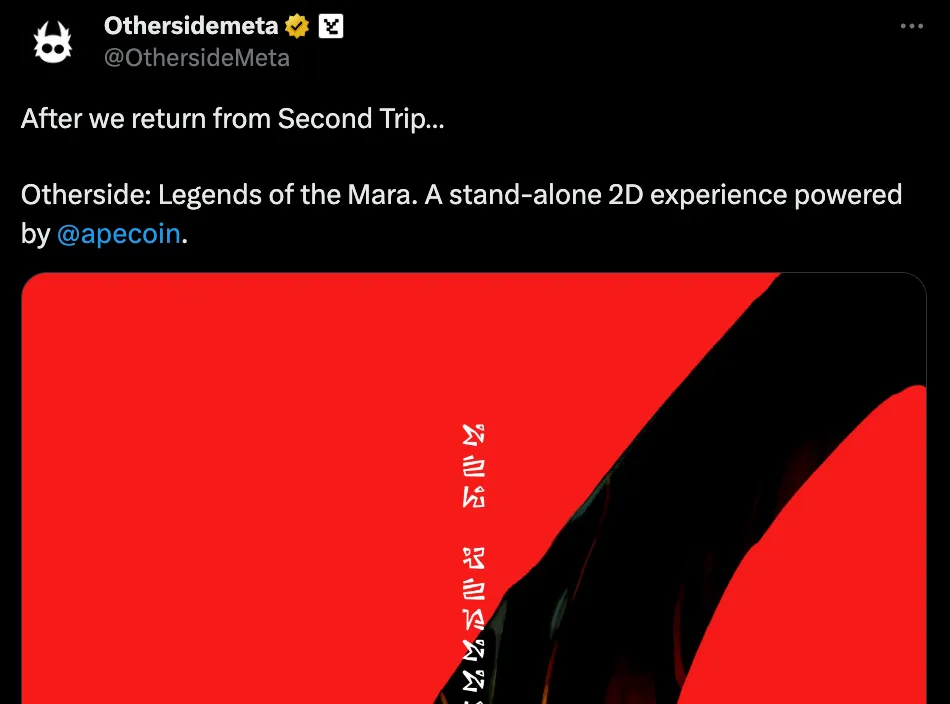
Additionally, users waited over a year for updates on the Otherside game world, and many eventually lost interest and left the community.
When will this stop?
On one hand, expanding product lines can be a great tool to attract broader audiences. On the other, it risks weakening the core value of BAYC's original collection, threatening the foundation of its community.
With unclear direction and major investments from VCs (like A16z investing $1 billion in BAYC), many fear BAYC will no longer remain what it once was and may ultimately transform into a Web2 giant.
DeGods
DeGods' situation is worse—not necessarily due to ecosystem expansion, but because of strategic missteps by the team.
Once one of Solana’s top and most promising projects, DeGods has now become synonymous with chaos and incompetence.
Here’s a summary of what happened:
-
DeGods launched their second collection, y00ts, promising a revolutionary points system, quoting Steve Jobs, and positioning themselves as the new Apple of the NFT world;
-
After FTX collapsed, DeGods ultimately left Solana, migrating DeGods to Ethereum and y00ts to Polygon (due to funding received);
-
Frankly, this was a massive betrayal to the community that supported them from day one, pushing prices from 3 SOL to over 10 ETH;
-
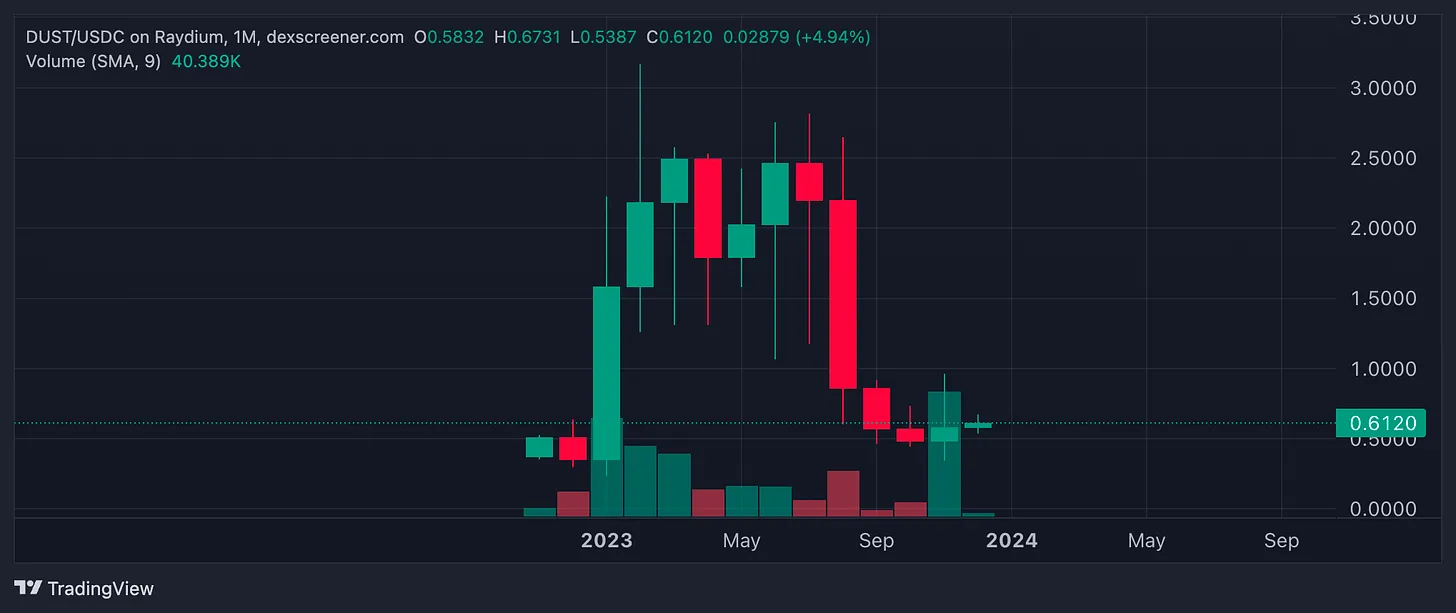
That was DeGods’ peak—everyone talked about them becoming the next BAYC, and how valuable the DUST token (and underlying company) would become;
-
But months later, Dust Labs failed to deliver anything of real value, and the DUST price reflected that.
-
DeGods announced a plan: Season 3 of DeGods, scheduled for August 9, 2023.
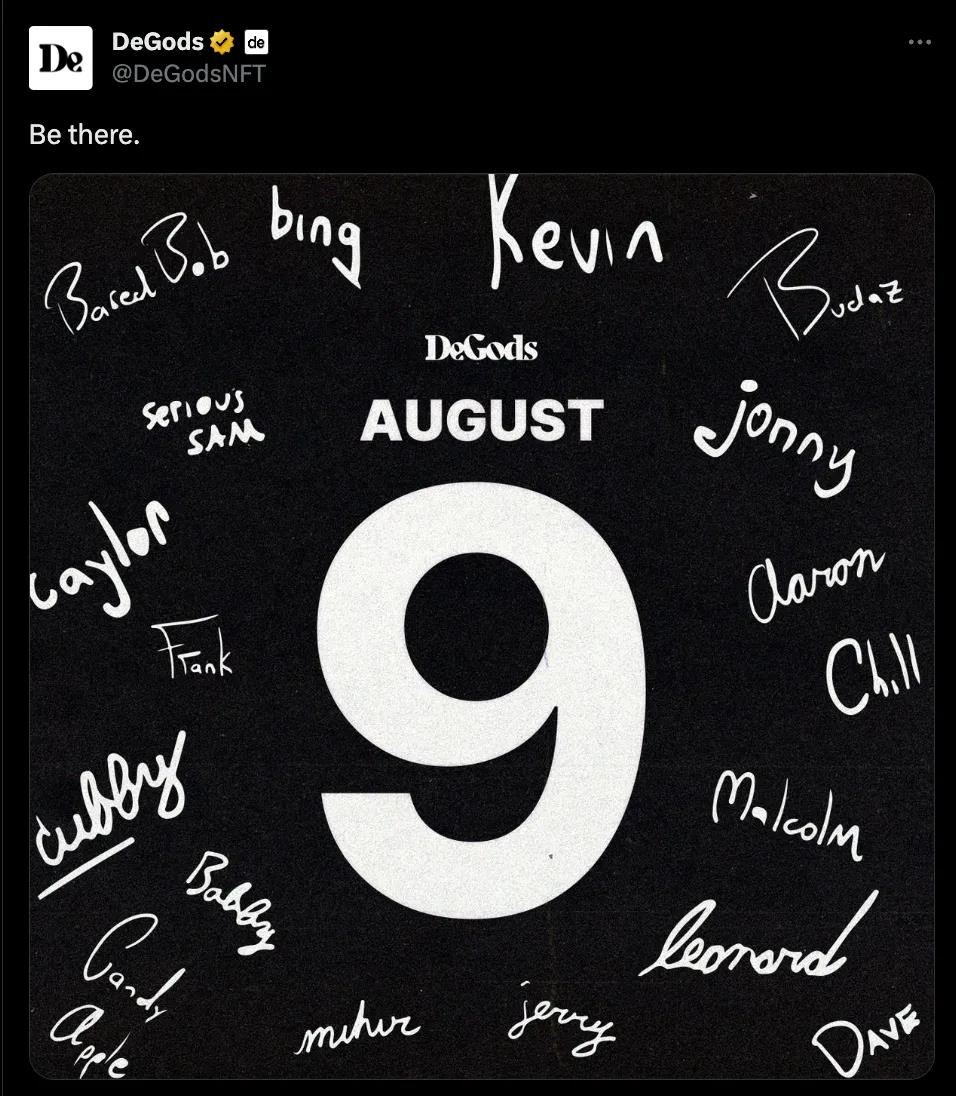
As part of their marketing, DeGods employed their usual strategy: over-promise, delay, then under-deliver.
Season 3 generated high anticipation, pushing DeGods’ trading volume to new highs.
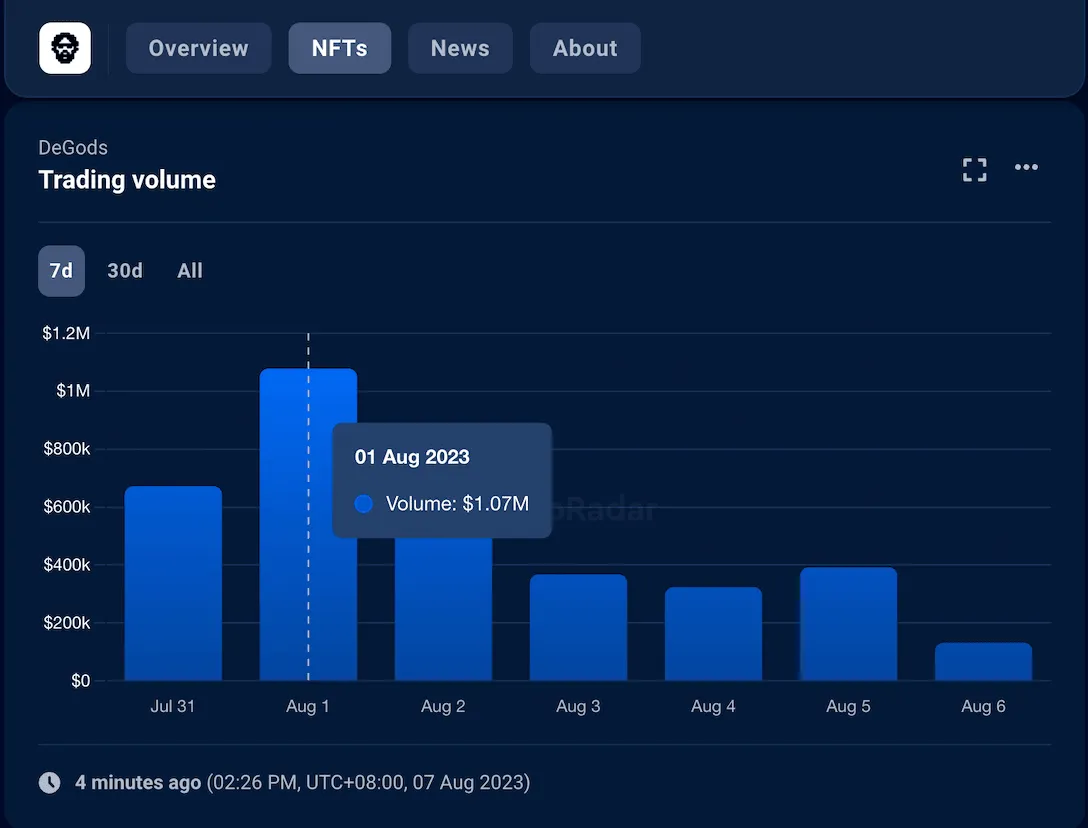
However, things quickly went downhill.
What did Season 3 include?
-
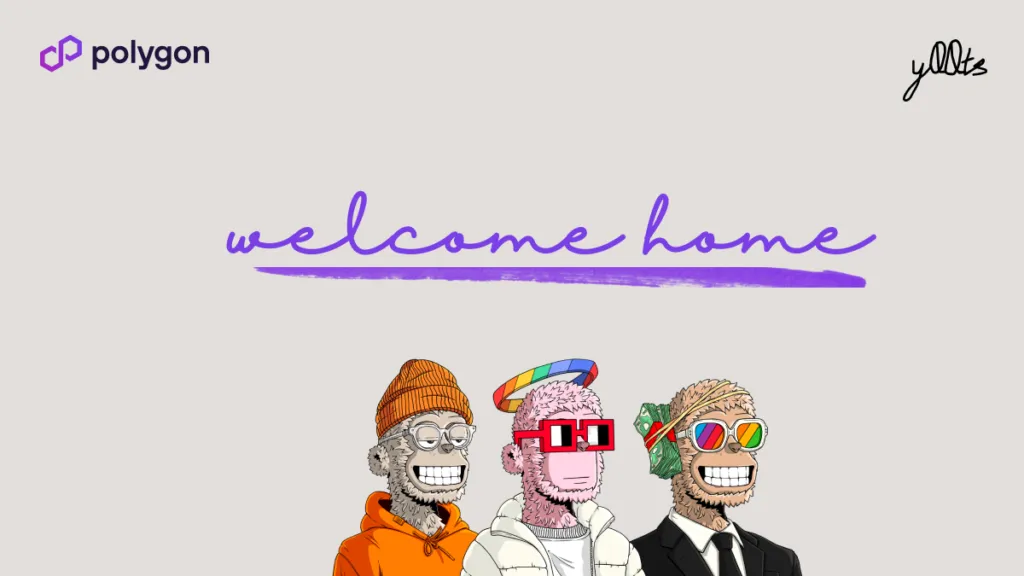
Migration of y00ts back from Polygon to Ethereum (admittedly a questionable move—who hosts NFTs on Polygon except for funding incentives?)
-
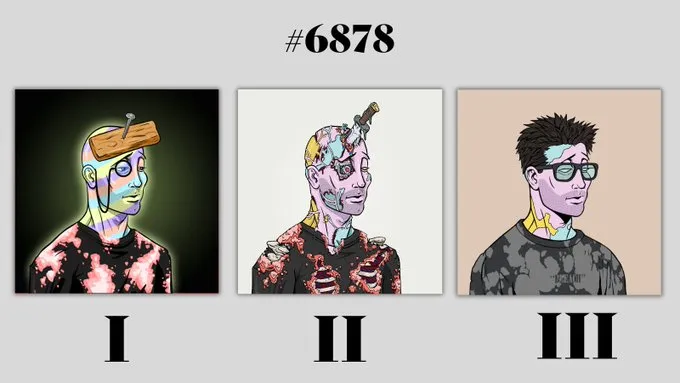
Art downgrade of DeGods: This twist required users to pay 333 DUST (then ~$450) to downgrade their DeGods (some might say, finally giving DUST a use case).
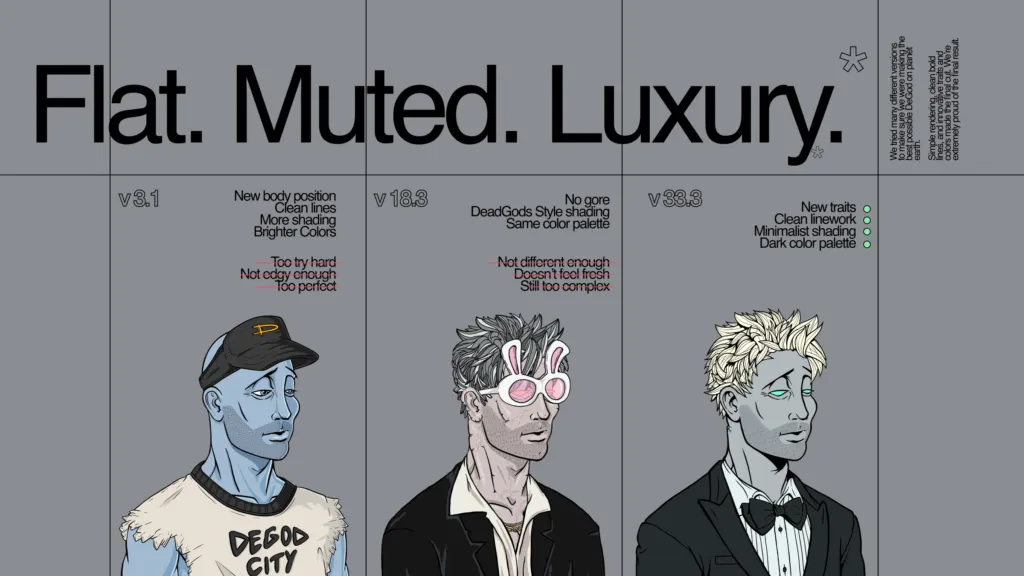
In reality, this felt like saying, “This is our third attempt to get DeGods’ art right because our previous attempts didn’t convince the community.”
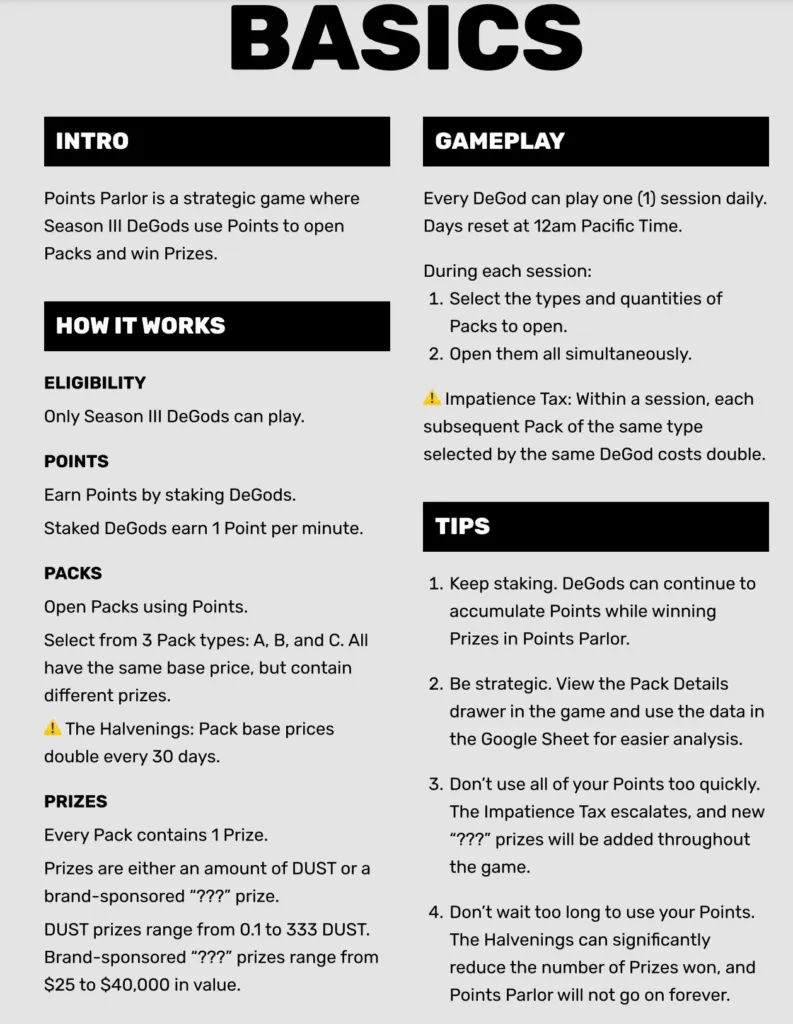
They also introduced a points pool where users could stake their Season 3 DeGods to earn points and win rewards.
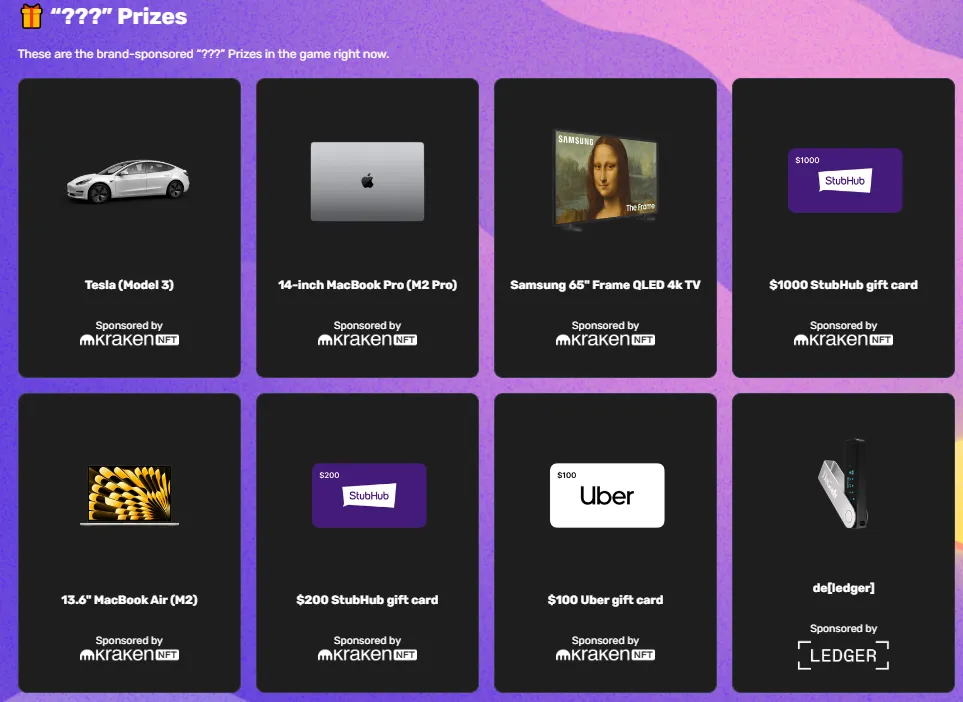
Here are some prizes from the points pool: nice indeed, but I doubt DeGods whales would get excited over just a few dozen rewards.
Like many other collections, DeGods holders elevated their founder Frank to near-mythical status—a visionary with Jobs-like potential.
This was evident in Frank’s own statements.
Still, we’ve seen that over-relying on godlike founders rarely leads to good outcomes.
DeGods Season 3 sparked widespread controversy.
Promises made by the team were never fulfilled, creating a massive gap between promises and execution.
As a result, their value dropped over 50% within a single week.
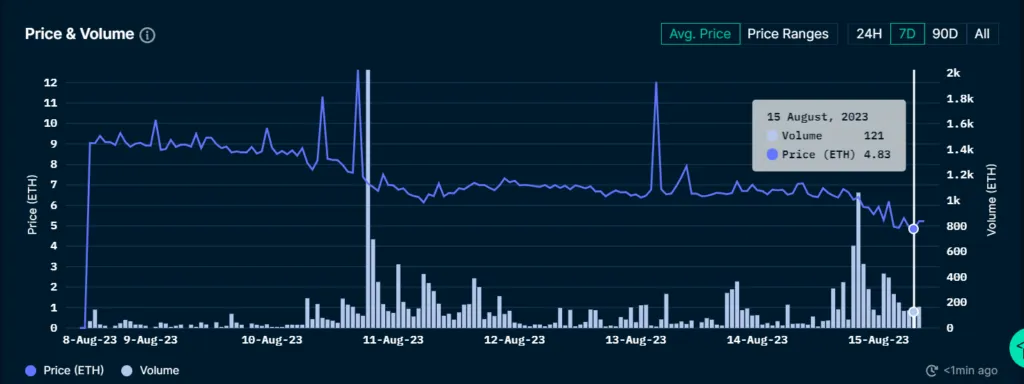
Ultimately, DeGods demonstrates the importance of low promises and high delivery—not the reverse.
If you act like a savior but fail to deliver, sentiment will turn against you. The DeGods team repeatedly claimed their roadmap and plans were solid—but they never followed through.
Every new update from DeGods touches some aspect of the collection’s art or mechanics. Moreover, they failed to fully leverage Dust Labs and DUST—a huge missed opportunity.
Finally, I believe much of this was exacerbated by the founder’s behavior—he rarely acknowledges mistakes.
While my words may sound biased, they’re not. I had high hopes for DeGods—even held some DUST—and was deeply disappointed by the execution.
Both blue-chip cases highlight that sometimes, simplicity is best.
Perspective on NFT Market Volume
Having discussed how blue-chip projects struggle to create the next phase of growth, let’s dive into market data.
Is NFT trading volume declining?
Are people still buying NFTs?
We’ll analyze this by looking at the NFT markets on Ethereum and Solana.
Starting with OpenSea’s dominance, Ethereum—as the leading NFT platform—faces its own set of challenges and developments.
The Ethereum market is adapting to shifts in consumer preferences and the evolving nature of NFTs. Platforms are working to address accessibility, scalability, and environmental concerns.
The market is primarily shaped by two trends:
-
From OpenSea’s monopoly to Blur’s dominant position
-
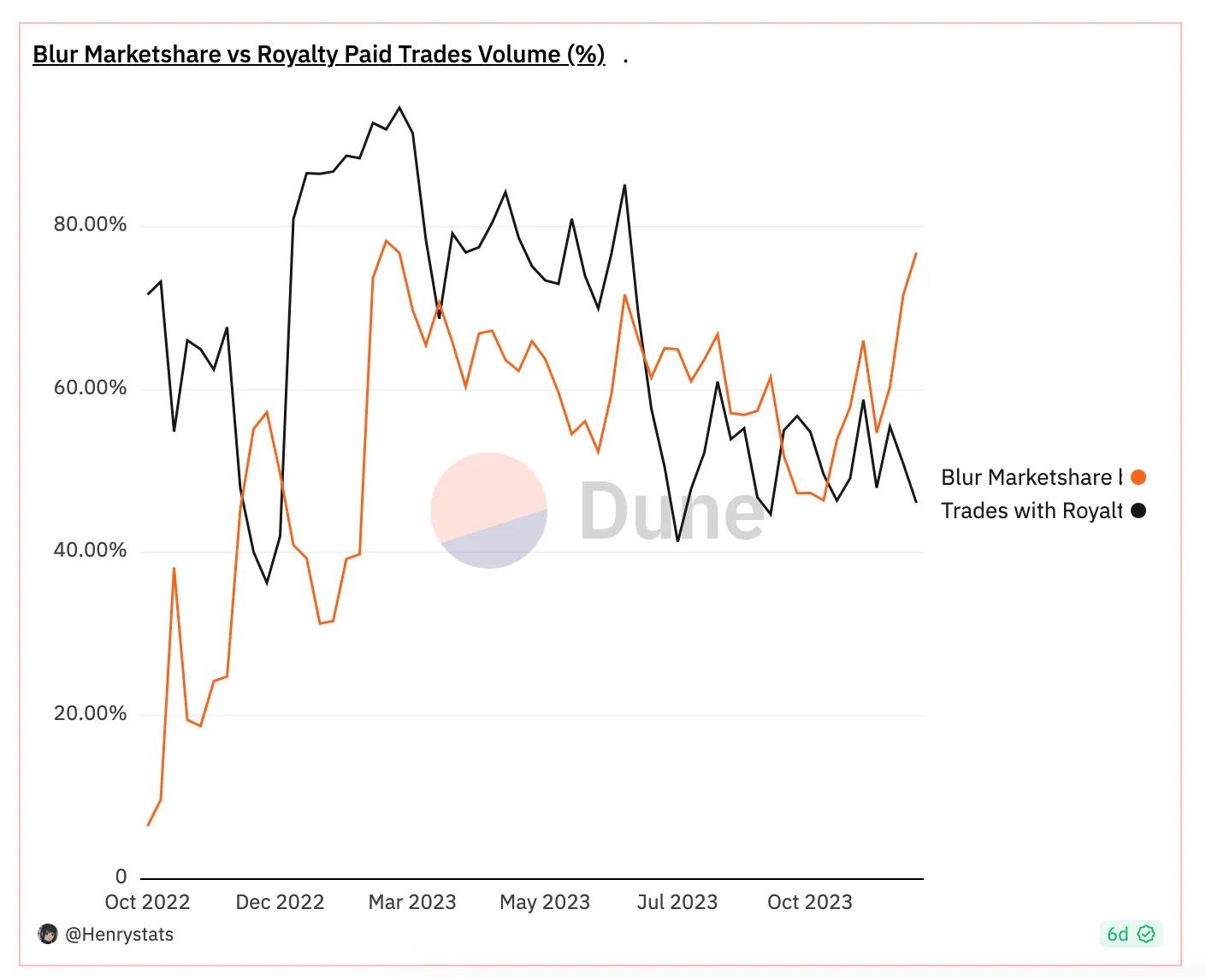
Royalty vs. no-royalty debate: Should buyers and sellers of NFTs pay royalties to artists or platforms? More and more marketplaces are moving toward no-royalty models.
This post provides a brief overview.
Since Blur announced its launch and airdrop, the NFT landscape has changed. Many blame the platform for single-handedly accelerating the NFT market downturn, as large traders flooded the market listing NFTs solely to farm Blur points.
Currently, over 78% of total NFT trading volume occurs on Blur, while OpenSea accounts for less than 18%.
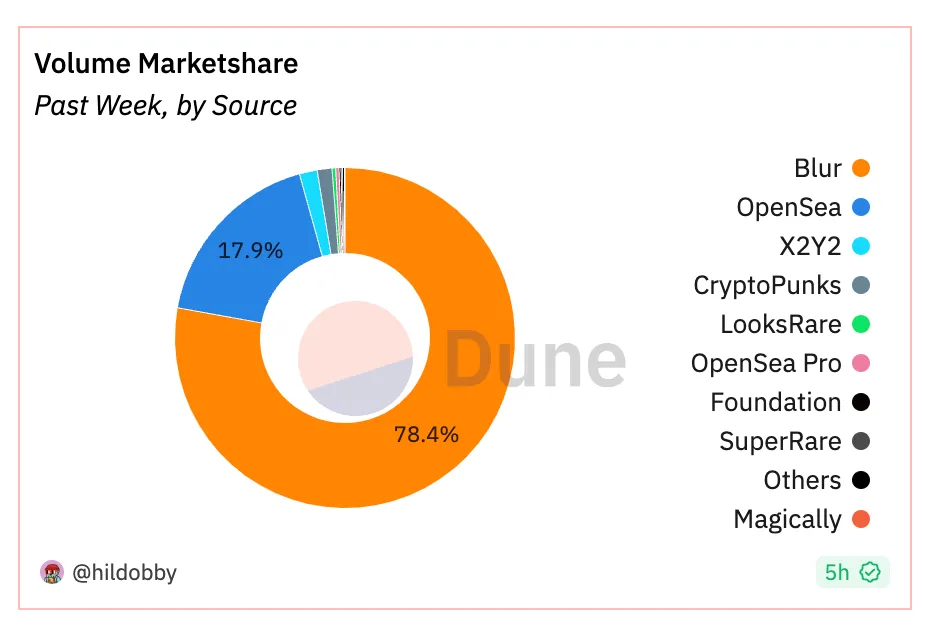
Still, while blaming Blur entirely for the NFT downturn may be overstated, it undeniably introduced new dynamics affecting buyers and sellers.
Perspective on NFT Royalties
Initially, NFT marketplaces enforced royalties—to compensate artists or project teams. This sparked an industry-wide debate.
As shown below, March 2023 marked a turning point when the market began adopting optional royalty models.
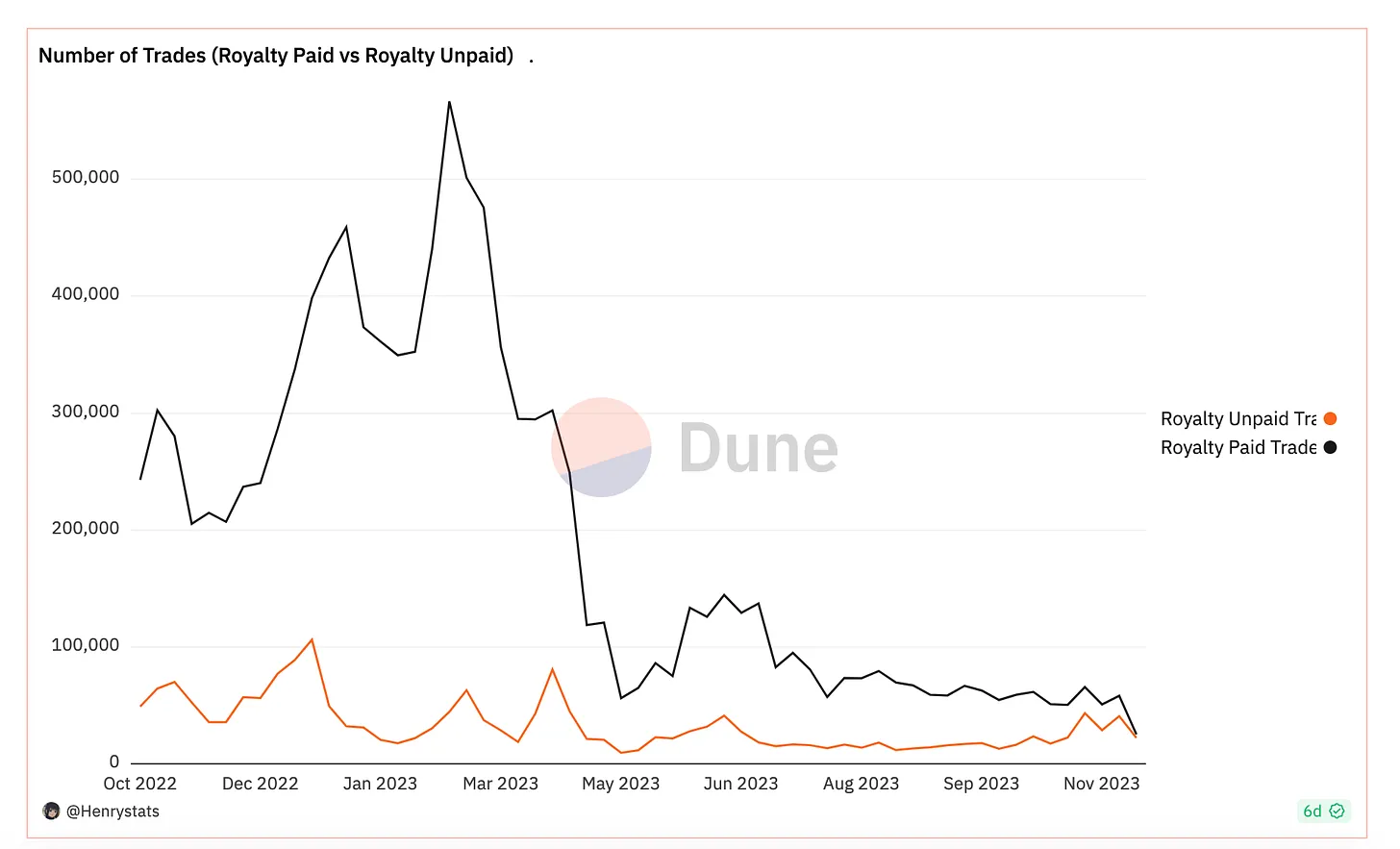
Currently, slightly more than 45% of NFT transactions pay royalties.
State of the Solana NFT Market
Solana has emerged as a notable contender in the NFT space, praised for its high transaction speed and low costs. Solana-based NFT projects offer an alternative to Ethereum’s high gas fees, yet they face common challenges in maintaining relevance and public interest.
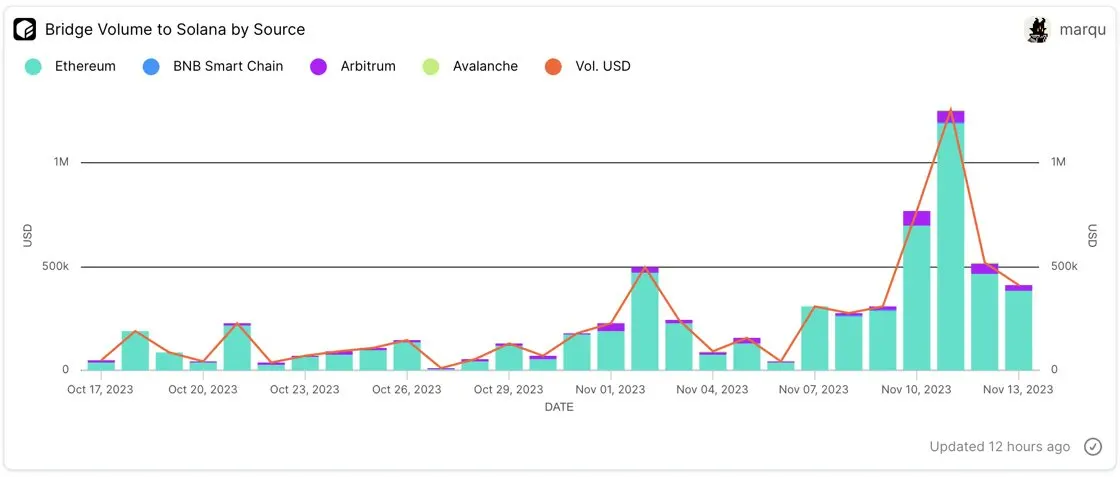
Particularly in recent weeks, as Solana rose to $60, on-chain NFT activity increased—especially inflows from Ethereum and Arbitrum to Solana.
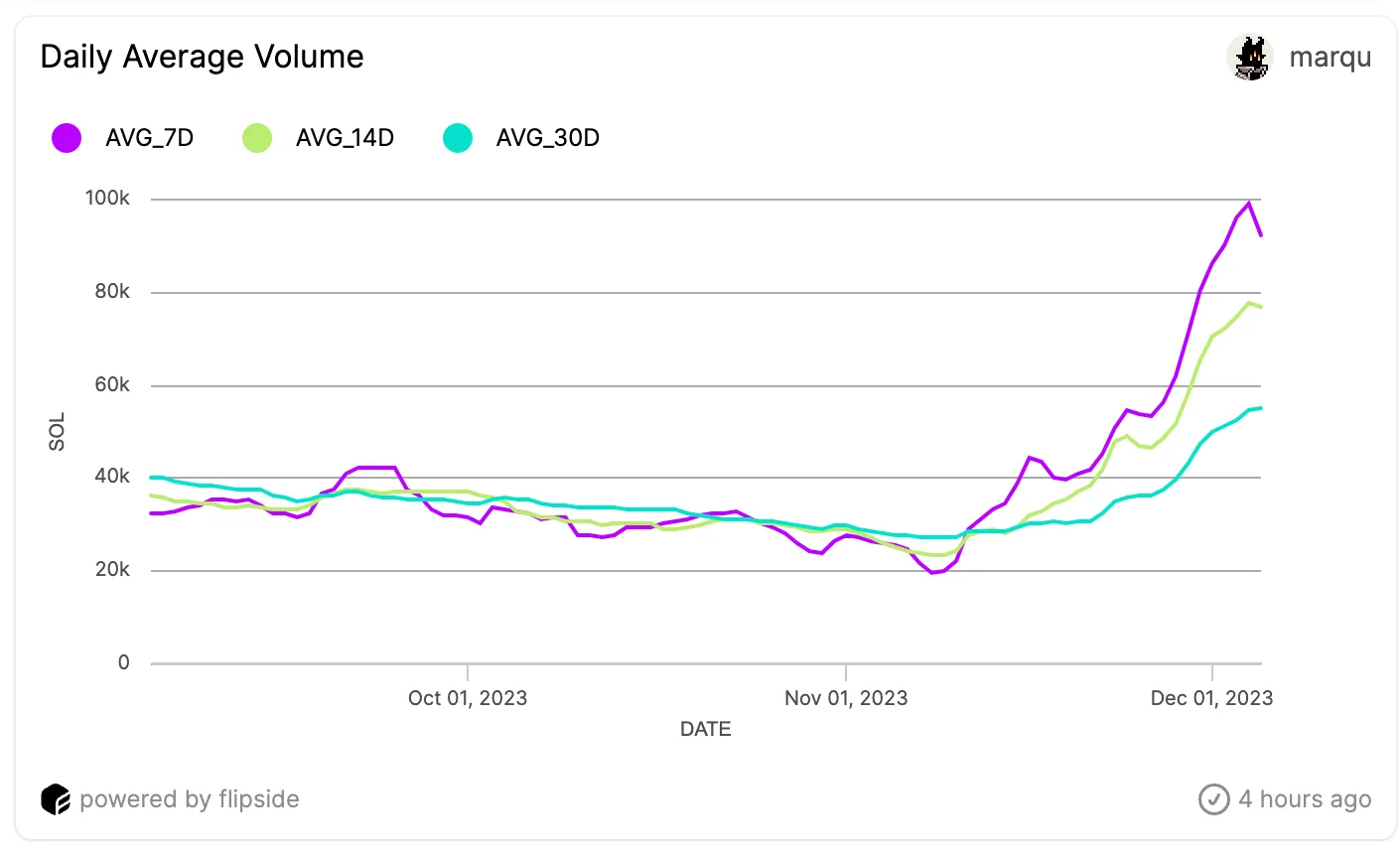
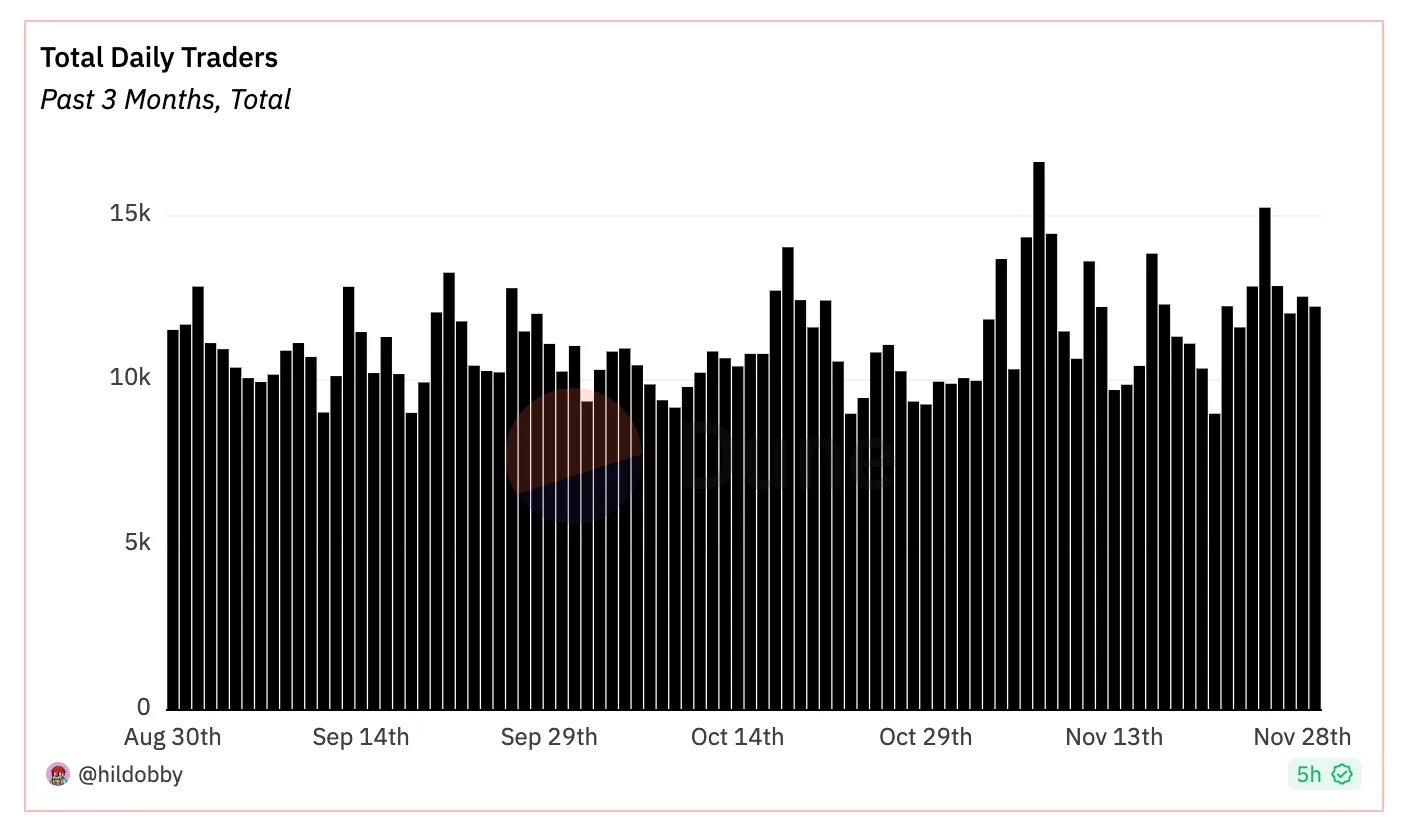
As seen above, Solana’s daily trading volume has steadily increased since early November 2023.
But beyond that, since September, NFT transactions and active traders have grown by 300%.
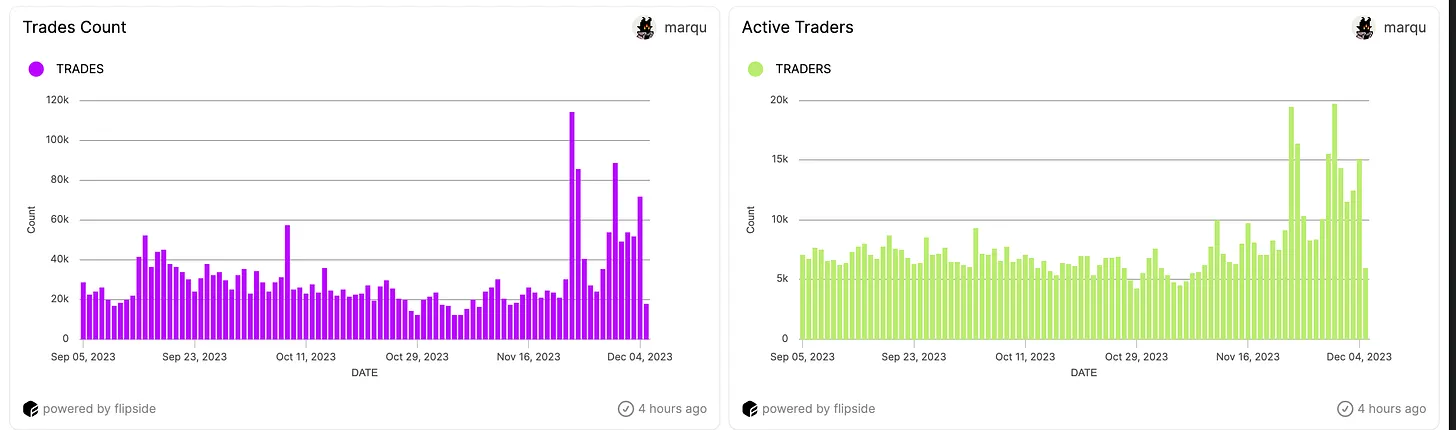
But is this trend limited to Solana?
State of the NFT Market
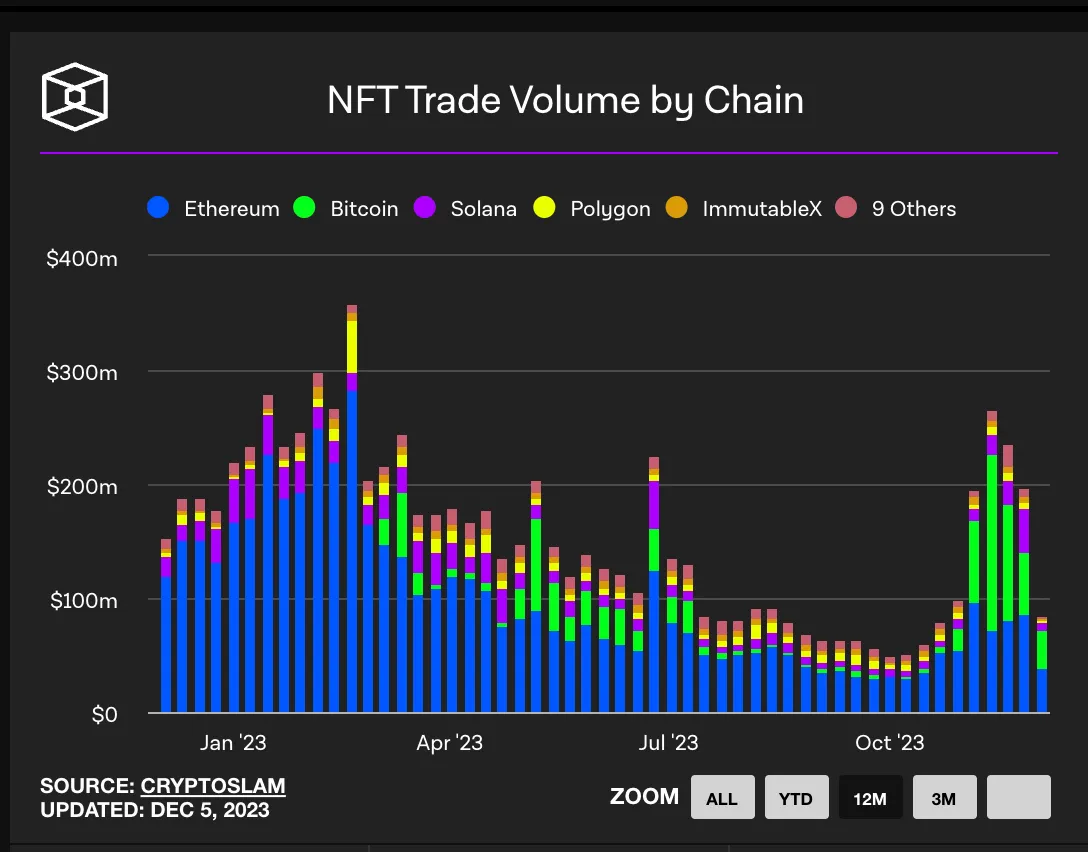
Overall, NFT metrics are rising.
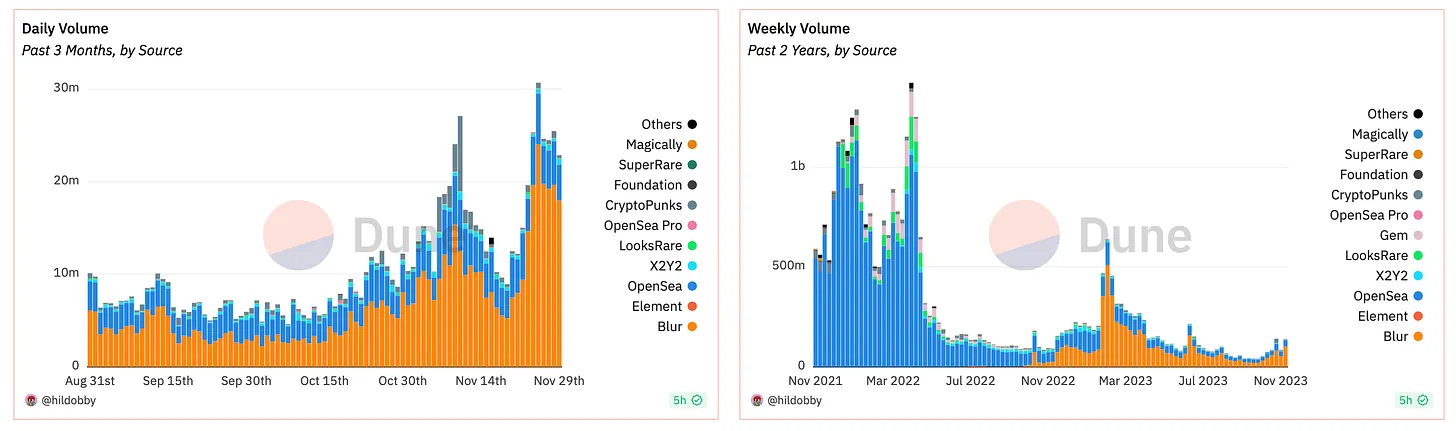
Indeed, since October, the NFT sector has seen a modest recovery in trading volume.
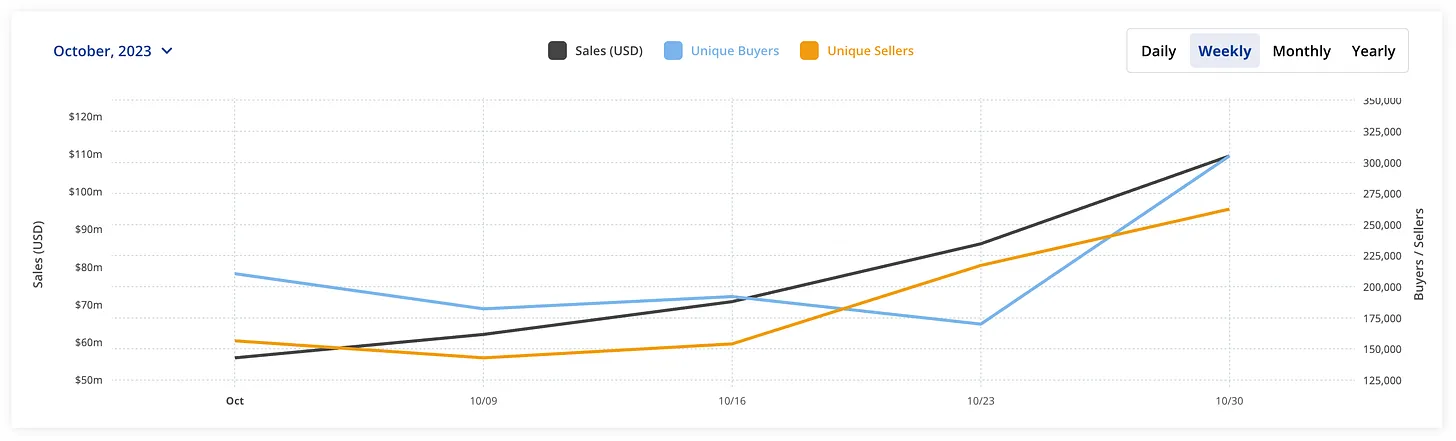
Of course, placing this in a longer timeframe, it’s too early to claim a full NFT bull run has returned. Still, we observe slowly rising sales volumes and growing numbers of buyers and sellers (likely happy to see demand returning to NFTs that were nearly worthless during the bear market).
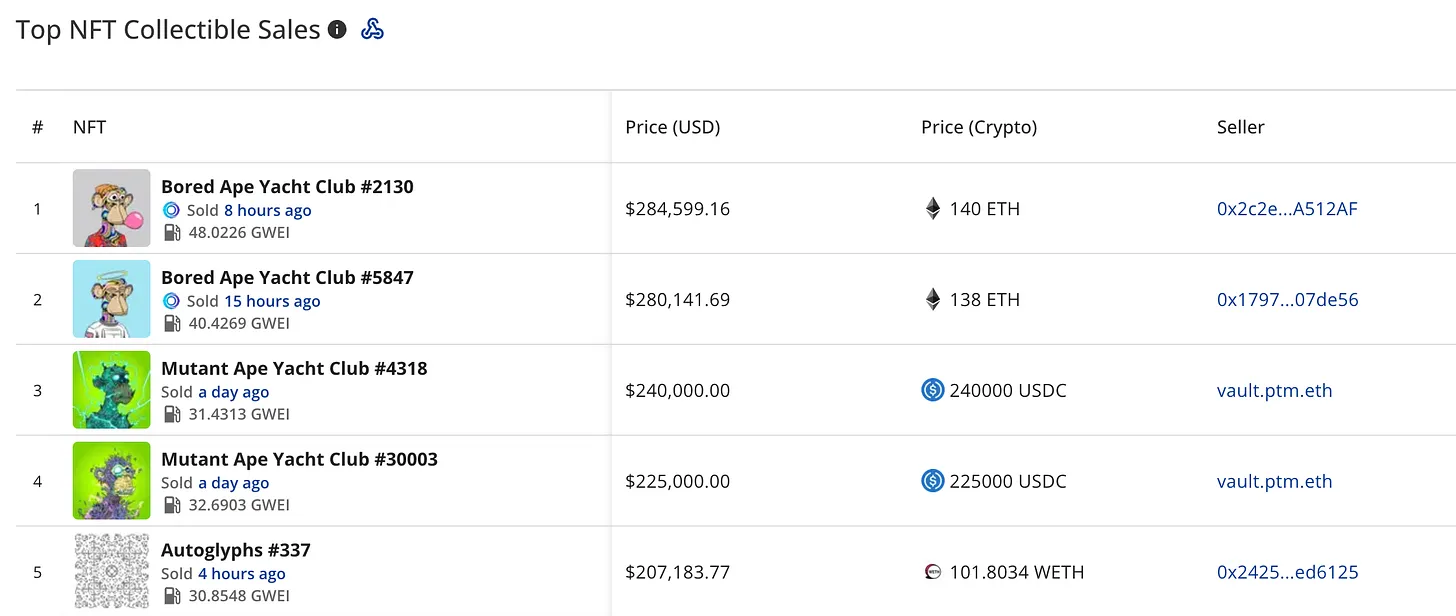
Here are last week’s top NFT sales:
Here are the top 11 NFT collections by sales volume:
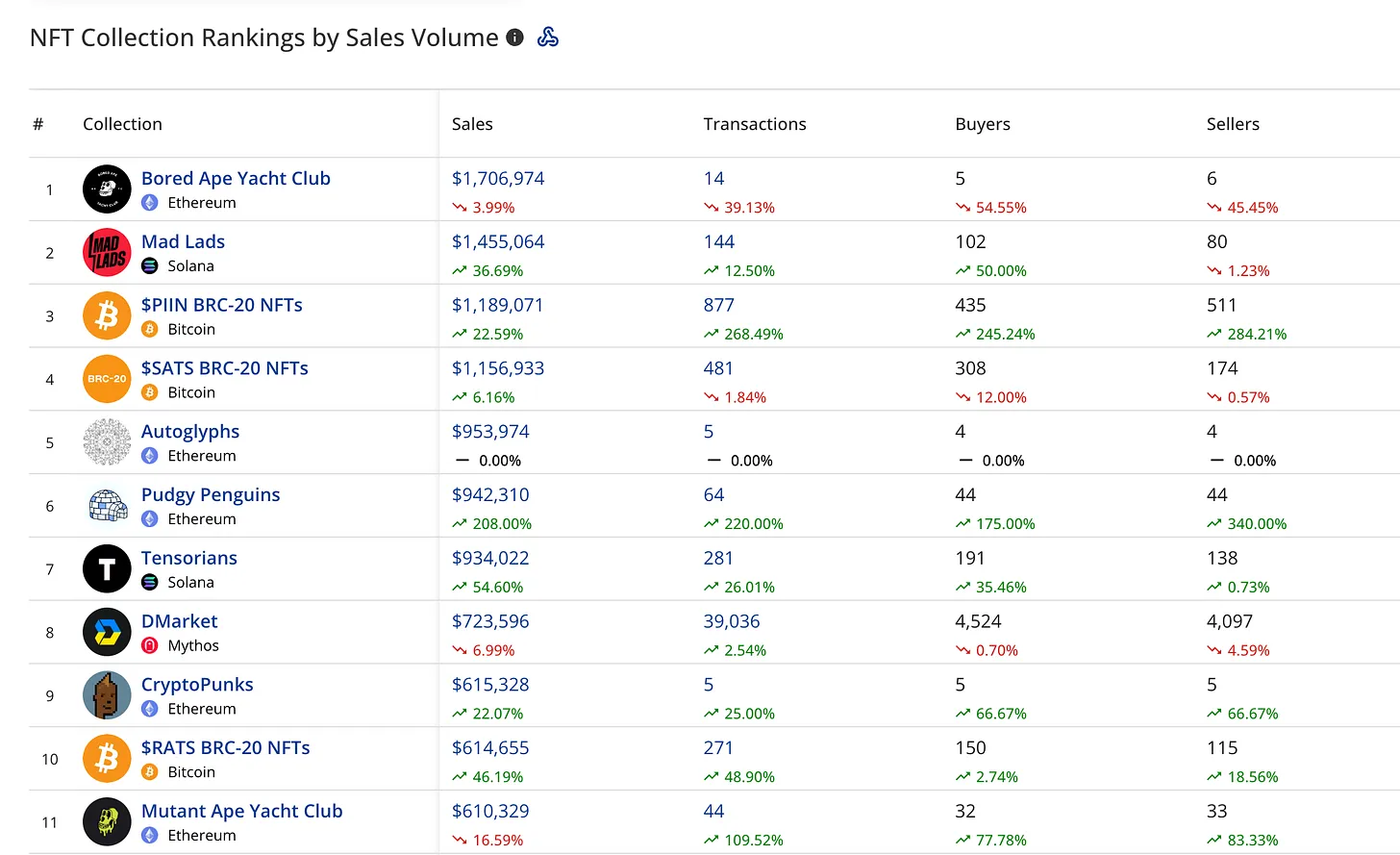
Interestingly, Mad Lads from Solana has surged suddenly, now valued at over 4 ETH (170 SOL).
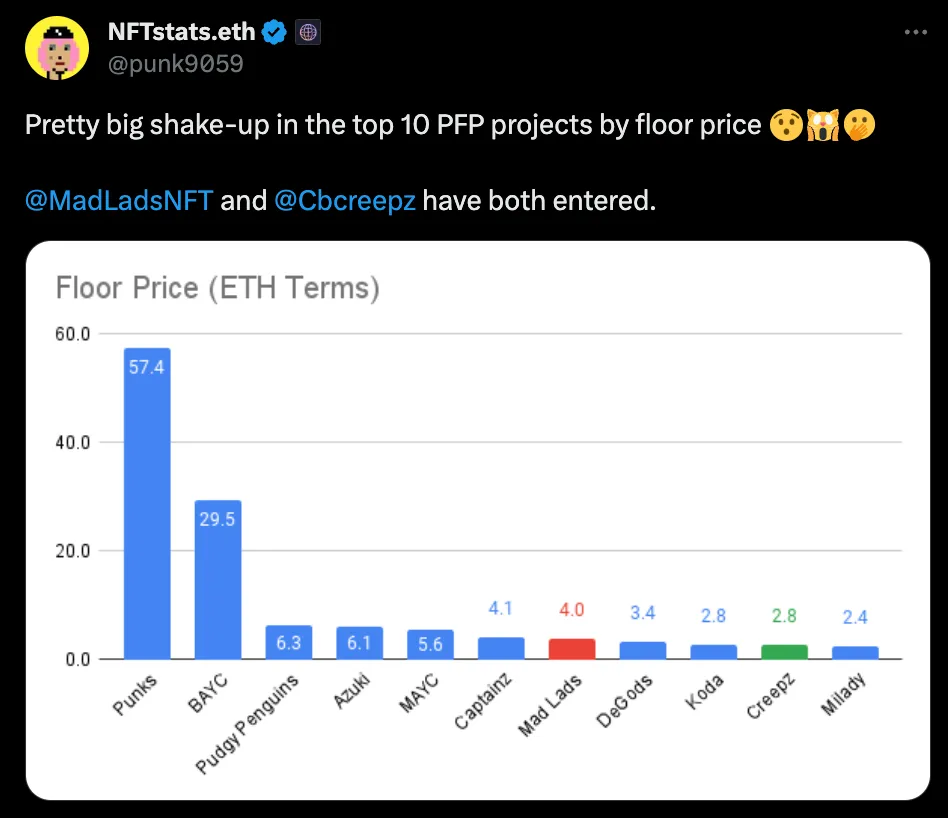
Finally, we’re seeing some large bids again (perhaps from meme coin millionaires?).

Anticipating New Narratives: NFT Perpetual Contracts
Another critical development that could drive the next phase of NFT evolution (if any) is the creation of more NFT-based narratives. In 2021, NFTs seemed useful only for collecting. That’s changing—for example, NFTperp V2 allows users to go long or short on their favorite NFTs.
Click here to read more about NFTperp if interested.
Looking Ahead
NFTs stand at a crossroads. While the current state may seem bleak, the potential for innovation and adaptation remains.
The future of NFTs will depend on whether creators and platforms can evolve to deliver real value and utility beyond mere speculation. Whether NFTs will make a triumphant comeback or fade into digital history remains to be seen.
In particular, we hope the most successful companies will eventually chart a clear path forward beyond PFP collections.
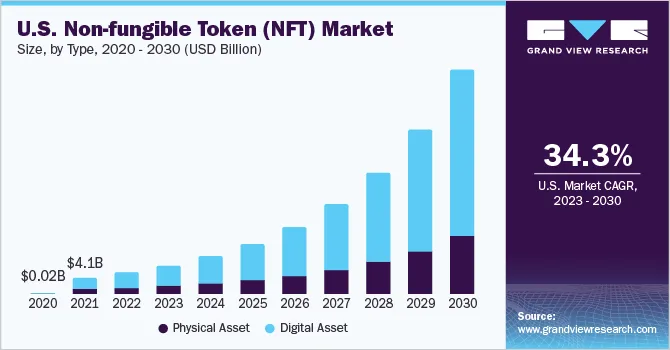
Despite being in a three-year bear market, the NFT market is projected to grow at an average rate of 30% annually between 2023 and 2030.
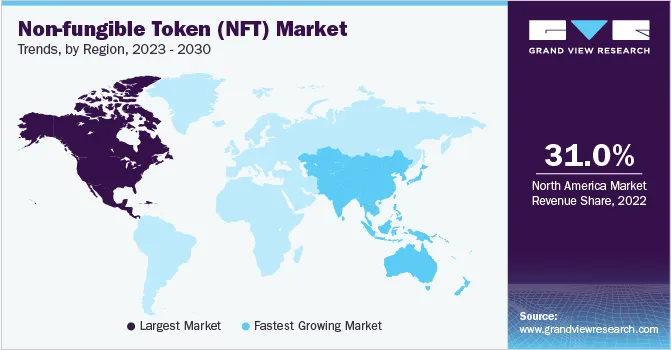
Especially, the next wave presents an opportunity to geographically decentralize the industry, as North America (U.S., Canada, Mexico) currently accounts for over 30% of total revenue.
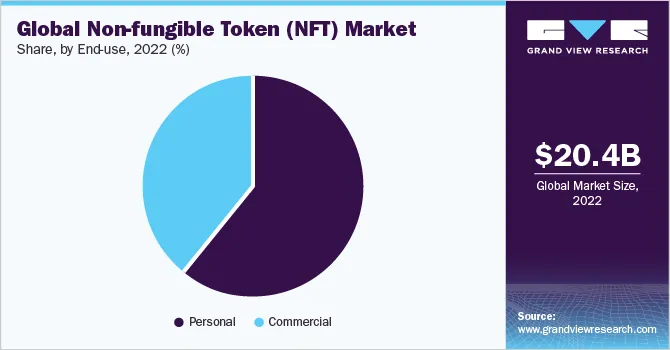
Another foreseeable trend is the increasing development of NFTs for commercial uses rather than personal ones.
Unfortunately, due to scope limitations, I cannot delve deeply into Ordinals and xNFTs—two fascinating developments in the NFT space, especially considering the recent rise in Bitcoin NFT trading volume.
Join TechFlow official community to stay tuned
Telegram:https://t.me/TechFlowDaily
X (Twitter):https://x.com/TechFlowPost
X (Twitter) EN:https://x.com/BlockFlow_News
 @francescoweb3






