








Europe Releases World's First AI Regulation: How Does It Intersect with the Crypto Asset Industry?
TechFlow Selected TechFlow Selected
Europe Releases World's First AI Regulation: How Does It Intersect with the Crypto Asset Industry?
The emphasis on data security and privacy in the AI Act aligns with the secure transaction requirements of the crypto asset industry.
 Navigating Web3 tides with focused insights
Source: Bitcoinist
Compiled by: Blockchain Knight
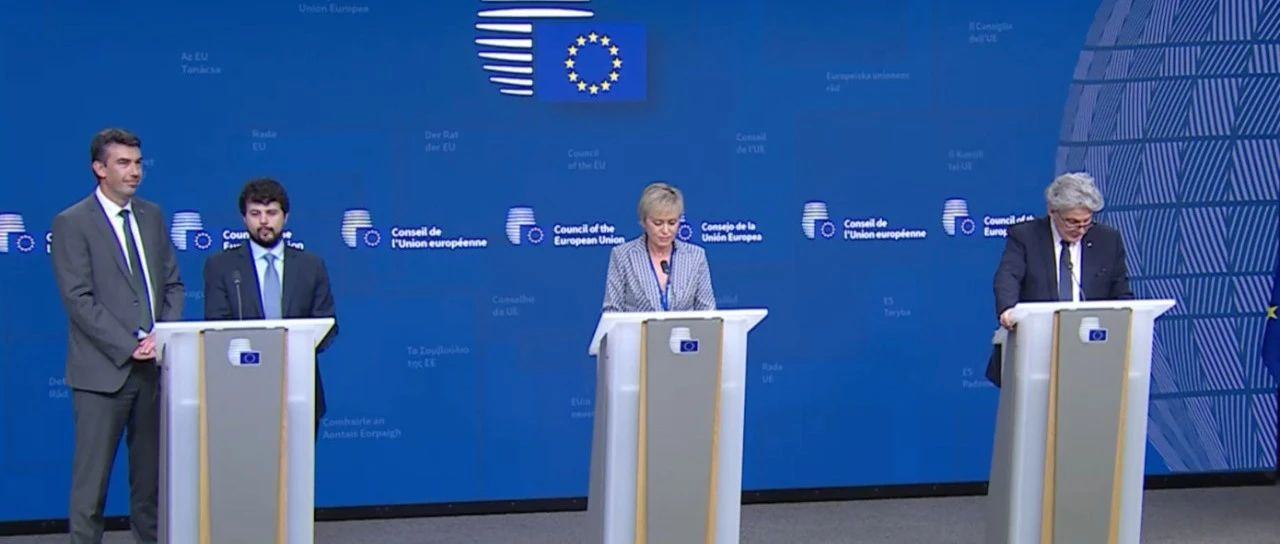
Friday marked a historic day in tech history, as EU negotiators finalized the world’s first comprehensive set of AI regulations.
The agreement, named the "AI Act," represents a major step toward judicial oversight of AI technology.
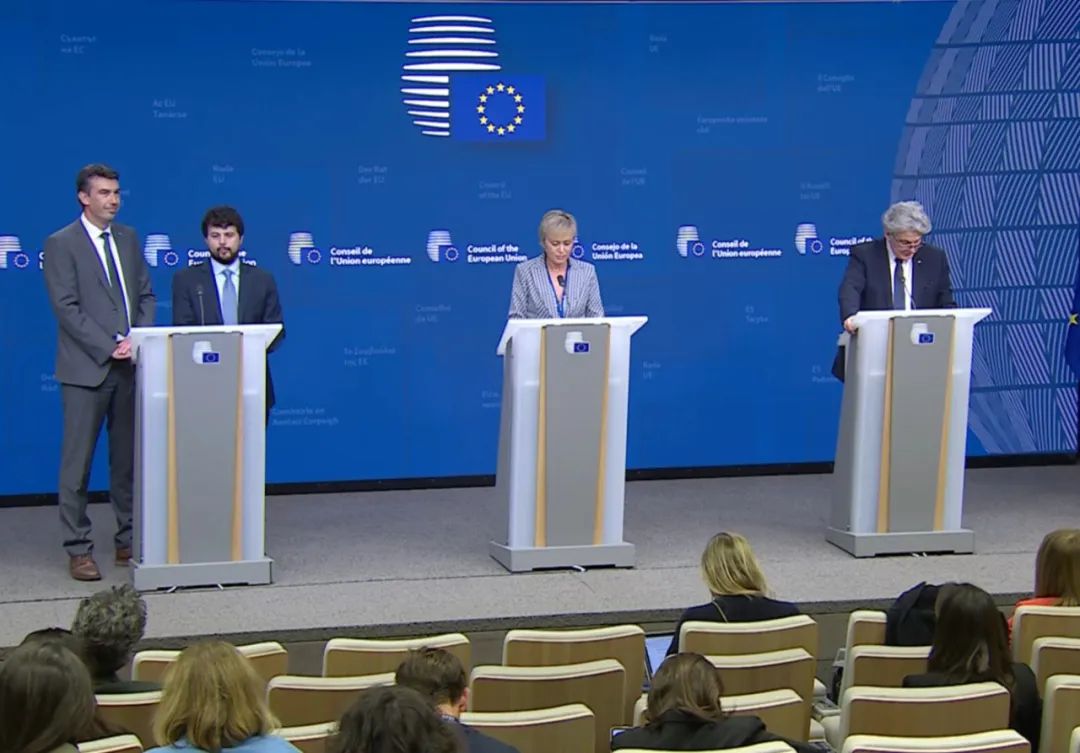
After intense closed-door talks, negotiators from the European Parliament and the EU's 27 member states finally resolved differences and reached a preliminary political agreement on the AI Act.
The discussions covered sensitive topics such as generative AI and how police might use facial recognition for covert surveillance. Thierry Breton, a European Commission official, announced the breakthrough and highlighted the EU’s leadership role as the first continent to establish clear rules governing AI use.
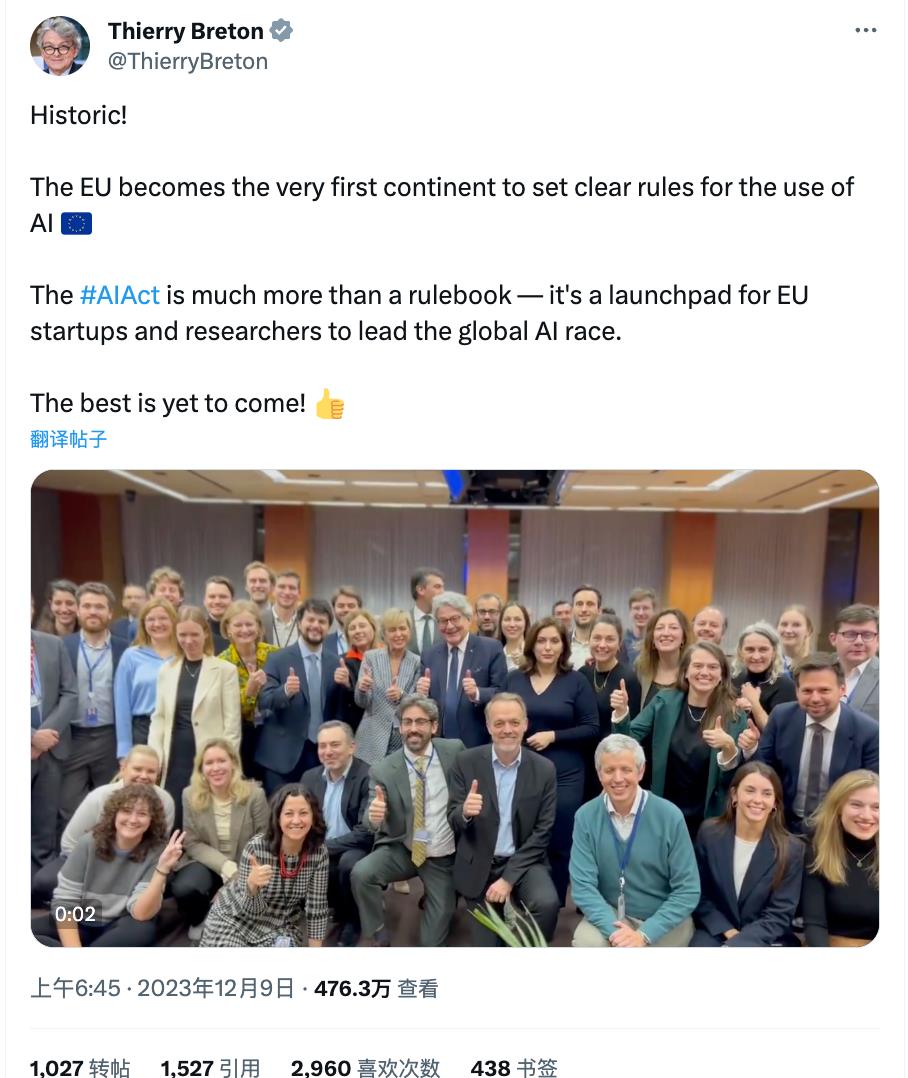
Despite the positive outcome following over 20 hours of “marathon” negotiations, civil society groups expressed dissatisfaction with the agreement.
They argue that it does not offer sufficient safeguards against potential harms caused by these technologies. They emphasize the need for greater detail, which will be refined in the coming weeks.
The EU released its first draft of AI regulations in 2021, taking an early lead globally in establishing AI governance. However, the rise of generative AI forced European leaders to revise their plans, which were originally intended to serve as a global model.
For formal adoption, the European Parliament is scheduled to vote on the AI Act in the first months of the new year.
If approved, the law would not take effect until at least 2025. Punishments for violations will be severe, reaching up to €35 million ($38 million) or 7% of a company’s global annual turnover.
Individual generative AI systems like OpenAI’s ChatGPT have drawn attention due to their ability to produce human-like text, images, and music. Some fear this could threaten jobs, privacy, copyright security, and even human life.
While the EU, the United States, the UK, China, and other global bodies are developing their own AI rules, the EU’s framework may become a powerful example for others to follow.
Initially, the AI Act aimed to restrict certain AI functions based on risk levels. Later, its scope expanded to include foundation models—complex systems that enable general-purpose AI services such as ChatGPT and Google’s Bard.
Despite challenges, negotiators struck a balance on foundational models. They added requirements related to technical documentation, compliance with EU copyright laws, risk assessments, incident reporting, cybersecurity measures, and sharing energy efficiency information.
Researchers warn that large tech companies could misuse powerful foundation models, highlighting risks such as spreading online disinformation, enabling cyberattacks, creating biological weapons, and manipulating individuals. The EU’s AI regulations could shape global standards, setting a precedent for other nations seeking to regulate AI.
The EU’s finalization of the AI Act has significant implications for the crypto asset industry.
Specifically, legal provisions concerning generative AI, such as OpenAI’s ChatGPT, raise important questions. These widely used technologies in the crypto sector may face stricter regulation and scrutiny when applied to blockchain platform automation and content generation.

The AI Act’s emphasis on data security and privacy aligns with the crypto industry’s need for secure transactions.
Crypto firms operating in the EU must comply with these rules or face massive fines of up to 7% of their global revenue. This focus on compliance may push the crypto industry to strengthen efforts in adhering to evolving AI-related regulations.
The inclusion of foundation models in the AI Act, essential for general-purpose AI services, directly impacts blockchain initiatives incorporating AI technology. Moreover, the global influence of EU legislation could shape approaches to AI governance in China and the United States—two other key players in the crypto space.
The EU’s pioneering AI policy effectively extends its influence into the crypto domain, shaping data privacy standards, setting a global precedent for integrating AI and crypto assets, and influencing how AI technologies are adopted.
As the crypto landscape continues to evolve, the AI Act is likely to exert broad and far-reaching effects.
Join TechFlow official community to stay tuned
Telegram:https://t.me/TechFlowDaily
X (Twitter):https://x.com/TechFlowPost
X (Twitter) EN:https://x.com/BlockFlow_News
 @bitcoinist







