









A Quick Look at the 13 Finalist Projects from the ETH India Hackathon
TechFlow Selected TechFlow Selected
A Quick Look at the 13 Finalist Projects from the ETH India Hackathon
This article will introduce these projects one by one and delve into their unique contributions in the cryptocurrency field.
 Navigating Web3 tides with focused insights
Written by: TechFlow

At the recent Ethereum India Hackathon, 13 projects stood out and advanced to the final round.
Each demonstrated unique creativity and technical depth, with distinctive ideas in areas such as mass adoption, on/off ramps, enhanced privacy, and multi-chain protocols.
This article will introduce these projects one by one and explore their unique contributions to the crypto space.
3-Transform: One-click analysis of Web2 websites and adding Web3 features and tutorials
Project URL:
https://three-transform.pettiboy.com/options
Overview
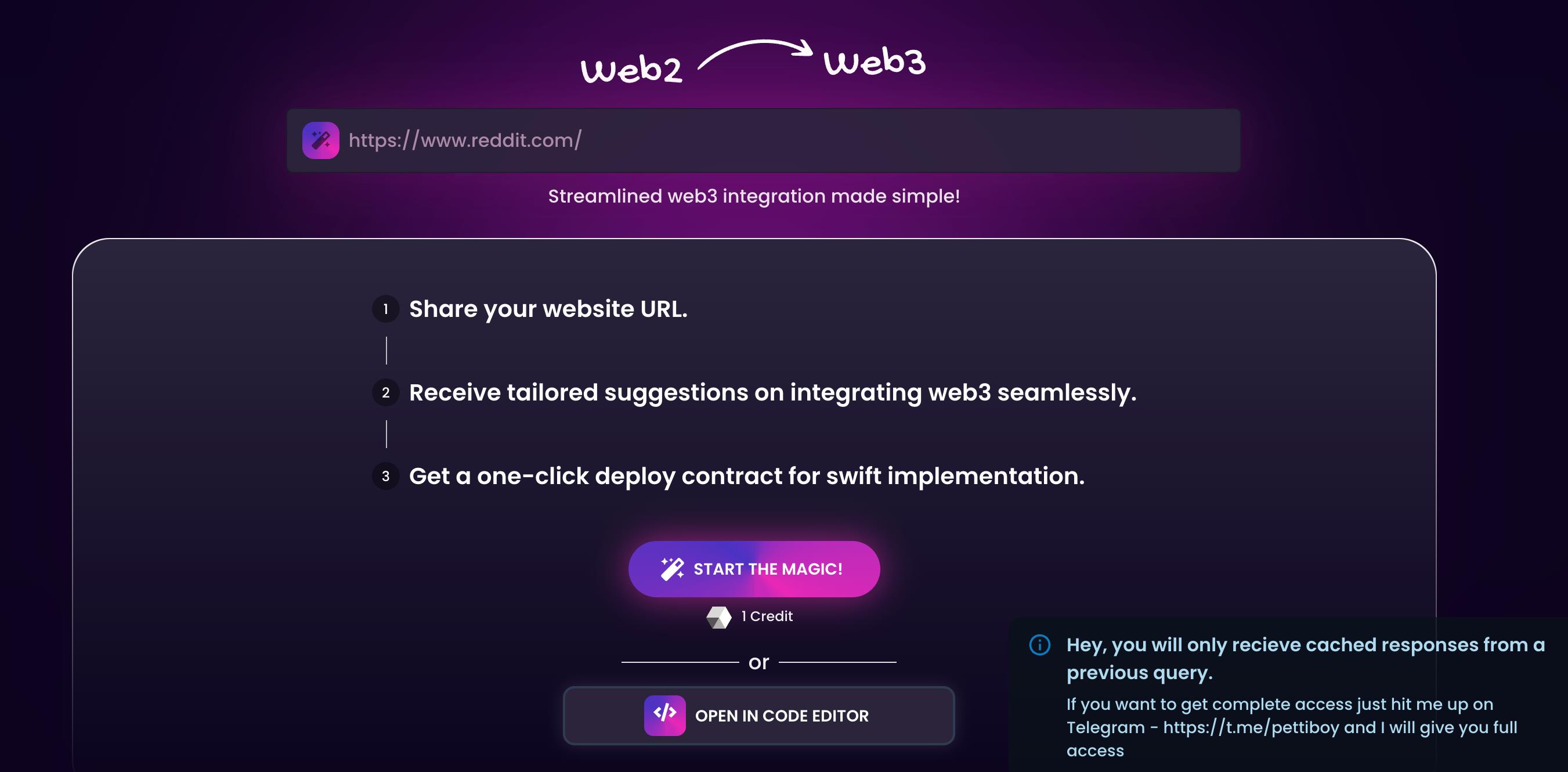
3-Transform aims to serve as an educational tool for Web3 beginners, enabling seamless transition from Web2 to Web3.
With 3-Transform, users can input the URL of their existing Web2 website and experience firsthand how Web3 functionalities could be applied to their current site.
For example, after entering Reddit’s URL, 3-Transform automatically analyzes the website's current business and functionality, then suggests ways to "Web3-ify" it—such as adding a decentralized voting system for posts and comments to make forum content more tamper-resistant.
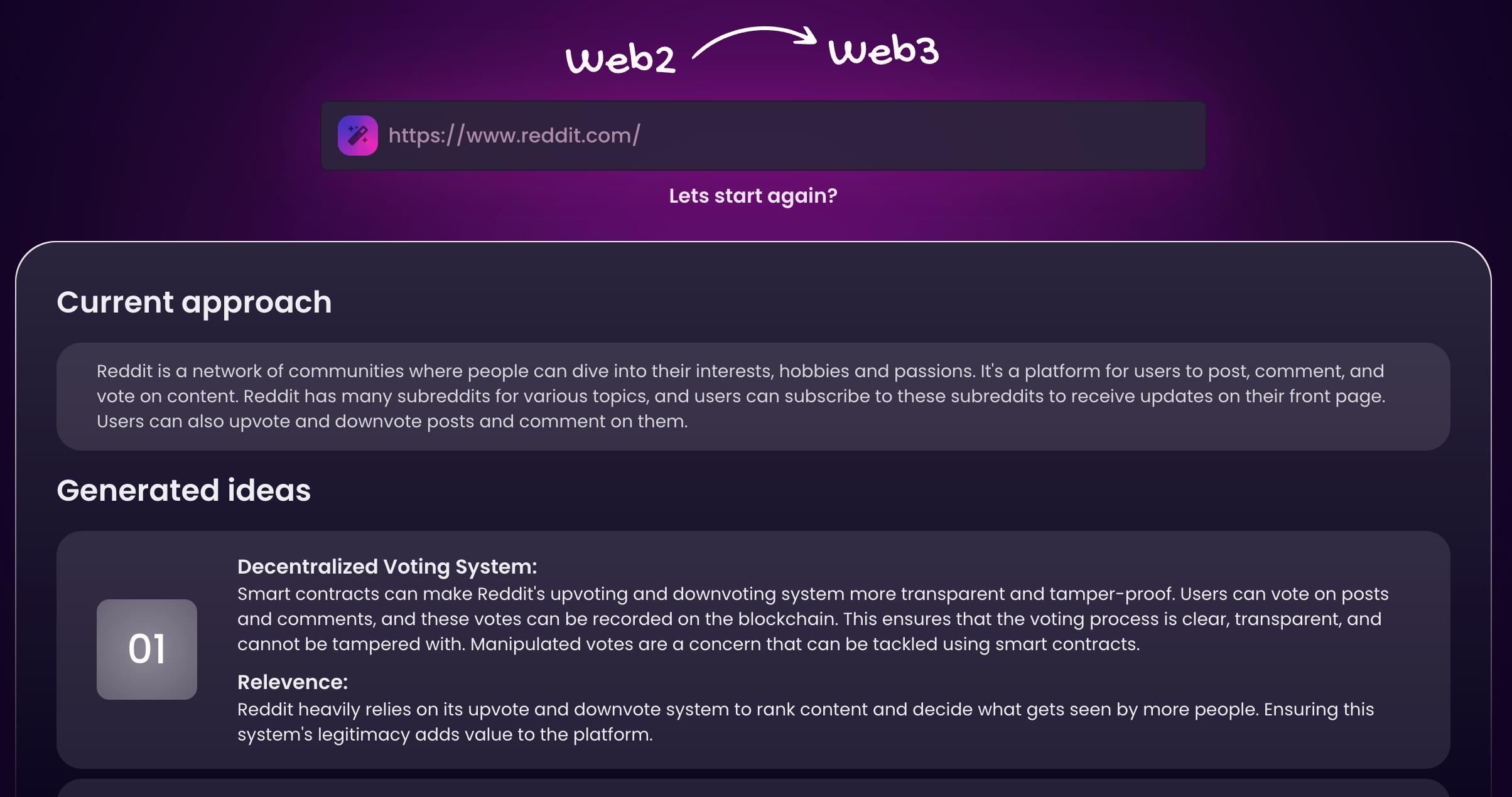
Additionally, its guided tutorials allow users to seamlessly integrate smart contracts into their existing Web2 applications. 3-Transform also features instant deployment: a one-click deploy function allows beginners to witness real-world implementation of smart contracts.
For enterprise users, 3-Transform offers:
-
Improved decision-making efficiency: Executives and project managers can quickly assess the potential impact of Web3 integration on their existing web infrastructure, facilitating informed decisions.
-
Rapid deployment and business agility: The one-click deployment ensures fast execution of Web3 integration, allowing enterprises to adapt to market demands and maintain a competitive edge.
-
Cost-effective solution: By automating the generation and integration of smart contracts, this tool helps companies rapidly build prototypes.
Bet on Balls: A decentralized betting platform for local cricket events

Project URL:
https://github.com/nidhi-singh02/Bet3
Overview:
Cricket is extremely popular in India, creating opportunities for betting around the sport.
Bet on Balls addresses several key issues in betting payouts to enhance the overall engagement experience for local fans.
As a Web3 project, it leverages blockchain technology to provide a decentralized and transparent platform, ensuring fair play and tamper-proof transactions.
Traditional betting platforms often face challenges related to trust and transparency, leading to user distrust when placing bets on events.
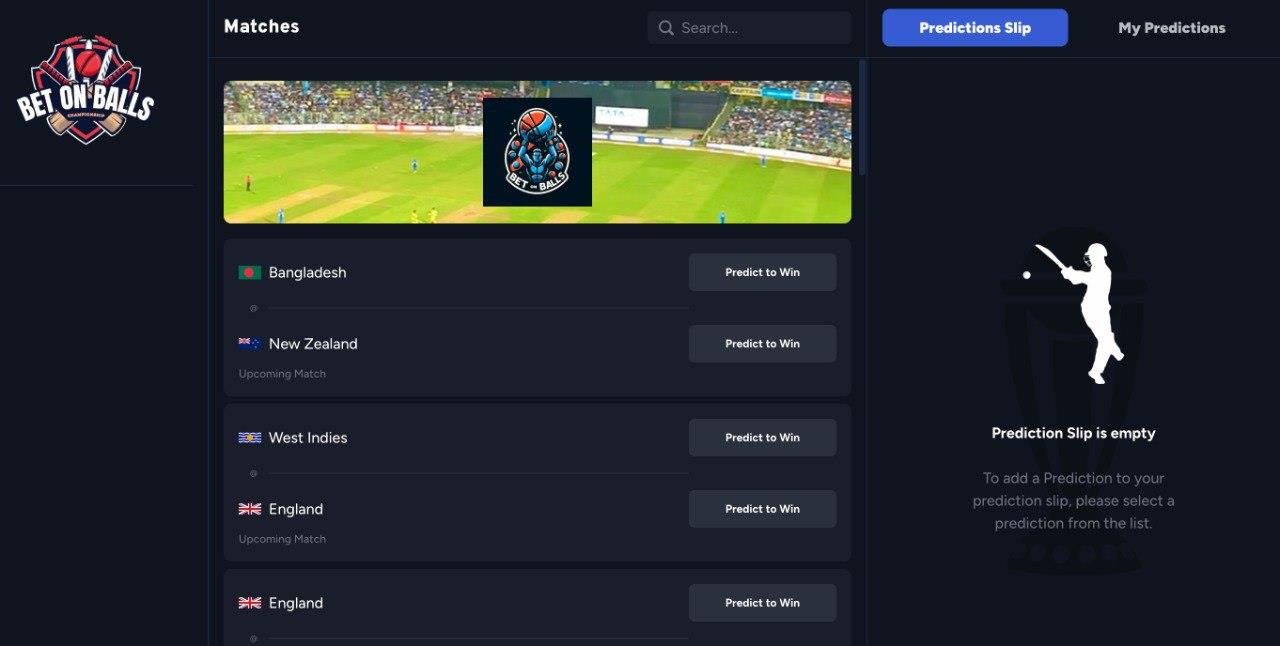
Bet on Balls mitigates these issues by recording bets on the secure and immutable Polygon blockchain, enhancing user confidence and establishing a fair environment. Moreover, its decentralized nature reduces reliance on intermediaries, lowers transaction costs, and enables faster payouts.
Pixel Police: Verify whether an image or video is AI-generated

Project URL:
https://github.com/nlok5923/attestation-rollup
Overview:
Pixel Police is a protocol that allows people to verify whether an image or video was generated by AI.
In today's digital age, distinguishing between AI-generated and authentic images—especially in sensitive fields like news and social media—is increasingly challenging. Pixel Police meets this critical need by providing a reliable solution for verifying and tracking the origin of digital content.
Its key advantages and features include:
-
Addressing AI-generated content in media: As AI-created images become more realistic, media outlets often struggle to verify authenticity. Pixel Police ensures only legitimate, unaltered images are disseminated, preserving information integrity.
-
Empowering citizen journalism: Pixel Police is fostering a community of citizen journalists. By offering an app integrated with the Pixel Police protocol, individuals can capture and share images knowing their authenticity will be preserved and verified.
-
Image authentication and history tracking: When a user captures an image via the Pixel Police app, it is immediately signed with the device’s private key and generates an on-chain proof on Pixel Police’s Rollup. Any subsequent edits are also recorded and proven. This process creates a transparent and traceable history for each image, enabling anyone to verify its authenticity and trace its origin.
-
Alignment with emerging industry standards: Pixel Police complies with C2PA (Content Credentials and Provenance), a Work-in-Progress (WIP) standard being adopted by industry leaders such as Adobe and Microsoft.
Graphite: Using SNARKs for large-scale on-chain computation

Project URL:
https://github.com/AlexCheema/Graphite
Overview:
Graphite is a lightweight graph property proof protocol using SNARKs, designed to address the challenges of efficient and accessible graph computation on-chain.
(TechFlow note: Graph computing is a computational method based on graph models, primarily used to solve processing and analysis problems involving large-scale graph data.)
Currently, performing graph computations on-chain is both painful and expensive, despite their significant utility across various applications. Additionally, the developer experience (UX) of writing validity circuits—such as those in circom and halo2—is cumbersome for non-experts, making it essentially inaccessible.
This complexity limits broader adoption and innovation. Furthermore, collecting relevant data for these graph computations during extensive on-chain data processing poses major difficulties.
Graphite aims to simplify these processes, making graph computation more feasible and user-friendly, thereby opening new possibilities for developers across various domains.
Phoenix.Fi: Activating Filecoin storage ecosystem through DeFi design
Project URL:
Overview:
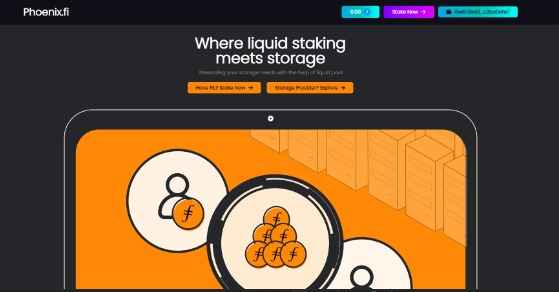
Phoenix.Fi addresses several key challenges in staking and lending within the FileCoin ecosystem. First, it empowers storage providers (SPs) by allowing them to request loans when facing insufficient FileCoin staking funds. This not only attracts more SPs to join the platform but also enables them to effectively optimize infrastructure utilization.
Given the inherent risks involved in lending—particularly the potential for SPs to default—Phoenix.Fi implements strong risk mitigation strategies. These include strict eligibility checks and determining viable loan amounts.
Moreover, Phoenix.Fi introduces a unique model that incentivizes stakers and SPs through monetary yields, providing a practical real-world use case for the FileCoin network.
zkP2M: USD on/off ramp for Indian users
Project URL:https://proof.codes/
Overview:
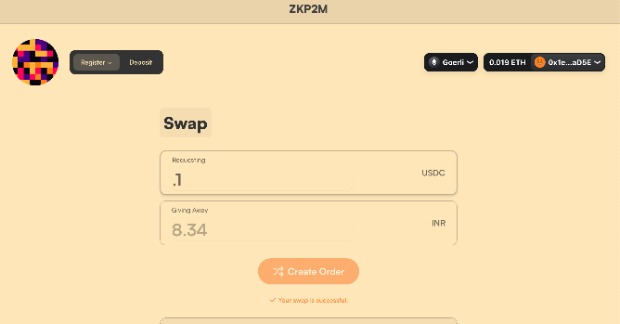
zkP2M is a USD on/off ramp solution for Indian users.
In India, entering the cryptocurrency space faces many hurdles. Current solutions like Binance P2P are centralized, involve cumbersome KYC processes, high fees, and are incompatible with smart contracts.
zkP2M provides a trustless, KYC-free, low-cost entry channel from Indian Rupees to USD, reducing fraud by matching users directly with merchants.
FlockChain: A federated learning network built using PoS and Rollup

Github:
https://github.com/BlocSoc-iitr/FLockChain
Overview:
FlockChain is a federated learning network built on PoS and Micro-rollups.
Artificial intelligence is rapidly advancing and having a significant global impact. However, training AI models is often costly and privacy-invasive. Federated learning offers a solution: a decentralized network of clients can train machine learning models while preserving privacy. A major issue in federated learning is malicious clients that reduce the network’s accuracy.
FlockChain addresses this through PoS. Clients holding data and responsible for model training must stake a certain amount, which can be slashed upon detection of malicious behavior. This provides economic security for the network.
FlockChain also uses Stackr to build a micro-Rollup, maintaining the state of model parameters trained by each client after every period. The Rollup acts as a Model Parameter Sharing (MPS) chain, where verifiable off-chain computations are performed to enforce slashing conditions.
Ultimately, users can access highly accurate trained models without needing to set up the infrastructure required to train similar models themselves. They pay for this service, with fees distributed to clients. The protocol also collects a small fee to sustain the network.
hIVM: A virtual machine for rapid intent integration
Github:
https://github.com/AmanRaj1608/hIVM
Overview:
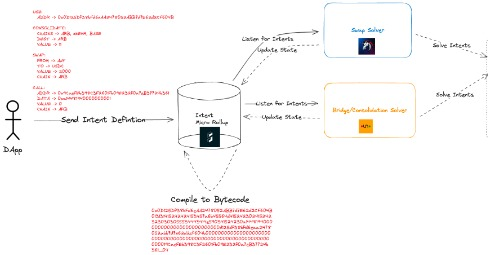
hIVM solves a key challenge faced by intent-based solutions in current decentralized applications (DApps).
Currently, developers face two distinct approaches: highly complex general-purpose networks like Anoma, and specialized, use-case-specific models like UniswapX and CowSwap. This dichotomy forces developers to choose between the flexibility of general approaches and the simplicity of specialized solutions—often at the cost of efficiency and ease of integration.
hIVM introduces an innovative solution that merges these two paradigms.
By providing a domain-specific language (DSL), it allows developers to retain a degree of declarative programming—specifying what needs to be done without getting bogged down in how to do it.
At the same time, hIVM enables them to outline a high-level, imperative workflow for their application. This unique combination facilitates the creation of DApps that are both flexible in design and efficient in operation.
Safe2Link: Secure crypto transfers via links
Project URL:https://safe2link.xyz/
Overview:
Safe2Link is a dApp that makes crypto transfers more convenient and secure.
When making crypto transfers, it's common practice to first test the recipient address with a small amount, since transactions cannot be canceled once confirmed. Even in the crypto gifting space, we typically rely on custodial services to ensure smooth execution.
But Safe2Link might change that—by enabling crypto transactions through specific links.
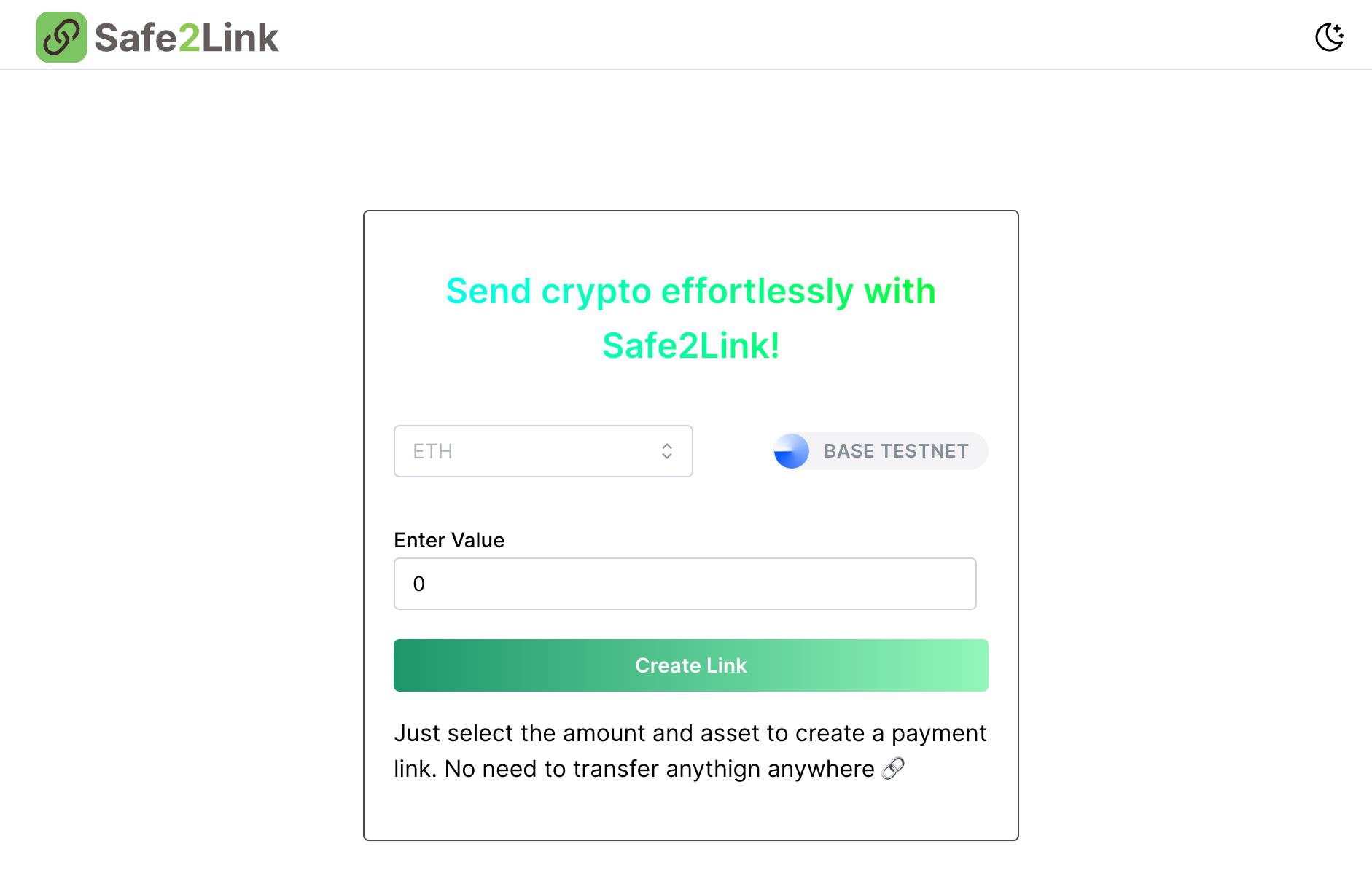
Within Safe2Link's provided link, users only need to enter the transfer amount and token type; the system automatically generates a dedicated link for them.
Users can then share this link with the intended recipient, who simply clicks it to clearly see the transaction details—including amount and token—without needing to carefully verify wallet addresses. It’s as simple as sharing everyday content via a link.
Behind the scenes, this link is powered by Safe’s programmable wallet.
KhabriChain: A blockchain-based whistleblower system protecting reporter privacy

Github:
https://github.com/J0SAL/decentralized-innovators
Overview:
KhabriChain is a decentralized whistleblowing system that empowers citizens to anonymously report criminal activities.
It is reported that approximately 75% of Indian citizens are unwilling to provide crime-related information to the police. Only a minority are willing to report illegal or unethical behaviors around them, while most choose to ignore. KhabriChain aims to address this issue by allowing users to anonymously report any criminal activity, focusing on improving real-time detection and prevention rates without compromising user privacy.
Masala Wallet: A wallet using ZK for password recovery
Github:
https://github.com/rajweb3/masala-wallet
Overview
Masala Wallet is a wallet leveraging ZK-SNARKs to enable user-friendly password recovery.
Current password-recovery-based solutions face the following challenges:
-
Centralization risks: Dependence on centralized components, such as Web2 companies.
-
Increased security vulnerabilities: Reliance on external systems introduces potential risks.
-
Signature format compatibility: May not align with blockchain standards.
-
Strict authentication failure penalties: For example, too many failed attempts (e.g., 10 incorrect tries) in Apple’s passkey management may result in complete loss of wallet access.
Masala Wallet addresses these issues by using ZK-SNARKs for password recovery, employing Solidity and crypto-integrated tools to eliminate centralization limitations:
-
User-friendly recovery: Uses ZK-SNARKs to provide password recovery, balancing convenience and security.
-
Decentralization adherence: Upholds blockchain’s decentralization principles, crucial within the crypto community.
-
Enhanced security: Focuses on robust wallet management, reducing the risk of asset loss.
Multilane: Asset transfers without cross-chain bridges

Project URL:https://multilane.xyz/
Overview
Multilane is a protocol enabling interoperability of assets without traditional cross-chain bridges.
Currently, tokens on one chain cannot be directly used on another. To use tokens on a different chain, users must first bridge them—a process that, while functional, presents several issues:
-
Bridging assets takes time.
-
Cross-chain bridging incurs fees.
-
Funds become fragmented across different chains.
To address this, Multilane offers the following solution:
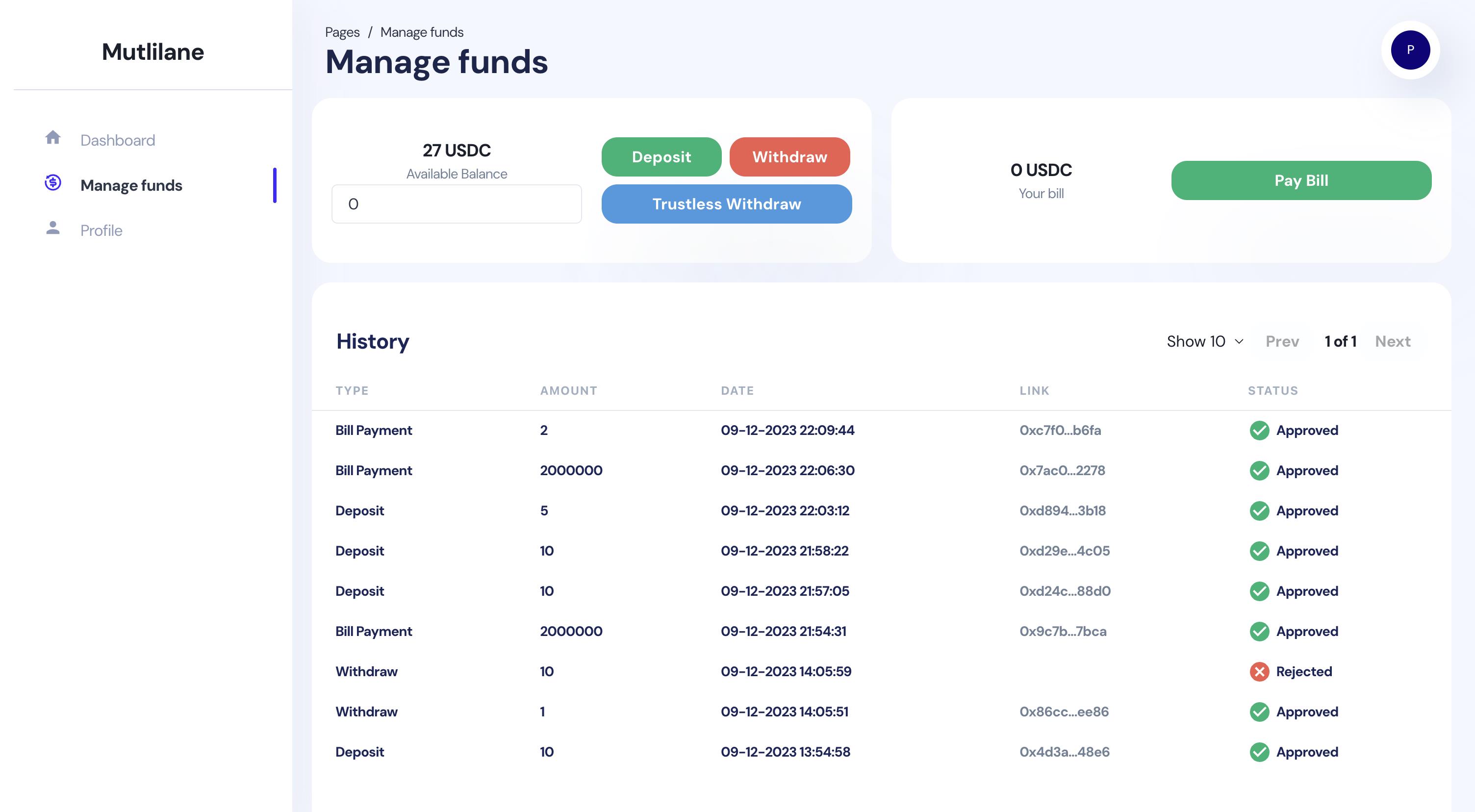
With Multilane, users deposit funds into L1 and can then use those funds on any chain without bridging, because Multilane sponsors user transactions (including ERC20 and native tokens).
When withdrawing deposited funds, users have two options:
-
Request withdrawal from a Multilane node.
-
Trustless withdrawal: Different blockchains communicate via bridging to prove the legitimacy of withdrawals, enabling withdrawal without approval from any party.
CrypticCloak:

Project URL:
https://github.com/Dhruv-2003/ETHIndia23
Overview
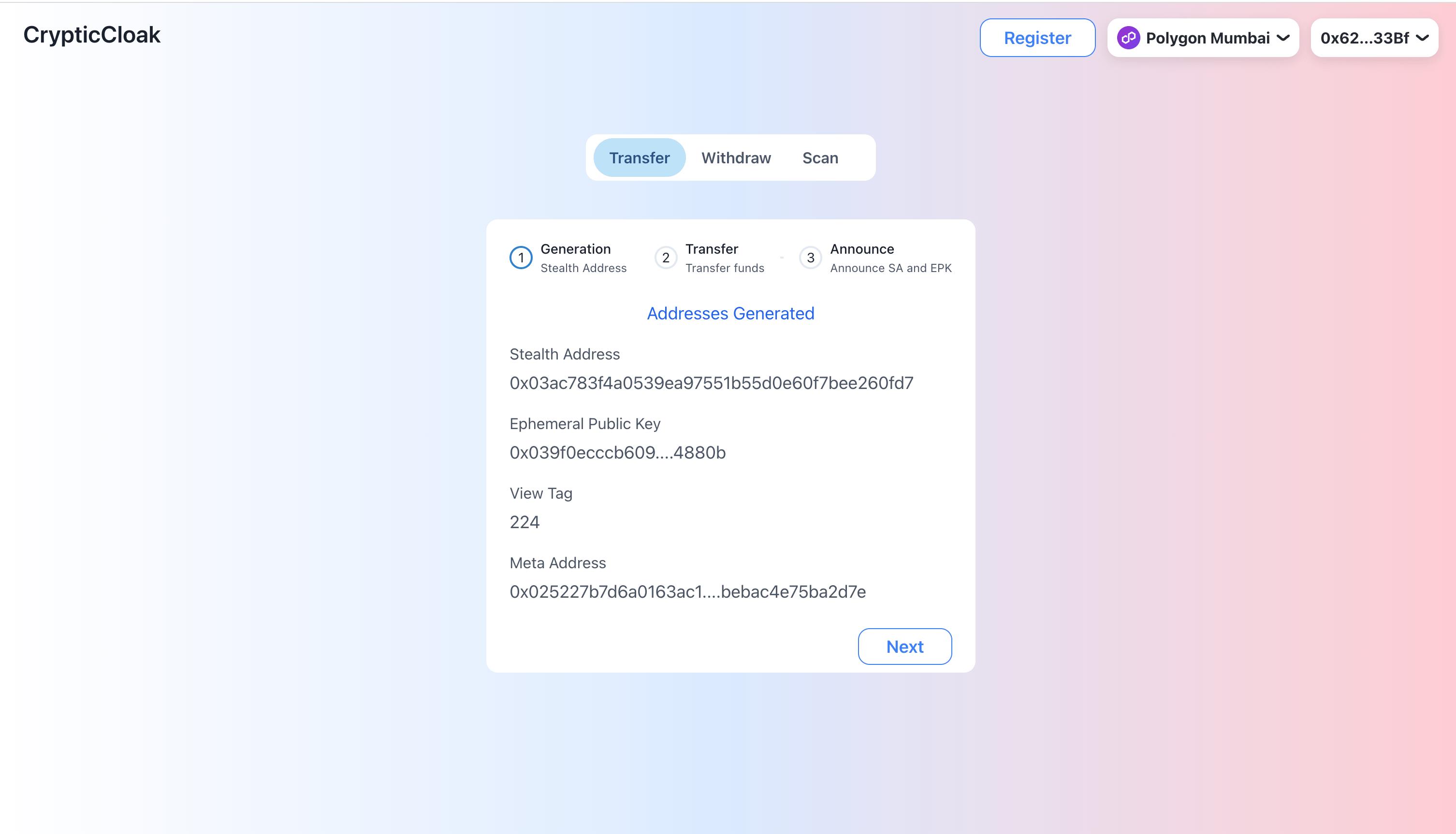
CrypticCloak is a stealth-address-based, EVM-compatible micro rollup that helps leverage Ethereum’s consensus layer and security on any L2 or EVM-compatible chain.
A major challenge facing Ethereum is privacy, as public blockchains by default expose all information publicly—not just financial transactions, but also assets like POAPs and NFTs. Using Ethereum applications means exposing a significant part of one’s life to public view, raising privacy concerns in various scenarios.
CrypticCloak addresses this by providing infrastructure that obscures one end of transactions. CrypticCloak also offers an interoperable and robust solution usable on any EVM-compatible chain.
-
The project provides an off-chain but verifiable single-point registry for all EVM-compatible chains.
-
Instead of heavy zero-knowledge computations, it uses only cryptographic computations to reduce gas costs and execution time while delivering the same level of privacy.
-
User identities cannot be traced back; even if they could, the data would be meaningless.
-
Built on Micro Rollup, it helps leverage Ethereum’s consensus layer and security on any L2 or EVM-compatible chain.
CrypticCloak is also compatible with any EVM-compatible chain, offering an interoperable and powerful solution.
Reference for winning projects: Link
Join TechFlow official community to stay tuned
Telegram:https://t.me/TechFlowDaily
X (Twitter):https://x.com/TechFlowPost
X (Twitter) EN:https://x.com/BlockFlow_News
 深潮TechFlow






