








Autonomy and Automation
TechFlow Selected TechFlow Selected
Autonomy and Automation
Video games are the starting point of autonomous worlds, not the destination.
 Navigating Web3 tides with focused insights
Author: Neilson
Translation: KaiKai& GINK, AW Research
You need to be a world maximalist. Automate your autonomy. Generate emergence, create urgency, NPCs, AI. You must laugh at those who hold the “I sort of get it” perspective. You need to build a great bonfire, each player a glowing coal.
At the altar of autonomy, a crystal sword thrusts toward its sacrifice—and stops. The trembling dagger hovers a hair’s breadth above the surface. Then, darkness. You wake up in bed. You’ve been working on a game for twenty years. The launch is tomorrow. There are no stone temples, no daggers, no victims. The altar of autonomy was in a dream—an automated dream.
Autonomy and automation.
“To play a game is to voluntarily overcome unnecessary obstacles.”
—Bernard Suits, The Grasshopper: Games, Life and Utopia
But
Children early realize that play is an opportunity for pure enjoyment, while games may involve considerable stress.
—Bruno Bettelheim, The Atlantic, March 1987
Then
“As a prefix, auto- signifies not only ‘self’ as individual and independent, but also describes instruction, decision, and motivation from within through reason and power.”
—Stephanie Sherman, The Age of Autonomy
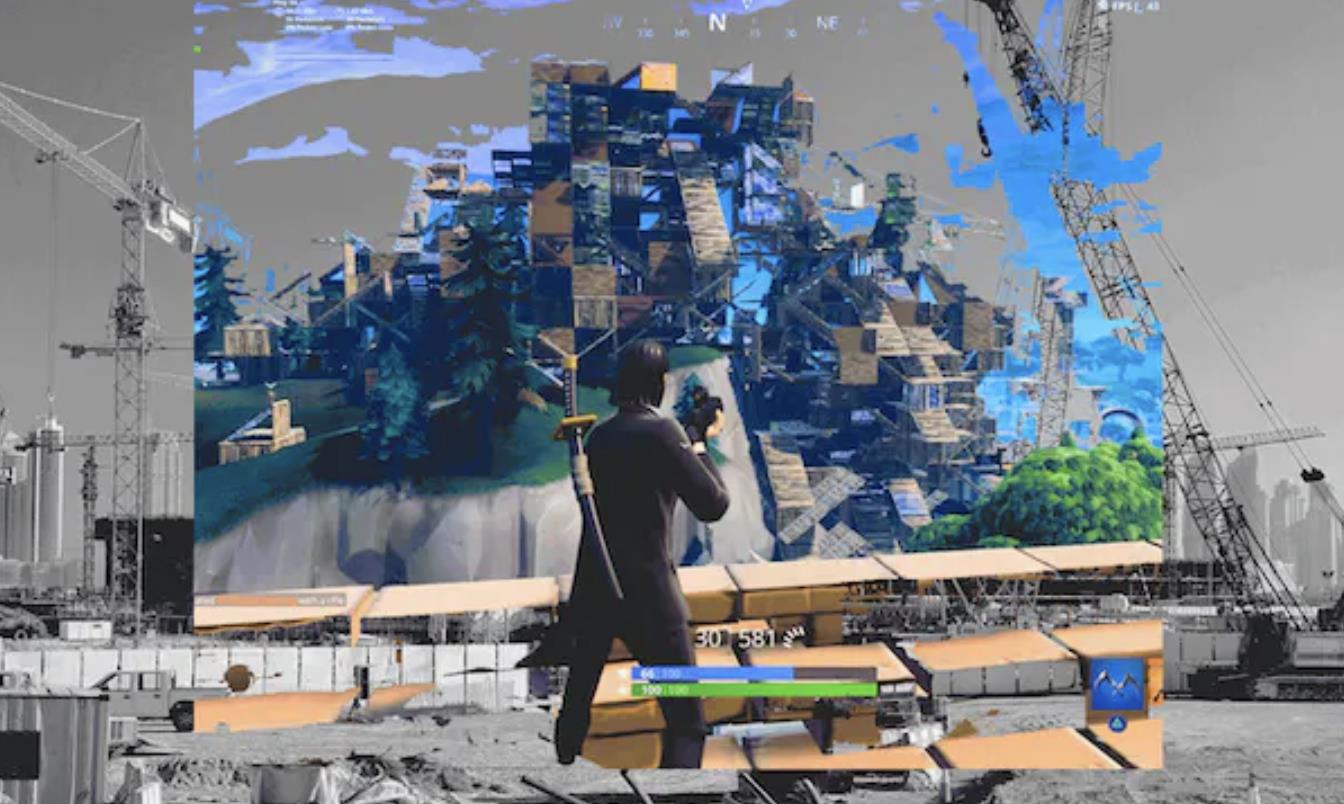
Fortnite and Roblox are two game stacks automating their players—by enabling players to create games within the game. In some sense, this is good: games have always been tools to turn players into automatons. But what kind of automation? A negative definition comes to mind—a picture of players as monotonous factory workers, endlessly laboring in their own worlds, continuously receiving drips. Unfortunately, we admit this is somewhat true. Yet the positive definition sees players as those who relinquish some autonomy and exchange it for rules—an enjoyable automation. Rather than feeling constrained by rules, players gain freedom to act, achieving new forms of autonomy previously impossible.
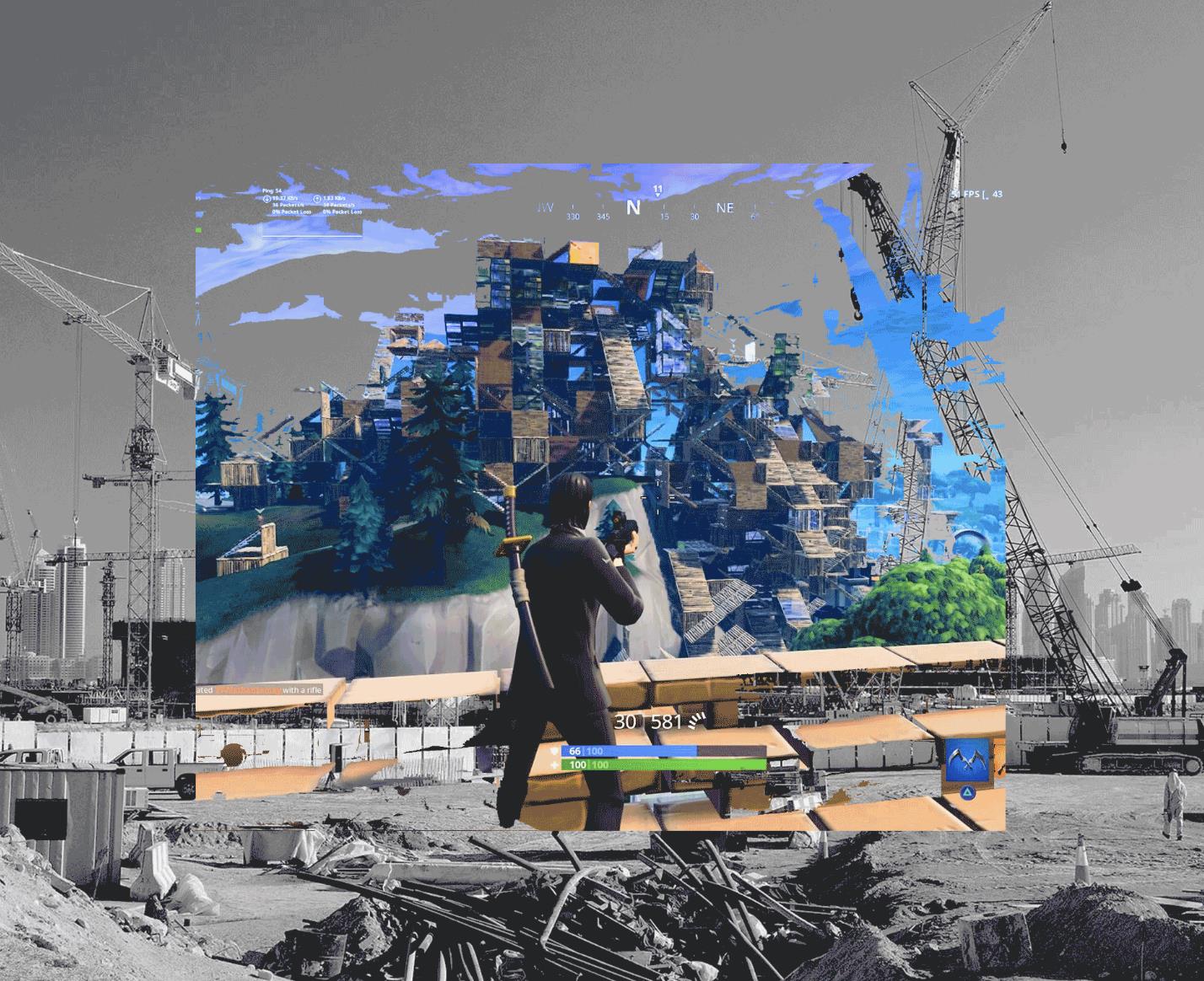
A productive tension exists between autonomy and automation—one without inherent good or bad, neither side more desirable than the other. Players are constantly delegating, exchanging, deferring, discovering, and rediscovering their autonomy through automation. Consider how marketing might lead potential players to believe they can do absolutely anything they want in the game world, with choices bearing consequences. The paradox is they’re only free to act within boundaries designed for them. This isn’t tyranny—it’s the beauty of games.
Thus
Agreeing to a game’s rules means agreeing to become an interesting automaton—to be guided into novel experiences, into new forms of self-governance. Players embrace the contradiction: they can freely do anything in the game, provided they follow its rules. High-level players may seem machine-like, yet the best ones are unique. They develop special moves or styles, discovering new elements of autonomy through automation. Games are mechanisms for self-discovery through self-mastery.
Automation and Autonomy
Autonomy is the indivisible part of the self—but also the internal rules created and followed by the self. Automation is the productivity that arises when internal rules are deferred to external ones. Your game launches in one hour. You await players. For twenty years, you’ve developed technology enabling players to do many things—but not everything. Soon, by automating themselves, they’ll explore themselves. The crystal dagger pierces your chest. You exhale in relief.
Part Two
“If ideological theorists of contemporary society truly exist, we might imagine them cheerfully logging into their Animal Crossing accounts wearing childish teenage hats before heading to board meetings.” —Federico Campagna, A Room with a Door
There are compelling reasons to redefine video games as a benign exchange between automation and autonomy. First, the cultural experience of video games has long surpassed the scope of “voluntarily overcoming unnecessary obstacles,” necessitating a broader definition. The usual next step—elevating video games to the status of real life—is consistently unsatisfying, primarily because we don’t fully understand what “real” or “life” actually mean. To approach this from another angle: markets, politics, love, and freedom are all games—indeed, people arrive at these ideas precisely through the language of games. We begin viewing the world through games, which is why we cannot collapse so-called real life into games. Games are a medium for how to see life.
“I reject the notion of football as war. War is war. We don’t need substitutes—we already have the real thing.” —Don DeLillo, End Zone
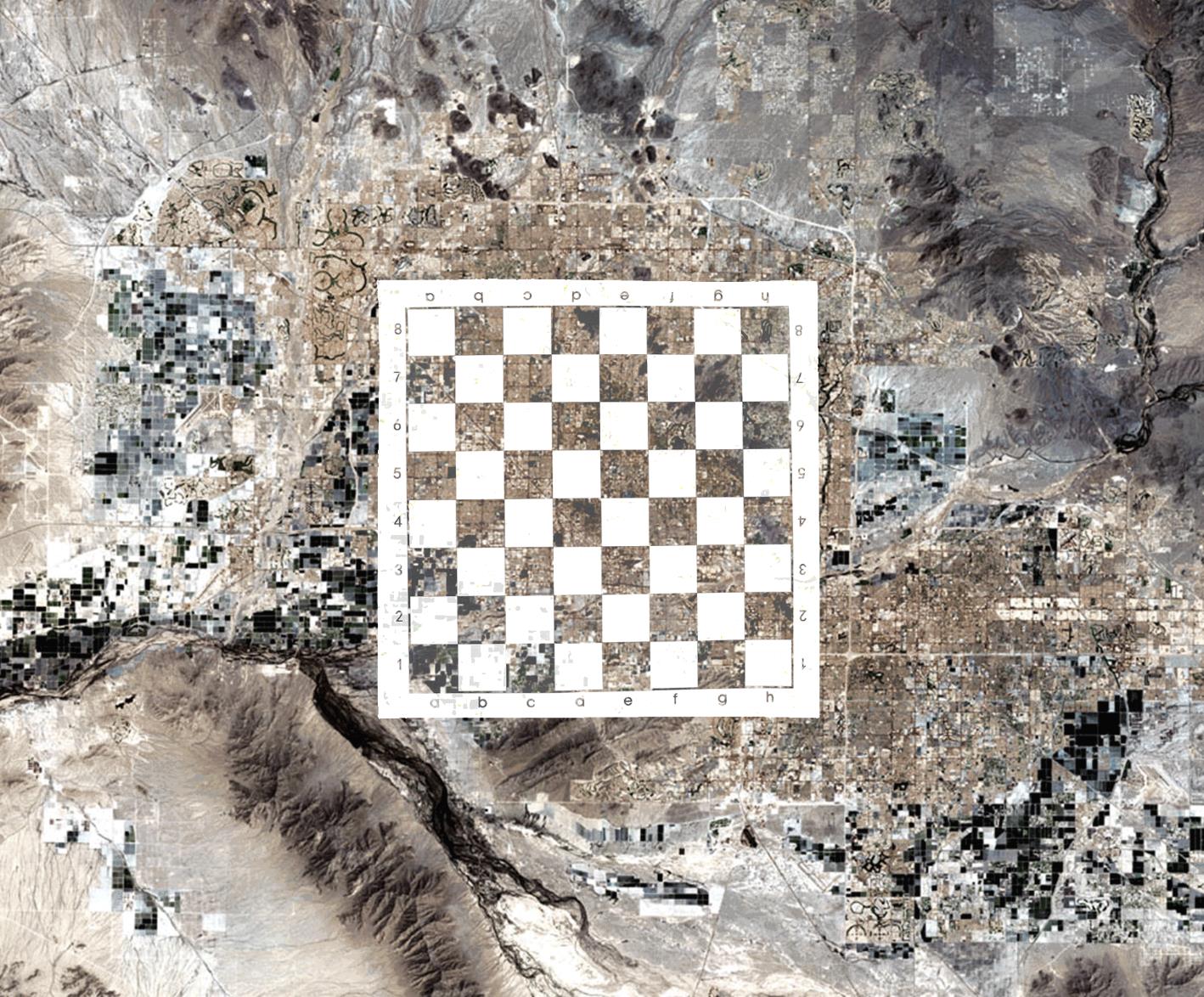
Automation and autonomy allow us to discuss the experience of playing—or more precisely, the sensation of being played. Some days in life, we’re NPCs; on others, protagonists. In game worlds, billions of players gather within vast virtual geometries—impressive spatially and virtually, with expansive temporal dimensions of evolving narratives and content. Games leave imprints on our calendars, blurring boundaries. After millions of years spent playing, the crowd asks in unison: “I’ve spent so much time here—don’t I have any control?” Players exchanged autonomy upon entry, but now they want it back. Are they demanding to exit the game? No—they want a new game.
Autonomous Worlds
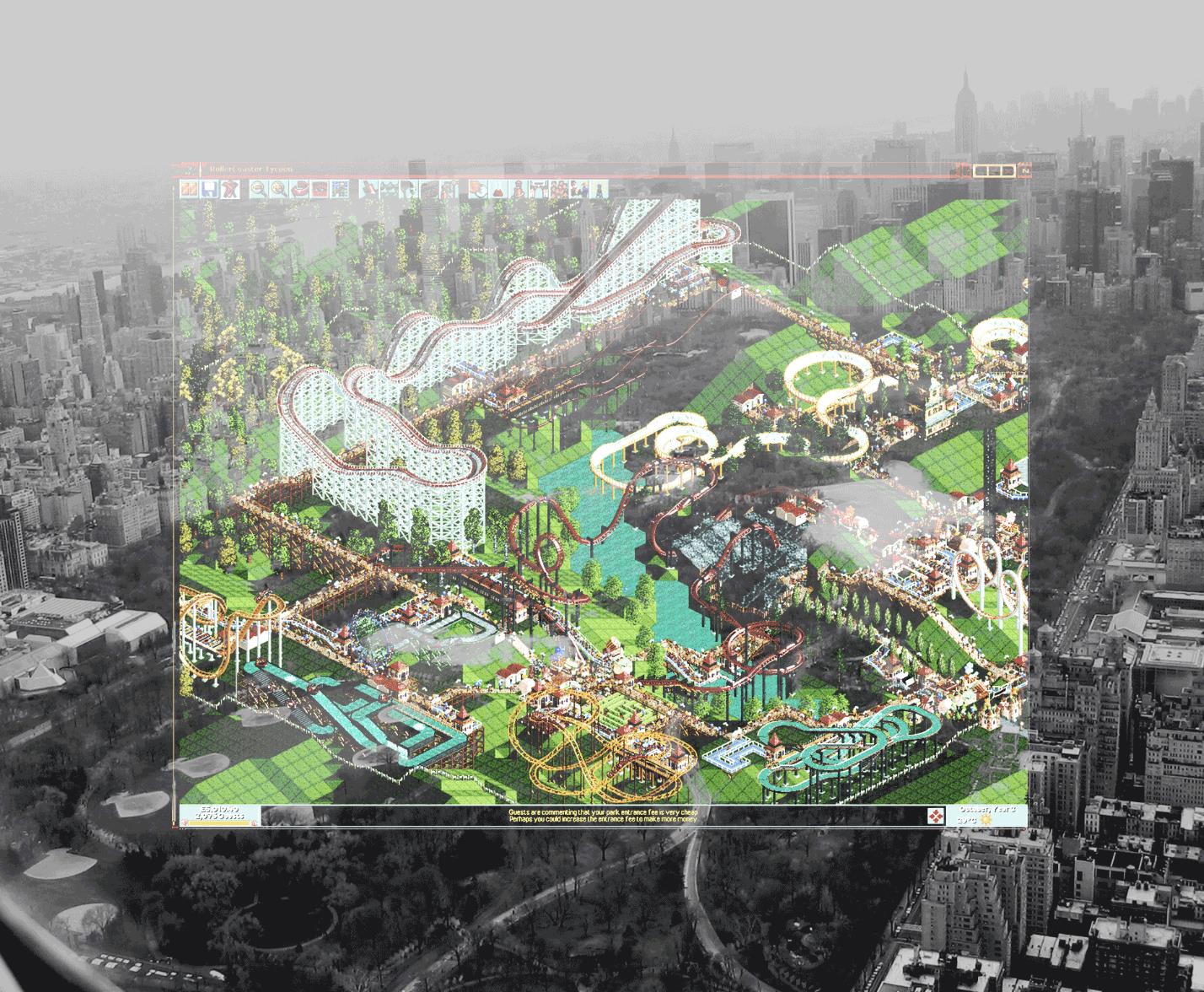
The new game is autonomous worlds—the concept this article responds to. It’s an innovative media project where conditions for existence and extension can be encoded. At its core, it’s a computational project aiming to redirect automated players back into their own worlds. This happens by requiring designers to embrace permissionless and composable worlds, allowing players to put down controllers and become designers. Cut off the serpent’s head so ten more grow in its place. If playing RollerCoaster Tycoon means automating yourself as an amusement park curator, then an autonomous RollerCoaster Tycoon simulates the automation of the curator. Spin the flywheel.
“Civilization advances by extending the number of important operations we can perform without thinking about them.”
—Alfred North Whitehead
Back to Fortnite and Roblox. Players become designers, creating new game rules, automating new players, generating new autonomies—a positive feedback loop. Does this player-designer perpetual motion machine exist? Yes—with large live ops teams constantly injecting novelty into the world. But how can designers make themselves obsolete within autonomous worlds? Some games still let players inhabit designer roles internally, like RollerCoaster Tycoon or Fortnite—fine. Others allow players to fully alter game rules, effectively stepping outside the game—also fine. To truly transform players into designers requires overturning the game entirely.
“Making games combines everything that makes building bridges difficult with everything that makes composing operas difficult. Games are essentially operas made out of bridges.”
—Frank Lantz, The Beauty of Games
Video games are starting points—not destinations—for autonomous worlds. Imagine a successful new medium that succeeds video games. What might it look like? A protocol for creating rules and narratives. Diverse storytelling and world-building tools, trading linear plots for wiki-like horizontal expansion. Natural language generation for characters and environments. A device or hardware—like a GPU, but accelerating interfaces beyond graphics. Authorial seeds embedded directly into the medium, maximizing sharing, expansion, or secrecy. Experiences that positively interact with participant autonomy and automation. Media that continuously delegates between NPC and player states. A medium encompassing how we play with the world and how the world plays with us.
Neilson is a designer currently developing a new game at engine_study.
Thanks to Nicole and Vera for their help with this article. This piece originated from many discussions within the autonomous worlds community. Special thanks to ARB, GVN, Lermchair, 0xHank, and Small Brain Games for their support.
Join TechFlow official community to stay tuned
Telegram:https://t.me/TechFlowDaily
X (Twitter):https://x.com/TechFlowPost
X (Twitter) EN:https://x.com/BlockFlow_News
 @AW_Research







