The world's most "frenzied" retail investors: Can Koreans revive their dreams after disillusionment?
TechFlow Selected TechFlow Selected
The world's most "frenzied" retail investors: Can Koreans revive their dreams after disillusionment?
South Korea's Upbit has risen to become the second-largest CEX, reflecting the strong current demand in the Korean cryptocurrency market.
 Navigating Web3 tides with focused insights
Author: Huo Huo
According to data from The Block, in October, the cumulative trading volume of centralized crypto exchanges (CEX) reached $443.27 billion, with South Korea's Upbit recording a spot trading volume of $51.88 billion, ranking second globally.
Upbit’s rise to become the world’s second-largest CEX highlights the robust demand currently present in South Korea’s cryptocurrency market. In fact, reviewing recent years’ data reveals that the Korean market has consistently been one of the most active players in the global crypto space. Despite the impact of the global economic downturn in 2022, its user base and trading volumes have continued to expand.
So how did South Korea's crypto market develop, and what is its current state?
The "Korean Dream" Behind the "Kimchi Premium"
What comes to mind when you think of South Korea? A thriving entertainment industry, advanced cosmetic surgery techniques, or perhaps tangy kimchi?
But beyond these well-known cultural exports, another label might now be added: the nation of crypto speculation.
Bitcoin has long enjoyed immense popularity in South Korea. During the peak of the 2017 bull market, it became nearly ubiquitous—known by students, seniors, office workers, and freelancers alike—all seeking investment opportunities for financial gain. At one point, buyers on Korean exchanges were willing to pay up to a 50% premium for Bitcoin.
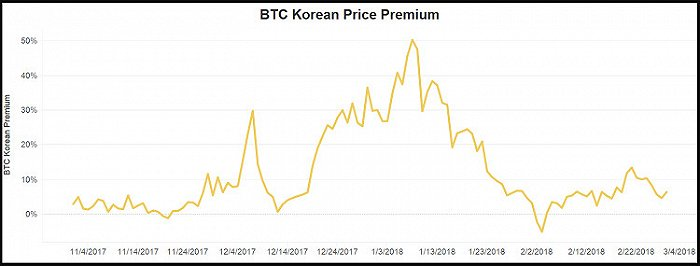
When local Bitcoin prices rose 40% above those on U.S. exchanges, CoinMarketCap even removed South Korean pricing data from its global cryptocurrency averages. This phenomenon later became known as the “Kimchi Premium.”
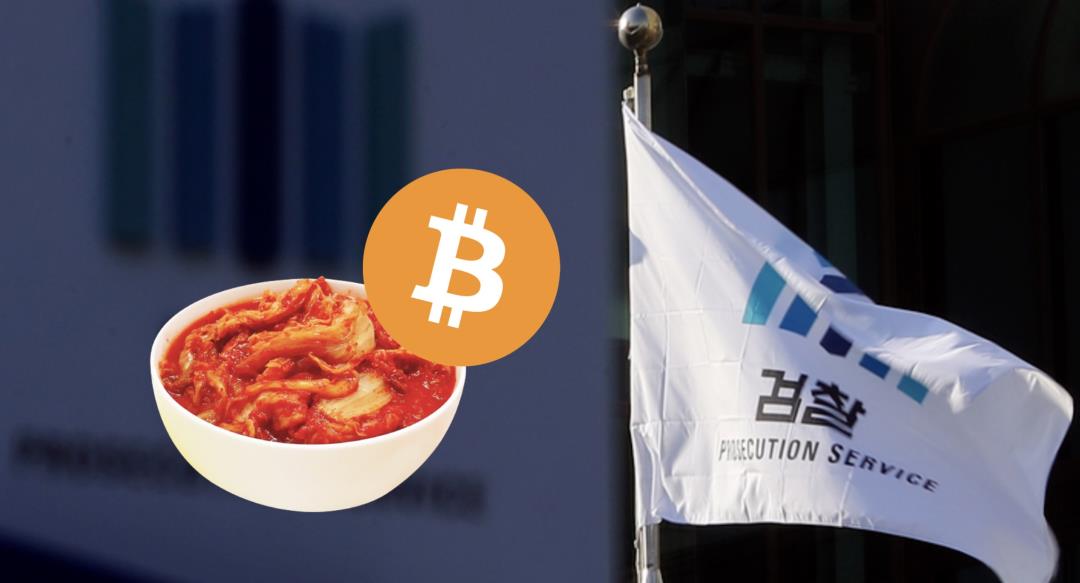
In 2018, the South Korean government began cracking down on speculative trading by mandating real-name bank accounts for crypto transactions and subsequently banning ICOs entirely. With these measures, the Kimchi Premium disappeared.
While the Kimchi Premium may have faded, the enthusiasm for crypto speculation persists.
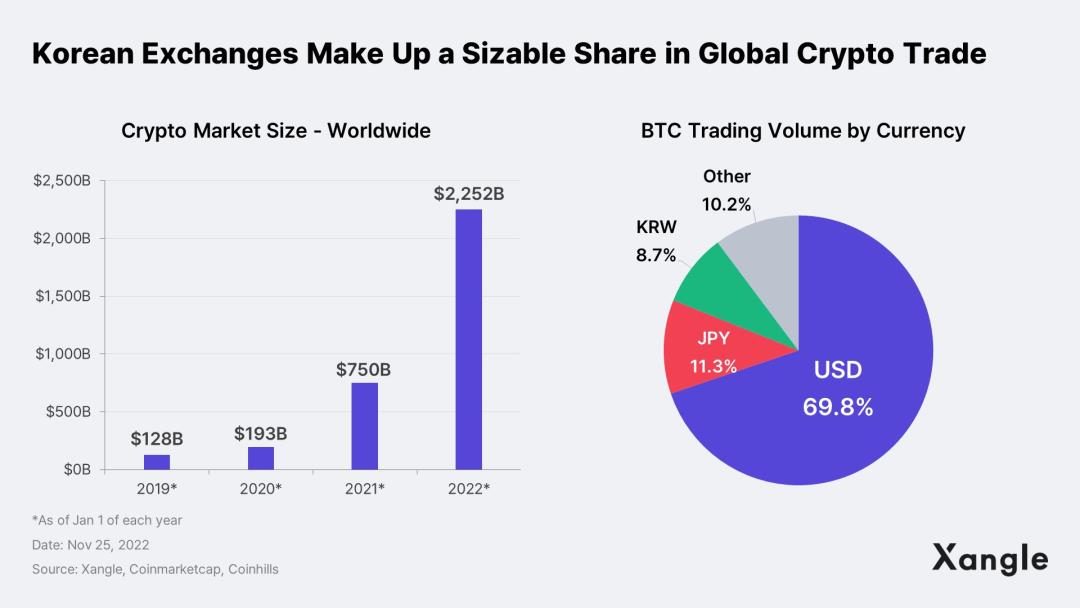
In 2021, South Korea ranked fourth globally in total crypto trading volume at nearly $20 billion, behind only the U.S., Japan, and the U.K.
In 2022, South Korea ranked third globally in Bitcoin trading volume, trailing only the U.S. and Japan.
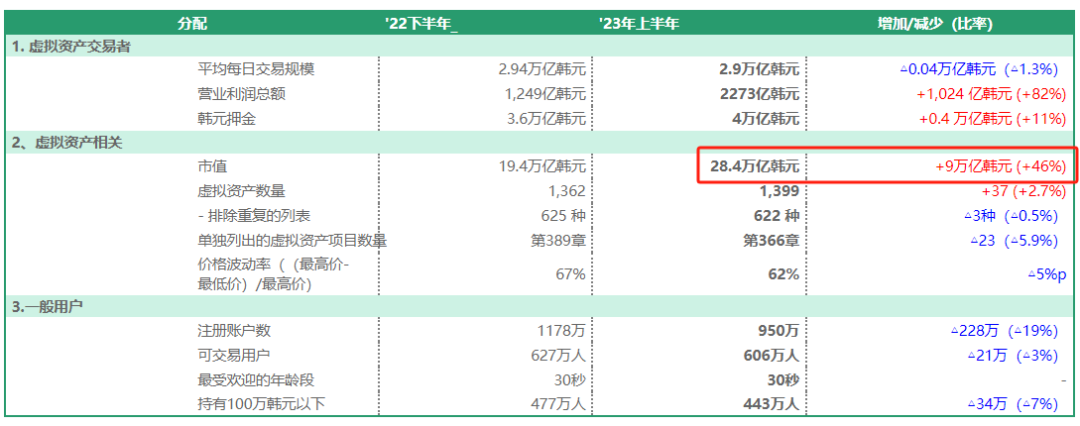
Growth in South Korea’s digital asset market remained significant in the first half of 2023. According to a research report released on October 31, 2023, by KOFIU, the crypto market cap increased by approximately 46% compared to the previous half-year period, reaching a total market value of 28.4 trillion KRW (about $22.6 billion).
Why are South Koreans so enthusiastic about crypto speculation?
One reason lies in the country's unique socio-economic conditions. South Korea’s fast-paced lifestyle fosters rapid adoption of new technologies. Local support for Web3, a strong economy, and a culture focused on technological innovation all contribute:
From 1950 to 1953, the Korean War left South Korea among the poorest nations in the world. By 2023, it had transformed into one of the wealthiest countries.
Driven by chaebols (family-controlled conglomerates), an export-oriented model, and capitalist development, South Korea achieved rapid economic growth within decades—an era famously dubbed the “Miracle on the Han River.” This accelerated development fostered a high-speed lifestyle where every second counts: food must be delivered quickly, trains run on time, buildings rise in weeks. Whatever you do, do it fast and efficiently—including getting rich. Hence, many South Koreans embrace a “fast-fast-fast” ethos toward wealth accumulation and a speculative culture driven by the desire to get rich quickly.
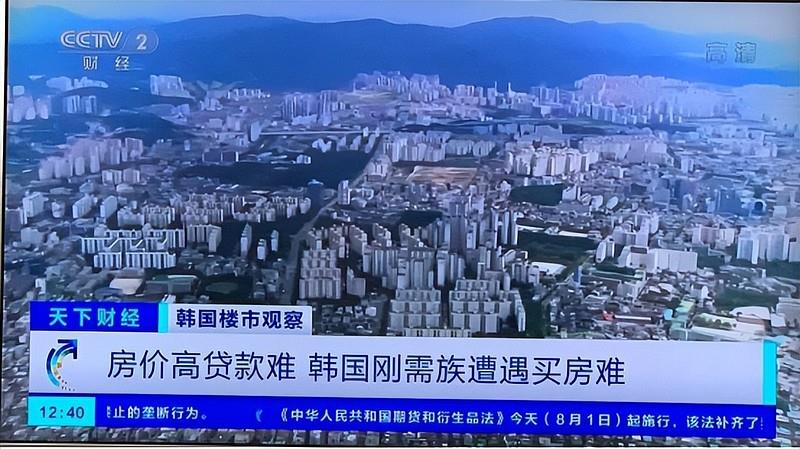
Before 2012, South Korea's economy relied primarily on innovation and surplus labor value. However, after 2012, GDP growth slowed from double-digit rates in the early 2000s to around 3%, making upward mobility increasingly difficult. With strict real estate policies and high barriers to traditional stock market participation, gambling became one of the few remaining speculative outlets for ordinary citizens.
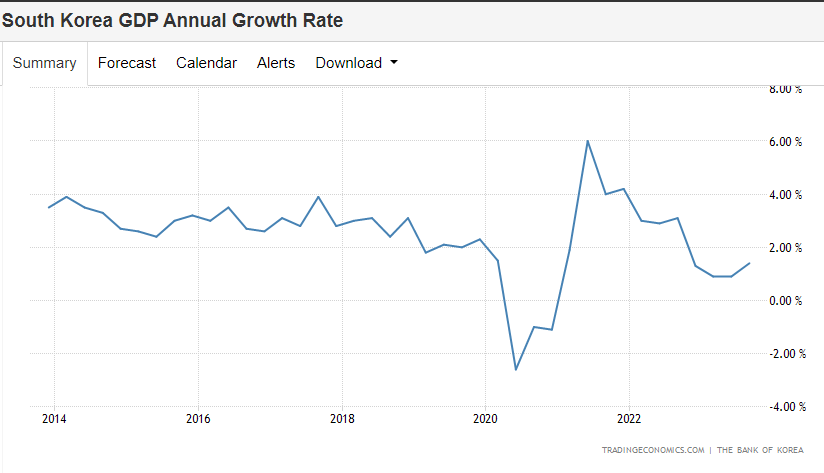
When cryptocurrencies emerged, many South Koreans saw them as a new form of gambling—a fresh opportunity for sudden wealth.
On the other hand, South Korea has largely been welcoming toward cryptocurrencies, having implemented relatively lenient policies in the past. Currently, it remains one of the most crypto-friendly nations in the world.
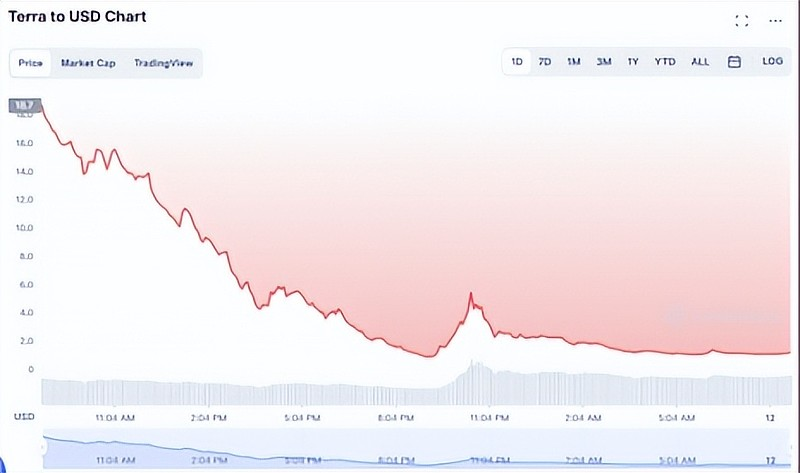
However, the collapse of the LUNA project in 2022 dealt a severe blow to Korean investors. Not only did they fail to profit, but many also incurred massive debts, shattering their so-called “Korean Dream.” The LUNA crash also drew intense scrutiny from the government, prompting tighter regulatory oversight of the crypto sector.
In the first half of 2023, approximately 622 cryptocurrencies were traded in South Korea, including leading assets like Bitcoin, Ethereum, Ripple, and Dogecoin. During this period, 169 new cryptos were listed, though 115 faced trading suspensions due to project risks and investor protection concerns.
The South Koreans Who Chase Overnight Wealth
Despite the high risks involved, South Koreans remain passionate about speculative investing.
During the pandemic, numerous young South Koreans quit lucrative corporate jobs to pursue crypto trading, hoping to completely change their life trajectory through a single big win.
Research from a crypto platform indicates that in the first half of 2023, about 26% of South Korean adults participated in crypto, with growing involvement among women and younger generations. About 25% of crypto investors made their first investment within the past six months, and 38% of young crypto investors hope to achieve overnight wealth through digital assets.
Following this logic, one might expect Koreans to be the most active participants in DeFi. Yet despite ongoing speculation in crypto, DeFi development in South Korea has shown little progress.
This too is tied to South Korea’s domestic context.
First, South Korea’s financial regulatory environment remains relatively unstable. Although regulators have introduced some measures to oversee the crypto market, including DeFi, these have not been codified into law. Policy uncertainty deters certain DeFi projects and investors.
Additionally, the government enforces strict KYC (Know Your Customer) and AML (Anti-Money Laundering) requirements, which can undermine the anonymity and decentralized nature of DeFi platforms. These regulations increase the difficulty of launching and scaling DeFi projects in South Korea.
Moreover, South Korea has a powerful traditional financial system comprising banks and securities firms. This makes Koreans more inclined to use conventional financial tools rather than DeFi solutions. Cryptocurrencies and DeFi are still relatively novel concepts that may require more time to integrate into mainstream Korean finance.
Finally, education and awareness pose challenges. DeFi is too complex for average investors and lacks the high-stakes thrill associated with gambling. Unlike Western ideals of Bitcoin as “digital gold,” South Koreans tend to emphasize crypto’s speculative aspects—mirroring common practices in the Korean stock market, just extended into a new domain.
According to the Digital 2022 Global Overview Report, in 2022, South Korea had over 13% of its population invested in crypto—more than 6 million people. Most of these investors focus their activities around centralized exchanges (CEX), giving CEX platforms dominant influence in South Korea’s crypto market.
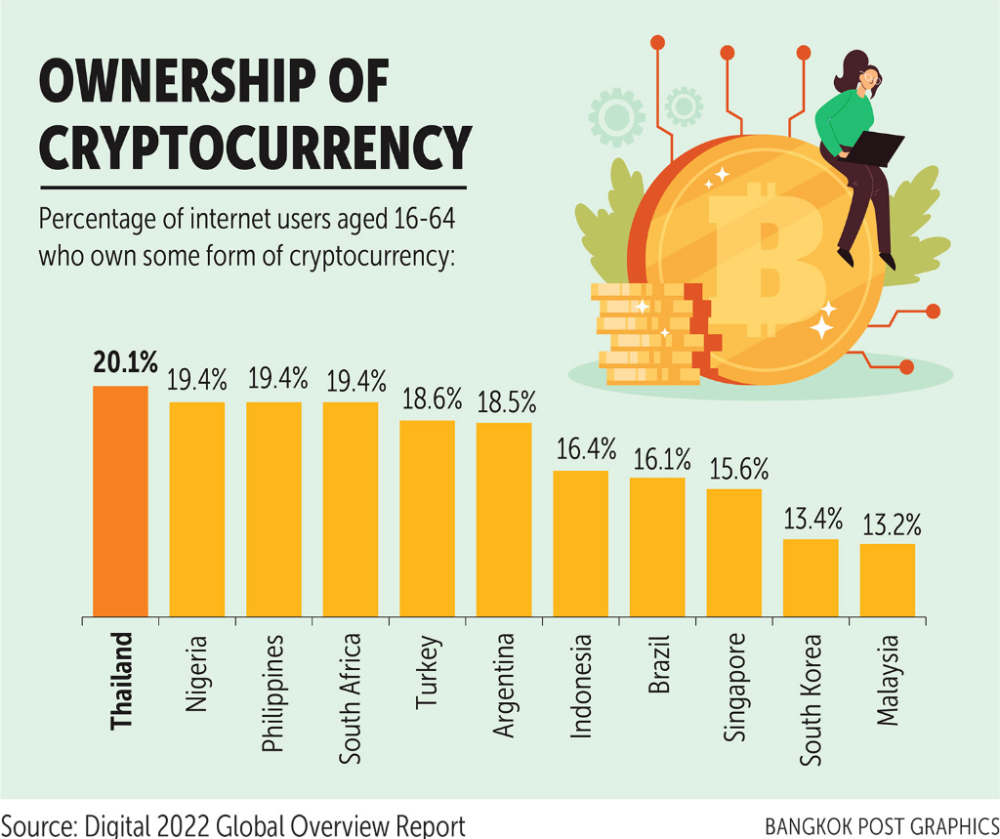
Global distribution of populations holding cryptocurrency
Which notable platforms and projects exist in South Korea?
Mainstream Platforms Focused on "Kimchi Coins"
During the 2017 crypto boom, South Korea became a hotspot for Bitcoin and other virtual currencies, at times accounting for a majority of global trading volume. However, in 2018, a series of security breaches and hacking incidents hit multiple Korean platforms, including Bithumb, Coinrail, and Youbit. Youbit, after suffering a second hack that wiped out 17% of its assets, was forced to file for bankruptcy.
These events caused major losses for investors, yet Upbit surged to become the world’s second-largest exchange, demonstrating that South Korea’s crypto trading volume remains substantial. Besides Upbit, key players in the current market include Bithumb, Coinone, and Korbit, though Upbit leads by a wide margin, capturing nearly 80% of South Korea’s crypto trading market.
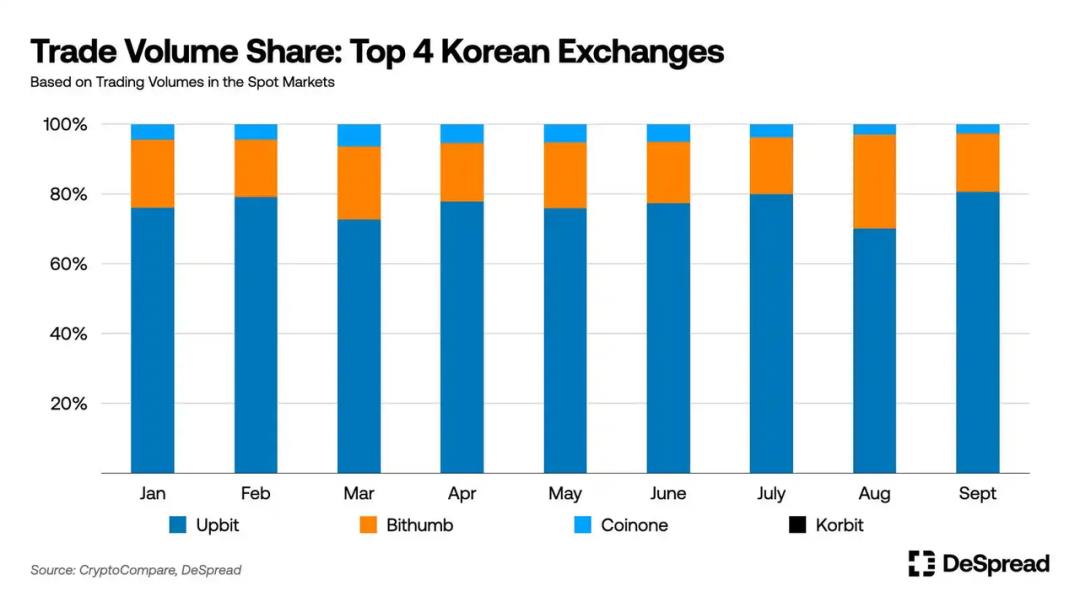
Bithumb maintains a strong position as the second-largest player, accounting for 15% to 20% of the combined trading volume across the top four exchanges. Coinone holds between 3% and 5% market share, while Korbit’s share is less than 1%.
Analyses show that Korean traders exhibit high risk tolerance. Compared to global markets, Bitcoin and Ethereum represent a smaller portion of trading volume. Instead, altcoins like Loom Network, eCash, and Flow dominate trading activity.
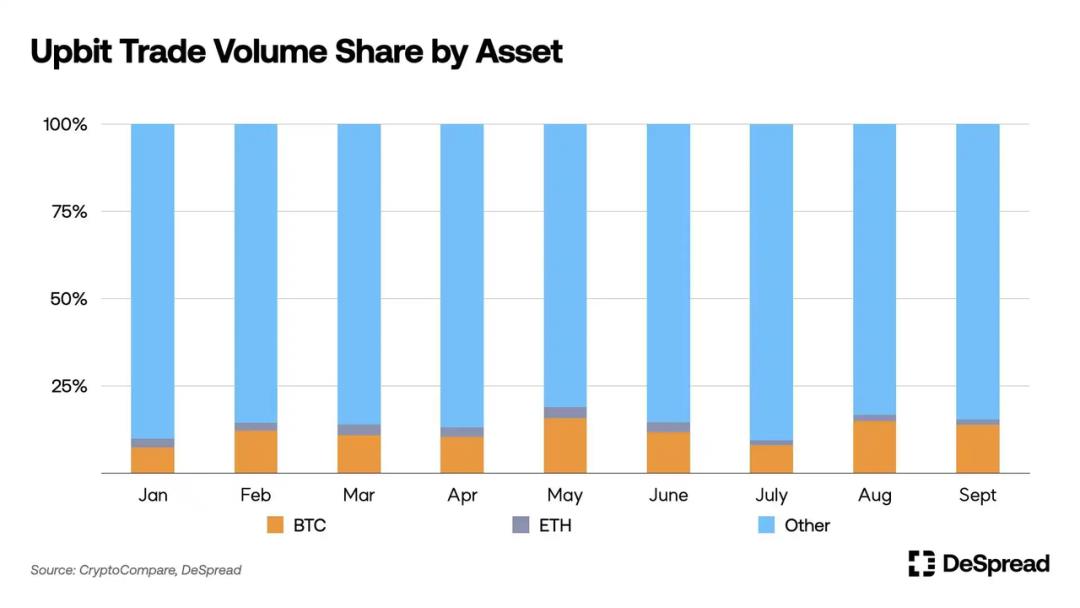
Among Upbit’s user base, individual investors strongly favor high-return altcoins due to their higher volatility—this is the main reason altcoin trading is so popular in South Korea’s crypto market.
Popular tokens in the South Korean market include Steem Dollars, MossCoin, Hippocrat, and Aha Token. These assets trade primarily on Upbit and are often referred to as “kimchi coins.” Mainly traded by Korean investors, they’ve formed niche markets on Upbit despite receiving little attention globally.
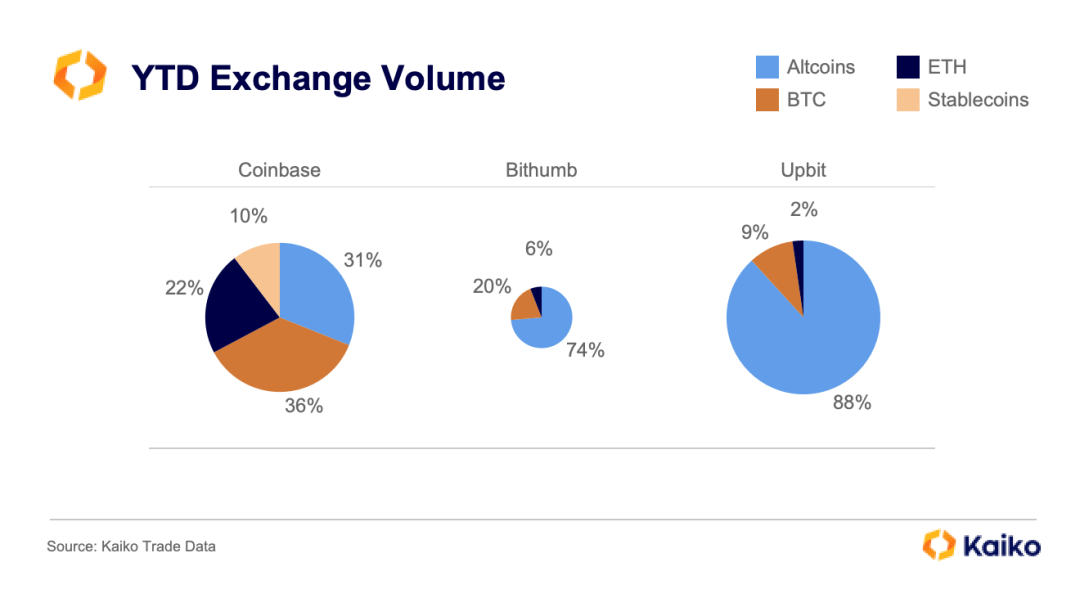
As a result, mainstream tokens perform relatively poorly on Upbit, such as Bitcoin (BTC), Ethereum (ETH), and Polygon (MATIC), which enjoy massive global trading volumes. On Upbit, however, their trading activity is comparatively low, with ETH accounting for only 2% of volume and BTC just 9%.
From a global perspective, Upbit has consistently ranked second throughout this year.
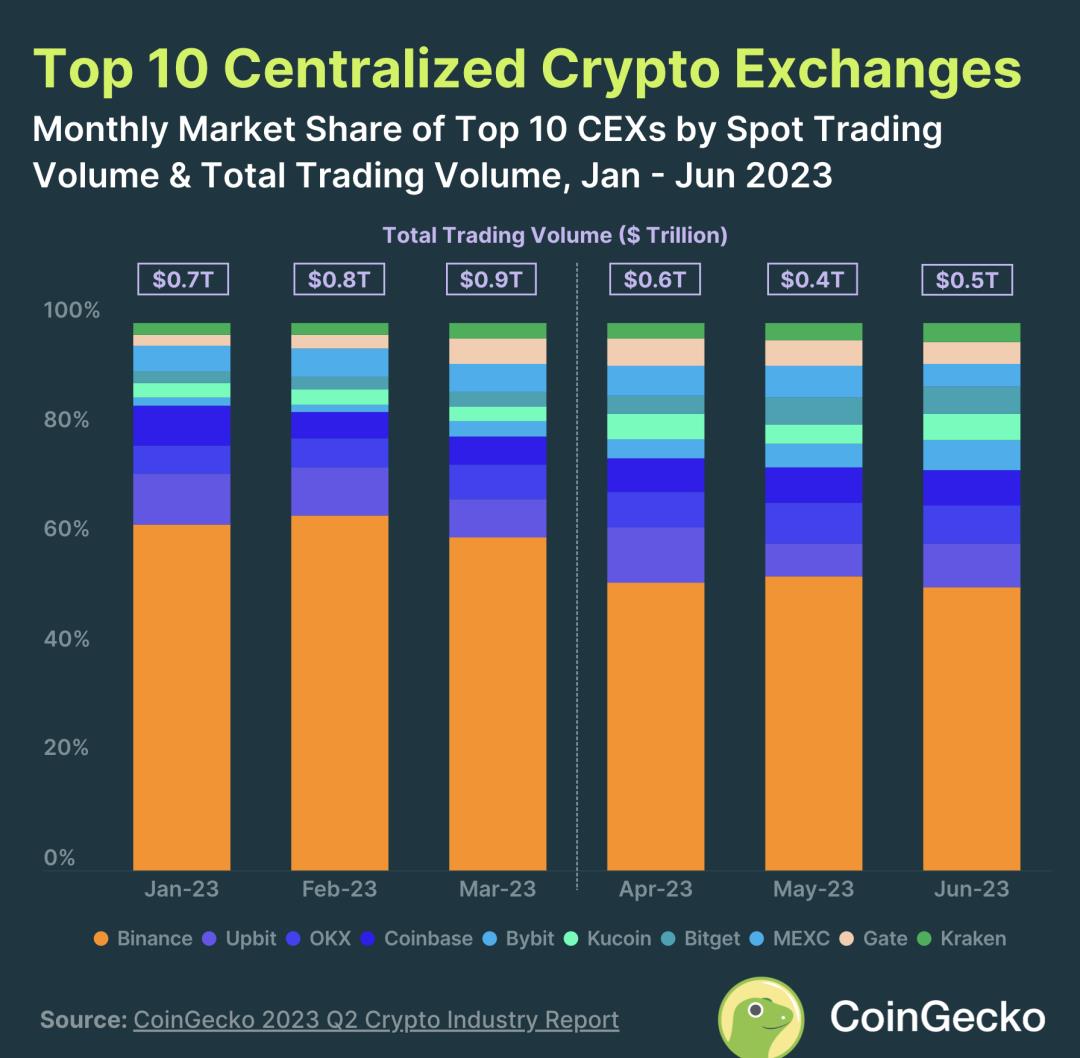
This phenomenon underscores Upbit’s unique characteristics compared to global markets and reflects regional differences in investor preferences and strategies. Notably, Upbit recently received approval from Singaporean regulators last month, paving the way for expansion into Singapore.
Conclusion
Many young people hope to achieve sudden wealth through crypto speculation, escaping economic pressures and achieving social mobility. However, as with any emerging industry involving massive financial stakes, inadequate regulatory frameworks have led to various problems.
Although token issuance in various forms has been banned in South Korea since 2017, and government agencies have issued rules targeting illegal activities, these are not laws passed by the National Assembly. Comprehensive regulatory legislation is still lacking.
Since 2022, possibly influenced by repeated market collapses—including Terra’s implosion and FTX’s downfall—South Korea has adopted increasingly stringent crypto regulations. Last year, the country began drafting the “Digital Asset Basic Act” to strengthen oversight of its domestic crypto market. Plans include establishing a CEX licensing system to eliminate illegal platforms and improve regulations to support sustainable growth.
Additionally, following the May 2022 election of President Yoon Suk-yeol—a leader seen as “crypto-friendly”—who pledged to ease crypto regulations, the market appears to be moving toward greater formalization and legitimacy.
Overall, as Asia’s fourth-largest economy, South Korea stands as one of the most active players in the global cryptocurrency market—an indispensable part of the ecosystem. As crypto activities move toward legalization, will those hoping to strike it rich through speculation finally realize their dreams?
Join TechFlow official community to stay tuned
Telegram:https://t.me/TechFlowDaily
X (Twitter):https://x.com/TechFlowPost
X (Twitter) EN:https://x.com/BlockFlow_News
 白话区块链
白话区块链