The triumph of the grassroots, Web3 is the biggest makeshift operation
TechFlow Selected TechFlow Selected
The triumph of the grassroots, Web3 is the biggest makeshift operation
The world is a huge makeshift stage, and we can all dance on it.
 Navigating Web3 tides with focused insights
By Xiao Ye
Lately, whether on WeChat Moments, Weibo, or Twitter, one "truth" keeps surfacing: The world is made up of makeshift crews.
"After I started working, I realized everyone is just a makeshift crew. Governments are makeshift, companies are makeshift, I’m makeshift—everyone’s makeshift, just scraping by and making money. A company might look like a luxury car speeding down the highway, but inside, it's just a few people pedaling bicycles under a shell. All the cars on the road are like that; nobody dares to expose it."
This passage, copied into my notebook years ago, is practically intangible cultural heritage—recommended for verbatim memorization.
When did you first realize the “makeshift crew” truth about the world?
There was Li Yongqiu snatching the official seal from his ex-wife, carrying it on his belt everywhere, as if it were an external organ.
Then came the infamous infighting within a well-known blockchain company, with both sides fighting over the business license.
Oh, and let’s not forget the trio—one man and two women—who forged Lao Gan Ma’s official seal and successfully tricked Tencent into providing a year of free advertising—all for QQ Speed gift codes.
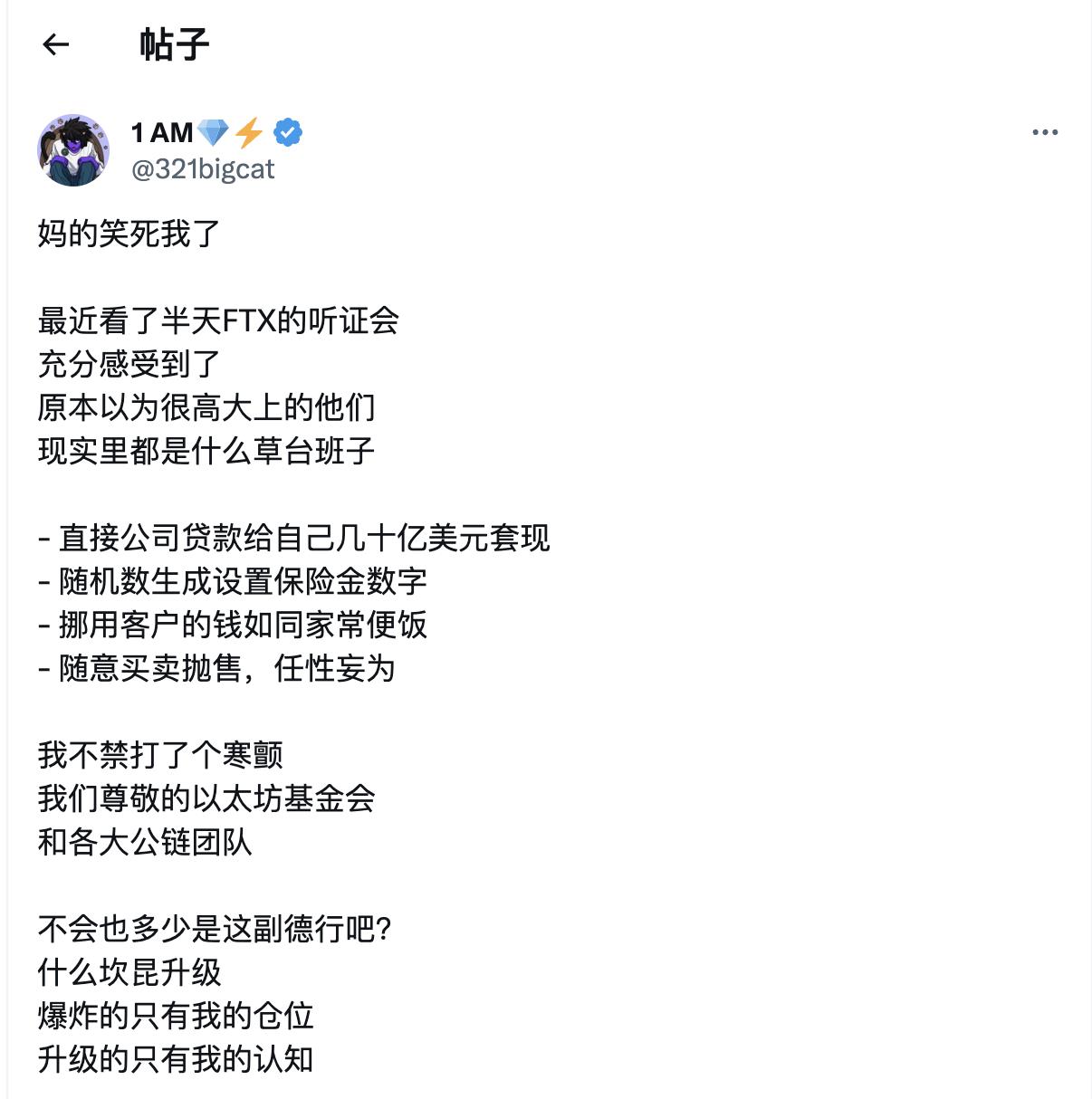
In the ever-surreal crypto space, this year people have gained a more direct understanding of the “makeshift crew” phenomenon—just as 321 DAO’s Zishi joked on X (formerly Twitter):
After watching hours of FTX hearings, I’ve fully realized how those seemingly impressive figures are actually such amateurish operations in real life.
-
Directly loaning billions of dollars from the company to oneself;
-
Using random numbers to generate insurance fund digits;
-
Treating挪用客户 funds as routine;
-
Trading and dumping assets at will, acting recklessly.
Back in 2021, many believed Wall Street would take over crypto. FTX and DCG were briefly mythologized—until the myths collapsed and their true nature emerged. FTX and DCG were makeshift crews; Terra and 3AC were makeshift crews. Who in crypto isn’t a makeshift crew?
But in my view, “makeshift crew” isn’t entirely pejorative—it’s a form of disenchantment. The world isn’t as polished as it seems; big organizations aren’t as “prestigious” as they appear. In reality, it’s all “one person holds up the stage, a group props it up.”
After recently finishing Elon Musk’s biography, my biggest takeaway was that Tesla and SpaceX are also makeshift crews—with Musk as the ultimate ringleader.
When SpaceX ran into trouble, Musk fired executives and took over himself. When he found traditional aerospace materials like carbon fiber too expensive, he boldly suggested, “What if we try stainless steel?” Turns out, it worked pretty well.
During final checks before a rocket launch, the SpaceX team discovered two small cracks in the engine skirt of the second stage.
Everyone at NASA assumed the launch would be delayed by weeks, since normally the entire engine would be replaced.
Musk had another crazy idea: “What if we just cut off the cracked part of the skirt?” The rocket launched on schedule the next day.
In management, Musk also plays by his own rules. Whenever Tesla faced issues, he’d pull talent from SpaceX. After acquiring Twitter, he immediately laid off 80% of staff and brought dozens from SpaceX and Tesla to run Twitter.
If even a $44 billion global company like Twitter operates this way, what about others? "Glossy on the outside, cobbled together within" might just be the norm.
As for crypto, it’s the grandest stage for makeshift crews. Today’s celebrated crypto leaders were mostly former underdogs.
OKX founder Xu Mingxing’s first venture was a group-buying site called Wantuan.com, which failed. His second was co-founding Docin.com, which later declined sharply, leading to his departure. He even tried food delivery, but after months of losses, that startup failed too.
It wasn’t until he watched Season 3 of *The Good Wife* and heard the line, “Bitcoin is the future, real is gonna change,” that he encountered a word he’d never seen before: Bitcoin.
Li Lin stumbled in social networking with his short-lived “Friendship Network,” then explored O2O and fintech before going all-in on Huobi.
Before founding Binance, CZ was merely a minor player in Shanghai’s financial circles. Initial fundraising for Binance was tough—but he ultimately proved all the skeptical investors wrong.
In 2009, amid the lingering effects of the financial crisis, Wu Jihan, fresh out of Peking University, couldn’t land a job at major firms like CICC or large commercial banks like his peers. Instead, he joined a small investment firm doing VC work—until he encountered Bitcoin in 2011.
Beijing once had a hub for crypto’s makeshift crews—the Garage Cafe, tucked away at the end of Zhongguancun Startup Street.
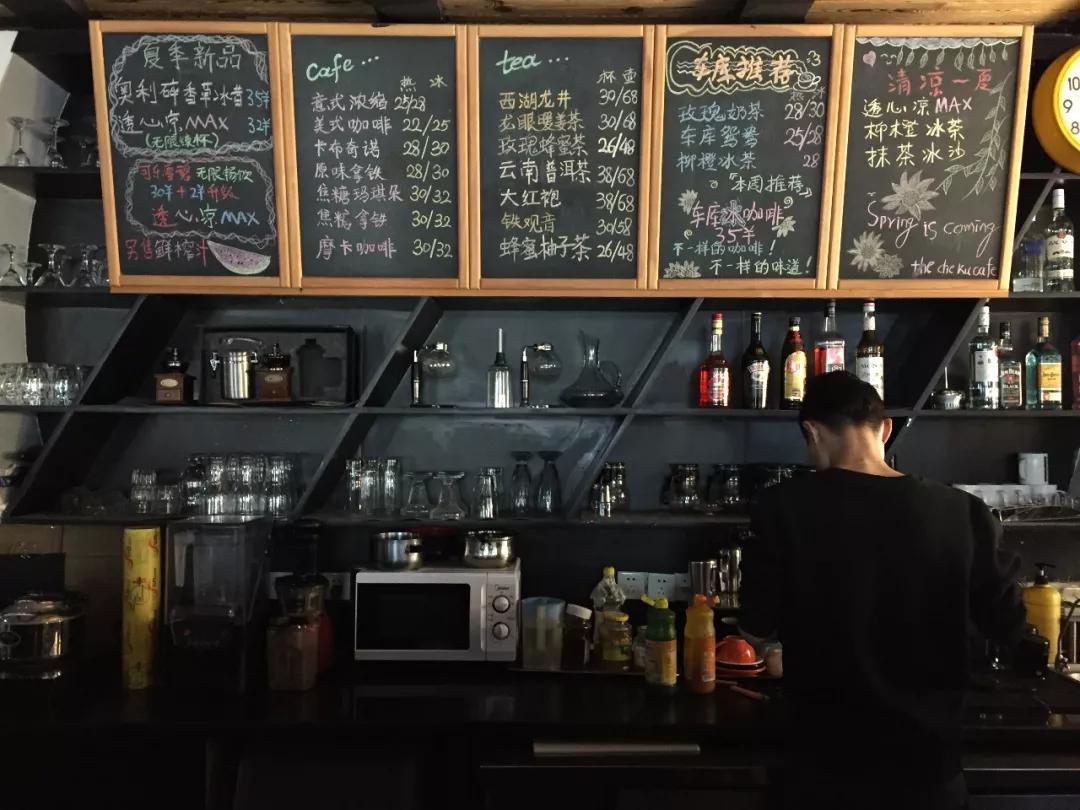
Zhao Dong, co-founder of Moji Weather, left due to internal disputes and became CTO at Garage Cafe, where he met early Chinese Bitcoin pioneers like Wu Gang. They gathered in a community called “Peace Hotel.”
At Garage Cafe, you could occasionally spot an “English teacher” passionately preaching about Bitcoin—none other than the legendary Li Xiaolai. Many OGs in crypto bought Bitcoin at a few yuan each because of his evangelism. Truly deserving of the title “teacher.”
In 2013, Bao Er’ye, selling beef in Shanxi, hit a business plateau and visited Garage Cafe to learn better ways to sell beef—only to accidentally discover Bitcoin. Later, he built what was once the world’s largest mining farm in Inner Mongolia.
It’s no different in Western circles.
Arthur Hayes was laid off by Citibank in 2013, then shuttled between Hong Kong and Shenzhen doing arbitrage trading (“brick-moving”), earning his first fortune before founding BitMEX, once the largest crypto derivatives platform.
In 2017, Hayden Adams, still a mechanical engineer, was laid off by Siemens. With no programming background, he taught himself Solidity, inspired by Vitalik Buterin’s blog, went on to create Uniswap, and kickstarted the DeFi Summer with AMM.
Once asked about the secret to investing in multiple crypto unicorns, one investor bluntly replied: “Nobody else wanted to back them—so I had to.”
Bitcoin gradually entered the mainstream thanks precisely to the arrogance of elites and the relentless efforts of the overlooked. “Can’t see it,” “Look down on it,” “Don’t understand it,” “Too late”—that’s the real truth.
Romain Rolland has a clichéd but timeless quote: “There is only one heroism in the world: to see life as it is and yet love it.”
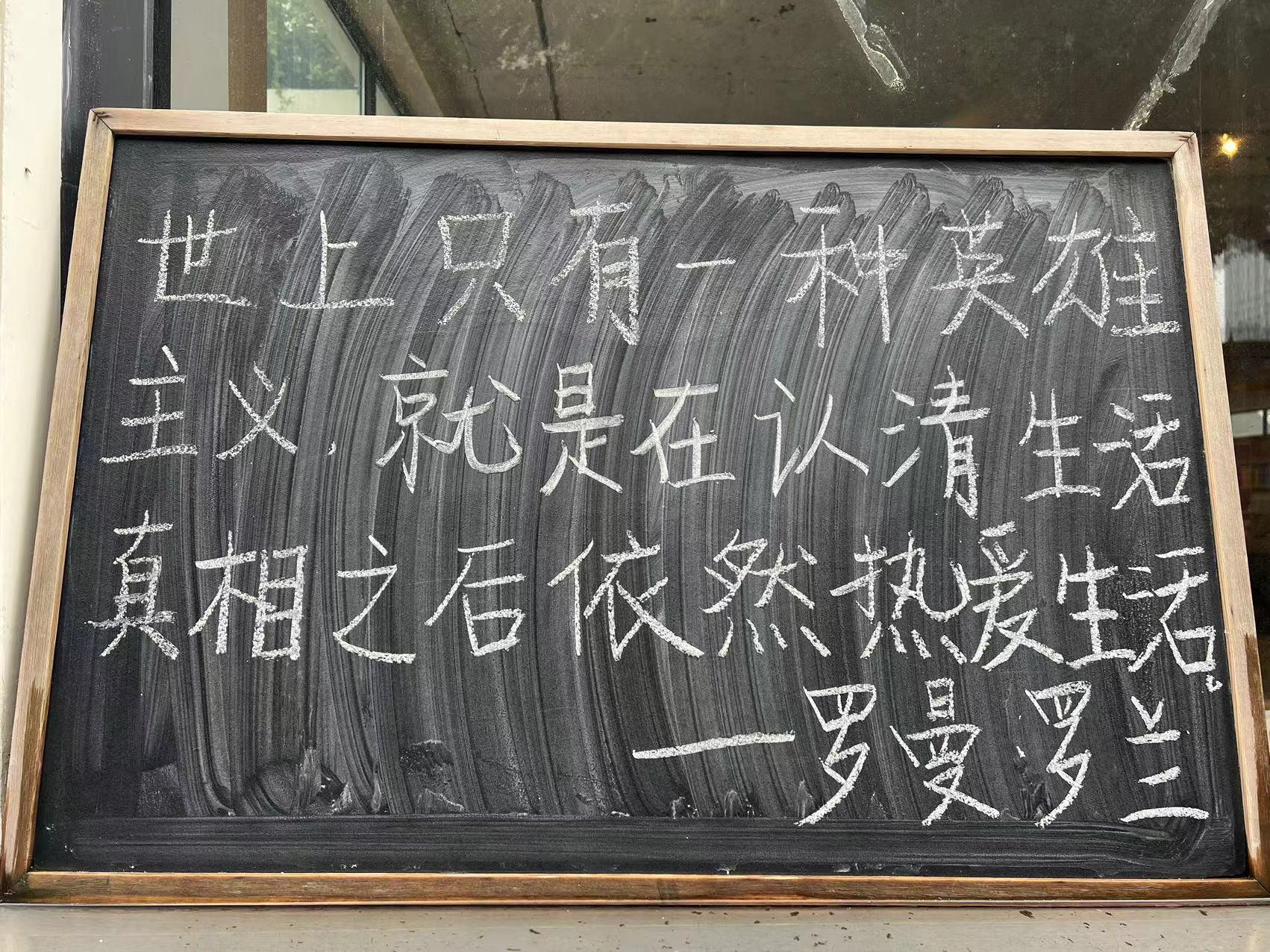
Recognizing the world’s makeshift-crew reality shouldn’t lead to self-comfort, resignation, or apathy. Instead, it should spark clarity and renewed drive: “Since we’re all makeshift crews, nobody is inherently superior—everyone has a chance.”
The world is one giant makeshift crew—and we can all dance on its stage.
Join TechFlow official community to stay tuned
Telegram:https://t.me/TechFlowDaily
X (Twitter):https://x.com/TechFlowPost
X (Twitter) EN:https://x.com/BlockFlow_News
 深潮TechFlow