








Sapphire: The Twisted Idealist and the Naked NFT Market
TechFlow Selected TechFlow Selected
Sapphire: The Twisted Idealist and the Naked NFT Market
This is not just his personal story, but also a microcosm of the NFT market.
 Navigating Web3 tides with focused insights
Written by: @Story_Liu00, BuidlerDAO Builder
After failing in his NFT startup, Sapphire managed to emerge from the darkness—not only because he felt too much responsibility and found it too “troublesome” to remain stuck, which would “affect” those who cared about him, but also because he had a deep desire to “prove” himself. His rejection of the prevailing values within the crypto community gave him the resolve to start over.
"I will definitely launch another startup in this space and try once again to achieve success," said Sapphire.
The Decision
"Sigh... Maybe we should just go ahead and launch it."
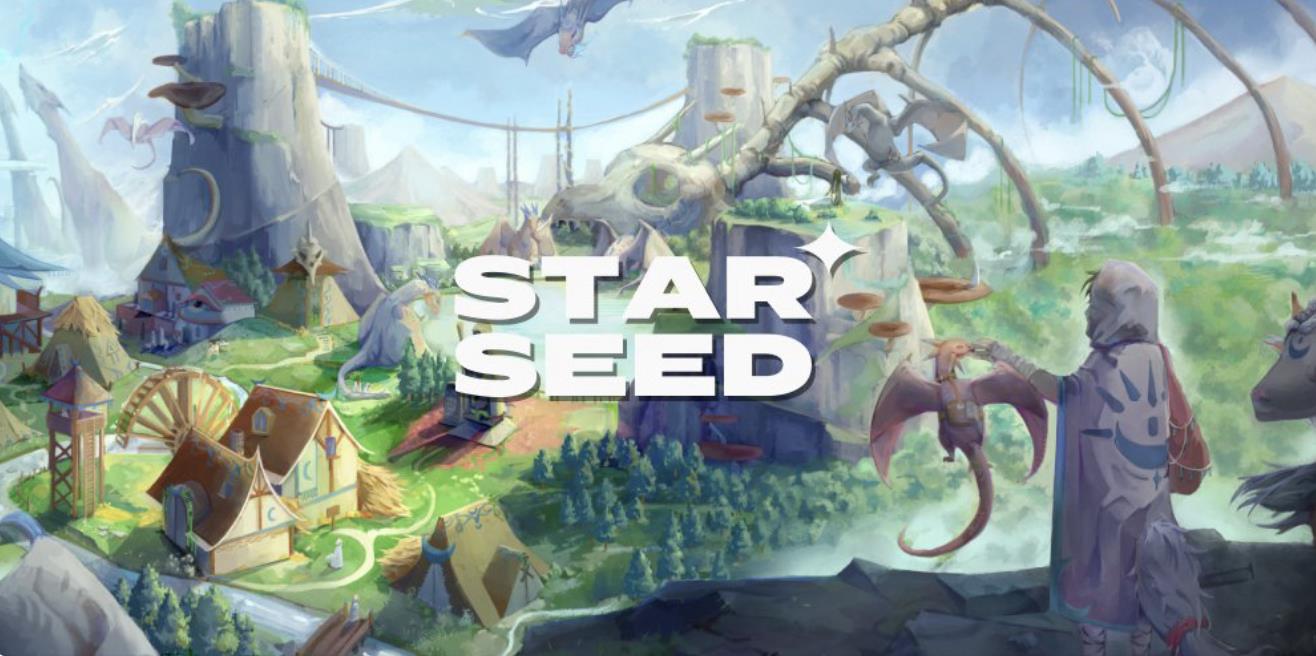
Staring out the window, Sapphire—the founder of two NFT projects, STARSEED and Lullaby—fell into prolonged contemplation, finally letting out a long sigh. It had already been 11 months since STARSEED was first conceived. Unlike most NFT projects that rushed to market during peak hype, he chose not to launch at the height of popularity.
Positioned as a high-quality NFT project benchmarked against Azuki and Ether, STARSEED once had the potential to rank among top-tier collections. From day one, STARSEED secured promotional collaborations with elite alpha communities such as Pudgy Penguins, Doodles, Renga, and Underground. On its debut, the official account gained over 3,000 followers, attracted tens of thousands of views, and hundreds of users competed in the comments for WL (whitelist) spots. Every one to two weeks, STARSEED released an illustration or lore entry from its universe, consistently earning over 3,000 likes and retweets and more than 250 comments each time.
"I remember it clearly. We ran a PREMINT (whitelist distribution platform), and at least 30,000 addresses participated. Around 10,000 were bots. Think about it—over 10,000 bots trying to mint my NFT. What does that even mean?"
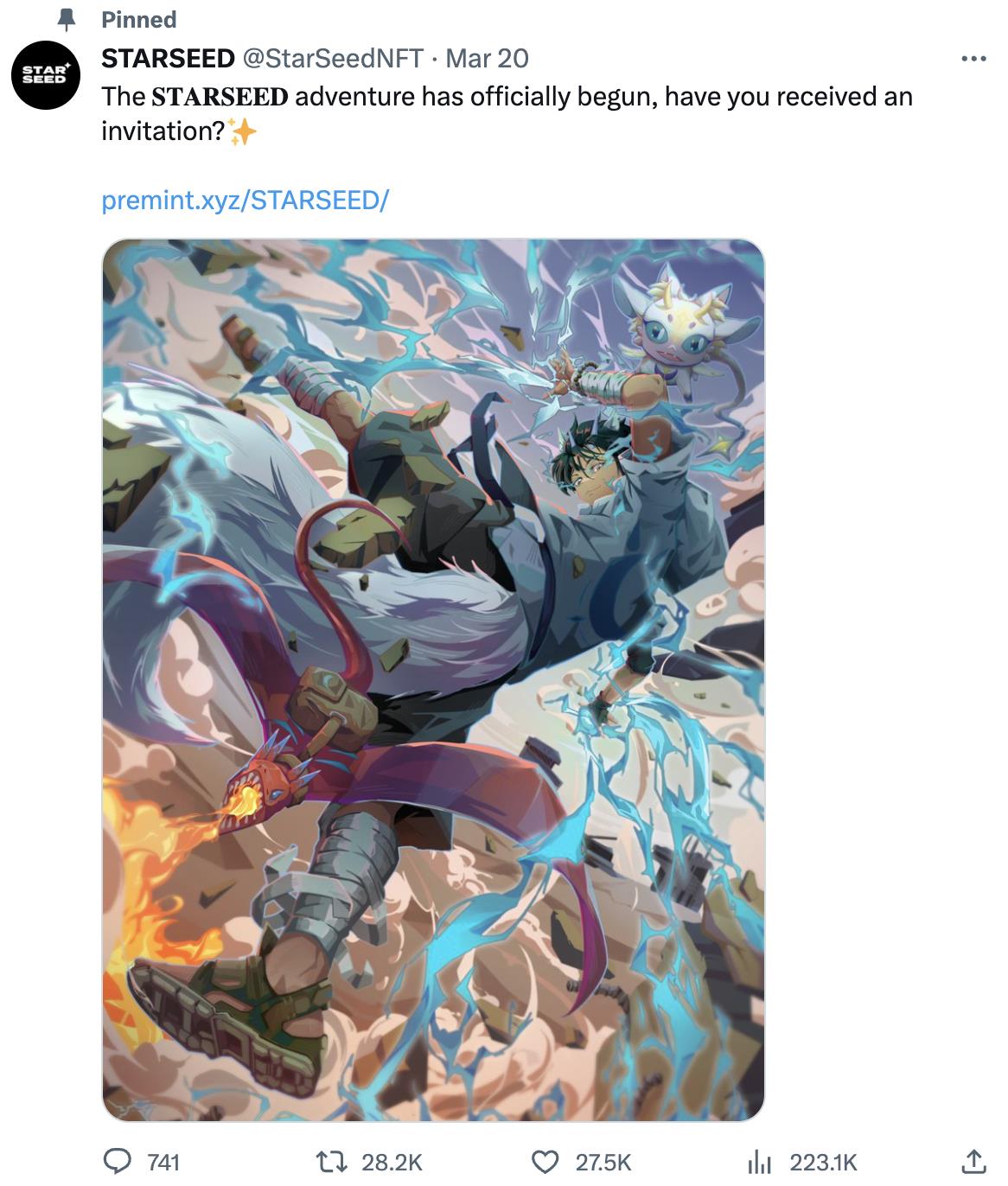
Though a small project team, STARSEED grew to fifteen members at its peak—handling business development, front-end engineering, smart contracts, two branding roles, four community managers, partnerships, strategy—and Sapphire still had to manage planning and operations on top of everything else.
"Users responded enthusiastically at first, flooding in with 'Dope! Dope!' comments praising the art. Whether they understood the project or not, knew us or not, everyone came seeking collaboration opportunities... Back then, I had OCD—I had to clear every single red notification dot on Twitter, scrolling until my fingers went numb every day."
Even half a year later, Sapphire remembers every detail vividly. At 2 a.m. on April 13, the STARSEED Discord channel opened and instantly flooded with users. They had to limit posting speed just to read what people were asking.
But good times didn’t last—NFT markets began deteriorating rapidly.
Mid-year, the crypto market plunged into a deep bear phase. As the least liquid asset class, NFTs suffered severe declines. Industry leader Yuga Labs struggled with slow product delivery; BAYC prices dropped back to levels seen two years prior, down 85% from all-time highs. Azuki’s second collection, Elementals, faced accusations of artistic repetition, while presale funds were fully withdrawn to exchanges, triggering a crisis of trust and halving in value on launch day. Other blue-chip projects like CloneX, Doodles, and DeGods also stagnated creatively, entering prolonged downtrends.
When industry leaders could no longer sustain wealth effects and new narratives remained absent, the entire market fell silent. Fewer new projects launched; existing ones cut costs drastically; even KOLs began migrating en masse to GameFi and SocialFi.
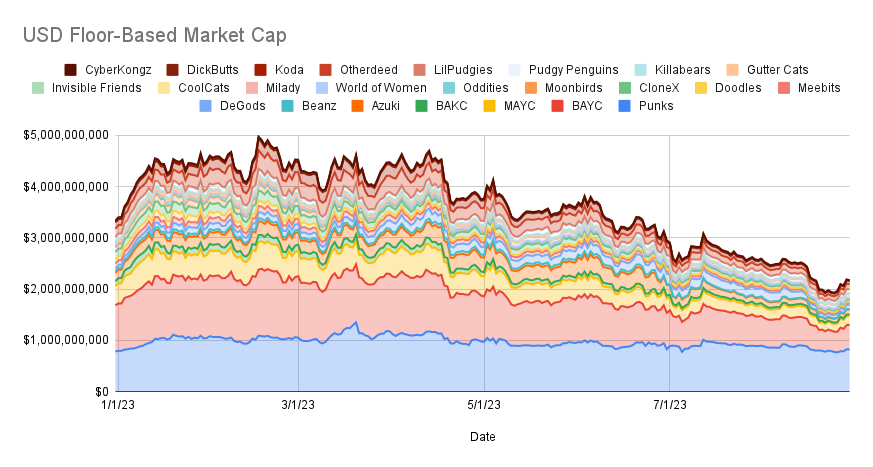
"Although the market bottomed in August, signs of decline started emerging as early as March. Participation was extremely high—everyone wanted one last chance to make money. Countless projects soft-rugged; even legitimate mints either flopped, failed to sell out, or had to slash supply and price. No trending project succeeded."
In April, STARSEED was at its peak—but around it, projects were collapsing one after another. Scams abounded, retail investors FOMO’d endlessly, feeding off each other in a frenzy. Sapphire described this period as "the final狂欢." Disney, 3D puppets, Debao... even without naming them directly, these notorious projects made NFT players clench their teeth in anger.
Sapphire became confused, feeling lost in this environment. He couldn’t tell how many community members genuinely loved the world he built around STARSEED versus how many were just trying to get WLs to dump immediately.
"Originally, STARSEED was meant to be a zodiac-themed project—about star charts and the twelve constellations—but none of us really understood astrology, and having twelve types placed too high a burden on artists, plus the story wasn’t grand enough. If we were going to do it, we wanted to do it right—aiming for Azuki-level quality, building a vast metaverse. Eventually, we redefined StarSeed as a cosmic energy and spirit capable of manifesting and transforming human souls."
Whenever he speaks of STARSEED’s lore, Sapphire’s eyes light up and he becomes animated. A former League of Legends streamer and esports commentator, he can recount the backstory and emotional arc of every champion. Having witnessed the deep connection between users and products in Web2, Sapphire envisioned using NFT technology and Web3 growth dynamics to build a powerful new brand.
Dream Shattered
Ideas remain ideas. A depressed NFT market and a turbulent entrepreneurial journey shattered Sapphire’s dream.
Back in February, when the NFT market was still hot, fierce competition made Sapphire insecure, pushing him to refine product quality further. Even after completing a full set of NFT artwork, he traveled to Chengdu to consult with a senior artist from an art academy. One lead artist, four illustrators, three races, twenty 1/1 pieces, pet designs—the whole effort consumed everything Sapphire had. Unbeknownst to him, this decision would become the straw that broke the camel’s back.

His pursuit of artistic perfection extended development to late May.
But before the artwork was complete, the NFT market had already died. Starting in early May, inquiries about collaborations and questions about the lore vanished from Discord. All that remained were endless GMs (Good Morning messages). The market had thinned out—people grabbed whitelists and left.
"Nowadays, I get annoyed seeing GMs. Some are simple farming bots, but most people use it to check if they got WL—the fastest way to verify eligibility."
The community weakened—and so did the team.
It had been six months since the project’s inception in September, and funding gaps inevitably emerged. Initial capital was personally covered by Sapphire and a co-founding artist. But now, Sapphire had exhausted all savings and borrowed over 100,000 yuan through patchwork loans—still not enough. Salaries became impossible to pay, replaced by repeated promises of future profit-sharing. Team members knew, however, that profitability was nowhere in sight.
With 7,000 Discord members and over 2,500 whitelists distributed, these were STARSEED’s potential users. Should he pull the plug and dump an incomplete product onto the market to recoup costs? Or walk away cleanly, accepting losses to protect the integrity of his vision?
Sapphire chose the latter. "My conscience wouldn’t allow it. Supporters would suffer—we’d have nothing to show the market." There was no heated argument within the team; everyone silently accepted defeat—some sought jobs elsewhere, others simply gave up. The group chat fell silent. By end of May, the project was officially paused.
But Sapphire wasn’t ready to give up. “What if?”
He restarted alone, launching a sub-brand—“Lullaby Multiverse Club.” Lullaby was originally a pet belonging to STARSEED natives.
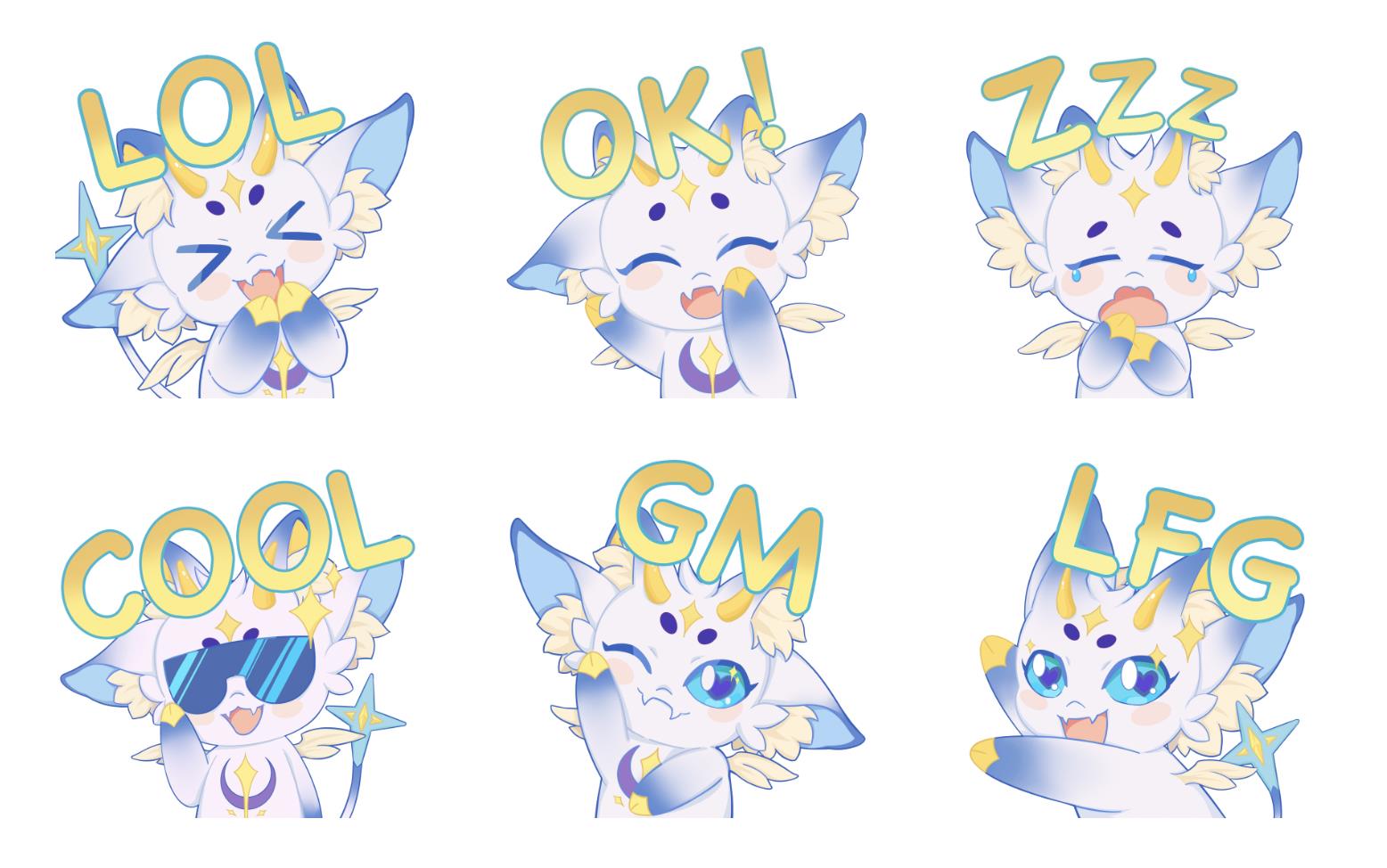
"After working on it nonstop for half a year, I couldn’t hold back anymore—it felt suffocating inside." Sapphire wondered whether he could generate some revenue from the new project. Each Lullaby WL was priced at 0.0069 ETH; selling just over 1,000 would cover costs. All proceeds would go back into the project—he wouldn’t take a penny. "I was very clear: the team gets 40%, enough to repay debts and subsidize salaries. The remaining 60% goes entirely into the project, including royalties into the project treasury and community fund."
Pricing was kept low. Sapphire hoped gradual operations could rebuild community momentum and wait for a market rebound before launch. Once royalties accumulated, he planned to revive the original STARSEED project.
Then, the NFT royalty war erupted.
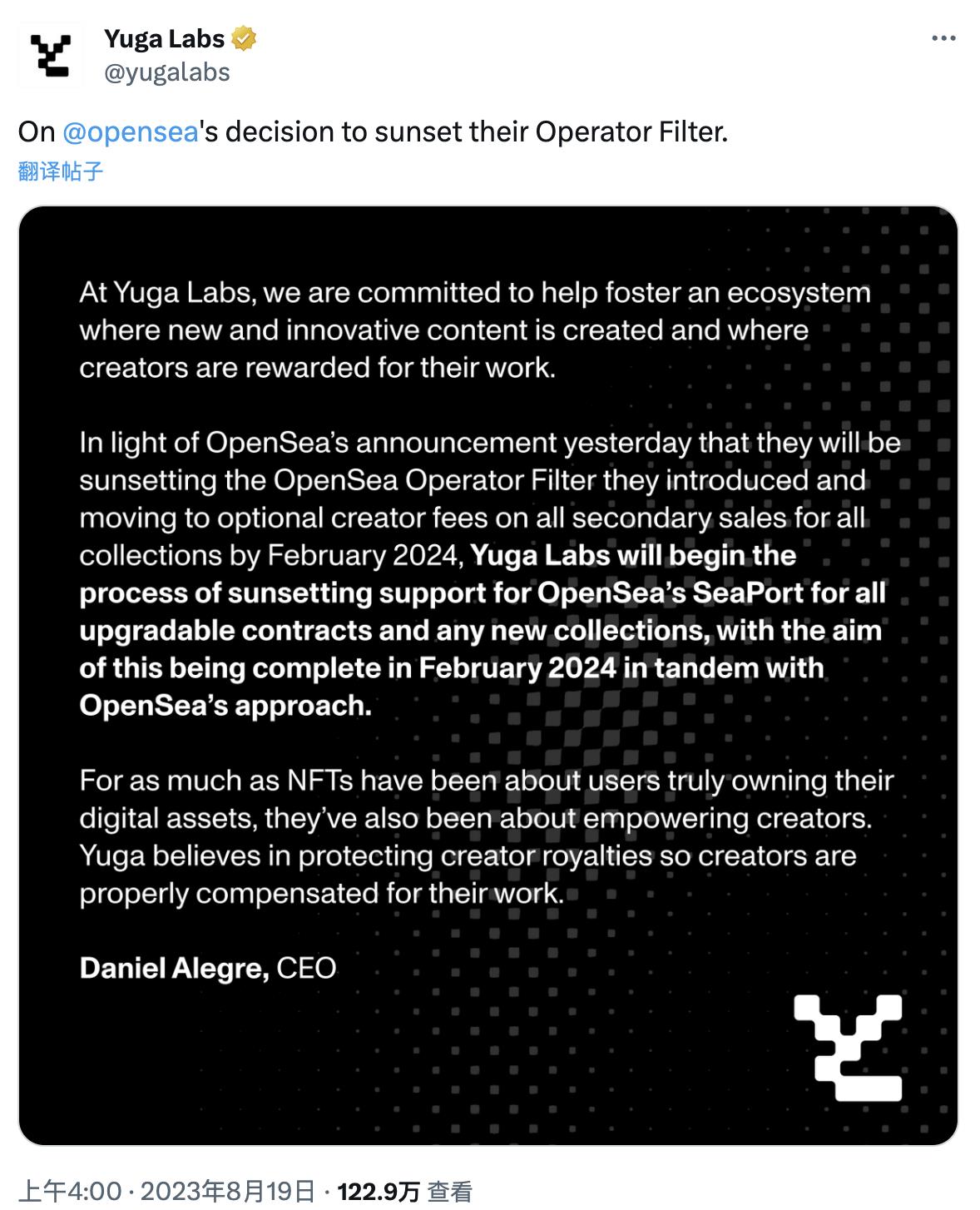
As innovation stalled and user growth plateaued, NFT marketplaces realized they couldn’t profit by supporting creators anymore. They turned inward, competing for slices of a shrinking pie. After Blur surged to become the largest exchange by adopting optional royalties and vampire attacks, OpenSea abandoned its six-month enforcement of mandatory royalties and joined the optional camp.
This sparked protests led by Yuga Labs, which announced cancellation of support for all contracts on OpenSea. Blue-chip projects like Pudgy Penguins began exploring independent secondary marketplaces.
A speck of dust in history becomes a mountain on an individual’s shoulders.
Established blue-chip projects could leverage existing capital and brand strength to explore new paths. But for early-stage founders, even minor market shifts carried immense weight.
"From announcement to OpenSea implementing optional royalties, there was only about six months. I calculated that even collecting full royalties for half a year, running basic events would burn through it all—no budget left to hire talent. Without royalties? That’s even scarier."
OpenSea pushed Sapphire to the brink.
"OpenSea, once standing with artists and creators, betrayed us. OpenSea is a traitor."
Sapphire spent a sleepless night and ultimately decided to launch early. Sleeping only 3–4 hours a day, he frantically coded a rough website and smart contract. This tumultuous journey ended in haste.
Darkest Hour
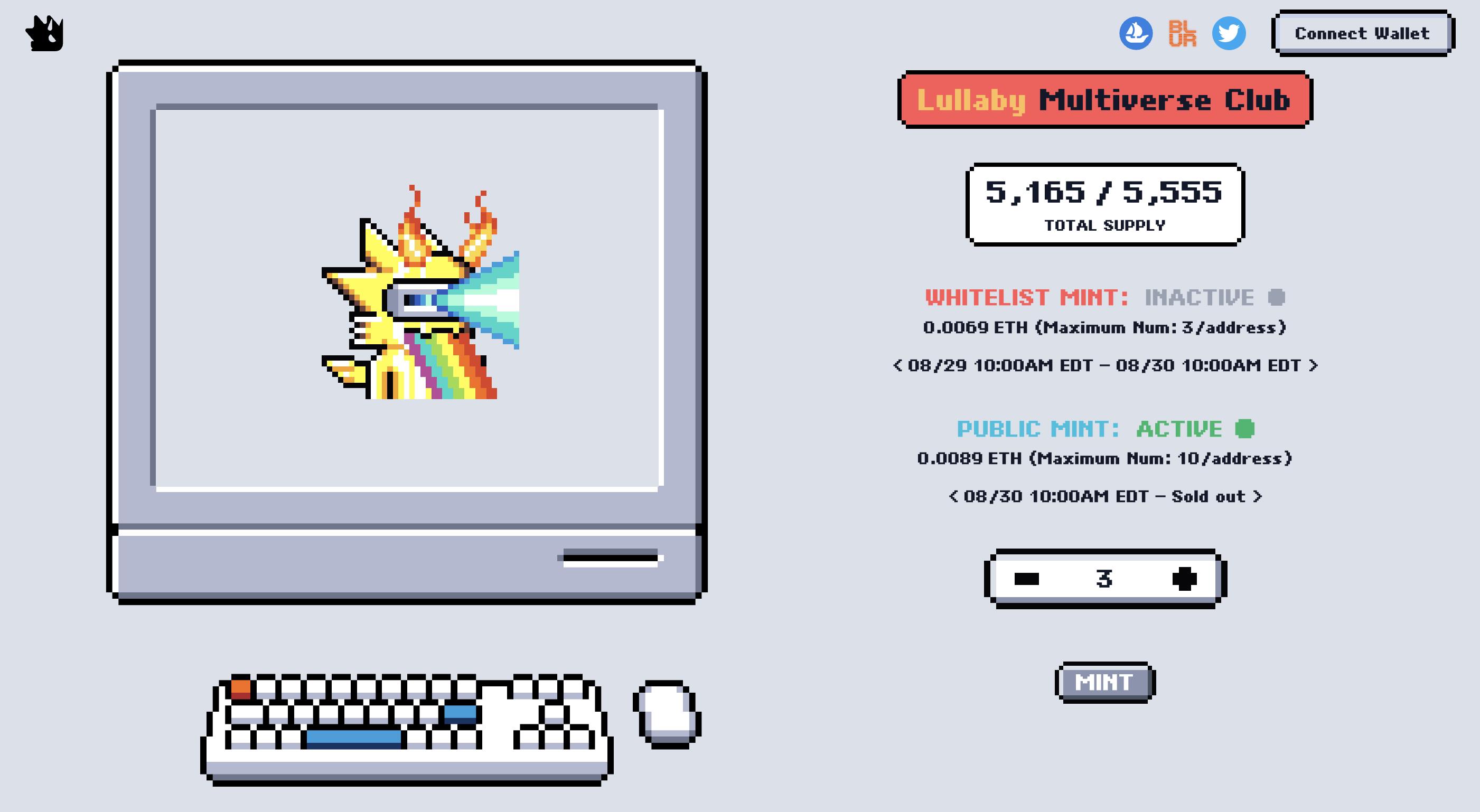
70, 74, 89… Mint count froze at 89. After two days of struggle, Lullaby sold only 89 units.
At 10 p.m. on August 29—the most important moment of Sapphire’s year—disaster struck. Grayscale Investments announced the launch of the first U.S.-based Bitcoin ETF. ETH surged 5% that day, breaking above 1,700. Ethereum gas fees spiked from 10 Gwei to 80 Gwei. A single Lullaby cost only $10, but minting gas fees were five times higher.
400, 300, 200… High gas fees deterred users. Sapphire monitored page traffic closely, watching helplessly as visitors trickled away. That night, mint count settled at barely a dozen.
"Once the hype fades, no one comes back." Though Sapphire is now indifferent, back then he refused to accept defeat. The next morning, the Lullaby official account announced an extension of WL minting time to 24 hours. Sapphire began shouting across previous partner alpha communities—Laser Cat, Underground, KOL groups—to no avail.
"Eventually, we issued over 3,000 WLs—technically oversubscribed. But no one bought except friends. Later, I privately messaged each friend apologizing, offering refunds. But they all said: No, it’s okay."
After minting halted permanently, Sapphire posted a long reflection on social media, blaming himself for misreading the market.
"$10 isn’t expensive. I only blame myself—for blind confidence, for assuming this market had users, consumers, supporters of NFTs. But that’s not true. If a project can’t make money, people won’t buy."
Before launch, market makers and VCs approached Sapphire, offering cooperation to guarantee full sale. But he declined each offer. "I know how to mint quickly. But I don’t want to become the kind of project I despise—tiny supply, market maker hoarding, faked metrics, pump FOMO, then dump to recover costs." He added wryly, "Of course, you could stabilize price via market making, then dump to Blur farmers grinding points."
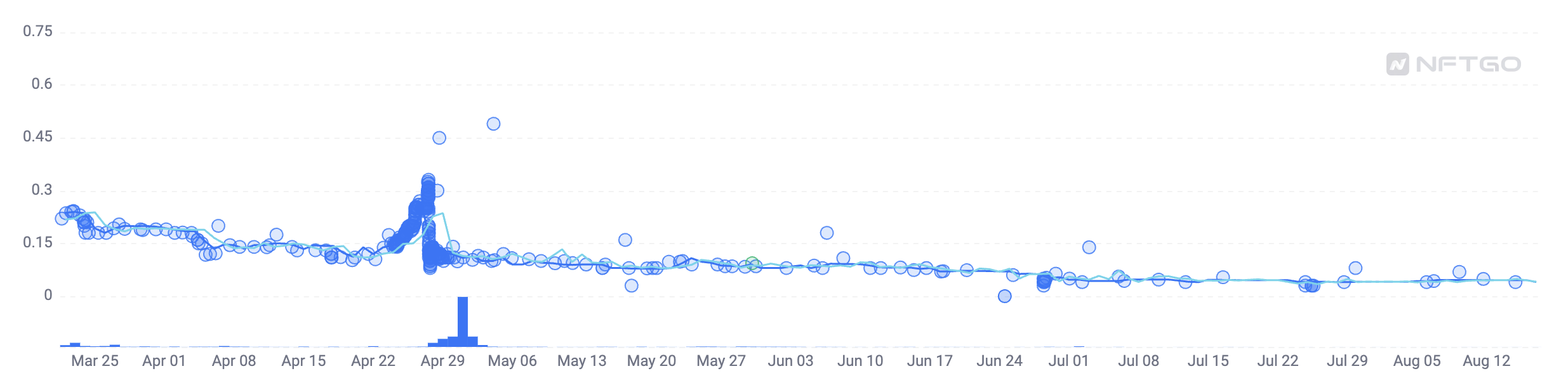
Even in the darkest hour, Sapphire still looked toward the light. He rejected all those offers. Because Lullaby’s original purpose was to serve NFT lovers. "There are too many scams in the market—every new project flops, causing losses. We wanted to build a scam-free project. If I control the project, can’t I avoid rugging and operate honestly? Such a naive thought."
Despite everything, Sapphire’s Twitter bio still reads:
Always looking forward to the future of NFT
The Light Returns
Light returned in September.
SocialFi projects like Tip Coin and Friend Tech exploded in popularity. Sapphire reviewed his debts and financial obligations, then considered leveraging these platforms to earn and repay.
"Making money isn’t shameful," Sapphire acknowledged the lack of real users and felt he hadn’t wronged anyone. "If nobody truly wants this little image and only cares about profit, why not join them and make money together?"
Reviewing his assets, aside from negligible funds, all he had left was a 50k-follower official account and a personal account with 10k followers. "Can the official account be used to farm rewards?" The moment the idea struck, Sapphire knew it was viable.
Thus, the first NFT project founder dedicated to farming rewards was born.
"The market is boring and awful. Stop complaining. Might restart next year. Just have fun." Facing waves of criticism under official posts, Sapphire remained calm. After a year of building, he had never felt more at peace—because he no longer owed anything to anyone. His sole goal now: make money.
By season’s end, Sapphire earned 19 million points across both accounts, selling for 0.8 ETH. Now, he focuses on growing his Friend Tech presence.
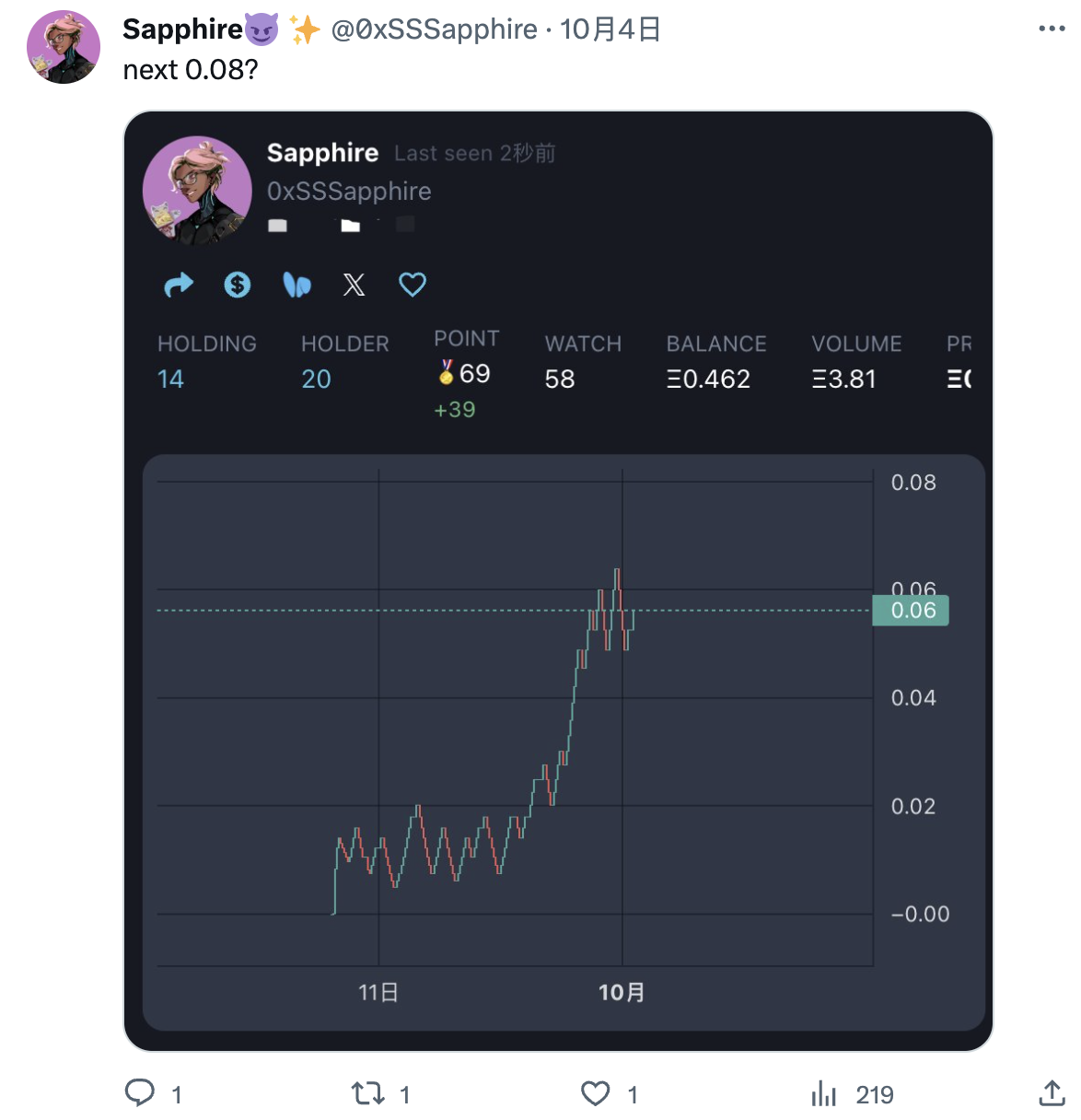
As a former project founder, Sapphire excels at creating utility for Key holders. He also plans to airdrop 10 Lullaby NFTs and whitelist spots for any potential STARSEED revival.
Previously, to run overseas NFT projects, he relied heavily on translation tools for English tweets. Now, he’s completely let go—dropping English content altogether, actively engaging under Chinese KOL posts, chasing (3,3).
Today, you rarely see him post about NFTs on Twitter. But occasionally in Friend Tech rooms, you can still sense his passion. He continues buying beloved NFT projects and regularly gifts favorites to Key holders to boost engagement.
"KPR’s collecting experience would be top-tier even in Web2. These Web3 folks don’t deserve it!" After profiting from Tip Coin, Sapphire bought a floor KPR as his current profile picture. "I deeply understand KPR’s founder—we’re alike, lured by the NFT bubble, falling down the rabbit hole. He values story, interaction, art. Beautiful images with great collectible experiences—that’s enough." When discussing favorite NFT art and projects, he lights up again. After sharing, he adds seriously: "But if you’re a speculator, no NFT is worth buying."
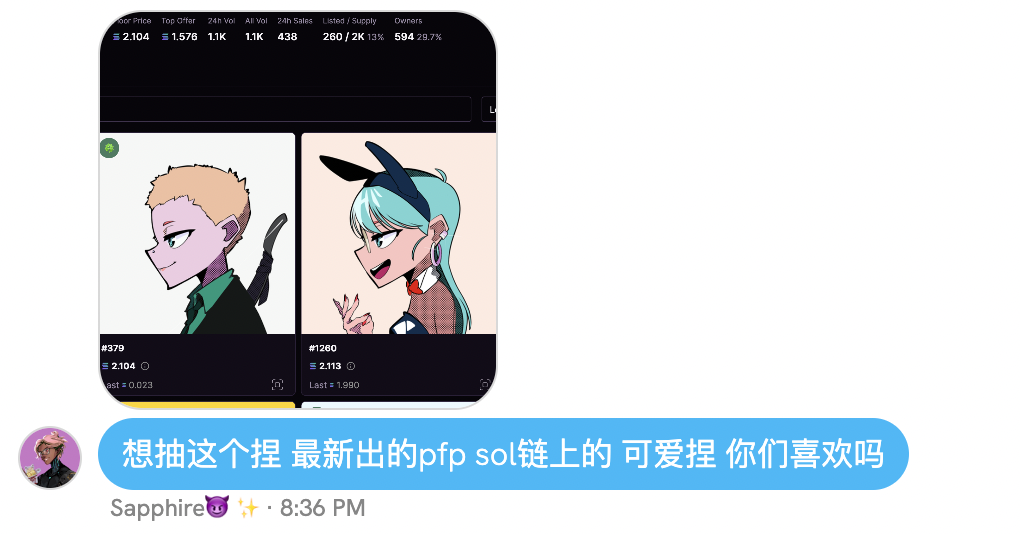
"Thinking of giving this one away—a newly released pfp on Solana. Cute, right? Do you like it?" This was Sapphire’s bedtime interaction with FT holders on October 7. In this private space, chatting about giveaway prizes, it feels like the past year hasn’t changed him inside.
Future
After the darkest hour, Sapphire became more liberated.
"Make money first, then talk about ideals." Asked about future NFT plans, Sapphire replied quickly. As an idealistic founder, he once lived painfully conflicted. Now, as a user, he lives purely, embracing these new experiences.
His routine stabilized, anxiety faded. No need to fight, no responsibility to carry, no constant choice between rules, Ponzi schemes, and integrity—what kind of money to earn.
This transformation wasn’t easy.
With no investment experience or finance background, he always sneered at crypto’s financial aspects. "I hate these Ponzi schemes, and I hate how people use game theory to justify them."
Before crypto, Sapphire worked in esports. Reaching an age where he wanted to settle in Shanghai, he realized he’d never paid social insurance or housing fund—prompting a career rethink. He took odd jobs across industries until meeting a GameFi founder, which introduced him to Web3.
He describes that period as “torture.” So much to manage—community, Twitter, Discord. Upon entering NFTs, he spent daily wages learning, trading, analyzing projects. When his meticulously crafted partnership proposal was coldly rejected by his boss, he decided to quit and start his own venture.
One day after getting into NFTs, a planner friend suggested launching a PFP project. They teamed up with another artist-founder, pulling all-nighters to craft concepts and lore, pouring imagination into STARSEED. Little thought was given to Ponzi mechanics—only a rough price range set based on self-belief.
"Pure art-based NFTs are nearly impossible to fundraise. VCs won’t even talk once they hear it’s an NFT. Games raise easier, but I know my limits. I shouldn’t raise funds under false pretenses—feels deceitful, too painful." In today’s capital landscape, brand-focused PFP projects struggle to secure funding. Despite years in esports—as streamer, commentator, director, even educator—Sapphire refuses to label himself a game professional just to raise money.
He believes this创业 journey helped him grow.
As the team’s backbone, he bore immense pressure, shielding his artist partner from external storms. Speaking of her, his tone softens. "At the start, I told her art could extend into crypto, receiving direct support and returns. People would support creativity. But after experiencing startup reality, I stopped discussing anything beyond art with her. She doesn’t care what users think, doesn’t want to know—they’re fools for buying such ugly pictures, she says. I reply: Yes, they’re fools. Not our problem."
After ten years navigating society, Sapphire used to go ALL IN on everything. Now, he’s more rounded, developing respect for the market.
"I believed giving my all guaranteed success. Same with startups—no backup plan. That’s just who I am. Arrogant." Sapphire mocks himself. One创业 wiped out his savings and left significant debt—an intense life test. When asked if he could succeed with today’s experience, he hesitates.
"Selling out is easy. But creating a project that emotionally connects users, builds valuable community, encourages long-term holding without emphasizing financials? I don’t think it’s possible. The NFT market wouldn’t accept such a project—there are no such holders. My first project touched 300 communities, the second over 100—never found that culture. Outside this circle, creators on Weibo, Xiaohongshu, Douyin enjoy content/knowledge monetization. Crypto has only one payment model: expected profits. How can you build anything?"
Yet on Ponzi-related matters, Sapphire won’t compromise. "Anything tied to Ponzi, I don’t understand, I won’t do. Can such projects survive without Ponzi mechanics? Seriously questionable."
Asked about future career plans, Sapphire has no fixed roadmap. But he won’t reject Web3—he loves novelty, rapid change, and human connection. "If delivering food earns money, I’ll deliver. If streaming pays, I’ll stream. If crypto makes money, I’ll play crypto. Earn enough to repay debt—then we’ll see."
Perhaps one day, once Sapphire earns enough and clears his debts, we might meet again the NFT-loving founder and his grand STARSEED Universe.
"What we’re proud of is that we never rushed to release an incomplete project during hardship," said Sapphire. "We endured loss, found inner peace—arrived like a breeze, departed like a breeze."
Epilogue
Late September, after drinking with a media friend, Sapphire reached out on WeChat saying he’d declined an interview request.
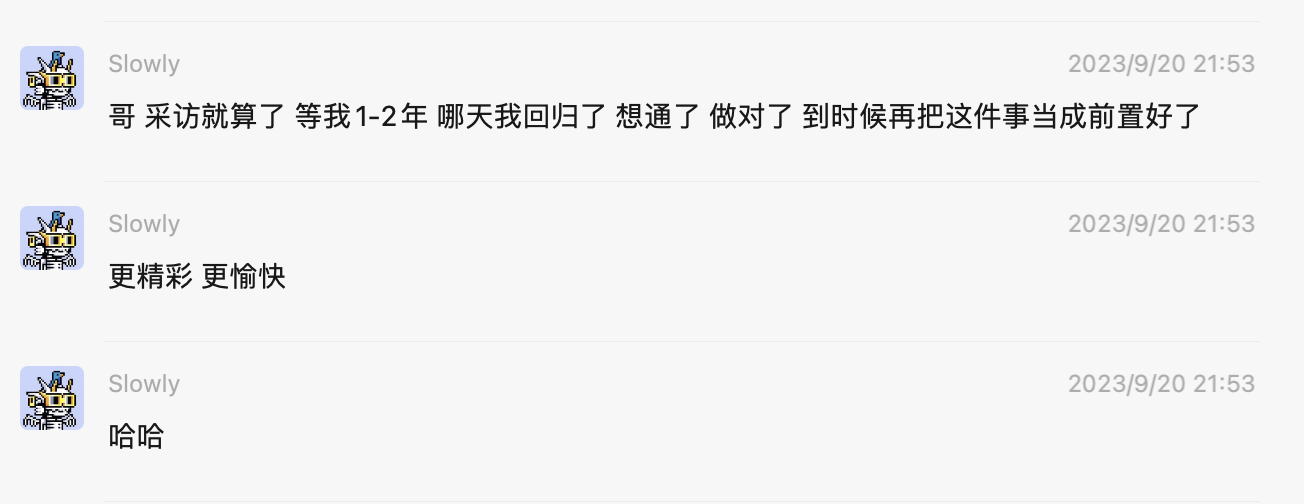
Because he believed his project would eventually succeed—and this story would become a joke told over tea.

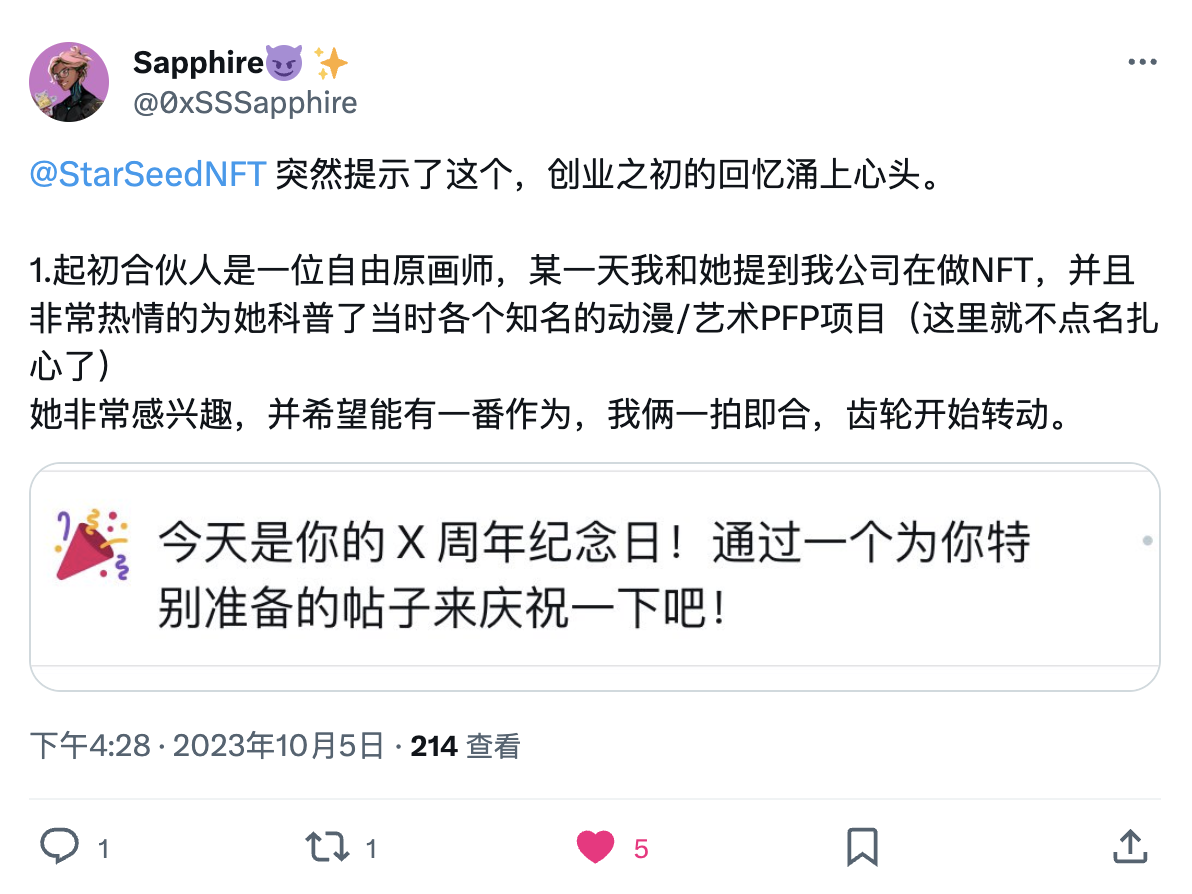
On the project’s one-year anniversary, Sapphire tweeted a retrospective of his entrepreneurial journey. When I asked if he’d now accept an interview, he agreed.
Later, he also accepted the media friend’s interview.
While this article may never serve as a PR piece for a future successful project, we sincerely wish every Web3 builder stays true to初心 and achieves results.
Join TechFlow official community to stay tuned
Telegram:https://t.me/TechFlowDaily
X (Twitter):https://x.com/TechFlowPost
X (Twitter) EN:https://x.com/BlockFlow_News
 @Story_Liu00






