From Dali to Chiang Mai: A Digital Nomad's HackerHouse Journey
TechFlow Selected TechFlow Selected
From Dali to Chiang Mai: A Digital Nomad's HackerHouse Journey
It is precisely in leisure and entertainment that something brighter than work itself can be found—the seeds of innovation are buried here.
 Navigating Web3 tides with focused insights
By Demian
Origins at HackerHouse
It was November 2022, near the end of the year. Cold drizzle fell continuously over Shanghai, as if trying to wash away certain suppressed yet stubborn memories (though they’ve now grown blurry).
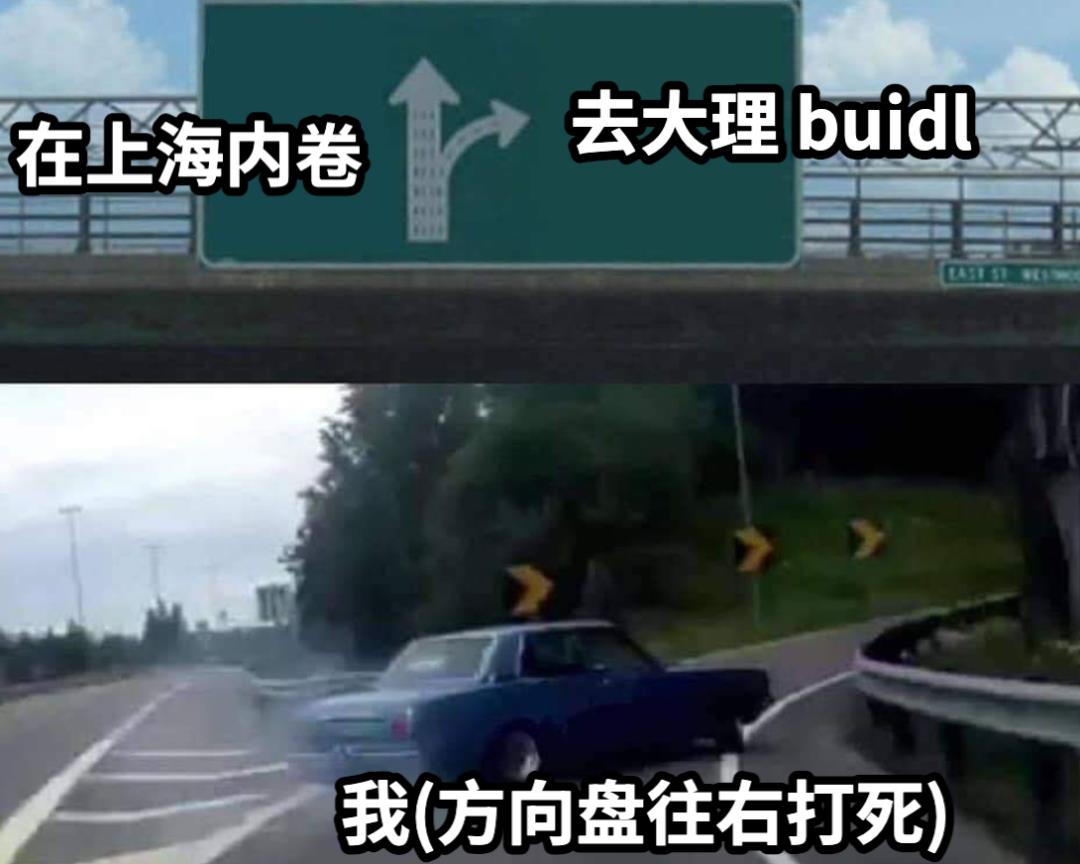
I had long planned to leave Shanghai. Coincidentally, my application to Antalpha HackerHouse was accepted—offering 21 days of free accommodation in Dali, living and building alongside developers from all corners of China. At that time, the concept of "digital nomads" hadn’t yet gone mainstream. As someone paying 5,000 RMB monthly rent in Shanghai, I suddenly saw a new path 🔛: Since I’m working remotely anyway, why not seize this chance to relocate to Yunnan, where the cost of living is lower and the climate far better?
For several days, I stayed indoors researching flights to Dali, browsing vastly different experiences on Xiaohongshu, and calling every pandemic control office along potential transit points: “Passing through xx won’t get me sent to isolation, right?” After extensive inquiries and weighing options, I finally settled on a layover-in-Kunming plan—a roll of the dice.
First Days in Dali
In the first few days after arriving, we all lived in a guesthouse rented by HackerHouse. Everyone felt uneasy, worried about being classified as close contacts and taken away. Fortunately, signs emerged that pandemic controls were gradually loosening, allowing us all to slowly relax.
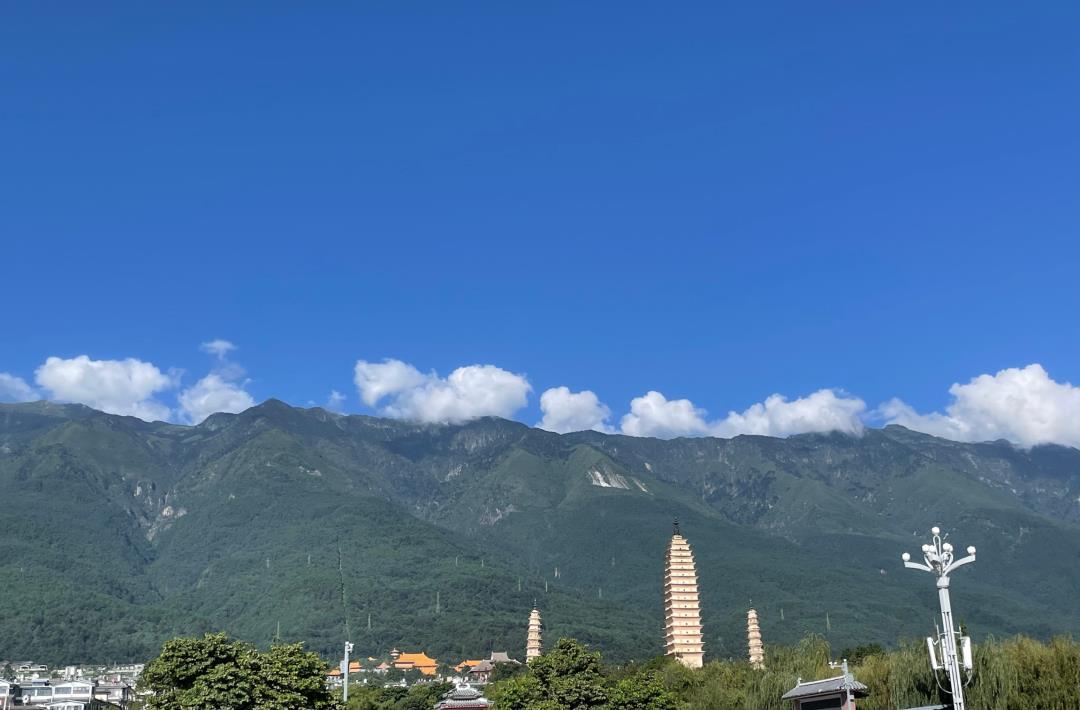
One day, standing on the rooftop, I gazed into the distance—the ochre-colored Three Pagodas of Chongsheng Temple came into view; turning around, I saw the vast, shimmering expanse of Erhai Lake. The early winter sun still warmed my skin. I breathed deeply, sensing the subtle aura and energy field embedded in this ancient Nanzhao land. Perhaps this unique atmosphere is precisely why HackerHouse has repeatedly chosen Dali as its home.
Back in the city, Kate (my beloved girlfriend) often told me she felt pressured stepping outside, short of breath, her thoughts like rubber balls bouncing wildly without spreading. Here in Dali, with no skyscrapers blocking the horizon, views stretched endlessly. My mind too expanded freely into infinite space and time...
Meeting Everyone
Two days after arrival, December 3rd, HackerHouse officially began!
As a Web3 newbie, I was nervous during our first meeting. But after chatting around on opening day, I found everyone surprisingly friendly and down-to-earth, radiating that special kind of charm unique to technologists—while casually revealing impressive backgrounds and deep coding skills:
Alan: Hi everyone, I used to work in the U.S. My native language isn't English—it's JavaScript.
Modern Tugou: Hey, I'm Modern Tugou—yeah, "Tugou," mainly because I've been doing Go backend and Web3 infrastructure for years.
Troy: Graduate of Peking University. Want to build a startup all the way to IPO (and later he actually did!). Specializes in tokenomics and simulating entire economies...
After introductions, during the idea brainstorming session, everyone enthusiastically discussed projects they wanted to build but hadn’t had time for. I realized discussing product ideas with others offers at least three key benefits:
-
Validating whether a product idea addresses real needs. With not only engineers but also interdisciplinary investors and product experts present, it’s highly effective against technical self-indulgence;
-
Assessing technical feasibility and current competitor development status through intense technical discussions;
-
Refining or sparking new product features through discussion—seeing more spots helps you envision the whole leopard!
Work... and Play
By now, dear readers, are you predicting these “hardcore” developers will start pulling all-nighters, tirelessly building projects? NoNoNo. This isn’t a soul-crushing 48-hour hackathon, but a co-living space built on balance between work (he) and wine (jiu), sailing (lu) and cruising (chuan). Anything that alienates developers or exploits their surplus value—we simply won’t do!
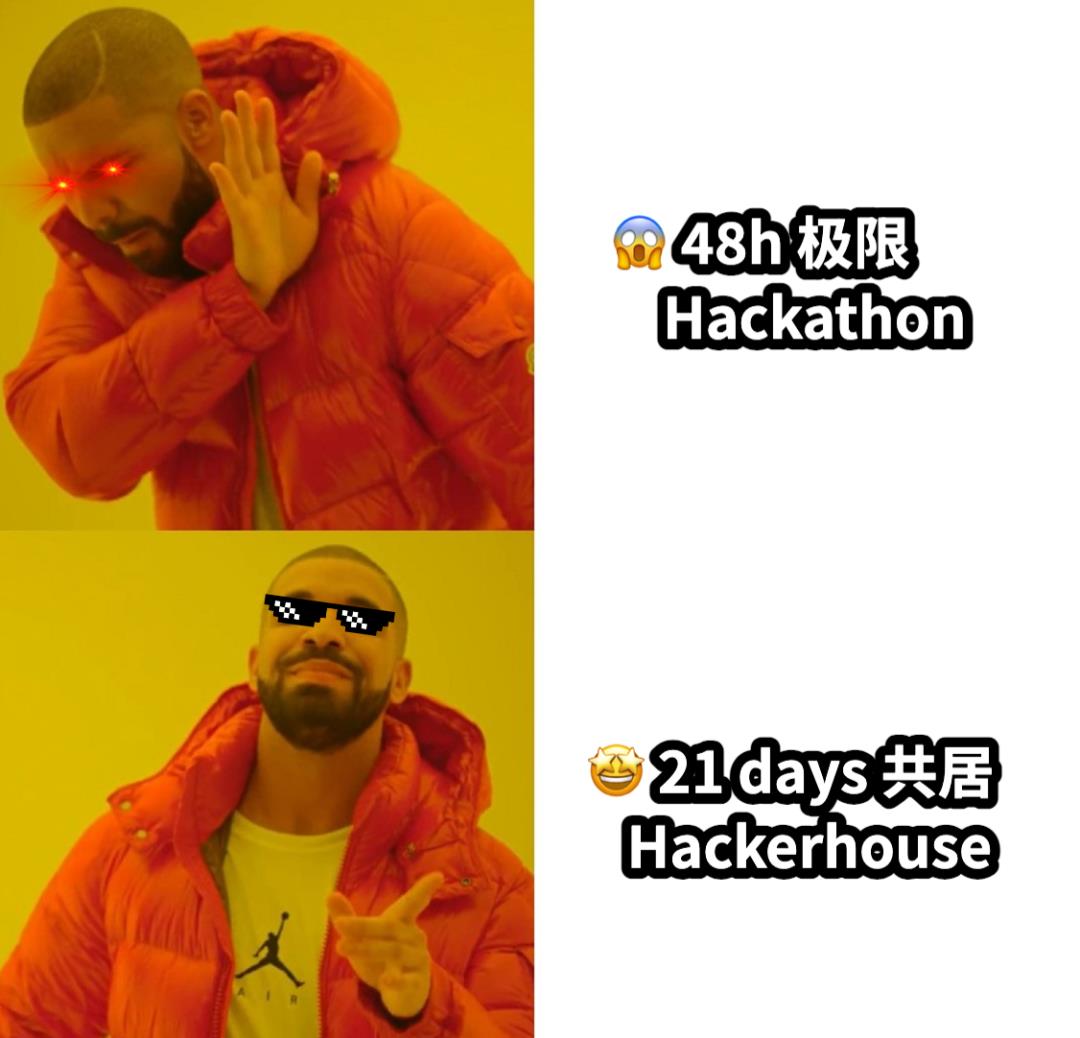
Why choose a 21-day co-living HackerHouse instead of a cheaper, more goal-oriented 48-hour hackathon? Here are some reflections that deeply resonated with me:
-
Innovation today rarely emerges within a single domain. Future breakthroughs will be interdisciplinary. Individual efforts are limited; true “emergence” happens only within a community. Through observing “others,” we discover new aspects of ourselves. Communities form through shared actions and collective effort in common spaces—i.e., consensus.
-
In a self-organized system, anyone who senses change can initiate action. This mirrors how nature has operated for millions of years. Innovation doesn’t originate centrally according to plans—it arises constantly at the edges of systems. Whenever an organism perceives environmental shifts, it responds appropriately. Mind and body united, rejecting burnout, avoiding exhaustion—this is our response to today’s hyper-competitive era.
Recall Han Bingjie’s words: “Under the ethos of achievement society, we’ve become wound-up performance machines: unable to stop setting goals, intolerant of idleness, incapable of allowing leisure or entertainment. Yet it is precisely in leisure and play that something brighter than work itself resides—the seeds of innovation lie buried here.”
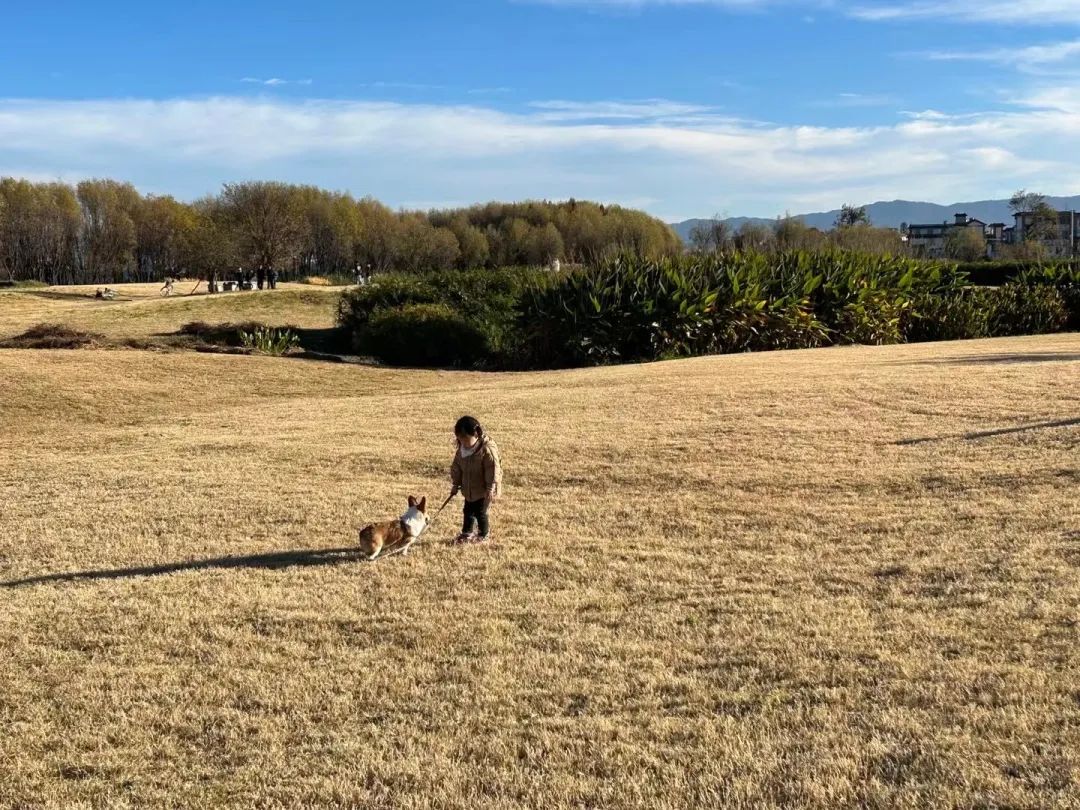
Every afternoon, Jay and Teacher Xiaobo would drive a group to Caicun Pier to play frisbee. In evenings, we often headed to Dali Old Town for drinks, conversation, and jazz. Even our first Demo Day took place by Erhai Lake! Facing the winter sun, sitting together on golden grass, we shared updates on our project progress…
Looking back now on graduation day, many projects remain unforgettable:
-
The decentralized GitHub later received multiple Hackathon Grants;
-
Tokenhub served multiple clients, and its successor MoveFlow secured seed funding;
-
Muran and Taize’s db3Network was shortlisted for numerous awards and is now one of the most recognized storage projects in the space;
-
Jay’s DAO investment tool continues to evolve through iterations;
-
The NFT Pass, acting as an NFT gatekeeper for DAOSpace, stands as strong evidence of breaking the Web2/Web3 barrier, applying Web3 tech to real-world use cases…
PS: After full reopening in December, nearly everyone got infected. The hardships endured aren’t worth detailing here. To those who kept building while sick—I say: Respect!
To Chiang Mai!
During our stay in Dali, we were fortunate to host Guo Yu from Anbi Lab (Secbit.io), who gave several lectures on ZKPs. This sparked a collaborative ZKP self-study initiative—which has since grown into one of China’s largest ZKP communities, attracting over 300 participants. So ends the Dali chapter—but the story is far from over.
As HackerHouse’s influence expands, this model is no longer confined by domestic geography or culture, moving toward internationalization. The first international edition was a ZKP-themed event in Denver (ETHDenver), followed by the ZKP HackerHouse in Chiang Mai, Thailand:

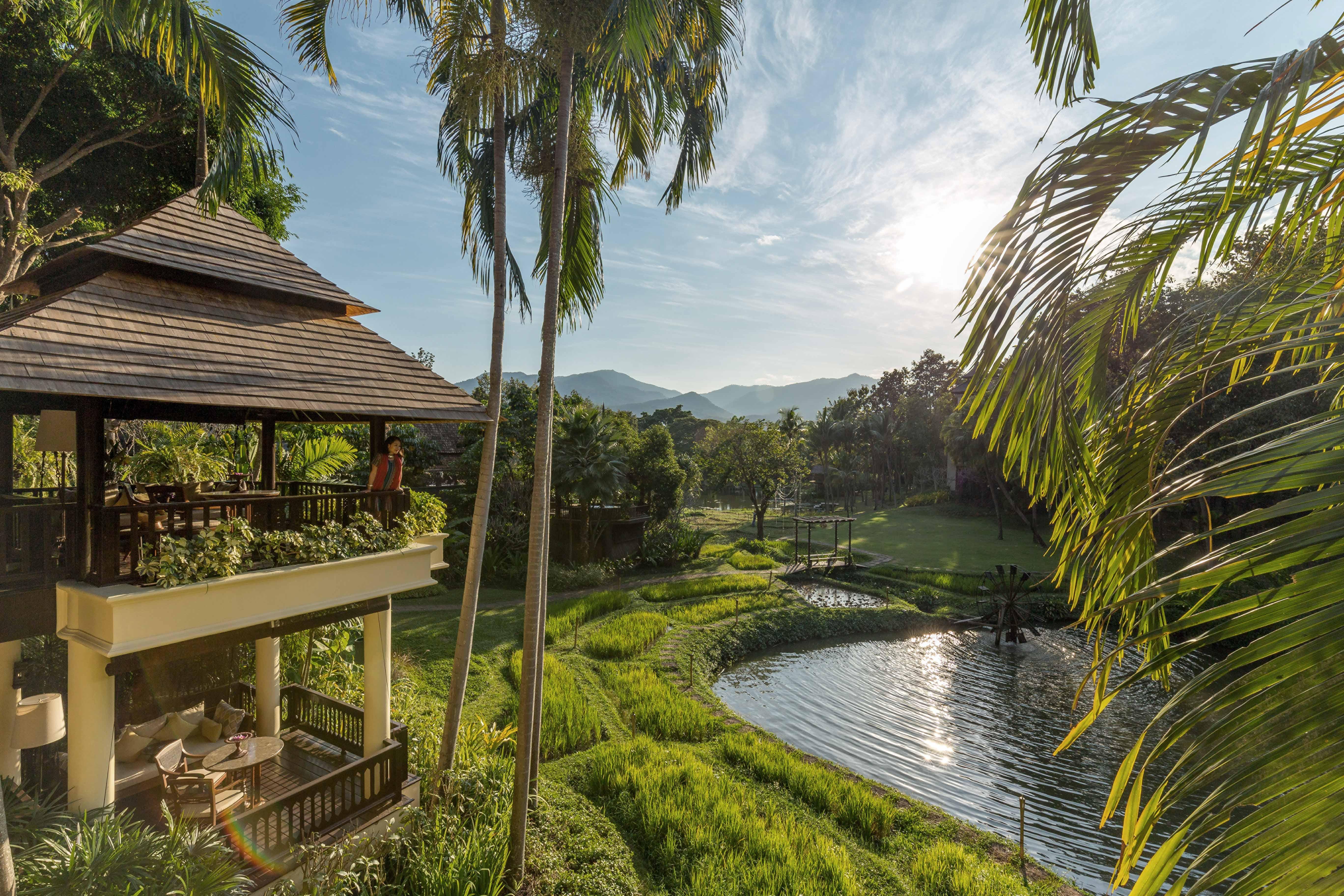
In Chiang Mai, over 40 hackers from China, Spain, India, Malaysia, Vietnam, Indonesia, Australia, the U.S., Brazil, South Korea, and other countries gathered at HackerHouse, learning and building together over three weeks.
Chiang Mai’s appeal needs no elaboration: global digital nomad capital, Northern Thai cuisine, Songkran Festival, crypto-friendly, affordable coffee, international communities, artistic nomads…
At Chiang Mai HackerHouse, what struck me most was the diverse perspectives and thinking styles brought by cross-border, cross-cultural exchanges. More profoundly, within such an international co-living group, I constantly sensed tensions arising from symbolic identity hierarchies—during full English presentations, facing dialogues with different skin tones and accents. I believe this is a challenge every “global nomad” (especially non-native English speakers) must confront. And when our multinational team works together on privacy solutions that could improve the world, isn’t that the best possible answer to this very issue?
Tang Han: Go out, experience the world’s viewpoints, witness its broken order—become a nomadic philosopher.
Dali Once Again
Time flies. It’s already late autumn September again. I’ve returned to Dali and am staying here temporarily. A new Public Goods-themed HackerHouse has already begun! Over the past year, I’ve traveled and participated in various co-living consensus communities: Anji DNA, Wenchang / Riyue Bay in Hainan, Quanzhou, Chengdu, Seeshore… I’ve deeply experienced the importance of public life in co-living communities, and the effort required to avoid the tragedy of the commons.
For this Public Goods HackerHouse, my project focuses on Back to Public Life: transforming DAOSpace into an offline public goods incubator, where we collaboratively, efficiently, and harmoniously produce and co-create in shared physical spaces. Let's create Public Life, together!
Join TechFlow official community to stay tuned
Telegram:https://t.me/TechFlowDaily
X (Twitter):https://x.com/TechFlowPost
X (Twitter) EN:https://x.com/BlockFlow_News
 @Antalpha_Labs