








Diving deep into one of the most promising NFT use cases: redeemable physical rights
TechFlow Selected TechFlow Selected
Diving deep into one of the most promising NFT use cases: redeemable physical rights
Only convert into physical products when actually preparing to use, thereby protecting the final product.
 Navigating Web3 tides with focused insights
Written by: CARLY REILLY
Translated by: TechFlow
In today's NFT industry, there are only three types of people left:
-
Millionaires with a gambling addiction, burning through their wealth on Rollbit, meme coins, and the latest NFTs;
-
Failed entrepreneurs hoping to reclaim past glories through blockchain;
-
True believers in NFTs.
Yet, in truth, we all share one common desire: to know when this bear market will end—and how.
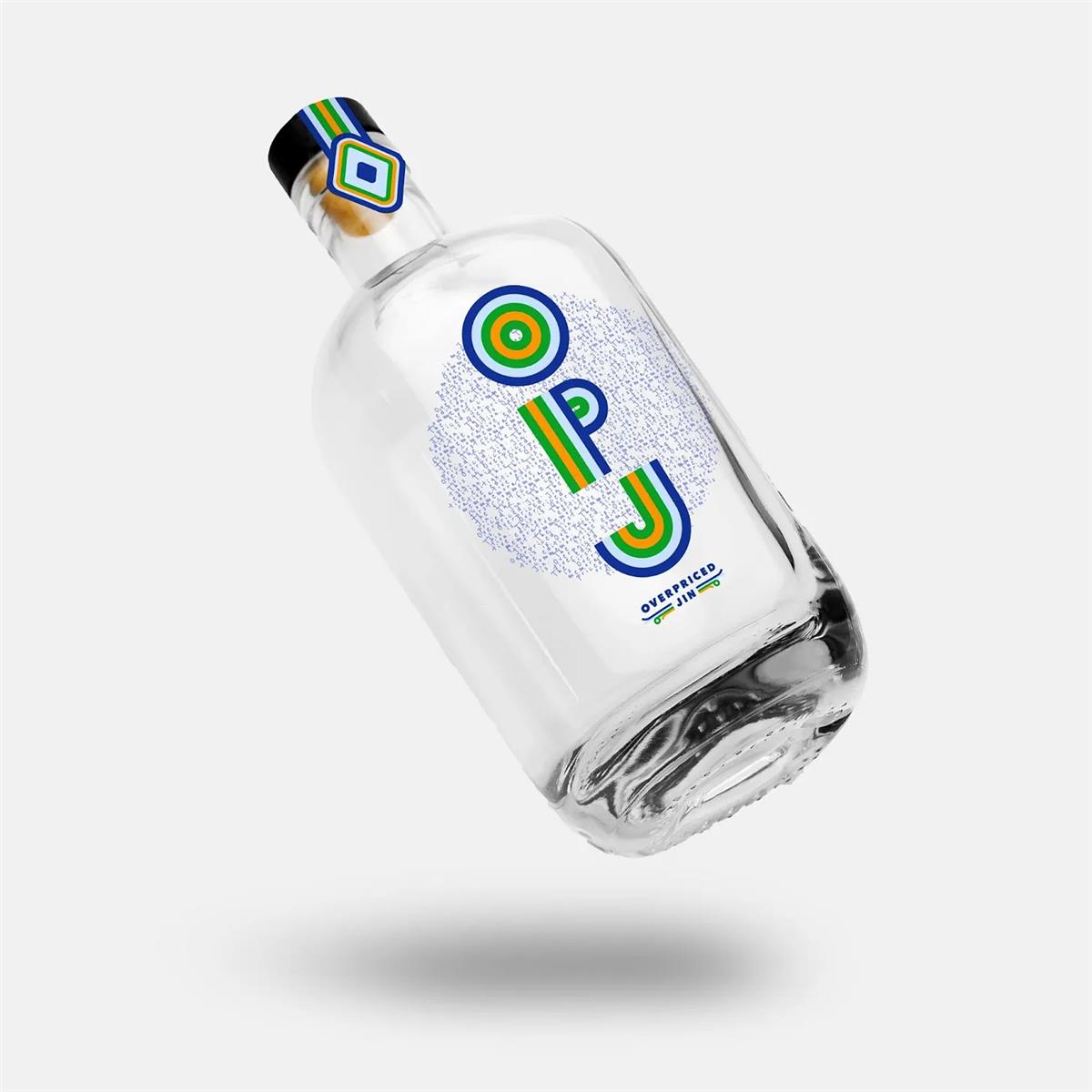
Last year, when Overpriced JPEGs launched OPJ NFTs—redeemable for physical bottles of wine—I placed my bet on redeemable NFTs because I believe the market for digital twins of physical goods is vast and promising, and that these could become one of many Trojan horses bringing the broader public into Web3.
Now, I still believe that.
That’s why I’m curious—and excited—about OpenSea’s recent moves into the redeemables market.
If any company has strong incentives to figure out what’s next for the NFT market and lead the charge, it’s OpenSea.
From their recent Puma x Gutter Cat Gang x LaMelo Ball sneaker drop—which required entirely new e-commerce-like backend and frontend infrastructure—OpenSea is showing serious interest and confidence in redeemable use cases.

Moreover, digital-to-physical redemption (phygital) is just one part of the equation. The category of “redeemables” encompasses far more than many realize and has already made a significant impact across the NFT space—from PFPs to art to gaming. Imagine:
-
Using your existing Bored Ape Kennel Club NFT to redeem (i.e., claim) a real dog;
-
Redeeming a Parallel Alpha Access Pass for early access to a game’s alpha version.
The redeemables category—arguably fully launched last year when a dev team released an EIP introducing the necessary extensions to turn NFTs into redeemable ones—can involve physical goods or not, require burning or not. It’s truly one of the most flexible tools available to creators.
Given all this, it’s time we started paying closer attention to redeemables. So here are five reasons why we love them—and why you should too.
1. Building Stronger Customer Relationships
In the past, there was heavy focus on the idea of NFTs as equity shares in a brand or business. But we now know this isn’t legally valid.
Redeemable NFTs don’t make such claims. Instead, they create a digital link between brand and individual, enabling brands to build more engaging and unique customer experiences via NFTs—going beyond the utility of the original product, whether it’s invitations to future events, first access to new products, or discount codes. Some redeemable NFTs can be exchanged for entirely new items, while others allow holders to keep the NFT after redemption.
But by issuing redeemable NFTs first, we gain the potential to truly understand our buyers’ specific interests and consumption habits—opening doors for future collaborations with other projects or artists favored by our holders. In this way, holder preferences become visible, while identities remain private.
Of course, as more Web2 brands issue NFT redeemables—or at least NFT receipts—that let us see broader consumer behavior patterns, this proposition becomes even more compelling.
2. Pre-Determining Demand
One of the strongest arguments for digital-to-physical redeemables is waste prevention.
For any project—especially luxury or novelty items—knowing demand in advance ensures no product goes to waste.
For a long time, people have focused on the negative environmental impact of NFTs, but few recognize their environmental benefits.
3. Secondary Trading + Longevity
NFTs, like blockchains, will outlive all of us.
Unlike your Coach bag or Rimowa suitcase, digital goods aren’t subject to real-world accidents (spills, damage, disposal).
For industries centered around collecting, trading, and value storage—like sneakers, baseball cards, art, and premium spirits—this makes a big difference in secondary markets.
Instead of shipping a $150,000, 175-year-old whiskey bottle from buyer to buyer, individuals can trade the NFT—only redeeming the physical item when ready to consume it. This protects the product, saves closet space, and extends its lifespan.
4. Bringing More Fun and Art Into Everyday Life
Much traditional art—the kind hung on walls—is seen as a "luxury for the rich."
NFTs broadly—and redeemable NFTs especially—offer a powerful opportunity to collaborate with artists, making art more accessible and widely displayed, integrating it into more of our behaviors and purchases.
Many artists use redeemables to add interactivity, engagement, and fun to their work.
5. The Holy Grail of Web3: Social Signaling
Social signaling is certainly one of the biggest arguments supporting NFTs, and it applies particularly well to redeemable NFTs since they’re already tied to luxury goods.
While social signaling via NFTs has been largely limited to PFPs on Twitter, we know their true potential remains untapped.
Join TechFlow official community to stay tuned
Telegram:https://t.me/TechFlowDaily
X (Twitter):https://x.com/TechFlowPost
X (Twitter) EN:https://x.com/BlockFlow_News
 Bankless






