









Will Web3 gaming be a false proposition?
TechFlow Selected TechFlow Selected
Will Web3 gaming be a false proposition?
Perhaps Web3 gaming should not be X-to-Earn, but Play-to-X.
 Navigating Web3 tides with focused insights
By: Rain Sleep
How did Web3 gamers become losers?
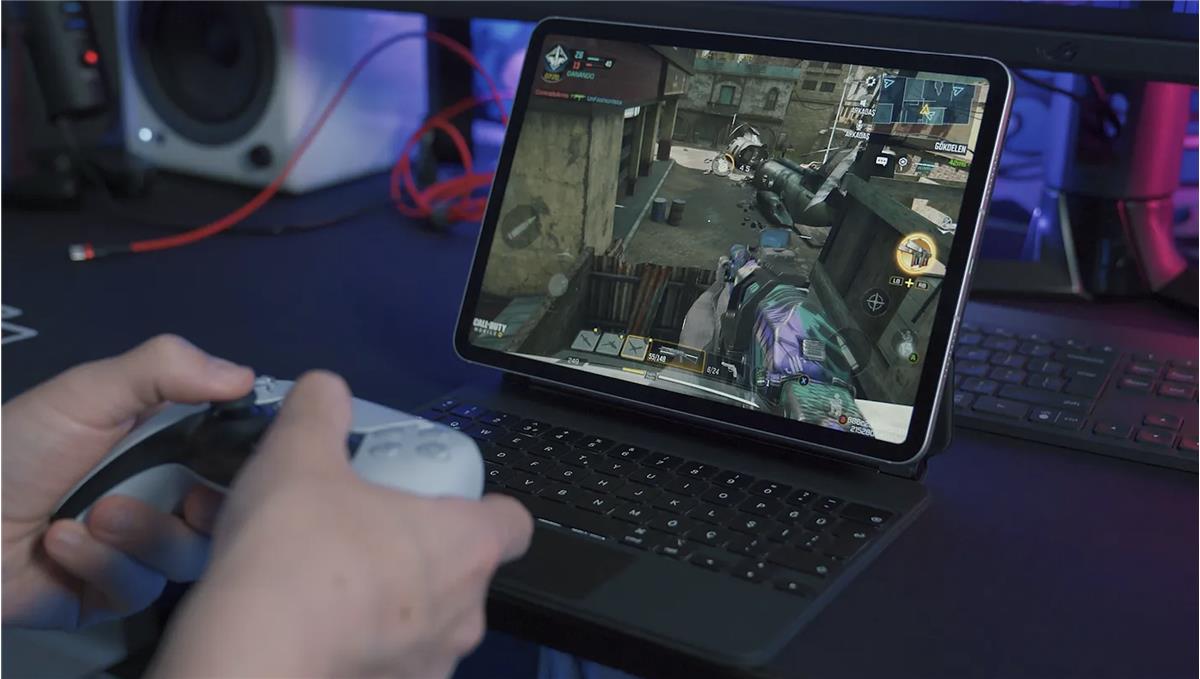
While discussing Web3 games with a friend, they argued that Web3 gaming is a false premise—whether it's asset tokenization, decentralization, or other market expectations. They believe the core of gaming lies in fun.
I partially agree and partially disagree with this view. Since I haven't clearly articulated my own perspective on Web3 gaming before, now seems like a good opportunity to do so.
Let’s start with the initial question: How do Web3 gamers become losers?
We can view most current crypto games and certain DeFi protocols as Ponzi schemes—using token incentives to attract liquidity. To prolong their lifespan, they may create utility or burn mechanisms for tokens, or lock tokens to delay release. However, these measures still fail to address the selling pressure caused by token unlocks, eventually leading to collapse.
In the end, early participants and the savvy make profits and exit, while genuine Web3 gamers who just wanted to play are left as the losers.
This leads us to another question: What has P2E brought to Web3 gaming?
P2E introduced economic rewards and massive attention to Web3 gaming. But it also over-financialized the space, creating a market mindset fixated on X-to-Earn models. Yet evidence shows X-to-Earn inevitably leads to Ponzi dynamics—even when incorporating elements like fitness or social interaction. At its core, X-to-Earn only enables users to extract value from an economic system. A healthy, vibrant economy should be reciprocal: users actively exchange goods and services, both providing and receiving value.
So—is Web3 gaming a false premise?
I don’t think so. In my vision, Web3 gaming shouldn’t be X-to-Earn, but rather Play-to-X.
Although P2E isn’t the answer, Web3 still holds potential to elevate gaming to new heights—as illustrated below. The gaming industry is already mature. What I don’t want is an over-financialized game economy, but rather the introduction of novel game mechanics through Web3 technology, delivering entirely new experiences to players. This might be the real future of Web3 gaming.
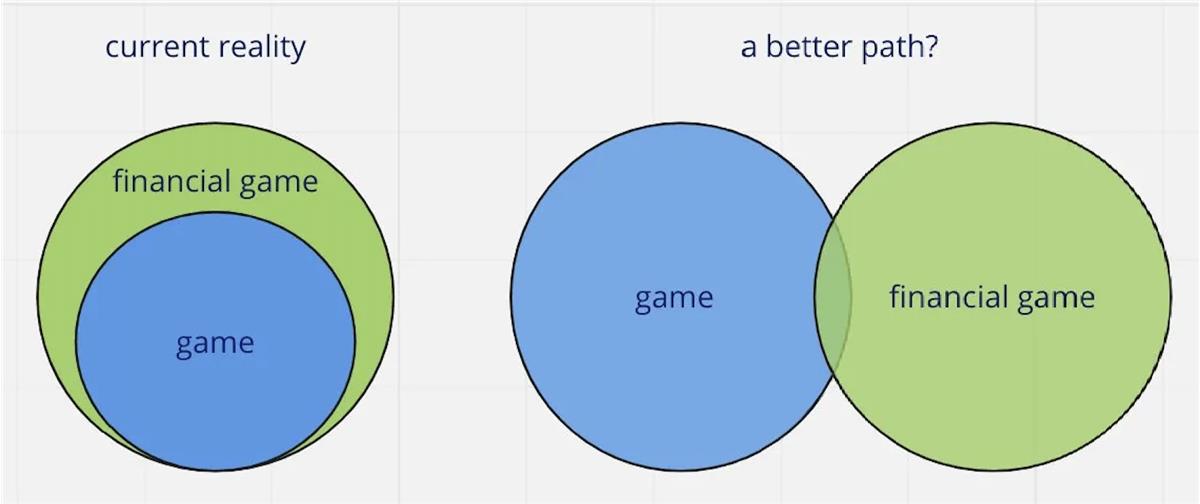
For example, Web3 technology could transform how game studios operate—enabling them to generate revenue during development without relying on Steam crowdfunding, thus funding future projects. Smarter, more transparent economic systems would make games fairer, eliminating concerns about centralized, opaque manipulation by publishers. Then there's asset ownership and achievement credentials. Ownership here is broader in scope: even if a game’s lifespan is limited, publishers could carry forward tokenized assets into other games—creating cross-game synergies, perhaps even building something akin to a Marvel Universe. This highlights another advantage of Web3 gaming: composability.
Beyond this, if developers wish to attract different types of players—such as collectors or speculators—they can selectively adopt Web3 technology to moderately financialize gameplay and economics.
These are all positive developments, aren’t they? My expectation for Web3 gaming has never been to overthrow the established gaming industry. Rather, it adds a new dimension—to serve diverse player needs. When more players realize their virtual assets deserve protection, more developers will recognize the importance of Web3 technology.
Finally, my friend cited many fun Web2 games to support his argument, emphasizing playability. But here’s how I see it: the annual output of Web2 games is high, yet truly enjoyable ones remain rare. That doesn’t mean Web3 games can’t be fun—it simply means great gameplay is inherently valuable. As more talent enters the space and skilled game studios begin developing in Web3, we will eventually see highly playable Web3 games emerge. What excites me most, however, is how they’ll use Web3 technology to elevate gaming to a higher dimension.
Join TechFlow official community to stay tuned
Telegram:https://t.me/TechFlowDaily
X (Twitter):https://x.com/TechFlowPost
X (Twitter) EN:https://x.com/BlockFlow_News
 雨中狂睡Sleeping in the Rain










