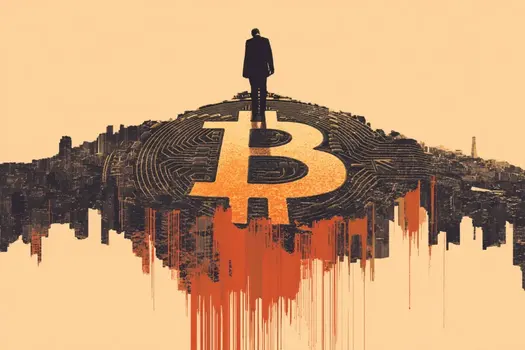
Bitcoin halving is approaching, and BRC20 is ushering in a new wave of BitcoinFi
TechFlow Selected TechFlow Selected
Bitcoin halving is approaching, and BRC20 is ushering in a new wave of BitcoinFi
As the "atypical bear market" continues to evolve, the evergreen narrative of "halving" in the crypto world is drawing closer.
 Navigating Web3 tides with focused insights
Author: Terry, Baigua Blockchain
Almost imperceptibly, as the "atypical bear market" continues to shift, the evergreen narrative of "halving" in the crypto world is drawing closer—with less than a year remaining until Bitcoin's next halving event, currently projected for April 28, 2024, when block rewards will drop from 6.25 BTC to 3.125 BTC.
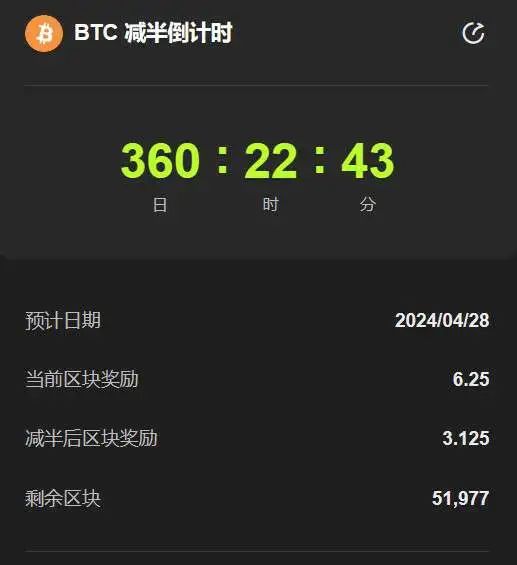
History rhymes, but doesn't always repeat. As we approach the end of another halving cycle, will 2023–2024 simply mirror 2019–2020?
The Bitcoin Halving Narrative
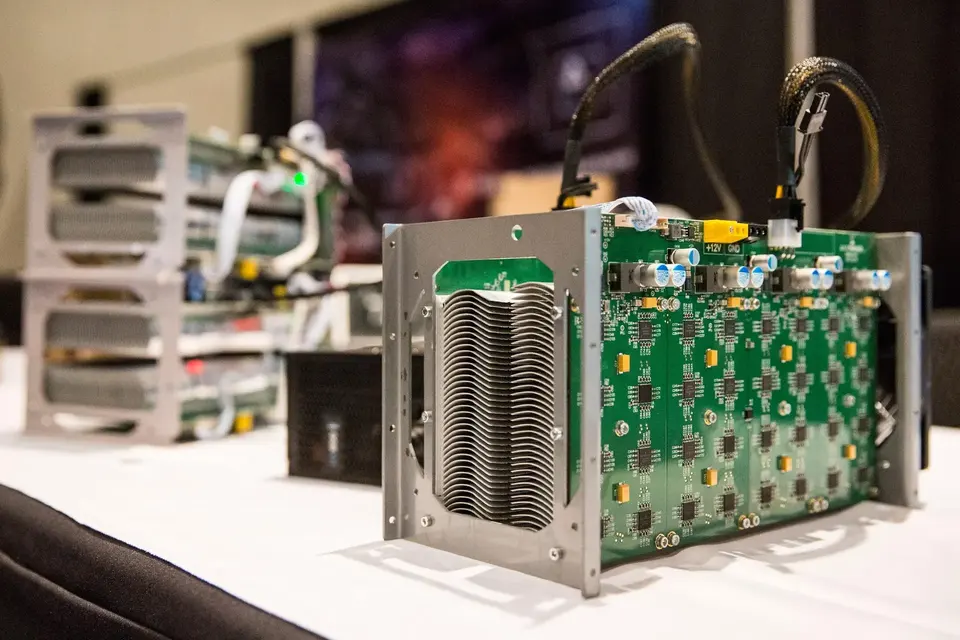
Let’s briefly review the fundamentals of Bitcoin halving: Bitcoin’s design makes miners critically important—they are the foundation ensuring the entire system functions. Currently, miner income comes primarily from two sources: block rewards and transaction fees.
The initial block reward was 50 BTC, halving every four years. Three halvings have already occurred, bringing the current reward down to 6.25 BTC. The next halving will occur in 2024, and this process will continue until around 2140, when no new block rewards will be issued.
Transaction fees, however, will persist. As halvings continue, block rewards will gradually diminish toward zero, eventually leaving transaction fees as the sole source of miner income.
Once block rewards approach zero, miner revenue models will fundamentally transform:
As block rewards decline toward zero, transaction fees will grow increasingly vital, ultimately becoming the only income stream. This is one reason miners advocate for larger blocks—larger blocks allow more transactions per unit of time, increasing fee revenue.
While higher fees could theoretically balance declining block rewards like a seesaw, excessively high fees hinder Bitcoin’s adoption and usability:
– Miners provide network security and require sufficient incentives;
– Users create value by using the network but cannot afford prohibitively high fees;
The economic feedback loop of Bitcoin constantly balances these tensions, achieving dynamic equilibrium through continuous stakeholder博弈 (strategic interaction).
Yet after three halvings, with block rewards now at 6.25 BTC and over 19 million BTC already mined, it's time to reassess many aspects from a fresh perspective.
New Perspectives on “BitcoinFi” Behind BRC20
From Ethereum’s "London Upgrade" in 2021, to "The Merge" in 2022, and this year’s completed "Shanghai Upgrade" and upcoming “Cancun Upgrade”, major advancements and boundless innovation in the Ethereum ecosystem have dominated media coverage.
In stark contrast, developments within the Bitcoin ecosystem rarely receive widespread attention. Many industry participants even believe Bitcoin development has stalled—a reflection of how Bitcoin’s technical progress has been largely overlooked by the market.
This began to change only recently, with innovations like Ordinals sparking a new wave of “BitcoinFi.”
In particular, BRC20—an NFT experiment built on Ordinals—is introducing entirely new dynamics into Bitcoin’s decade-long evolution as a “payment currency” (despite earlier debates over store-of-value vs. medium-of-exchange), even showing early signs of an ecosystem resembling Ethereum’s.
At the same time, intense debates continue over whether such “innovations” like BRC20 are beneficial or harmful. Some argue that adding programmability to Bitcoin is pointless, citing past failures like Colored Coins as evidence.
Since 2020, the community has largely accepted Bitcoin’s role as “digital gold,” forgetting its original vision as a “global currency” capable of payments—an attribute that once sparked fierce debate and even led to hard forks. Technical upgrades seemed less urgent.
But circumstances change. With each halving reducing block rewards, and as the overall scale of the Bitcoin network expands, the incentive structure needed to maintain network security must also evolve beyond block rewards alone.
The resurgence of “BitcoinFi” via Ordinals is therefore timely—at least offering a potential path forward: exploring alternative miner incentives as block rewards continue to decline in future halving cycles.
On May 3, Crypto Fees data showed Bitcoin’s daily transaction fees exceeded $3.37 million—the highest since May 21, 2021. Compared to approximately $370,000 on April 23, this represents a more than ninefold increase in just ten days. On May 4, fees surpassed $3.5 million.
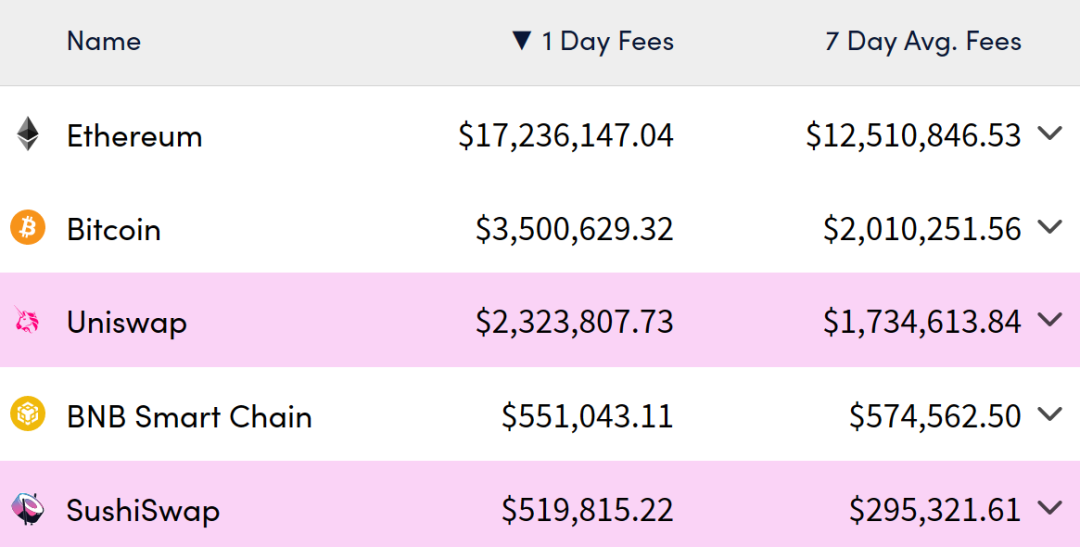
Crypto Fees data for May 4
Miners are reaping substantial profits, demonstrating that active ecosystem innovation and application experiments can significantly accelerate the transition from block rewards to fee-based compensation.
After transitioning to PoS, Ethereum still benefits from annual inflation rewards and a robust internal fee economy. Even Monero, which fully exhausted its block subsidy last year while retaining PoW, maintains a fixed block reward of 0.6 XMR alongside fee income.
With the next halving approaching, Bitcoin must proactively explore alternatives and build resilience ahead of future changes. This is precisely the rationale behind the renewed interest in “BitcoinFi” after years of dormancy.
Bitcoin’s “Change and Constancy”
Of course, while most mainstream DeFi activity remains on Ethereum, the Bitcoin network continues to evolve.
Recent upgrades like Taproot have introduced new possibilities in performance, privacy, and smart contract capabilities, along with growing exploration of more complex programming features.

Overview of Bitcoin Layer 2 Ecosystem, Source: @hu_zhiwei
Beyond the well-known Lightning Network, Bitcoin’s Layer 2 landscape is flourishing with diverse innovations:
Sidechains, rollups, state channels, and other Bitcoin Layer 2 solutions are rapidly emerging. Promising projects include the RGB protocol, Slashtags (providing identity, contacts, messaging, and payments for Bitcoin’s Lightning Network), the Impervious browser integrating various P2P services, Taro (a Taproot-based asset protocol), and OmniBOLT tokens on Lightning—all worth watching.
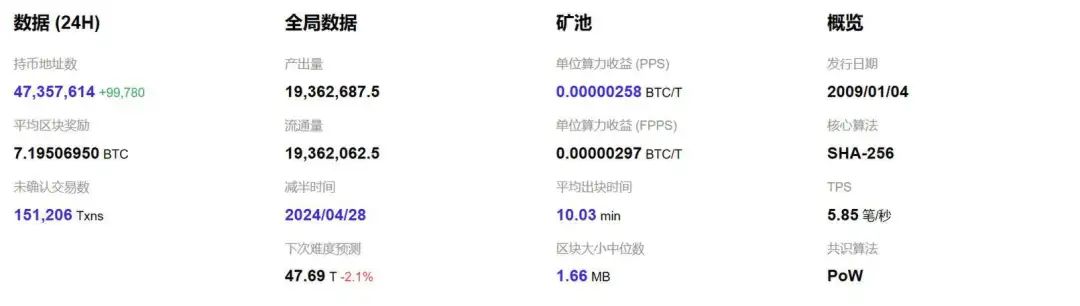
We’re now nearing the tail end of this halving cycle, with under a year until the next Bitcoin halving. This may be the first or second time most current industry participants and investors personally experience a Bitcoin halving “event.”
Especially as block rewards fall to 3.125 BTC and total mined supply exceeds 19.35 million BTC, we are approaching what might be called the true “tail mining era” of Bitcoin—a new variable seldom considered during previous reward-driven cycles.
History rhymes, but never repeats exactly. Thus, the new halving cycle starting in 2024 may differ significantly from those in 2016 and 2020. From this vantage point, the greatest uncertainty lies precisely in innovations like “BitcoinFi.”
Join TechFlow official community to stay tuned
Telegram:https://t.me/TechFlowDaily
X (Twitter):https://x.com/TechFlowPost
X (Twitter) EN:https://x.com/BlockFlow_News
 白话区块链
白话区块链