Crypto.com Year-End Review and 2023 Outlook: SBTs Will Lead Us into a Decentralized Society
TechFlow Selected TechFlow Selected
Crypto.com Year-End Review and 2023 Outlook: SBTs Will Lead Us into a Decentralized Society
2022 was a good year for the cryptocurrency industry.
 Navigating Web3 tides with focused insights
Author: Crypto.com Research
Translation: TechFlow
2022 has been quite a journey for the crypto industry. In this report, we summarize the top ten cryptocurrency events and trends of 2022, followed by our outlook for 2023.
2022 Review
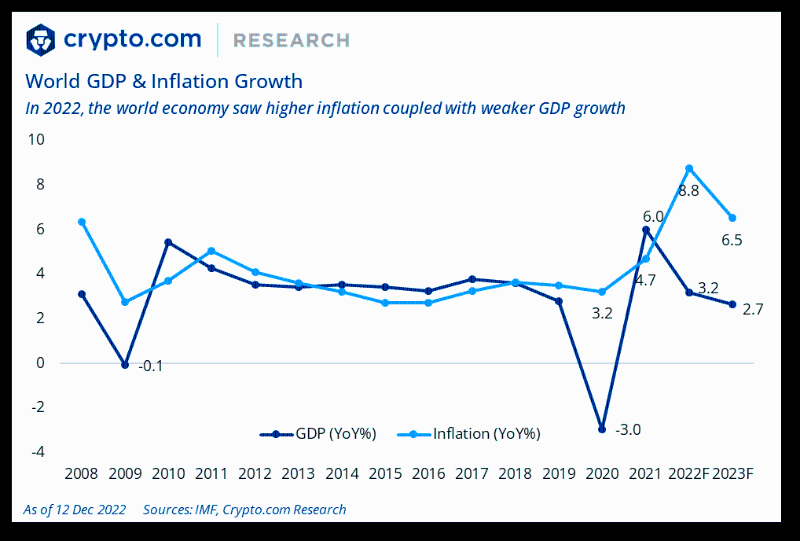
- In 2022, the global economy struggled under macroeconomic and geopolitical headwinds, including monetary tightening policies implemented by central banks worldwide to combat inflation, conflict in Europe, supply chain disruptions, and lingering effects of the COVID-19 pandemic. As a result, global GDP growth is projected at 3.2% for 2022—significantly down from ~6% in 2021. Meanwhile, inflation rates continued to surge, averaging 8.8% year-on-year.
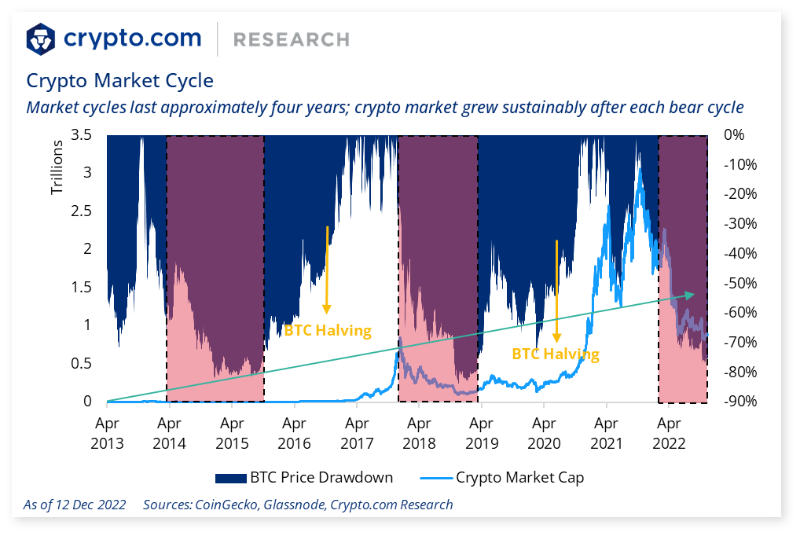
- Beyond macro headwinds, the cryptocurrency market was negatively impacted by several events, most notably the collapse of Terra’s stablecoin (UST) in May and FTX’s bankruptcy in November. These two incidents and their aftermath triggered ripple effects that affected other participants across the ecosystem and undermined confidence in the industry. At the time of writing, it's fair to say we are still in a "crypto winter." That said, market cycles naturally oscillate between bear and bull markets, as illustrated below.
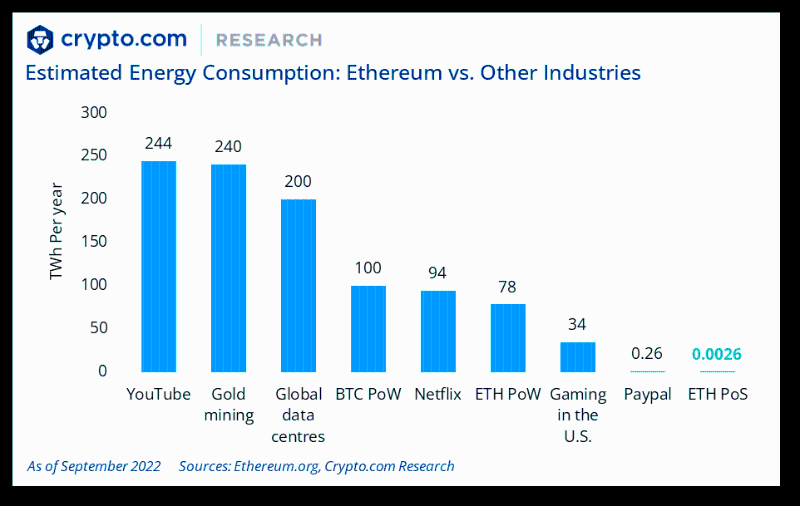
- Ethereum’s Merge on September 15, 2022, is widely considered one of the most anticipated crypto events of the year. One of its positive impacts was a 99.95% reduction in Ethereum’s energy consumption, as Proof-of-Stake (PoS) does not require energy-intensive mining hardware like Proof-of-Work (PoW). Instead, PoS blockchains rely on validators to confirm transactions. It is estimated that the energy usage of the PoS Ethereum blockchain is approximately 1% that of PayPal, orders of magnitude lower than PoW networks.
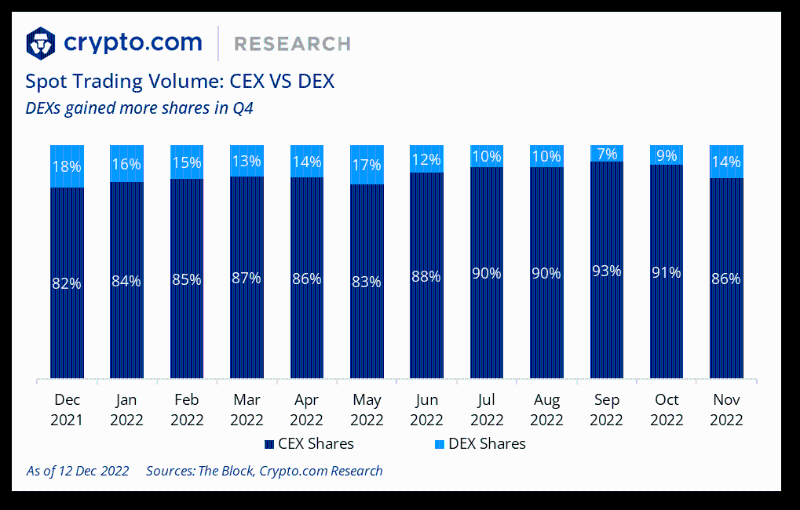
- Following FTX’s collapse at the end of 2022, decentralized exchanges (DEXs) captured a larger share of total spot trading volume in the crypto market. By November 2022, DEXs accounted for 14% of spot trading volume, up from 9% in October.
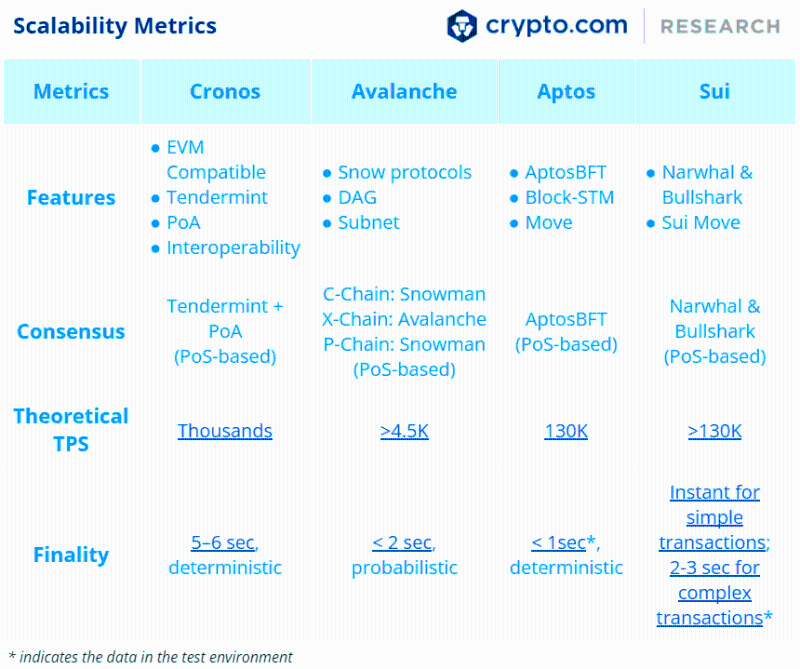
- In 2022, new Layer 1 (L1) blockchains attracted attention: notable examples include Aptos and Sui, both developed by former engineers from Meta’s Diem team. As such, Sui and Aptos employ similar technologies, including parallel execution engines and the Move programming language.
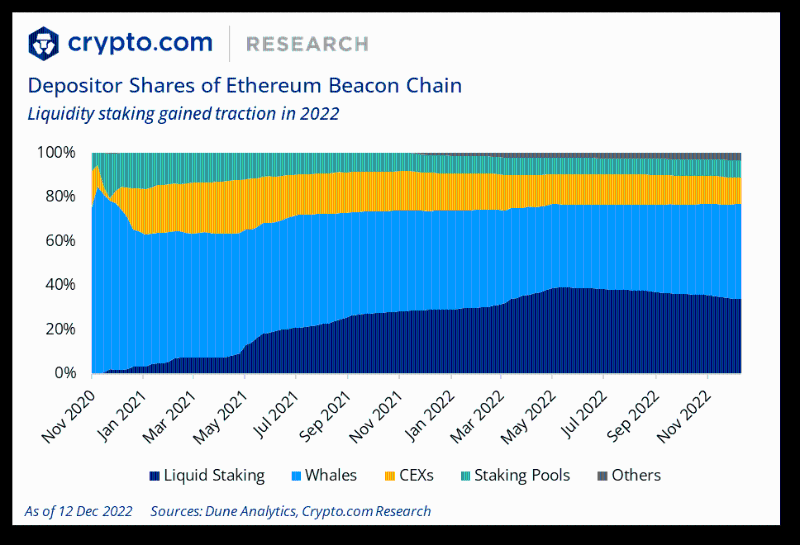
- PoS staking typically requires locking tokens, meaning token holders must choose between earning yield or maintaining liquidity. Liquid Staking aims to solve this by allowing token holders to enjoy the best of both worlds—earning staking rewards while retaining a degree of liquidity. The flexibility offered by liquid staking is one reason it flourished in 2022. Among liquid staking tokens by market capitalization, ETH remains the most popular choice. Lido Finance continues to lead the liquid staking market, holding approximately 78% market share.
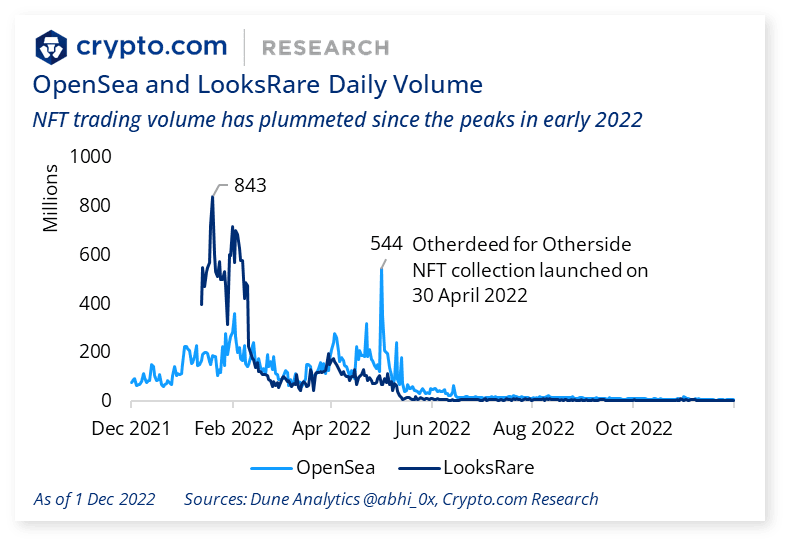
- In the first half of 2022, the NFT market was vibrant with strong trading volumes. OpenSea reached a daily trading volume high of $544 million in May 2022, driven by Yuga Labs’ “Otherdeed for Otherside” collection—the company behind the blue-chip Bored Ape Yacht Club (BAYC) NFTs. Although trading volumes have weakened in recent months, NFT collaborations and innovations continue.
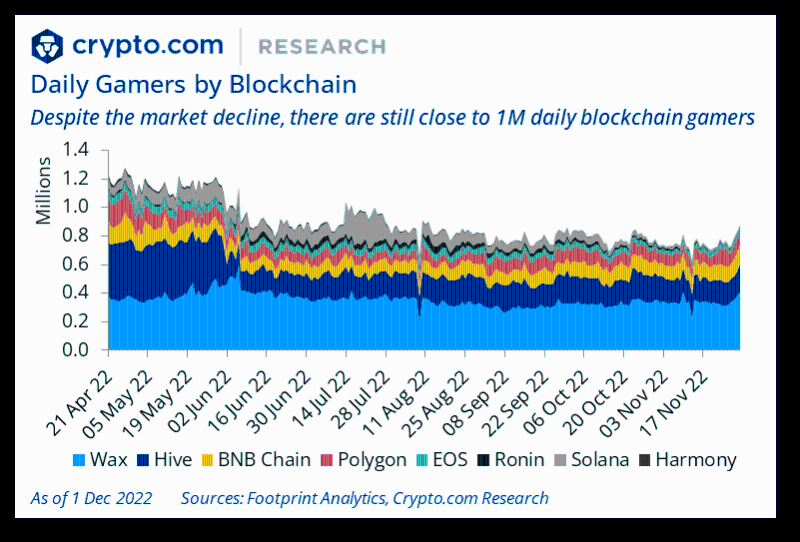
- Despite the downturn, there were still around 1 million daily active blockchain gamers throughout much of 2022. Wax blockchain currently leads in terms of daily active players, with 315,000 at the time of writing. Wax hosts several top blockchain games, such as Splinterlands and Farmers World.
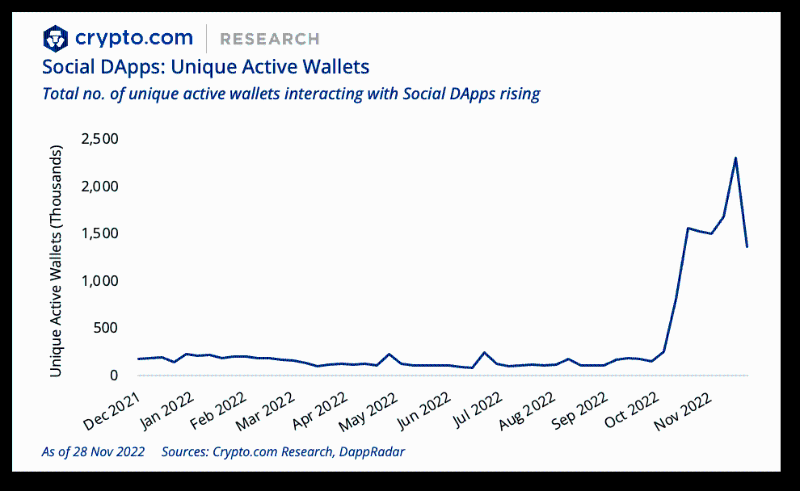
- Blockchain-based social applications gained traction in 2022, evident from the sharp increase in the number of unique wallets interacting with social DApps' smart contracts.
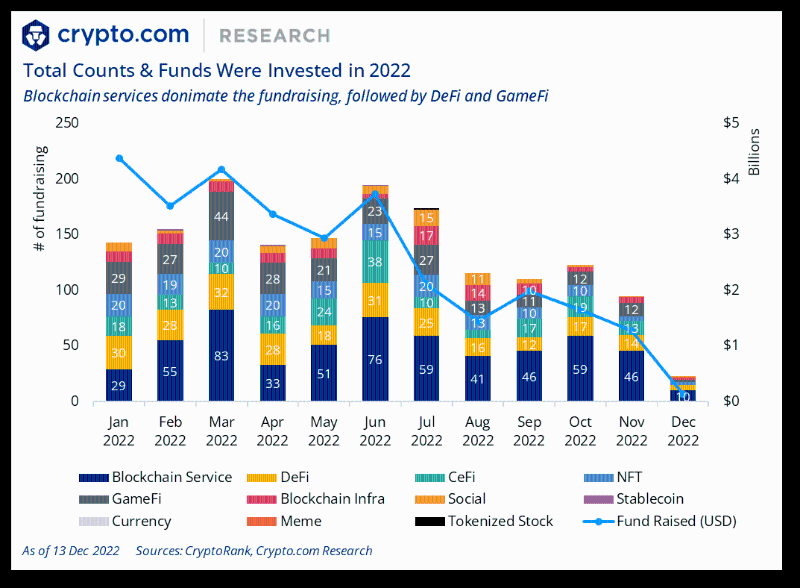
- Capital investment and project incubation in the blockchain space continued to grow. Approximately $29 billion was raised in the first half of 2022 alone, with infrastructure and Web3 startups—including NFTs, blockchain gaming, and the metaverse—accounting for the majority of funding. The total amount raised during these first six months already surpassed 2021 figures, which saw 1,313 funding rounds totaling $30.2 billion. By sector, investments in blockchain services remained consistently dominant throughout the year, recording 592 deals in total, followed by DeFi and GameFi sectors.
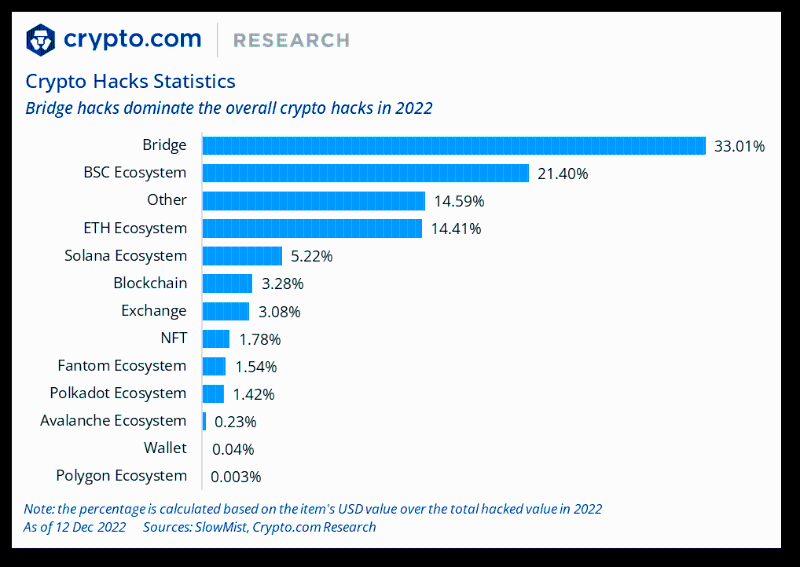
- Security remains a focal point for any blockchain network. In 2022, numerous hacks and exploits occurred. At the time of writing, total losses from cryptocurrency hacks in 2022 amounted to approximately $3.7 billion—down 63% compared to 2021. Cross-chain bridges accounted for over one-third of the stolen funds.
Outlook for 2023
Despite challenging macro conditions, crypto adoption continued to grow strongly in 2022.
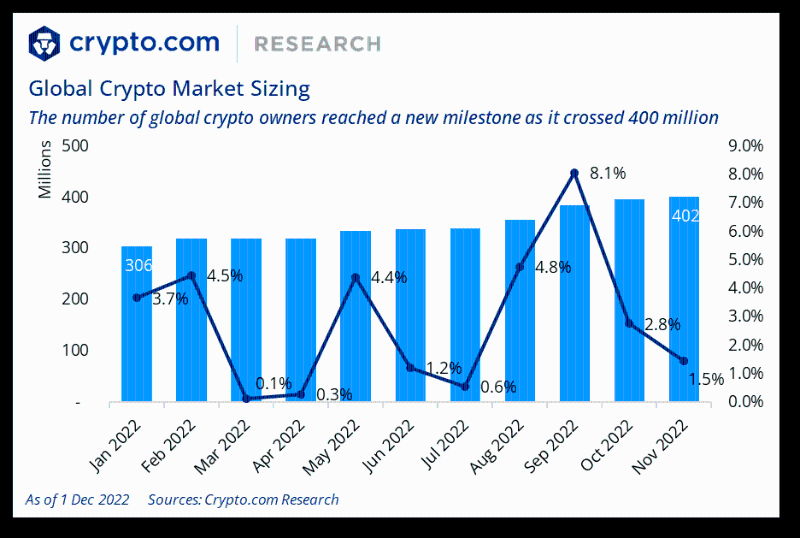
By November 2022, the number of cryptocurrency owners surpassed the 400 million milestone, reaching 402 million. During the year, monthly average adoption growth stood at 2.9%.
Based on market conditions, we expect the global number of crypto owners to potentially reach 600–800 million in 2023.
- In blockchain gaming, we expect to see some AAA-grade titles emerge within the next one to two years, offering players new experiences that combine high-performance gameplay with blockchain technology.
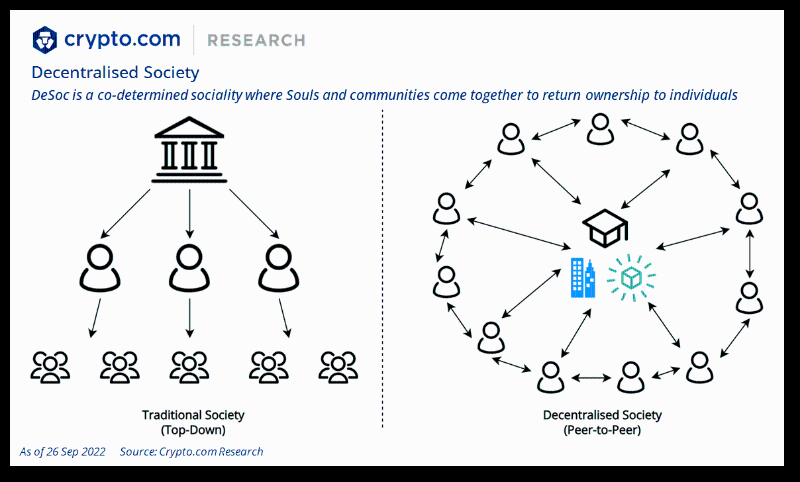
- Increasing use of Soulbound Tokens (SBTs) may be another potential market driver. SBTs are non-transferable, non-tradable NFTs tied to individuals or entities. They aim to represent a holder’s social identity by containing commitments, credentials, and affiliations—similar in concept to a resume or CV. Widespread adoption of SBTs could lead us into a Decentralized Society (DeSoc), or a co-determined sociality where souls and communities convene bottom-up. Built upon non-transferable SBTs, DeSoc seeks to encode real-world trust networks by representing the commitments, credentials, and affiliations of "souls," thereby establishing provenance and reputation.
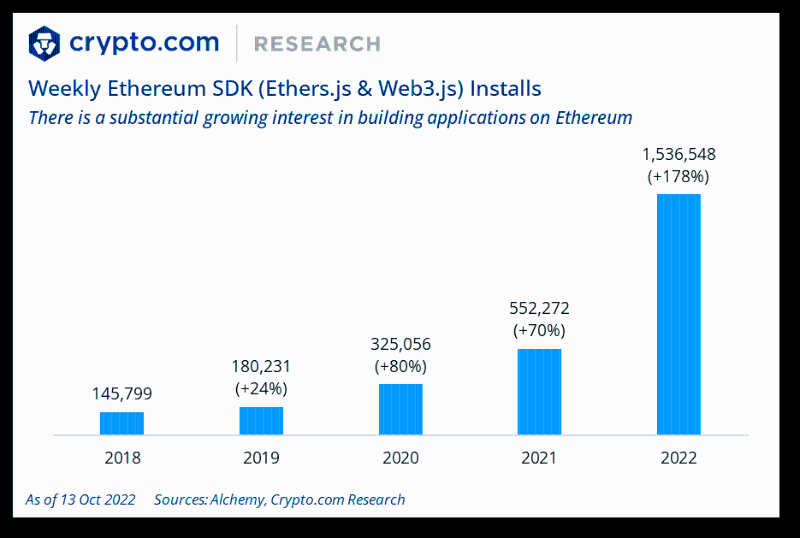
- In 2022, we observed an interesting trend: growing interest among Web2 developers in Web3. Since 2018, downloads of two popular Web3 development libraries—Ethers.js and Web3.js—have surged tenfold. This influx of developers into Web3 will likely fuel growth for companies providing Web3 development tools.
-
After several bankruptcies and hacking incidents within the industry in 2022, greater emphasis has been placed on security and user education. Building trust with end users is key to establishing a successful business model. As we move into 2023, we expect this heightened focus on security and education to continue. On one hand, more platforms may invest in security audits and certifications. On the other, we anticipate further educational initiatives launching in this space, continuing the trend seen since 2022.
-
Beyond the above trends, developments in other areas are expected to draw attention, including new blockchain infrastructure, ZK proofs, more utility-driven DeFi applications, Ethereum’s Shanghai upgrade, and institutional adoption.
Join TechFlow official community to stay tuned
Telegram:https://t.me/TechFlowDaily
X (Twitter):https://x.com/TechFlowPost
X (Twitter) EN:https://x.com/BlockFlow_News
 @cryptocom