








How can art NFTs develop and break through in a low-trust environment?
TechFlow Selected TechFlow Selected
How can art NFTs develop and break through in a low-trust environment?
NFT art collectors are a wealthy and sophisticated group within the cryptocurrency community.
 Navigating Web3 tides with focused insights
Written by: Teng
Compiled by: TechFlow
The Rise of Generative Art
When discussing the strong performance of the NFT sector this year, one cannot overlook the domain of "art," especially generative art. We now have sufficient historical data to conclude that this trend is real—structural factors are supporting the strength of the NFT art market.
Consider their all-time highs (ATHs) achieved even during the bear market:
-
Matt Kane's *Gazers* hit a new USD-denominated high at $41,000.
-
Chromie Squiggles reached a new ATH in ETH (17 ETH).
-
Tezos NFT sales hit an all-time high in Q3 2022.
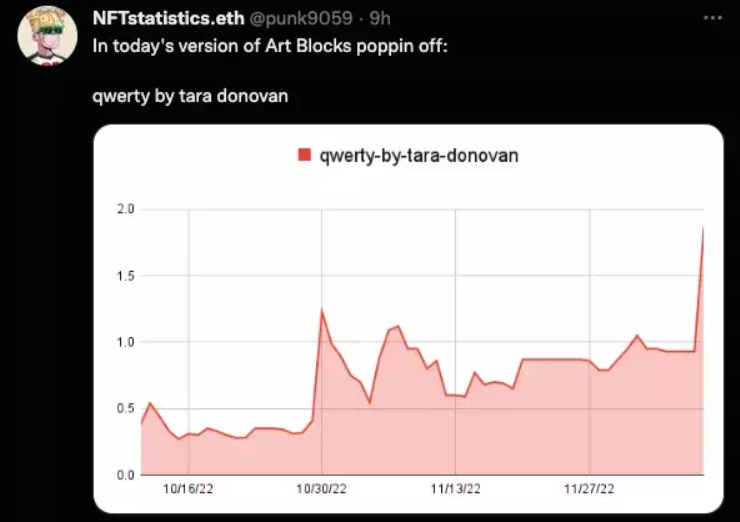
An obvious reason is: NFT art collectors are a wealthy and mature group within the crypto community. During this market downturn, they’ve held stronger positions than most—possibly due to experience or better information access. Today’s art buyers are relatively affluent, unconcerned about jobs or daily expenses. They are diamond-handed.
But more importantly:
Art Thrives in Environments of Low Belief
In a bear market, belief in everything diminishes. Just as higher discount rates hurt companies with greater future cash flow exposure, higher disbelief rates disproportionately impact organizations making large, speculative bets on the future.
--Packy McCormick, Discounting Belief
I appreciate Packy’s concept of a “belief rate,” which serves as a mental model for understanding today’s world.
Today’s world = High discount rate + Low belief rate.
Compared to a year ago, people are increasingly skeptical about whether startups can deliver on their visions and roadmaps. I see this across Twitter, Discord, and Telegram—people constantly questioning what they once took for granted, demanding unrealistic progress updates.
This explains why PFPs have fallen so sharply over recent months. PFP projects were built on the belief that they would develop physical IPs capable of sustainable monetization in the future. PFPs are still searching for their unique culture. The same applies to many GameFi NFTs, whose actual games remain months or years from launch. These are highly speculative assets. We’re only now coming to terms with this harsh reality.
But art is different.
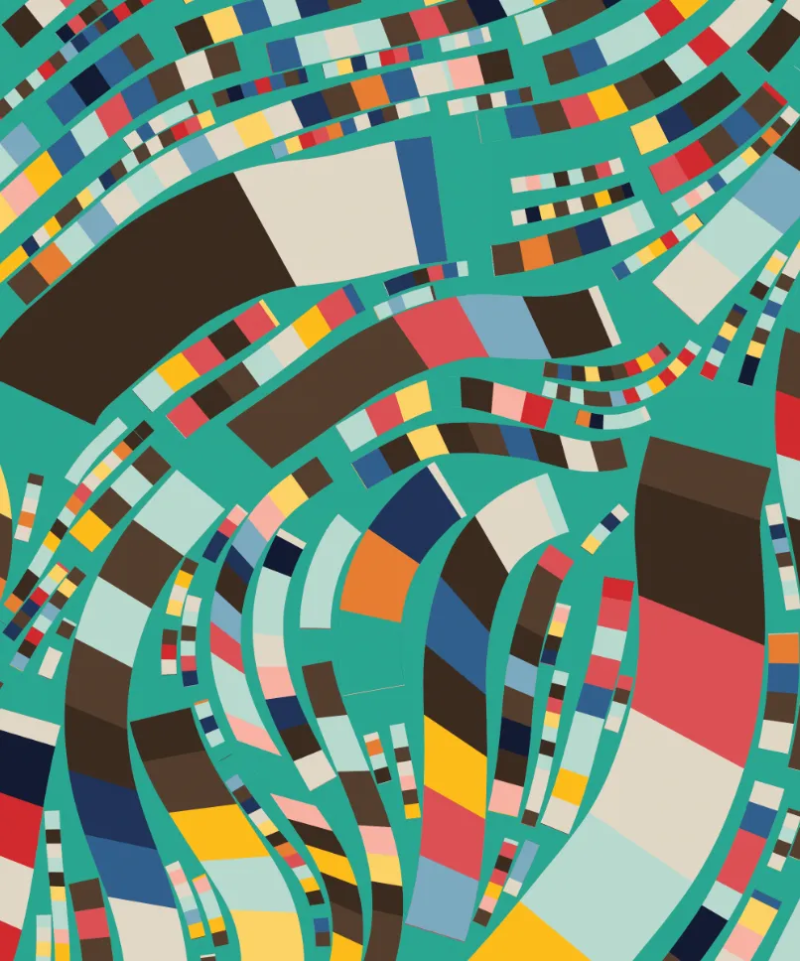
Tyler Hobbs launched his Fidenzas in June 2021. Collectors bought Fidenzas because the pieces spoke to them—they wanted to own a part of it.
Of course, speculators bet they could resell at higher prices—most of them have already been weeded out during the bear market.
With art, there are no promises of brand partnerships or metaverse games.
Art Is About Appreciating Beauty
The only belief required for art is this: somewhere in the world, someone else will appreciate and value its beauty just as you do.
Art can be likened to utility or healthcare stocks in traditional markets. I expect that while we remain in a bear market with low belief rates, high-quality art from culturally significant artists will continue to outperform other NFT categories.
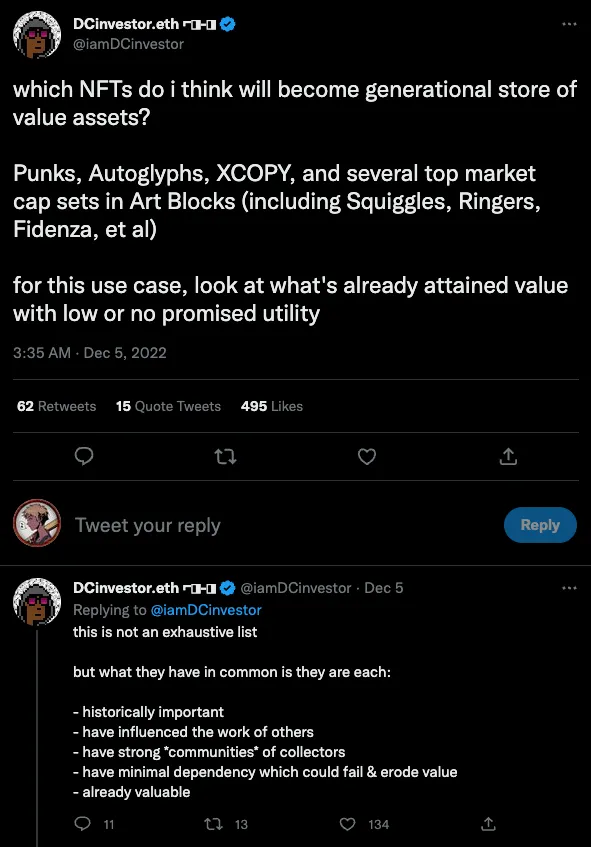
On the other hand, once belief rates begin to recover, PFPs, GameFi, and other more speculative NFTs may outperform Art. This shift in sentiment is worth watching closely.
My best guess: it might happen sometime between late 2023 and early 2024, when a wave of new products and users enters the NFT space.
Disclaimer: None of this is financial or investment advice.
Join TechFlow official community to stay tuned
Telegram:https://t.me/TechFlowDaily
X (Twitter):https://x.com/TechFlowPost
X (Twitter) EN:https://x.com/BlockFlow_News






