Web3 Wallet Opportunities: Bringing the Next Billion Users into Web3
TechFlow Selected TechFlow Selected
Web3 Wallet Opportunities: Bringing the Next Billion Users into Web3
The next billion users will have higher demands in terms of convenience, security, and functionality.
 Navigating Web3 tides with focused insights
Written by: Amanda Young, Collab+Currency
Translated by: TechFlow
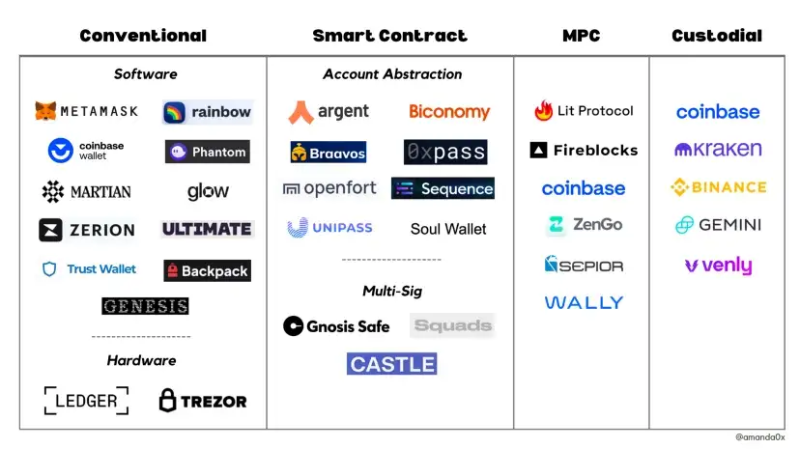
Today, most cryptocurrency users choose to keep their assets on exchanges.
But for a technology designed to grant sovereign control over digital assets, why do so many users still opt for custodial solutions?
-
First, exchanges offer convenience—such as easy fiat on- and off-ramps, user-friendly UI/UX, and simple registration processes.
-
Second, and perhaps more importantly, Web3 can be an intimidating place for new users. Many prefer the perceived safety and simplicity of custodial exchanges (e.g., not needing to remember a 12–24 word recovery phrase).
However, storing assets on centralized exchanges comes with limitations.
-
Users must trust the exchange to safeguard their assets, which introduces counterparty risk—as demonstrated by FTX’s collapse.
-
Moreover, most exchange wallets are not optimized for interacting with decentralized networks (DeFi, NFTs, DAOs, and gaming/metaverse). While this may not matter to many crypto holders today, it will become increasingly important as interest in digital ownership grows.
Just as the internet became more appealing and easier to use over time, so too will cryptocurrencies.
The next billion users will expect convenience and security when accessing Web3. As a gateway, wallets represent critical infrastructure for mainstream adoption.
In this article, I explore the opportunities within the wallet landscape, tracing the history of digital value transfer while looking ahead to the future of Web3.
Historical Roots of Digital Value Transfer
The internet was once a frightening place. In the 1990s, early web surfers feared transferring value online amid rampant viruses.
Technological advances—from SSL security standards to Plaid’s banking APIs—made modern e-commerce experiences possible.
Securing Online Transactions (Mid-1990s)
Although the first consumer web browser, Netscape (1994), did not include built-in payment functionality, its SSL protocol established common standards for privacy, authentication, and data integrity in internet communications.
SSL paved the way for the first internet boom. For example, Amazon (1994) launched publicly just months after SSL’s release, leveraging its security to let consumers safely buy books online. Without this foundational standard, startups like Amazon would not have succeeded.
Trusted and Private Online Identity (Mid-2000s)
In 2007, a small community of web developers first released the OAuth protocol.
OAuth allows users to securely share account information with third-party websites and apps without revealing their password. The Internet Engineering Task Force published OAuth 1.0 as an open standard in 2010 and updated it with OAuth 2.0 in 2012.
Today’s largest tech companies—including Facebook, Google, and Twitter—use OAuth for secure third-party delegated authorization.
For instance, Facebook launched Facebook Connect in 2008, enabling users to “connect” their Facebook identity, friends, and privacy settings to any website. This API gave users options to authenticate and link accounts in trusted environments with dynamic privacy controls.
Sending and Receiving Digital Assets (Early 2010s)
Bitcoin (2009) enabled existing asymmetric key-pair technology to write to a public database, creating the first "crypto wallet".
The first "real-world" Bitcoin transaction occurred in 2010 on a Bitcoin forum.
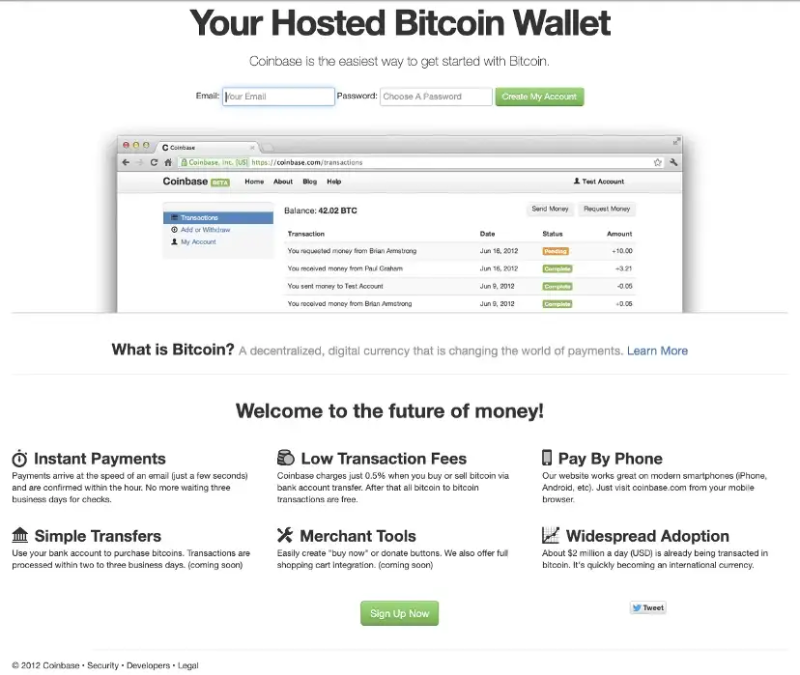
Coinbase (2012) and other exchanges followed, aiming to make sending and receiving Bitcoin more accessible.
Interoperability with Bank Accounts Online (Mid-2010s)
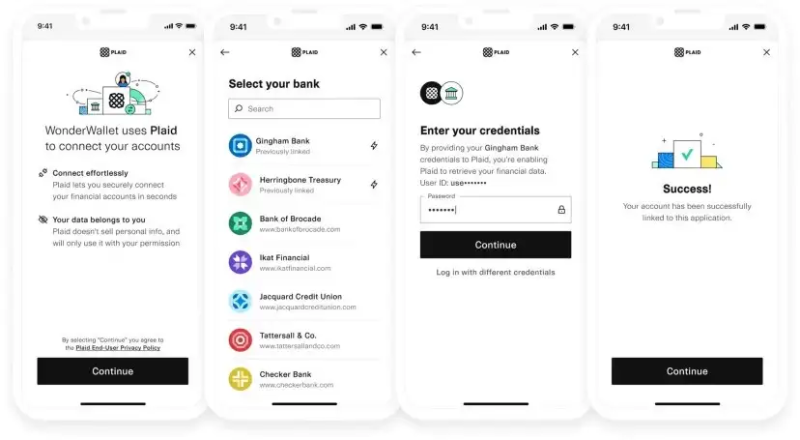
Plaid (2013) created a more seamless fintech experience for consumers by building backend infrastructure for over 7,000 apps and services.
Plaid’s API enables consumers to securely connect their bank accounts to apps like Venmo, Betterment, and Chime.
Plaid’s bank linking allows consumers to easily pay or invest from the "wallet" within these apps. For example, Venmo users can send money to friends by simply pulling funds from their bank into the app’s digital wallet.
Interacting with dApps (Late 2010s)
Ethereum launched in 2015 with the vision of becoming a next-generation platform for smart contracts and decentralized applications.
Shortly after Ethereum’s launch, MetaMask (2016) emerged, setting a new model for interacting with dApps through web browsers.
Unlike earlier wallets focused primarily on interacting with crypto assets like Bitcoin, MetaMask became a gateway to dApps.
As interest in dApps grew exponentially, so did MetaMask.
In recent years, this Web3 wallet company has seen rapid growth—from 545k MAUs in July 2020 to over 30 million by March 2022.
Mass Adoption (Next 3–5 Years)
Since MetaMask’s launch, we’ve seen an explosion in the number of wallets.
These wallets span:
-
Ecosystems (e.g., Phantom and Glow for Solana, Braavos and Argent X for StarkNet, Martian for Aptos and Sui);
-
Verticals (e.g., Rainbow for mobile, Genesis and Castle for NFT collectors, Ultimate and Zerion for DeFi enthusiasts);
-
User types (e.g., Squads and Gnosis Safe for groups/teams, Fireblocks for institutions).
In numbers alone, Web3 communication protocol WalletConnect claims to support over 230 wallets.
Just as the internet gradually became more accessible, the next evolution of wallets will provide the entry point for mass adoption. They will deliver a more convenient and secure experience.
Enabling Mass Adoption Through Wallets
Historically, interacting with dApps has been clunky, error-prone, and unintuitive—requiring seed phrases, gas fees, and signing technical jargon. Many startups are now tackling this opportunity by simplifying custody, enabling frictionless interactions, and enhancing functionality.
Simplifying Self-Custody
Popular wallets like MetaMask rely on Ethereum’s Externally Owned Account (EOA) design, which combines the account (the object holding your tokens) and the signer (the entity authorizing movement of those tokens).
This creates a major pain point—if you lose your private key, you lose access to your account. Risks of being scammed, hacked, or losing key access are significant barriers to mass adoption.
Fortunately, smart contract wallets and Multi-Party Computation (MPC) technologies offer potential solutions.
Account abstraction provides an alternative where accounts are smart contracts. By separating the token-holding object (account) from the authorization object (signer), each user can have an account tailored to their needs.
This Contract Account (CA) design unlocks new use cases, simplifies UX, and enhances security—making self-custody scalable.
Example use cases include:
-
Social recovery (e.g., recovering your wallet via friends or family, no seed phrase or central authority needed);
-
Account restrictions (e.g., requiring approval from multiple users, transaction limits, restricting transfers only to known addresses);
-
Bundled transactions (e.g., approving, depositing, and borrowing on a DeFi app, then signing everything at once instead of step-by-step);
-
Gas flexibility (e.g., dApps subsidizing gas fees for “gasless transactions,” or allowing users to pay fees in any ERC-20 token).
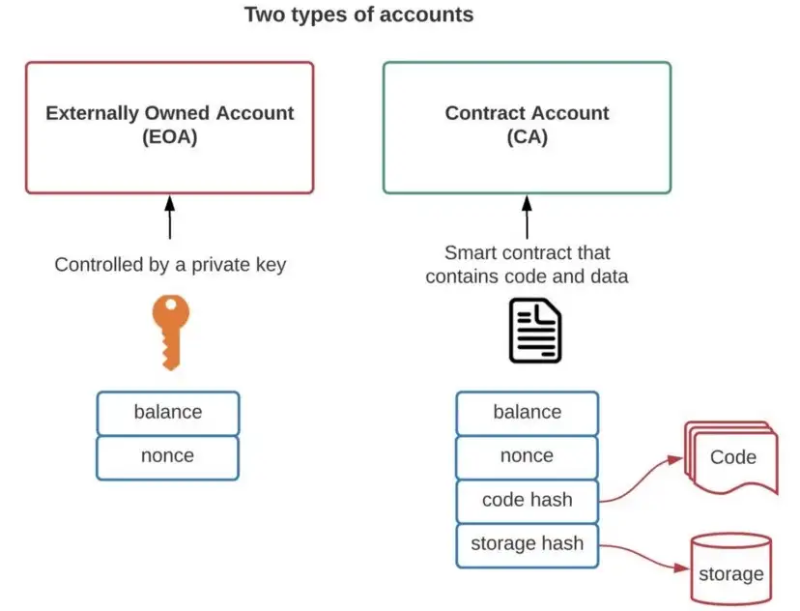
In June 2022, Vitalik Buterin outlined a potential path forward for account abstraction. He proposed using ERC-4337 (voluntary account abstraction without Ethereum protocol changes) in the short term, bootstrapped via Layer 2 protocols.
The long-term vision includes mandatory migration to ERC-4337.
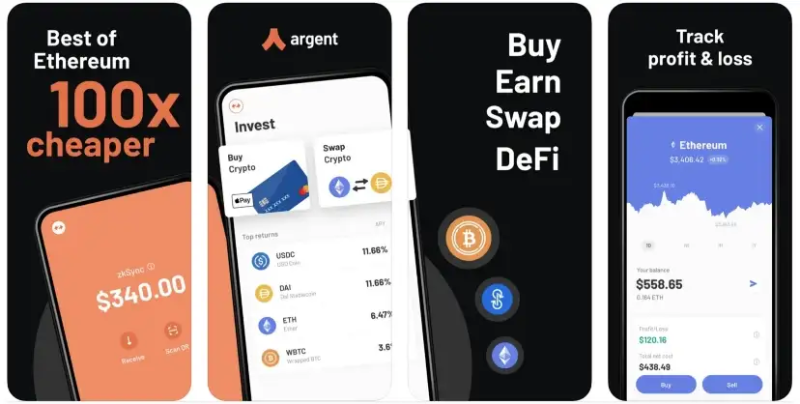
Some wallets are already adopting account abstraction to enhance self-custody. These include Argent and Argent X, supporting zkSync and StarkNet respectively, and Soul Wallet, compatible with ERC-4337.
Multi-sig wallets (e.g., Gnosis Safe, Squads) are smart wallets requiring a minimum number of approvals before a transaction executes. This ensures no single individual controls the funds, improving governance for Web3 teams and DAOs.
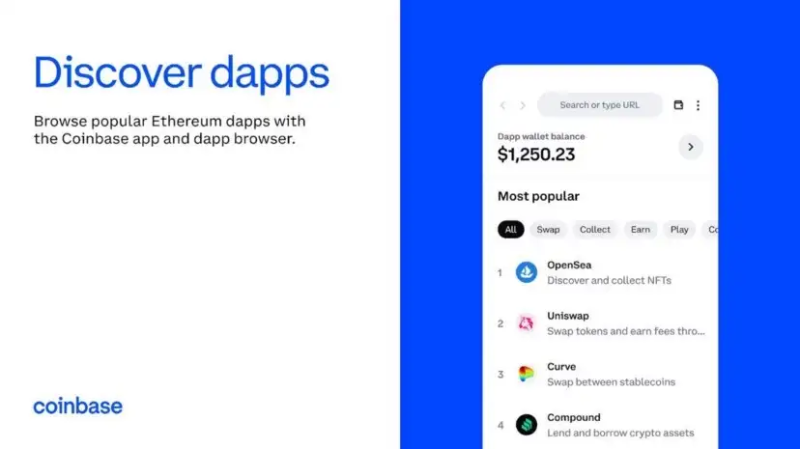
In MPC, private keys are split into parts and distributed among multiple parties, offering another path to simplify custody. In May 2022, Coinbase announced its DApp Wallet, giving users dedicated on-chain wallets secured with Coinbase’s help. This setup enables a “semi-custodial” system where cryptographic “keys” are shared between the user and Coinbase.
As detailed by Nichanan Kesonpat of 1k(x), each approach has trade-offs—the decision depends on target user requirements across security, UX/flexibility, cost, recoverability, privacy, and scalability.
As she explains, these technologies can be complementary (e.g., MPC can enhance existing multi-sig setups).
Frictionless Infrastructure
Reddit recently revealed that over 3 million users have created Reddit wallets (or “Vaults,” as they call them) to buy and trade avatar collectibles.
Here’s the catch?
The vast majority of these users don’t know these “collectibles” are NFTs.
Users can claim these collectibles—free or paid (in USD)—and create a blockchain-based self-custody wallet directly within Reddit’s Web2 interface.
While most of these users haven’t sent or traded their avatars yet, Reddit now has millions of users primed to activate their Web3 journey.
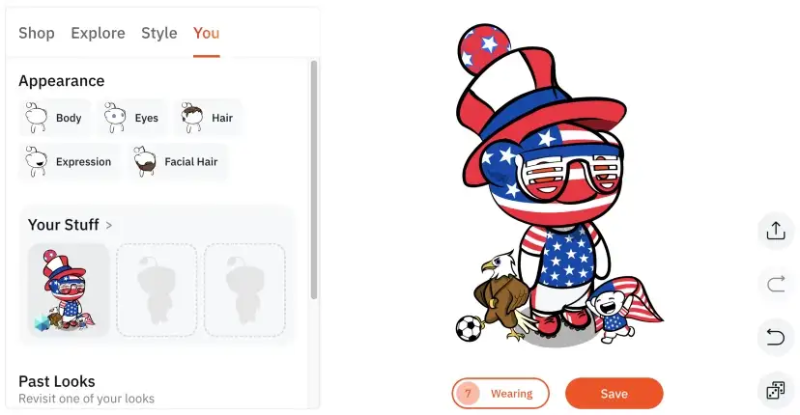
We’ll see more apps and dApps integrate wallet experiences like this.
Doing so allows them to:
-
Seamlessly onboard consumers into Web3.
-
Offer financial services (e.g., fiat on/off ramps, asset transfers, and swaps).
Onboarding and wallet infrastructure startups are providing APIs and SDKs to securely support in-app wallets.
Magic.link, Wally, and Venly offer infrastructure to streamline registration.
Biconomy, 0xPass, and Openfort focus on enabling developers to implement account abstraction features such as pre-approved transactions and transaction bundling.
Additionally, Lit Protocol recently announced its decentralized cloud wallet platform with distributed custody. Lit’s Programmable Key Pairs (PKPs) enable consumer-friendly wallets that abstract away private keys through customizable authorization—like social recovery and Web2-style two-factor authentication. Moreover, these PKPs allow users to delegate signing capabilities to immutable code called Lit Actions, enabling further automation and functionality.
Beyond initial onboarding, Delegate.cash makes post-wallet creation interactions with dApps easier (e.g., claiming airdrops, proving ownership, participating in governance). Additionally, security-focused startups (e.g., Blowfish, Stelo Labs, Harpie) are working to protect consumer wallets from scams, spam, and bots.
Expanding Wallet Functionality
Due to intense competition at this layer and resulting network effects, most wallets won’t survive as standalone apps—but leading wallets will evolve into super apps.
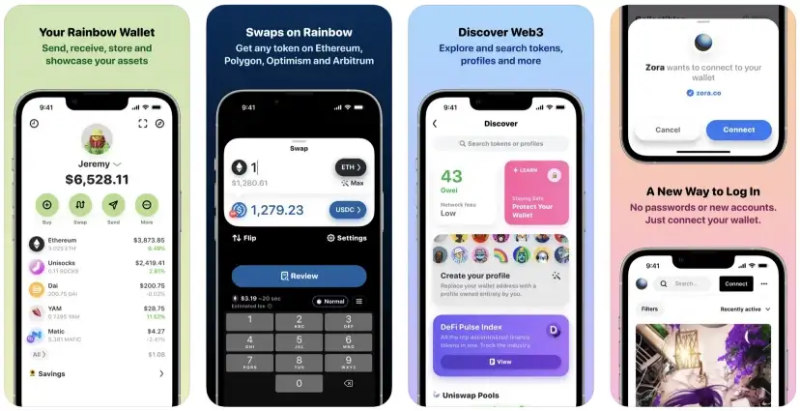
For example, many emerging wallets already prioritize embedded features tailored to specific users or use cases. Rainbow’s mobile wallet includes ENS usernames and a discovery section highlighting trending tokens and new assets. Castle’s NFT collector wallet features a built-in NFT marketplace and portfolio tracking. Ultimate’s DeFi-focused wallet lets users earn yield from protocols like Lido directly within the app.
Open, composable systems make such expanded functionality possible. Backpack, a mobile-first wallet platform, allows any developer to package and publish xNFTs (or dApps) on its decentralized marketplace—akin to an “iPhone App Store.” In January 2022, MetaMask announced the developer version of its Snaps platform, enabling anyone to securely extend MetaMask’s functionality to create customized wallet experiences (e.g., supporting non-EVM blockchains, integrating messaging/notifications, adding security/privacy tools). The Snaps platform is set to launch in MetaMask’s browser extension in 2023.
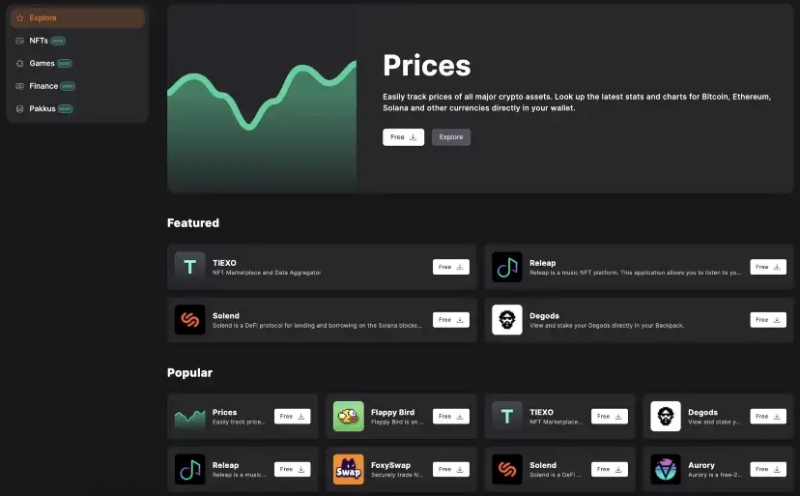
We’re also seeing existing applications build their own wallets to get closer to end users. For example, DeFi investment platform Zerion launched its own Web3 wallet.
Similar to early internet users, Web3 users have so far endured difficulties with new technology.
However, the next billion users will demand greater convenience, security, and functionality. That’s where Web3’s wallet opportunity lies.
Join TechFlow official community to stay tuned
Telegram:https://t.me/TechFlowDaily
X (Twitter):https://x.com/TechFlowPost
X (Twitter) EN:https://x.com/BlockFlow_News
 @Collab_Currency


![Axe Compute [NASDAQ: AGPU] completes corporate restructuring (formerly POAI), enterprise-grade decentralized GPU computing power Aethir officially enters the mainstream market](https://upload.techflowpost.com/upload/images/20251212/2025121221124297058230.png?x-oss-process=image/resize,p_50/quality,q_80)