








What the Holy Grail of Trading Is, According to a Senior Web3 Trader
TechFlow Selected TechFlow Selected
What the Holy Grail of Trading Is, According to a Senior Web3 Trader
There must be a holy grail in trading, right?
 Navigating Web3 tides with focused insights
Written by: CRYPTOBIRB
Compiled by: TechFlow intern
In my cryptocurrency trading career, I've made many mistakes. Most were insignificant, but one unforgivable investment error led to complete bankruptcy. In this article, let's break it down.
Why do you want to become a trader? Questions always start with "why." Some people have full-time jobs but hate their work. Others seek freedom and believe trading will grant them financial independence. Yet desires aren't always what they seem.
The truth is, people behave irrationally when faced with uncertainty and decision-making. Sometimes, simply because someone experiences something unpleasant at work, they try to escape their pain by seeking satisfaction elsewhere.
At least that’s how it appears. However, more often than not, the alternative leads to different kinds of disappointment. In this era of instant gratification, too many people seek immediate answers and rewards—especially in areas where they lack expertise. One such area is the financial markets we know today.
Most of the time, it starts with an emotion. Based on behavioral psychology, people act under some stimulus—either moving toward pleasure or away from pain. This is why many decide to open their first trading account.
And that’s already the first major (emotional) mistake. Because this spontaneous reaction sends signals through our mind and body (emotions), it becomes difficult to control the outcomes of decisions made under its influence. And money hates irrationality—that’s where the “fun” begins.
In my early days, I was drawn to everything I saw, read, and heard about trading. In fact, I found countless online resources supporting my views—the most popular being quick wealth accumulation.
There must be a holy grail in trading, right?
It took me years to realize there is no holy grail in trading. No matter how many books you read or how many self-proclaimed masters you follow, none will make you rich. I once felt as lost and uncertain as many of you may feel now.
Now, I might not be the smartest person in the world, but one trait has brought me long-term success: persistence. I always had this feeling—keep digging, keep learning, keep expanding my knowledge to improve my trading.
Initially, I didn’t understand much about practical investing, so I would justify sudden ideas—even when they were wrong. Interestingly, sometimes I profited purely by luck, which made me believe, “I can now profit consistently!” But that was a trap.
Believing the market has clearly defined order is a huge mistake—a very dangerous and false assumption. Instead, markets are entropic, inherently disordered, and change unpredictably over time. For example, we cannot predict what prices will be a year from now.
Then comes the question: if I can't predict price movements, how can trading be one of the most profitable professions?
There is an answer. But again, it might lead you to destruction—and it's not as spectacular as you'd hope.
The answer is a trading system.
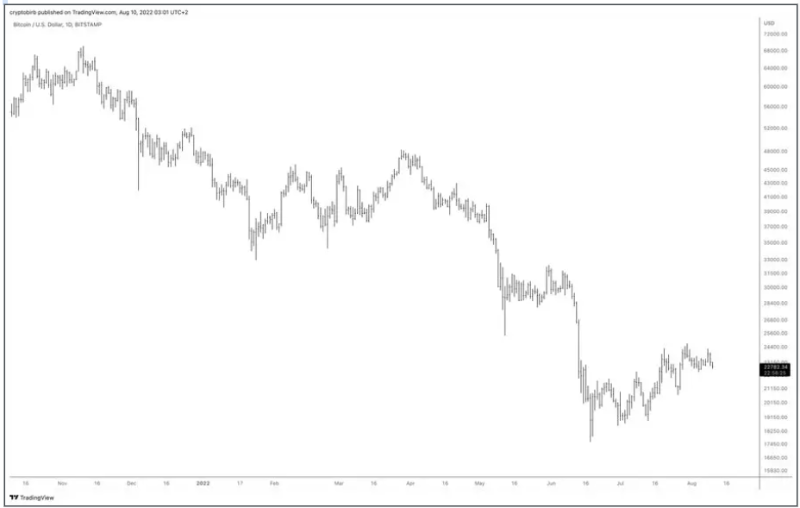
You read that right. A trading system is the top priority for any full-time trader. The reason behind this is that markets sometimes exhibit trends. More often, however, prices move sideways, and you never know when a range-bound phase will end until it's over.
Everything is obvious in hindsight.
"Oh yes, that breakout pattern was clearly visible. I knew I’d be right—let’s bet even more on the next BTC breakout."
This is what we call hindsight bias—one of many behavioral biases.
To prevent yourself from acting emotionally—whether due to cognitive errors or emotional states—you need a clearly defined trading system. It's a set of simple rules you adopt in your trading—the simpler, the better. But every trading system must include the following elements:
-
Market – What to buy/sell
-
Position size – How much to buy/sell
-
Entry – When to buy/sell
-
Exit – When to take profit, when to cut losses
-
Strategy – How to buy/sell
Then, based on your risk tolerance, available time, starting capital, and interests, determine your trading style. Perhaps you want to be a HODLer? Maybe you’re better suited as a trader who only trades once per quarter? Or do you prefer swing trading?
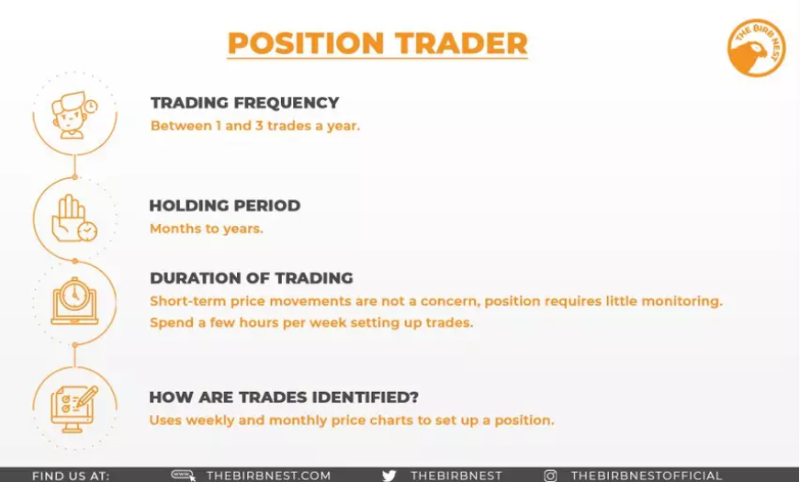
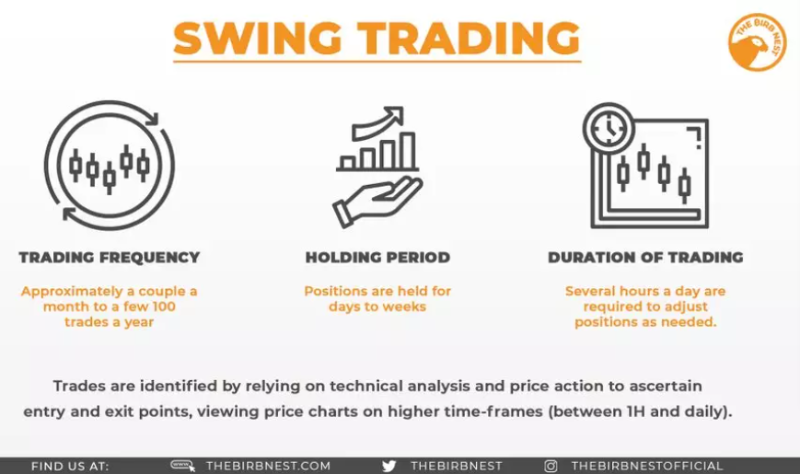
Worse still, many novice traders fall into the hell of day trading or high-frequency trading.
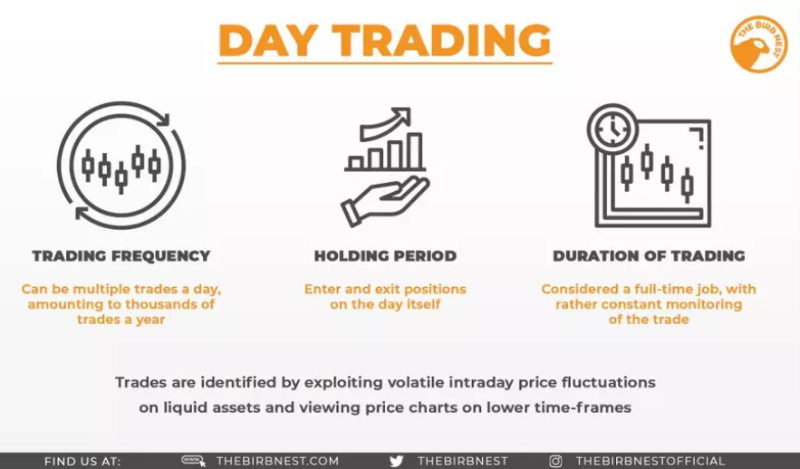
Most traders are loss-averse; nobody likes losing. Therefore, the strategy you choose must be tailored to match your risk preferences. Some prefer stability (risk-averse), while others enjoy gambling and seek higher risks—that’s your decision.
One final point: you still need to decide on your strategy or technique. Ultimately, many traders want to use technical analysis without deeply understanding what it really is. It's an exceptionally powerful tool—if used correctly.
When building a system, losses are inevitable. Remember, there is no guaranteed holy grail. Traders typically choose among the following approaches:
-
Trend following
-
Mean reversion
-
Candlestick patterns
-
Exogenous signals
Each has its own strengths and weaknesses.
John R. Hill and George Pruitt tested the profitability and stability of trading systems and concluded that the best and most reliable strategy is the trend-following breakout system. Although most trend followers have only ~30% win rates, their winning trades compensate for all losses.
Of course, the type of breakout needs to be defined. Some use percentage thresholds, volume spikes, standard deviation measures, or time-based criteria to confirm a new price level.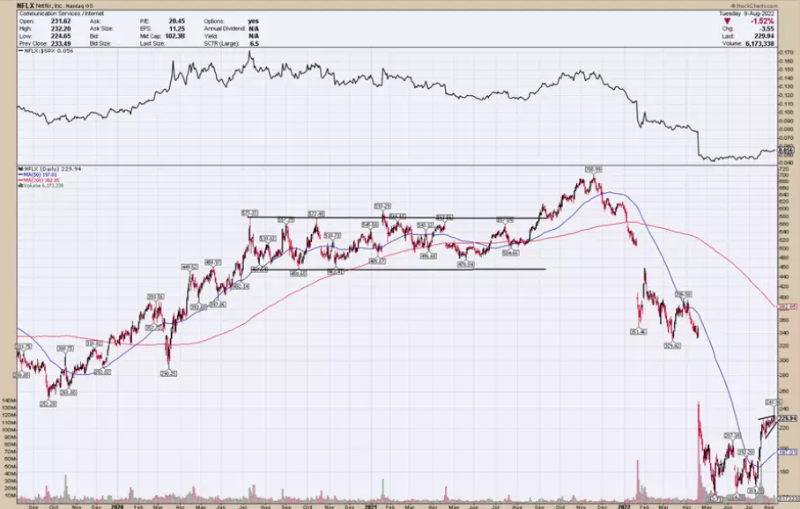
Many simply hope to get lucky over and over again, but trading isn’t about expecting luck to keep favoring you—just like no one should expect to win the lottery every time. Luck is a deviation. In trading, mistaking luck for skill is unforgivable. Relying solely on luck always leads to catastrophic bankruptcy.
So how do you avoid this?
Well, that’s exactly where a reliable trading system comes in.
Join TechFlow official community to stay tuned
Telegram:https://t.me/TechFlowDaily
X (Twitter):https://x.com/TechFlowPost
X (Twitter) EN:https://x.com/BlockFlow_News






