








What changes will ERC4907 bring to NFTs?
TechFlow Selected TechFlow Selected
What changes will ERC4907 bring to NFTs?
The future of NFT leasing.
 Navigating Web3 tides with focused insights
Written by: Sumanth
Translated by: TechFlow intern
ERC4907 launched in July, making NFT rentals more accessible.
-
reNFT raised $5 million to build infrastructure for NFT leasing;
-
Cardinal raised $5 million to build NFT rentals on Solana;
-
IQ Protocol raised $12 million to establish a leasing marketplace;
Here, we’ll explore the future of NFT rentals.
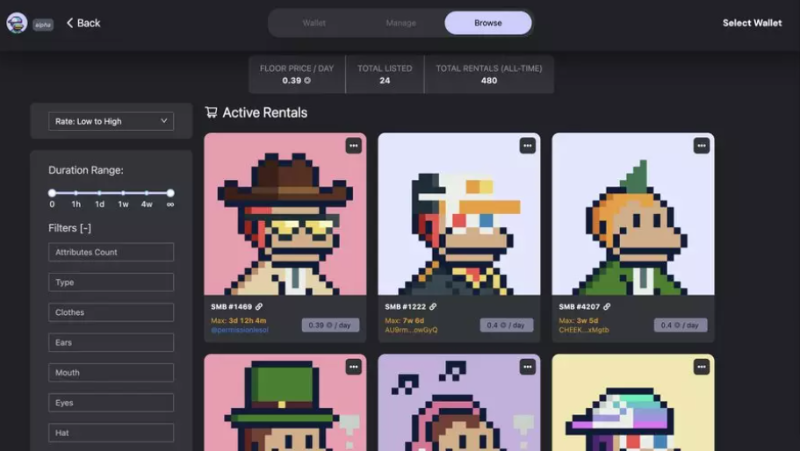
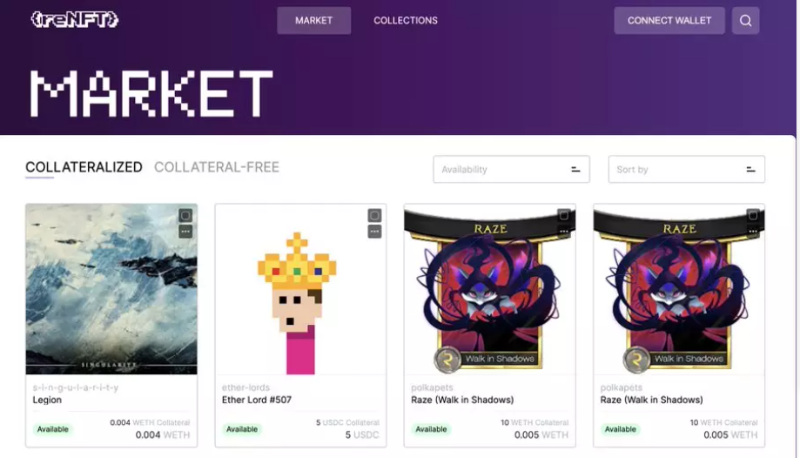
NFT rental works similarly to physical asset rental. It is an agreement between the "owner" and the "user", allowing temporary use of an asset owned by someone else in exchange for payment.
Currently, common methods for renting NFTs include:
1. No transfer of ownership—The renter can only "use" the NFT but does not "own" it, with distinct rights assigned to owner and user.
2. Guaranteed temporary transfer of ownership—The tenant deposits collateral and receives the NFT.
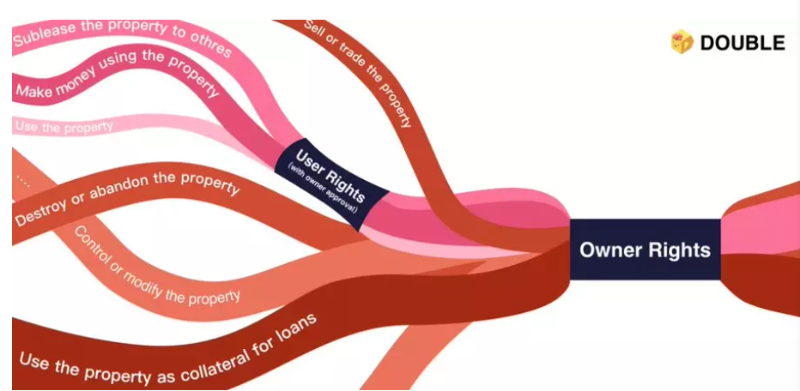
ERC4907 is a standard proposed by DoubleProtocol, extending ERC721 by splitting rights between the owner and the user (renter). NFT projects can assign different permissions based on roles—for example, renters may not have the ability to edit NFT metadata.
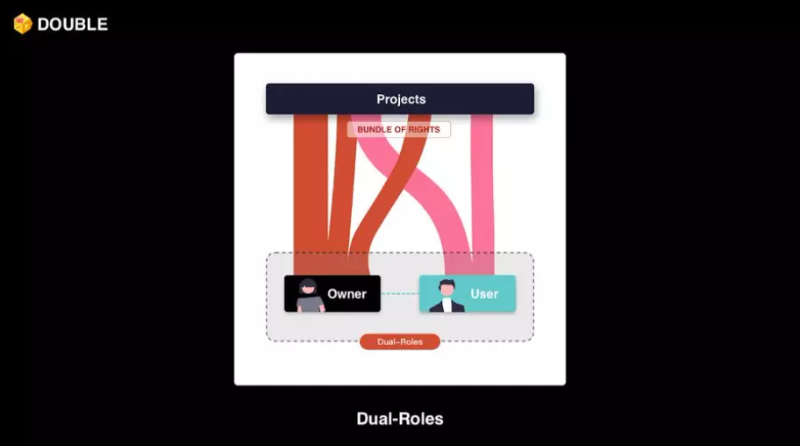
In short, ERC4907 adds two attributes—user (renter) and expiry time. After expiration, the NFT automatically reverts to the owner without requiring a blockchain transaction, saving gas fees. What are the benefits?
Guilds currently solve NFT rental needs through manual coordination, where managers purchase NFTs and rent them to scholars. Games like Pegaxy have built their own rental markets, enabling new players to rent NFTs without joining a guild.
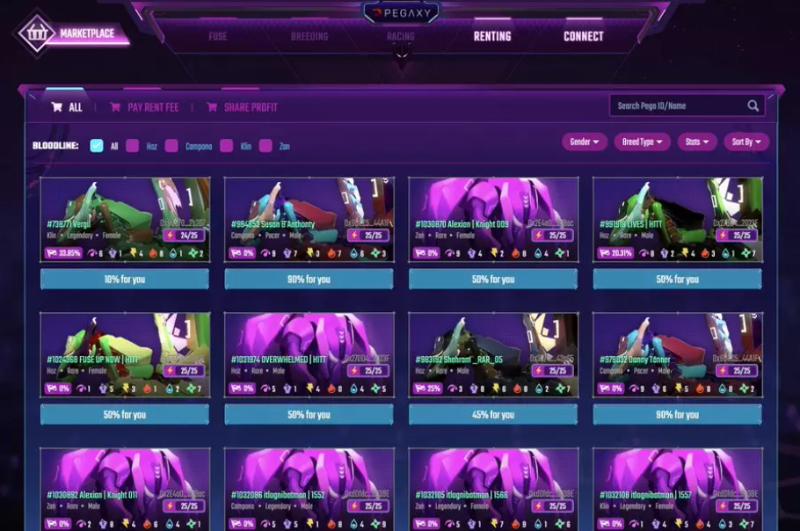
Anyone can build an NFT marketplace—ERC4907 enables seamless connection between NFT owners and renters. Owners can earn rental income without transferring their NFTs out of their wallets. As more owners put their assets up for rent, tenants gain greater liquidity and lower prices.
Projects can extend functionality by adding metadata on top of ERC4907. IQ allows users to define various revenue-sharing models and rental fee structures, while Cardinal is building additional use cases for Solana NFTs.
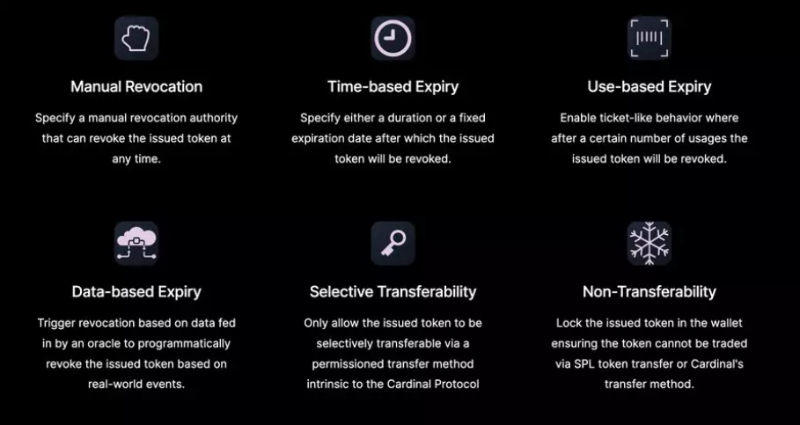
What does the future hold for NFT rentals? In my view, it enhances NFT utility and unlocks more valuable use cases, such as:
-
Content—Free trials, membership access;
-
GameFi—Guild management tools, in-game rentals;
-
DeFi—Self-repaying loans, bonds, swaps;
-
Fan NFTs—Rental functionality helps fans avoid scam websites, track pricing, and ensure on-chain legitimacy.
Join TechFlow official community to stay tuned
Telegram:https://t.me/TechFlowDaily
X (Twitter):https://x.com/TechFlowPost
X (Twitter) EN:https://x.com/BlockFlow_News
 @0xSumanth






