








ERC-4907: What Changes Will It Bring to NFT Finance?
TechFlow Selected TechFlow Selected
ERC-4907: What Changes Will It Bring to NFT Finance?
What kind of new concepts will people build with it?
 Navigating Web3 tides with focused insights
Written by: Eric Nemeth
Translated by: TechFlow intern
The recently approved rentable NFT standard, ERC-4907, is an excellent token standard with significant implications for DeFi, as it lays the foundation for unique lending and structured products. It resembles how certain loans and swaps work in TradFi—here's why this is an exciting tool for NFT financialization.
A swap is an agreement between two parties to exchange future cash flows. Typically, these cash flows are calculated based on the future values of interest rates, exchange rates, or other market variables. This differs from a forward contract, which involves exchanging cash flows on a single future date; swaps usually involve multiple exchanges of cash flows over several future dates.
The most common type is a plain vanilla interest rate (IR) swap, where two counterparties agree to exchange a series of payments on specified dates over a set period. The principal amount is identical, but one party pays a floating interest rate while the other pays a fixed rate, with the rates determined in advance.
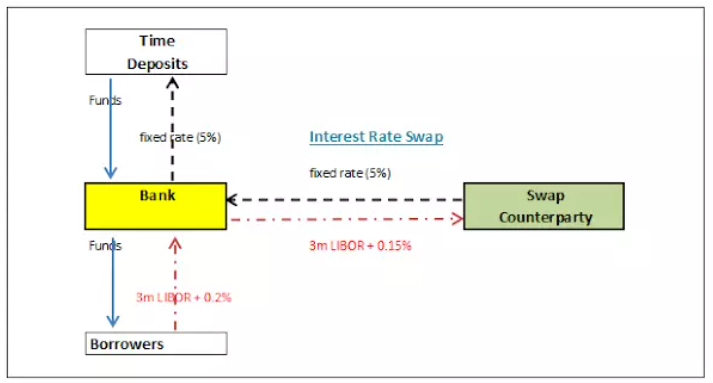
For example, NFT X receives periodic payments. With this token standard, the "owner" of an asset can sell the rights to its cash flows to another "user" without relinquishing ownership—the user receives the cash flows until the loan matures.
This is particularly interesting for NFTs (ERC-721 and ERC-4907), because NFTs are the best way to distribute cash flows to bondholders, since ownership is clearly defined.
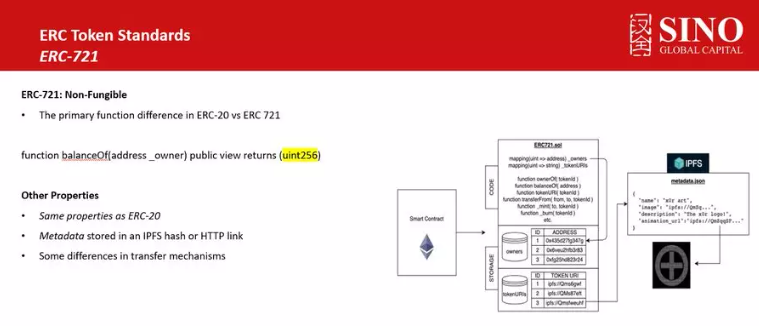
This distinction matters because ERC-20 tokens don't offer the same kind of distribution capability. The index value of the asset would have to change—similar to OHM—but that wouldn’t allow coupon-like payments. Instead, a design is needed that separates the bond asset from coupon payments.
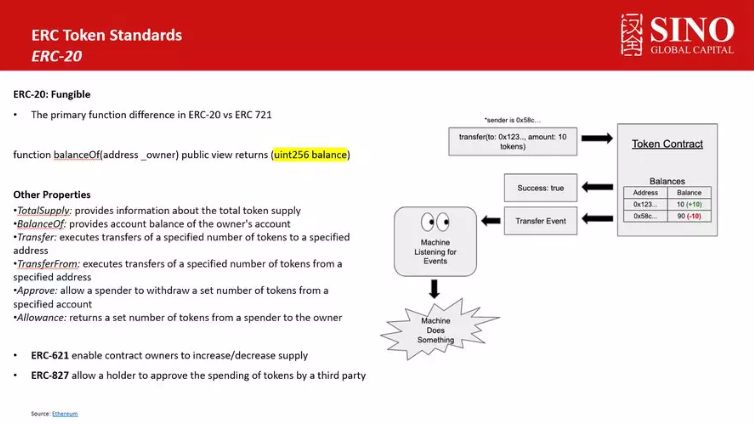
This separation is crucial if we want to build structured products similar to those in TradFi—forking assets and their cash flows is essential. This token standard gives engineers another powerful tool to design innovative loans and derivatives.
Another cool use case is debt financing for an asset. Users can now utilize an NFT while paying both principal and interest, eventually claiming full ownership.
Imagine a fractionalized financing protocol where each installment requires exchanging USDC or ETH for a fraction of an NFT. Once the user has paid off the full amount represented by the ERC-20, the contract automatically transfers full ownership of the NFT asset.
The new ERC-4907 token standard has exciting implications not only for gaming but also for DeFi. I'm really looking forward to seeing what novel concepts people will build with it!
Join TechFlow official community to stay tuned
Telegram:https://t.me/TechFlowDaily
X (Twitter):https://x.com/TechFlowPost
X (Twitter) EN:https://x.com/BlockFlow_News






