








Besides serving as profile pictures, NFTs have these nine other uses
TechFlow Selected TechFlow Selected
Besides serving as profile pictures, NFTs have these nine other uses
NFTs will have countless uses I haven't even imagined, and many of these use cases may take years to realize. However, I firmly believe that the impact of NFTs will expand by tens of thousands in the future.
 Navigating Web3 tides with focused insights
Written by Shivsak
Translated by TechFlow intern
Let's first take a look back at the NFT market. The NFT market grew over 200x in 2021, with the total value of NFT transactions rising from just $82.5 million in 2020 to over $17 billion in 2021.
NBA Top Shots alone generated hundreds of millions of dollars in sales last year, not to mention that BAYC and CryptoPunks combined have an NFT value exceeding $3 billion. Last year, Beeple sold a digital artwork as an NFT through Christie's for $69 million, making him the third-highest-valued living artist in history based on auction prices.
Most people only know that these digital art NFTs are famous but struggle to understand why they hold such high value. In fact, NFTs can be applied to many real-world use cases. Let’s explore some practical applications of NFTs in this article.
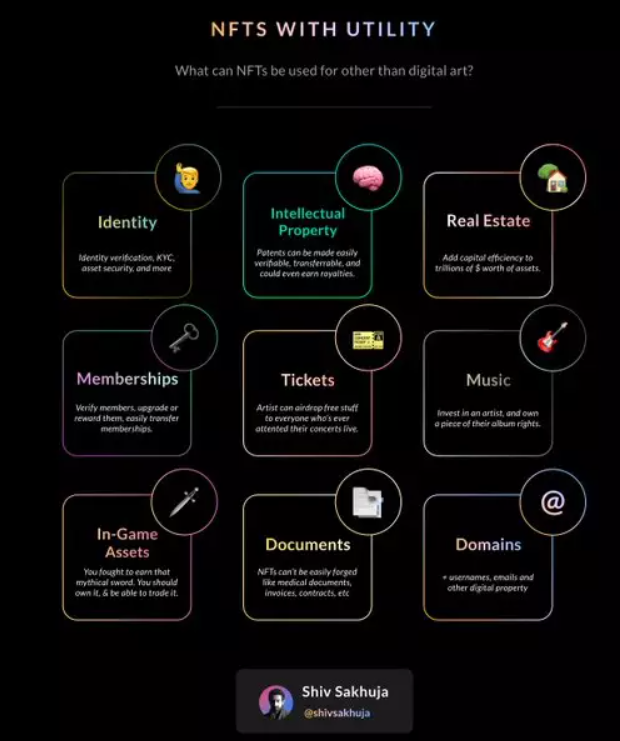
NFTs (Non-Fungible Tokens) are completely unique tokens—no two NFTs are alike—making them ideal for representing ownership of distinct assets. Combine this uniqueness with other valuable attributes like transparency, verifiability, and composability, and you get a technology that can transform how people live. This uniqueness makes NFTs perfect for representing real-world assets, and furthermore, NFTs enable tokenization of these assets. Why tokenize assets? Because it enhances liquidity, enables composable financial products (like derivatives), significantly improves capital efficiency, and turns intangible value into tangible form... So what are some applications of NFTs beyond digital art? I’ve categorized them into nine major areas:
1. Identity Authentication
Around 30% of citizens have experienced identity theft, which isn't surprising since all someone needs is your 18-digit ID number. Your identity is unique, and digitizing it via tokens would make verification easier and theft or forgery much harder. Identity-based NFTs allow you to:
Complete KYC without disclosing personal details
Easily attach credentials (such as certificates and proofs)
Securely bind assets to your identity
Unlock new DeFi use cases, such as uncollateralized lending and credit scoring...
2. Intellectual Property Ownership
You may have heard that Jack sold his first tweet as an NFT for $2.9 million.
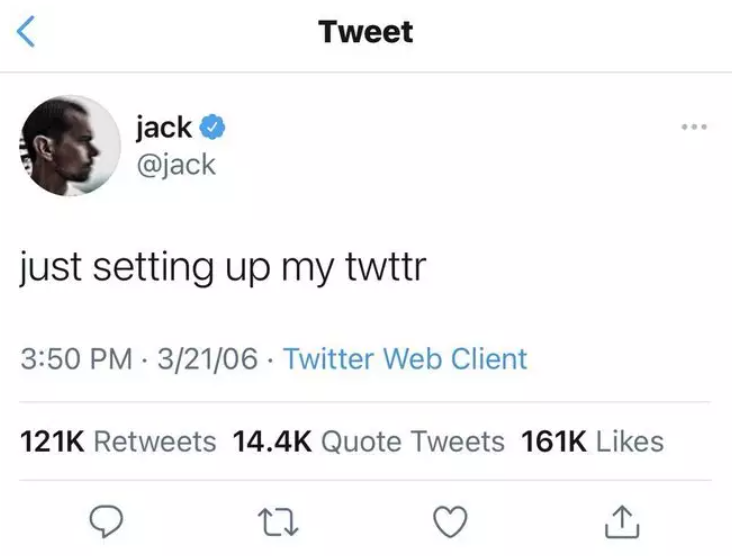
While this may sound strange, NFTs are indeed a great way to represent intellectual property (IP). NFT patents are easy to transfer, have clear ownership, are simple to verify, and even allow integration with smart contracts to collect royalties.
3. Real Estate Tokens
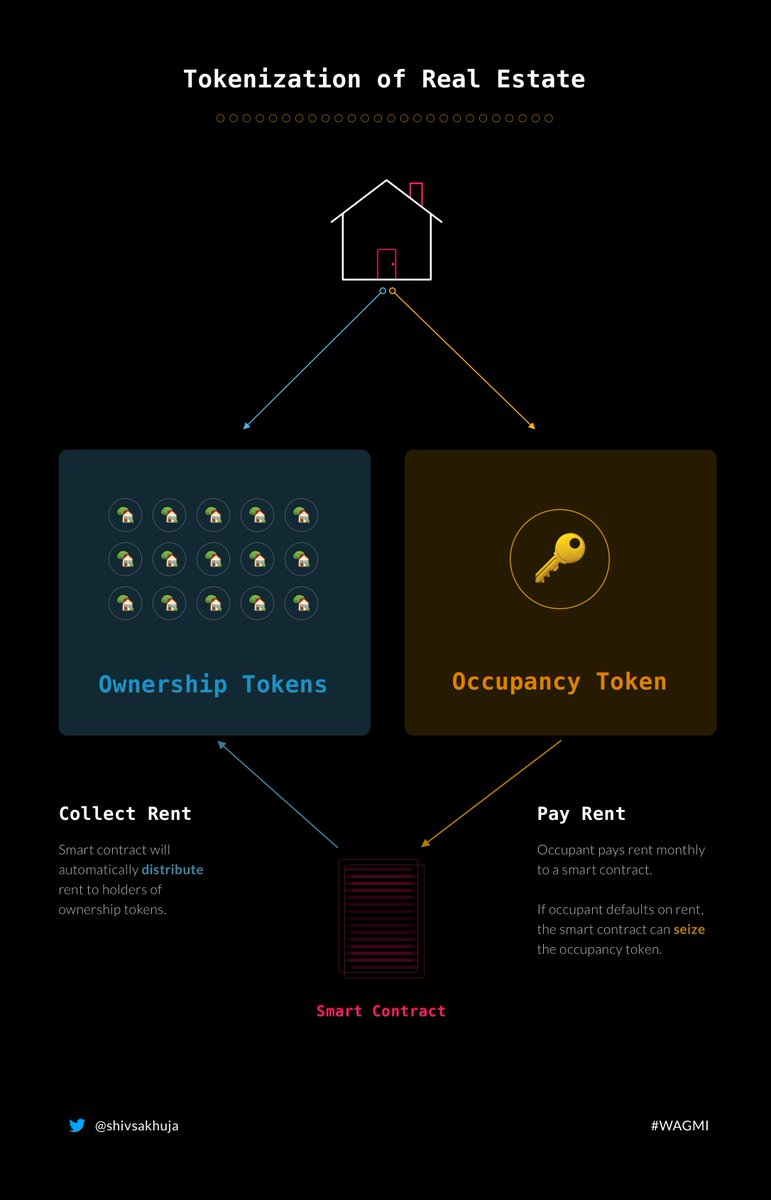
Every piece of real estate is unique, making NFTs an excellent method to represent them. If you own a token representing a property, you carry digital proof of ownership in your wallet. This not only eliminates cumbersome paperwork but also brings your property directly into the DeFi ecosystem. If you need a loan, you could secure a mortgage or refinance within seconds instead of waiting months.
4. Membership Clubs
NFTs make excellent membership cards because they can be:
Digitized
Easily verified
Ownership-recorded
Composable
5. Ticketing
With NFT tickets, event organizers can easily authenticate attendees via on-chain records. People gain secure resale channels, organizers can monitor resales, and even charge fees on secondary transactions. Moreover, NFT tickets open up many new possibilities—for example, artists could airdrop their new album to everyone who attended a concert, since tickets are tied to individuals and are verifiable and traceable.
6. Music
It's well known that record labels, intermediaries, and service providers behind artists earn significant money from streaming, leaving only a small portion for the artists themselves.
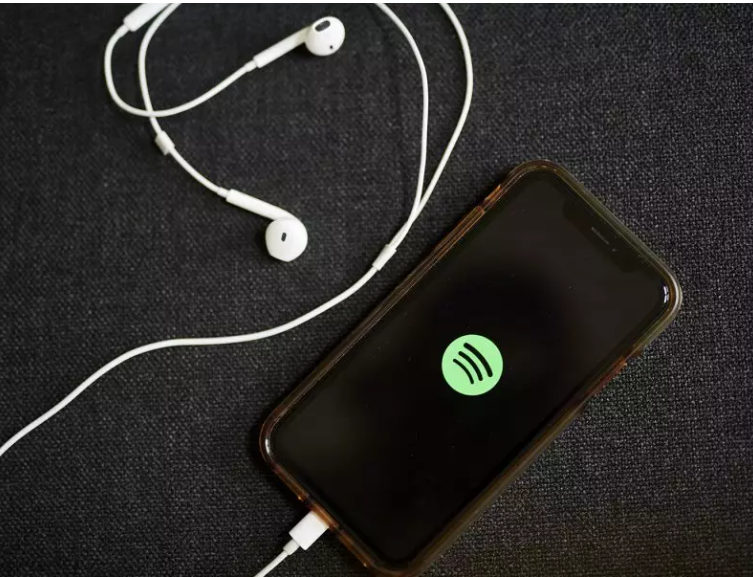
Like other art forms, music can benefit from NFTs. Limited edition songs or albums can be sold directly to fans as NFTs, bypassing publishers and middlemen. Artists can also raise funds from fans through NFTs in exchange for partial royalty rights. However, disrupting such an entrenched industry is extremely difficult. Many are trying, and I don’t know which approach will succeed—but currently, NFTs appear to be a guiding light.
7. In-Game Collectibles
NFTs can monetize your in-game efforts rather than letting them go to waste. When you obtain a legendary item in a game, NFTs give it value and tradability, allowing it to be freely traded or rented, while also creating opportunities for in-game markets.
8. Documents
Tamper-proof and easy-to-verify characteristics define NFTs. Using NFTs, legal documents, medical records, invoices, ownership contracts, and more can eliminate concerns about authenticity. Any individual or institution can check on-chain records to verify whether a document was genuinely issued by an authorized entity.
9. Digital Property
Domain names, usernames, and similar items are digital properties we already own. They are unique and ideally should be transferable. This sounds like a use case tailor-made for NFTs.
Conclusion
There are countless uses for NFTs that I haven’t even thought of, many of which may take years to materialize. But I firmly believe that the impact of NFTs will expand exponentially in the future.
Join TechFlow official community to stay tuned
Telegram:https://t.me/TechFlowDaily
X (Twitter):https://x.com/TechFlowPost
X (Twitter) EN:https://x.com/BlockFlow_News






