Why was Hyperliquid placed on the warning list by the Hong Kong Securities and Futures Commission? What are the impacts?
Author: Wushuo Blockchain
Original link: https://www.wublock123.com/articles/hyperliquid-listed-by-hksec-warning-list-impact-on-users-59902
Key Highlights (TL;DR):
· On November 18, the Hong Kong Securities and Futures Commission (SFC) added “Hyperliquid / Hyperliquid Hong Kong” to its list of suspicious virtual asset trading platforms, stating that it operates without a license and is suspected of operating in Hong Kong, claiming to operate in Hong Kong, and/or actively promoting services to the Hong Kong public. The specific triggering actions were not disclosed, nor was there an explanation linking the listing to local community activities.
· Jeff Yan, founder of Hyperliquid Labs, previously stated that the team had no dedicated marketing personnel at the time. An open rebate mechanism allows users to share referral codes themselves, and fans in Hong Kong have organized offline events. Whether third parties are promoting on behalf of the platform depends on specific arrangements such as entrustment or coordination. Whether a license is required also depends on whether the promotion targets the Hong Kong public and whether the related services fall under regulated scopes.
· Previous Hong Kong cases have separately disclosed issues such as claims of local operations, KOL promotions, specific products, and alleged fraud. The current public entry concerning Hyperliquid involves suspicions of unlicensed activities, makes no fraud allegations, and has not announced website access restrictions. Risk levels and subsequent handling cannot be assumed identical solely because they appear on the same list.
· Future developments to watch include whether the SFC will supplement disclosures regarding specific services or promotional channels, and whether the web interface and third-party wallets will adjust available features for Hong Kong users. Existing regional restrictions should be distinguished from new measures implemented after this warning and cannot be directly attributed to this listing.
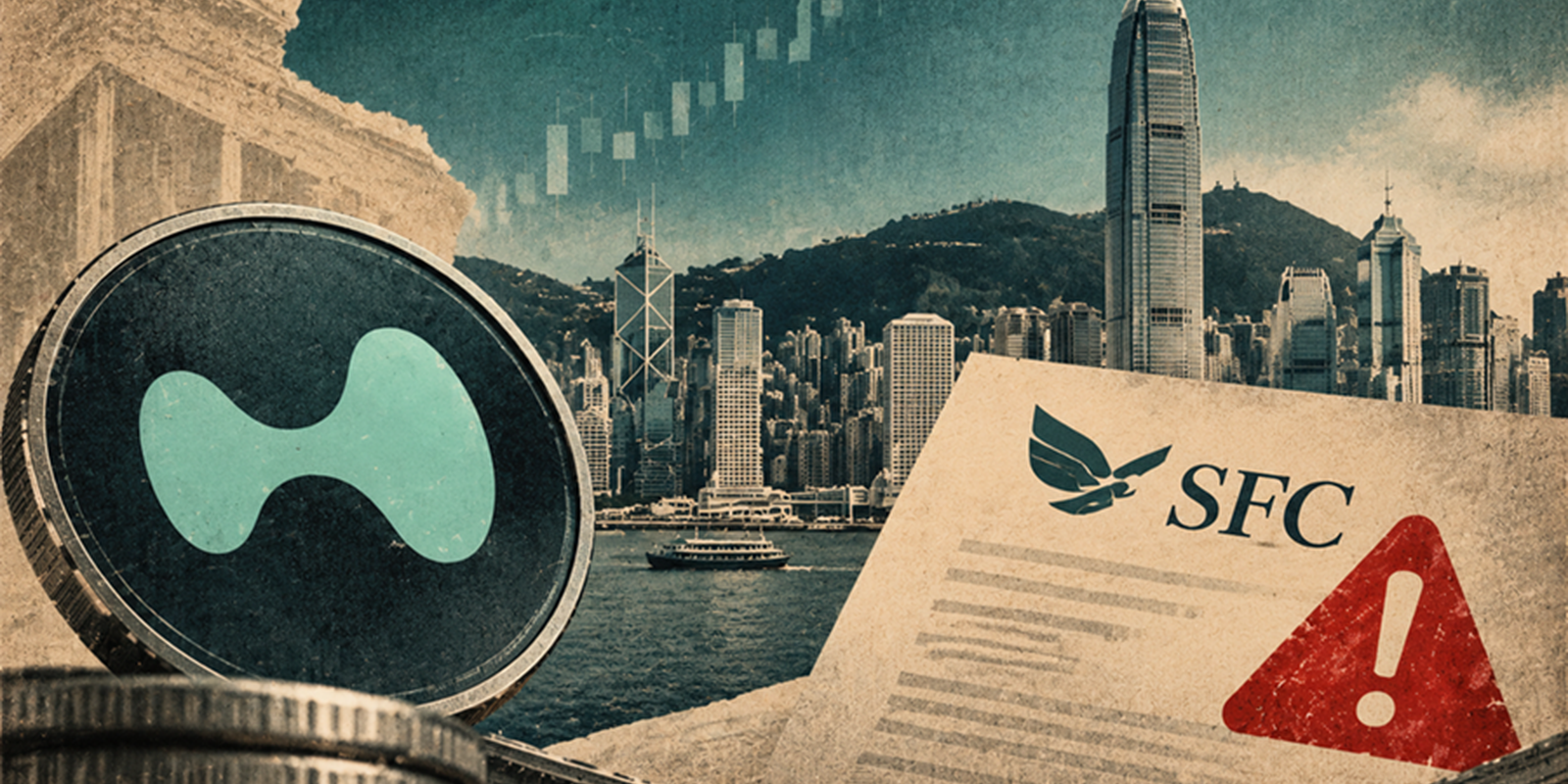
On November 18, the Hong Kong Securities and Futures Commission (SFC) added “Hyperliquid / Hyperliquid Hong Kong” to its list of suspicious virtual asset trading platforms and listed its web-based trading portal in the entry. The SFC noted that Hyperliquid has not been licensed by it and cited active promotion of services to the Hong Kong public as one of the potentially involved behaviors.
In October 2025, Jeff Yan, founder of Hyperliquid Labs, told TBPN that the team consisted of only 11 people at the time, with no one specifically responsible for marketing. Under Hyperliquid’s open rebate rules, traders and KOLs can independently share invitation codes. Hyperliquid fan communities in Hong Kong have also held offline gatherings. Under what circumstances would the Hong Kong SFC consider these activities as the platform soliciting users? What impact will being placed on the warning list have on Hong Kong users?
What Exactly Did the SFC Warn About?
When placing Hyperliquid on the warning list, aside from mentioning “active promotion to the Hong Kong public,” the Hong Kong SFC also listed “operating in Hong Kong” and “claiming to operate in Hong Kong” as potentially involved behaviors. The former focuses on whether the platform actually conducts business in Hong Kong, the latter examines whether the service provider has ever publicly stated it operates in Hong Kong, while “active promotion” looks at whether it proactively solicits business from the Hong Kong public. The SFC connected these scenarios with “and/or” without disclosing specific grounds. Jeff Yan’s statement about the team having no dedicated marketing personnel pertains to internal role division. Whether the platform operates in Hong Kong and whether it has claimed to do so are two separate issues raised in the warning.
The warning entry lists “Hyperliquid” and “Hyperliquid Hong Kong” side by side, and the provided URL points to Hyperliquid’s web-based trading portal. A community with the same name also appeared on the event platform Luma, co-hosting an offline gathering with other teams in Kowloon. The event page states that this community is operated by Hyperliquid fans, aiming to connect developers, traders, and DeFi enthusiasts.
The SFC did not mention this gathering or its organizers in the warning, nor did it clarify whether “Hyperliquid Hong Kong” in the entry refers to this similarly named community. As for whether such offline activities can be considered platform promotion in Hong Kong, it depends on whether the event solicits users targeting the Hong Kong public and whether the organizers act on behalf of the platform.
Organic Sharing by KOLs: When Does It Count as Platform Promotion?
Hong Kong regulations focus on the actual services rendered and solicitation behaviors, while a marketing department is merely an internal division of labor within a company. According to the SFC’s licensing guide, active promotion involving Section 53ZRB of the Anti-Money Laundering and Counter-Terrorist Financing Ordinance and Section 115 of the Securities and Futures Ordinance can be conducted either by the service provider itself or by others acting on its behalf, either within or outside Hong Kong. This applies provided that if the related services are offered in Hong Kong, they would constitute respective virtual asset services or regulated activities. Therefore, whether a team has a marketing department only illustrates its internal structure and cannot independently determine whether promotive activities requiring scrutiny exist.
A specific assessment involves at least three questions: whether the promotion targets the Hong Kong public, whether third parties act on behalf of the service provider, and whether the promoted services fall within the scope of relevant licensing requirements.
First, whether the promotion proactively targets the Hong Kong public.
When determining “active promotion,” the SFC considers overall business activities, examining whether the promotion has a clear plan, is coordinated according to a schedule, proactively reaches out to Hong Kong investors through advertising or online channels, and whether the product has specific arrangements for the Hong Kong market, such as using Chinese and quoting prices in HKD. These factors require case-by-case evaluation. The fact that Hong Kong users can open the trading webpage or see a referral link on social media is insufficient on its own to conclude “active promotion”; further consideration must be given to how and to whom the content is deployed, as well as the underlying arrangements.
Second, how to distinguish organic dissemination from platform-representative promotion.
Hyperliquid’s open rebate mechanism makes this issue more concrete. According to official documentation, users with a cumulative trading volume reaching $10,000 can generate referral codes. Invitees receive trading fee discounts, and referrers earn rebates from the invitee’s transaction fees. A Hong Kong trader can independently activate a referral code, share it within communities, and earn rebates without necessarily requiring platform staff involvement throughout the process.
This means the open rebate mechanism allows for organic dissemination; the local event page’s claim of being fan-operated also provides clues for community-organized events. One cannot presume these are organized or commissioned by the platform simply because someone shares rebate links or hosts brand-related gatherings. However, this material alone is insufficient to conclude that all related promotions are organic, nor to compare which scenario is more prevalent.
If the service provider additionally commissions a KOL, directs them to publish content targeting Hong Kong investors, or coordinates event timing, promotional content, and solicitation methods, these facts would better support the determination that the third party acts on behalf of the service provider. While the existence of rebates or other financial incentives may be a fact to investigate, it cannot replace scrutiny of the specific relationship and arrangements. The public warning does not disclose that Hyperliquid has such commission or coordination arrangements.
Finally, it must be clarified who is providing which services.
The SFC’s explanation of the current virtual asset trading platform licensing regime primarily targets centralized platforms offering trading and custodial services. Regarding Hyperliquid, the public entry points to its web-based trading portal but does not specify the recognized service provider, the exact products involved, or how it views custody arrangements for client assets. Therefore, even if it can be determined who organized a local promotion, it remains necessary to clarify which service is being promoted and which licensing regulation applies before further discussing liability attribution.
What Do Past Hong Kong Cases Indicate?
CoinUnited.io provides a concrete reference for “claiming to operate in Hong Kong.” In July 2024, when warning about this platform, the SFC explicitly mentioned its prior claims of having a flagship store in Hong Kong and recruiting locally. The announcement provided understandable clues of local operations. In contrast, while the Hyperliquid entry includes suspicions of “claiming to operate in Hong Kong,” it fails to disclose similar statements or activities. The difference lies in the specificity of publicly available evidence; situations cannot be presumed identical solely because both names contain Hong Kong elements.
The JPEX case illustrates how third-party promotional channels can become explicitly targeted by regulators. In September 2023, the SFC alleged that JPEX promoted its services and products to the Hong Kong public through social media influencers and OTC money changers, and demanded that relevant promoters cease their activities. The announcement also addressed issues such as misleading license claims, unrealistically high returns, and withdrawal complaints.
This case helps clarify that the absence of ads personally published by platform employees does not mean promotional activities escape regulatory scrutiny. However, the specific channels and other issues detailed in the JPEX announcement cannot be directly applied to Hyperliquid; the latter’s entry has yet to name any specific KOL or community event.
The Bybit case demonstrates that platform listings and specific product warnings can occur simultaneously. In March 2024, the SFC added Bybit to its list of suspicious virtual asset trading platforms while simultaneously placing several of its cryptocurrency products on its list of suspicious investment products, specifically discussing the regulated activities and promotional issues those products might involve. This differs in disclosure depth from simply listing general unlicensed activity suspicions under a platform entry.
Linkbex was warned due to suspicions of virtual asset-related fraud, with police taking action to block relevant websites at the SFC’s request. In March 2025, the SFC disclosed its suspicions of virtual asset-related fraud and false claims of affiliation with licensed companies, stating that police have already acted on its requests to block the relevant sites.
These comparisons show that assessing the nature of a listing requires simultaneously examining alleged conduct, disclosed evidence, and announced measures. Regarding Hyperliquid’s current public entry, the focus is on suspicions of unlicensed activities; no fraud allegations have been made, nor have website access restrictions been announced. While the listing carries regulatory warning significance, it cannot be presumed to involve all the issues present in the aforementioned cases.
What Practical Changes Will Follow?
For Hong Kong users, the most immediate change is that the SFC has issued a public warning regarding this trading portal. Next steps to monitor include whether the SFC will supplement disclosures on specific services or promotional channels, and whether Hyperliquid’s web interface or wallets integrating its trading functions will adjust features available to Hong Kong users. Regional restrictions on third-party wallets should also be differentiated by timeline. For example, Trust Wallet’s perpetual contracts page had already listed Hong Kong as a region where this feature is unavailable prior to this warning.
Returning to the initial question, Hong Kong’s regulations sufficiently explain why a platform without a dedicated marketing team could still face scrutiny for “active promotion”: promotion can be carried out by third parties acting on behalf of the service provider. However, users independently sharing rebate links and fans organizing gatherings must still be distinguished from platform-commissioned or coordinated solicitation targeting the Hong Kong public, based on specific facts. Whether this listing stems from a particular channel or service, or whether the SFC holds other clues related to local operations, remains unanswered in the public entry.
Join TechFlow official community to stay tuned
Telegram:https://t.me/TechFlowDaily
X (Twitter):https://x.com/TechFlowPost
X (Twitter) EN:https://x.com/BlockFlow_News
 吴说区块链